Cost to Replace Siding on a House: October 2026 Guide
The cost to replace siding on a house usually lands between 8,000 and 30,000 US dollars for a full replacement, and most homeowners pay somewhere around 11,500 to 12,250 dollars for a mid-range job such as vinyl on a 2,000-square-foot home. Labor is usually half the bill, so the material you pick matters less than the wall area and how complicated your house is. All figures in this guide are US dollars, and they shift a lot by region.
I’ve watched enough homeowners get blindsided by a siding quote to know where the surprises hide: not in the material price, but in the tear-off, the trim, and whatever was rotting behind the old boards. This guide walks through what actually drives the number so you can walk into that first conversation prepared.
Contents
Cost to Replace Siding on a House at a Glance
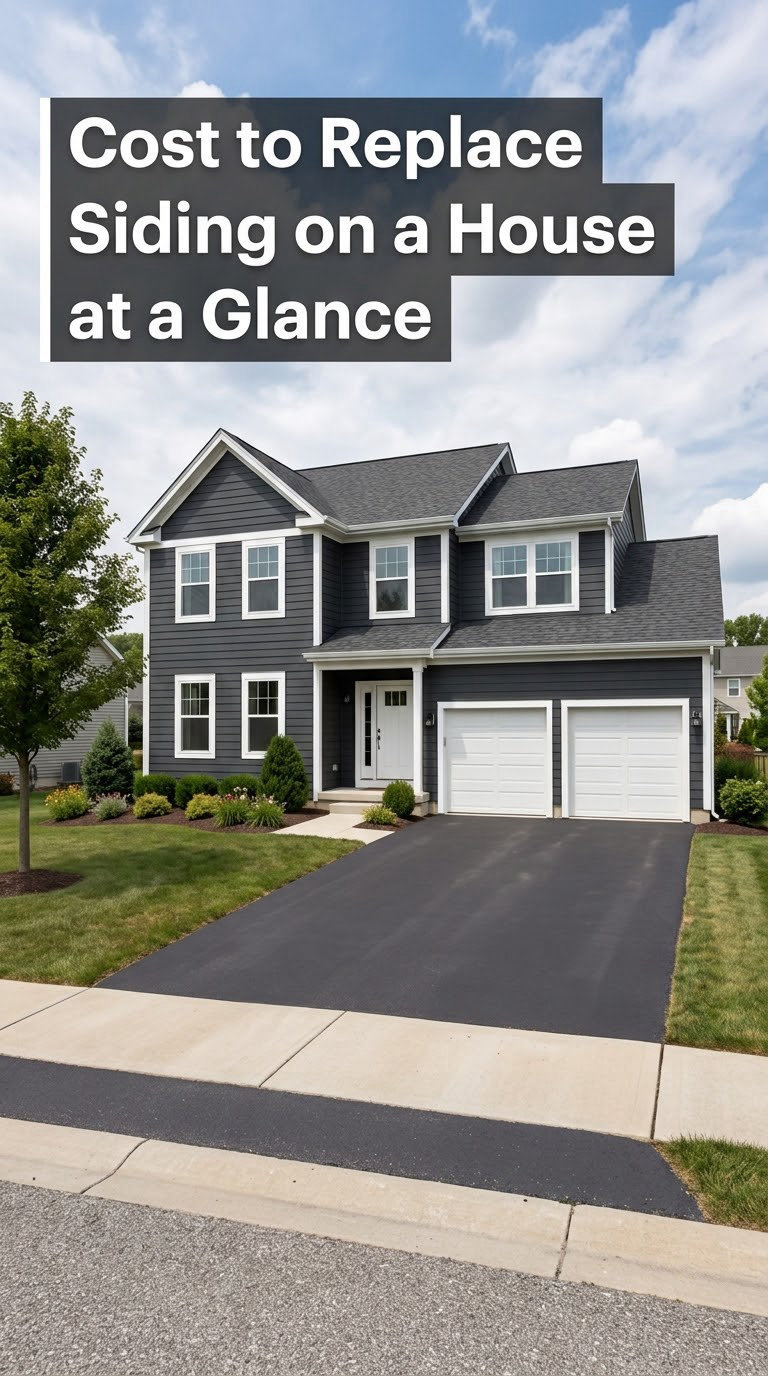
Siding replacement cost breaks into four buckets: material, labor, removal and disposal, and the extras like permits, trim and underlayment. On most projects material runs 40 to 50 percent and labor runs 40 to 50 percent, so two quotes with the same material can still differ by thousands.
| Tier | Typical installed cost | What it looks like |
|---|---|---|
| Low end | 5,554 | Vinyl on a small home, minimal trim, no structural repair |
| Average | 11,589 | Mid-range material, standard two-story, standard trim |
| High end | 17,720 and up to 30,000 | Fiber cement or wood, complex rooflines, rot repair, premium trim |
Per square foot of wall area, installed vinyl runs about 7.59 to 12.94 dollars nationally, and published averages across the industry cluster between 3 and 12 dollars per square foot depending on material and region. Multiply by wall area, not floor area. A 2,000-square-foot house rarely has more than 1,200 to 1,500 square feet of wall to cover once you subtract windows, doors and the parts you cannot reach.
Siding Replacement Costs by House Size
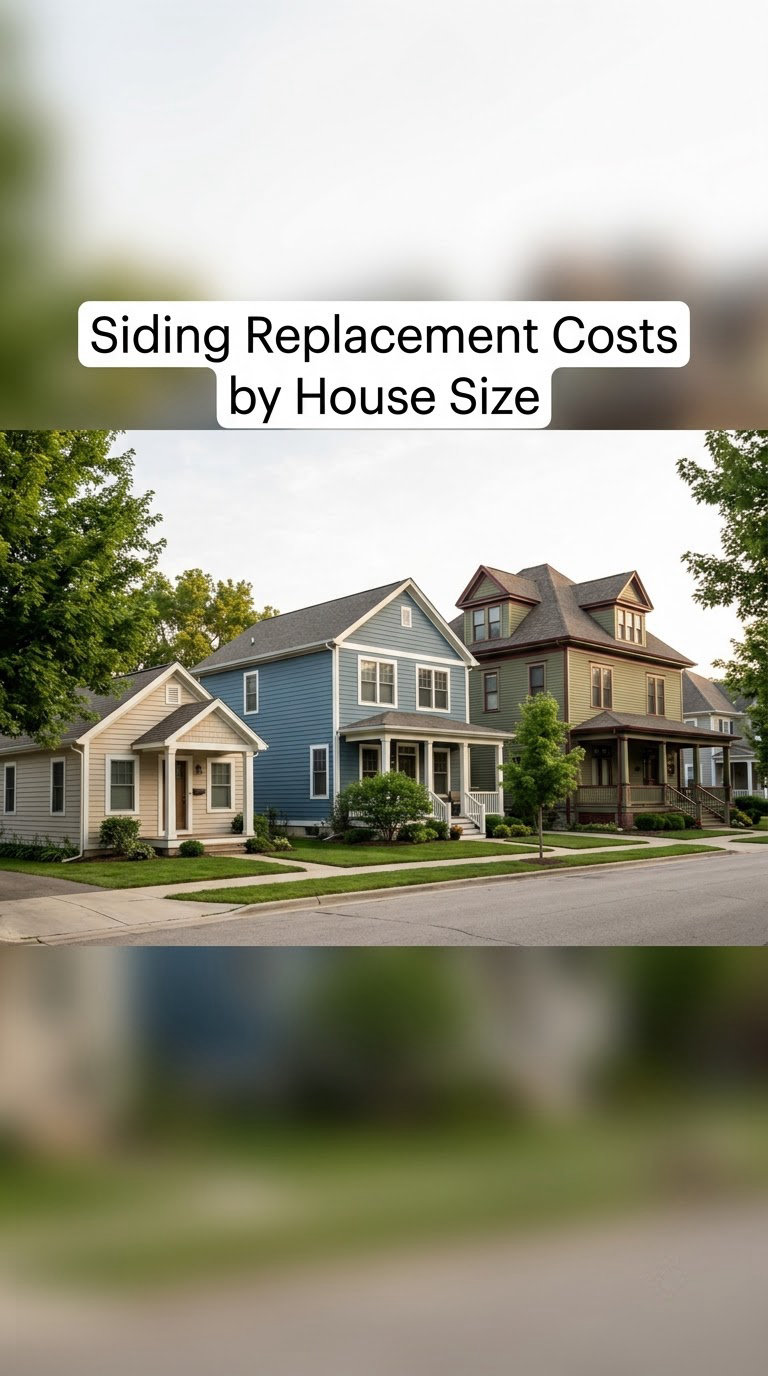
How to measure your wall area
Walk the perimeter of the house at the eaves, multiply by the wall height, and subtract roughly 20 percent for windows and doors. Two-story homes with a gable end need the triangle counted too. If a quote arrives per “square,” that means 100 square feet of wall, an old industry unit that trips up a lot of first-time homeowners.
Then add 10 to 15 percent for waste. Cuts at corners, window surrounds and rooflines leave you with offcuts you cannot reuse, and running short mid-wall means a second delivery trip.
| Home size | Approx. wall area | Squares | Vinyl installed | Fiber cement installed |
|---|---|---|---|---|
| 1,000 sq ft cottage | 600 to 700 sq ft | 6 to 7 | 6,000 to 10,000 | 10,000 to 16,000 |
| 1,500 sq ft ranch | 850 to 1,000 sq ft | 9 to 10 | 8,000 to 13,000 | 13,000 to 20,000 |
| 2,000 sq ft two-story | 1,200 to 1,400 sq ft | 12 to 14 | 10,000 to 14,000 | 16,000 to 24,000 |
| 2,500 sq ft colonial | 1,500 to 1,700 sq ft | 15 to 17 | 12,000 to 17,000 | 19,000 to 28,000 |
| 3,000 sq ft plus | 1,800 to 2,100 sq ft | 18 to 21 | 15,000 to 22,000 | 24,000 to 33,000 |
A 2,000-square-foot house with standard vinyl siding typically comes in around 12,252 dollars installed, which is the number most homeowners recognize. Neighborhoods tell the same story: people comparing quotes on identical homes in one Pennsylvania city reported everything from 14,000 to 38,000 dollars, and nothing about the houses explained that gap.
Siding Material Costs Compared
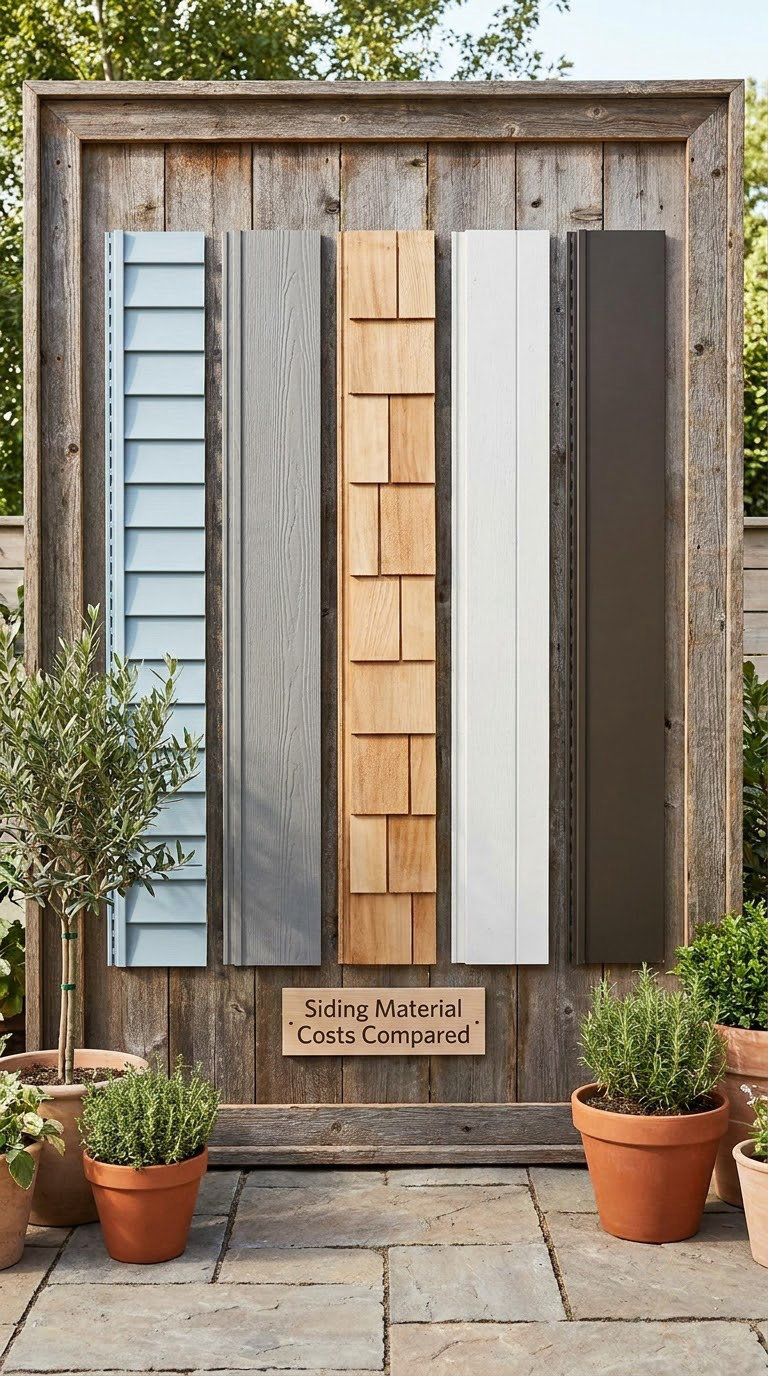
Material choice sets your floor and ceiling. Vinyl keeps costs down and installation fast. Fiber cement costs more up front and takes more labor, but it holds paint better and shrugs off rot. Wood looks the best and asks the most of you over its life.
| Material | Installed cost per sq ft | Lifespan | Upkeep |
|---|---|---|---|
| Vinyl, builder grade | 7.59 to 9.00 | 15 to 25 years | Low, hose wash yearly |
| Vinyl, insulated | 9.00 to 12.94 | 20 to 30 years | Low, adds some R-value |
| Engineered wood | 9.00 to 13.00 | 20 to 30 years | Repaint every 7 to 10 years |
| Fiber cement | 11.00 to 16.00 | 30 to 50 years | Low, repaintable |
| Cedar shake or shingle | 16.00 to 24.00 | 30 to 50 years | Stain or treat periodically |
| Aluminum or steel | 12.00 to 18.00 | 40 to 60 years | Very low |
Vinyl grade shows up in the price more than most people expect. Builder-grade panels run thinner than premium insulated profiles, and on a large wall area the difference adds up. Buying a middle grade is usually the sweet spot: better colorfastness and less warping in summer heat without paying for a name brand.
Southern homeowners should know that sustained heat warps thinner vinyl, which is one reason material costs run higher in those markets. Northeast and Midwest buyers usually find vinyl cheap and plentiful.
What Changes the Cost to Replace Siding?
Two houses with identical square footage can differ by 40 percent. These are the variables that do it.
Removal difficulty and wall condition
Tear-off runs roughly 1 to 2 dollars per square foot and usually includes disposal. If the old siding is fastened over an existing layer, removal gets slower and pricier. The bigger risk sits behind the boards. Homeowners on forums keep posting about discovering soft sheathing, mold or framing rot after the crew stripped a wall, and those repairs add 1,000 to several thousand dollars on their own.
Trim, openings and rooflines
Fascia, soffit, corner boards, window and door trim, and any decorative work around gables come as separate line items. A house with a lot of dormers or a wraparound porch costs more per square foot than a plain rectangle for exactly that reason.
Access, insulation and permits
Steep roof pitch, tight lot lines and three stories mean scaffolding or lift equipment, and that alone can add hundreds to a few thousand dollars. Adding a water-resistive barrier or house wrap runs about 0.50 to 1.00 dollar per square foot of wall. Permit and inspection fees typically land between 100 and 500 dollars, though dense cities can reach 1,500.
Geography matters as much as anything else. Coastal metros, the Mountain West and parts of the Northeast run 20 to 40 percent above national averages; the Midwest and much of the South run below them.
Timing is a real lever too. Schedulers get thin in spring, so a January or February start often earns better numbers. It is also the season to knock out small seasonal upkeep jobs while you are already thinking about the envelope, such as how to replace an air conditioner filter.
Contractor overhead
If a general contractor handles the job instead of a dedicated siding crew, expect 13 to 22 percent in overhead and profit on top. Siding specialists price tighter because the work repeats.
Vinyl vs. Fiber Cement vs. Wood Siding
These three cover most of the market, and the honest answer is that all of them are reasonable choices. The right one depends on your budget, your climate and how much upkeep you want to own.
| Vinyl | Fiber cement | Wood | |
|---|---|---|---|
| Upfront cost | Lowest | Middle to high | Highest |
| Lifespan | 15 to 30 years | 30 to 50 years | 30 to 50 years |
| Paint needed | Never | Every 10 to 15 years | Every 3 to 5 years |
| Moisture | Fine, if installed right | Rot resistant | Needs sealing |
| Look | Uniform, slightly plastic | Crisp, holds paint | Warm, natural |
| Best for | Budget buyers | Long-term owners | Restoration and character homes |
The fiber cement premium over vinyl buys you decades of life and a surface that takes paint well. If you plan to stay past ten years, that premium tends to pay back. If you might sell soon, the resale appeal of fresh fiber cement carries more weight than the difference in lifespan.
DIY or Hire a Siding Contractor?
Full-house siding is one of the more demanding exterior jobs you can take on. Wall height means scaffolding, the work must tie into flashing and trim correctly, and a botched water barrier shows up as rot three winters later.
A realistic DIY math looks like this. A table saw, brake or bender, chop saw, nailer and a full set of body harnesses runs 1,500 to 3,500 dollars for a first-time setup. Vinyl on a small side wall takes a beginner a full weekend plus a week of evenings. On a two-story home you need scaffolding, and scaffolding rental is its own budget line.
Where DIY works: a detached garage or shed, one low wall of a ranch, or a repair after storm damage. Where it does not: anything above one story, anything with rotted sheathing, or anything where a permit and inspection are required.
A middle path comes up often on home improvement forums. You buy the materials and hire labor only. It can save real money, usually 20 to 30 percent, but you lose the workmanship warranty and you absorb the risk of ordering too few squares. Several people running that math found primed board retail around 1.60 dollars per square foot before lapping, roughly 10,000 dollars in material for a large ranch. Labor bought separately still runs 2 to 5 dollars per square foot.
Ask about licensing and insurance, and never pay a large deposit before work starts.
How to Estimate Your Siding Replacement Budget
Run these seven steps and you will have a number within about 10 percent of a real quote, which is good enough to decide whether a bid is sane.
- Measure the walls. Perimeter times wall height, plus gables, minus about 20 percent for openings.
- Convert to squares. Divide wall area by 100 if you want to read quotes the way contractors write them.
- Add 10 to 15 percent for waste. Corner cuts and roofline cuts are not reusable.
- Price trim separately. Soffit, fascia, corner boards and window surrounds often sit outside the per-square-foot figure.
- Count the layers. One layer tears off easily. Two layers mean a bigger labor and disposal number.
- Add a contingency of 10 to 20 percent. This is the line that covers rot, sheathing and flashing surprises found after tear-off.
- Collect three to five written quotes. Compare them line by line, not on total price alone.
Reading quotes side by side
Ask every contractor for the same six line items: material per square, labor per square, tear-off, disposal, permits, and the trim allowance. A quote that bundles all six into one number cannot be compared to anything.
Check whether the price is per square of wall or per square of material. Those are different units and the gap between them is a common source of the 14,000-to-38,000 range homeowners report for identical houses.
Ask what happens if rot is found, in writing. A contractor who names a per-hour rate and a written allowance is telling you the truth about the risk. One who promises a fixed number no matter what has not been on a roof ladder.
Finally, watch the deposit. Reasonable progress payments spread over the job beat a large upfront ask every time.
Frequently Asked Questions
What is the average cost to remove and install siding?
Removing and installing siding usually runs 7.59 to 12.94 dollars per square foot of wall area for standard vinyl, with most full projects landing between 5,554 and 17,720 dollars. The average sits near 11,589 dollars. Labor accounts for up to half of the total, so removing and installing the material you already own changes the number far more than the siding brand does.
How much does siding cost for a 2,000 sq ft house?
A 2,000-square-foot house typically needs 1,200 to 1,400 square feet of wall coverage. At average vinyl pricing that works out to roughly 12,252 dollars installed. Fiber cement on the same house generally runs 16,000 to 24,000 dollars, while engineered wood lands somewhere in the middle. Add trim, permits and a contingency and the range widens by several thousand dollars.
Is it cheaper to paint or replace siding instead?
Painting wins when the siding is structurally sound and only the color faded. A quality exterior paint job on a 2,000-square-foot home runs a few thousand dollars against roughly 12,000 dollars for a full vinyl replacement. Repainting makes no sense once boards are warped, brittle, loose or rotted underneath, because the paint job then fails with the wood and you pay twice.
Do I need a permit to replace siding on a house?
Most jurisdictions require a permit for a full siding replacement because the work touches the exterior weather barrier and often the soffit and fascia. Replacing a few damaged boards usually does not need one. Fees typically run 100 to 500 dollars, though larger cities can reach 1,500. Confirm with your local building department before anyone starts tearing material off.
What is the best time of year for siding replacement?
Late winter and early spring usually produce the best numbers because crews have open schedules, while summer is peak season and books out months ahead. Weather still rules the schedule, since most materials need dry temperatures and low wind to fasten and seal properly. Booking your project in the off-season also leaves room to handle rot discovered during tear-off before summer.
How long does a siding replacement take?
A straightforward one-story house usually takes three to five days. A typical two-story home runs seven to fourteen days once weather delays, trim details and inspection time are counted. Add scaffolding setup on the schedule for anything above one story, and expect the timeline to stretch if sheathing repairs turn up after the old siding comes off.
Conclusion
The cost to replace siding on a house tracks three things: how much wall you have, what you cover it with, and how much trouble the old siding and the architecture create. Most homeowners land between 8,000 and 30,000 US dollars, with vinyl at the low end and fiber cement or wood at the high end.
Start by measuring your wall area and adding 10 to 15 percent for waste. Pick the material that matches how long you plan to stay. Then collect at least three written quotes with the same line items broken out, and hold back 10 to 20 percent for whatever is waiting behind the boards.