
8 Best Memory Cards for GoPro Cameras (October 2026) Compared
Every GoPro since the HERO5 needs a microSD card rated at least Class 10, UHS-I and V30, which guarantees a sustained write speed of 30MB/s or better. For the current generation of cameras recording 4K60, 5.3K and 10-bit, 256GB is the capacity that balances recording time against card fatigue. That is the short answer to the best memory cards for GoPro cameras question, and everything below expands on why those two specifications matter more than the headline read speed printed on the front of the box.
I have shot on GoPro bodies from the HERO8 up through the latest generation, and the card you put in the slot decides more about your footage than the camera body does. A card that cannot keep pace with the recorder’s bitrate produces dropped frames, corrupted clips and the famous SD ERR message, and in the worst case it takes a whole trip’s footage with it when it fails. The speed printed in huge numbers on the front of the packaging is a read speed, and read speed only matters after you get home.
Contents
Eight cards made the cut below, and they cover the full range of what a GoPro owner actually needs: the mainstream all-rounder, the endurance card for long looping sessions, the high-headroom card for 10-bit capture, and a few budget options that still clear the V30 bar. If you also shoot on a full-frame mirrorless body, our guide to the best memory cards for the Sony A7R V covers that side of the market, and our best memory cards for 4K video guide goes deeper on sustained write behaviour.
Top 3 Picks for GoPro Memory Cards in 2026
The three cards below cover the majority of GoPro use cases, and each one earns its place for a different reason. The SanDisk Extreme is the one I put in every camera I own, the Samsung EVO Select is the same idea at a different price point, and the SanDisk Extreme PRO is the pick when you are running the heaviest record modes.
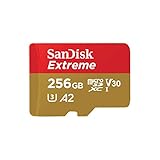
SanDisk Extreme 256GB
- Up to 190MB/s read speed
- QuickFlow technology
- V30 and U3 rated
- A2 performance class
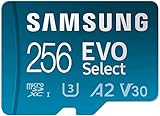
Samsung EVO Select 256GB
- Up to 130MB/s read
- V30 and U3 rated
- A2 performance class
- Adapter included

SanDisk Extreme PRO 256GB
- Write speed around 60MB/s
- 256GB capacity
- UHS-I U3 V30 rated
- 4K action camera ready
As an Amazon Associate we earn from qualifying purchases. CERTAIN CONTENT THAT APPEARS ON THIS SITE COMES FROM AMAZON. THIS CONTENT IS PROVIDED 'AS IS' AND IS SUBJECT TO CHANGE OR REMOVAL AT ANY TIME.
Best Memory Cards for GoPro Cameras (October 2026)
Every card in the table below clears the V30 minimum that GoPro requires, and all eight are 256GB, which is the capacity I recommend for most shooting. The differences between them are read speed, write headroom, endurance rating and warranty length, and those are the four things worth comparing.
| Product | Features | |
|---|---|---|
| SanDisk Extreme 256GB |
|
Check Latest Price |
| Samsung EVO Select 256GB |
|
Check Latest Price |
 SanDisk High Endurance 256GB SanDisk High Endurance 256GB |
|
Check Latest Price |
| SanDisk Extreme PRO 256GB |
|
Check Latest Price |
 TEAMGROUP GO Card 256GB TEAMGROUP GO Card 256GB |
|
Check Latest Price |
 Silicon Power 256GB U3 V30 Silicon Power 256GB U3 V30 |
|
Check Latest Price |
 Gigastone 4K Camera Pro 256GB Gigastone 4K Camera Pro 256GB |
|
Check Latest Price |
 Kingston Canvas Go Plus 256GB Kingston Canvas Go Plus 256GB |
|
Check Latest Price |
We earn from qualifying purchases. CERTAIN CONTENT THAT APPEARS ON THIS SITE COMES FROM AMAZON. THIS CONTENT IS PROVIDED 'AS IS' AND IS SUBJECT TO CHANGE OR REMOVAL AT ANY TIME.
1. SanDisk Extreme 256GB – Best Overall GoPro Memory Card
SANDISK 256GB Extreme microSD Card + Adapter, Up to 190MB/s…
MicroSDXC 256GB
Up to 190MB/s read
QuickFlow technology
V30 and U3 rated
Pros
- Very high 190MB/s read speed for fast offloads
- 130MB/s write gives headroom above the 30MB/s V30 floor
- A2 rated for snappier loading on host devices
- Works across action cameras drones phones and tablets
Cons
- Headline write figure does not always appear on every host device
- Adapter is not bundled in all capacities
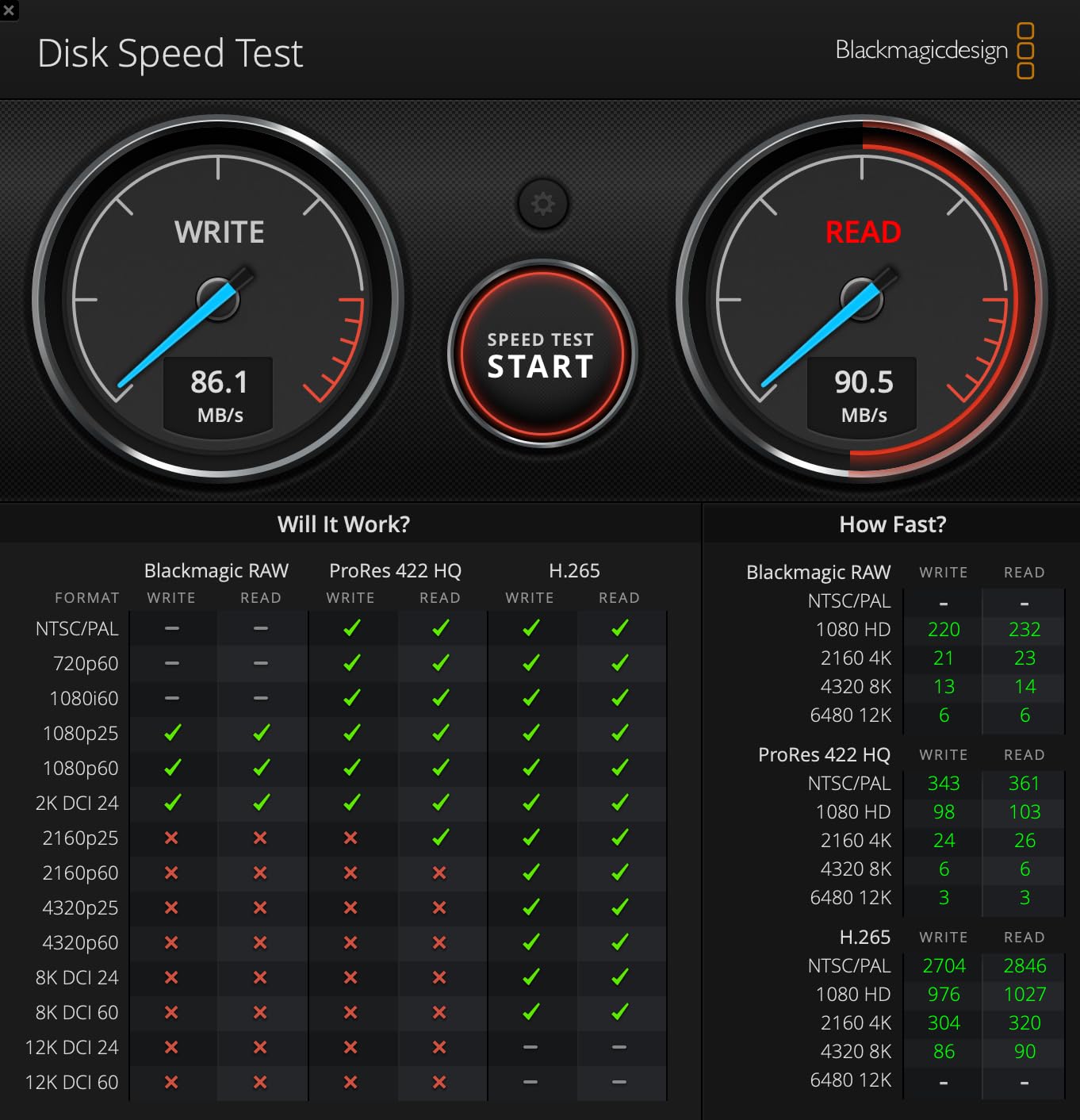
This is the card I have the least hesitation about. It carries a 190MB/s read figure and a 130MB/s write figure, both of which sit far above the 30MB/s sustained write floor a GoPro needs, and it is rated V30 and U3 for 4K and 5K capture. A2 rating means the camera and phone will also open files and load apps faster, which is a small bonus when you are offloading on a phone rather than a laptop.
Across 148948 reviews it holds a 4.8 average, and the pattern in the feedback is consistent: people buy it for fast offloads and then stay because nothing has gone wrong. Owners in action cameras, drones and phones all describe the same thing, smooth recording and no surprises, which is exactly the profile you want from the card that holds footage you cannot re-shoot.
The physical card is tiny and weighs 10g, so it costs you nothing in mount weight or balance. It is rated temperature proof, water proof and X-ray proof, which covers the snow and water cases that come up constantly with action camera work. The lifetime limited manufacturer warranty is one of the strongest in this group, and GoPro lists this card family on its recommended specifications.
One honest note from the review data: a small number of owners report that the advertised write speed does not show up on every host device, which is true of nearly every card on the market. Video recording does not care, because the recorder only needs the guaranteed V30 write rate. What the high write figure buys you is headroom for burst photo sequences.
Why this card suits almost every GoPro owner
You are not choosing between features any more than you are with any other 256GB V30 card, and that is the point. This card simply does everything the camera asks without asking you to think about it, which is why it is the one I keep in the housing bag.
If you record at 4K60, 5.3K or in 10-bit, the extra write headroom over the minimum is real insurance. In practice the camera writes far below 130MB/s, but the margin is what keeps a long session from degrading when the card has been through a few hundred write cycles.
Where you might want something different
If your main use case is continuous looping recording over many hours, an endurance card is built for that job and is covered further down this list. If you are on a tight budget, the same V30 rating is available for less, and the difference shows up mostly in offload speed.
It is also worth noting this is a full-capacity card, so a 256GB card formatted in the camera reports 256GB. Counterfeit and capacity-shrunk cards are the single most common cause of the error messages people ask about, and a card with this review volume is one of the safer places to start.
2. Samsung EVO Select 256GB – Best Value for Everyday Shooting
SAMSUNG EVO Select Micro SD-Memory-Card + Adapter, 256GB…
MicroSDXC 256GB
Up to 130MB/s read
V30 and U3 rated
A2 rated
Pros
- Consistent 130MB/s transfers keep 4K recording smooth
- Owners report no file corruption across heavy long-term use
- Full-size SD adapter included for easy transfers
- Backed by a 10-year limited warranty
- Available from 64GB to 512GB
Cons
- Heavy sustained 4K work may want a higher write-rated card
- Included SD adapter is not covered by the durability proofs
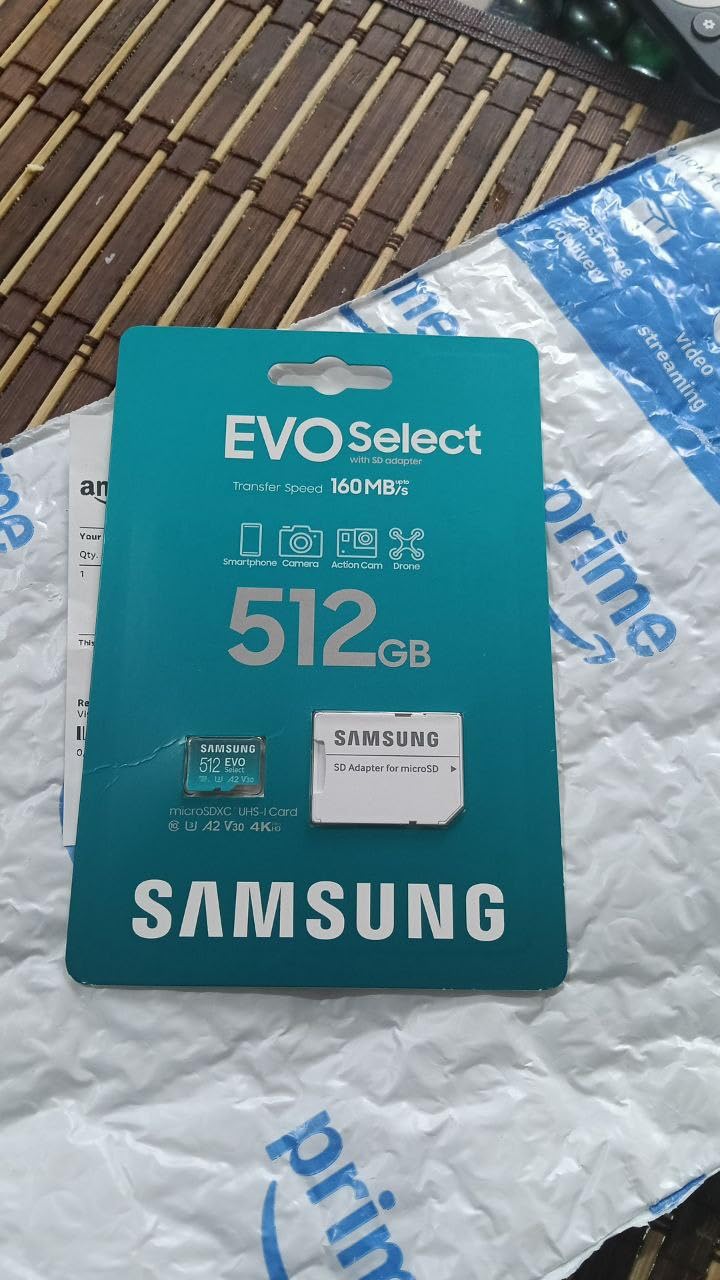
The EVO Select is the card most people in the comments sections actually run, and the reason is unglamorous: it is rated V30 and U3, it holds 130MB/s on a UHS-I interface, and it keeps working. Multiple owners on r/gopro describe running this card for years with no trouble, and it turns up in almost every thread asking which card to buy for a HERO12.
It carries a 4.7 average across 93757 reviews. The most common theme in that feedback is smooth 4K recording with no reported file corruption, which for a GoPro is the only metric that really matters. Samsung also builds all firmware and components in-house, so there is no mystery controller in the middle of the chain.
Capacity options run from 64GB through 128GB, 256GB and up to 512GB, so you can match the card to the camera you actually own. A 256GB card weighs 9g and is rated water, temperature, X-ray, magnet and drop proof. The 10-year limited warranty is longer than most rivals in this group offer.
Two caveats come straight from the review data. Owners doing heavy sustained high-bitrate recording sometimes wish for a faster write-rated card, and the bundled full-size SD adapter is not covered by the same durability claims as the card itself. Neither matters for a GoPro in a housing, but both matter if you travel with the card loose in a bag.
What you get by choosing this over the SanDisk
Both cards are V30, U3 and A2, and both handle a GoPro without drama. The EVO Select is the pick if the 10-year warranty and the in-house manufacturing matter to you, or if you want one card family that covers your phone, tablet and action camera in a single purchase.
The included adapter is a genuine convenience if you are moving footage to a laptop with a full-size SD slot. It also means one less small thing to lose in a bag before a trip.
Where it falls short of the top pick
Read speed is lower than the SanDisk Extreme, so offloading a full 256GB card to your computer takes longer. If you shoot a lot and offload on the road between sessions, that is time you will notice.
For 10-bit and 5.3K capture on the newest bodies, more write headroom gives you more margin. If that is your normal recording mode, step up a card rather than pushing this one.
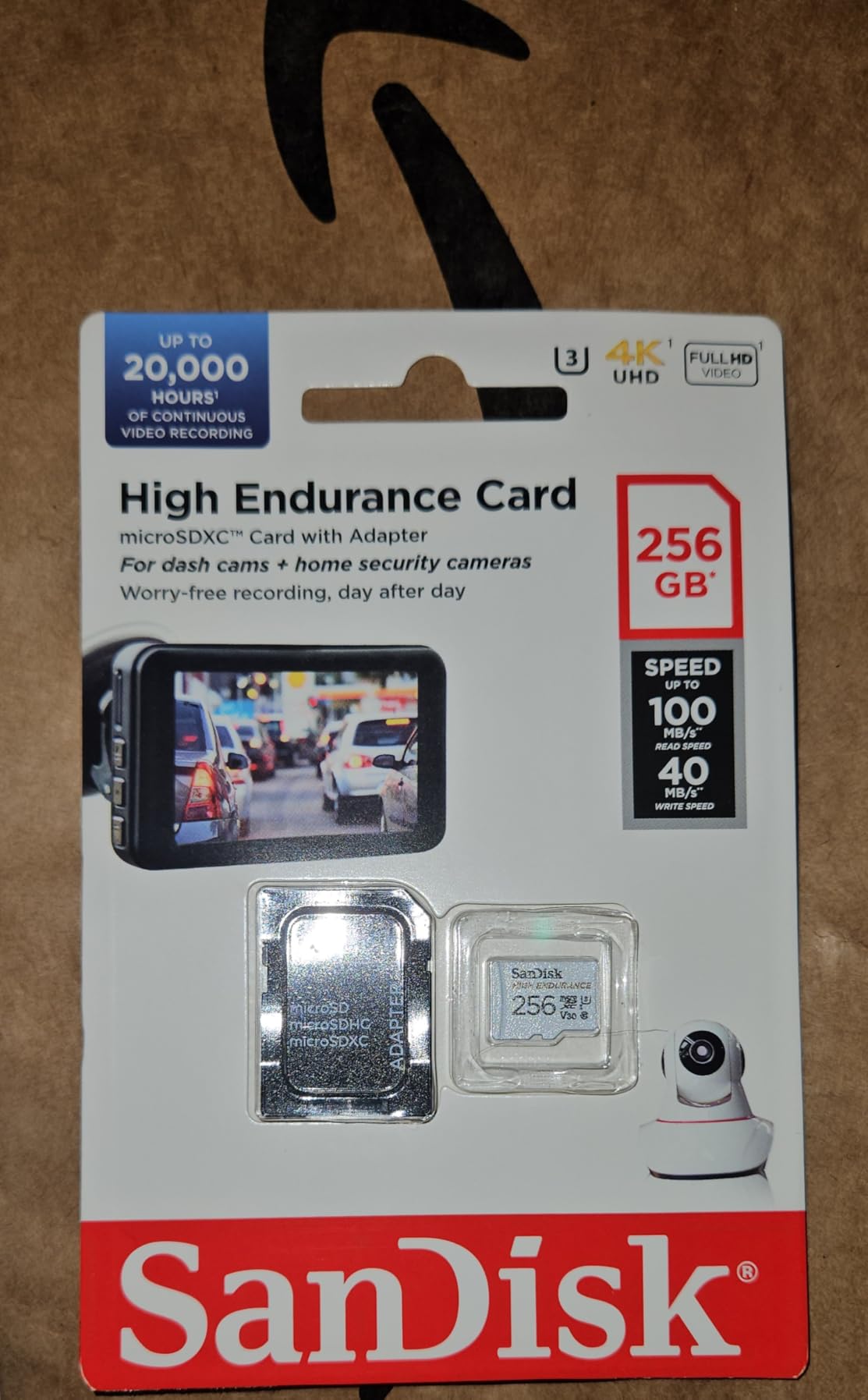
3. SanDisk High Endurance 256GB – Best for Looping and Dash Cam Style Recording
SANDISK 256GB High Endurance microSD Card + Adapter
MicroSDXC 256GB
100MB/s read
30MB/s or higher media speed
Rated for continuous recording
Pros
- Endurance-focused design built for long continuous recording sessions
- V30 U3 and Class 10 ratings support 4K capture
- Tested for temperature water shock humidity and magnet resistance
- Backed by a lifetime manufacturer warranty
Cons
- Lower read speed than the Extreme line so offloads take longer
- Built for endurance rather than burst write performance
This is the card to buy if your GoPro spends its life on a helmet, a bike or a car, writing footage for hours without anyone touching it. It is rated for continuous recording across a very long lifespan, which is the single biggest difference between it and every other card in this list. Endurance is about the NAND being built for repeated write cycles, not about raw speed.
The proof comes from real users. A long-term owner on goproforums reported recurring SD card errors on a HERO8 during long looping sessions while using a Samsung EVO Select, then switched to this SanDisk endurance line and reported no errors since. That is exactly the pattern this card is designed to fix.
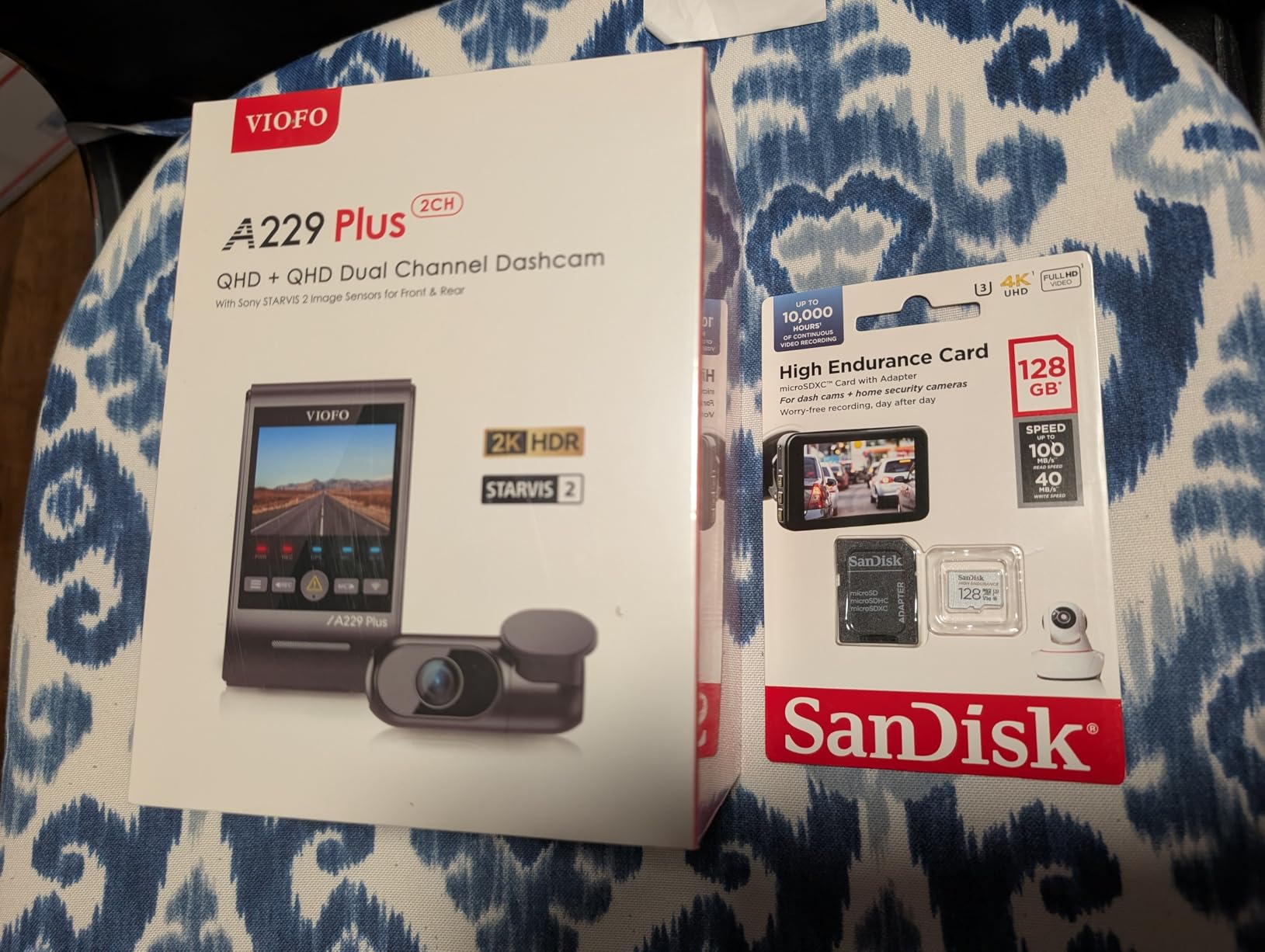
Specs are deliberately unexciting: 100MB/s read and a 30MB/s or higher media speed, rated Class 10, U3 and V30 for 4K and Full HD capture. The card weighs 4.54g, which makes it the lightest option here, and it is built and tested for temperature, water, shock, humidity and magnet resistance. The warranty is a lifetime manufacturer warranty.
What you give up is speed. The 100MB/s read means an offload after a full day of shooting takes roughly twice as long as a 200MB/s card. For a camera mounted to a bike or a bumper, that is the correct trade, because the card is writing while the rest of your kit is packed away.
Why endurance beats speed for this use case
A V30-rated general-purpose card and a V30-rated endurance card both promise the same 30MB/s minimum write. The difference shows up in the cell design and the controller, and it shows up in how the card behaves after months of continuous writing. Endurance cards are built to keep that promise when the card is full and the buffer is under pressure.
That is the situation in looping mode, where the camera records a segment, deletes it and starts again for hours. It is also the situation on a long trip where you are not swapping cards often. In both cases, write-cycle life matters more than offload speed.
Where it is the wrong card
If your main job is short action clips plus a lot of stills, the burst photo performance of a general-purpose card is the better fit. Burst sequences push write speed hard and briefly, which is a different demand from sustained writing.
If you offload several cards a day and want the transfer finished before you leave the car park, you will feel the 100MB/s read. Neither issue makes this a bad card, just a specialised one.
4. SanDisk Extreme PRO 256GB – Best for 10-Bit and 5.3K Recording
SanDisk Extreme PRO 256 GB Class 3/UHS-I (U3) V30 microSDXC
MicroSDXC 256GB
Around 60MB/s write
Class 3 UHS-I U3 V30 rated
256GB capacity
Pros
- Smooth 4K recording across action and gimbal cameras
- No corrupt files or disconnects reported over long use
- Full capacity shows as expected after formatting
- Widely reported working in action cams drones and Reolink cameras
Cons
- Write speed of around 60MB/s is modest for very high bitrate capture
- Reported write speeds can fall below the advertised figure on some devices
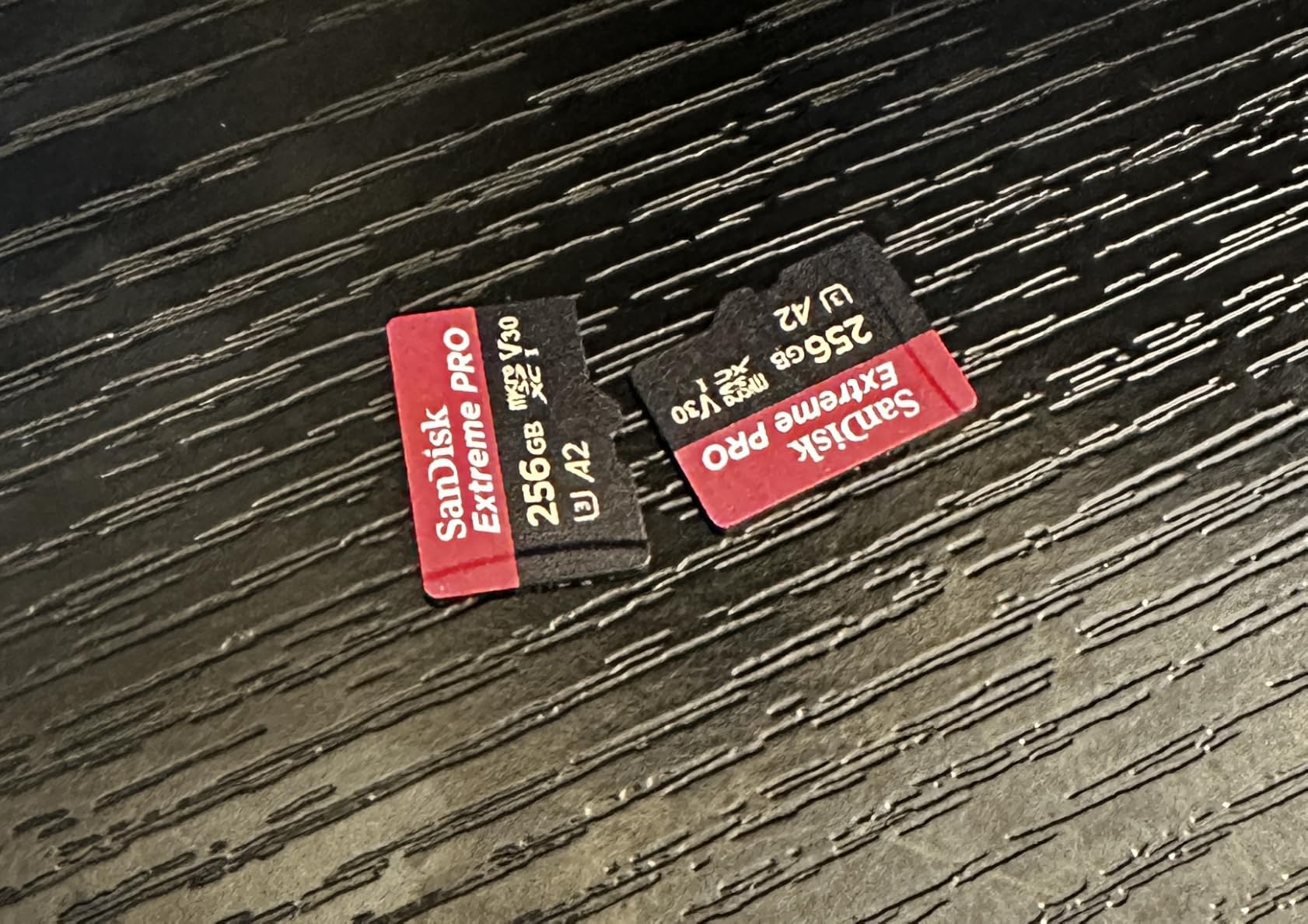
This is the highest-rated card in the group, sitting at 4.8 across 24653 reviews. The card is rated Class 3, UHS-I, U3 and V30, and buyers repeatedly confirm it in action cameras, drones and security cameras, which tells you the card holds up outside a GoPro as well.
Here is the detail that matters for this article: the sustained write is around 60MB/s, not the headline burst figure. That is still double the V30 floor, so it records 4K and 10-bit without trouble, but it is the reason this card is not automatically better than the Extreme for GoPro work. A video recorder is not a burst workload, and the class-level write figure is what the camera actually depends on.
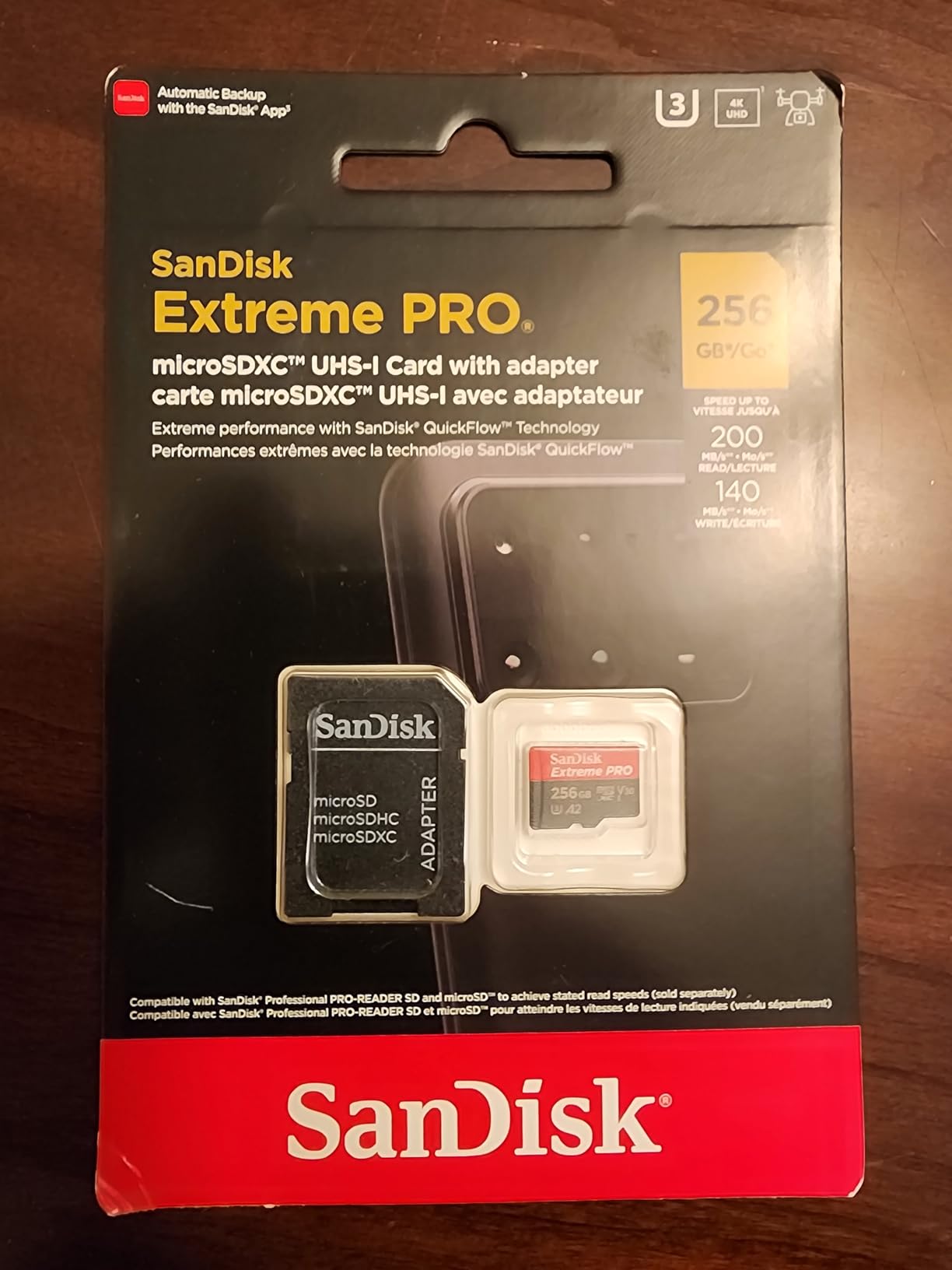
It is rated Class 10, U3 and V30 on a UHS-I bus, and it is rated drop proof, temperature proof, water proof and X-ray proof. The card weighs 5g. Multiple owners note that full capacity shows up as expected after formatting, which is the first thing to check on any new card.
The recurring theme in the feedback is reliability rather than speed. No corrupt files, no random disconnects, smooth recording across long sessions. If you have been burned by a card that dropped out mid-clip, that consistency is worth more to you than another 10MB/s of read speed.
When this card is the right call
Choose it when you are recording in 10-bit or 5.3K on the newest bodies, when you mix stills and video in the same session, or when the card will also live in a drone or a Nintendo Switch alongside the GoPro. The extra headroom covers the heaviest mode you can put the camera in.
It is also the pick if offload speed is part of your workflow, since its read throughput is among the fastest available across these eight cards.
When you should pick the cheaper card instead
If you shoot standard 4K or 4K60 and nothing above it, the 60MB/s write here is more than the camera asks for, and the SanDisk Extreme gives you a comparable experience with a much larger review base behind it. Paying for peak burst speed you will not use is the main way people overspend on this category.
Owners also report that write speeds can fall below the advertised figure on some host devices. As long as it stays above 30MB/s you will not see it, but it is a reason to check a new card early rather than trusting it on a long trip.
5. TEAMGROUP GO Card 256GB – Best Budget Action Camera Card
TEAMGROUP GO Card 256GB MicroSDXC UHS-I U3 V30 4K for Action…
MicroSDXC 256GB
100MB/s read
50MB/s write
V30 and U3 rated
Pros
- Marketed and tested for GoPro Insta360 and DJI action cameras
- V30 rating supports continuous 4K UHD shooting
- Water dust X-ray and cold resistant for outdoor use
- Lifetime services warranty from TEAMGROUP
Cons
- 50MB/s write is lower than premium UHS-I rivals
- 4.6 average rating with a higher share of low star reviews
This card is built around the action camera use case rather than adapted to it. GoPro, Insta360 and DJI are named directly on the compatibility list, and the card is rated waterproof, dustproof, X-ray proof and cold resistant. That cold rating is the one most sellers skip, and it is the one that matters when you are filming in snow or on a winter surf trip.
Speed is 100MB/s read and 50MB/s write, rated Class 10, U3 and V30. The 50MB/s write sits comfortably above the 30MB/s floor, so 4K UHD capture is fine. You simply will not get the burst headroom that the premium cards offer, which is rarely relevant to continuous video.
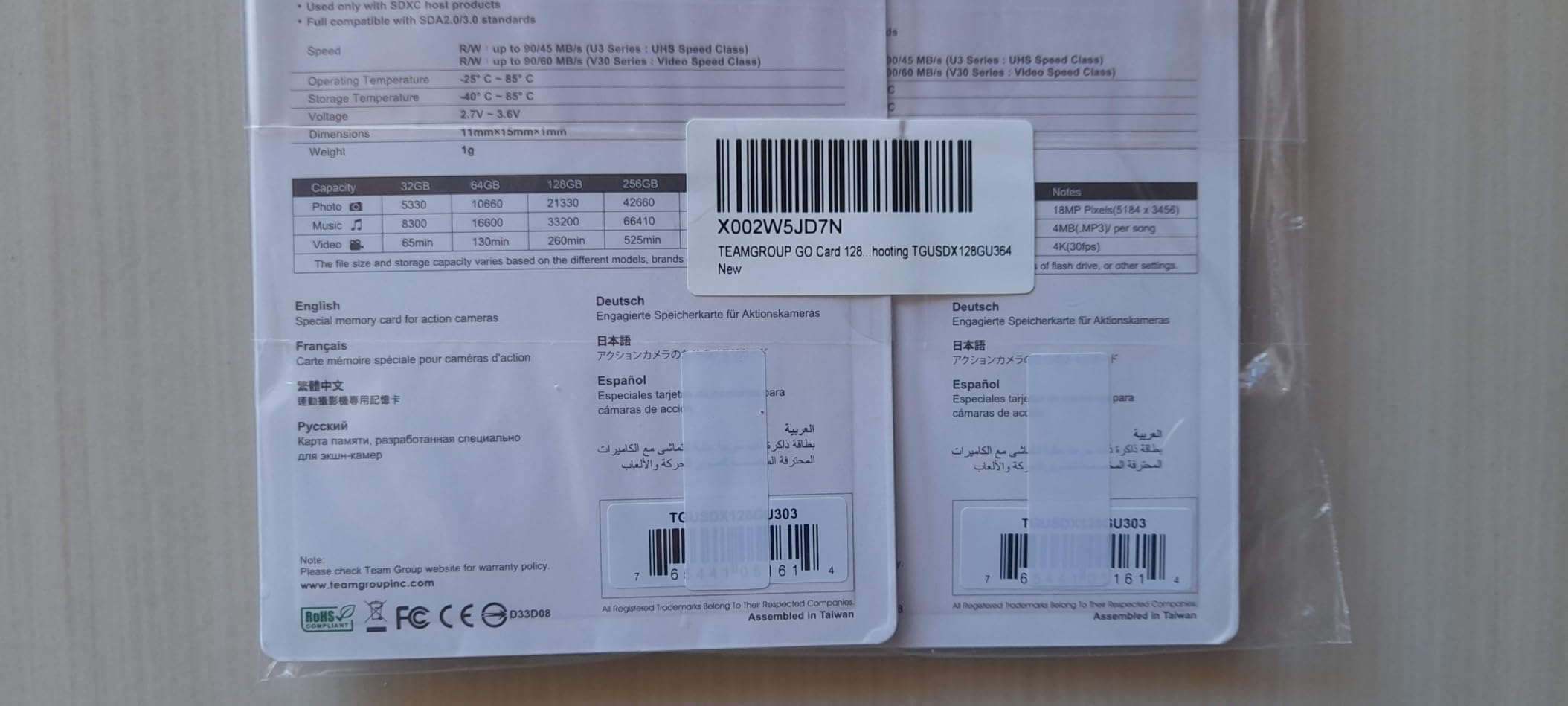
The warranty is described as lifetime services rather than a limited lifetime warranty, and an SD adapter is included for action cameras and drones. Buyers also mention the new printing technology used on the card, a small sustainability detail rather than a performance one.
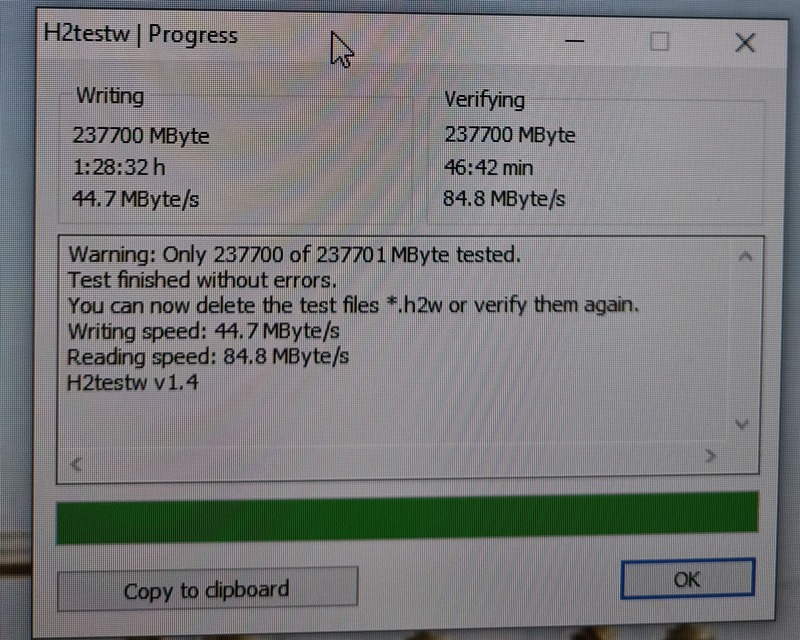
The honest weak spot is the 4.6 average across 12080 reviews, which is the lowest rating in this group along with a larger share of one to three star feedback than the SanDisk options. Some of that comes from owners reporting lower sustained write throughput and occasional compatibility friction compared with higher-rated cards.
Why this card makes sense for a first GoPro
If you have just bought a GoPro and you are recording 4K for a holiday rather than grading 10-bit footage for a client, this card does everything the camera requires at a lower entry point. The V30 rating is the requirement, and it is met.
The action camera heritage also means it has been tested against the same vibration and temperature swings your GoPro sees. That matters more for a long trip than a few extra megabytes per second.
Where the trade-off shows
If you shoot long looping sessions on a mount where you cannot check the camera, the endurance card above is a safer bet, because write-cycle life is the property you are buying there. This card is built for normal action camera duty, not for continuous writing over many days.
Members of r/gopro generally steer people toward the SanDisk Extreme and Samsung lines for 4K work, and this is not a bad card, it is a card with less margin. Buy it when the numbers on the spec sheet are enough for the footage you want to make.
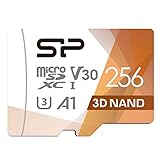
6. Silicon Power 256GB U3 V30 – Best for Multi-Device Card Kits
Silicon Power 256GB Micro SD Card U3 SDXC Up to 100MB/s High…
MicroSDXC 256GB
100MB/s read
U3 and V30 rated
Adapter included
Pros
- U3 and V30 ratings suit 4K and Full HD action camera recording
- Broad compatibility across action cameras drones and dash cams
- Temperature water and X-ray proof
- Backed by a 5-year limited manufacturer warranty
Cons
- Media speed of 20MB/s is low for high bitrate 4K workflows
- Not compatible with the Nintendo Switch 2
Silicon Power is the most generic-looking card in this list and the most useful in a shared kit bag. It is rated Class 10 with U3 and V30 markings, and the compatibility list spans smartphones, tablets, drones, action cameras, DSLRs and camcorders. If one card has to work in five devices across a trip, that breadth is the selling point.
Rating is 4.6 across 10456 reviews, with owners pointing to dependable everyday 4K and Full HD capture, the included adapter and a build that shrugs off temperature, water and X-rays. The warranty is a 5-year limited manufacturer warranty, which is shorter than the SanDisk and Samsung options here.
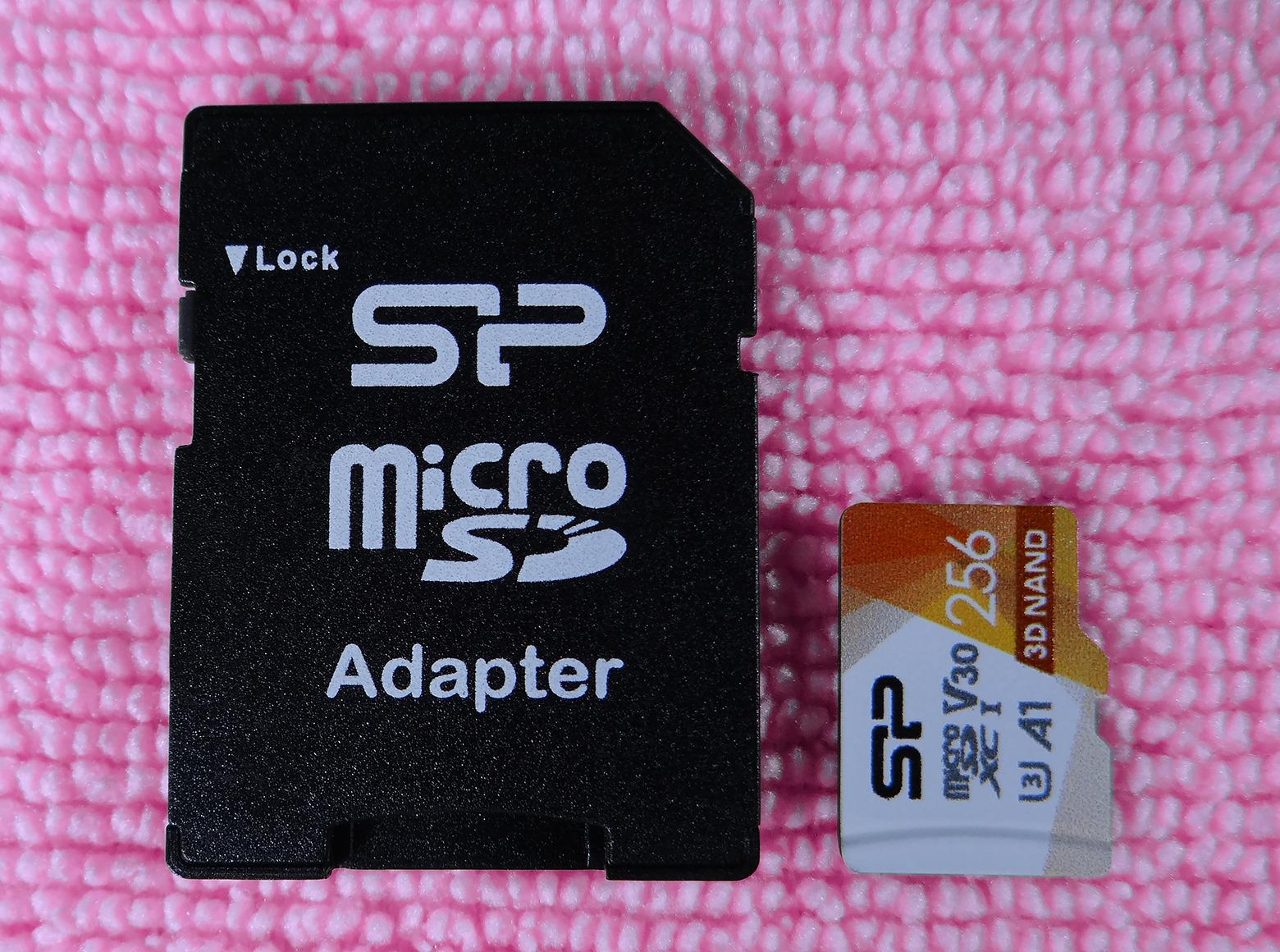
There is one number to pay attention to and it is not the read speed. The media speed field reads 20MB/s, which is the class-level figure, while the printed rating is V30 guaranteeing 30MB/s sustained write. In practice it handles 4K fine, but it has the least headroom of any card in this list, and the review data names that as the limiting factor for the highest bitrate modes.
It is also not compatible with the Nintendo Switch 2, which matters only if you were planning to use one card across a camera and the newer console. The original Switch is supported after a system update.
Where this card earns its place
It is a sensible pick for someone who records 4K at standard bitrate, travels light, and wants a card that will slot into whatever device they grab on the day. The adapter is included, which removes a common packing mistake.
It also works as a second card for a two-camera setup, where the priority is having two V30 cards that both work rather than one fast card and one slow one.
When to choose something with more headroom
Skip it for 10-bit capture on the newest GoPro bodies, where the tighter write margin is the least welcome variable. Any card with a 50MB/s or higher write figure removes that concern entirely, and the price difference between the two is usually small.
If your footage is the only copy of a trip you cannot repeat, the endurance option is the better insurance policy than a card with the least write margin in the group.
7. Gigastone 4K Camera Pro 256GB – Best with a Data Recovery Warranty
【5-Yrs Free Data Recovery】 GIGASTONE 256GB Micro SD…
MicroSDXC 256GB
100MB/s read
60MB/s write
A2 and V30 rated
Pros
- Explicitly designed for GoPro and action camera use
- A2 and V30 ratings give smooth 4K recording
- 5-year warranty includes free data recovery
- 256GB holds extended footage and long streams
Cons
- Some users report intermittent write or mounting errors in smartphones
- Long-term reliability record is shorter than the SanDisk and Samsung options
The Gigastone is the only card in this list that ships with a data recovery service inside its warranty, and for action camera work that is a genuinely different kind of protection. A five-year limited warranty that includes free data recovery is unusual, and the recurring fear among GoPro owners is exactly the scenario it addresses: a card that dies on day nine of a trip with unrecoverable footage on it.
It is rated A2 and V30 with read speeds up to 100MB/s and write speeds up to 60MB/s, which is a better write figure than two of the cards above it. GoPro, action cams, dash cams, drones, security cameras and Nintendo Switch are all on the compatibility list. The rating is 4.7 across 9739 reviews.
Owners cite smooth 4K capture, quick transfers and real confidence from the recovery warranty. The A2 grade helps with app and file loading on phones and tablets, and the 256GB capacity is enough for extended footage or a security camera stream without constant swapping.
The flagged weakness is consistency. A small number of smartphone users reported write or mounting errors after several weeks of use, and the brand simply has a shorter long-term track record than SanDisk or Samsung. In a GoPro the mounting complaint is far less relevant, since the card sits in a housing that holds it firmly.
What the recovery warranty is actually worth
Recovering footage from a card that failed mid-write is not a normal consumer outcome, and the GoPro community forum is full of people who lost a trip’s worth of clips and were told the only route was a paid recovery service. Having that service included for five years changes the maths on a card you rely on for irreplaceable shots.
It also makes this card a sensible partner card. Keep one as your main card and one in the bag, knowing a failure is a conversation rather than a loss.
Where to be more cautious
If you need the longest possible record of proven reliability across millions of users, the two cards with the largest review bases are the safer statistical bet. This card has under 10000 reviews, which is a smaller sample of real-world failure rates.
For phone-heavy workflows specifically, the reported write and mounting errors are worth weighing. Inside a GoPro housing, where the card is seated once and left alone, that concern drops considerably.
8. Kingston Canvas Go Plus 256GB – Best for Full-Size SD Device Setups
Kingston Canvas Go Plus 256GB SD Card | Up to 200MB/s…
Full-size SD 256GB
Up to 200MB/s transfers
U3 and V30 rated
Lifetime warranty
Pros
- Up to 200MB/s transfers streamline large offloads
- U3 and V30 ratings handle 4K recording without dropped frames
- Reliable over long shooting sessions with no corrupt sectors
- Backed by a lifetime warranty from Kingston
Cons
- Full-size SD form factor does not fit a GoPro without an adapter
- Smallest review base in the roundup at 751 reviews
I want to be straightforward about this one, because the name will catch your eye before the form factor does. The Canvas Go Plus is a full-size SD card, not a microSD card. A GoPro has a microSD slot, so this card only works if you have a full-size to microSD adapter, and the speed you get depends entirely on that adapter and the reader behind it.
Judged as a full-size SD card, it is very good. Transfer speeds run up to 200MB/s, it is rated Class 10, U3 and V30 for 4K Ultra HD recording, and it is described as reliable for burst photography with a rugged build for outdoor environments. The warranty is a lifetime warranty from Kingston.
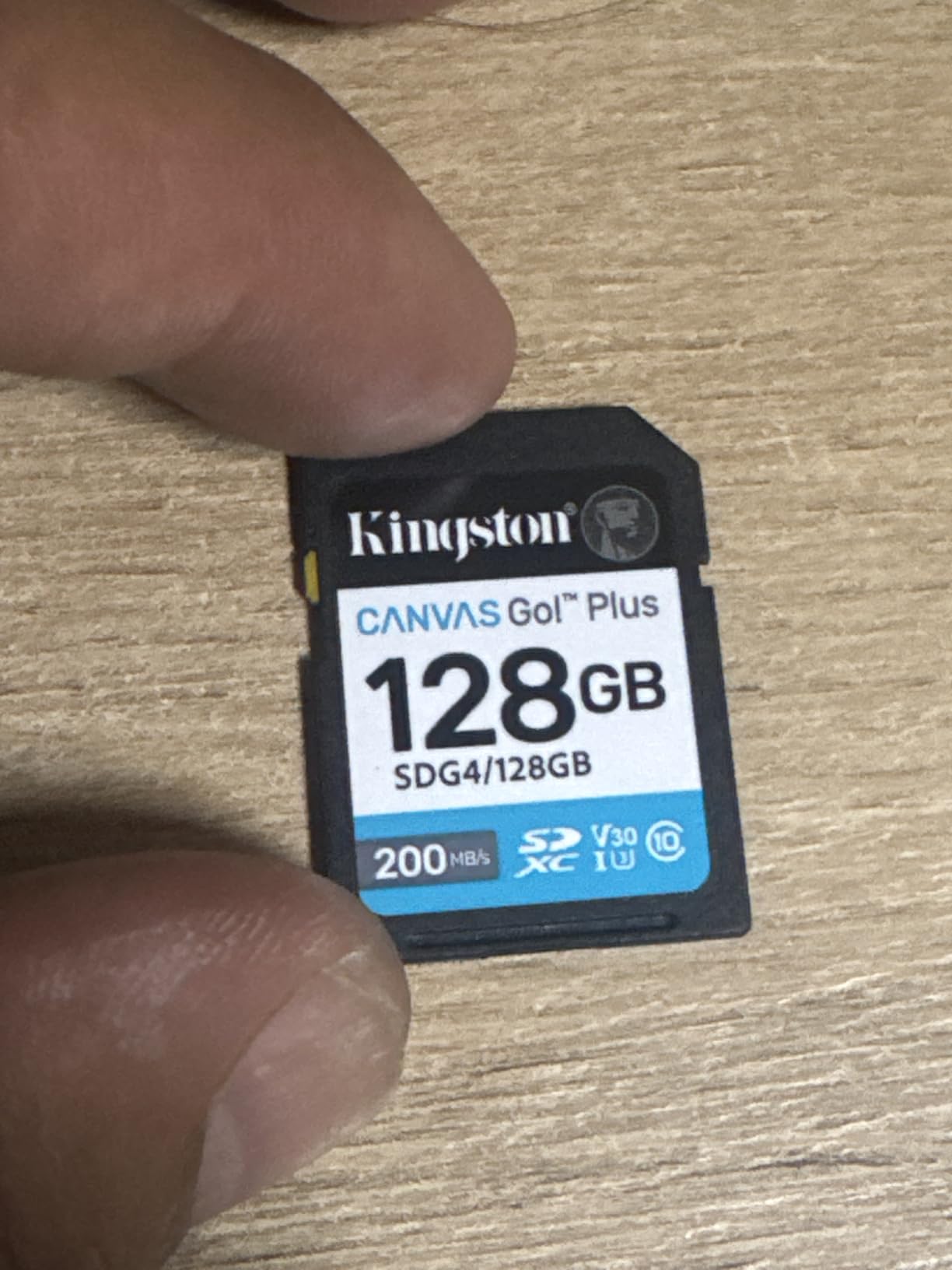
The rating is 4.7 across 751 reviews, which is the smallest sample in this roundup by a wide margin. Owners describe a fast, dependable card for Canon and other DSLRs, camcorders and consoles, with the buffer rarely filling and no corrupt files after heavy event use. Review volume that low tells you less about long-term failure rates than the other seven cards here.
That is why I put it eighth rather than higher. The card is not a problem, the fit is. Anyone whose kit already centres on a full-size SD camera will get a lot out of it, and our best ProGrade memory cards guide covers high-end options for those bodies.
When this card is the right choice
If you split your shooting between a full-size SD camera and a GoPro, and you already own a good adapter, this card lets one card format serve both. The 200MB/s transfer rate means large offloads are quick on a modern reader.
It is also a solid pick for burst photography, which is the workload the spec sheet actually targets, and the lifetime warranty removes the replacement question for the long term.
When it is the wrong choice
For a GoPro-only kit, an adapter in the chain is an extra failure point and an extra speed limit that nobody needs. The microSD options above slot straight in and get the full speed the card is rated for.
With 751 reviews, this card also carries the thinnest proof of long-term reliability in the group. If a trip’s footage is unrepeatable, pick the card with a large review history behind it rather than the one with the biggest number on the box.
What Speed Class Does a GoPro Actually Need?
Every GoPro since the HERO5 requires a microSD card rated at least Class 10, U1, and V30, which guarantees a minimum sustained write speed of 30MB/s. Anything below that and the camera stalls, drops frames or warns you that the card is too slow.
The terms confuse people because they are printed together on the front of every card. In plain English, V30 is the number that matters for video. U3 and Class 10 describe the older UHS-I speed class, and A2 describes random access performance for running apps on a phone, not for recording video. UHS-II cards do not help in a GoPro because the slot is a UHS-I bus.
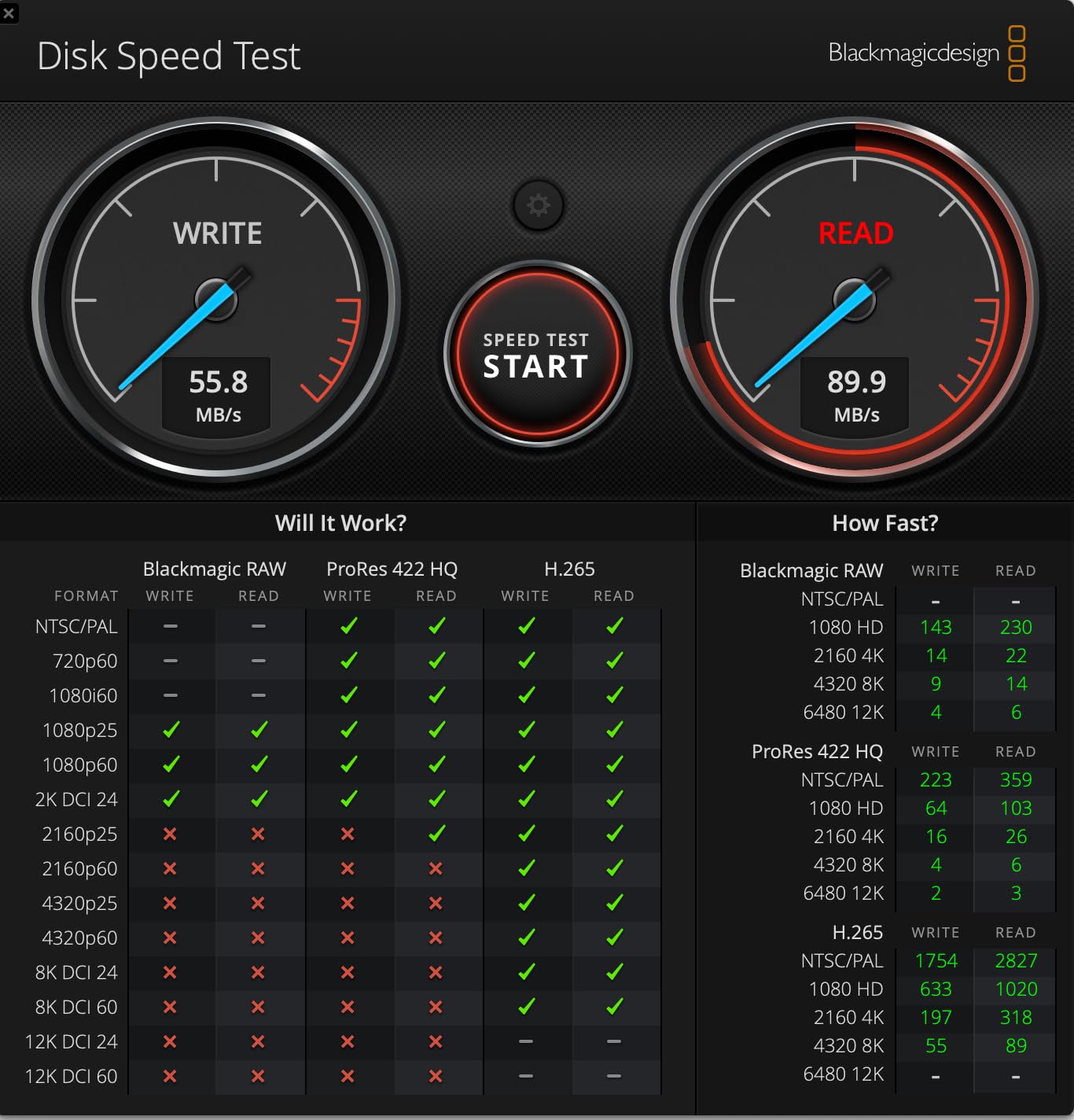
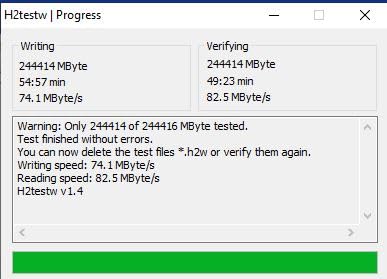
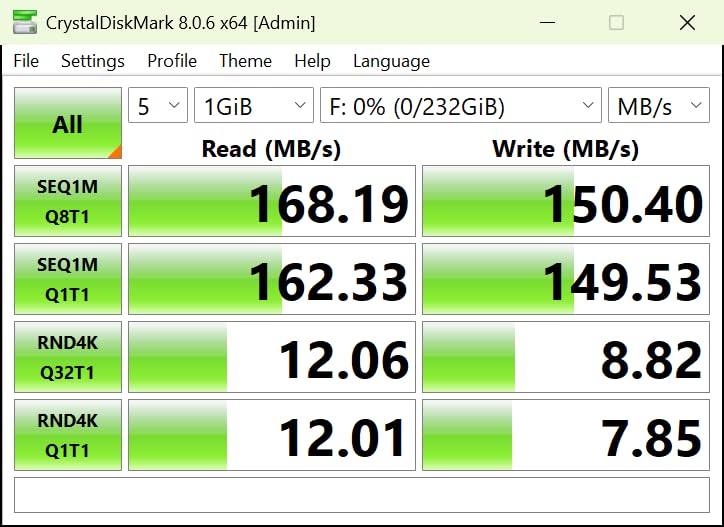
Here is the part no competitor explains, and it is the reason people get the too slow message on a card that says V30 on the front. Rated write speed is a minimum guarantee measured over a short burst, and the same card can slow down once it is nearly full, once it is hot, or once the NAND inside it is a cheaper batch. A long-term owner on goproforums described exactly this, with a V30-rated card whose maximum measured write was only 40MB/s, triggering the not fast enough message on a HERO10. Headroom solves the problem, which is why the cards with 60MB/s and above write figures behave more predictably over a long session.
How Much Storage Do You Need?
For most GoPro owners, 256GB is the answer, because it covers a full day of 4K60 recording without swapping cards and it keeps the card at a reasonable fill level. 128GB works well for day trips, 512GB suits a long trip, and anything smaller means frequent swaps in the field.
Rough numbers help. At 1080p60 a 128GB card gives you many hours. At 4K60 expect something closer to an hour. At 5.3K and 10-bit the bitrate rises further, so the same card gives you less, which is exactly why people on r/gopro keep telling beginners to get at least 128GB if they intend to film in 4K.
Two practical points. First, GoPro cameras display a remaining record time readout on an empty card, so the camera itself is the most accurate guide you have. Second, the maximum capacity your camera accepts depends on the generation, and older bodies will not see a 512GB or 1TB card at all, so check your model before buying a very large card.
How to Fix an SD Card Error or Card Too Slow Warning
Start by backing up, not formatting. A card that has just thrown an error often still holds every clip, and the single most common way people lose footage is reaching for the format option first. Work through these steps in order.
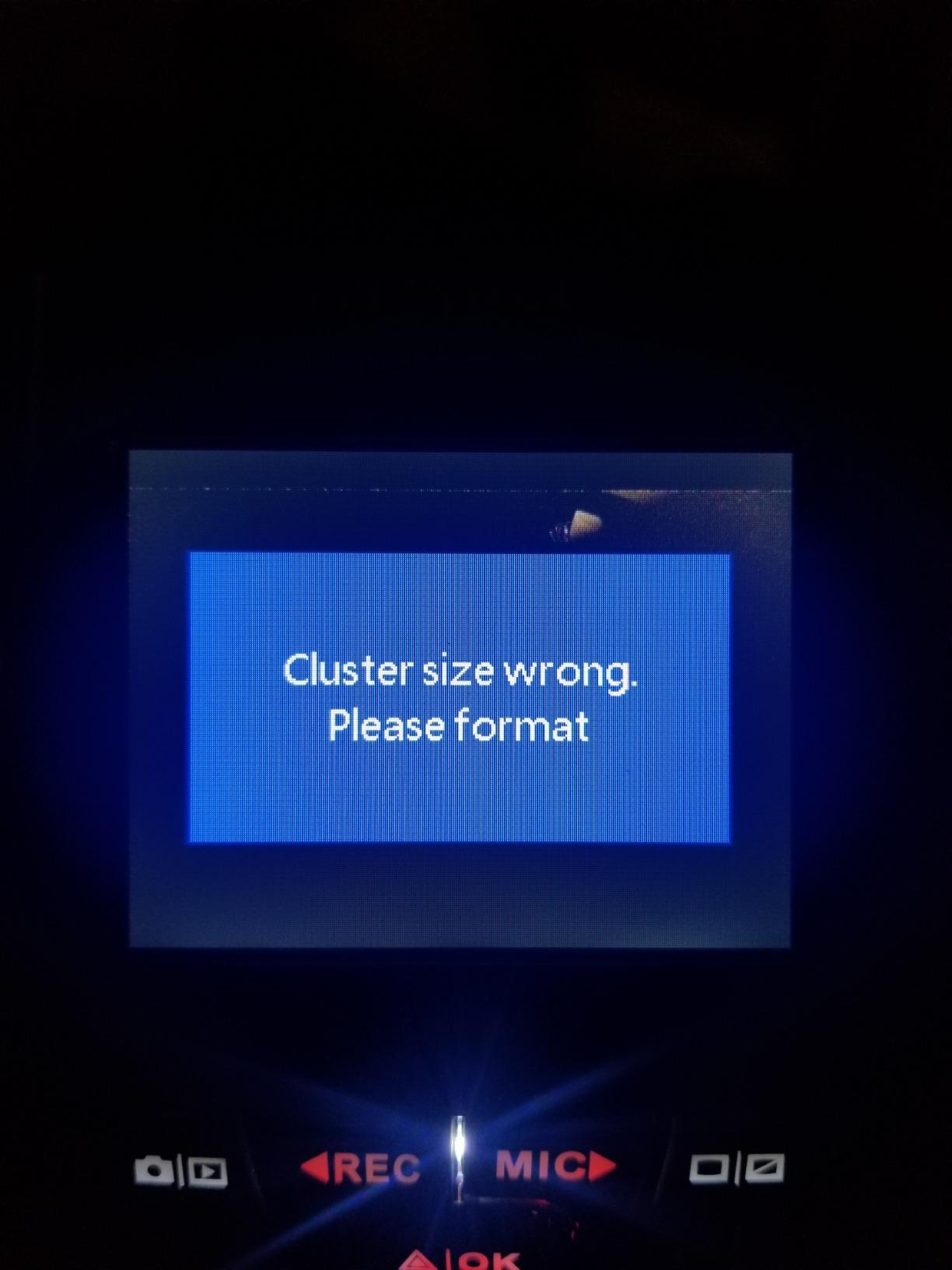
One, back the card up immediately through a reader, and check the files open on your computer before you do anything else. Two, format the card in the camera rather than on a computer, because a card written by a different operating system can produce errors a GoPro cannot interpret. Three, test the camera with a known-good card to establish whether the problem is the card or the body. Four, check the card’s temperature, since a card that has been recording in direct sun can throttle and drop below its rated write. Five, update the camera firmware, as GoPro has fixed card handling behaviour in past releases. Six, try a different reader or adapter, because a slow or failing adapter produces errors that look exactly like a dead card.
If a card has already died, stop writing to it. A card that suddenly stopped working is usually physically failing, and every additional write reduces the chance that a recovery service can read it.
How to Buy a Card You Can Trust
Buy from authorised resellers rather than marketplace listings. Counterfeit and capacity-shrunk cards are the most common cause of a card reporting an error, and GoPro community staff repeatedly direct users to the official recommended-card list and to name-brand cards from official resellers. GoPro staff also stress that a card must be formatted in the camera, which we covered above.
Check the capacity the moment you open the box. Format the card in the camera and read the reported total, and write a full card of footage before you travel. A card that reports 64GB when 256GB was printed on the packaging is a counterfeit, full stop. Our guide to the best memory cards for 4K video covers the same verification habits for larger cameras.
Do not overlook the card reader. A fast card plugged into a slow reader, or into a USB 2.0 port on an older laptop, offloads at a fraction of its rated speed, and people regularly blame the card for a transfer problem the reader caused. A USB 3.0 or better reader is what makes the 190MB/s read figure on the top pick useful to you.
Finally, retire cards on a schedule rather than on failure. Every card has a finite number of write cycles, and a card that has been through a season of continuous recording is a candidate for the 3-2-1 habit: keep one copy on the card, one on the computer, and one somewhere else entirely. Two cards rotated through a bag beats one card you never check, and rotating them also spreads the wear rather than concentrating it on your only card.
If your GoPro spends a lot of time on a mount, the rest of the kit matters too, and our best GoPro gimbals guide covers the stabilisation side.
Frequently Asked Questions
Which SD card is recommended for GoPro?
Any microSD card rated Class 10, U1 and V30 or better, in 128GB or 256GB. The SanDisk Extreme 256GB and Samsung EVO Select 256GB are the two we recommend most often.
What type of SD card is required for the GoPro HERO?
A microSD card. Cards of 32GB and under are SDHC, while 64GB and above are microSDXC. Every GoPro from the HERO5 onward needs at least Class 10, U1 and V30, meaning a guaranteed 30MB/s sustained write speed.
How long does a 128GB card last in a GoPro?
It depends entirely on resolution and bitrate. At 1080p60 you get many hours, while at 4K60 expect closer to an hour, and 5.3K or 10-bit modes give you less again. Check the remaining record time readout on an empty card in your camera for the real figure.
How long will a 256GB card last on GoPro?
Roughly double a 128GB card in every mode, so about two hours of 4K60 in good conditions. High bitrate 5.3K and 10-bit recording reduce that further, and cold weather shortens it because the battery powers the card as well.
Why does my GoPro say the SD card is too slow?
Most often the card is only sustaining a write speed close to the 30MB/s V30 minimum once it is full, hot, or on a slower NAND batch. It can also be a counterfeit card, a failing adapter, or a card formatted on a computer instead of in the camera.
Is Lexar or SanDisk better for a GoPro?
SanDisk has the larger review base and appears in almost every GoPro recommendation thread, which gives you more real-world evidence of reliability. If you already own a Lexar rated V30 it will record 4K fine, and on r/gopro the most common answers are the SanDisk Extreme and Samsung lines.
What size microSD card is best for GoPro?
256GB for most people, 128GB for day trips, 512GB for long trips without swapping. Check the maximum capacity your specific camera model accepts before buying a very large card, as older bodies will not see it at all.
Do I need V30 or V90 for a GoPro?
V30 is enough. No GoPro writes fast enough to need V60 or V90, and paying for those ratings buys write headroom the camera never uses. Choose a card with more write margin over the 30MB/s minimum rather than a higher video speed class.
Which GoPro Memory Card Should You Buy?
The best memory cards for GoPro cameras all share one specification, a V30 rating at minimum, and the difference between them is how much margin they carry above it. Our pick for almost everyone is the SanDisk Extreme 256GB, with 190MB/s reads, 130MB/s writes and the largest review history in the group at 4.8 stars across 148948 reviews. It records 4K60, 5.3K and 10-bit without complaint and offloads quickly afterwards.
Buy the Samsung EVO Select 256GB if you want the same V30 and U3 performance with a 10-year warranty and a slightly lower entry point. Buy the SanDisk High Endurance 256GB if your camera records for hours without a human touching it. Buy the SanDisk Extreme PRO 256GB if 10-bit capture and burst stills are your normal work, and buy the Gigastone 4K Camera Pro if the included data recovery service is worth more to you than brand familiarity.
Whatever you pick, buy it from an authorised reseller, format it in the camera before you travel, and copy the footage off before you format anything again. Updated for 2026.
