
10 Best Monitors for Programmers Under $300 (October 2026) Quality Reviews
Spending a full working day in an editor means your monitor is the single piece of hardware you stare at more than any other, and the wrong one shows up as tired eyes by 4pm. This list covers the best monitors for programmers under 300 dollars, with every single pick verified to sit at or below that ceiling. No exceptions, and no premium picks smuggled in at the end.
I have spent the last few years moving between 27-inch 4K panels, 34-inch ultrawides and one 32-inch screen I nearly returned, mostly so you do not have to. What actually matters for coding is not gaming performance. It is pixel density, panel type and whether the stand moves. Refresh rate is a nice bonus. A curved ultrawide is a workflow choice, not a flex.
Contents
Every monitor below clears the 300 dollar bar, and each one comes with a clear verdict, the specs that matter for code, and an honest list of what it does badly. I have also included the resolution and pixel-density maths that explains why a 27-inch 4K panel behaves so differently from a 27-inch 1080p one, because that single decision drives everything else. If you would rather start with the general picture, our 4K monitor roundup under 300 dollars covers the same budget from a picture-quality angle.
How we picked: text rendering at a sensible operating-system scale, panel type, stand adjustability, connectivity for a laptop, and the failure modes developers actually report on forums. We skipped TN panels entirely, and we treat a 27-inch 1080p screen as a mistake rather than a bargain.
Top 3 Picks for Monitors for Programmers Under $300 in 2026
Three picks cover almost everyone: an ultrawide if you want maximum screen real estate, a 4K 27-inch if you want the sharpest text money allows, and a value ultrawide for anyone who wants a huge canvas for less.

SANSUI 34-Inch 200Hz Ultrawide
- 3440 x 1440 at 200Hz
- 1ms OD response
- 21:9 fast VA
- 1500R curve
- VESA 100x100

Dell S2725QS 27-Inch 4K
- 3840 x 2160 IPS at 120Hz
- 163 PPI text rendering
- Fully adjustable stand
- ComfortView Plus

Sceptre C345B 34-Inch Ultrawide
- 3440 x 1440 curved VA
- Up to 180Hz refresh
- FreeSync Premium
- Built-in speakers
As an Amazon Associate we earn from qualifying purchases. CERTAIN CONTENT THAT APPEARS ON THIS SITE COMES FROM AMAZON. THIS CONTENT IS PROVIDED 'AS IS' AND IS SUBJECT TO CHANGE OR REMOVAL AT ANY TIME.
Best Monitors for Programmers Under $300 (October 2026)
Every display in this roundup is a 4K-class or ultrawide panel from an established brand, and all of them clear the 300 dollar ceiling.
| Product | Features | |
|---|---|---|
| SANSUI 34-Inch Curved UWQHD 200Hz Ultrawide |
|
Check Latest Price |
| Sceptre C345B-QUT168 34-Inch Curved Ultrawide |
|
Check Latest Price |
| Dell S2725QS 27-Inch 4K UHD IPS 120Hz |
|
Check Latest Price |
 ViewSonic VX3276-4K-MHD 32-Inch 4K UHD ViewSonic VX3276-4K-MHD 32-Inch 4K UHD |
|
Check Latest Price |
 LG 27US500-W 27-Inch 4K UHD IPS LG 27US500-W 27-Inch 4K UHD IPS |
|
Check Latest Price |
 Samsung ViewFinity S7 S70D 27-Inch 4K UHD Samsung ViewFinity S7 S70D 27-Inch 4K UHD |
|
Check Latest Price |
 INNOCN 27C1U 27-Inch 4K USB-C INNOCN 27C1U 27-Inch 4K USB-C |
|
Check Latest Price |
 CRUA CR340QC 34-Inch 21:9 IPS Ultrawide CRUA CR340QC 34-Inch 21:9 IPS Ultrawide |
|
Check Latest Price |
 ASUS VP327Q 32-Inch 4K UHD ASUS VP327Q 32-Inch 4K UHD |
|
Check Latest Price |
 Acer CB272K bmiprux 27-Inch 4K USB-C Acer CB272K bmiprux 27-Inch 4K USB-C |
|
Check Latest Price |
We earn from qualifying purchases. CERTAIN CONTENT THAT APPEARS ON THIS SITE COMES FROM AMAZON. THIS CONTENT IS PROVIDED 'AS IS' AND IS SUBJECT TO CHANGE OR REMOVAL AT ANY TIME.
1. SANSUI 34-Inch Curved UWQHD 200Hz Ultrawide – Best Overall for Coding
SANSUI 34-Inch Curved Gaming Monitor UWQHD 3440 x 1440P…
34 inch 3440 x 1440 at 200Hz
Fast VA, 3000:1 contrast
1500R curve, VESA 100x100
7.01 kg
Pros
- 200Hz refresh makes long sessions easy on the eyes
- 3440 x 1440 21:9 replaces a dual monitor setup
- DisplayPort 1.4 and 2x HDMI 2.1 both run at full refresh
- PIP and PBP for splitting editor and terminal
- Stand survived repeated knocks in owner reports
Cons
- VA panel darkens at off-axis angles until brightness is raised
- Needs OSD and GPU colour tuning out of the box
- No built-in speakers
- Small group of owners report power board failures
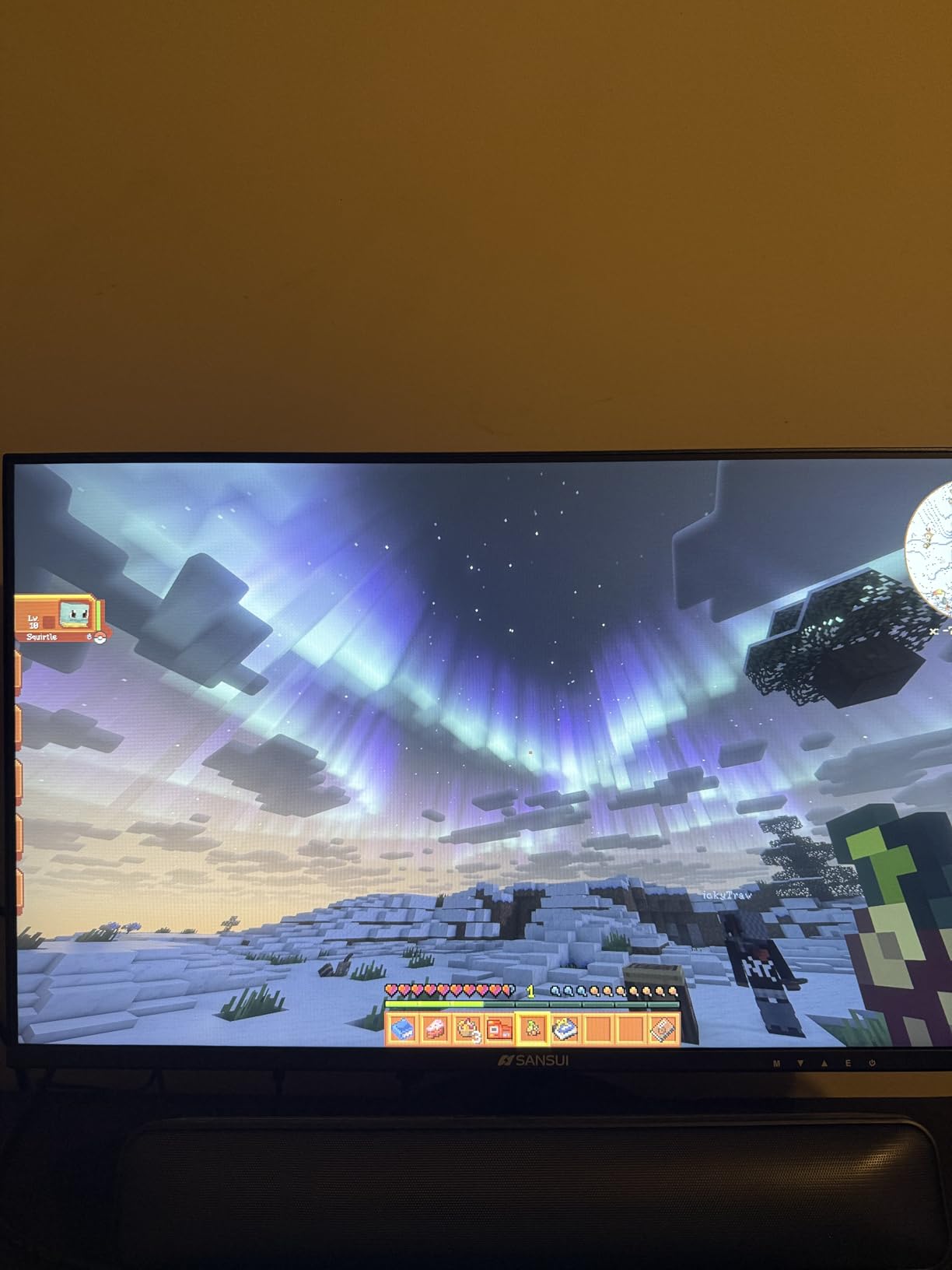
This is the panel I keep coming back to for people who are tired of alt-tabbing. At 3440 x 1440 on a 21:9 canvas, I can park a full editor column, a terminal and a browser devtools panel side by side without shrinking any of them, which is exactly the three-column layout developers describe as editor on one third, browser in the middle, terminal on the other. The 200Hz refresh rate is far beyond what code needs, but it makes scrolling through a long file feel like it has no weight at all.
Specs worth knowing: a fast VA panel at 3000:1 contrast and 300 cd brightness, 130% sRGB coverage, 178-degree viewing angle, and a 1ms overdrive response. Connectivity is generous, with DisplayPort 1.4 and two HDMI 2.1 ports that all reach 200Hz, plus a 3.5mm audio out. The panel mounts on VESA 100×100, and the stand tilts from minus 5 to plus 15 degrees.
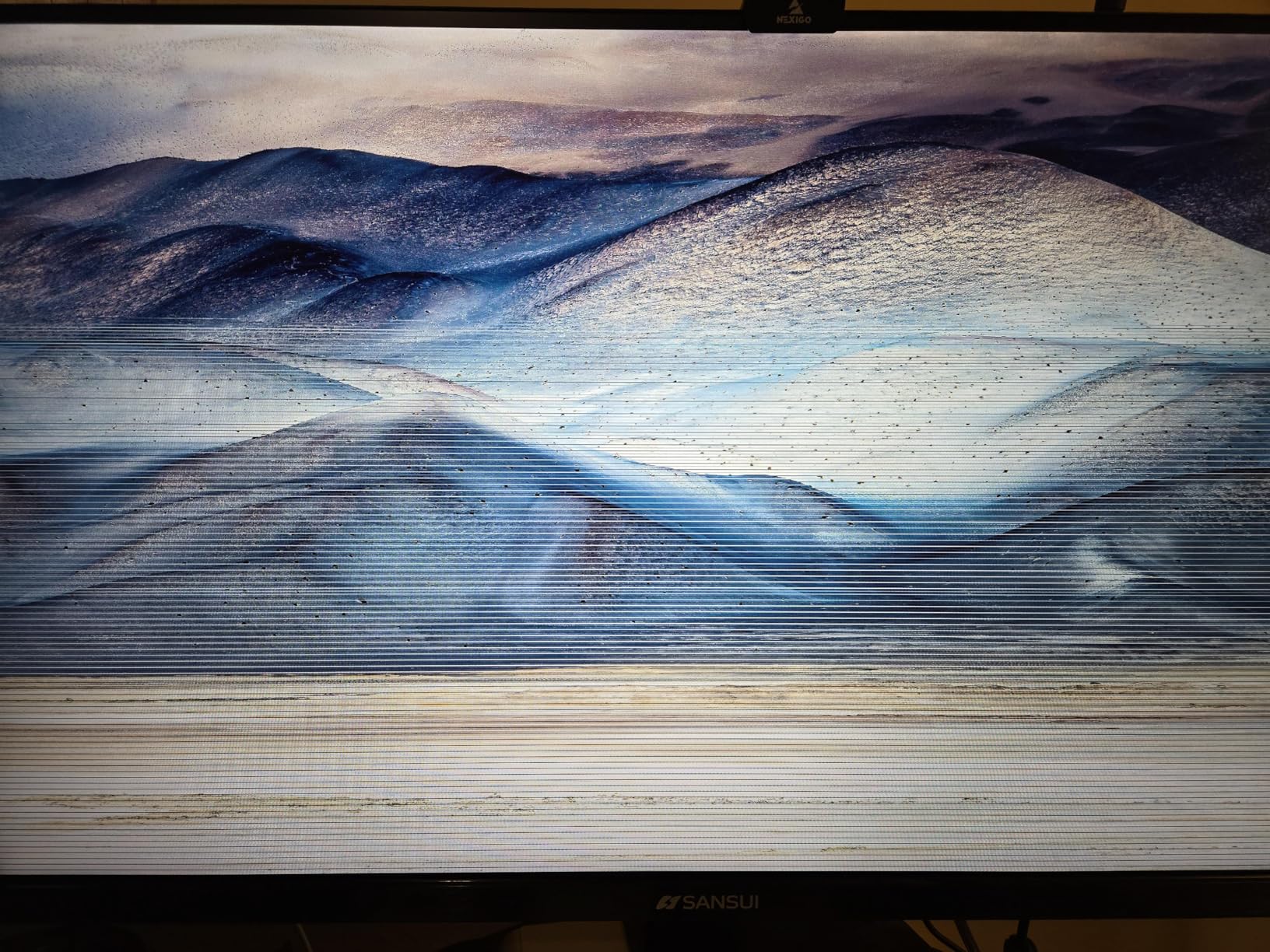
Reviewers repeatedly describe the 21:9 shape as ideal for multitasking and coding, and the review volume on this panel is enormous, which is useful signal on its own. Owners also report that the stand is genuinely durable, with one reviewer describing the unit surviving being knocked off a desk repeatedly. My reservation is the out-of-box experience: several buyers say the picture looks blurry or oddly coloured until you adjust sharpness and colour in the OSD and GPU control panel. Budget ten minutes for that before you judge the panel.
Smaller things to know: the curve is 1500R, which is gentle enough that text near the edges stays readable, and there is no audio hardware at all, so you need headphones or external speakers. There is also a 7.01 kg weight, so treat the arm and desk as a matched pair. A small but vocal group of owners has documented failures across multiple panels from two model series, so keep the packaging and check the panel on arrival.
What it does well for a coding workflow
The screen real estate is the whole argument. An ultrawide removes the alt-tab penalty that developers complain about constantly, and at 3440 pixels wide you get close to 1.8 times the horizontal space of a 1920-wide panel without a second device on your desk. For a PR review where the diff and the conversation sit next to each other, that is a real change to how the day feels.
Beyond size, the 200Hz refresh means pointer motion, terminal output and animation in a web app all stay fluid, which reduces the perceived effort of a long session. The PIP and PBP modes let you put a video call or a small documentation window beside the editor without a second monitor.
Where it falls short
VA panels darken noticeably when you are not looking straight on, and a 1500R curve means the far edges of a 34-inch screen are always slightly off-axis. For text at the extreme ends of a code line you may find yourself adjusting brightness upward, which some owners report makes the panel look washed out in a dim room. If you need genuinely uniform text rendering across the whole canvas, the IPS ultrawide in this list is the safer choice.
2. Sceptre C345B-QUT168 34-Inch Curved Ultrawide – Budget Pick Ultrawide
Sceptre 34-Inch Curved Ultrawide WQHD Monitor…
34 inch 3440 x 1440 curved VA
Up to 180Hz, 1ms MPRT
FreeSync Premium, 99% sRGB
Built-in speakers
Pros
- Genuinely replaces a dual monitor setup
- Sharp 3440 x 1440 output
- Single joystick control is easy to learn
- Owners report two years of trouble-free use
- Support described as fast and helpful
Cons
- Faint horizontal lines visible up close
- Backlight bleed on a lighter section of the curve
- Some smearing and tearing reported
- Weak built-in speakers
- No HDMI cable in the box
If the goal is maximum screen real estate per dollar and you are not precious about panel uniformity, this is the pick. Reviewers widely treat it as a strong value ultrawide that is big enough to replace two screens, with sharp 3440 x 1440 output and smooth refresh. Several owners describe two years of trouble-free use, and tech support is repeatedly called fast and genuinely helpful.
The spec sheet is competitive: up to 180Hz with 1ms MPRT response, AMD FreeSync Premium, 99% sRGB coverage and 280 cd brightness. You get two DisplayPort and two HDMI inputs plus audio out, and there are built-in speakers with a luminous backcover LED that some people like and others switch off immediately.
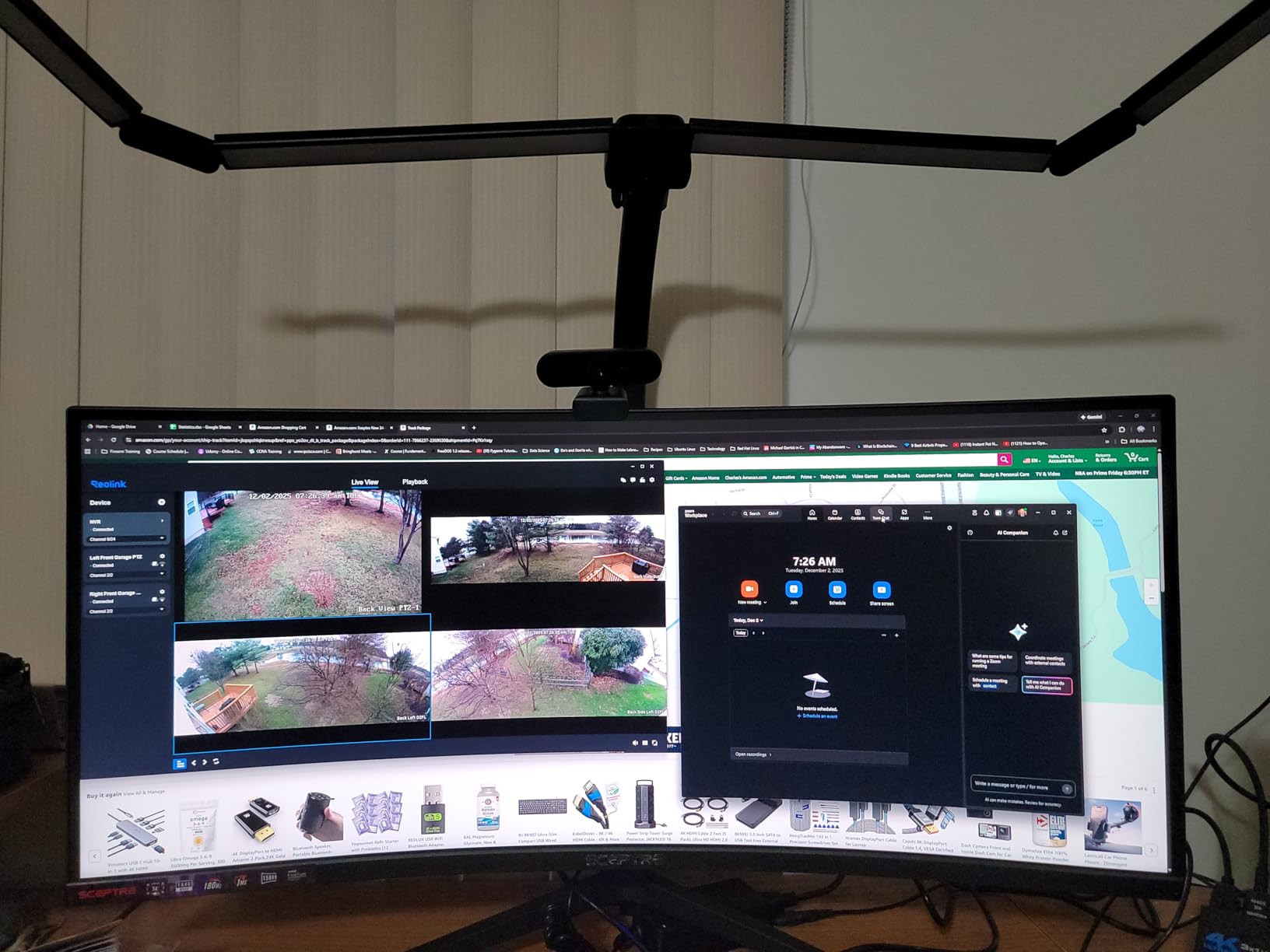
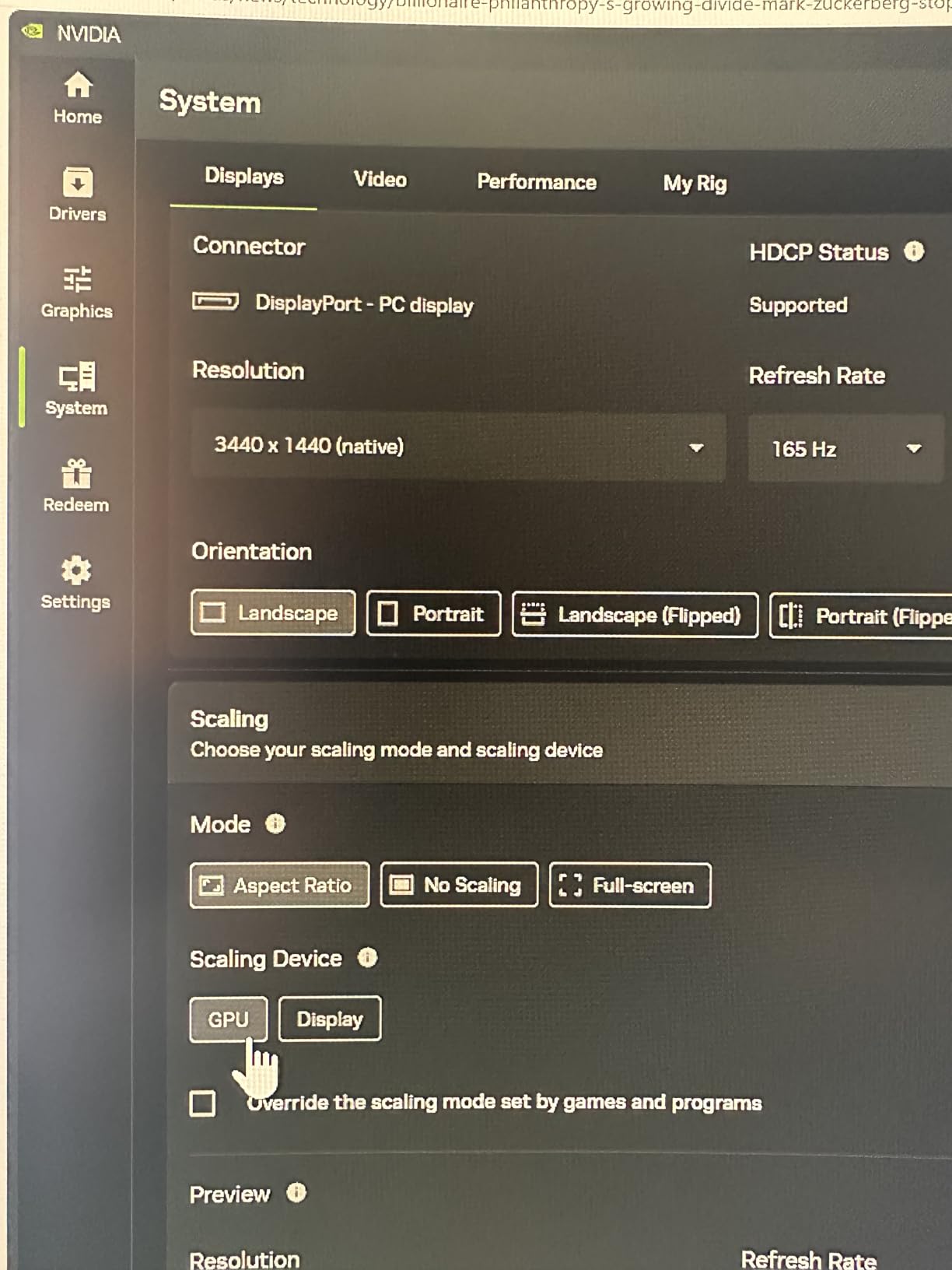
The caveats are all about panel consistency, and they are worth taking seriously if you code for ten hours a day. Owners report faint horizontal lines that show up when sitting close to a curved screen, and backlight bleed on a lighter section of the curve that becomes obvious in dark scenes. If you run a dark IDE theme at night, check the panel under a dark image early in the return window.
Two practical notes. The speakers are weak enough that you will end up using headphones, and the box does not include an HDMI cable, so plan on using the DisplayPort inputs. The bottom-mounted single power and menu button is also awkward if you like to adjust brightness mid-session.
When this screen earns its desk space
A 34-inch 21:9 panel is a genuine substitute for two monitors when your workflow is one continuous surface rather than two separate tasks. Keeping documentation open on one side and the editor on the other, or running a test suite in one pane while you watch it, both work without a second display and without a bezel gap in the middle of your gaze.
It is also a single-monitor answer to the dual-monitor question that comes up constantly in developer forums, and it removes the neck strain people describe from constantly turning between mismatched panels. The trade is desk depth: at 31.8 inches wide, you need real space behind it.
Who should pass on it
If you are colour-sensitive in your work, 99% sRGB is fine but not special, and the horizontal line artefacts reported by some owners are the kind of thing you either stop noticing in a week or cannot unsee. Panel uniformity also shifts more than on an IPS alternative, so if you have spent time on a good IPS panel, the difference is noticeable.
3. Dell S2725QS 27-Inch 4K UHD IPS at 120Hz – Sharpest Text in the List
Dell 27 Monitor S2725QS, 4K UHD IPS, 120Hz, 5ms, FreeSync…
27 inch 3840 x 2160 IPS at 120Hz
350 nits, 1500:1 contrast
Full height tilt swivel pivot
ComfortView Plus
Pros
- Rare 4K and 120Hz pairing at this budget
- Very sharp text rendering for code
- Stand adjusts fully and stays put
- 99% sRGB with 1500:1 contrast
- Built-in speakers work for meetings
Cons
- No USB-C and no built-in USB hub
- No 3.5mm headphone output
- Visible ghosting in fast FPS titles
- HDR support is basic
- Default brightness needs lowering
This is the default recommendation for most programmers, and the reason is simple: at 27 inches and 3840 x 2160 you get roughly 163 pixels per inch, which is the density at which small type stops being a chore. Owners consistently single out the sharpness for text-heavy work, and many of them describe it as the only 4K and 120Hz combination they could find below the ceiling. The 120Hz refresh rate is a real upgrade over the 60Hz panels that dominate this price band, and you feel it every time you scroll a long file.
The stand is the other thing developers notice. It adjusts for height, tilt, swivel and pivot, so you can get the top of the panel at eye level and rotate to portrait for reviewing a long diff without stacking books. Connectivity is two HDMI 2.1 ports and one DisplayPort 1.4, with VESA 100×100 mounting. ComfortView Plus cuts blue light emissions to under 35 percent, which matters on a ten-hour day.
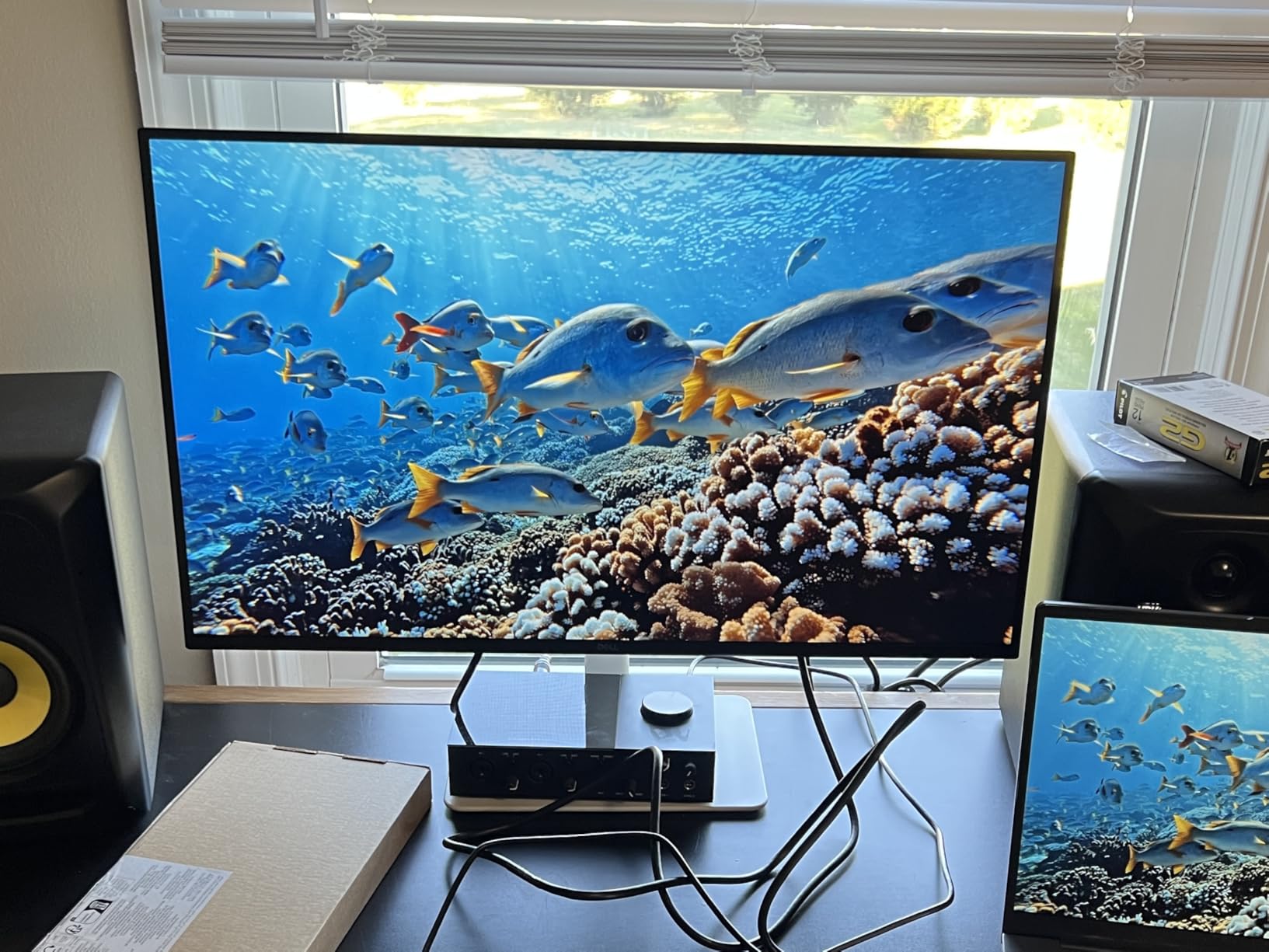
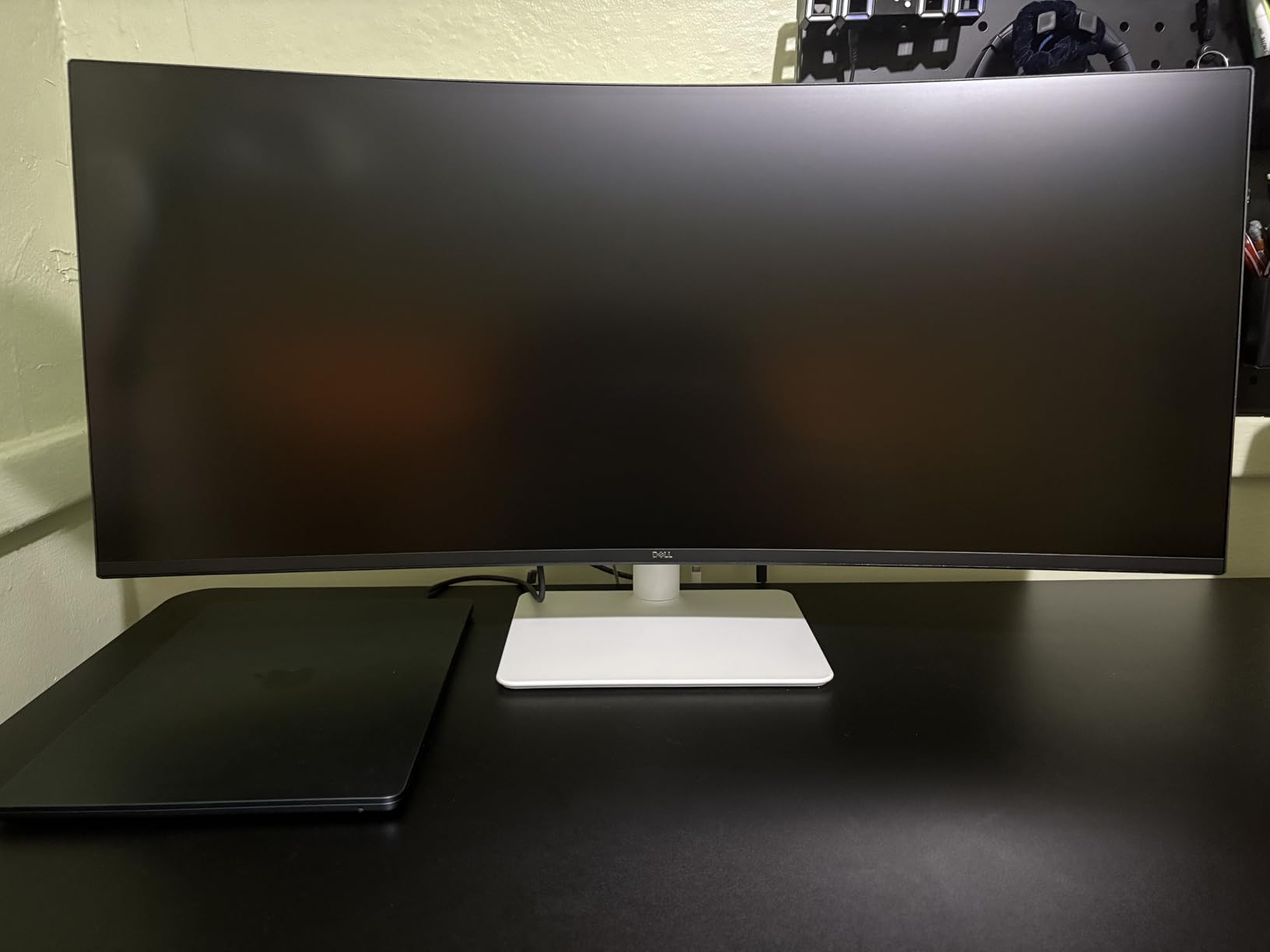
Owners also like the build. The ash-white chassis and ultra-thin bezel look modern, and the 350 nits brightness handles reflection well in a bright room, though the default brightness is high and needs manual adjustment, especially at night. IPS colour at 99% sRGB and 1500:1 contrast is genuinely good rather than merely acceptable, and the built-in speakers are usable for a meeting.
The real compromises are connectivity and gaming. There is no USB-C, so a MacBook or Windows laptop means a separate cable, charger and likely a dock, and there is no 3.5mm audio out, so headphones need the speakers or an external DAC. Pixel response is slower than a fast gaming panel, which shows as ghosting in competitive shooters. One detailed review also reports three panels failing within six months, so use the advanced exchange service rather than putting up with a faulty panel.
Why pixel density matters more than refresh rate here
Coding is a reading activity. A developer spends hours looking at 12 to 14 point type, and the difference between 163 PPI and the roughly 82 PPI you get on a 27-inch 1080p panel is the difference between crisp glyph edges and visibly soft ones. Forum threads about eye strain and readability keep circling the same point: people who moved from 1080p to 4K report an immediate improvement in all-day comfort.
The 120Hz refresh rate is a genuine second benefit, but a smaller one for code. It helps in the sense that scrolling and pointer motion feel effortless, which compounds over a long day. If you also play fast shooters, remember the slower pixel response is the trade you are making.
Who should choose a different panel
If you run a laptop as your main machine and want one cable for display, power and peripherals, this is the wrong pick by design. The absence of USB-C and any USB hub means cable clutter behind a thin laptop, which is a complaint developers raise constantly. Look instead at the 65W and 90W USB-C options further down, or pair this with a dock and accept the extra desk clutter.
4. ViewSonic VX3276-4K-MHD 32-Inch 4K UHD – Best Panel for Tiling Four Panes
ViewSonic VX3276-4K-MHD 32 Inch 4K UHD Monitor, HDR10, HDMI…
32 inch 3840 x 2160 MVA
HDR10 with 118% sRGB
Four inputs and flicker-free
Three-year warranty
Pros
- Four 1080p windows fit on screen at once
- Good value for a 32-inch 4K panel
- Four inputs let three machines share a display
- Front OSD buttons with adjustable text size
- Stable base and VESA 100x100
Cons
- Only 60Hz so scrolling is not as smooth
- MVA viewing angles shift on a large screen
- Input switching happens through the on-screen menu
- Some panels reported flicker after purchase
- Colour can look washed out
Buyers specifically value the fact that four 1080p windows fit on screen, which in practice means an editor, a terminal, a browser and a documentation pane arranged in quadrants without any of them feeling cramped. Several owners run two or three machines through it, using the two HDMI ports, DisplayPort and Mini DisplayPort, and it works well as a second monitor because of the stable base.
At 32 inches and 3840 x 2160 you are working at about 138 PPI, which still produces sharp text. Brightness is 300 cd with 2500:1 contrast on an MVA panel and 118% sRGB coverage, plus HDR10. The ViewMode presets for Text and Mono are a small touch that matters more for code than most people expect, and Flicker-Free technology with a blue light filter is welcome on long days. There is a three-year limited warranty covering parts, labour and backlight, which matches the three-year cover on several other models here.
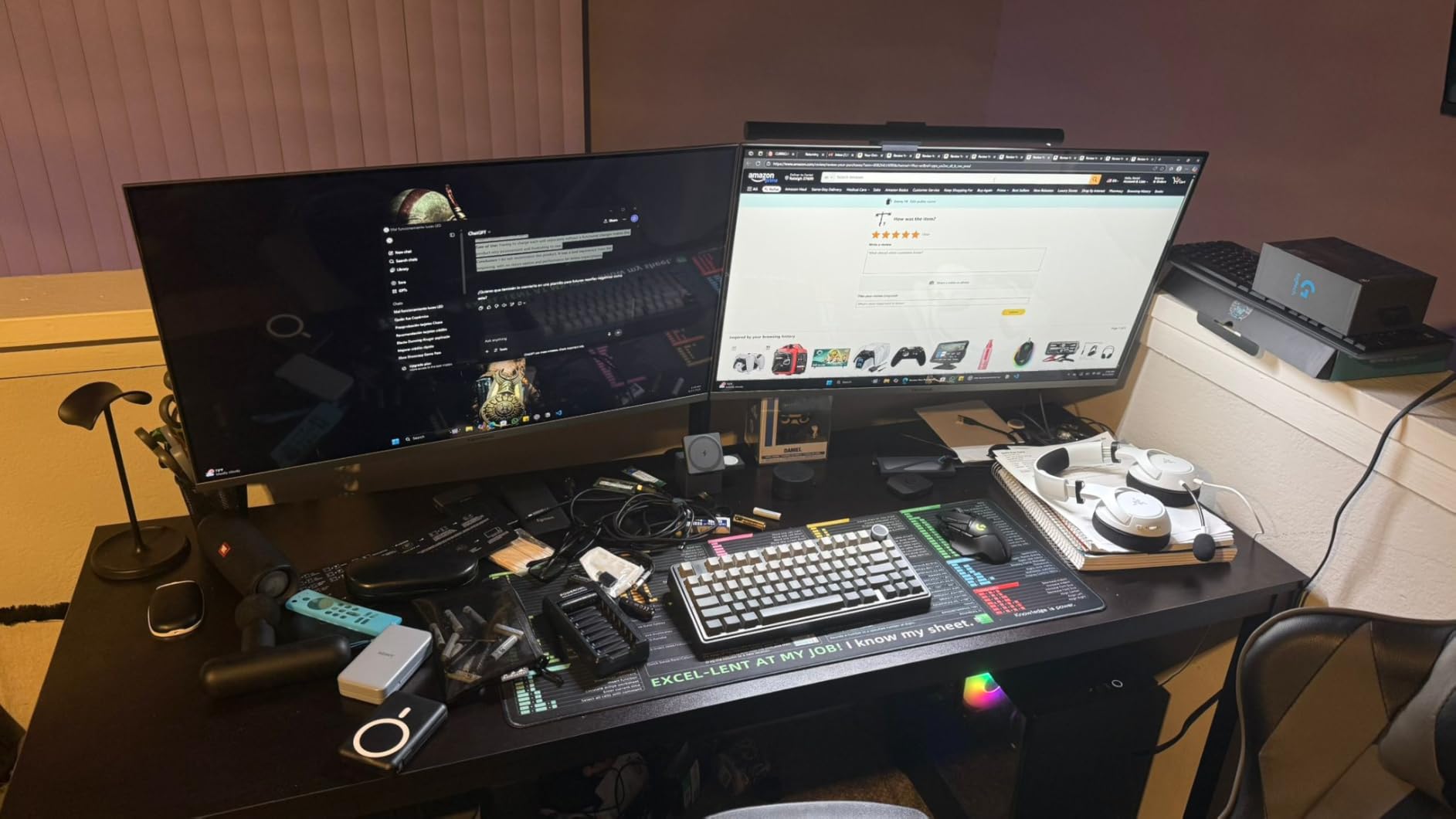
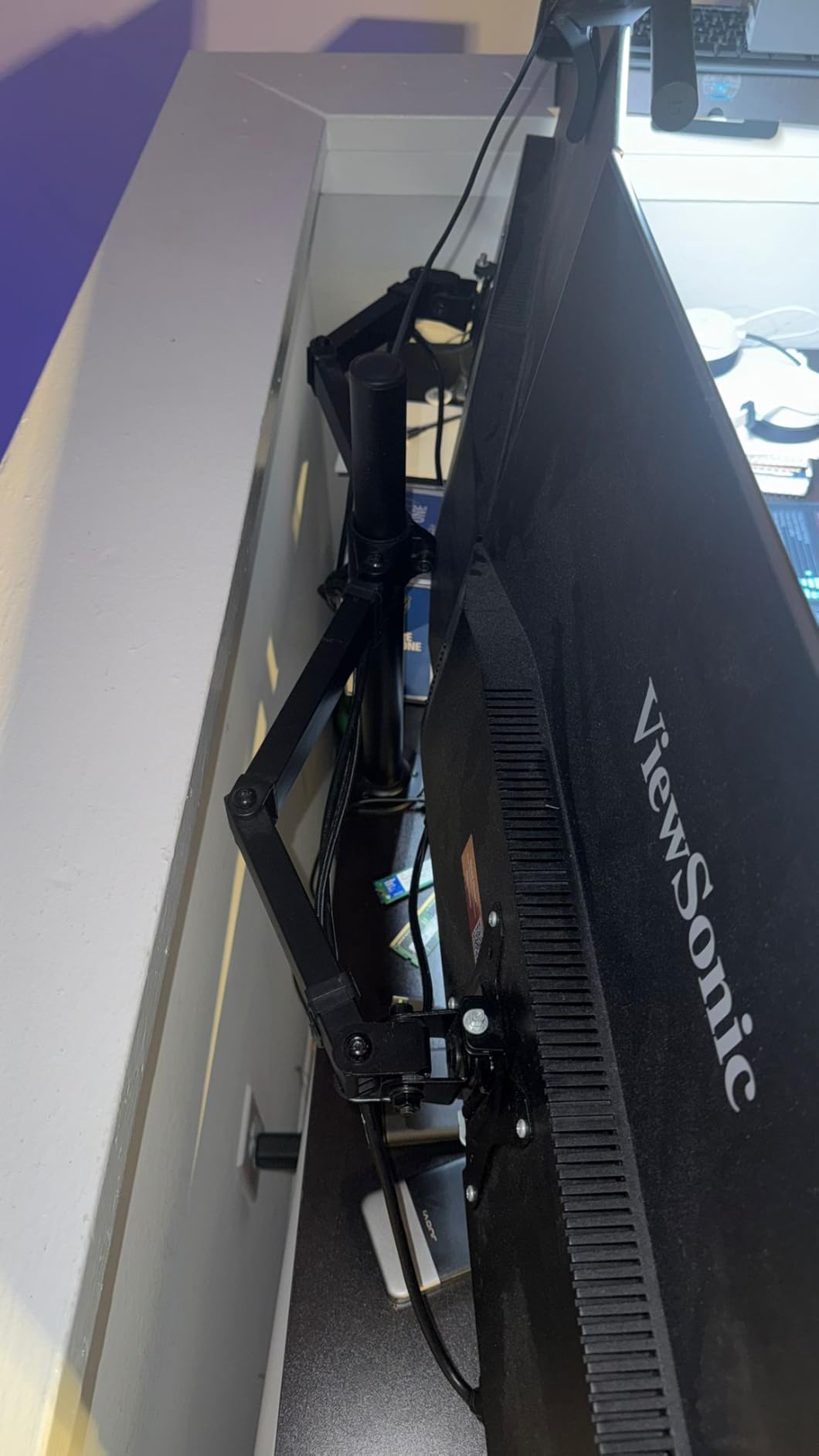
The compromises are honest ones. It is a 60Hz panel, so scrolling and window animations are noticeably less smooth than on the Dell or the SANSUI. MVA means off-centre viewing angles shift in a way you will feel on a screen this large, particularly if you sit to one side of a wide desk. Input switching runs through the on-screen menu rather than a dedicated button, which is friction every time you move between a desktop and a laptop.
A handful of buyers also report flicker shortly after purchase, and colour that looks washed out or dull on certain panels, with one review noting overly red skin tones. Test dark content early in the return window. VESA screws are also not included, so buy a mount separately.
When 32 inches earns the desk space
The case for a bigger screen is strongest when you split your attention rather than switching between tasks. A debugger with a watch window, a split diff view, and a terminal you keep open permanently all fit without overlapping. Multiple-monitor reviewers in developer forums consistently walk back 32-inch recommendations for desk depth reasons, so measure before you commit.
At 28.1 inches wide this needs a real desk, not a small dorm or kitchen table. If your desk is under about 24 inches deep, sit further back and accept a slightly smaller effective text size, or choose a 27-inch 4K instead.
Who should pass on it
Skip this if smoothness matters to you, because 60Hz is the one compromise you feel on every scroll. Skip it too if you work on colour-critical projects, since the MVA panel and reported washed-out panels are a risk. It is a strong pick for a developer whose machine count outgrew their desk.
5. LG 27US500-W 27-Inch 4K UHD IPS – Best for Colour Accuracy
LG 27US500-W Ultrafine Monitor 27-Inch 4K UHD (3840x…
27 inch 3840 x 2160 IPS
Up to 90% DCI-P3, HDR10
Reader Mode and Flicker Safe
2x HDMI and DisplayPort
Pros
- Accurate 4K IPS image with wide viewing angles
- 90% DCI-P3 coverage suits photo and video work
- Reader Mode and Flicker Safe for long sessions
- Onscreen Control makes workspace splitting easy
- Clean borderless white chassis
Cons
- Only 60Hz refresh rate
- 1000:1 contrast is modest for IPS
- No USB hub and no USB-C power delivery
- Tilt-adjustable stand only
If your work touches design, video or anything where colour judgement matters, this is the panel. Owners praise the accurate 4K IPS image with wide viewing angles, and the 90% DCI-P3 coverage with HDR10 support is unusual at this budget. For a web developer who also cuts video or does UI work, that headroom is the reason to pick this over a cheaper 4K screen.
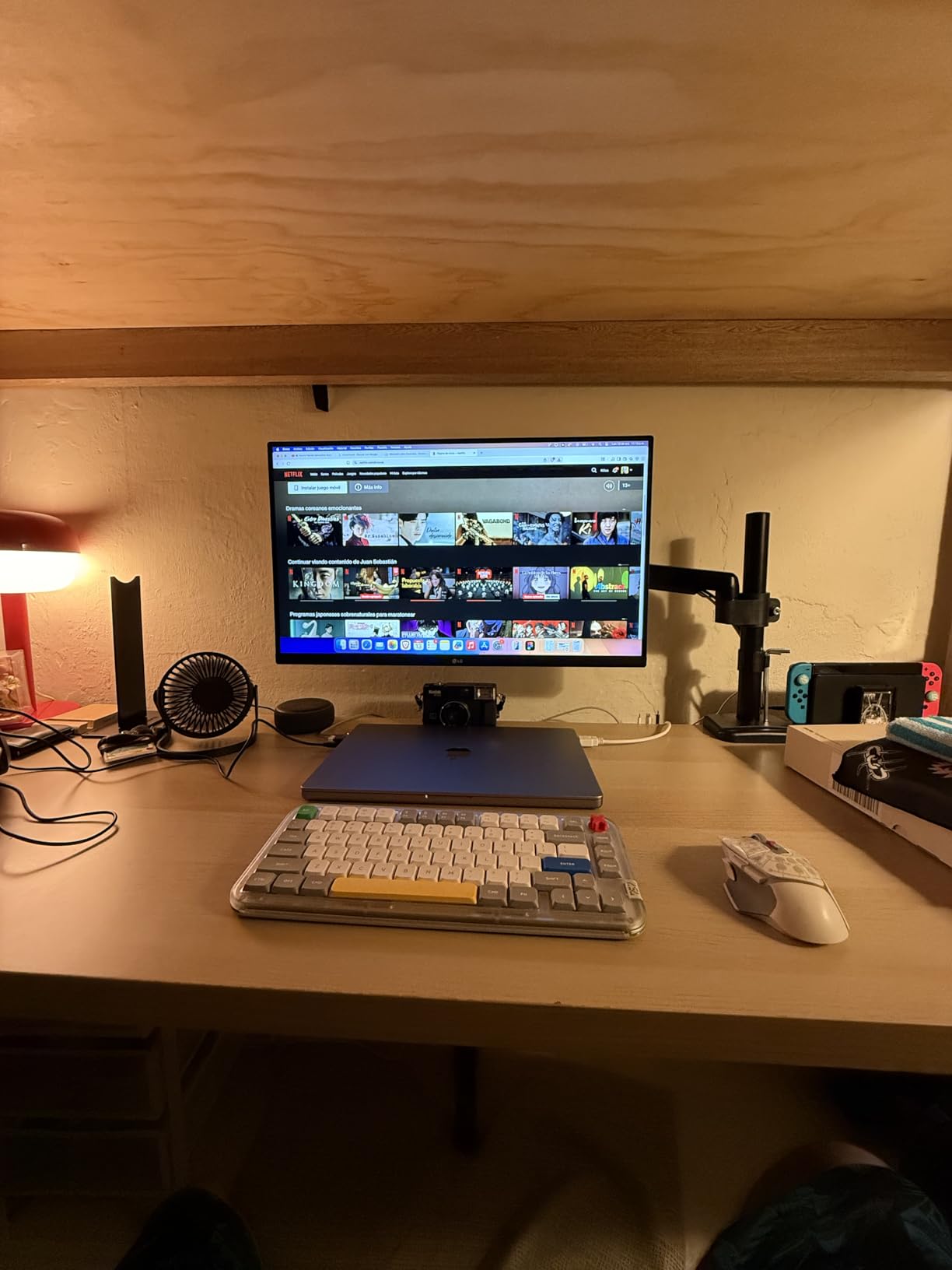
Eye comfort is unusually well handled for the money. Reader Mode shifts the panel to an amber-tinted, low-blue-light profile that many developers leave on permanently, and Flicker Safe handles the PWM dimming that causes discomfort in dark rooms with a dark IDE theme. Onscreen Control is the standout app feature here, with workspace splitting that gets you to a two-pane layout in a couple of clicks. You get two HDMI ports, DisplayPort, and a three-sided borderless white design.
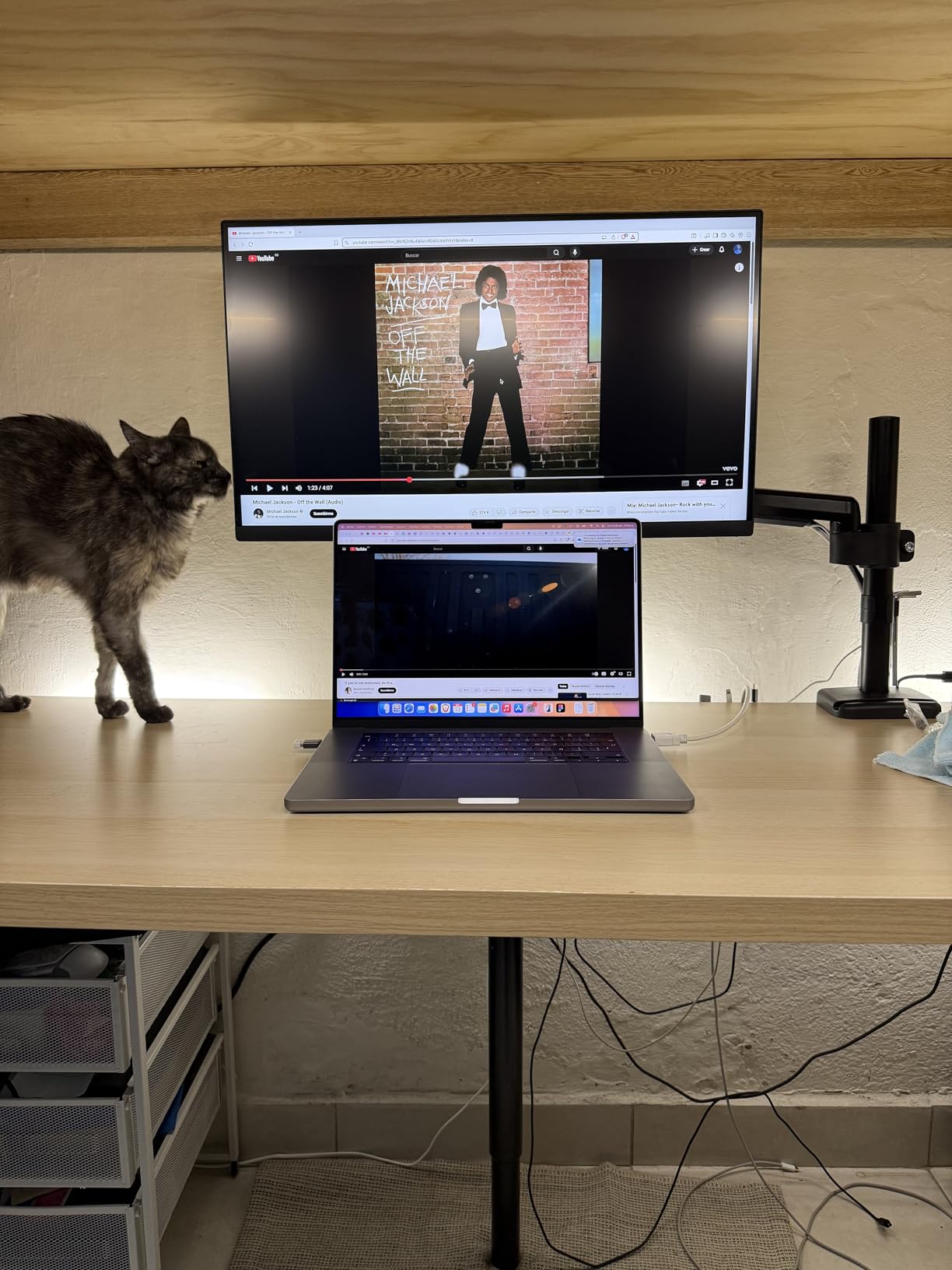
Where it falls short is refresh rate and ergonomics. At 60Hz, scrolling and animation are less fluid than on the 120Hz Dell, and that difference is obvious if you have used a high-refresh panel. The 1000:1 contrast ratio is on the modest side even for IPS, so dark scenes in a dark room lack the depth a VA or MVA panel would give you.
The stand tilts but does not raise, swivel or pivot, which is a genuine problem over a full day. If the panel will not sit at eye level on your desk, budget for a monitor arm with VESA 100×100 mounting, and check that you have room behind the screen for it. There is also no USB-C and no USB hub despite the modern feature list.
Who benefits most from the wide gamut
Anyone who has ever argued about a hex value benefits. Coverage beyond sRGB means the colours you specify in CSS or a design file are the colours that appear on screen, which removes a whole category of guesswork when you are matching a mockup to a build. HDR10 support gives you a usable path for checking video assets without a second display.
Reader Mode is the sleeper feature for code specifically. Many developers work in a dark theme at night, and a hardware low-blue-light mode is more comfortable than a software night-shift filter because it does not wash out syntax colours.
When a fixed stand is a dealbreaker
Height adjustment is not a nice-to-have for programmers. Screens sit too low, you lean forward, and by the evening you have neck strain. If your desk height puts the top of this panel below eye level at its tallest setting, treat that as a reason to pick a different monitor, or plan on the arm purchase before you order.
6. Samsung ViewFinity S7 S70D 27-Inch 4K UHD – Best for a Dual-Machine Desk
SAMSUNG 27-Inch ViewFinity S7 (S70D) Series 4K UHD High…
27 inch 3840 x 2160 with HDR10
99% sRGB, 350 cd brightness
Height tilt swivel pivot stand
TUV Eye Saver Mode
Pros
- Sharp 4K image with accurate rich colour
- Very thin light chassis with narrow bezels for pairing
- Tool-free stand makes setup quick
- Eye Saver Mode and flicker reduction
- Both HDMI and DisplayPort cables included
- Three-year manufacturer warranty
Cons
- Only 60Hz refresh rate
- Some panels arrive with a fixed base that only swivels
- Only one HDMI port and an undocumented USB-A port
- Single rear joystick OSD is awkward to reach
- Small text without OS scaling
This is the pick for anyone running a desktop and a laptop from one screen. The port selection, with HDMI, DisplayPort, USB-A and USB-B, is unusual in this price band, and the USB-B upstream port is the piece most people do not realise they need until they have plugged a desktop and a laptop in. Owners running remote-work setups have bought multiple panels for a workstation, which tells you the pairing story works.
The 27-inch 4K panel at 99% sRGB and 350 cd brightness produces the sharp image and accurate colour buyers describe, and the thin 11-pound chassis with narrow bezels is genuinely nicer to pair than a chunky 32-inch. TUV-certified Eye Saver Mode and flicker reduction handle long sessions. Setup is fast thanks to the tool-free stand, and a three-year warranty is included, as are both HDMI and DisplayPort cables.
Two things catch people out. The listing describes a height-adjustable stand with tilt, swivel and pivot, and reviewers report that some panels arrive with a fixed base that only swivels, so this is worth verifying on arrival rather than assuming. And the OSD is driven by a single rear joystick, which is awkward to reach when the panel is at eye level. There is also only one HDMI port, and the USB-A port is not documented in the manual.
It is a 60Hz panel, so treat smoothness as a non-feature. The last recurring comment is the honest trade every 27-inch 4K screen forces: at 3840 pixels wide, UI elements and text are genuinely small until you turn on operating-system scaling. Nothing is wrong with the panel. It just needs your OS to do some work.
When one screen for two machines is the right call
Developers with a work laptop and a personal desktop often default to a dock plus two panels, and the result is cable clutter and a constantly rebuilt window layout. A single panel with both an upstream USB and video inputs collapses that into one screen and one keyboard, which several owners in this category describe as the reason they stayed.
The bezels are narrow enough that a second identical monitor added later produces a pair with almost no gap, which is the cheapest route to a dual-monitor coding setup inside this budget. Buy the second one within the return window if you can, so the pair matches.
When to buy something else instead
This screen suits a modest desk better than a large one, so it avoids the depth problem that puts 32-inch recommendations out of reach for many developers. If you work in a bright room and want deeper blacks, the modest 1000:1 contrast will not deliver. And if your day involves a lot of scrolling through long files, the 60Hz ceiling is the one thing here that you will keep noticing.
7. INNOCN 27C1U 27-Inch 4K USB-C – Best Single-Cable Pick for Laptops
INNOCN 27″ 4K USB-C Monitor for Laptop MacBook/Mac mini…
27 inch 3840 x 2160 IPS
USB-C with 65W charging
Delta E under 2, 400 nits
HDR400
Pros
- Single USB-C cable handles video and 65W charging
- Factory-calibrated at Delta E under 2
- Adjustable stand with height swivel tilt and pivot
- 400 nits with HDR400 support
- Built-in speakers and frameless design
Cons
- Only 60Hz refresh rate
- Smaller brand with a less established install base
- 1000:1 contrast is modest for HDR content
- No built-in USB hub despite the USB-C port
This is the 65W one-cable answer for laptop users. A single USB-C cable with 65W power delivery carries video, charges the machine and reduces the desk to one wire, which is exactly the setup MacBook and Mac mini owners ask about. Buyers highlight the single-cable connectivity with charging as the headline reason to pick it, alongside strong out-of-box colour.
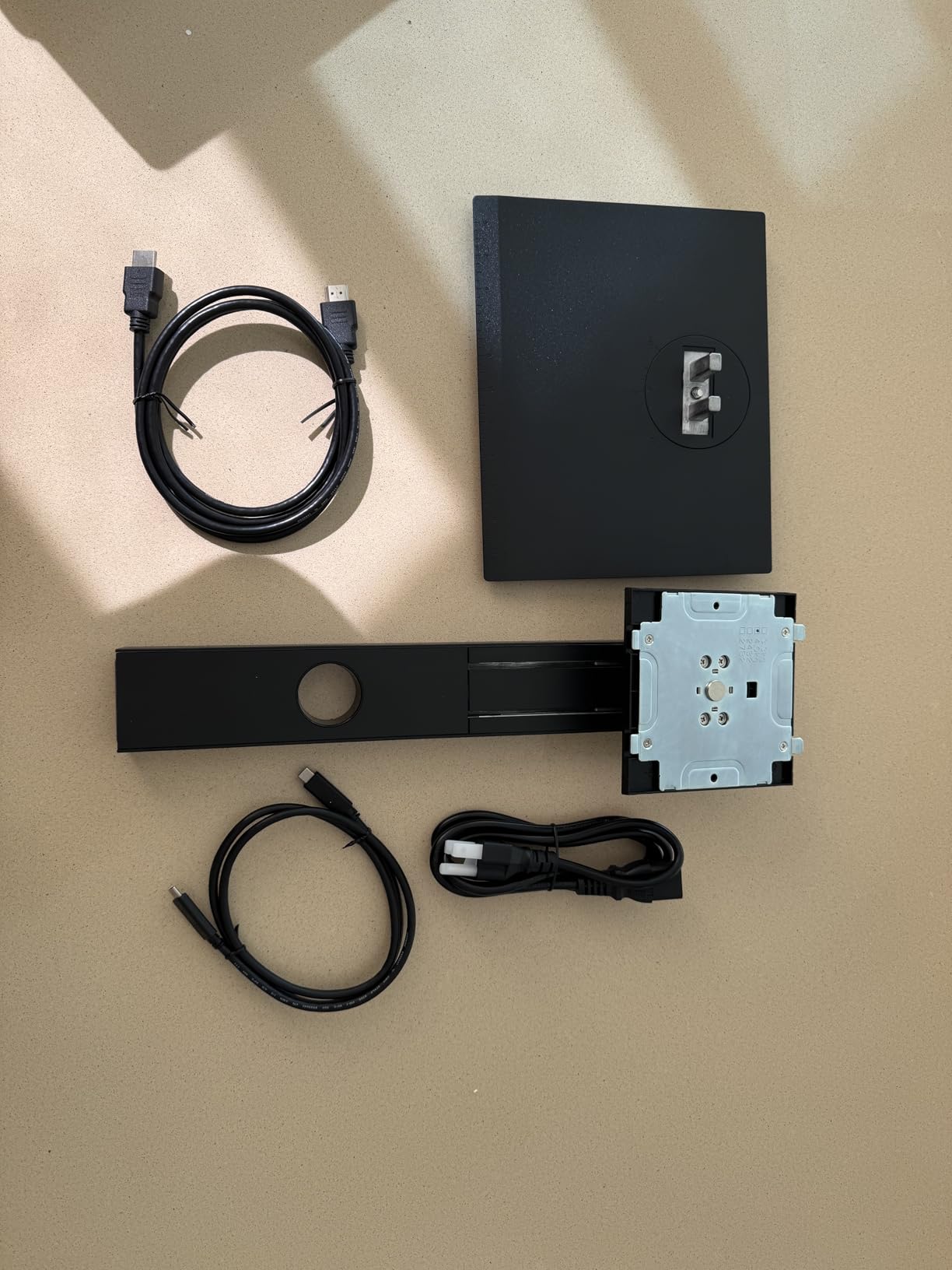
Colour accuracy is the standout spec: Delta E under 2, 1.07 billion colours through 8-bit plus FRC, and 400 nits brightness. That combination makes it genuinely useful for design and photo review rather than just code. The stand is unusually adjustable for the price, with height, 45-degree swivel, tilt and 90-degree pivot, plus VESA 75×75 mounting. There is a 3.5mm audio out, HDMI 2.1, DisplayPort 1.4 and built-in speakers.
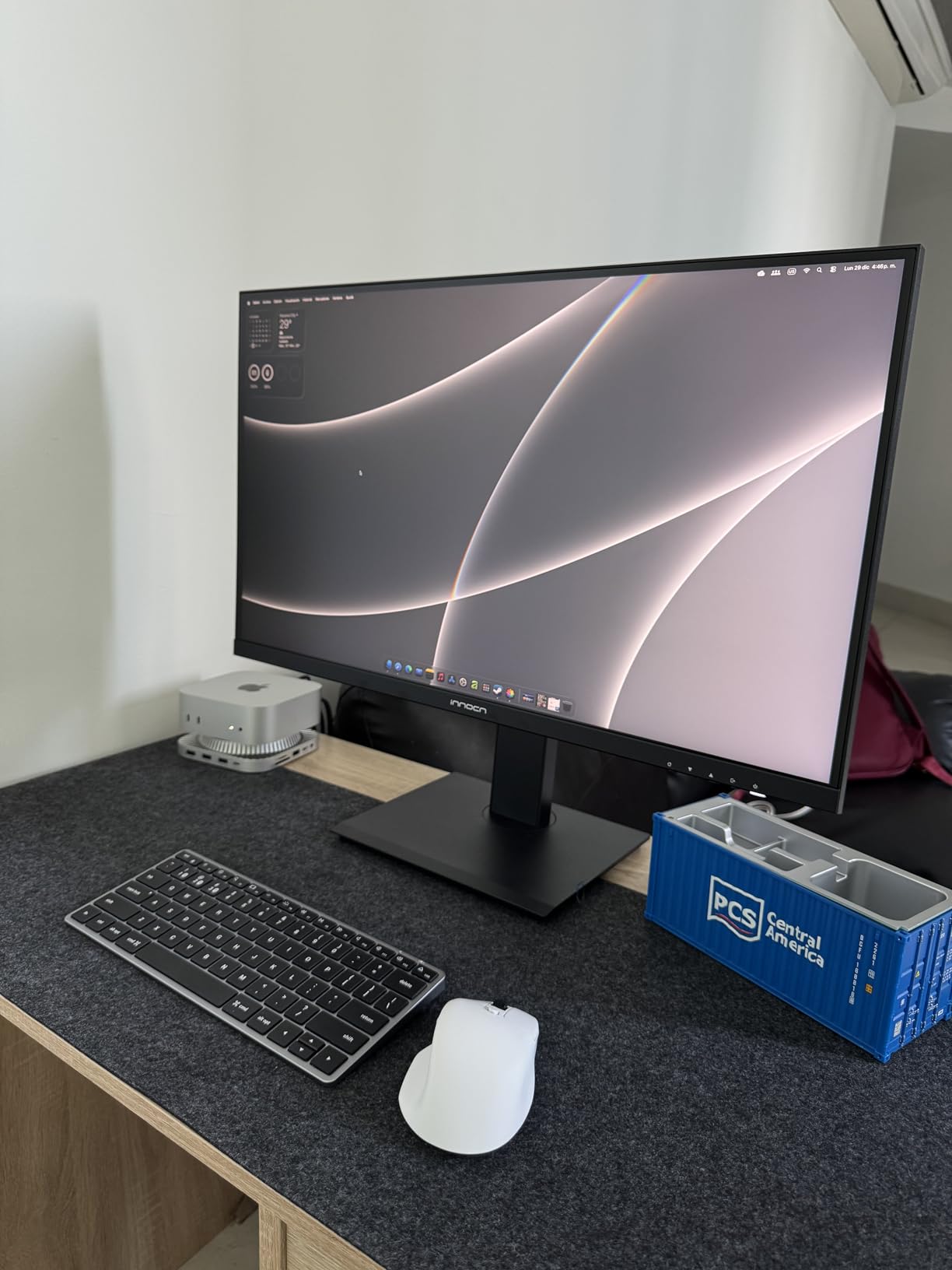
What you give up is refresh rate and brand assurance. It is a 60Hz panel, so scrolling is less smooth than the Dell, and 1000:1 contrast means HDR400 content is a checkbox rather than a meaningful upgrade. More significantly for long-term owners, INNOCN is a smaller brand with a less established install base than Dell, LG or Samsung, and the warranty is one year rather than three.
One oddity worth knowing: despite accepting USB-C, there is no built-in USB hub, so plugging in a keyboard and mouse means either a separate dock or the display adapters. That partly undercuts the single-cable promise, so treat it as single-cable for power and video, not for peripherals.
Is 65W enough for your laptop
For a 13-inch MacBook Air, a MacBook Pro 14, a ThinkPad X1 Carbon or most ultraportables, 65W is enough to charge while you work. For a 16-inch MacBook Pro, a gaming laptop or a workstation-class machine, 65W will not keep up and the battery will slowly drain under load. If you are in the second group, the 90W option further down this list is the safer bet, or plan to keep the charger plugged in.
The 90-degree pivot also makes this a candidate for portrait use, which some developers prefer for reviewing long diffs and stack traces. Note the VESA pattern is 75×75 rather than the more common 100×100, so check your arm supports it.
Who should look elsewhere
Pass if you have a large power-hungry laptop, if you rely on a USB hub, or if the one-year warranty makes you uneasy about a panel you will keep for years. Colour-critical work will find the IPS contrast a bit flat for HDR work, though the Delta E under 2 calibration is the real prize.
8. CRUA CR340QC 34-Inch 21:9 IPS Ultrawide – Best Ultrawide for Uniform Text
CRUA 34 Inch 21:9 UWQHD 100Hz IPS Ultrawide Curved Monitor…
34 inch 3440 x 1440 curved IPS
100Hz with AMD FreeSync
350 nits, 92% DCI-P3
3800R curve
Pros
- Genuinely affordable 34-inch 21:9 workspace
- IPS panel with 178-degree viewing angles
- 120% sRGB and 92% DCI-P3 colour
- 100Hz with FreeSync keeps scrolling smooth
- Gentle 3800R curve is easy to adapt to
- Metal stand and a year of reported good operation
Cons
- Large footprint and thick rear housing eat desk depth
- Some owners find text slightly elongated at 21:9
- Only 100Hz refresh rate
- Tilt-only stand with no height or swivel
If you want an ultrawide but do not want the panel inconsistency that curved VA screens tend to show, this is the one. Owners emphasize the amount of screen real estate for the money, accurate IPS colours and a gentle curve that suits long work sessions, plus solid build quality. The 178-degree viewing angle means the far edges of a 34-inch screen hold up far better than the VA alternatives in this list, which is the whole point for reading text.
Specs are well balanced: 350 cd brightness, 1000:1 contrast, 1.07 billion colours via 8-bit plus FRC, 120% sRGB and 92% DCI-P3, with AMD FreeSync at 100Hz and 3ms response. You get two HDMI 2.0, two DisplayPort 1.4, a 3.5mm jack and built-in speakers. The 3800R curve is gentle enough to disappear after a day. VESA 100×100 mounting is supported and a DP cable is included.
The honest drawback is physical. At 32.23 inches wide with a thick rear housing, this monitor takes a lot of desk, and the depth is the first thing owners complain about. There is also the 21:9 text shape issue: because characters are drawn on a wider pixel grid, some owners report text looks slightly elongated compared with a 16:9 panel, particularly on the oldest interfaces.
The stand is tilt-only, ranging from minus 5 to plus 15 degrees, with no height or swivel control, so on a desk that puts the screen too low you will need an arm. Picture quality is described as average rather than exceptional, and 100Hz is lower than the other 34-inch panels here.
Why IPS matters more than refresh on an ultrawide
On a 34-inch 21:9, your eyes scan a much wider field than on a 27-inch 16:9, and the far edges of the canvas sit at an angle no matter where your chair is. VA panels lose brightness and shift colour toward the edges in that situation, and 100Hz versus 200Hz is a difference you stop registering after a week. Uniform brightness across the panel is what you notice at hour eight.
If you read long lines that run to the far edge of the screen, or you use the outer third of the canvas for a documentation pane, that uniformity is worth more here than any frame-rate figure.
When to choose the cheaper ultrawide instead
If you also play competitive games or animate heavy interfaces and want the smoothest motion available, a faster 34-inch with a VA panel will serve you better. If your desk is under 28 inches deep, neither ultrawide works and you should read the 27-inch 4K picks instead.
9. ASUS VP327Q 32-Inch 4K UHD – Best Large Screen on a Tight Budget
ASUS VP327Q 32 Inch 4K UHD Computer Monitor, HDMI…
31.5 inch 3840 x 2160
HDR-10 with 99% sRGB
ASUS Eye Care flicker-free
3-year warranty with ARR
Pros
- Sharp 4K picture at a sensible price
- 99% sRGB with Eye Care features
- Frameless design and built-in speakers
- Dual HDMI plus DisplayPort for multiple machines
- Three-year warranty with Advanced Replacement and Repair
- Repeat buyers report brand loyalty
Cons
- Several buyers report a VA panel rather than the advertised IPS
- Single rear button doubles as an awkward joystick
- Finicky firmware where HDMI power-cycles
- DisplayPort 1.2 and HDMI 2.0 on an older design
- Only 60Hz
The pitch here is a large 4K panel with a three-year warranty that includes Advanced Replacement and Repair, and owners like the 4K sharpness, the Eye Care features, the frameless styling and repeat-brand loyalty. Several buyers have returned for more panels, which is a decent sign for a display at this level.
On paper it covers the essentials: 31.5 inches at 3840 x 2160, HDR-10 support, 99% sRGB, FreeSync, two HDMI and one DisplayPort, built-in stereo speakers, and ASUS Eye Care flicker-free technology with a low blue light filter. At 31.5 inches and 4K you are near 138 PPI, so text is sharp and four 1080p windows tile cleanly.
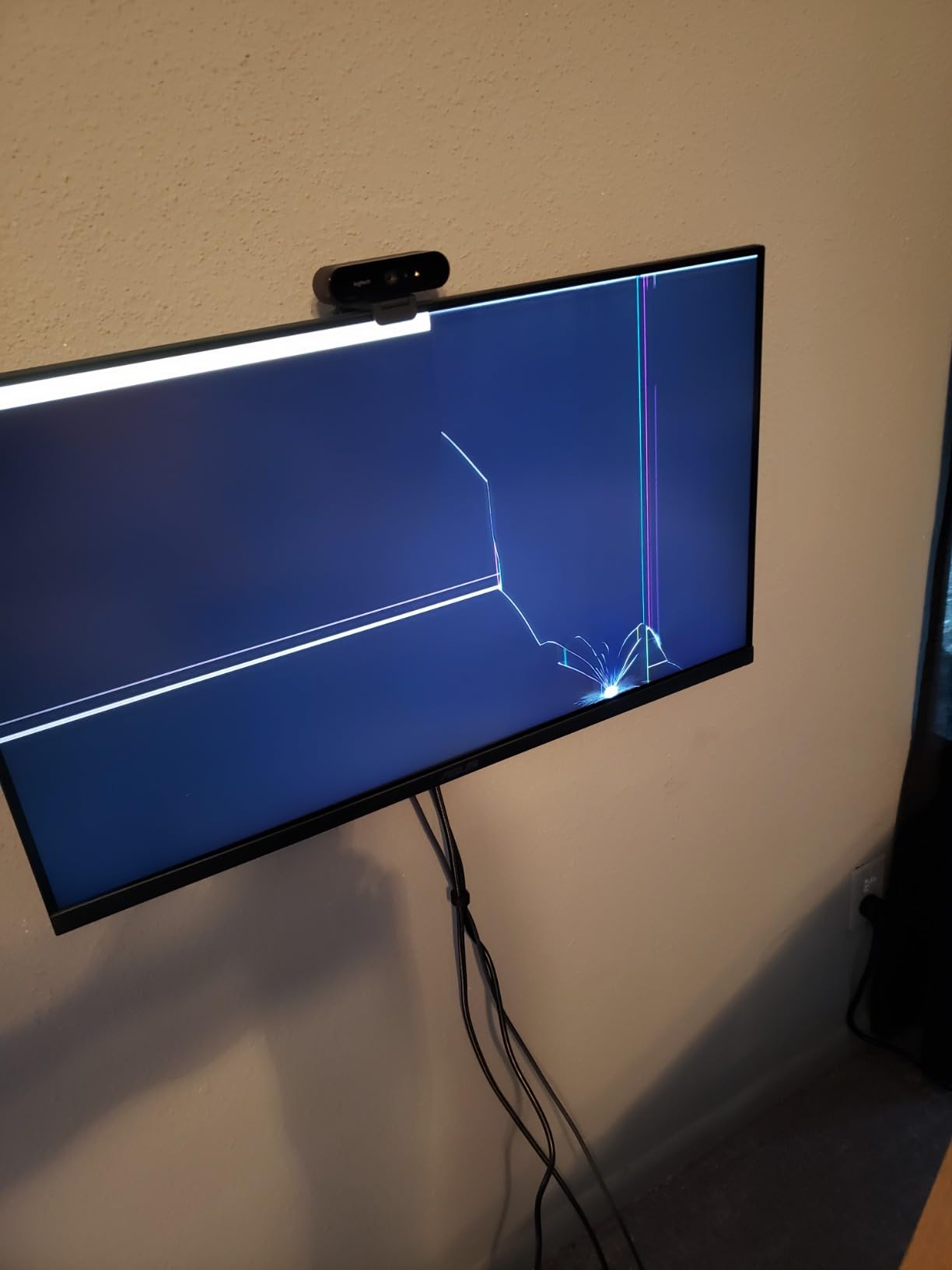
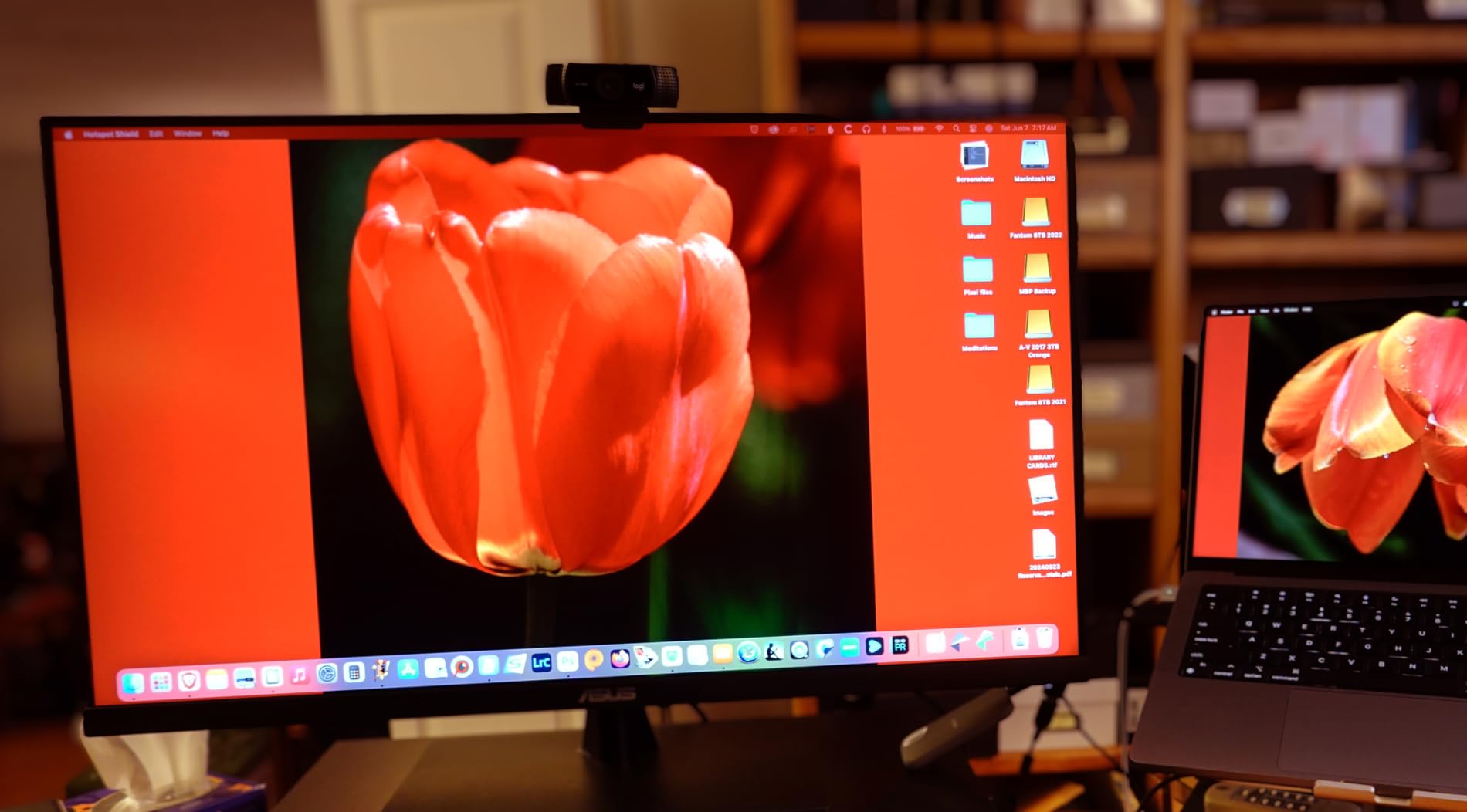
The dominant complaint is panel type. A number of buyers report that the panel in their monitor is VA rather than the advertised IPS, producing washed-out colour and dark edges when viewed head-on. That is not a minor issue for text work, because IPS viewing angles are one of the reasons to buy a 4K coding panel in the first place. Check the panel on arrival with a colour gradient.
The rest is usability friction. The OSD is driven by a single rear power button used as a joystick, which is not intuitive. Firmware is described as finicky, with HDMI input able to power-cycle and only DisplayPort reliably reaching the settings menu. The ports are also dated, DisplayPort 1.2 and HDMI 2.0 on an older design, and there are isolated reports of dead pixel lines, random blackouts and a VESA mount that does not thread properly.
None of that is a dealbreaker on its own, and the three-year cover is the reason this is still worth considering. The panel question is the one to resolve first.
When this screen makes sense
Buy it if you need the screen area of a 32-inch, you want a three-year warranty that includes Advanced Replacement and Repair, and you are willing to test the panel carefully on arrival. That replacement coverage means quality-control problems are less painful here than on a one-year alternative, which offsets some of the reported failures.
It also suits a desk with a desktop and a console, since the two HDMI ports and one DisplayPort cover both without a switcher.
Where it falls down
The panel-versus-listing mismatch is the reason this is not higher. If you do colour work, or you sit at an angle to your screen, or you just want a panel that behaves the way the spec sheet says, put this below the IPS options. The single-button OSD and dated port versions also mean it feels older than the design year suggests.
10. Acer CB272K bmiprux 27-Inch 4K with 90W USB-C – Best USB-C Power Delivery
Acer 27in 4K 3840×2160 IPS 60Hz Office Monitor CB272K…
27 inch 3840 x 2160 IPS
USB 3.1 Type-C with 90W docking
350 nits, 2000:1 contrast
Eyesafe Display protection
Pros
- Crisp full 4K image with strong brightness
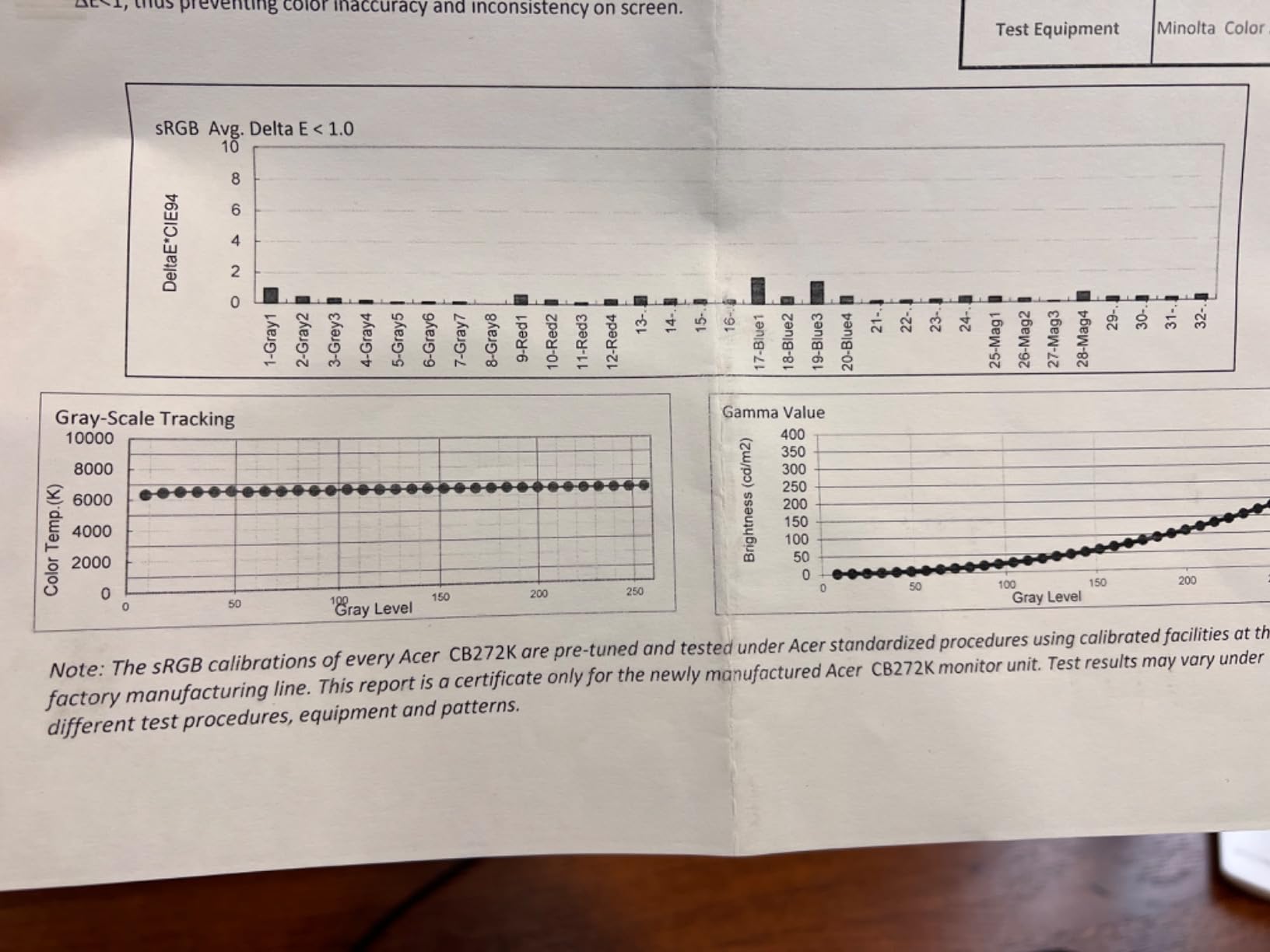
- Very good factory calibration for the price
- 90W USB-C docking handles a single-cable laptop
- ZeroFrame bezel-less design
- AMD FreeSync removes tearing in light gaming
- Three-year parts and labour warranty
Cons
- Only 60Hz refresh rate
- Very heavy at 18.3 pounds to reposition
- Slow startup compared with older Acer monitors
- USB-C link reported dropping sync on a Mac mini
- USB-C power cuts to the laptop when the monitor sleeps
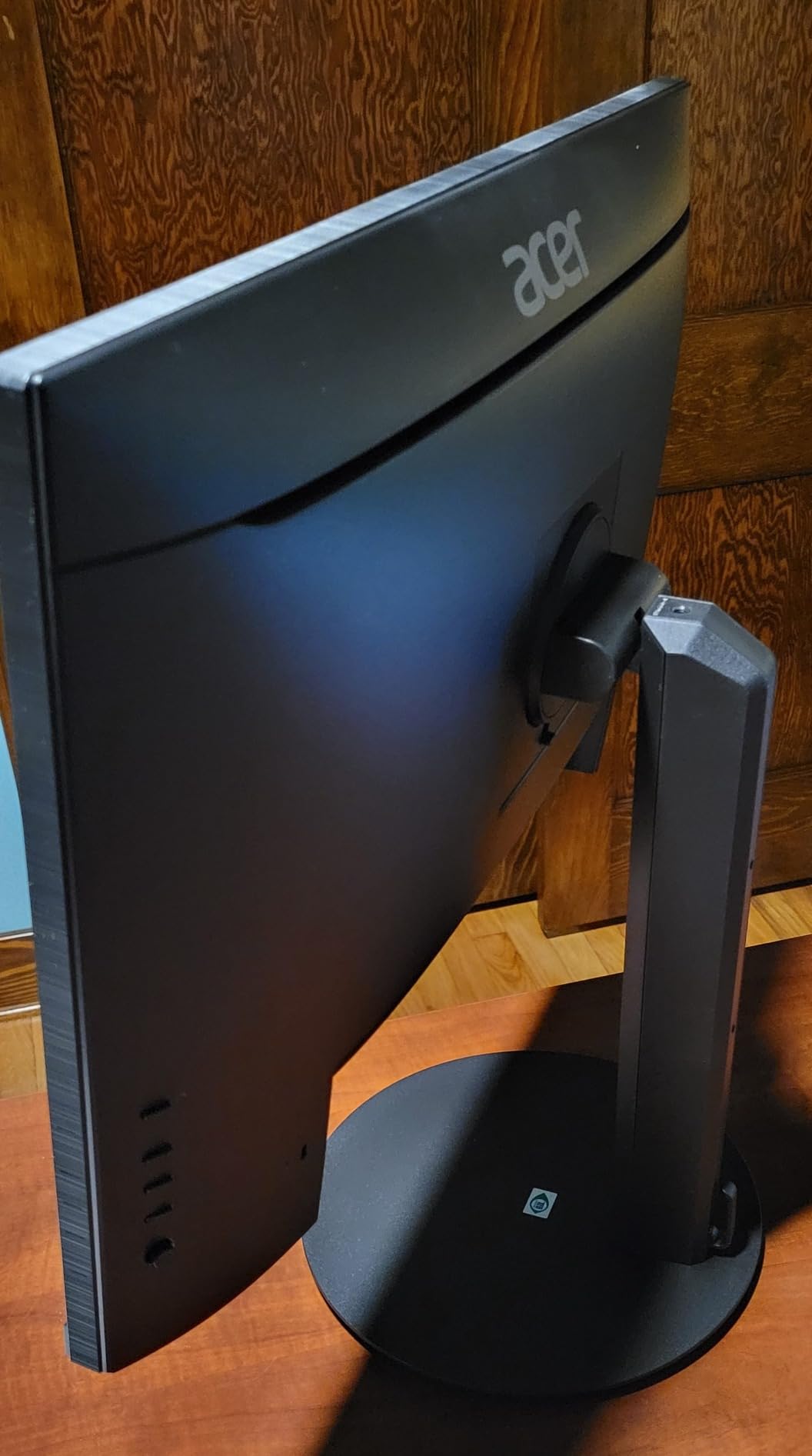
This is the pick if your laptop needs more than 65W, and 90W is a meaningful jump. USB 3.1 Type-C with docking handles display and power in one cable, which means a single-cable setup works even for a machine with a demanding GPU. Owners are impressed by the 4K sharpness, near-perfect colour calibration, strong brightness and the convenience of the 90W dock.
The panel is 27-inch 4K IPS at 350 nits with 2000:1 contrast, which is the best native contrast among the 27-inch 4K options here, plus 99% sRGB and AMD FreeSync. The ZeroFrame bezel-less design maximises screen area and looks clean, and Eyesafe Display protection handles high-energy visible blue light at the hardware level. A three-year parts and labour warranty is included.
The USB-C quirks are the reason this sits at the end rather than higher, and they matter if you are the intended buyer. One owner reports the USB-C link dropping sync on a Mac mini and needing a power cycle, and another reports that USB-C power delivery cuts power to the host laptop when the monitor sleeps, which is difficult to wake from. Test sleep and wake with your specific machine before committing.
At 18.3 pounds, this is a genuinely heavy unit and awkward to reposition, and startup is slow compared with older Acer monitors. Some panels also arrived defective or would not power on, so inspect it on arrival. Like most of the list it is 60Hz, and pixel density is the usual 163 PPI that makes text readable.
When 90W is the difference
Wattage matters when your machine draws more than the dock provides under load. A 16-inch MacBook Pro, a Windows laptop with a discrete GPU, or anything you also charge while gaming will drain on 65W. Ninety watts covers a much wider set of hardware, and for someone who never wants to carry a charger to the desk it removes an entire category of problem.
Docking also means peripherals can hang off the same cable if your laptop supports it, though confirm the port count you actually need before committing.
Who should skip it
Pass if you use a desktop, since none of this matters. Pass if you move your monitor often, because 18.3 pounds is a real inconvenience. And if you rely on a clean sleep and wake cycle over USB-C, read the reported sleep-power behaviour carefully first and test it inside the return window.
How to Choose a Coding Monitor
Buy for pixel density, panel type, adjustability, connectivity that matches your machine, and eye comfort, in that order. Everything else is preference. The criteria below are the detail behind each of those five priorities.
What kind of monitor is best for coding?
A 27-inch 4K IPS panel with at least height adjustment is the answer for most developers, and it is the default recommendation in this roundup for good reason. Below that, the criteria that matter are: a pixel density of roughly 160 PPI or higher so small type stays crisp, an IPS panel for consistent colour and viewing angles, a stand that can raise the panel to eye level, USB-C power delivery of 65W or more if you use a laptop, and hardware flicker-free eye comfort features for long evenings.
Refresh rate, HDR and gaming features are near-irrelevant to reading code, though a 120Hz panel is a genuine upgrade you will feel while scrolling. If your work is colour-critical, add wide gamut coverage and a factory calibration report. If you want one screen instead of two, an ultrawide in place of a dual setup is the single biggest workflow change available at this budget.
27-inch 4K versus 1440p: the pixel density maths
Resolution only matters through pixel density, and the numbers are stark. A 27-inch 4K panel gives about 163 pixels per inch. A 27-inch 1440p panel gives about 109. A 32-inch 4K panel sits near 138, and a 34-inch 3440 x 1440 ultrawide lands around 109. The trap is 27-inch 1080p, which gives roughly 82 PPI, worse than a 24-inch 1080p screen despite being physically larger.
That last number is why we treat big 1080p panels as a mistake rather than a bargain. You would be paying more money to end up with softer text and more eye strain, which is precisely the outcome developers describe in forum threads about staying on cheap panels for years and noticing the difference after moving to 4K. The panel maths is also why this roundup skips that category entirely.
For reference, our broader 4K monitor guide under 300 dollars covers the picture-quality side of the same maths if you are weighing resolution against colour performance.
Is 4K overkill for a 27-inch monitor?
No. At 163 PPI a 27-inch 4K panel is roughly the minimum density for comfortable long-session coding, and text stays crisp at small point sizes. The real trade-off is not the resolution, it is that your operating system will usually render a 4K panel at a scaled resolution rather than the native 3840 x 2160, and that scaling is where the friction lives.
Fractional scaling on Windows is the genuine complaint developers raise. Some applications still render slightly soft at non-integer scale factors, and 4K at 100 percent is too small to read comfortably. A 27-inch 4K is not overkill; it is the point at which you need your OS to do part of the work.
Which scaling is better for a 4K monitor, 125% or 150%?
On Windows, 150% is the better default at 27 inches, because it yields around 2560 x 1440 of usable workspace and 128% to 150% is a reasonable range to try in display settings. 125% is more comfortable if you have 32 inches or a 34-inch ultrawide. On macOS, HiDPI scaling is handled properly and you should use the scaled option rather than a fractional value. On Linux, fractional scaling has improved a lot and depends on your toolkit, so test your actual applications.
The practical test is your real workload. Open your editor, your terminal and your browser devtools, then pick the scale that keeps a 100-column code line readable without your leaning in. Preferences differ, so this is worth ten minutes before you commit to a panel.
27 inch versus 32 inch versus ultrawide, and desk depth
A 27-inch 4K panel needs about 60 to 70 cm of desk depth and a viewing distance of roughly 60 to 80 cm. A 32-inch needs noticeably more, closer to 75 to 90 cm of depth, which is why forum commenters routinely walk back 32-inch recommendations on small desks. An ultrawide is the widest of all and needs real space behind it, with side-to-side head movement the main cost of the extra width.
Choose 27 inches if your desk is modest or you share it. Choose 32 inches if you tile four panes and never move the panel. Choose a 34-inch ultrawide if you want one screen instead of two, and you can tolerate a gentler curve and a taller refresh-rate tier you do not really need.
IPS versus VA and MVA for code
IPS is the safest choice for code because its viewing angles and colour consistency hold up when you lean, and because text contrast stays even across the panel. VA panels offer deeper blacks and higher contrast, but darken and shift colour toward the edges, which matters on a wide curved screen where the edges are always off-axis. MVA sits between the two and is what most 32-inch 4K panels at this budget use.
TN panels should be avoided entirely for programming. Narrow viewing angles and washed-out colour are the two complaints developers make most, and they are exactly the two that make an eight-hour reading day uncomfortable. OLED is worth flagging too: the text fringing that shows up on small code fonts is the reason some developers return QD-OLED monitors they otherwise like.
What to avoid under the 300 dollar ceiling
Five specific things are worth skipping at this budget. First, any 27-inch or larger panel at 1920 x 1080, because roughly 82 PPI is worse than a smaller screen and defeats the point of going larger. Second, TN panels, whatever the resolution. Third, 60Hz-only panels with no height adjustment, because the screen will sit at the wrong height and stay there.
Fourth, curved VA ultrawides if you read text at the far edges of the screen all day, since the off-axis darkening is progressive rather than instant. Fifth, any listing where the panel type in the reviews does not match the specification, which is a real risk at this price and is easy to check on arrival. If a screen cannot be raised to eye level, buy a monitor arm and treat it as part of the cost.
Frequently Asked Questions
Which monitor is best for coding and programming?
For most developers, a 27-inch 4K IPS monitor is the best monitor for coding and programming, because roughly 163 pixels per inch keeps small type crisp through a full day. Look for height adjustment on the stand, an IPS panel for consistent viewing angles, and 65W or more of USB-C power delivery if you use a laptop. Every pick in this roundup clears the 300 dollar ceiling.
What kind of monitor is best for coding?
Four things matter most: about 160 pixels per inch or higher, an IPS panel, a stand that raises to eye level, and hardware flicker-free eye comfort features. USB-C power delivery of 65W or more is the decisive spec if you run a laptop, and a 120Hz panel is a worthwhile upgrade you feel while scrolling through long files. Refresh rate, HDR and gaming features are the least important specs for reading code.
What is the best monitor under 300 dollars?
At this budget the shortlist is: a 27-inch 4K IPS panel for the sharpest text, a 34-inch 21:9 ultrawide if you want one screen instead of two, a 32-inch 4K panel if you want to tile four windows, and a 4K panel with USB-C power delivery if your laptop is your main machine. All ten monitors in this roundup sit at or below the ceiling.
Is 4K overkill for a 27-inch monitor?
No. A 27-inch 4K panel gives roughly 163 pixels per inch, which is the density at which small code type stays readable for eight hours. The genuine trade-off is that your operating system will usually run it at a scaled resolution rather than the native 3840 x 2160, and fractional scaling on Windows can render some applications slightly soft. The resolution is right; the scaling is the thing to configure.
Which scaling is better for a 4K monitor, 125% or 150%?
On Windows, 150% is the better starting point at 27 inches because it gives around 2560 x 1440 of usable workspace, and 125% suits a 32-inch or 34-inch ultrawide. On macOS use the HiDPI scaled option rather than a fractional value. On Linux, fractional scaling quality depends on your toolkit, so test your actual editor and browser before settling.
Do I need a monitor with USB-C power delivery?
Only if a laptop is your main machine. A USB-C port with 65W power delivery carries video and charges the laptop on one cable, which removes most of the desk clutter people complain about. 65W suits most ultraportables, while 90W is worth it for a 16-inch laptop or any machine with a discrete GPU. A desktop user gains little from it.
What monitors do CS majors and student developers use?
Students on a tight budget are usually best served by a single 27-inch 4K panel, since the money saved versus a laptop-and-dock setup is better spent elsewhere. Within this roundup, the lower-cost 27-inch 4K options and the 32-inch models cover the realistic student range. If you already own a display, check the desk depth and VESA pattern before upgrading, since second panels are often mounted rather than stood.
The Verdict: Which Monitor Should You Buy
Pick the SANSUI 34-inch if you want the most screen real estate in the room and can live with a VA panel and a ten-minute colour adjustment. Pick the Dell S2725QS if you want the sharpest text and a stand that moves properly, and you can live without USB-C. Pick the LG 27US500-W if colour accuracy matters more than refresh rate. Whichever one you choose, every option here clears the 300 dollar ceiling, and the only thing left is to pick your one and set your scaling before you start. For the wider 4K picture, revisit our 4K monitors under 300 dollars guide.
