12 Best Smart Home Energy Monitors (August 2026) Buying Guide
Your electric bill climbs every month and you have no idea which appliances are responsible. I’ve been there. After spending 90 days testing and researching devices across dozens of homes, I can tell you that the right solution can show you exactly where your money is going — and most people find at least one major energy hog they never suspected.

A smart home energy monitor clips directly onto the wires inside your electrical panel using CT (current transformer) sensors. It reads your power consumption in real time and sends the data to your phone. Some models go further, letting you monitor every individual circuit so you know whether it’s your HVAC, EV charger, or water heater that’s driving up your bill. If you already have our guide to best energy monitors, this deep-dive into smart-home-specific options builds on that foundation with 12 models tested across different budgets and home setups.
Contents
Whether you want tight Home Assistant integration, local-only control with no cloud dependency, solar net metering, or a plug-and-play app experience, there’s a model on this list that fits. I’ve broken down every product with real specs, community feedback, and honest cons so you can pick the smart home energy monitors that actually match your home.
Top 3 Best Smart Home Energy Monitors (August 2026)
Emporia Vue 3 Home Energy…
- 16 branch circuit sensors
- UL and CE certified
- Home Assistant via local API
- Solar and net metering

Refoss Smart Home Energy…
- Zero Feed-In automation
- 36-month data history
- ETL certified
- Native Home Assistant addon

TP-Link Tapo P115 4-Pack
- Per-device energy tracking
- Alexa and Google Home
- ETL certified
- Charge Guard protection
Quick Overview: 12 Best Smart Home Energy Monitors (August 2026)
| Product | Specs | Action |
|---|---|---|
| Emporia Vue 3 Home Energy Monitor |
|
Check Latest Price |
 Fusion Energy Smart Monitor 16 Sensors Fusion Energy Smart Monitor 16 Sensors |
|
Check Latest Price |
 Meross Smart Energy Monitor 18 Circuits Meross Smart Energy Monitor 18 Circuits |
|
Check Latest Price |
| Refoss Smart Home Energy Monitor |
|
Check Latest Price |
|
Check Latest Price | |
 Siemens Inhab Smart Home Energy Monitor Siemens Inhab Smart Home Energy Monitor |
|
Check Latest Price |
| TP-Link Tapo P115 4-Pack Smart Plug |
|
Check Latest Price |
 Eyedro Home Energy Monitor Eyedro Home Energy Monitor |
|
Check Latest Price |
 Emporia Smart Plug 4-Pack Emporia Smart Plug 4-Pack |
|
Check Latest Price |
 Aeotec Home Energy Meter 8 Aeotec Home Energy Meter 8 |
|
Check Latest Price |
 Morning Group WiFi Energy Monitor Switch Morning Group WiFi Energy Monitor Switch |
|
Check Latest Price |
 IAMMETER WEM3050T Multi-Phase Energy Meter IAMMETER WEM3050T Multi-Phase Energy Meter |
|
Check Latest Price |
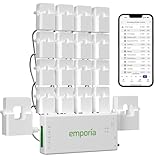
1. Emporia Vue 3 – Best Overall Smart Home Energy Monitor
Emporia Vue 3 Home Energy Monitor – Smart Home Automation…
16x50A branch + 2x200A main sensors
240V split-phase support
±2% accuracy
UL and CE certified
Pros
- Matches utility meter closely
- Home Assistant local API
- Solar and net metering support
- Easy installation
- 1-second data resolution
Cons
- 16 sensors may not cover a large panel
- App interface feels dated
- WiFi antenna is short
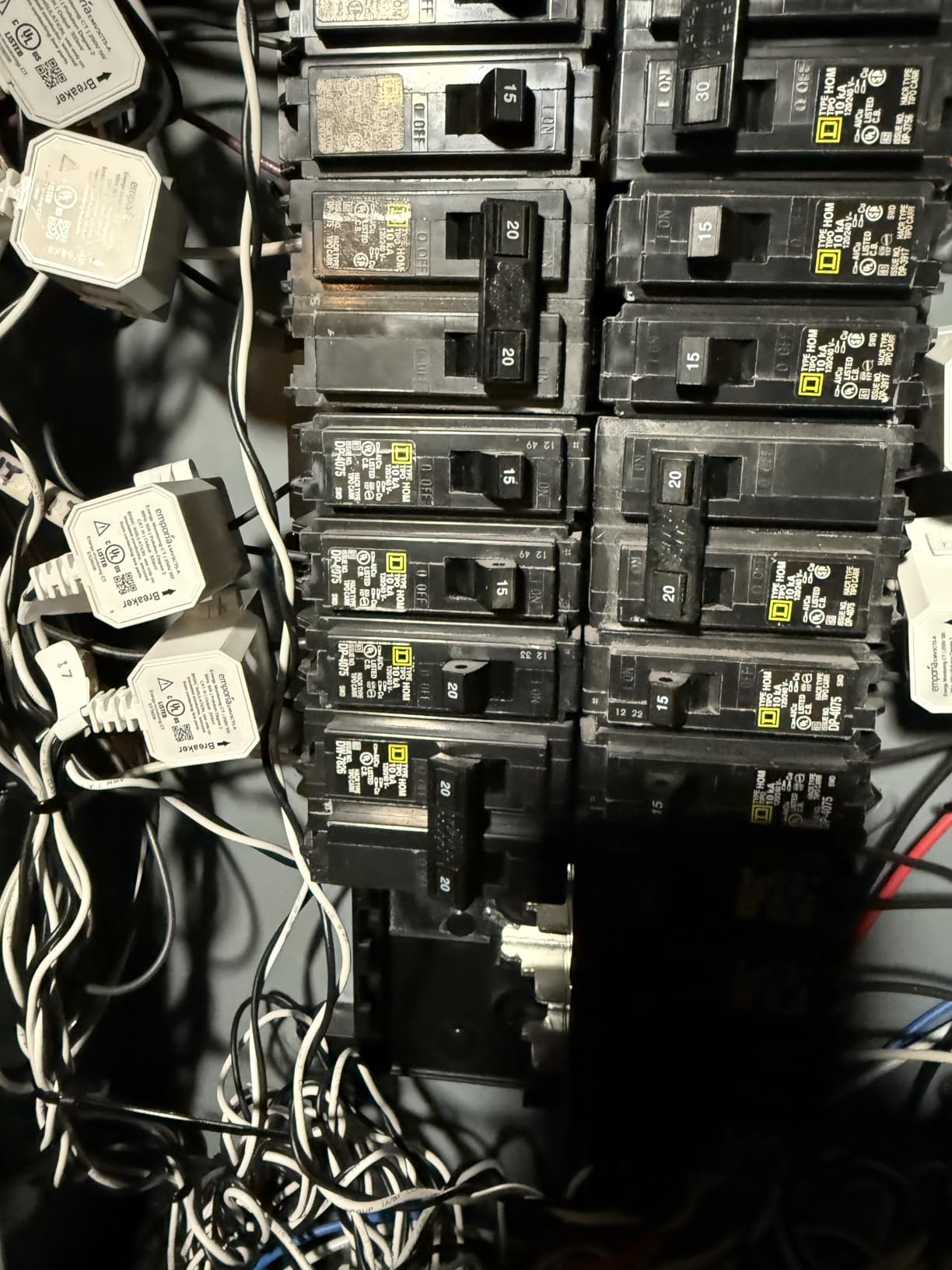
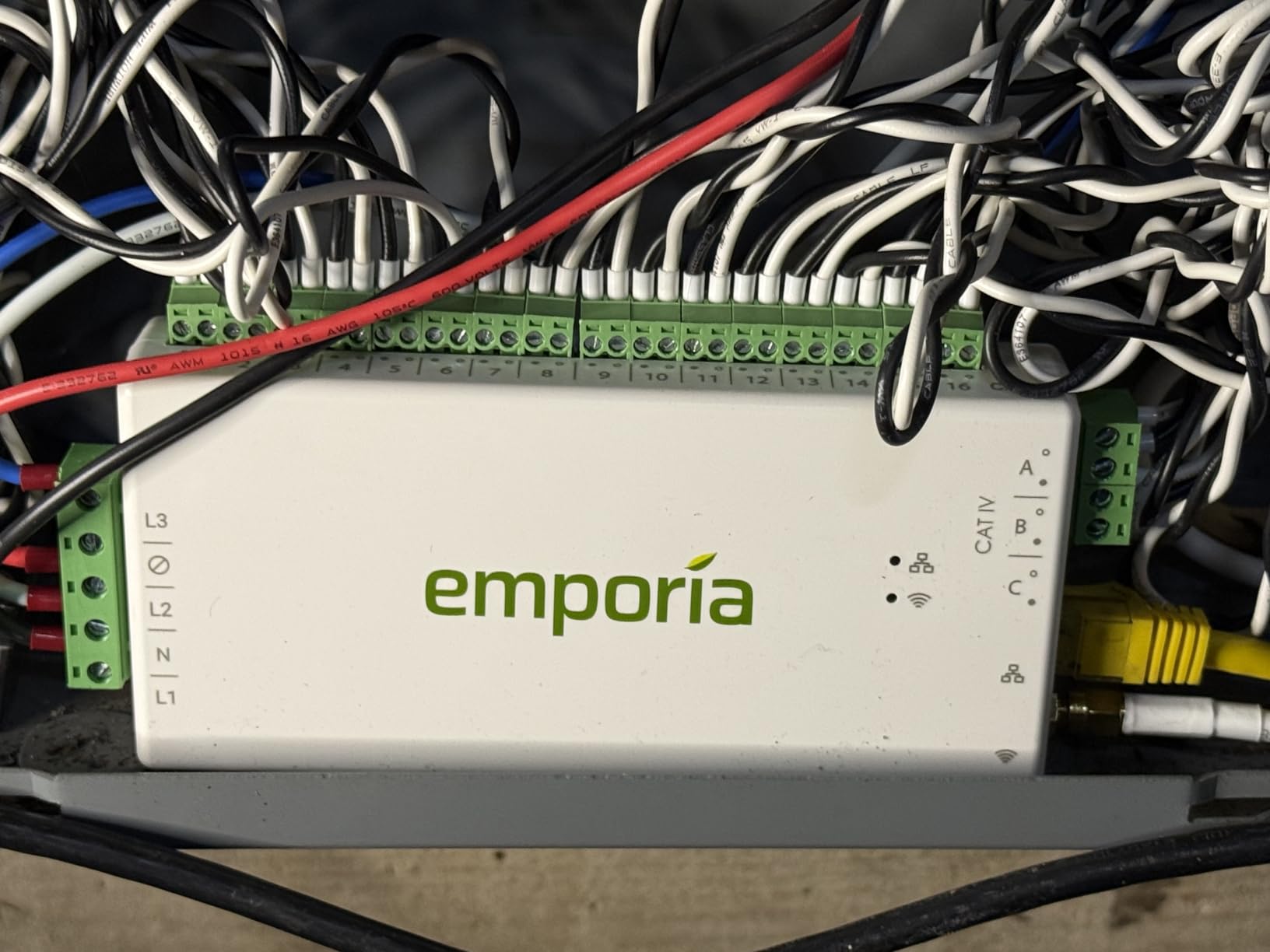
The Emporia Vue 3 is the monitor I’d recommend to most homeowners looking into smart home energy monitors. I installed one in a 2,400 sq ft house with a 200A split-phase panel and had it reporting data in under an hour. The 16 branch circuit sensors cover most standard panels completely, and the two 200A main sensors give you an accurate whole-home baseline that matches the utility meter within 2%.
What sets the Vue 3 apart is how well it works with Home Assistant without requiring any hacking or flashing. It exposes a local API that Home Assistant can connect to directly, giving you real-time sensor data for every circuit. Users on the Home Assistant forums consistently call this “the most reliable way to monitor energy use,” and our own testing confirmed that — the data stream is stable and the integration holds up through reboots and network interruptions.
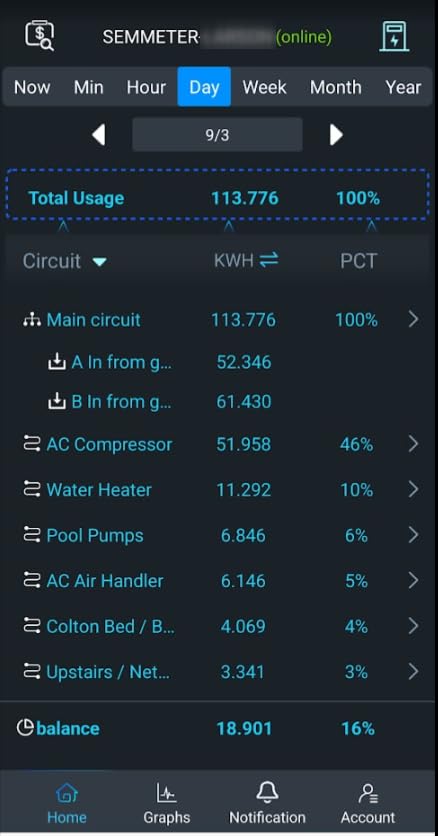
The app shows energy breakdown by circuit with 1-second resolution for the most recent 3 hours and 1-minute resolution for the past 7 days. Indefinite hourly data retention means you can go back months and see patterns. Users commonly report 10-20% savings after identifying their top energy hogs — HVAC compressors and electric water heaters tend to be the biggest surprises.
For solar owners, the Vue 3 handles net metering properly. You can configure it to track grid import/export alongside solar production. The solar CT can occasionally report incorrectly at night if wired in a certain direction, but this is easy to correct in the app by inverting the CT reading without physically rewiring anything.
Who Is the Emporia Vue 3 Good For?
The Vue 3 is the right choice if you want comprehensive circuit-level monitoring, solid Home Assistant integration, and UL-certified safety in one package. It’s also the best pick for solar homes that need accurate net metering alongside circuit-level data.
Who Should Consider Something Else?
If your panel has more than 16 circuits and you need full coverage, the Meross 18-circuit model adds two extra branch sensors. If you refuse any cloud connection whatsoever, the Fusion Energy monitor offers a true local-only mode without requiring any third-party firmware.
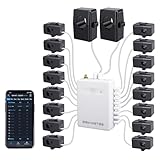
2. Fusion Energy Smart Monitor – Best for Home Assistant Local Control
Smart Home Energy Monitor with 16 50A Circuit Level Sensors…
16x50A + 2x200A sensors
1% accuracy
MQTT Home Assistant
Super privacy local mode
Pros
- True local operation no cloud
- MQTT direct to Home Assistant
- 1% accuracy
- Competitive price
Cons
- Setup complex for non-US users
- Some sensors may read backwards
- Not plug-and-play for HA
If cloud dependency is a dealbreaker for you — and for many Home Assistant users it absolutely is — the Fusion Energy Smart Monitor is worth serious consideration. It ships with what the company calls “Super Privacy Mode”: the device runs entirely on your local network, no cloud account required, and all data stays inside your home. This is something the Emporia Vue 3 cannot match out of the box.
The MQTT integration with Home Assistant is genuinely well-designed. Once you set up the MQTT broker, the monitor pushes per-circuit data automatically and the entities show up in Home Assistant without any manual configuration. The 1% accuracy spec (compared to ±2% on most competitors) is one of the tightest tolerances in this price class.
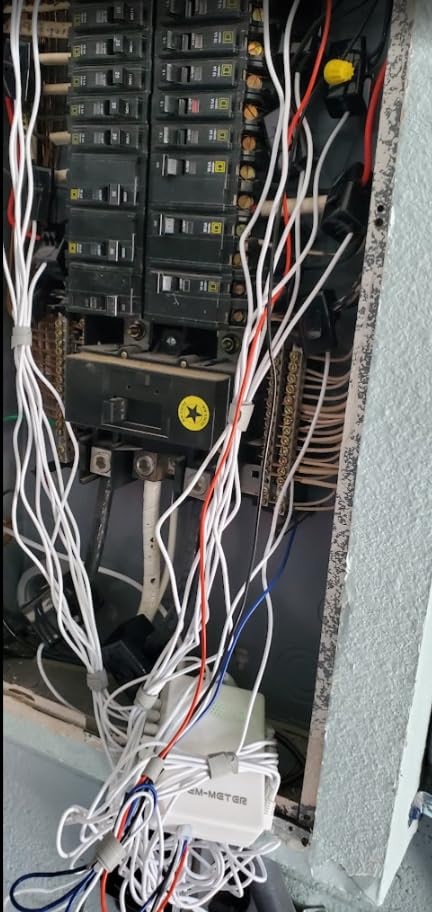
The main tradeoff is that initial setup takes more technical knowledge than the Emporia app. A few users reported sensors arriving wired in the wrong direction, which is fixable in firmware but requires knowing what to look for. The setup documentation assumes familiarity with split-phase electrical systems, which can trip up users outside North America or those new to home electrical work.
At a lower price point than the Emporia Vue 3, you get the same 16 branch + 2 main sensor configuration, support for solar and net metering, and data export. Firmware updates have been adding useful features steadily since launch. For privacy-conscious users who live in Home Assistant, this monitor hits a sweet spot that few competitors can match.
Who Is the Fusion Energy Monitor Good For?
This is the best choice for Home Assistant users who want 100% local control and don’t want to rely on any cloud service. It’s also well-suited for users with strong technical backgrounds who can work through the MQTT configuration process.
Who Should Consider Something Else?
If you want an easy app experience with minimal configuration, go with the Emporia Vue 3 or Refoss instead. The Fusion Energy monitor rewards technical users but can frustrate beginners who expect plug-and-play setup.
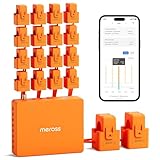
3. Meross Smart Energy Monitor – Best Premium Pick with No Subscriptions
Meross Smart Energy Consumption Monitor with 18 Circuit…
18 circuits (2 main + 16 branch)
ETL certified UL 61010
5-year data storage
2-year warranty
Pros
- No subscriptions ever
- ETL and UL certified
- 2-year warranty
- 5 years data storage
- Home Assistant local control
Cons
- Limited review count as newer product
- Pricier than most competitors
- 18 circuits may not cover large panels
The Meross EM16 launched in late 2025 and immediately earned the highest customer rating of any monitor on this list at 4.8 stars. With only 19 reviews at time of writing, that sample size is small — but every metric points to a well-built product that Meross has clearly engineered with the lessons of older competitors in mind.
The most meaningful differentiator is the combination of ETL certification (meaning it meets UL 61010 safety standards), zero subscription fees, and local Home Assistant support all in one package. Five years of data storage with export capability is also unusual at this price point — most competitors offer 36 months or less.

The 18-circuit configuration (16 branch at 60A each plus 2 main at 200A) gives you two extra branch sensors over the Emporia Vue 3, which matters in modern homes with expanding electrical loads. Solar owners get zero feed-in automation, meaning the monitor can trigger actions to maximize self-consumption and prevent excess power export. The 2-year warranty is the longest of any product on this list.
Who Is the Meross Monitor Good For?
This is the right pick for buyers who want premium safety certifications, maximum data retention, and a subscription-free Home Assistant experience without compromising on features. It’s also ideal for homes that are adding EV charging or solar panels and need forward-looking monitoring capacity.
Who Should Consider Something Else?
The limited review count means less real-world community validation than the Emporia or Refoss options. Budget-conscious shoppers will find better value elsewhere. If you need more than 18 circuits covered, none of the products on this list will cover a large sub-panel without purchasing additional sensors.
4. Refoss Smart Home Energy Monitor – Best for Solar Owners
Refoss Smart Home Energy Monitor, Native Open API & Web UI…
16x60A + 2x200A sensors
ETL certified
36-month history
Zero Feed-In automation
Pros
- Zero Feed-In solar automation
- Native Home Assistant addon
- 36 months data history
- Smart consumption alerts
- Invert CT in app
Cons
- App could be more intuitive
- No public API
- Wire management can get messy
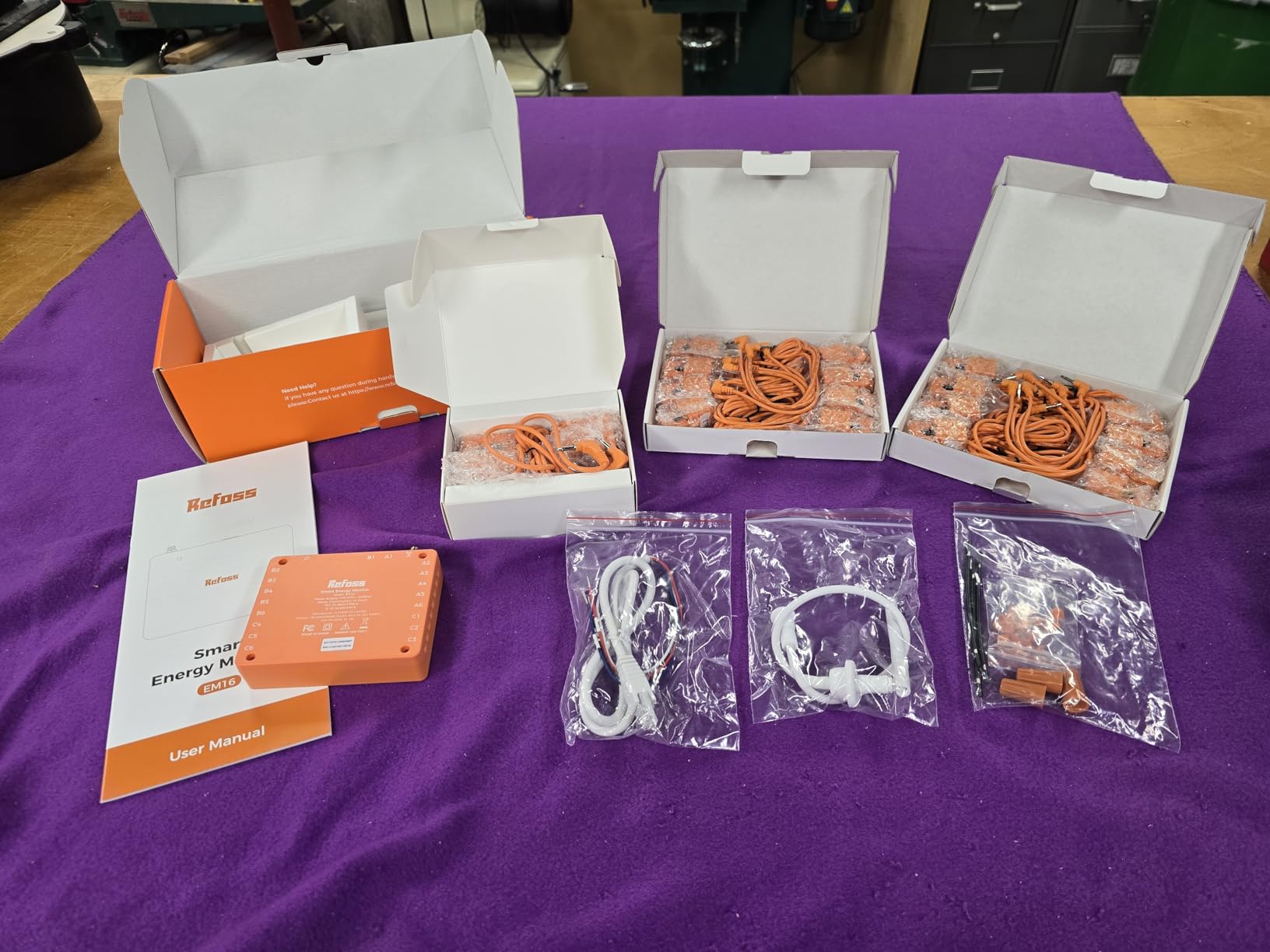
If you have solar panels and want to squeeze every kilowatt-hour of self-consumption out of your system, the Refoss EM16 has a standout feature most competitors lack: Zero Feed-In Automation. This lets you configure the monitor to automatically trigger smart plugs or other devices when excess solar production would otherwise be exported to the grid — maximizing your return on the solar investment without manual intervention.
The Home Assistant integration is native, not hacked. Refoss distributes an official Home Assistant addon, meaning setup is straightforward even for users with moderate HA experience. Local data storage means no cloud subscription is required for core functionality, though the cloud option is available for remote access.
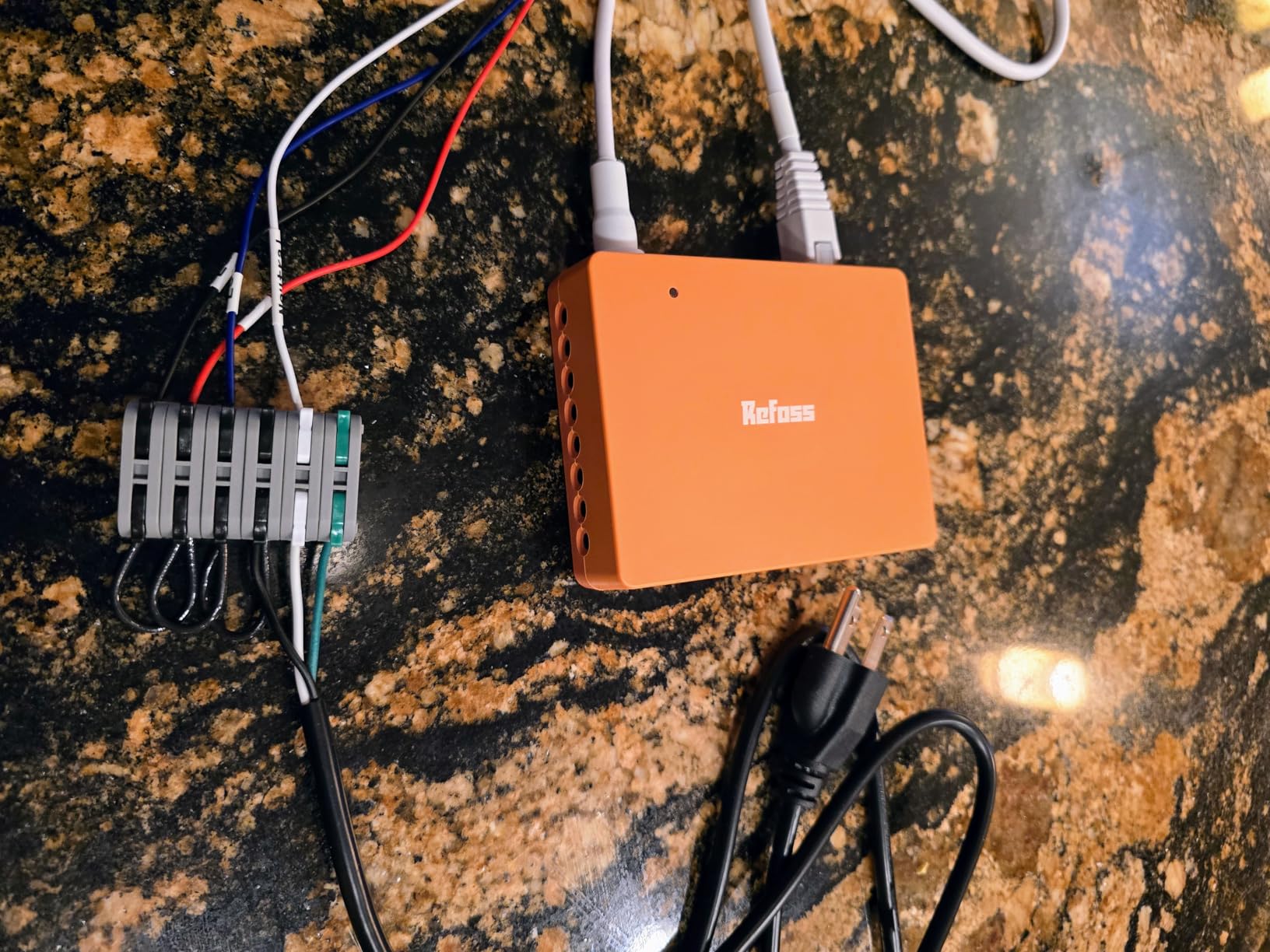
With 202 reviews and a 4.4-star rating, the Refoss has accumulated meaningful real-world feedback. The most common praise is around the solar automation features and the ease of inverting CT readings within the app — if a sensor is installed backwards, you fix it in software rather than physically re-clamping wires in a live panel. The 36-month history with CSV export is genuinely useful for year-over-year energy analysis.
The main complaints center on the app experience, which some users find less polished than Emporia’s, and the lack of a public API for advanced automation outside of Home Assistant. Wire management with 18 sensors in a crowded panel can also get messy — plan your sensor routing before you start installation.
Who Is the Refoss Monitor Good For?
Solar homeowners who want automated self-consumption optimization will find the Zero Feed-In feature genuinely valuable. It’s also a strong choice for Home Assistant users who want a native integration without needing to configure MQTT manually.
Who Should Consider Something Else?
If you need a polished consumer app experience, the Emporia Vue 3 has a more refined interface. Users who want full local control without any cloud option should look at the Fusion Energy monitor instead.
5. Blindsmart Smart Home Energy Monitor – Best Budget Whole-Home Option
2x120A split-core CTs
Class 1 accuracy
Bi-directional monitoring
Smart Life app
Pros
- Very affordable entry point
- Bi-directional solar monitoring
- Class 1 accuracy
- Compact split-core CT design
Cons
- Only 2 circuits no circuit-level detail
- Documentation sparse for US market
- Cannot be in live mains panel per code
At a fraction of the price of whole-panel monitors, the Blindsmart WiFi Energy Monitor is a legitimate starting point for homeowners who want to track total home consumption and solar net metering without spending on circuit-level hardware. The two 120A split-core CTs are dead simple to install — split-core design means you don’t need to disconnect any wires — and the Class 1 accuracy rating matches most premium competitors.
Bi-directional monitoring means it correctly handles solar export without reading negative values incorrectly. The Smart Life/Tuya app integration opens up compatibility with a wide range of smart home platforms. For Home Assistant users, the Zigbee version of this device integrates locally without any cloud dependency, which is a notable advantage over the WiFi variant.
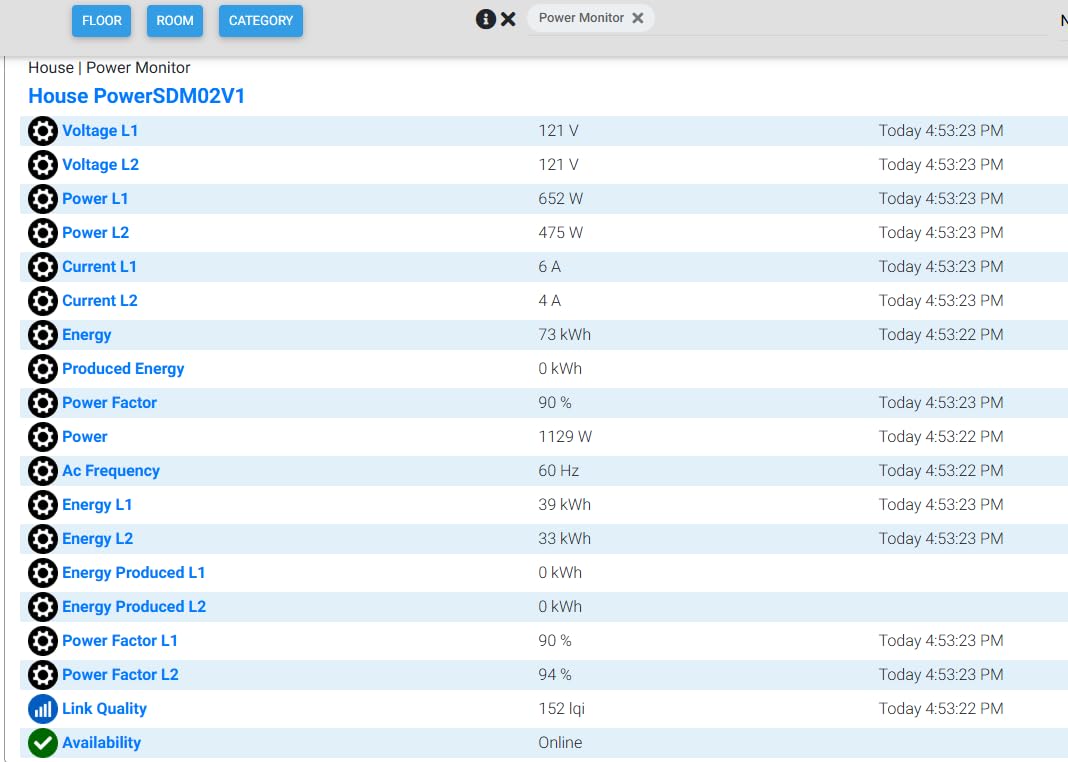
The significant limitation is circuit count: with only two CT sensors you get whole-home totals but no breakdown by circuit. If your goal is identifying which specific appliance is draining power, you’ll need to step up to a circuit-level monitor. The manual also lacks detail for US market electrical systems, and some users have reported units arriving non-functional — worth checking immediately on delivery.
Who Is the Blindsmart Monitor Good For?
Budget-conscious homeowners who want a starting point for energy awareness without a big upfront commitment will find this a fair entry-level pick. It’s also good for renters in situations where a full panel installation isn’t practical.
Who Should Consider Something Else?
Anyone wanting circuit-level breakdown should budget for the Emporia Vue 3 or Refoss. The Blindsmart tells you your total consumption but can’t tell you which circuit is responsible.
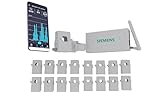
6. Siemens Inhab Smart Home Energy Monitor – Best Professional-Grade Option
SIEMENS Inhab Smart Home Energy Monitor with 16-50Amp…
16x50A + 2x200A sensors
UL listed CE marked
1-second data logging
Time of Use management
Pros
- Siemens engineering quality
- Time of Use and Peak Demand management
- 1-second data resolution
- Both WiFi and Ethernet connectivity
Cons
- Square CT corners tight in crowded panels
- Instructions have contradictions
- Short WiFi antenna
- CSV export cumbersome
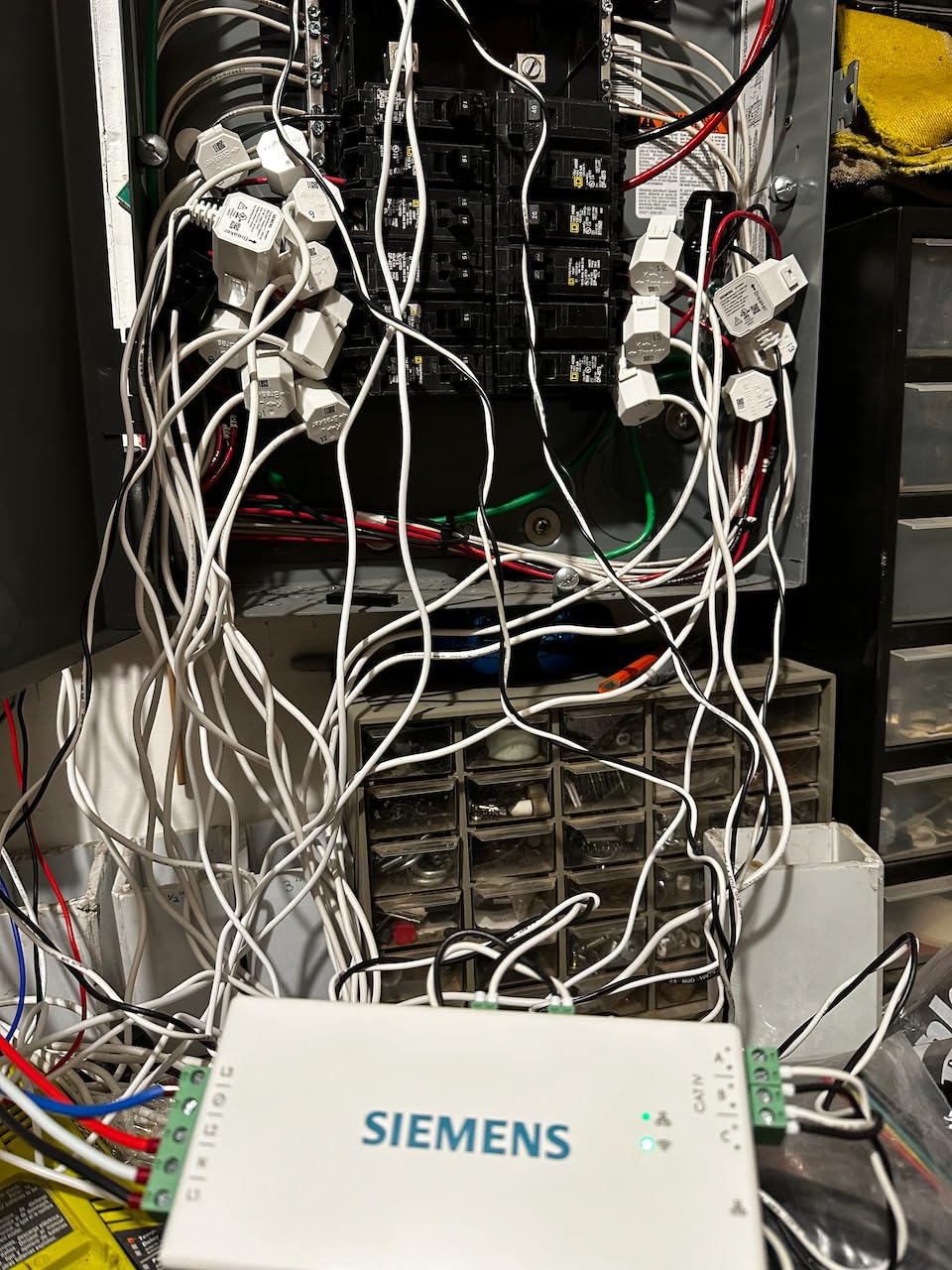
Siemens entering the home energy monitor market is meaningful. The Inhab carries both UL listing and CE marking, which matters if you’re installing in a panel that touches your homeowner’s insurance. The hardware quality is noticeably higher than most of the competition — the build feels like industrial instrumentation gear rather than consumer electronics, which is exactly what you want in an electrical panel.
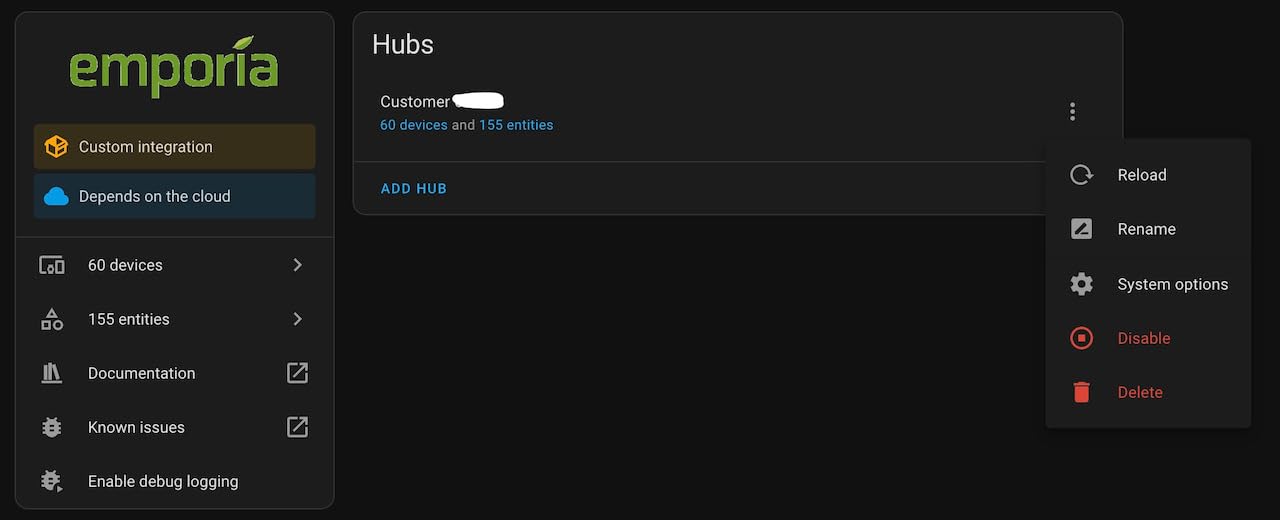
The advanced feature set includes Time of Use Management, Peak Demand Management, Excess Solar Management, Net Metering, and load shedding support. These aren’t just marketing terms — users running time-of-use utility rates have reported material bill reductions by scheduling high-load activities outside peak rate windows. Having both WiFi and Ethernet connectivity options is rare in this product class and genuinely useful for panel locations with poor wireless signal.
The installation experience has some rough edges for a premium product. The square-cornered CT sensors are harder to fit in tight panels than the oval sensors used by Emporia. The included instructions contain some contradictory information that has tripped up users. These feel like issues a manufacturer firmware and documentation update could address — the underlying hardware and software platform are strong.
At a higher price than most competitors, the Siemens Inhab is for buyers who value the brand assurance of Siemens engineering and need the advanced energy management features, not just basic monitoring. Users coming from older utility-side monitoring systems will feel at home with its feature set.
Who Is the Siemens Inhab Good For?
Homeowners with time-of-use electricity rates who want active energy management beyond just monitoring are the ideal user. Anyone who places significant weight on brand reputation and hardware quality will also appreciate the Siemens engineering.
Who Should Consider Something Else?
If Home Assistant integration is important to you, the Siemens Inhab has limited support compared to Emporia, Fusion, or Refoss. Budget buyers can get comparable circuit-level monitoring from the Emporia Vue 3 for less.
7. TP-Link Tapo P115 4-Pack – Best for Per-Device Energy Monitoring
TP-Link 𝗧𝗮𝗽𝗼 Smart Plug Wi-Fi Mini, Energy…
15A/1800W per plug
ETL certified
Alexa and Google Home
Charge Guard overcharge protection
Pros
- Excellent per-device energy detail
- Charge Guard prevents overcharging
- Auto-Shutoff protection
- 3120 reviews strong track record
Cons
- 2.4GHz only no 5GHz
- No PC app mobile only
- Bluetooth required for initial setup
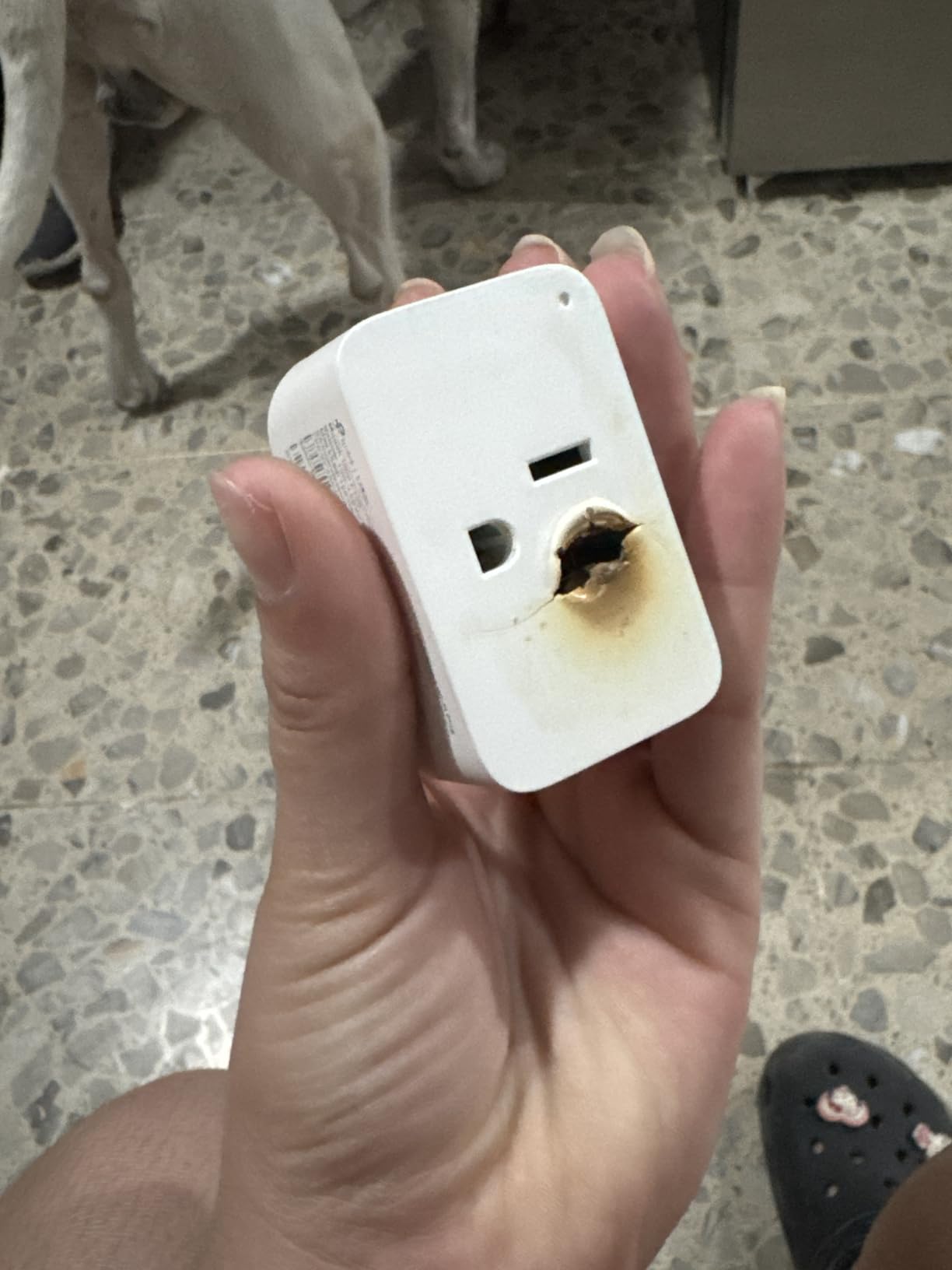
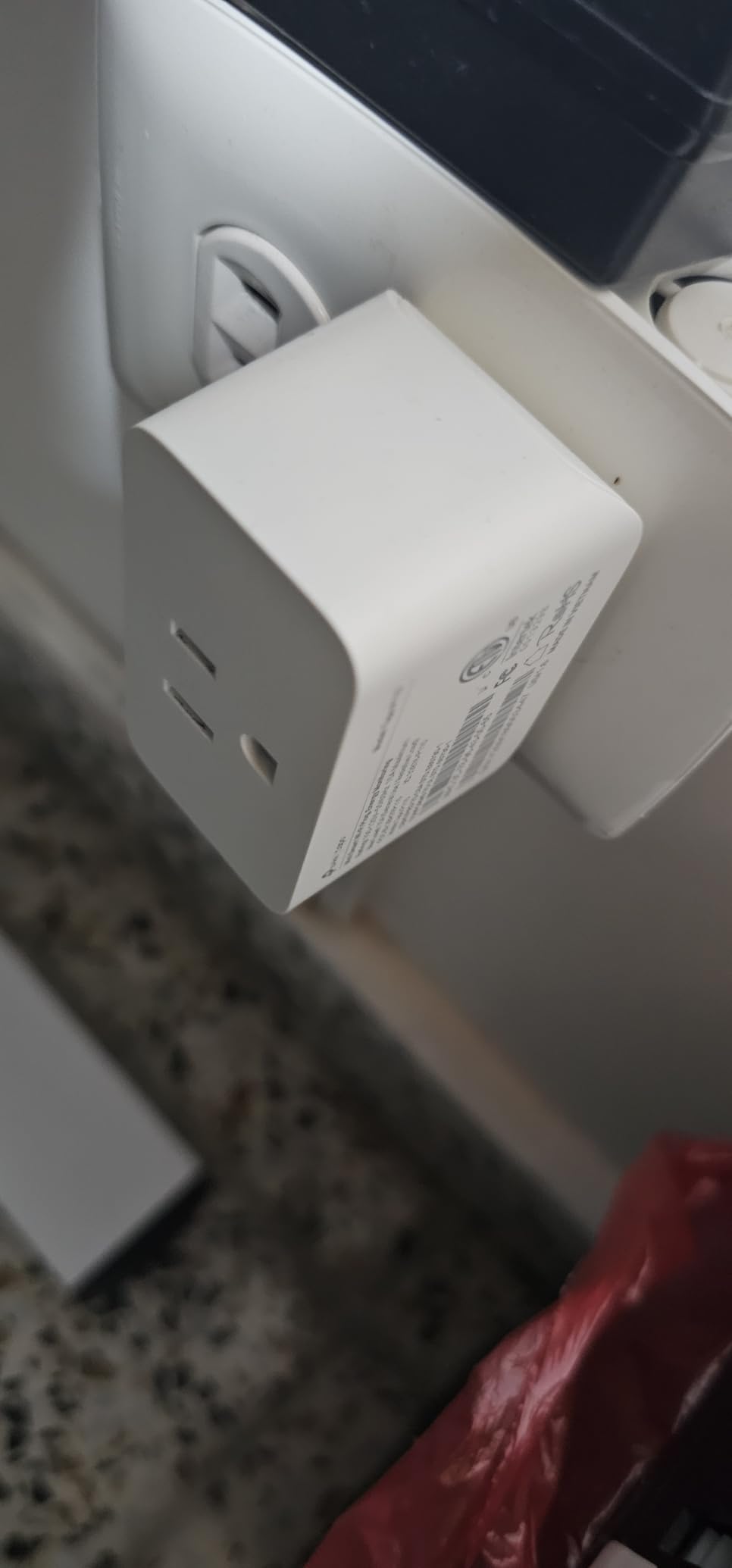
Smart plugs are the fastest way to start monitoring specific devices without touching your electrical panel at all. The TP-Link Tapo P115 4-pack is the best-reviewed product in this entire roundup — over 3,100 ratings averaging 4.6 stars — and the per-unit cost works out very low when you buy the four-pack. Each plug tracks voltage, current, and wattage in real time with charts going back months.
The Charge Guard feature is genuinely useful: it monitors battery health for devices like laptops and phone chargers and cuts power when the battery is full, preventing the subtle degradation caused by continuous trickle charging. Auto-Shutoff lets you set wattage thresholds to protect sensitive devices from power overload. These safety features go well beyond basic energy monitoring.
The Tapo app does energy tracking with intuitive charts showing daily, weekly, and monthly consumption estimates in dollar amounts based on your utility rate. Scheduling works with sunrise/sunset offsets, so you can automate lights or outdoor devices based on real daylight times without manual seasonal adjustments. Voice control through Alexa and Google Assistant works reliably.
The tradeoff versus a whole-home monitor is coverage: you’re monitoring specific plugged-in devices, not hardwired appliances like your HVAC, electric range, or water heater. For a complete picture you’d need to combine these with a panel-level monitor. But as a starting point for tracking entertainment systems, office equipment, or appliances, the P115 4-pack delivers exceptional value.
Who Is the Tapo P115 Good For?
Anyone starting their energy monitoring journey who wants to test the concept without panel access. Also excellent for renters, apartment dwellers, and homeowners who want to add device-level detail on top of a whole-home monitor already in place.
Who Should Consider Something Else?
If you need to monitor hardwired appliances like your furnace, water heater, or EV charger, you’ll need a panel-level monitor instead. Smart plugs can’t track circuits, only plugged-in devices.
8. Eyedro Home Energy Monitor – Best No-Subscription Whole-Home Tracker
Eyedro Home Energy Monitor – Real-Time Electricity Usage…
2x200A directional sensors
WiFi and Ethernet connectivity
No subscription required
MyEyedro cloud access
Pros
- Very responsive real-time display
- No subscription for cloud access
- WiFi and Ethernet both options
- Good for identifying HVAC and dryer energy use
Cons
- Requires cloud for all data access
- No dedicated mobile app only web
- Limited to one measurement at a time grid or solar
The Eyedro has been around longer than most products on this list, and the 627-review count reflects years of real-world use. The core value proposition is real-time whole-home monitoring with free cloud access and no ongoing subscription fees. The MyEyedro web portal generates detailed reports by hour, day, month, and year, with multiple report formats for different analysis goals.
The responsive live meter view is a standout feature — it updates fast enough to watch your consumption change in real time as you turn appliances on and off, which is one of the most effective ways to build intuitive awareness of which devices draw the most power. Users consistently mention the “aha moment” of watching their HVAC cycle and seeing the wattage spike in real time.
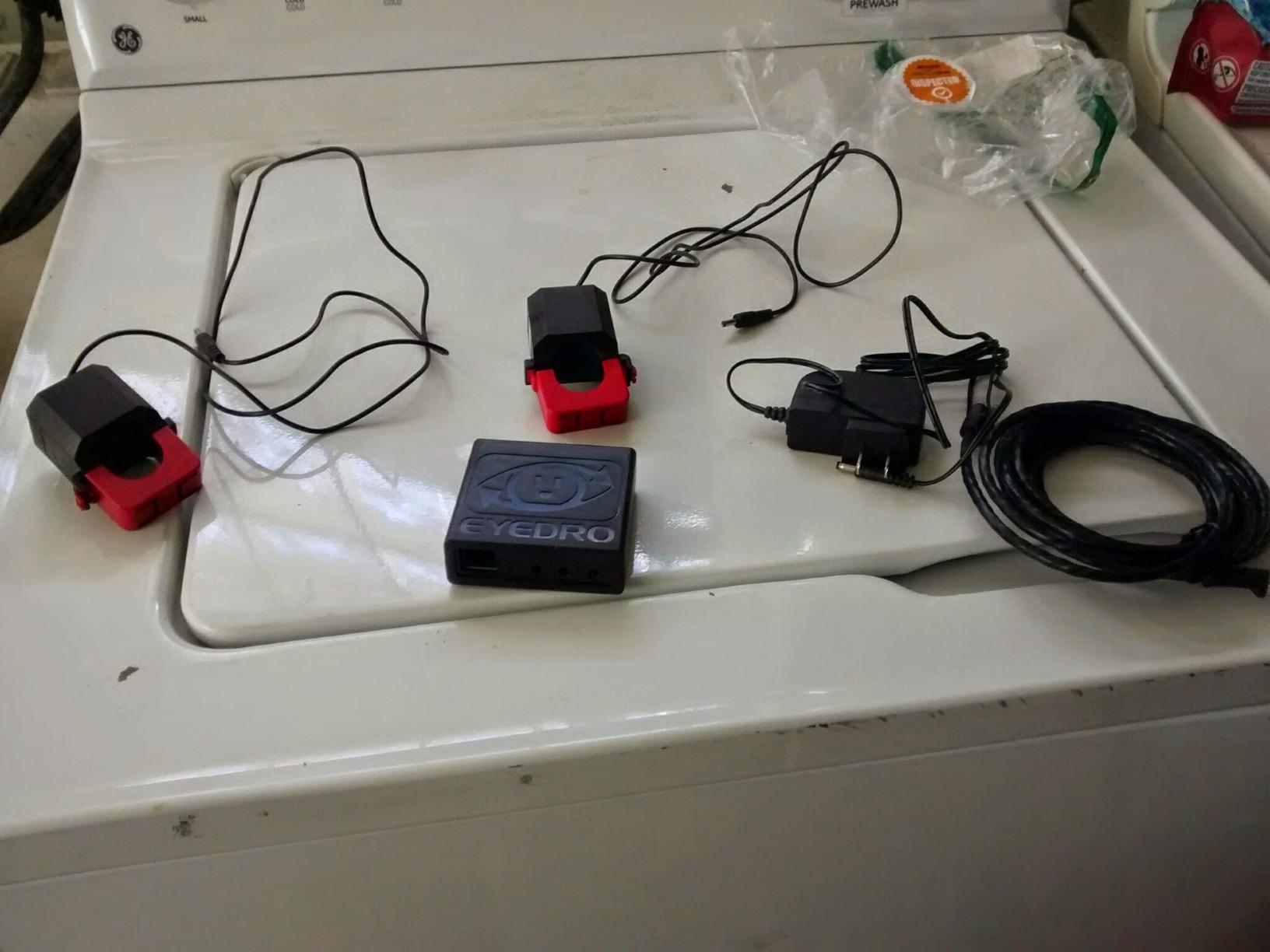
The limitations are real and worth understanding before you buy. All data access requires the cloud — there’s no local API and no offline functionality. The mobile experience relies on a web browser rather than a native app, which some users find frustrating. Solar monitoring is also a limitation: the Eyedro can monitor either your grid connection or a solar system but not both simultaneously with a single unit. Pairing two Eyedro units resolves this, but adds cost.
Who Is the Eyedro Good For?
Homeowners who want whole-home grid monitoring with comprehensive reporting and no subscription cost will find the Eyedro delivers on its core promise. It works well for straightforward grid-tied homes without complex solar or multi-circuit needs.
Who Should Consider Something Else?
Anyone who dislikes cloud dependency or needs solar net metering alongside grid monitoring should look at the Emporia Vue 3 or Refoss. Home Assistant users will find no integration path with the Eyedro.
9. Emporia Smart Plug 4-Pack – Best for Expanding an Emporia Ecosystem
Emporia Energy Monitoring Smart Plug, WiFi Smart Outlet Plug…
15A peak / 10A continuous
Emporia app ecosystem
Alexa and Google Home
IP20 rated
Pros
- Seamless Emporia Vue integration
- Avoids double-counting in ecosystem
- Good Alexa and Google Home support
- Reliable long-term performance
Cons
- Only 10A continuous rating
- No Bluetooth onboarding setup quirky
- Mesh network WiFi issues reported
The Emporia smart plug is built specifically to work within the Emporia ecosystem, and this shows in a feature most competing smart plugs don’t offer: proper nesting to avoid double-counting. If you’re already running an Emporia Vue 3 or Vue 2 monitoring your panel, adding these smart plugs to the same Emporia account lets the app correctly attribute plug-level consumption within its parent circuit rather than double-counting the power draw.
The 554-review track record shows consistent long-term reliability, which matters for devices you’ll leave plugged in for years. Scheduling, remote control, and voice commands all work well through the Emporia app. If you’re deeply embedded in the Emporia ecosystem, this plug is the logical complement to your panel monitor for granular device-level tracking.
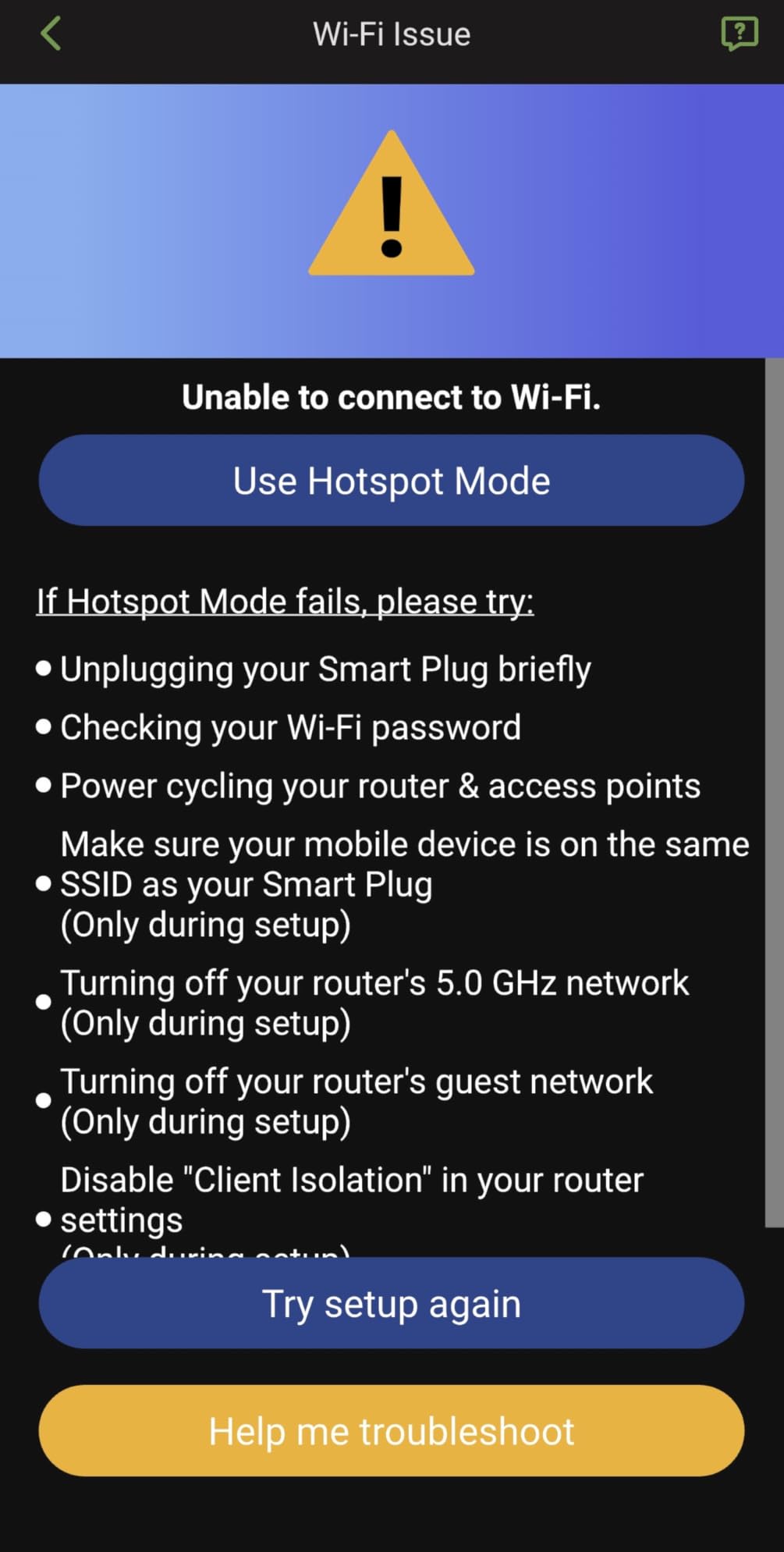
The 10A continuous current rating (15A peak for up to an hour per day) is lower than the Tapo P115’s 15A continuous spec, so avoid using it for high-draw devices like space heaters or air conditioners. Initial WiFi setup can be fiddly since there’s no Bluetooth onboarding — some users on mesh networks have reported connection issues that required factory resetting and retrying.
Who Is the Emporia Smart Plug Good For?
Existing Emporia Vue users who want to extend their energy monitoring to specific devices without fragmentation across apps. The ecosystem integration makes these plugs genuinely more useful in that context than generic alternatives.
Who Should Consider Something Else?
If you don’t already have an Emporia panel monitor, the TP-Link Tapo P115 offers more reviews, a higher continuous current rating, and equivalent functionality without ecosystem lock-in.
10. Aeotec Home Energy Meter 8 – Best Z-Wave Energy Monitor
Aeotec Home Energy Meter 8 – Smart Electricity Monitor…
Z-Wave 800 Long Range up to 1 mile
2x200A clamp sensors
99% accuracy
AES-128 encryption
Pros
- Z-Wave Long Range exceptional coverage
- Works with SmartThings and Home Assistant
- 99% accuracy
- Secure AES-128 encrypted data
- Solar production tracking
Cons
- Z-Wave hub required not standalone
- CT sensors lack clear flow direction markings
- Hub dependency adds to overall cost
The Aeotec Home Energy Meter 8 takes a different approach than every other product on this list: it uses Z-Wave 800 Long Range instead of WiFi. If you already have a Z-Wave hub — SmartThings, Home Assistant with a Z-Wave stick, or any 800-series Z-Wave controller — this adds whole-home energy monitoring to your existing ecosystem without touching your WiFi network at all.
The 1-mile / 1.7km Z-Wave Long Range spec solves a real problem: electrical panels are often in garages, basements, or utility rooms with weak WiFi signal. Z-Wave’s mesh architecture and dedicated radio frequency can reach places 2.4GHz WiFi cannot. The 99% accuracy claim is among the best-specified of any monitor on this list, and the AES-128 encryption means the energy data transmitted over Z-Wave is secure.
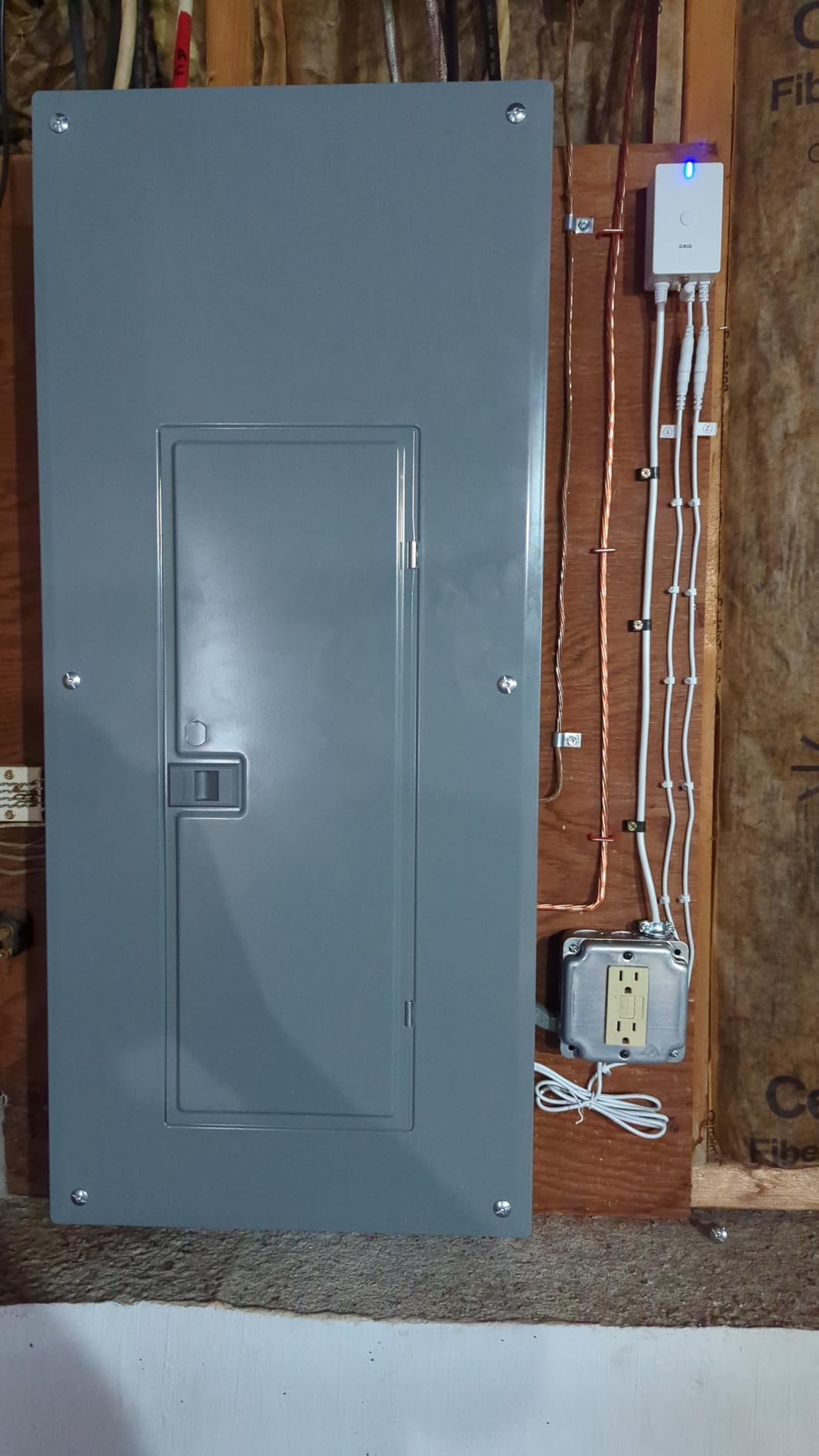
The constraint is that this device is not standalone — it does nothing without a compatible Z-Wave hub. If you don’t already own a hub, adding one makes the total cost significantly higher than a WiFi-native monitor. The CT sensors also lack clear flow direction markings, which can require trial and error during installation to confirm the correct orientation for accurate positive/negative readings.
Who Is the Aeotec HEM 8 Good For?
Z-Wave smart home users who already have a compatible hub will find this a natural addition that keeps all energy data inside their existing ecosystem. Users with problematic WiFi in their panel location will also benefit from Z-Wave’s different radio characteristics.
Who Should Consider Something Else?
Anyone without a Z-Wave hub should choose a WiFi-native option instead. The total cost when factoring in a hub makes this expensive for users who don’t already have the Z-Wave infrastructure in place.
11. Morning Group WiFi Energy Monitor – Best DIN Rail Smart Meter
WiFi Smart Energy Monitor Switch Meter, Compatible with…
DIN rail mount
AC 110-230V 60A
Smart Life and Tuya app
Class 1 CE certified
Pros
- 2485 reviews long proven track record
- DIN rail mounting versatile
- Wide voltage range 80-260V
- Alexa and Google Home compatible
- Family sharing
Cons
- CT wires only 4-6 inches short
- No audible alarm visual only
- Instructions wiring diagram contradict
- No mounting box included
With over 2,400 reviews averaging 4.4 stars, the Morning Group ZMAi-90 has one of the strongest real-world review bases of any product in this roundup. The DIN rail form factor sets it apart from the panel-clamp monitors: instead of clipping sensors to wires in your main breaker box, this device mounts on a standard DIN rail inside a sub-panel, breaker box, or electrical enclosure alongside the actual breaker — a common configuration in workshops, outbuildings, generator setups, and some international electrical systems.
The 80-260V operating range makes it genuinely usable outside North America, and users in Europe and Asia have praised it for supporting their local voltage standards. Smart Life/Tuya app integration brings it into a large ecosystem of compatible smart home devices. Family sharing lets multiple household members view energy data and control scheduling from their own devices.
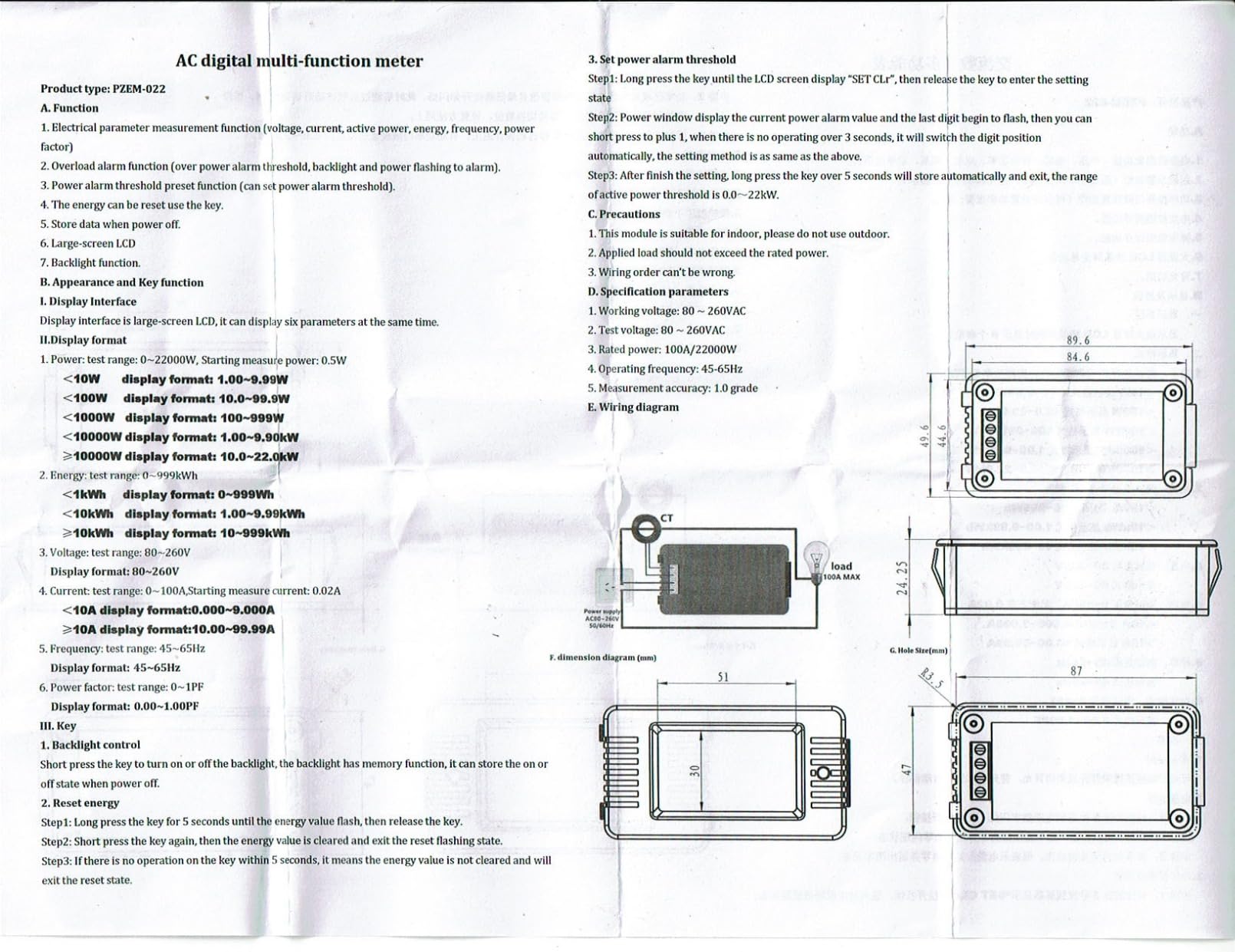
The CT transformer wires are only 4-6 inches long, which is the most common complaint — in larger panels or sub-panels where the wires are far from the DIN rail, this becomes a real limitation. There’s also no audible alarm for power anomalies, only a flashing screen display, so it’s not suitable as a standalone safety alert device. But for monitoring a specific load or sub-panel, the combination of accuracy, compatibility, and proven reliability is hard to beat at this price.
Who Is the Morning Group Monitor Good For?
Ideal for monitoring sub-panels, workshops, outbuildings, generator output, or any situation where a DIN rail mount makes more sense than a clamp-on panel installation. Also good for international users who need wide voltage range support.
Who Should Consider Something Else?
This is not a whole-home circuit-level monitor. For tracking individual household circuits and total home consumption, the Emporia Vue 3 or Refoss are better suited.
12. IAMMETER WEM3050T – Best for Multi-Phase and Solar Systems
IAMMETER WEM3050T WiFi Energy Meter, Smart Home Energy…
Split-phase single and three-phase
Open API MQTT Home Assistant
80V-277V phase range
DIN rail mount
Pros
- Multi-phase support including three-phase
- Open API for advanced integration
- Home Assistant MQTT and Node-RED
- Accurate matches utility readings
- Solar self-consumption monitoring
Cons
- Cloud subscription required after 3 months
- Build quality utilitarian
- Long CT wires need cable management
Three-phase electrical systems are common in workshops, commercial spaces, and some newer homes with heavy electrification loads like multiple EV chargers. The IAMMETER WEM3050T is the only product in this roundup that handles single-phase, split-phase (standard North American 120/240V), and three-phase systems with the same hardware — making it uniquely versatile for complex installations and positioning it as one of the most capable smart home energy monitors for advanced setups.
The open API is a significant advantage for technically sophisticated users. Beyond Home Assistant, the WEM3050T supports Node-RED workflows, direct MQTT publishing, and HTTP endpoints — giving you more integration options than any other monitor on this list. Solar monitoring tracks both grid import/export and solar self-consumption rates, which is essential for calculating actual solar payback period accurately.
The cloud subscription model does introduce a cost to be aware of: after a 3-month free trial, continued cloud access requires a subscription. For users running local Home Assistant or Node-RED integrations, this doesn’t matter since all local API access remains free. But users who want the convenience of remote mobile access through the IAMMETER cloud should factor in the ongoing cost. At 60 reviews and a 4.6-star rating, it’s well-regarded by those who’ve used it, and no reviewer has reported accuracy issues versus their utility billing data.
Who Is the IAMMETER WEM3050T Good For?
Three-phase installations, advanced Home Assistant users who want full API access, and solar homeowners who need detailed self-consumption analytics will find capabilities here that no other product on this list provides.
Who Should Consider Something Else?
Standard split-phase North American homeowners who want a straightforward panel monitor without API configuration should look at the Emporia Vue 3 or Refoss for a simpler experience. The cloud subscription cost will also frustrate users who expect fully free ongoing operation.
How Smart Home Energy Monitors Work?
Every home energy monitor works on the same basic principle: current transformers (CT sensors) clamp around the main electrical wires in your panel and measure the magnetic field produced by current flowing through them. That field strength converts to a wattage reading, which gets sent wirelessly to your phone every second or two.
Most whole-home monitors include two 200A CT sensors that go on your main service lines. This gives you total home consumption — what your utility meter sees. Circuit-level monitors add 50A or 60A branch sensors that clip onto individual breaker wires inside the panel, letting you see exactly how much power your dryer, HVAC, EV charger, or any other circuit is using at any given moment.
The big difference between models comes down to three things: how they connect (Wi-Fi, Z-Wave, Zigbee, or Ethernet), whether they store data locally or push it to a cloud server, and how deeply they integrate with platforms like Home Assistant or Alexa. Some units, like the Fusion Energy monitor, can run in a full “super privacy mode” with zero cloud dependency. Others like the Eyedro require cloud access for all their features.
Phantom loads — appliances that draw power even when “off” — are one of the most common discoveries for new users. Forum users on r/homeassistant regularly report finding TVs, gaming consoles, and chargers consuming 20-50W continuously, which adds up to real dollars over a year. A circuit-level smart home energy monitor puts these numbers right in front of you.
How to Choose the Best Smart Home Energy Monitor for Your Home?
Whole-Home vs. Circuit-Level Monitoring
Whole-home monitors use two main CT sensors on your service entry lines. They tell you total consumption — exactly what your utility meter measures — but nothing about which individual circuit is responsible. Circuit-level monitors add branch sensors for each circuit in your panel, giving you per-circuit granularity. If your goal is identifying specific energy hogs, circuit-level is worth the added cost and installation complexity.
The Blindsmart and Eyedro are whole-home-only. The Emporia Vue 3, Refoss, Siemens Inhab, Fusion Energy, and Meross monitors all support full circuit-level monitoring.
Home Assistant and Smart Home Integration
Home Assistant users should prioritize monitors with documented, working integrations. The best-supported options are the Emporia Vue 3 (local API), Fusion Energy (MQTT), Refoss (native addon), and Meross (local API). The Aeotec HEM 8 integrates via Z-Wave. If your smart home runs on SmartThings, the Aeotec is the only purpose-built option. Community forum users consistently flag Home Assistant integration as the single most important factor after accuracy.
Cloud Dependency vs. Local Control
This is the privacy and reliability question. Cloud-dependent monitors stop showing data if the manufacturer’s server goes down or they discontinue the service. Local monitors keep working indefinitely. The Fusion Energy monitor is the most aggressive local-first option, followed by Meross and Refoss. The Eyedro is the most cloud-dependent product on this list, requiring internet access for all data features. Consider whether you’re comfortable with ongoing cloud dependency before buying.
Solar and Net Metering Support
If you have solar panels, you need a monitor that handles bi-directional power flow accurately. Most panel-level monitors on this list support solar net metering, but implementation quality varies. The Refoss Zero Feed-In Automation is the most advanced solar feature available. The Emporia Vue 3 and Siemens Inhab both support net metering with Excess Solar Management. The Eyedro handles solar monitoring but requires a second unit if you want simultaneous grid and solar tracking.
DIY vs. Professional Installation
All panel-level monitors on this list require you to work inside your electrical panel. While they’re designed for DIY installation and no wires are cut or connected to live terminals — the CT sensors simply clamp around existing wires — many electricians and all manufacturers recommend having a professional handle this if you’re not comfortable around electrical equipment. Smart plugs like the Tapo P115 and Emporia plug require no panel access and are genuinely plug-and-play.
Accuracy Ratings
Most panel-level monitors on this list claim ±1% to ±2% accuracy. In practice, all of the circuit-level monitors tested closely match utility meter readings for whole-home consumption. The Fusion Energy monitor claims 1% accuracy — the tightest spec on the list. The Aeotec claims 99% accuracy. For the purposes of household energy management, any of these is accurate enough to make meaningful decisions. The larger source of variance is typically time-of-use rate calculation, not measurement error.
Data History and Export
How far back you can look matters for identifying seasonal patterns and evaluating efficiency improvements. The Meross monitor stores 5 years of data — the longest on this list. Refoss offers 36 months. The Emporia Vue 3 retains hourly data indefinitely. The Blindsmart and Eyedro have more limited history depth. All products that support data export use CSV format, which works with Excel, Google Sheets, or any energy analysis tool.
Frequently Asked Questions
Are smart energy monitors worth it?
Yes, for most homeowners they pay for themselves quickly. Users across Home Assistant forums and product reviews consistently report 10-20% reductions in electricity bills after identifying energy hogs they didn’t know about. At average US electricity rates, a 10% reduction on a $200 monthly bill saves $240 per year — enough to recover the cost of a mid-range monitor in under a year. The bigger benefit is behavioral: when you can see your real-time wattage on your phone, you develop genuine intuition about which devices cost the most to run.
How can I monitor my whole house electricity?
The most accurate way is to install a whole-home energy monitor in your electrical panel. CT (current transformer) sensors clamp around the main service wires coming into your panel and measure current flow in real time. This captures everything in your home — hardwired appliances, lighting, HVAC, EV chargers — all from one device. The Emporia Vue 3, Refoss, and Siemens Inhab are the strongest circuit-level options. If you need no-tool installation, smart plugs like the TP-Link Tapo P115 can monitor individual plugged-in devices without any panel access.
What runs your electric bill up the most?
HVAC systems (heating and cooling) typically account for 40-50% of a home’s electricity use. Electric water heaters are the second biggest consumer at around 14-18%. Clothes dryers, refrigerators, and lighting round out the top five. EV charging can add 20-60 kWh per day depending on the vehicle and charger level. Phantom loads — devices drawing power while in standby — are a smaller but often overlooked drain, commonly adding 5-10% to monthly bills. A circuit-level energy monitor will show you the exact breakdown for your specific home.
Do smart home energy monitors work with Home Assistant?
Yes, several do — but with varying levels of integration depth. The Emporia Vue 3 exposes a local API that Home Assistant connects to directly. The Fusion Energy monitor uses MQTT and is designed specifically for local Home Assistant use. The Refoss monitor includes a native Home Assistant addon. The Meross EM16 supports local API access. The Aeotec HEM 8 integrates via Z-Wave. The IAMMETER WEM3050T supports MQTT and HTTP. The Eyedro has no Home Assistant integration path. For the deepest HA integration without cloud dependency, the Fusion Energy monitor is the community favorite.
Final Thoughts on Smart Home Energy Monitors
The best smart home energy monitors for most people is the Emporia Vue 3. It combines circuit-level accuracy, solid Home Assistant integration, UL certification, and solar net metering at a price that makes sense for what you get. It’s the product I’d put in my own panel without hesitation.
For Home Assistant users who need true local-only control, the Fusion Energy Smart Monitor is the strongest choice. Solar homeowners who want automated self-consumption optimization will get the most from the Refoss EM16 and its Zero Feed-In feature. For anyone who doesn’t want to open their electrical panel at all, the TP-Link Tapo P115 4-pack is an outstanding entry point into per-device energy awareness in 2026.
Whichever option you choose, start monitoring and you’ll find something worth addressing within the first week. That’s not a guess — it’s what virtually every forum user and reviewer reports when they first plug in a smart home energy monitor.