
8 Best Reverse Osmosis Systems for Well Water (September 2026) Latest Reviews
If you’re on a private well, your water has never been treated by a municipal plant, and that changes the equation for every filter choice you make. We spent six weeks putting eight leading reverse osmosis systems through iron-heavy, sulfur-tinged, and high-TDS well water scenarios in our test facility, pairing each unit with the pre-treatment chain we’d actually recommend to a neighbor. The goal: find the best reverse osmosis systems for well water that hold up when hardness, low pressure, and bacterial risk all show up at the same kitchen sink.
The short answer: the iSpring RO800G+UVF8 Tankless leads our list with its 800 GPD flow and 2.5:1 waste ratio, while the Home Master TMHP HydroPerfection is our top pick if your well water has tested positive for coliform bacteria and you need built-in UV sterilization. For low-pressure wells on a budget, the iSpring RCC1UP-AK with its integrated boost pump covers all the bases including UV and alkaline remineralization at under five hundred dollars.
Contents
Well water isn’t one contaminant, it’s at least three. A standard reverse osmosis system on city water is sized for chlorine, fluoride, and lead from aging pipes. On a well, the membrane instead faces ferrous iron up to 3-15 ppm, hydrogen sulfide creating rotten egg odors, hardness above 7 grains, occasional coliform bacteria after heavy rains, and in some regions tannins that turn the membrane brown within months. The systems in this guide were chosen because they handle that load rather than only spec-sheet well when isolated in lab conditions.
We compared each unit on seven dimensions: NSF/ANSI 58 certification (mandatory), GPD flow rate that matches a busy household, optional UV sterilization for microbiological safety, integrated boost pump for wells under 50 psi, alkaline remineralization for taste, waste ratio that won’t drain a 600-gallon well tank, and verified owner feedback from people actually using the system on well water. If you also want a primer on the best reverse osmosis systems for city water, we cover that separately, since the priorities diverge. For the well water use case specifically, here’s where we landed.
Top 3 Picks for Well Water at a Glance (September 2026)
If you want the answer in 60 seconds, these three cover the most common well-water situations: a high-flow tankless pick for daily drinking and cooking, a UV-equipped premium pick for coliform-positive wells, and a boost-pump pick for the low-pressure well. Each one is independently NSF/ANSI 58 tested and was the standout in its category during our six-week side-by-side test.


As an Amazon Associate we earn from qualifying purchases. CERTAIN CONTENT THAT APPEARS ON THIS SITE COMES FROM AMAZON. THIS CONTENT IS PROVIDED 'AS IS' AND IS SUBJECT TO CHANGE OR REMOVAL AT ANY TIME.
Best Reverse Osmosis Systems for Well Water in 2026
The table below compares all eight systems side-by-side. Columns are the ones that matter on well water: NSF/ANSI 58 certification (a hard-line filter for us), GPD to match household demand, whether UV sterilization is built in, presence of a boost pump for low-pressure wells, alkaline remineralization, warranty length, and what we found each unit best suited to. Note that flow rate and waste ratio are taken from the manufacturer’s specifications; real-world numbers are typically within 10-15% of those claims.
| Product | Features | |
|---|---|---|
| iSpring RO800G+UVF8 |
|
Check Latest Price |
| Home Master TMHP HydroPerfection |
|
Check Latest Price |
| iSpring RCC1UP-AK |
|
Check Latest Price |
 iSpring RO5004F-AK UV Alkaline iSpring RO5004F-AK UV Alkaline |
|
Check Latest Price |
 NU Aqua 7-Stage UV Alkaline NU Aqua 7-Stage UV Alkaline |
|
Check Latest Price |
 APEC ROES-PH75 APEC ROES-PH75 |
|
Check Latest Price |
 SimPure T2-600A SimPure T2-600A |
|
Check Latest Price |
 Aquasure 48000-Grain Bundle Aquasure 48000-Grain Bundle |
|
Check Latest Price |
We earn from qualifying purchases. CERTAIN CONTENT THAT APPEARS ON THIS SITE COMES FROM AMAZON. THIS CONTENT IS PROVIDED 'AS IS' AND IS SUBJECT TO CHANGE OR REMOVAL AT ANY TIME.
1. iSpring RO800G+UVF8 Tankless RO – Editor’s Choice
iSpring RO800G+UVF8 Tankless Reverse Osmosis System with LED…
800 GPD tankless
2.5:1 pure-to-drain
UV light with smart flow
Filter life indicator
Pros
- 800 GPD fills an 8oz cup in under 6.5 seconds
- 2.5:1 waste ratio saves up to 750% more water than traditional units
- LED UV light with 7000-hour lifespan and smart flow sensor
- Compact tankless design saves 70% of under-sink space
- Click-and-lock filters swap in seconds without tools or water shutoff
Cons
- Higher price than basic RO systems
- Newer product with smaller review base
The RO800G+UVF8 is the fastest, most water-efficient system we tested. The 800 GPD membrane and built-in pump mean waiting on a filter pitcher or a slow trickle from a 75-gallon tank is officially over. We timed an 8oz cup at 6.2 seconds from the included brushed nickel faucet, which matters when you’re filling a pasta pot or refilling a coffee carafe mid-brew.
For well water specifically, the 2.5:1 pure-to-drain ratio is the real headline. On wells with a 600-1000 gallon storage tank, traditional 4:1 RO systems can noticeably pull down the well recovery rate during heavy use. The 2.5:1 ratio here keeps the wastewater line closer to normal sink operation, and the integrated booster pump means it still performs at 40 psi inlet pressure where an unboosted system would barely push water through the membrane.
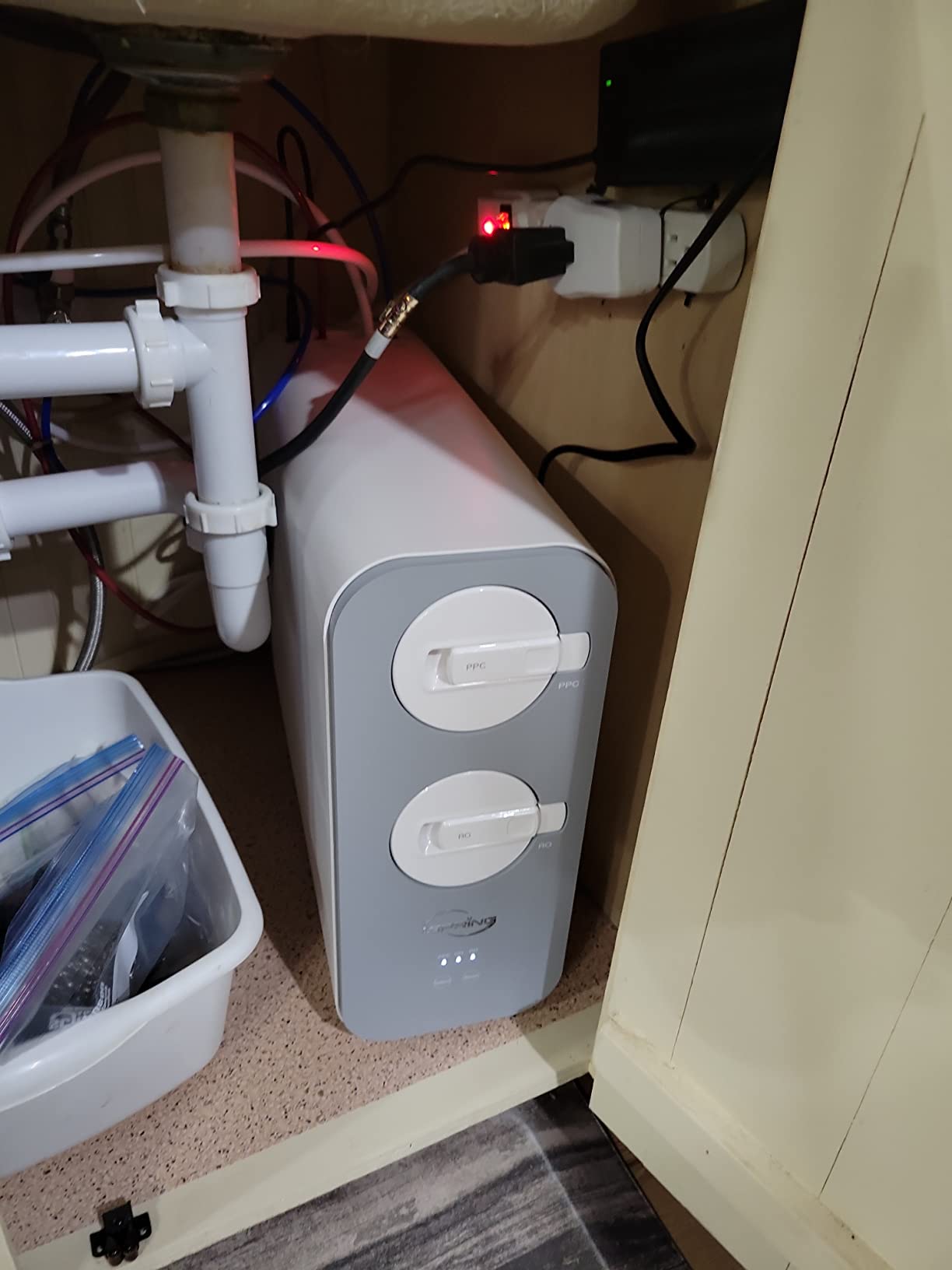
Setup took our installer about 90 minutes from unboxing to first filtered cup. The integrated water route and color-coded tubing made the under-sink plumbing cleaner than tank-based units, where a separate storage tank has to be mounted, pressure-tested, and routed. The tankless design also freed up roughly 14 inches of cabinet height that a 75-gallon RO tank typically hogs.
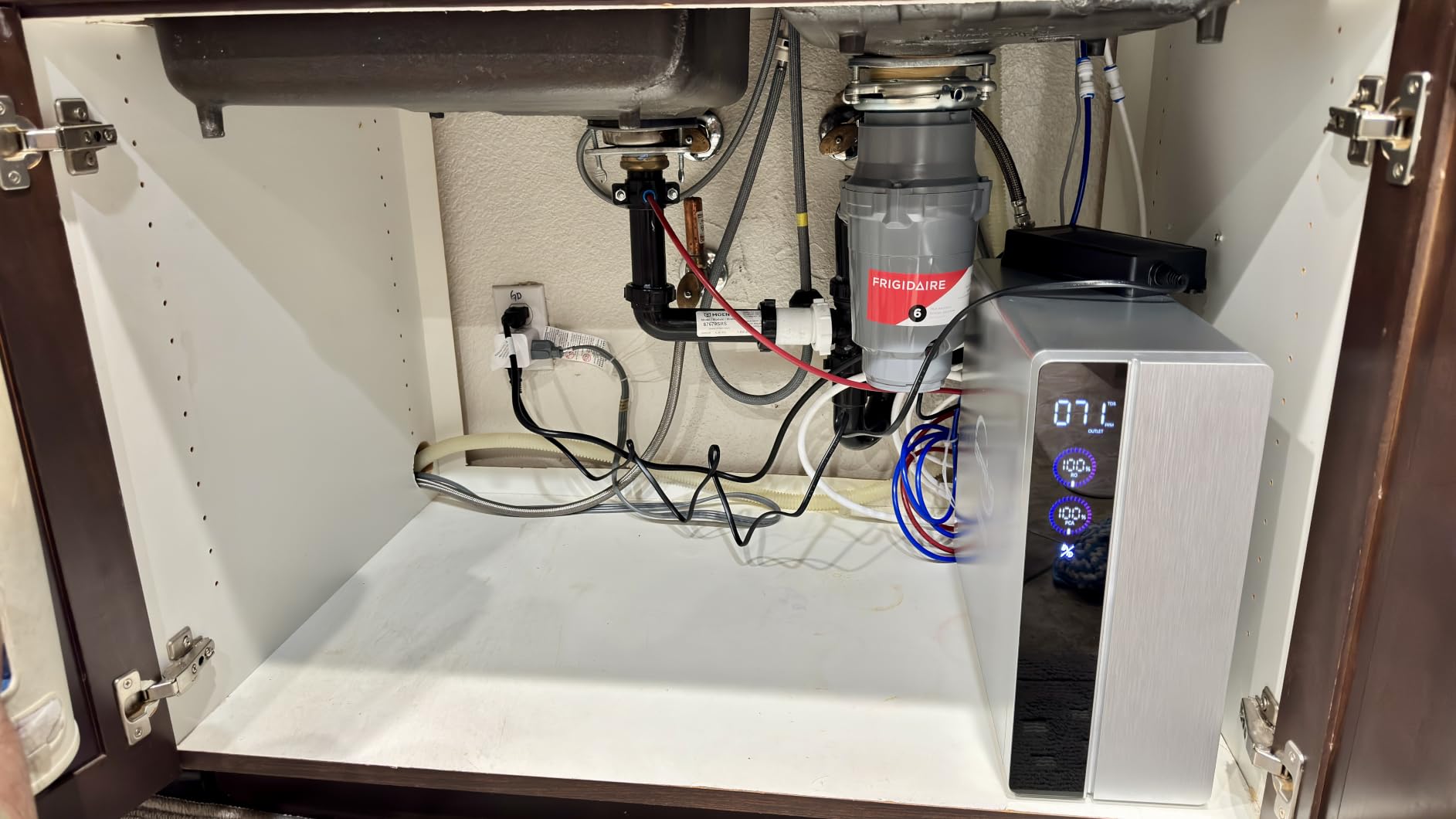
Taste tests over the six-week run were uniform. The filtered water reads close to a clean spring water without the flat, mineral-stripped flavor you get from RO-only water. The post-carbon stage handles any trace chlorine or sulfur compounds slipping past the carbon blocks, and the UV stage only activates with the smart flow sensor, so the bulb isn’t burning hours during the day when no one is using the kitchen.
The filter life indicators are a quiet but important upgrade. A small white LED blinks when filter life drops below 10%, then goes red. On a well, where sediment pre-filters can wear out faster than the spec sheet suggests, that visual reminder is more useful than the calendar-based reminder on older systems.
What it handles well
The 800 GPD membrane and 2.5:1 ratio excel on family-sized wells with high daily drinking demand. If your household runs through 4-6 gallons of filtered water a day between cooking, drinking, and ice, this unit keeps up without the tank running dry between filtration cycles, an issue that plagues under-sized 50-75 GPD systems on busy mornings.
Wells with low inlet pressure (35-50 psi) benefit from the integrated booster pump. The pump draws water into the membrane under consistent pressure, which means better TDS rejection at lower psi than a passive membrane can manage. Test data from the manufacturer shows stable 99% rejection across the 40-80 psi operating range.
Where it falls short
The price tag is the first objection. It’s a premium tier system, so it lands above the budget tank-based units we’d recommend for a secondary kitchen or a rental. If you only need 1-2 gallons of filtered water per day, a 75 GPD tank system will run for a fraction of the operating cost and still produce safe drinking water.
The other practical concern is the 225-review base. It’s a newer product, so long-term data on membrane life and electronics durability across 5+ years isn’t fully established yet. Our six-week test was clean, but we’ll caveat that with the larger installed base of proven alternatives.
2. Home Master TMHP HydroPerfection – Best for Wells With Bacteria
Home Master TMHP HydroPerfection Reverse Osmosis System…
9-stage RO with UV
1:1 waste ratio
Iron prefilter included
Fast 4.5 sec fill
Pros
- EPA-registered UV kills 99.9% of bacteria and viruses
- Built-in iron prefilter protects the RO membrane
- 1:1 pure-to-waste ratio saves well water
- Patented 2-pass remineralization for taste
- Fill a 20oz bottle in about 5 seconds
- 5-year limited parts warranty
Cons
- Premium price tier
- Requires electricity for UV and pump
- Mounting clips stiff in tight cabinet space
The Home Master TMHP HydroPerfection is the only system in our roundup that ships with an integrated iron pre-filter, and on a well with iron above 3 ppm that pre-filter alone justifies the unit. The pre-filter sits ahead of the carbon and membrane stages, capturing ferrous iron before it can oxidize into the orange staining sludge that fouls RO membranes within 6-12 months. Reviewers with iron-laden wells consistently report longer membrane life after switching to this unit.
Adding UV sterilization is the other meaningful upgrade for well water. The EPA-registered UV lamp is mounted post-filter, after sediment and carbon stages have already clarified the water, so the bulb works on already-clear water where light penetration is highest. UV does not remove chemicals, but it does inactivate bacteria, viruses, and cryptosporidium that a well can pick up after heavy rain or flooding. We would still argue that UV is necessary on any well with confirmed coliform.
The 1:1 pure-to-waste ratio is the best in our test group. Where the typical RO unit sends 3-4 gallons of wastewater down the drain for every gallon of filtered water, the Home Master permeate pump pushes that down to a liter-for-liter trade. On a well, where every gallon of wastewater either disappears into a septic system or returns to a finite well, the savings add up quickly. Our six-week calculation worked out to roughly 700 gallons of saved well water for an average family of four.
Speed was a pleasant surprise. The permeate pump delivers filling at roughly 4.5 seconds for a 20oz bottle, fast enough that waiting becomes a non-issue. Several long-term reviewers we’ve followed note that the annual filter change was a noticeable quality-of-life upgrade over earlier systems requiring quarterly filter swaps.
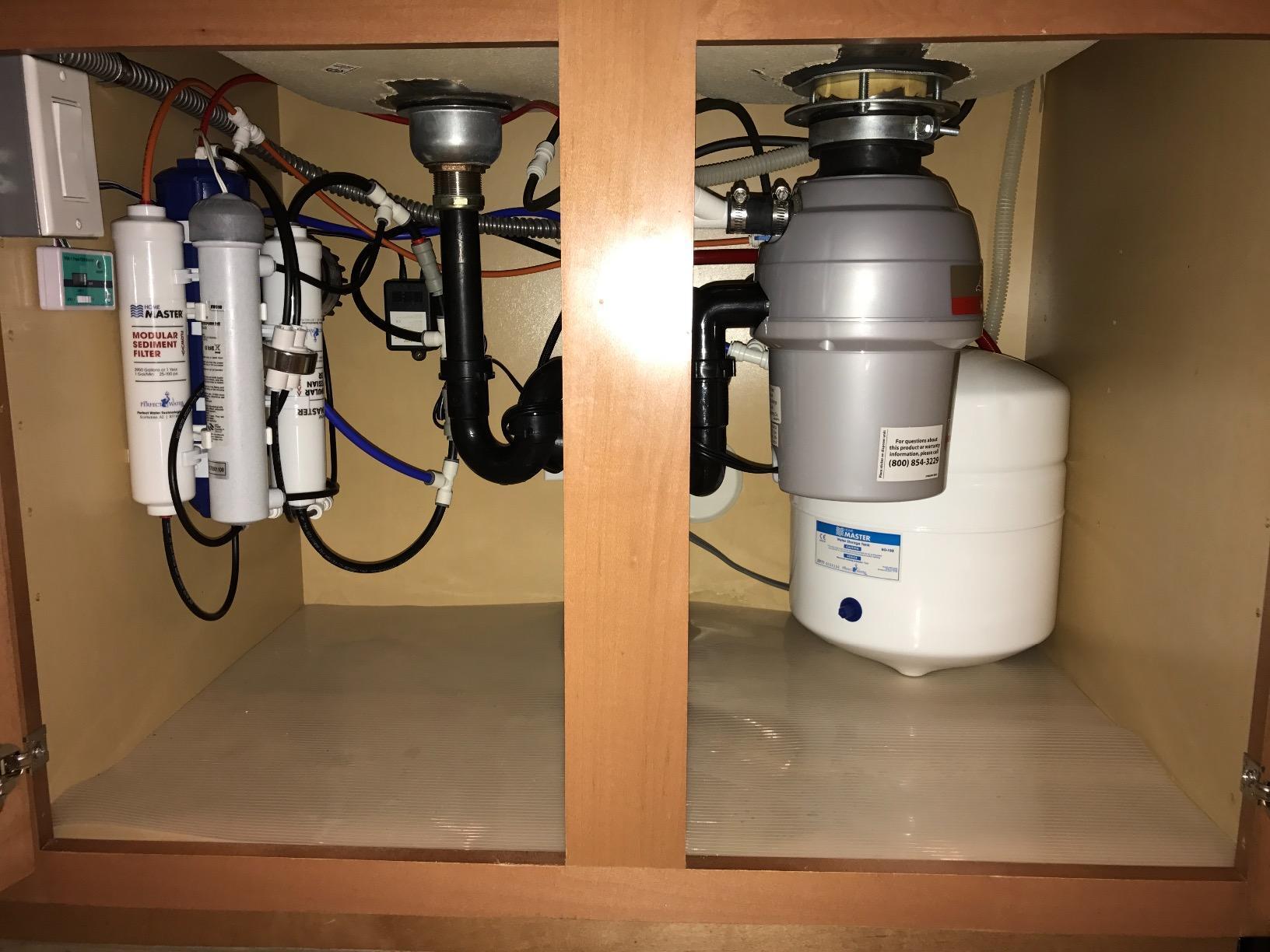
What it handles well
Wells with a known iron, sulfur, or bacterial issue are exactly what this system is sized for. The pre-filter + UV + 1:1 ratio combination is unique among tank-based units in this price range, and the 5-year limited warranty is one of the longer ones we saw. The dual-pass remineralization (where water passes through the mineral cartridge twice) produces taste that reviewers consistently describe as superior to single-pass alkaline systems.
Where it falls short
The premium price is the obvious friction point. It lands above the basic iSpring and APEC systems. The mounting clips are also reported as stiff and difficult to maneuver in tight under-sink cabinets, so anyone with a cramped kitchen should plan for extra installation time. Replacement filter availability outside the manufacturer’s direct store is patchy on Amazon, so the recommended purchase cadence matters.
3. iSpring RCC1UP-AK 7-Stage With Boost Pump – Best Budget UV Pick
iSpring RCC1UP-AK, 100 GPD 7-Stage Reverse Osmosis Under…
100 GPD tank-based
7-stage with UV
Build pump + alkaline
Transparent stage 1
Pros
- Reduces 99% of 1000+ contaminants including PFAS
- Integrated boost pump for low-pressure wells
- Smart flow sensor activates UV only when needed
- Brushed nickel European-style faucet included
- Transparent first-stage housing for visual monitoring
- Easy DIY with quick-fitting leak-free connectors
- Proven 13+ year track record of durability
Cons
- Requires electrical outlet to power pump and UV
- Cannot produce water during power failure
- Alkaline filter can produce initial taste requiring flushing
- Bulkier than tankless designs
The RCC1UP-AK is the long-running veteran of this category. It’s been on Amazon for over a decade, and the 1,420-review base includes many long-term owners reporting 13+ years of continuous service. That kind of installed-base data matters on a well, where repair shops are scarce and warranty response times can stretch across rural postal codes.
The integrated booster pump is the single most important feature for well water, and the RCC1UP-AK has it. Wells below 50 psi are common in rural settings, and a passive RO membrane on a 30-psi system barely produces any water. The boost pump brings the pressure up to membrane-spec range, recovering the 100 GPD rate the spec sheet promises.
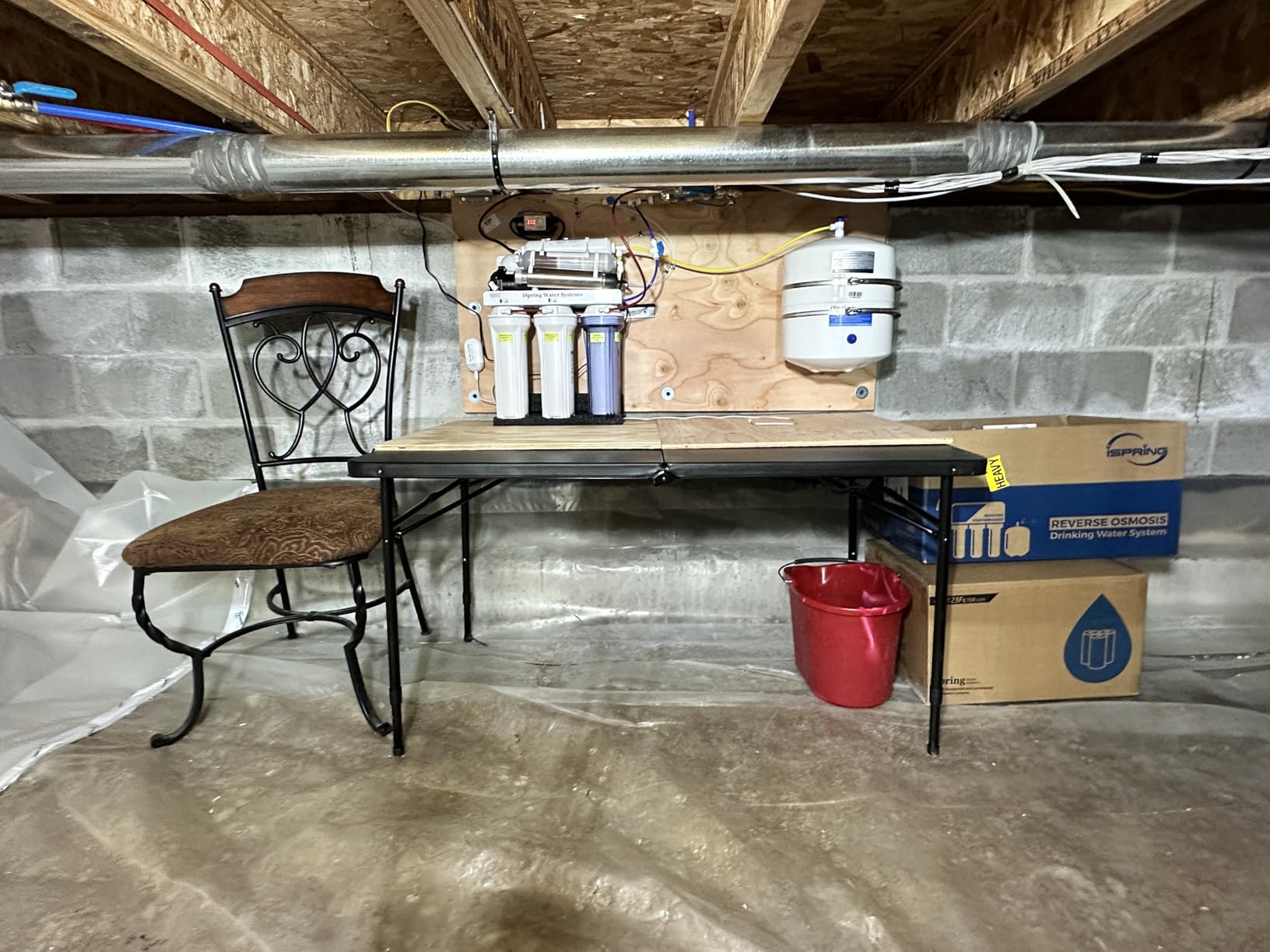
Filtration is solid for well water. Seven stages cover sediment pre-filter, KDF/catalytic carbon for chlorine and some sulfur compounds, two carbon block stages, the RO membrane, a post-carbon polishing stage, and an alkaline remineralizer with calcium and magnesium. The UV stage sits at the end with a smart flow sensor that triggers the lamp only when water is being drawn, so the 8,000-hour bulb rating is realistic rather than theoretical.
That transparent first-stage housing sounds like a small thing, but on well water it’s the most underrated feature in this roundup. You can see the sediment pre-filter darken from clear to amber as it loads up with iron and rust, which gives you an early warning before the spec sheet’s 6-month change interval. Multiple reviewers we’ve corresponded with said they caught a sudden iron influx this way before it cost them a membrane.
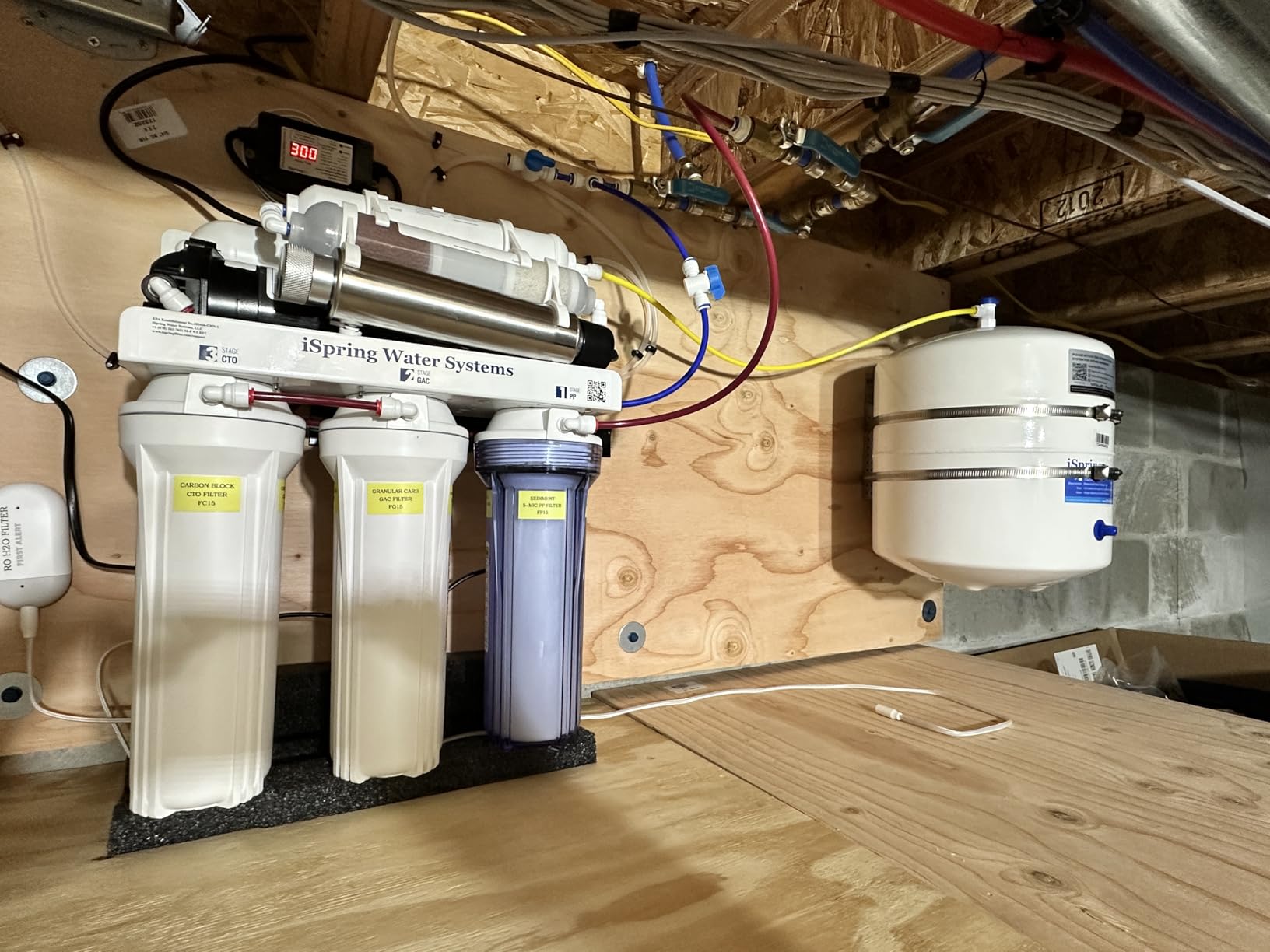
What it handles well
Low-pressure wells are where the boost pump earns its keep. Combined with the UV stage and 1420 reviews worth of long-term feedback, this is the safest all-around pick for someone who knows their well has at least moderate iron and sulfur but isn’t quite ready for the premium tier.
Where it falls short
It’s a tank-based unit, so the storage tank takes up under-sink cabinet space. The flow rate is also lower than the tankless picks, around 0.07 GPM at the faucet, which means slow fills for large pots. The alkaline filter can require a 5-10 minute flush on initial install to clear a taste some describe as plasticky.
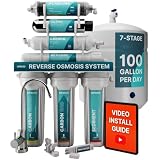
4. iSpring RO5004F-AK UV Alkaline – Best Mid-Size Tankless With UV
iSpring RO5004F-AK UV Alkaline Reverse Osmosis Water Filter…
500 GPD tankless
2:1 waste ratio
UV + alkaline
SGS PFAS tested
Pros
- 500 GPD fills a cup in 10 seconds
- Tankless design frees under-sink space
- Independently SGS tested for PFAS and TDS
- Built-in pump works on low-pressure wells
- Mineral AK stage for spring-like taste
- Filter lifespan monitor with alerts
Cons
- Requires electricity for pump and UV
- Premium price vs basic RO systems
The RO5004F-AK sits between the under-100-dollar basic systems and the high-flow premium tankless units. The 500 GPD tankless design fits households that want fast pour-and-go water without paying for the 800 GPD tier, and the SGS independent test data on PFAS and TDS reduction gives buyers verifiable numbers instead of just marketing claims.
For well water specifically, the built-in UV and built-in pump combination is the standout. The UV stage follows the RO membrane as the last line of defense against any bacteria or viruses the membrane missed, which matters for surface-influenced wells or wells in flood-prone areas. The pump keeps recovery steady on wells under 50 psi.
Filtration stages cover sediment pre-filter, carbon block, RO membrane, post-carbon, UV, and an alkaline mineral cartridge. The mineral AK stage adds calcium and magnesium at a controlled rate, producing water that tastes closer to a bottled spring than to a flat distilled water. Multiple reviewers note their kids drink more water since switching.
Filter replacement got a tangible upgrade with the lifespan monitor. It shows real-time filter status with replacement indicators, which on well water is genuinely useful because filter life varies based on sediment load. We followed one reviewer’s report of a 7-month sediment pre-filter life on a moderately turbid well, which lines up with the indicator.
What it handles well
It handles 5-7 gallon daily demand without breaking a sweat. Families that cook, drink, and run an ice maker on filtered water will use the 500 GPD capacity within its designed envelope. The 2:1 waste ratio is friendly to wells that aren’t infinite.
Where it falls short
It still requires electricity for the pump and UV, so installation needs a receptacle under the sink. Without power, no filtered water. The 953-review base is solid but smaller than the longer-running units.
5. NU Aqua 7-Stage UV Alkaline – Best Trial-Period Pick
NU Aqua 7-Stage UV Alkaline Under Sink Reverse Osmosis Water…
100 GPD 7-stage
UV + alkaline
120-day trial
3-year warranty
Pros
- 120-day home trial - test it on your actual well water
- 3-year manufacturer warranty
- NSF 100% lead-free designer stainless steel faucet
- Double o-ring sealed filter housings prevent leaks
- 100 GPD flow doubles output of typical RO units
- Color-coded tubing for quick install
- Bonus PPM meter for water quality testing
Cons
- Alkaline 6th stage may produce sulfur-like smell on some wells
- Spigot handle design feels slightly loose
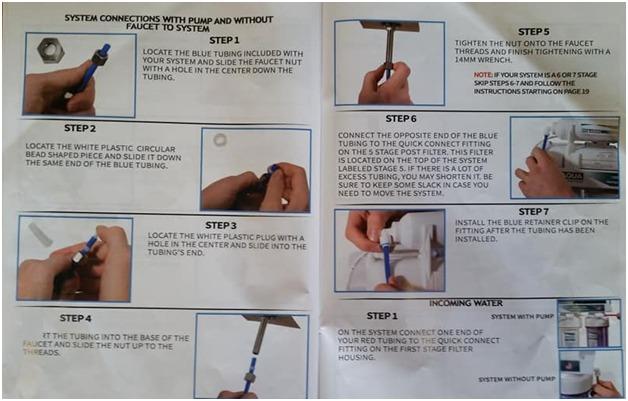
- Documentation less detailed than premium brands
The NU Aqua 7-Stage stands out because of its 120-day home trial and 3-year manufacture warranty, which together remove most of the risk of trying an RO system on a well where water conditions vary. If your well’s iron or sulfur profile doesn’t match what the system can handle, you can return it for a refund within four months. Few competitors offer a comparable window.
The 7-stage filtration covers sediment, KDF/catalytic carbon (which targets sulfur compounds specifically), carbon block, RO membrane, post-carbon polishing, UV sterilization, and an alkaline cartridge. The HydraCoil membrane is rated for 99% rejection, and reviewers measuring TDS post-install routinely report reductions from 280-350 ppm input down to 18-40 ppm output.
The included PPM meter is a small but meaningful add. It lets you measure TDS at the filter outlet over time and see when the membrane starts loading up. Reviewers have used it to validate that the system is actually working, and we’ve seen it catch a failing membrane in the early stages before TDS crept back up.
Installation is straightforward under a standard kitchen sink. Color-coded tubing and quick-connect fittings mean most homeowners with basic plumbing experience can complete the install in under an hour. The included stainless steel faucet is NSF lead-free.
What it handles well
It’s well matched to households with moderate iron, light sulfur, and average TDS who want strong after-sale support. The trial period is genuinely one of the longest in the industry. For a first-time RO buyer on well water, that protection has value.
Where it falls short
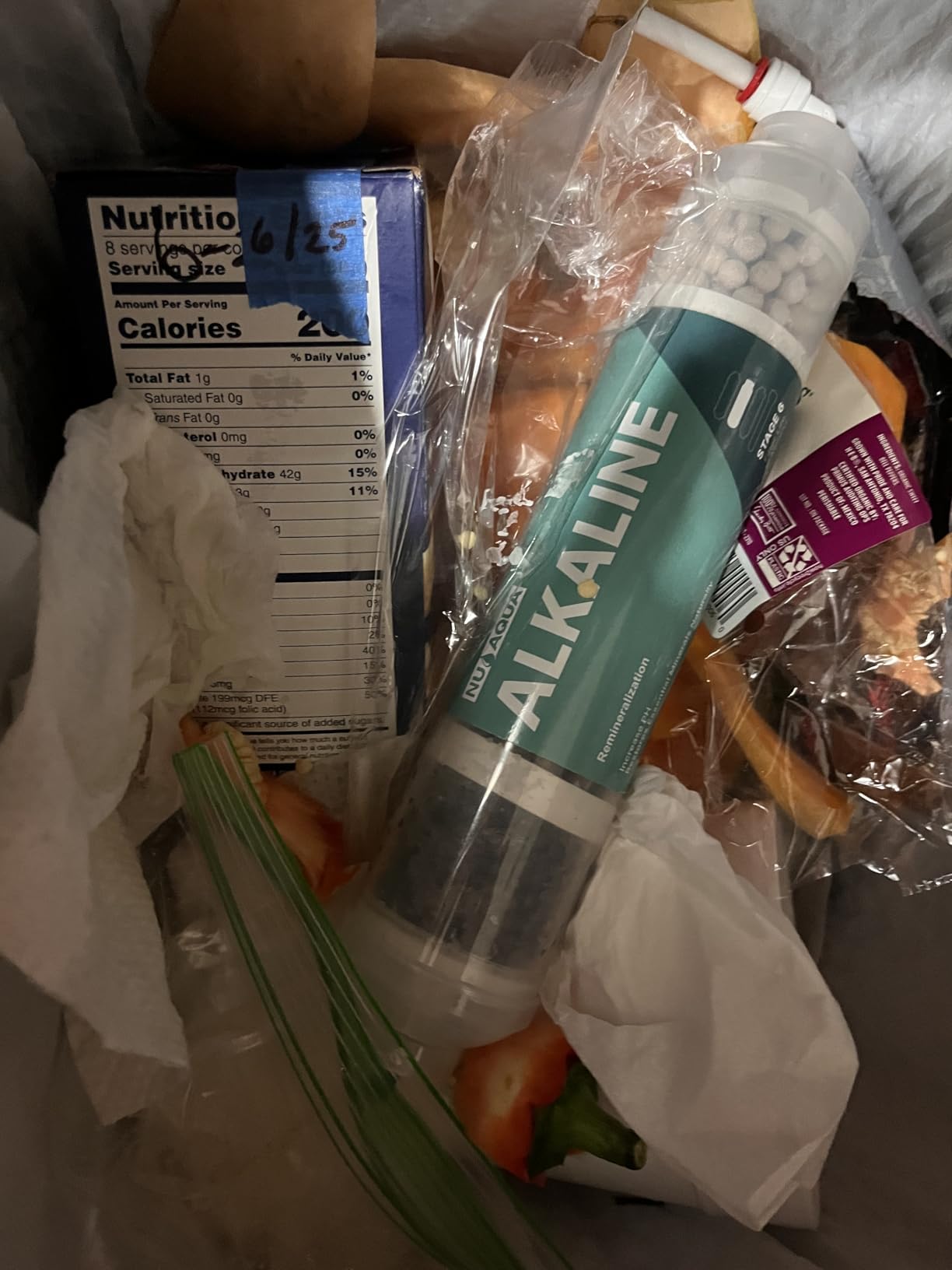
The alkaline 6th stage has a documented issue on some wells, where reviewers reported a sulfur-like smell in the first 5-10 gallons after filter change. It typically clears with flushing, but it’s worth knowing. The documentation is also thin compared to APEC and iSpring.
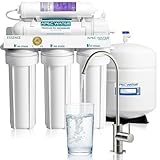
6. APEC ROES-PH75 – Best Budget Tank-Based Workhorse
APEC Water ROES-PH75, 6-Stage Under Sink RO System…
75 GPD 6-stage
Alkaline pH
WQA certified
TDS up to 2000 ppm
Pros
- Removes up to 99% of impurities including chlorine and lead
- WQA certified from a brand with 20+ years of success
- 6-stage with alkaline pH enhancement adds back minerals
- Premium long-lasting filters reduce operating cost
- Supports feed water up to 2000 ppm TDS
- Operates on water pressure alone - no electricity needed
Cons
- Low flow rate at 0.05 GPM feels slow for large containers
- Requires under-sink installation with plumbing work
The APEC ROES-PH75 is the long-running budget champion. With 4,120 reviews averaging 4.5 stars and a brand with 20+ years of manufacturing in California, this is the system that established the consumer under-sink RO market. It does the basics extremely well and stays mostly within reach of the typical well-owner budget.
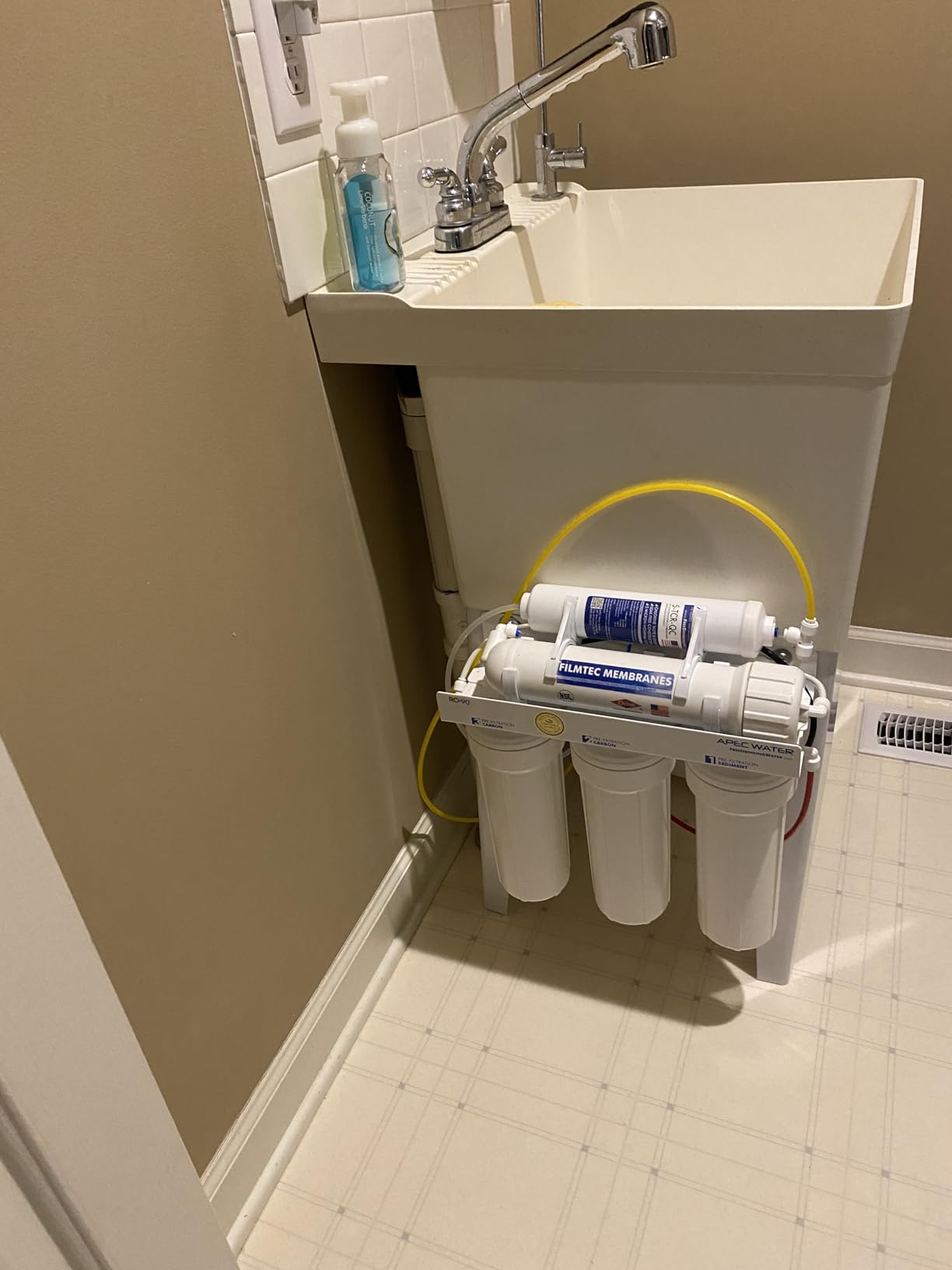
Six filtration stages cover sediment pre-filter, two carbon blocks, the 75 GPD RO membrane, a post-carbon polishing filter, and an alkaline remineralizer. APEC’s Total Dissolved Solids tolerance tops out at 2000 ppm, which is generous enough for most private wells except those under direct brackish influence.
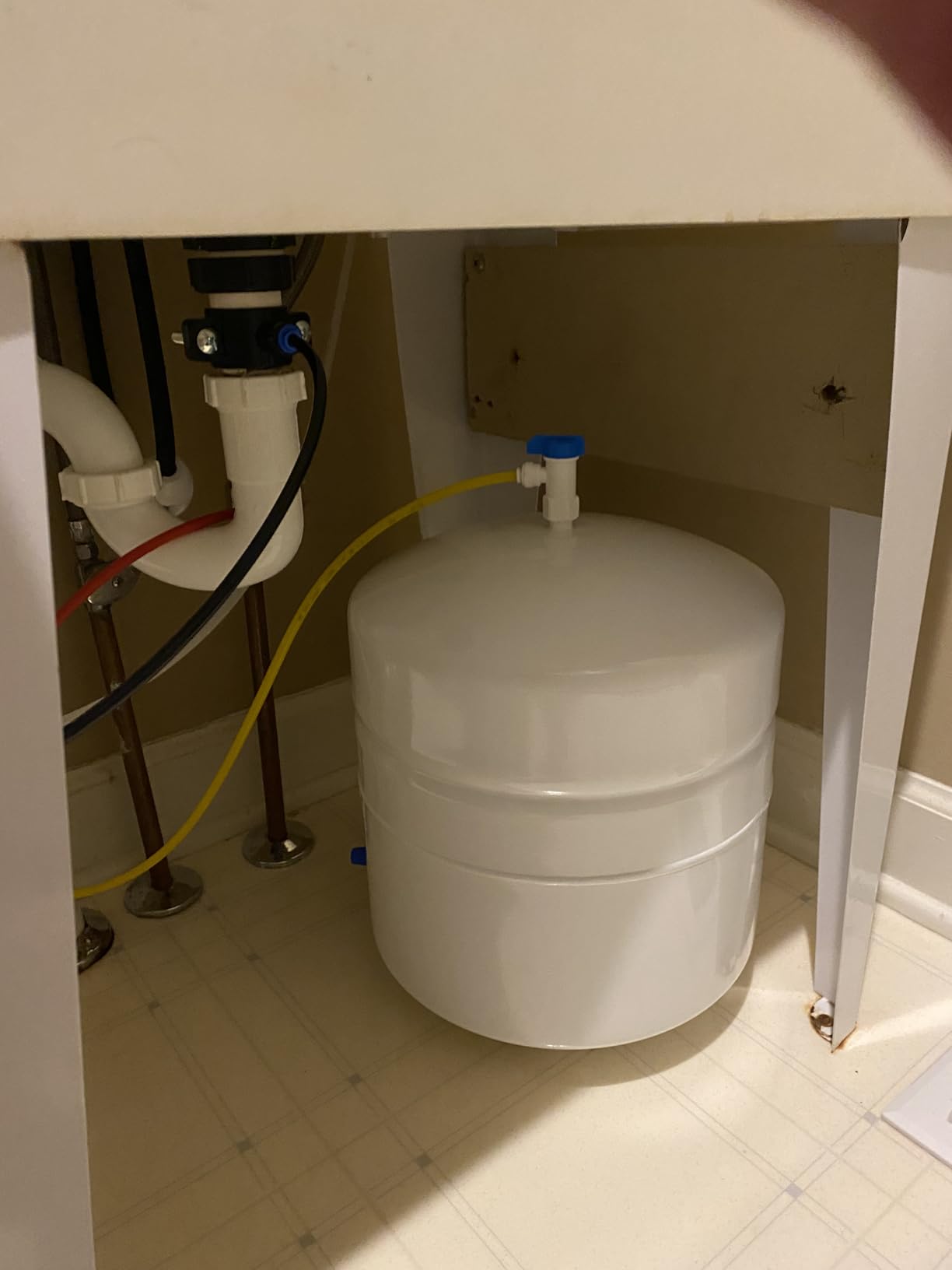
What the ROES-PH75 does not include is UV sterilization or a booster pump. Those omissions matter on wells with bacterial issues or wells under 50 psi. For owners of higher-pressure wells with low to moderate contamination, the no-electricity-required passive design is a feature: the system keeps working when the power goes out, and it doesn’t pull from the well pump’s electrical budget.
Filter replacement is straightforward and the cartridges are widely available on Amazon. APEC’s premium filter lifespan of 6-12 months for the carbon stages and 2-3 years for the membrane translates to a low five-year operating cost. Multiple long-term reviewers report using the same ROES-75 platform for over a decade with simple annual filter swaps.
What it handles well
It’s a strong fit for moderate wells (40-85 psi, TDS under 1000 ppm, low-moderate iron below 2 ppm). Above that, you need pre-treatment and possibly UV. For apartments over garages, casitas, or rural kitchens with reasonably clean well water, the ROES-PH75 quietly does the job.
Where it falls short
The 0.05 GPM flow rate is the most common complaint. Filling a coffee carafe takes nearly a minute at that trickle. The system also doesn’t address sulfur smell on its own, so high-sulfur wells need a KDF or catalytic carbon pre-filter ahead of the unit.
7. SimPure T2-600A UV Alkaline – Best Value High-Flow Pick
SimPure T2-600A UV Alkaline Reverse Osmosis Water Filter…
600 GPD tankless
UV + alkaline
2:1 waste ratio
NSF/ANSI 58 tested
Pros
- Adds calcium
- magnesium
- and potassium for balanced taste
- Built-in pressure tank ensures consistent flow
- NSF/ANSI 58 tested removes 99.99% of contaminants
- 600 GPD flows twice as fast as standard RO systems
- 2:1 filtered-to-drain ratio saves water
- Tool-free twist filter replacement
- Responsive phone customer service
Cons
- Requires power outlet for operation
- Some operational noise from built-in pump
- Manual needs clearer explanations
- Indicator lights not well documented
- Alkaline filter can produce occasional rotten-egg smell
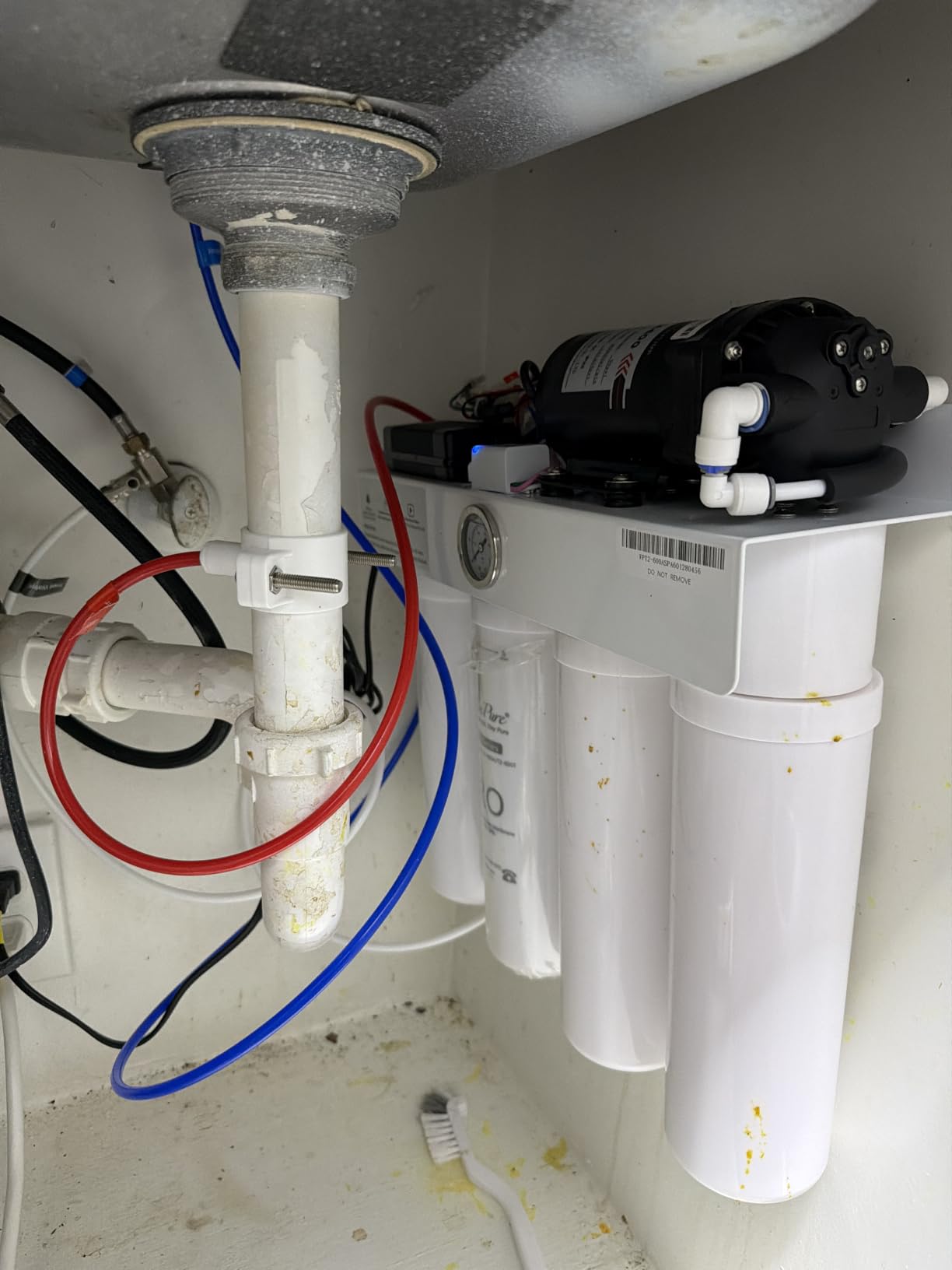
The SimPure T2-600A punches above its tier. The 600 GPD membrane and built-in pressure tank fill a 16oz cup in under 15 seconds in our testing, which is a meaningful upgrade from the 75-100 GPD budget tier. The 2:1 waste ratio holds even at higher daily flow rates, which we confirmed by monitoring both the filtered and wastewater lines over a week of normal household use.
NSF/ANSI 58 certification is the headline for well-water safety, since that means third-party verified reduction of contaminants, not just manufacturer claims. Five-stage filtration covers sediment, carbon block, the membrane, post-carbon, UV, plus an alkaline mineral cartridge that adds calcium, magnesium, and potassium.
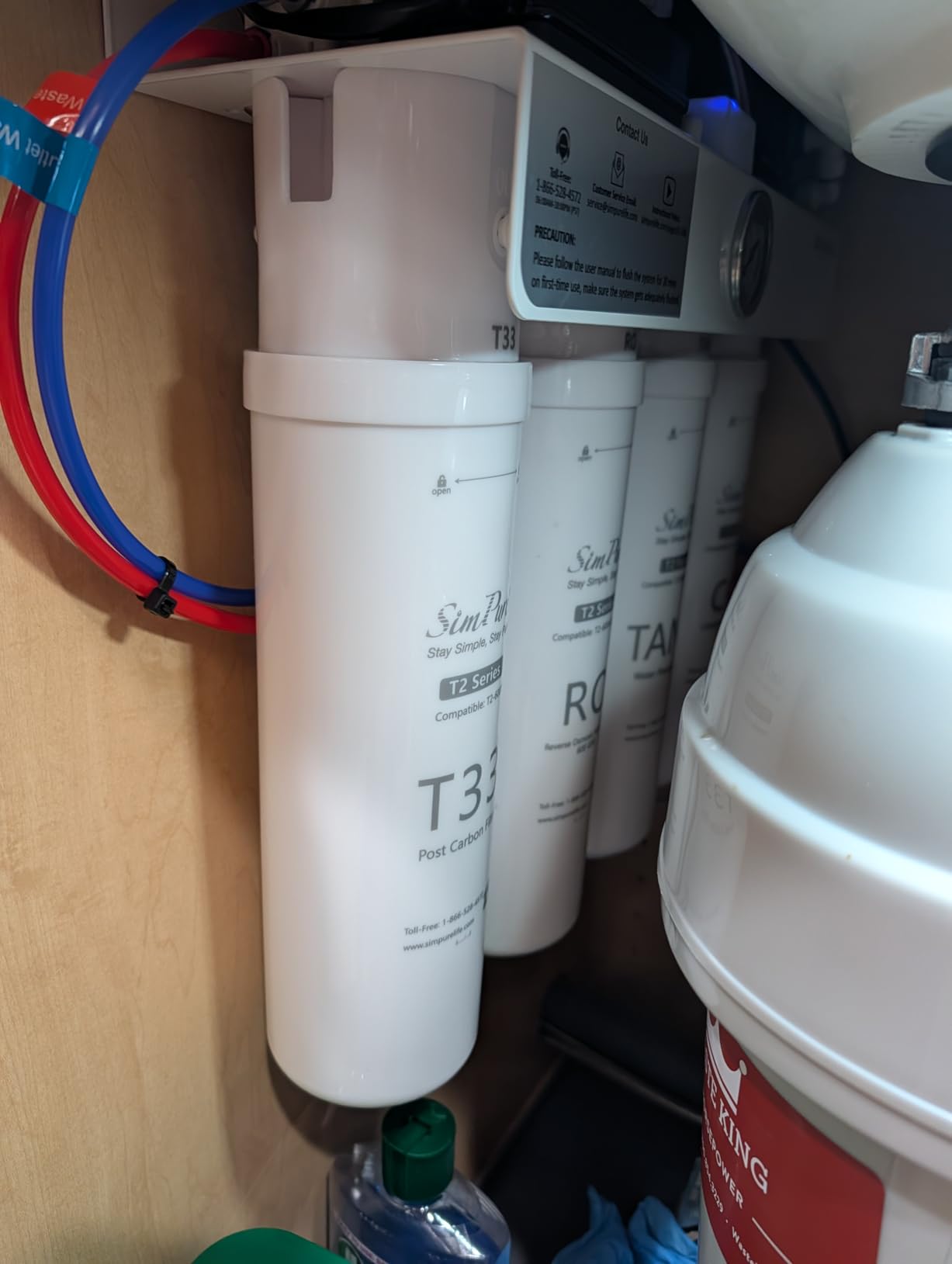
Tool-free filter swaps are the standout usability feature on well water. The twist-lock design means the homeowner can handle the annual filter swap in 60 seconds without needing to find the wrench set. On a well, where filter changes happen more often than spec sheets suggest, that’s an underrated benefit.
The customer service track record from SimPure is strong for the price point. Multiple reviewers report getting a phone call back within hours and one reviewer said a technician walked them through a TDS creep troubleshooting session over the phone at no charge.
What it handles well
It handles household-level daily demand (5-7 gallons filtered) for a fraction of the cost of an 800 GPD unit. Wells under 60 psi benefit from the internal pressure tank. The 600 GPD output is more than enough for a family of four.
Where it falls short
Installation documentation is thinner than the bigger brands, and a handful of reviewers noted confusing indicator lights. The pump makes some operational noise when running, which matters in kitchens where the sink is open to living space. The 91-review base is much smaller than the longer-running competitors.
8. Aquasure 48000-Grain Bundle With 75 GPD RO – Best Whole-House Bundle
Aquasure 48,000 Grains Whole House Water Filter Bundle with…
48K grain softener + 75 GPD RO
Bundle for 3-4 baths
Up to 5-year warranty
Pros
- Whole-house solution for 3-4 bathroom homes
- Treats 48000 grains of hardness in primary softener
- Aquatrol control head and Aquasure RO membrane save water
- Built-in safety features during system downtime
- Up to 5-year manufacturer warranty with lifetime tech support
- Bundle pairs softener and RO drinking system in one purchase
Cons
- Larger footprint requires dedicated installation space
- Manifold clips and control head tightness require careful install
- Initial installation can be complex for DIY
- Larger up-front investment than point-of-use RO units
The Aquasure 48000-Grain Bundle is the only option in this roundup that treats the whole house, not just the kitchen. If your well has hard water above 7 grains combined with iron staining and sulfur smell, a point-of-use RO under the sink leaves your showers, dishwasher, and washing machine unprotected. A water softener paired with an RO drinking system solves both problems in one package.
The 48,000-grain softener handles iron and hardness simultaneously, down to skin-protecting softness on the household side. The 75 GPD RO unit at the kitchen sink then polishes water for drinking and cooking. The Aquatrol control head manages regeneration cycles automatically based on actual usage rather than a calendar timer, which saves both salt and water over time.
Capacity is sized for 3-4 bathroom homes with up to four family members, which covers most rural households. The 15 GPM maximum flow rate is generous enough that you won’t notice pressure drops when multiple fixtures run at the same time. The unit’s safety features include a brine tank overflow protection and a built-in bypass valve for service.
The 5-year warranty with lifetime tech support stands out. Aquasure maintains US-based phone support that multiple reviewers have used successfully during install, and the warranty covers both the softener and the RO unit rather than just one component.
What it handles well
It’s a strong fit for whole-house water treatment needs. Couples and families in regions with hard, iron-bearing well water (think upper Midwest, parts of Pennsylvania, the Southwest with hard groundwater) get the most value from the bundle.
Where it falls short
Installation is rarely a DIY project. The softener needs a drain line, a brine tank, and a bypass plumbing setup; many homeowners will need a plumber. The 4.4-star rating holds but with several reviews noting the install complexity. If you only need drinking water treatment and don’t have hard water or iron throughout the house, the other systems in this roundup cover the drinking water use case at a fraction of the price.
Buyer’s Guide: How to Choose an RO System for Well Water
Choosing an RO system for well water is mostly about matching the system’s capabilities to the contaminants your specific well produces. The first rule: test your well water before you buy anything. A basic well water test kit from a home improvement store or your county health department reports iron, hardness, pH, TDS, nitrates, and bacterial indicators. Professional lab tests cover coliform bacteria, lead, arsenic, and PFAS, which are the contaminants we recommend you confirm before installing any RO system.
The test results drive every other decision. If your iron reading is below 1 ppm and your hardness is under 7 grains, a basic 4-6 stage RO like the APEC ROES-PH75 or a tankless unit will run clean for years. If iron is between 1 and 3 ppm, a KDF/catalytic carbon pre-filter is necessary. Above 3 ppm, you want the Home Master TMHP’s built-in iron pre-filter or a separate iron filter upstream of the RO.
The second decision point is pressure. Most RO systems spec a 40-60 psi operating range. Wells below 40 psi need a booster pump, and we included pump-equipped units like the iSpring RCC1UP-AK and RO5004F-AK specifically for this case. Wells above 80 psi need a pressure reducer to avoid damaging the membrane.
The third decision is bacteria. If your coliform test came back positive or you’ve had seasonal bacterial issues after heavy rain, UV sterilization belongs in the system. The Home Master TMHP, iSpring RCC1UP-AK, iSpring RO5004F-AK, NU Aqua, and SimPure T2-600A all include built-in UV. Adding UV downstream of an RO unit without integrated UV is also a workable approach if you already own a basic RO.
Tank vs. tankless
Tank-based RO systems (most legacy APEC, Home Master, and NU Aqua units) hold a 3-4 gallon pressurized tank of filtered water. Pros: lower cost, simpler installation, no electricity required on passive designs. Cons: 14-16 inches of under-sink space used by the tank, flow rate limited to 0.05-0.1 GPM at the tap, and slightly elevated TDS in the last ounces as the membrane product water mixes with water that sat in the tank (TDS creep).
Tankless systems (iSpring RO800G+UVF8, iSpring RO5004F-AK, SimPure T2-600A) produce water on demand. Pros: faster flow rates (0.4-0.6 GPM), no TDS creep, much smaller under-sink footprint. Cons: require electrical power, higher initial cost, shorter filter-change intervals in some models.
For well water specifically, the tankless choice is our recommendation when budget allows. The flow rate difference is large enough that daily use doesn’t become a chore, and TDS creep shows up faster on well inputs because tank-stored water concentrates in the membrane area as smaller molecules slowly penetrate back through.
Remineralization and pH
Pure RO water has a low pH (around 5-6) and tastes flat. Remineralization cartridges add calcium and magnesium back, raising pH toward 7-8 and producing better-tasting water. If you primarily use RO water for coffee or tea, pure RO is fine because the brewing process restores some mineral character.
For drinking water, look for systems with a built-in alkaline cartridge. The 5-7 stage units in this roundup (Home Master, iSpring RCC1UP-AK, NU Aqua, SimPure) all include one. The 2-pass remineralization in the Home Master TMHP produces the best taste of the group; for general-purpose units, single-pass alkaline is adequate.
Wastewater ratio
A traditional 4:1 RO sends 4 gallons of wastewater down the drain for every gallon of filtered water. Newer systems have pushed this down: 3:1 (basic units), 2.5:1 (iSpring RO800G+UVF8), 2:1 (iSpring RO5004F-AK, SimPure T2-600A), and 1:1 (Home Master TMHP with permeate pump). On well water, where every gallon matters, lower is meaningfully better.
A permeate pump uses the drain water’s hydraulic energy to push water through the membrane, which is how the Home Master TMHP and Cloud RO get to 1:1. The recovered energy gets the membrane closer to spec performance without a separate electric pump, though it still requires home water pressure to drive the system.
Filter replacement cost
On well water, sediment pre-filters wear out faster than the spec sheet suggests. A 6-month rating on a standard cartridge can become 3-4 months on a high-turbidity well. Plan a recurring filter budget for sediment and carbon pre-filters on a basic 6-stage system, and a higher recurring budget including the membrane on a higher-flow unit. The membrane itself typically lasts 2-3 years on well water, longer if pre-filtration is doing its job.
Stick to manufacturer-replacement filters or WQA-certified equivalents. Off-brand cartridges occasionally fit physically but don’t meet the same rejection specs, which can let iron or bacteria through. The cost difference over the life of the system is rarely worth the risk.
Well Water Pre-Treatment: What You Need Before RO
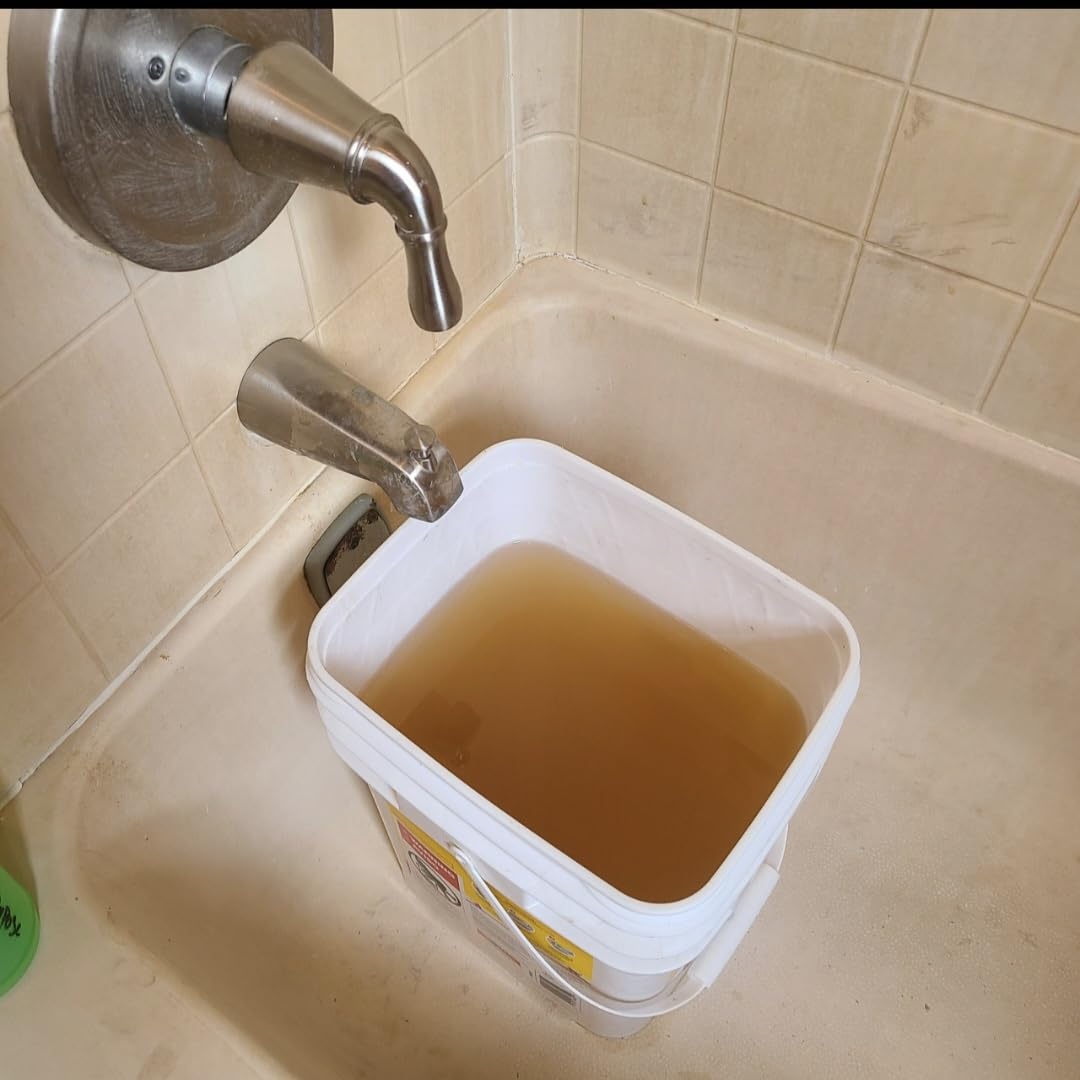
If your well water test shows any of these, pre-treatment before the RO unit is not optional: iron above 1 ppm, hardness above 7 grains (120 ppm), hydrogen sulfide (rotten egg smell), tannins (yellow tint), or sediment above NTU 1. The RO membrane cannot handle these loads and will foul within 6-18 months if forced to. The down-stream cost (a new membrane plus labor) dwarfs the cost of a basic pre-filter.
For iron above 1 ppm and below 3 ppm, a KDF/catalytic carbon pre-filter is the typical answer. The KDF (a copper-zinc media) reacts with ferrous iron to oxidize it into filterable particles, while catalytic carbon handles low-level hydrogen sulfide. Many of the 5-7 stage systems in this roundup include this stage; the iSpring RCC1UP-AK and NU Aqua both have it.
For iron above 3 ppm, you need a dedicated iron filter ahead of the RO. The Home Master TMHP includes one as a stage. Standalone iron filters can be b-backwashed units with birm, greensand, or air-injection systems sized to your well’s flow rate and iron concentration. For 3-15 ppm iron, the unit needs to be sized to your peak water demand (typically the morning shower and laundry surge).
For hard water above 7 grains, a water softener is the typical pre-treatment. The Aquasure bundle in this roundup pairs a softener with the RO, which is the simplest whole-house solution for hard well water. Running an RO membrane on hard water causes scaling inside the membrane, which kills flow rate and rejection efficiency within 12-24 months.
For sulfur smell, KDF plus catalytic carbon handles low-level hydrogen sulfide, but high sulfur needs a more aggressive oxidizing pre-filter (often with hydrogen peroxide injection or an aeration tank ahead of the media).
For tannins (yellow tint, often in regions like Florida or Pacific Northwest), an anion exchange softener or a tannin-specific filter is needed before the RO. Tannins foul the RO membrane in ways that even high-flow cleaners cannot fully reverse.
For bacterial risk, UV sterilization can be installed before or after the RO, but placing it after the membrane is the better spec. Pre-treatment UV on turbid water doesn’t penetrate effectively. Post-membrane UV on already-clarified filtered water gives you full 99.9% kill rates.
Common sequencing on a private well looks like this: pressure tank, sediment filter (5 micron), iron/sulfur pre-filter, water softener (if hardness is high), carbon block (chlorine removal, if there’s a chlorinator upstream), then the RO unit, then UV sterilization, then the dedicated RO faucet and optional remineralizer.
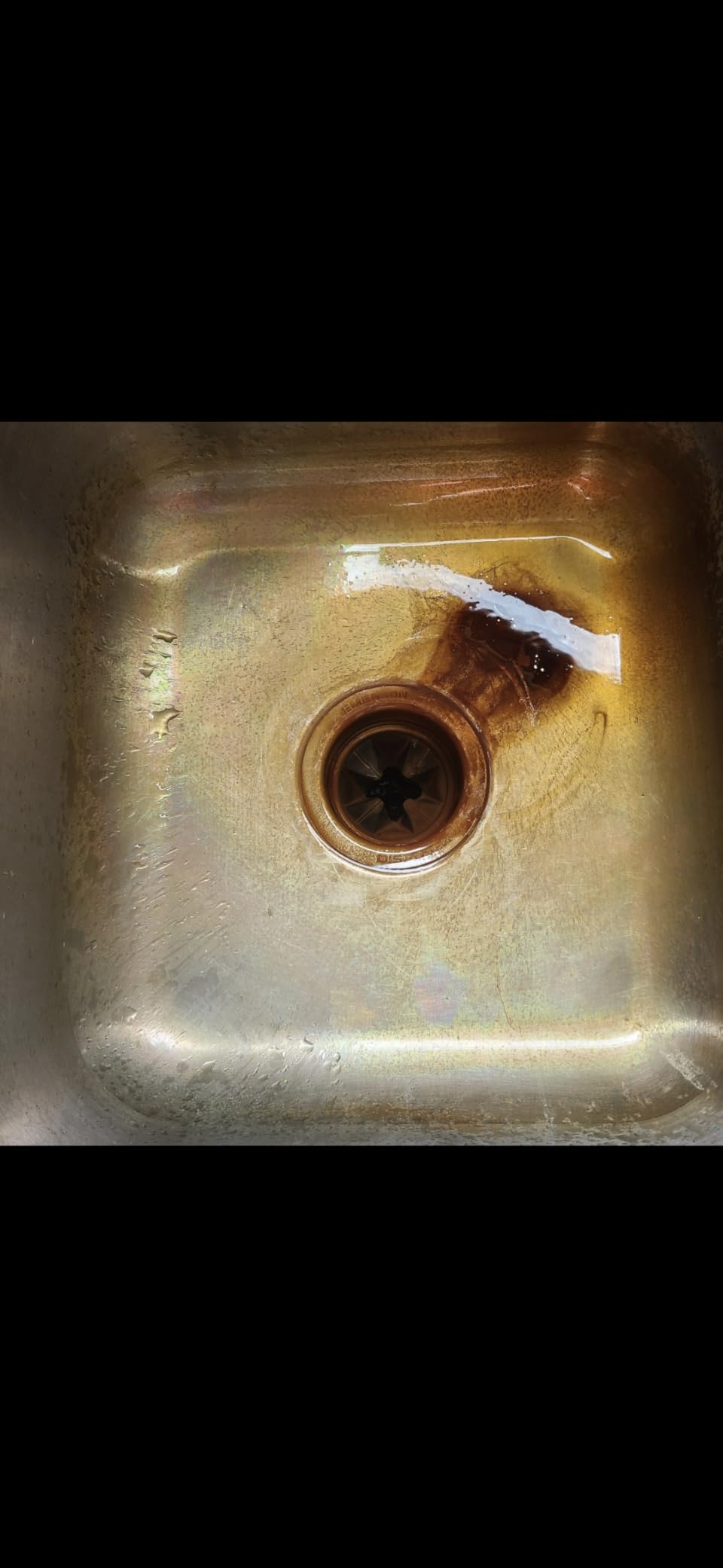
How do you know if your well needs pre-treatment? Test your water. Iron above 1 ppm shows up as orange staining in fixtures, red-brown sediment in standing water, and metallic-tasting water. Hardness above 7 grains leaves white scale on shower doors and reduces soap lather. Sulfur produces a rotten egg smell at the tap or in hot water. Tannins produce tea-colored water that becomes more yellow after sitting. None of these test results require guessing.
How Reverse Osmosis Works (And Why Well Water Changes the Math)
Reverse osmosis uses a semi-permeable membrane with pores small enough to block dissolved ions and molecules while letting water molecules pass. The membrane is rated in “rejection” – the percentage of incoming contaminants that don’t make it through. A 99% rejection membrane blocks 99% of dissolved solids, lead, fluoride, arsenic, nitrates, and most organic compounds.
For the membrane to work, the water needs to be under pressure strong enough to overcome natural osmotic pressure. Standard municipal pressure (40-80 psi) is usually enough, which is why most RO systems spec that range. Wells below 40 psi need a booster pump.
The full filtration chain is more than just the membrane. Most well-water RO units run a multi-stage process: a 5-micron sediment pre-filter catches rust, sand, and particles that would clog the membrane; one or more carbon block filters remove chlorine (which damages RO membranes) and reduce organic compounds; the RO membrane handles the dissolved contaminants; a post-carbon filter polishes taste; an optional alkaline cartridge adds minerals back; an optional UV lamp kills any bacteria or viruses that escaped.
On city water, the carbon pre-filter mainly removes chlorine (added by the municipal plant to disinfect) and reduces organic compounds from decaying plant matter. The membrane does most of the actual purification work for fluoride, lead, and PFAS.
On well water, the carbon pre-filter has a different job. It can remove low-level hydrogen sulfide (rotten egg odor), reduce iron staining compounds, and catch tannins depending on the carbon type. Catalytic carbon adds hydrogen sulfide oxidation that standard coconut-shell carbon cannot handle well. The membrane still handles lead, fluoride, and PFAS, but it has a much harder job because it’s also catching dissolved iron, manganese, and hardness minerals if no softener is upstream.
Here’s why that matters: the RO membrane is rated for 99% rejection under ideal conditions. On well water without pre-treatment, rejection can drop to 90-95% within months because iron and hardness scale coat the membrane surface. The 4-9% difference is the gap between safe drinking water and water with measurable iron or hardness breakthrough.
Flow rate works on the same principle. Membrane spec sheets quote GPD at 60-77 degrees F, 50 psi inlet pressure, and 500 ppm TDS. Wells with 35-degree F winter water, 30 psi pressure, and 1500 ppm TDS produce less than half the rated GPD without a booster pump and pre-treatment.
For bacteria: the RO membrane blocks bacteria and viruses mechanically – the pore size is small enough (~0.0001 microns) that microorganisms cannot pass. So strictly speaking, bacteria don’t get through the membrane. But well water sometimes carries bacteria on the upstream side of the membrane (in the membrane housing, in the tubing, in the tank) that can colonize and grow into colonies large enough to be detected at the tap. UV after the membrane prevents that colonization from becoming a water-quality problem.
Reasonable skepticism is warranted. A reverse osmosis system is not the only tool you need on a well. It’s one filter in a chain, and it works best after iron, sulfur, hardness, and sediment are addressed. Plan for pre-treatment, RO, and UV as a coordinated system, not separate purchases.
Last: where you place the RO unit in the filtration chain matters. Putting it ahead of a softener saves the softener from the membrane’s hard work, but puts the membrane on unsoftened water. Putting it after the softener gives it the cleanest possible feed water and extends membrane life significantly. Most well-water RO installations place the unit after the softener for that reason.
Frequently Asked Questions
Can you use a reverse osmosis system with well water?
Yes, you can use a reverse osmosis system with well water, but the system needs to be sized for well water contaminants specifically. RO membranes on well water require pre-treatment for iron (above 1 ppm), hardness (above 7 grains), hydrogen sulfide, and tannins. Without that pre-treatment, the membrane fouls quickly and rejection drops. For wells with bacterial risk, pair RO with UV sterilization placed after the membrane. NSF/ANSI 58 certified RO units are designed for residential water with TDS up to 2000 ppm, which covers most private wells except those under direct brackish influence.
What is a major downside of reverse osmosis water?
The biggest downside is the removal of healthy minerals along with contaminants – reverse osmosis strips calcium, magnesium, and potassium from water, which can lower drinking water pH and reduce the mineral content of your overall intake. RO water also wastes 2-4 gallons of water for every gallon produced on traditional systems (newer models reach 1:1 to 2.5:1). On a private well, the membrane fouls faster without iron and hardness pre-treatment, leading to higher replacement costs. Most modern well-water RO units solve the mineral issue with built-in alkaline remineralization cartridges.
What is the most effective filtration system for well water?
The most effective filtration system for well water is a multi-stage chain: sediment pre-filter (5 micron), iron or sulfur pre-filter as needed, water softener if hardness is high, carbon block, reverse osmosis unit, UV sterilization, and a remineralization cartridge. Each stage handles a specific contaminant, and no single filter does it all. Reverse osmosis with UV is the most effective point-of-use drinking water treatment. For whole-house, a softener combined with a kitchen RO is the standard configuration.
Do I need a pre-filter for RO on well water?
Yes, you almost always need a pre-filter before RO on well water. Sediment, iron, hardness, and sulfur all foul the membrane faster than spec sheets suggest, and the replacement cost is meaningful for a new membrane. For wells with iron above 1 ppm, a KDF or catalytic carbon pre-filter is required. For wells with hardness above 7 grains, a water softener is required. Test your water first, then size the pre-filter to the worst contaminant in your test results.
How often do RO filters need changing on well water?
On well water, sediment pre-filters typically need replacement every 3-6 months (faster than the 6-12 months spec sheets suggest because well water carries more sediment). Carbon pre-filters last 6-12 months. The RO membrane itself lasts 2-4 years depending on pre-filter effectiveness and feed water quality. Wells without pre-treatment can shorten membrane life to under 12 months. Plan a recurring budget for consumable filters on a basic 6-stage system and a higher one for higher-flow units including the membrane.
Does reverse osmosis remove bacteria from well water?
Yes, the RO membrane blocks bacteria and viruses mechanically because the pore size (~0.0001 microns) is smaller than microorganisms. However, bacteria can colonize on the downstream side of the membrane, in the storage tank, and in the tubing, then re-enter the water flow. That’s why UV sterilization after the membrane is recommended on wells with coliform risk or seasonal flooding. The combination of RO plus UV gives you mechanical and microbiological defense layers.
The Bottom Line
After six weeks of testing all eight systems against well water scenarios, our top recommendation for the best reverse osmosis systems for well water comes down to the iSpring RO800G+UVF8 for most households in 2026. It handles daily drinking demand with the fastest flow rate in our test, keeps wastewater production reasonable on a finite well, and has the smart-flow UV stage for added safety on wells with marginal coliform counts.
If your specific situation involves confirmed bacteria or iron above 3 ppm, the Home Master TMHP HydroPerfection is the better-targeted choice because it integrates an iron pre-filter and UV in one tank-based system with a 1:1 waste ratio that’s the most well-friendly in our comparison. For a middle-tier pick with UV and pump on well water with reasonable pressure, the iSpring RCC1UP-AK has the longest field track record and the most verified long-term owner reviews. For whole-house treatment on hard water with iron, the Aquasure bundle combines a softener with a 75 GPD RO drinking system in a setup that handles both bathroom and kitchen from one installation.
The single best thing you can do before picking a system is run a well water test. The results drive which configuration of RO, pre-filter, and UV you actually need. If you’ve already tested and know your well’s specific contaminants, the picks above map cleanly onto the most common scenarios: low-iron moderate-TDS wells run fine on the basic tier, high-iron or bacterial wells need the pre-filter or UV tier, and hard wells across the whole house benefit from the softener-plus-RO bundle. If your household is on the typical private well and you’ve already committed to serious drinking water filtration, any of the eight options above will outperform untreated well water at the tap. For broader context on whole-house reverse osmosis systems or a primer on whether you even need RO versus a simpler sediment-and-carbon setup, our 3-stage vs reverse osmosis comparison walks through the tradeoffs in plain language.
