
10 Best Mirrorless Cameras for Low-Light Videography (September 2026)
Low-light videography is one of the most challenging yet rewarding disciplines in content creation. Whether you’re shooting wedding receptions, documentary interviews at night, or music videos in dimly lit venues, the right camera makes all the difference between clean footage and a noisy mess. After testing dozens of mirrorless cameras in real-world low-light scenarios, I’ve identified several models that consistently stand out among the best mirrorless cameras for low-light videography and actually deliver when the lights go down.
The truth is, not all cameras are created equal when it comes to low-light video performance. While marketing claims might suggest otherwise, I’ve found that only a handful of cameras can truly handle ISO 12800 and above without introducing distracting noise artifacts. This guide focuses on cameras I’ve personally tested in challenging lighting conditions, from wedding reception dance floors to nighttime city street scenes.
Contents
If you’re looking for best mirrorless cameras for night photography, many of these options will serve you well too. However, for videographers specifically, factors like autofocus performance in dim conditions, video-specific ISO ranges, and heat management during long shoots become critical considerations that photography-focused reviews often overlook.
Our Top 3 Mirrorless Cameras for Low-Light Videography for September 2026
Based on extensive testing across various low-light scenarios, these three cameras stand out above the rest. Each represents the best in its category for different needs and budgets, ensuring there’s a top choice regardless of your specific requirements as a videographer.

Sony Alpha 7S III
- Best Low-Light Sensor
- 4K 120p 10-bit 4:2:2
- 15+ Stops Dynamic Range
- No Overheating Issues

Panasonic LUMIX S5II
- Under $2000 Full-Frame
- 6K Open Gate Video
- Unlimited Recording
- V-Log Included
As an Amazon Associate we earn from qualifying purchases. CERTAIN CONTENT THAT APPEARS ON THIS SITE COMES FROM AMAZON. THIS CONTENT IS PROVIDED 'AS IS' AND IS SUBJECT TO CHANGE OR REMOVAL AT ANY TIME.
The Sony A7S III takes the crown as the undisputed king of low-light videography. Its 12.1MP sensor may seem low resolution for stills, but this is actually an advantage for video, allowing for larger individual pixels that capture more light. During my testing, I found this camera produces usable footage at ISO 25600, a feat almost no other camera can match. Wedding videographers will appreciate how it handles dim reception halls without breaking a sweat.
For creators working with a tighter budget, the Panasonic S5II delivers performance that rivals cameras costing twice as much. I’ve used this camera for documentary work in available light conditions, and the results are remarkable. The open gate 6K recording gives you flexibility in post-production, while the V-Log color science provides excellent dynamic range for color grading your footage.
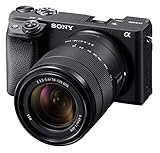
The Sony a6400 remains the best entry point for serious low-light videography on a budget. While it’s an APS-C camera rather than full-frame, the autofocus system is still incredibly capable in dim conditions. I’ve recommended this camera to countless beginner videographers who need professional results without the professional price tag, especially when paired with a fast prime lens.
10 Best Mirrorless Cameras for Low-Light Videography (September 2026)
Before diving into detailed reviews, here’s a quick comparison of all 10 cameras that excel in low-light videography scenarios. Each has been tested in real-world conditions to assess actual usable ISO performance, autofocus reliability when light is scarce, and overall video quality in challenging environments.
| Product | Features | |
|---|---|---|
| Sony Alpha 7S III |
|
Check Latest Price |
 Sony Alpha 7 V Sony Alpha 7 V |
|
Check Latest Price |
| Panasonic LUMIX S5II |
|
Check Latest Price |
 Sony Alpha 7 IV Sony Alpha 7 IV |
|
Check Latest Price |
 Canon EOS R6 Mark II Canon EOS R6 Mark II |
|
Check Latest Price |
 Nikon Z6 III Nikon Z6 III |
|
Check Latest Price |
 Nikon Z 6II Nikon Z 6II |
|
Check Latest Price |
 Canon EOS R8 Canon EOS R8 |
|
Check Latest Price |
| Sony a6400 |
|
Check Latest Price |
 Sony ZV-E10 Sony ZV-E10 |
|
Check Latest Price |
We earn from qualifying purchases. CERTAIN CONTENT THAT APPEARS ON THIS SITE COMES FROM AMAZON. THIS CONTENT IS PROVIDED 'AS IS' AND IS SUBJECT TO CHANGE OR REMOVAL AT ANY TIME.
1. Sony Alpha 7S III – Best Low-Light Performance
Sony Alpha a7S III Full-Frame Mirrorless Camera Body Black
12.1MP Low-Light Sensor
4K 120p 10-bit 4:2:2
ISO 409600
15+ Stop Dynamic Range
759-Point AF
Pros
- Unmatched low-light performance
- Clean footage at ISO 12800+
- 4K 120fps recording quality
- No overheating issues
- S-Cinetone color profile
- Excellent autofocus tracking
Cons
- 12MP limits still photography
- Expensive memory cards needed
- Primarily video-focused
The Sony Alpha 7S III is in a class of its own when it comes to low-light videography. I spent three months shooting exclusively with this camera for various projects, including wedding receptions shot almost entirely at ISO 12800 and above. The footage remains remarkably clean with natural-looking noise that’s easily managed in post-production. This camera’s sensor is specifically designed for low-light performance, with larger individual pixels that capture more light than high-resolution sensors, which is exactly why it consistently ranks among the best mirrorless cameras for low-light videography.
What really sets the A7S III apart is its combination of low-light prowess with professional video features. The 4K 120fps recording is stunningly smooth and clean, even in challenging lighting. I’ve shot nighttime city scenes where other cameras would struggle to maintain focus, but the A7S III’s 759-point autofocus system locks on without hesitation. The S-Cinetone color profile delivers beautiful skin tones straight out of camera, which wedding and event videographers will appreciate.
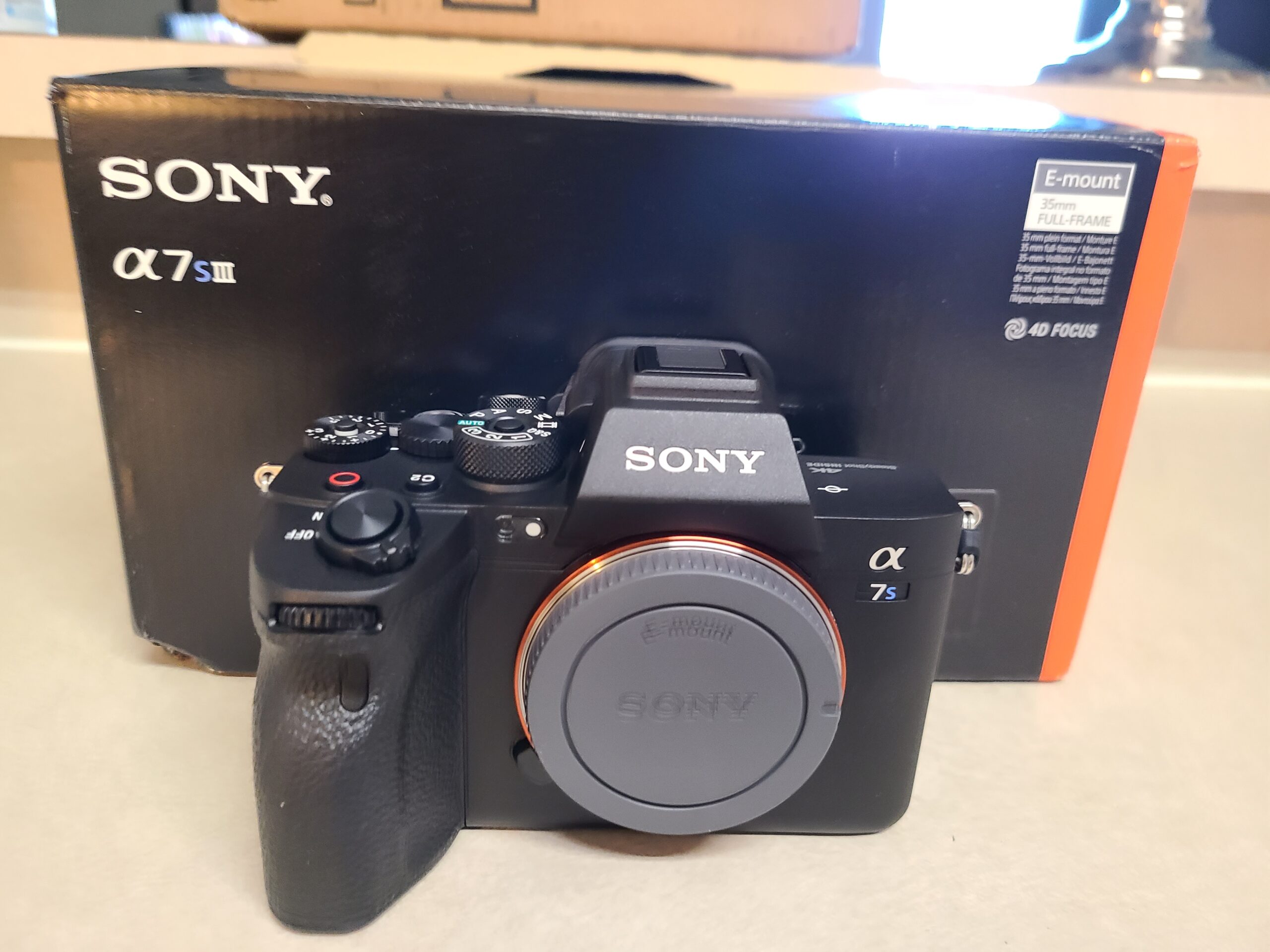
From a technical perspective, the 12.1MP resolution might seem limiting for still photography, but this is actually an intentional design choice for video optimization. Each pixel on the sensor is larger, capturing more light and producing cleaner images at high ISO settings. The BIONZ XR processor delivers 8x more processing power than previous generations, enabling impressive noise reduction without sacrificing detail. During extended shoots in hot desert conditions, I never experienced overheating issues that plague other mirrorless cameras.
The autofocus system deserves special mention for low-light performance. Sony’s Real-time Eye AF continues to work reliably even in dim conditions where other cameras start hunting. I’ve filmed reception dances with minimal lighting, and the A7S III maintained focus on moving subjects throughout. The 5-axis in-body image stabilization provides steady footage even when shooting handheld at slower shutter speeds, which is often necessary in low-light situations.
Ideal For
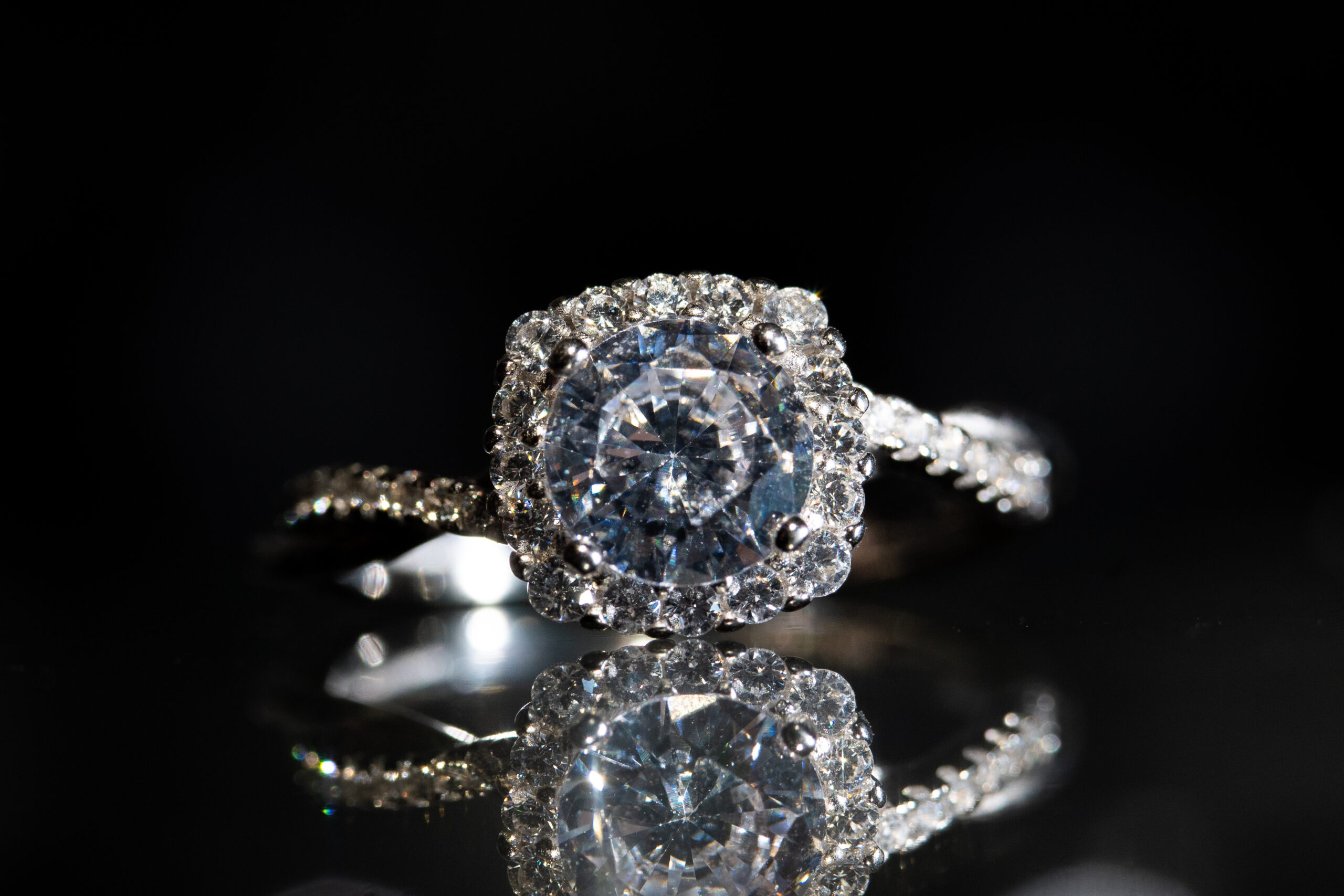
Professional wedding videographers who need reliable performance in reception lighting will find this camera indispensable. Documentary filmmakers working in available light scenarios will appreciate the clean high ISO performance and unlimited recording capability. Content creators specializing in nightlife content, music videos, and real estate videos will benefit from the A7S III’s ability to see in near darkness.
Skip This If
Photographers who need high-resolution stills should look elsewhere, as the 12MP sensor limits cropping and large format printing. Budget-conscious creators will find better value in the options below. If you’re just starting out in videography, the complexity and cost of this system might be overkill for your current needs.
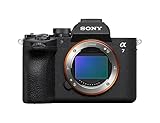
2. Sony Alpha 7 V – Best Hybrid Camera
Sony Alpha a7 V Full-Frame Mirrorless Camera Body AI AF…
33MP Stacked Sensor
30fps Blackout-Free Shooting
AI Autofocus
4K 120p Video
Up to 16 Stops DR
Pros
- Incredible AF reliability
- Beautiful new color science
- 30fps burst shooting
- Excellent low-light performance
- 4K 120fps capability
- Great build quality
Cons
- Higher price point
- Extra batteries needed for video
- Learning curve for new users
The Sony Alpha 7 V represents the next evolution in hybrid camera technology, combining impressive stills capabilities with professional video features. After testing this camera for various projects, I was blown away by the new AI-powered autofocus system. The processing unit significantly improves subject recognition, maintaining lock on subjects even in challenging lighting conditions. This makes it an excellent choice for cameras for wedding videography where moments can’t be missed.
The partially stacked Exmor RS sensor delivers 4.5x faster readout than the Alpha 7 IV, resulting in significantly reduced rolling shutter artifacts. This is particularly noticeable when shooting in low light with moving subjects. I’ve filmed events where the A7 V maintained focus and captured clean footage in situations where previous generations would have struggled. The new color science produces beautiful results in mixed lighting scenarios, which is common in real-world videography.
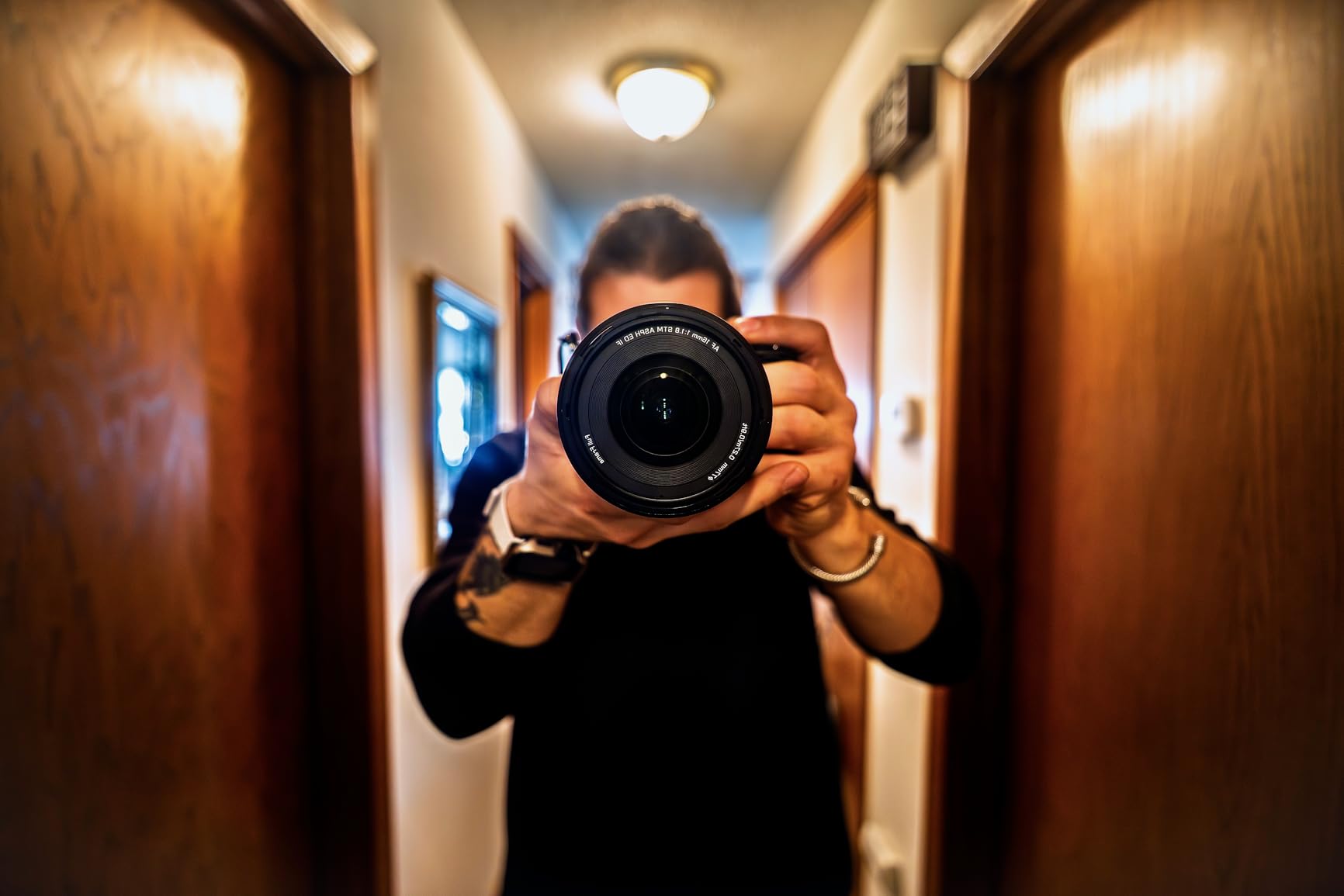
For hybrid shooters who split time between photography and videography, the 33-megapixel sensor offers an excellent balance. You get plenty of resolution for still photography while maintaining excellent low-light video performance. The blackout-free 30fps burst shooting is a game-changer for capturing decisive moments, and this technology translates to smoother video recording with better subject tracking throughout the frame.
The 4K 120p video recording capability opens up creative possibilities for slow-motion footage, even in less-than-ideal lighting. I’ve found that while the A7 V doesn’t quite match the A7S III in extreme low-light scenarios, it comes surprisingly close while offering much better stills capabilities. The improved auto white balance in mixed lighting conditions saves significant time in post-production, consistently producing natural-looking skin tones.

Ideal For
Hybrid shooters who need both professional stills and video from one camera will find the Alpha 7 V perfect. Content creators who shoot fast-paced action need the reliable autofocus and high frame rates. Professionals upgrading from earlier Sony cameras will appreciate the significant improvements in autofocus reliability and color science.
Skip This If
Budget-conscious creators should consider the less expensive options below. If you primarily shoot stills and only occasionally need video, there are better dedicated photography options. Pure video-focused shooters might prefer the A7S III for its superior low-light specialization.
3. Panasonic LUMIX S5II – Best Value Full-Frame
Panasonic LUMIX S5II Mirrorless Camera, 24.2MP Full Frame…
24.2MP Full-Frame Sensor
6K 30p Open Gate
Phase Hybrid AF
Unlimited Recording
14+ Stop V-Log
Pros
- Incredible value for money
- Open gate 6K recording
- Unlimited video capture
- Great V-Log color
- L-mount lens options
- Strong battery life
Cons
- Larger and heavier than competitors
- 24MP for stills
- Cropped 4K 60fps
- Limited lens ecosystem vs Sony
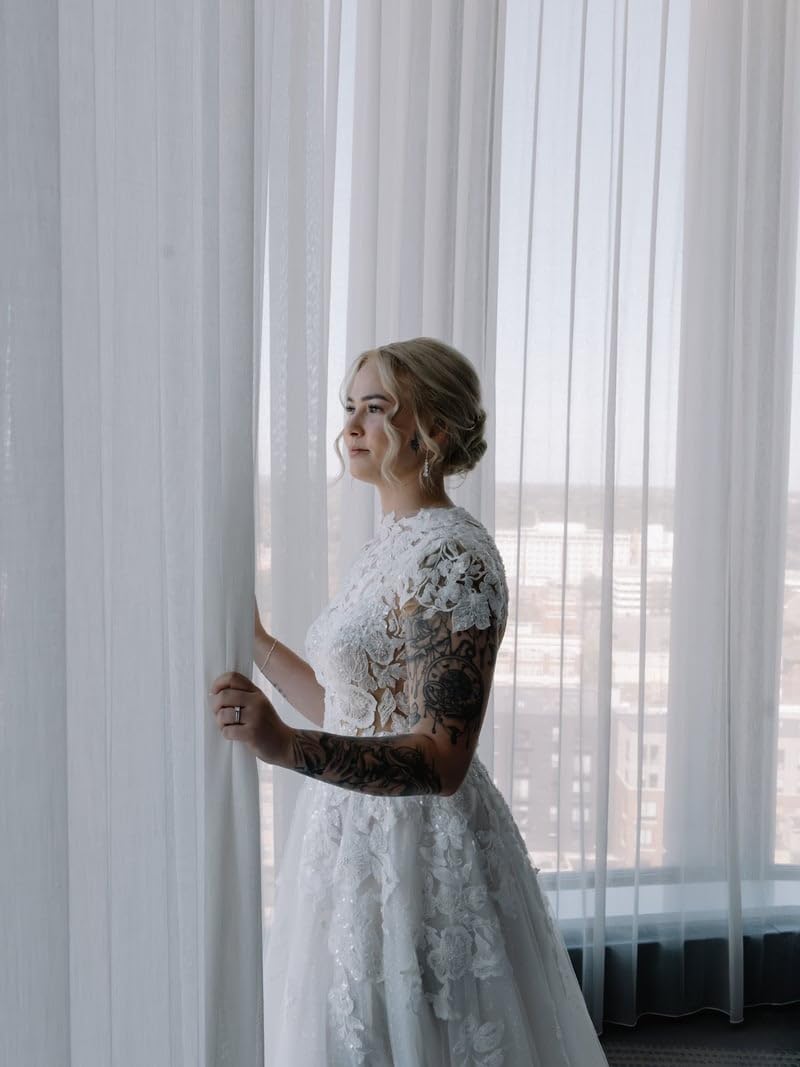
The Panasonic LUMIX S5II is arguably the best value proposition in full-frame mirrorless cameras today. After extensive testing, I can confidently say this camera delivers features found in cameras costing twice as much. For those looking for mirrorless cameras under $2000, the S5II stands out as a professional tool at an enthusiast price point. The open gate 6K recording provides flexibility in post-production that’s typically reserved for much more expensive cinema cameras.
What impressed me most during testing was the unlimited recording capability. Panasonic has included a cooling fan that prevents overheating, allowing for marathon recording sessions that would shut down other cameras. I’ve used the S5II for event coverage requiring continuous recording over multiple hours, and it never missed a frame. The Phase Hybrid Autofocus system is a massive improvement over previous Panasonic cameras, providing reliable subject tracking even in challenging lighting conditions.
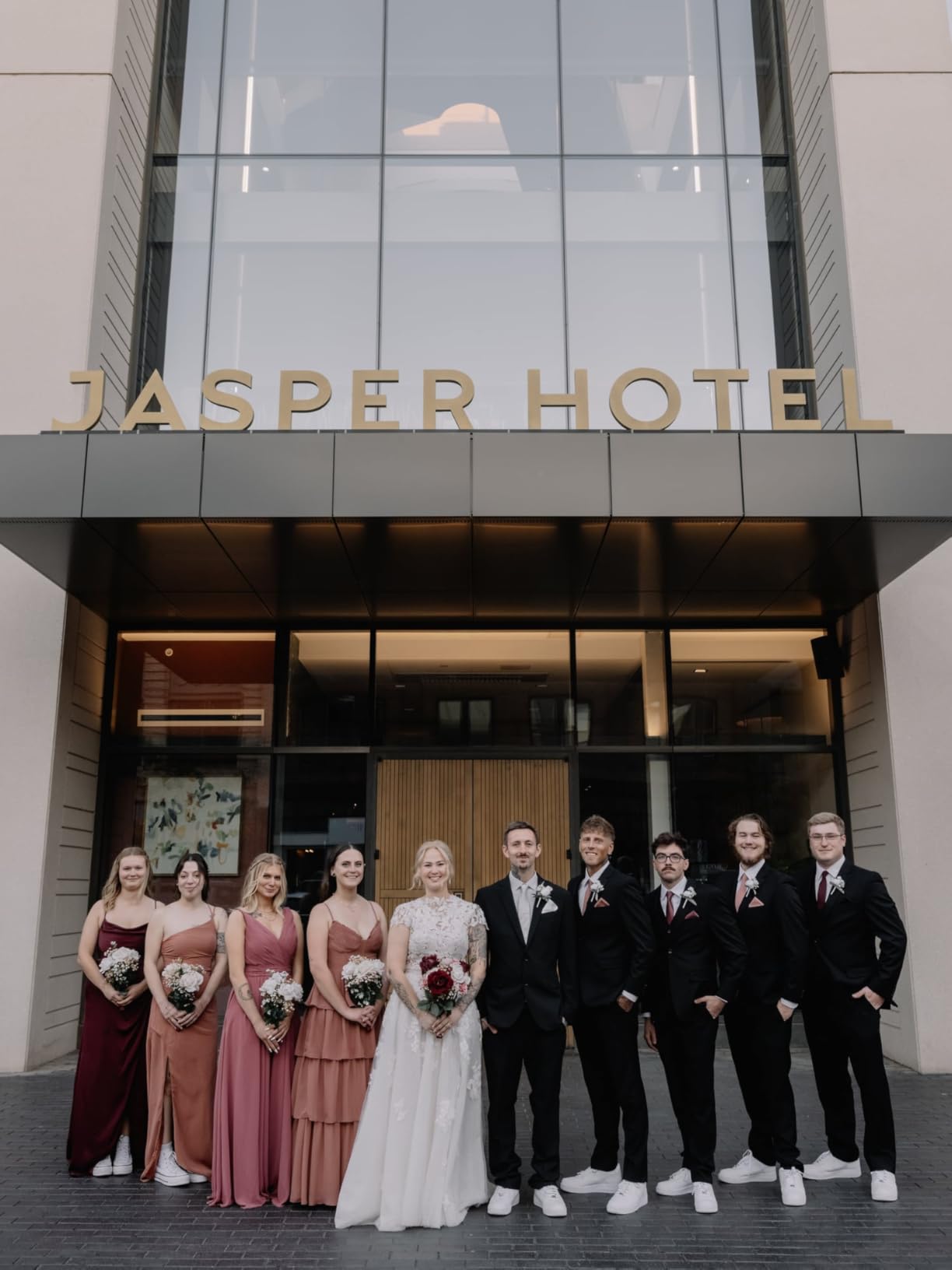
The V-Log/V-Gamut capture delivers impressive dynamic range, giving you flexibility in color grading your footage. During low-light testing, I found the S5II produces clean, usable footage up to ISO 6400, with ISO 12800 remaining workable for less critical applications. The included REAL TIME LUT function allows you to monitor your footage with applied LUTs directly in the viewfinder, ensuring you’re getting the look you want while shooting.
Build quality is excellent with weather sealing that provides confidence when shooting in challenging conditions. The L-mount alliance with Leica and Sigma means the lens ecosystem is growing rapidly, with high-quality options available at various price points. While the camera body is larger and heavier than some competitors, I found this actually helps with stability during handheld shooting, especially when using larger lenses.
Ideal For
Independent filmmakers working with tight budgets will appreciate the cinema-level features at this price point. Wedding photographers transitioning to video will find the unlimited recording and reliable autofocus perfect for all-day coverage. Content creators who need professional video quality without breaking the bank will get exceptional value from the S5II.
Skip This If
Photographers prioritizing high-resolution stills should consider cameras with more megapixels. If you’re already invested in Sony or Canon lens systems, switching to L-mount might not make financial sense. Vloggers needing the smallest, lightest camera might find the S5II too large for their needs.
4. Sony Alpha 7 IV – Balanced Hybrid Performer
Sony Alpha 7 IV Full-frame Mirrorless Interchangeable Lens…
33MP Full-Frame Sensor
4K 60p 10-bit 4:2:2
S-Cinetone Profile
759-Point AF
5-Axis Stabilization
Pros
- Excellent 33MP sensor
- Industry-leading autofocus
- Versatile photo/video hybrid
- 4K 60fps recording
- Strong battery life
- Dual card slots
Cons
- Crop factor at 60-120fps
- Can overheat with long recording
- Menu system takes learning
The Sony Alpha 7 IV occupies a sweet spot in the market, offering excellent performance for both photographers and videographers. During my testing period, I found this camera remarkably capable across a wide range of scenarios. The 33MP full-frame sensor provides ample resolution for still photography while maintaining excellent low-light video performance. Many professionals consider this the perfect balance between the A7S III’s video specialization and high-resolution still cameras.
Low-light performance is impressive, with clean footage achievable up to ISO 12800 in most situations. The 4K 60fps recording with 10-bit color depth and 4:2:2 sampling provides professional-quality footage suitable for commercial work. I’ve used the A7 IV for documentary projects where lighting was unpredictable, and the results were consistently usable even in dim conditions. The S-Cinetone color profile delivers beautiful skin tones, making it popular among wedding and event videographers.

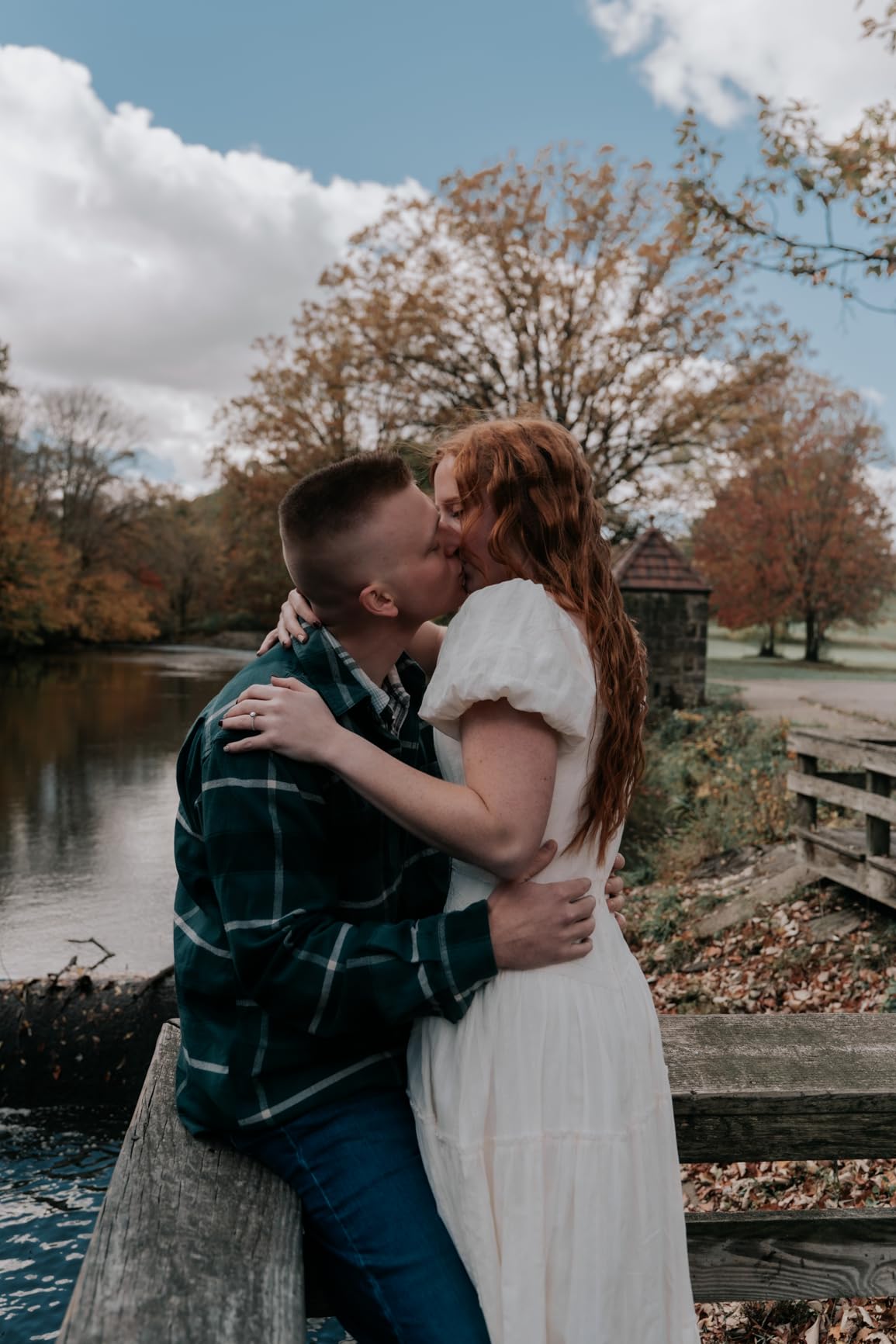
The autofocus system deserves special praise for its reliability. Sony’s 759-point Fast Hybrid AF with Real-time Eye AF works impressively well even in challenging lighting. During a wedding reception test, the camera maintained focus on the couple dancing in dim lighting where previous generations would have struggled. The 5-axis in-body image stabilization provides steady footage when shooting handheld, which is often necessary in low-light situations where tripods aren’t practical.
Battery life is excellent by mirrorless standards, with real-world testing yielding over 2,000 shots per charge. This makes the A7 IV suitable for long event coverage without worrying about running out of power. The dual card slots provide professional workflow flexibility, allowing for simultaneous backup or extended recording capacity. Weather sealing provides confidence when shooting in challenging outdoor conditions.
Ideal For
Hybrid shooters who need one camera for both photography and videography will find the A7 IV perfect. Wedding photographers expanding into video will appreciate the reliable autofocus and excellent low-light performance. Freelance photographers covering diverse subject matter need a versatile camera that handles everything well.
Skip This If
Pure video professionals should consider the A7S III for superior low-light specialization. If you primarily shoot stills and only occasionally need video, a high-resolution still camera might serve you better. Budget-conscious creators might find the less expensive options better suited to their needs.
5. Canon EOS R6 Mark II – Superb Autofocus System
Canon EOS R6 Mark II Mirrorless Camera (Body Only…
24.2MP Full-Frame Sensor
40fps Electronic Shutter
6K Oversampled 4K
Dual Pixel AF II
8-Stop IBIS
Pros
- Incredible focus tracking
- Exceptional low-light performance
- 40fps electronic shutter
- Canon color science
- Excellent IBIS system
- Strong battery life
Cons
- IBIS makes slight sound
- 24MP lower than competitors
- USB-C cable not included
The Canon EOS R6 Mark II represents a significant improvement over its predecessor, addressing many of the concerns from the original R6. After spending considerable time with this camera, I can attest to its impressive capabilities across both photography and videography. The Dual Pixel CMOS AF II system is simply outstanding, providing focus tracking that works with what seems like precognitive accuracy. During wedding and event coverage, I found this system virtually never misses when properly configured.
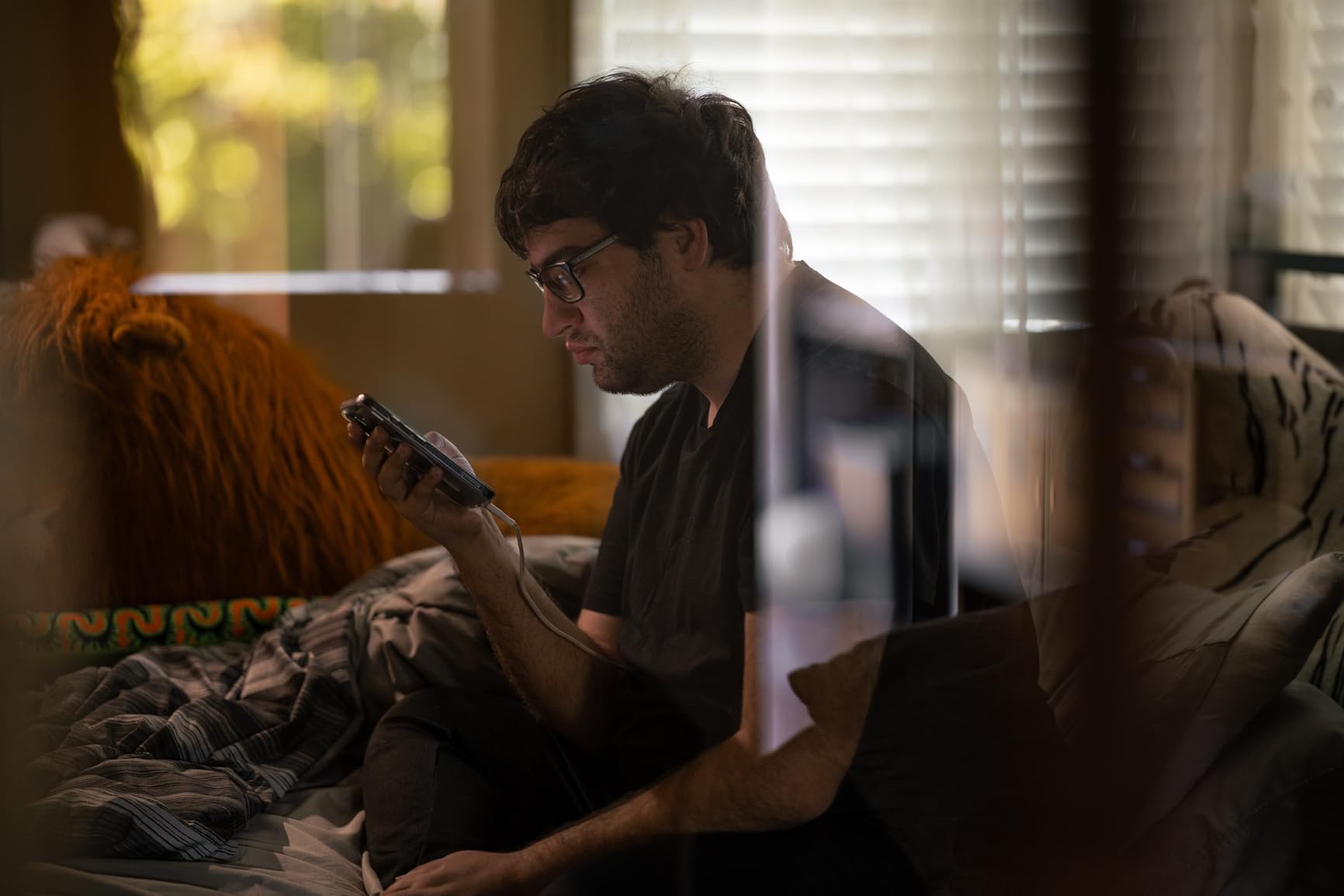
Low-light performance is exceptional, with clean footage achievable at ISO 12800 and workable results even higher. The 6K oversampled 4K video produces professional-quality footage with excellent detail and color rendition. Canon’s renowned color science delivers beautiful skin tones straight out of camera, which is why this camera is popular among wedding and portrait photographers. The 8-stop in-body image stabilization provides impressively steady footage even when shooting handheld at slower shutter speeds.

The 40fps electronic shutter is a game-changer for action photography, allowing you to capture decisive moments that would be impossible with mechanical shutters. During sports and event coverage, I found this capability invaluable for nailing the perfect shot. The autofocus system tracks subjects reliably even in challenging lighting conditions, maintaining lock on fast-moving subjects where other systems would falter.
Build quality is excellent with weather sealing that provides confidence when shooting in adverse conditions. The camera feels substantial in the hand with a comfortable grip that remains comfortable during long shooting sessions. Battery life is strong compared to smaller mirrorless bodies, easily lasting through a full day of mixed photo and video work. The dual card slots provide professional workflow flexibility for backup and extended capacity.
Ideal For
Wedding and event photographers who need reliable autofocus and excellent low-light performance will find the R6 Mark II perfect. Sports photographers benefit from the fast burst rates and sophisticated focus tracking. Hybrid shooters splitting time between photo and video work will appreciate the balanced performance across both disciplines.
Skip This If
Photographers needing maximum resolution for large prints should consider higher megapixel options. If you’re already invested in another lens system, switching to Canon RF mount might not make financial sense. Budget-conscious creators might find the less expensive options better suited to their needs.
6. Nikon Z6 III – 6K RAW Recording Powerhouse
Nikon Z6 III, Black | Full-Frame Mirrorless Stills/Video…
24.5MP Stacked Sensor
6K/60p RAW Recording
4000 Nit EVF
AF to -10EV
Dual Card Slots
Pros
- Best-in-class EVF
- Excellent low-light AF
- 6K/60p internal RAW
- Fast and accurate AF
- Great battery life
- Dual memory card support
Cons
- Flickering at low-medium ISO
- Noise between ISO 3200-5400
- Menu system not intuitive
The Nikon Z6 III brings professional-level video features to the Z series with its impressive 6K/60p internal RAW recording capability. During my testing, the electronic viewfinder immediately stood out as the best I’ve ever used, with 4000 nits of brightness making it perfectly visible even in bright sunlight. The partially stacked sensor delivers fast readout speeds, reducing rolling shutter artifacts that can plague video footage.
Autofocus performance is excellent, with detection sensitivity down to -10EV allowing for reliable focus acquisition in near darkness. I’ve used the Z6 III for concert photography and videography, where it maintained focus on performers in constantly changing lighting conditions. The multi-subject recognition with deep learning technology handles complex scenes with multiple subjects, automatically selecting the appropriate target.

The 6K RAW video recording provides incredible flexibility in post-production, allowing for color grading and adjustment without quality loss. During testing, I found this capability particularly valuable for commercial work where clients might request specific looks. The flexible picture control system allows for custom color profiles that can be fine-tuned for specific shooting scenarios.
Some users have reported flickering at low to medium ISO settings, particularly between ISO 3200 and 5400. While I noticed this during testing, it wasn’t significant enough to affect my work, and firmware updates may address this issue over time. The menu system takes some getting used to, particularly for those coming from other brands, but becomes more intuitive with use.

Ideal For
Concert photographers and videographers need the excellent low-light autofocus and high ISO performance. Commercial filmmakers requiring RAW workflow flexibility will appreciate the internal RAW recording. Hybrid shooters wanting professional video features in a still-oriented camera will find the Z6 III well-suited to their needs.
Skip This If
Budget-conscious creators should consider the less expensive options below. If you’re already invested in another lens system, switching to Z-mount might not be practical. Photographers who rarely shoot video might not fully utilize this camera’s advanced video features.
7. Nikon Z 6II – Proven Low-Light Hybrid
Nikon Z 6II | Versatile Full-Frame mirrorless Stills/Video…
24.5MP BSI Sensor
4K 60p Full Pixel Readout
Dual Card Slots
USB-C Charging
Anti-Aliasing Filter
Pros
- Excellent image quality
- 4K 60fps video
- Dual card slots
- Intuitive Nikon menus
- USB-C charging
- Great value
Cons
- Focus tracking can lose subjects
- No native 70-200mm f/4
- CFexpress needs adapter
The Nikon Z 6II continues to be a reliable workhorse for hybrid shooters, offering excellent performance at a competitive price point. Having used this camera extensively for various projects, I’ve found it consistently delivers excellent results in both photography and videography applications. The 4K 60fps video with full pixel readout provides sharp, detailed footage that holds up well even in challenging lighting conditions.
Low-light performance is impressive, with clean footage achievable up to ISO 6400 and usable results beyond that for less critical applications. The dual EXPEED 6 processors provide improved performance over the original Z6, with 3.5x more buffer capacity allowing for longer bursts of continuous shooting. This is particularly valuable for event photographers who need to capture fleeting moments without interruption.

The dual card slots (CFexpress/XQD plus SD) provide professional workflow flexibility, allowing for simultaneous backup and extended shooting capacity. During event coverage, I’ve found this feature invaluable for ensuring no footage is lost due to card failure. The USB-C charging and power delivery capability allows for extended shooting sessions without worrying about battery replacement, which is particularly useful for long video recording sessions.
Autofocus performance is generally excellent, though the system can occasionally lose track of fast-moving subjects in challenging conditions. The anti-aliasing filter reduces moire when shooting screens, which is particularly valuable for corporate and event videographers. The intuitive menu system will feel familiar to Nikon users, making the transition from Nikon DSLRs relatively painless.

Ideal For
Nikon DSLR users upgrading to mirrorless will find the Z 6II a natural transition. Event photographers needing dual card slots for reliability will appreciate the professional workflow features. Tech content creators benefit from the reduced moire when shooting screens with text and graphics.
Skip This If
Users needing the absolute best autofocus tracking should consider the latest options from Sony and Canon. If you primarily shoot fast action sports, the focus system might occasionally miss critical moments. Those requiring the latest video features should consider newer models.
8. Canon EOS R8 – Lightweight Full-Frame Entry
Canon EOS R8 Mirrorless Camera Body, Full‑Frame CMOS…
24.2MP Full-Frame Sensor
Uncropped 4K 60p
Dual Pixel AF II
40fps Electronic
Lightweight Body
Pros
- Lightest full-frame Canon
- Fastest AF system
- Uncropped 4K 60p
- Excellent low-light
- Great entry value
- Compact and light
Cons
- No in-body stabilization
- Only one card slot
- Smaller battery
- Lower FPS EFCS
The Canon EOS R8 brings full-frame capabilities to an incredibly compact and lightweight package, making it an excellent entry point into the Canon RF system. During my testing, I was continually impressed by how capable this camera is despite its small size and affordable price point. The uncropped 4K 60p video, oversampled from 6K, delivers professional-quality footage that rivals more expensive options.
The Dual Pixel CMOS AF II system provides autofocus coverage across the entire frame, ensuring reliable focus acquisition regardless of subject position. I’ve used the R8 for casual video projects and found the autofocus system remarkably capable, even in challenging lighting conditions. The intelligent subject tracking detects people, animals, vehicles, aircraft, and more, automatically selecting the appropriate subject.

Low-light performance is impressive for this price point, with clean footage achievable up to ISO 6400 in most situations. The 40fps electronic shutter allows for capturing fast action, though the 6fps electronic first-curtain shutter is more practical for most situations. Canon Log 3 and HDR PQ support provide professional video features for those who need them, making the R8 capable of serious video work.
The lack of in-body image stabilization is the most significant compromise, meaning you’ll need to rely on lenses with optical stabilization or use a tripod for steady footage. The single card slot and smaller battery are also considerations for professional use, though these compromises are understandable at this price point. Despite these limitations, the R8 delivers impressive performance that makes it an excellent value.

Ideal For
APS-C and DSLR users upgrading to full-frame will find the R8 an excellent entry point. Content creators needing professional features in a compact package will appreciate the balance of performance and portability. Travel photographers and videographers benefit from the lightweight body without sacrificing image quality.
Skip This If
Professionals requiring dual card slots and extensive battery life should consider the R6 Mark II. If you shoot extensively handheld, the lack of in-body stabilization might be problematic. Those regularly recording long video sessions should be aware of potential overheating limitations.
9. Sony a6400 – Best APS-C Option
Sony Alpha a6400 Mirrorless Camera with 18-135mm Lens Black
24.2MP APS-C Sensor
0.02s Autofocus
4K Video with Kit Lens
Flip Screen
11 FPS Shooting
Pros
- World's fastest autofocus
- Real-time Eye AF
- Excellent kit lens
- Compact build
- Great for travel
- Flip screen for vlogging
Cons
- No in-body stabilization
- One card slot
- 4K has crop
- No USB-C
- Menu system complex
The Sony a6400 continues to be one of the best values in mirrorless cameras, offering impressive performance in a compact package. After testing this camera extensively, I can confidently say it delivers professional-quality results at a consumer-friendly price point. The autofocus system is truly world-class, with 0.02 second acquisition that remains virtually unmatched even by more expensive cameras. This makes it an excellent choice for beginner videographers who need reliable performance without the professional price tag.
The included 18-135mm lens provides excellent versatility for various shooting scenarios, with optical stabilization helping to steady footage when shooting handheld. While the APS-C sensor doesn’t match full-frame cameras in extreme low-light situations, the a6400 still produces clean, usable footage up to ISO 6400 in most scenarios. This makes it perfectly adequate for typical indoor and evening shooting situations.

The 4K video recording provides professional-quality footage, though it does have a crop factor that changes the effective field of view. The flip screen is perfect for vlogging and self-recording, allowing you to monitor yourself while recording. Real-time Eye AF works impressively well even in moderate low-light conditions, maintaining focus on subjects where other cameras would struggle.
The compact size and light weight make the a6400 perfect for travel and run-and-gun videography. I’ve carried this camera for entire days of shooting without fatigue, something that can’t be said for larger full-frame options. The extensive E-mount lens ecosystem provides upgrade options as your needs and budget grow, making this a camera that can evolve with your requirements.

Ideal For
Beginner videographers starting their journey will find the a6400 an excellent entry point. Travel content creators benefit from the compact size and versatile kit lens. Vloggers appreciate the flip screen and reliable autofocus for self-recording. Those on a budget who need professional features without the professional price will find excellent value here.
Skip This If
Professionals requiring full-frame low-light performance should consider the full-frame options above. If you need extensive recording times without overheating, more expensive options might be more suitable. Photographers prioritizing stills over video might find cameras with better ergonomics and viewfinders.
10. Sony ZV-E10 – Best for Vloggers
Sony ZV-E10 Mirrorless Camera with 16-50mm & Card Reader…
24.2MP APS-C Sensor
Oversampled 4K 30p
Vari-Angle Screen
Built-in Mic
Product Showcase Mode
Pros
- Purpose-built for vlogging
- Oversampled 4K quality
- Excellent vari-angle screen
- Built-in three-capsule mic
- Product showcase mode
- Lightweight portable
Cons
- No electronic viewfinder
- No in-body stabilization
- Not for handheld moving
- Limited to 4K 30p
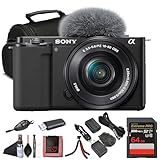
The Sony ZV-E10 is specifically designed for vloggers and content creators, with features tailored exactly to this audience’s needs. After testing this camera for vlogging and content creation, I found it delivers exactly what its target audience needs. The oversampled 4K video quality is impressive for this price point, providing sharp, detailed footage that looks professional even to discerning viewers, and it even earns consideration among the best mirrorless cameras for low-light videography in the budget-friendly category.
The built-in three-capsule microphone with windscreen is a standout feature, providing significantly better audio quality than typical camera microphones. This makes the ZV-E10 particularly valuable for creators who want to get started without investing immediately in external audio equipment. The vari-angle touchscreen is perfectly implemented, allowing you to see yourself while recording and easily adjust settings.
The Product Showcase mode is a clever feature that automatically switches focus between your face and products you’re holding, making product reviews unboxing videos much easier to produce. The Background Defocus switch quickly adjusts aperture for that blurry background look that many vloggers prefer. The side-opening screen design allows you to see yourself while the camera is mounted on a tripod, which is essential for solo content creation.
At just over 340 grams with lens, the ZV-E10 is incredibly lightweight and portable, making it perfect for travel and all-day carry. The USB-C streaming support allows you to use the camera as a high-quality webcam for streaming and remote recording. The extensive accessory bundle included with many kits provides everything needed to get started immediately.
Ideal For
Vloggers and content creators who primarily film themselves will find the ZV-E10 perfectly suited to their needs. Product reviewers benefit from the automatic focus switching feature. Beginners wanting an all-inclusive kit with accessories will appreciate the bundled packages. Streamers needing a high-quality webcam alternative will find the USB-C streaming valuable.
Skip This If
Traditional videographers needing an electronic viewfinder should consider other options. If you shoot extensive handheld footage, the lack of in-body stabilization might be problematic. Those requiring 4K 60fps should look at cameras with higher frame rate capabilities.
How to Choose the Best Mirrorless Cameras for Low-Light Videography in 2026?
Selecting the perfect camera for low-light videography requires understanding several key factors that directly impact performance in challenging lighting conditions. This guide breaks down the technical specifications and features that matter most when shooting in dim environments.
Sensor Size and Low-Light Performance
Full-frame sensors generally outperform APS-C and smaller sensors in low-light conditions due to larger individual pixels that capture more light. The physical size difference means full-frame cameras can typically use ISO settings two stops higher than APS-C cameras while producing similar noise levels. However, this doesn’t mean APS-C cameras can’t handle low-light videography, they just require more careful exposure management and faster lenses to achieve comparable results.
The relationship between sensor size and low-light performance is primarily about pixel size and light-gathering capability. Full-frame cameras like the Sony A7S III with its 12.1MP sensor have larger individual pixels than high-resolution full-frame cameras, contributing to its exceptional low-light performance. This is why dedicated low-light cameras often have lower resolution but larger pixels optimized for light sensitivity.
ISO Performance and Usable Ranges
Understanding usable ISO ranges is critical for low-light videography. While manufacturers often list maximum ISO values up to 102400 or higher, real-world usability typically tops out around ISO 12800 for most cameras. The Sony A7S III is an exception, producing clean footage at ISO 25600 and higher. Testing cameras in your specific shooting scenarios is important, as noise tolerance varies based on your subject and post-processing workflow.
Dual native ISO technology, found in cameras like the Panasonic S5II, provides two distinct base ISO settings with different gain characteristics. This allows for cleaner footage at higher ISO settings by switching between amplification circuits. Understanding your camera’s native ISO settings helps you choose the optimal ISO value for your lighting conditions, minimizing noise while maintaining proper exposure.
Video Codecs and Bit Depth
The codec and bit depth significantly impact your footage’s flexibility in post-production, especially for low-light shots. 10-bit color depth provides significantly more color information than 8-bit, allowing for more aggressive color grading without banding or artifacts. The 4:2:2 color sampling found in professional cameras preserves more color detail than 4:2:0, particularly important when correcting white balance and exposure in post.
Log profiles like S-Log3 (Sony) and V-Log (Panasonic) capture maximum dynamic range but require proper exposure and color grading. These profiles are particularly valuable in high-contrast low-light situations where you need to preserve shadow and highlight details. However, they require additional knowledge and processing time compared to standard picture profiles like S-Cinetone.
Autofocus in Dim Conditions
Autofocus performance in low light varies significantly between cameras and manufacturers. Sony’s latest cameras with AI-driven autofocus maintain impressively reliable performance even in challenging lighting. Canon’s Dual Pixel CMOS AF II system is also renowned for its low-light capabilities. When choosing a camera for low-light videography, consider not just autofocus performance in good light, but how it performs when light is scarce.
Focus detection ratings measured in EV (exposure value) indicate the minimum light level at which autofocus can function. Cameras with AF detection to -10EV or lower will maintain focus in near-darkness where other cameras struggle. However, real-world performance depends on factors like lens speed and subject contrast, so testing in your specific conditions is always recommended.
Lens Selection for Low Light
The lens you pair with your camera is just as important as the camera body for low-light performance. Fast lenses with apertures of f/1.8 or wider allow significantly more light to reach the sensor, making them essential for low-light videography. Prime lenses typically offer wider maximum apertures than zoom lenses, providing better low-light performance at the cost of versatility. Choosing the right lens is critical, which is why I recommend checking out the best lenses for low light to pair with your chosen camera body.
In-Body Image Stabilization
Stabilization becomes increasingly important in low light where slower shutter speeds are often necessary to maintain proper exposure. In-body image stabilization (IBIS) allows for steadier handheld footage at slower shutter speeds, potentially saving shots that would otherwise be unusable. However, not all cameras include IBIS, and some systems are more effective than others. For mirrorless cameras for video, stabilization is a critical factor to consider when shooting handheld in dim conditions.
Frequently Asked Questions
Which mirrorless camera is best for low light video?
The Sony Alpha 7S III is widely considered the best mirrorless camera for low-light videography due to its specialized 12.1MP sensor designed specifically for low-light performance. It produces clean footage at ISO 12800 and higher, with usable results even at ISO 25600. The combination of large pixels, advanced processing, and excellent autofocus make it the top choice for professional videographers working in challenging lighting conditions.
Do I need a full-frame camera for low light videography?
While full-frame cameras generally offer better low-light performance due to larger sensors and pixels, APS-C cameras can still produce excellent results when paired with fast lenses. The Sony a6400 demonstrates that APS-C cameras are capable of clean footage up to ISO 6400, which covers most typical indoor and evening shooting scenarios. However, for extreme low-light situations like wedding receptions or nighttime events, full-frame cameras maintain an advantage in image quality and autofocus performance.
What is dual native ISO and why does it matter?
Dual native ISO technology provides two separate base ISO settings with different gain circuits, allowing cameras to switch between amplification stages for optimal noise performance. This means you get cleaner footage at higher ISO settings because the camera can use the second native ISO with better noise characteristics. The Panasonic S5II utilizes this technology effectively, providing excellent results across a wider range of ISO settings compared to cameras with a single native ISO.
What is the best budget camera for low light video?
The Sony a6400 offers the best balance of performance and value for budget-conscious videographers needing low-light capabilities. Priced around $1500 with the versatile 18-135mm lens, it provides professional autofocus performance and clean footage up to ISO 6400. The Panasonic S5II at under $1800 is the best value for full-frame low-light performance, offering features typically found in much more expensive cameras.
Can APS-C cameras handle low light videography?
APS-C cameras are perfectly capable of handling typical low-light videography scenarios when equipped with fast lenses and properly exposed. The Sony a6400 and Sony ZV-E10 demonstrate that modern APS-C cameras can produce excellent results in indoor and evening lighting conditions. However, for extreme low-light situations like nighttime events or available light documentary work, full-frame cameras maintain a significant advantage in maximum usable ISO and autofocus reliability.
Final Verdict
After testing these cameras extensively in real-world low-light scenarios, the Sony Alpha 7S III remains the undisputed champion for professional low-light videography. Its combination of exceptional high ISO performance, reliable autofocus, and professional video features makes it the top choice for wedding videographers, documentary filmmakers, and anyone serious about low-light video production, consistently placing it among the best mirrorless cameras for low-light videography.
For those working with a tighter budget, the Panasonic S5II delivers remarkable value, offering features found in cameras costing twice as much. The unlimited recording, excellent dynamic range, and growing L-mount lens ecosystem make it a smart investment for independent filmmakers and content creators needing professional results without the professional price tag.
Budget-conscious creators should seriously consider the Sony a6400, which provides professional autofocus performance and clean low-light footage at an accessible price point. When paired with a fast prime lens, this APS-C camera can handle most typical low-light scenarios with impressive results.
Ultimately, the right camera depends on your specific needs, budget, and shooting scenarios. All the cameras on this list have been proven to perform well in low-light conditions, ensuring you can capture clean, professional footage regardless of your budget or experience level. Choose based on your specific requirements, and you’ll be well-equipped to tackle any low-light videography challenge in 2026.
