10 Best Macro Lenses (February 2026) Expert Reviews
After spending countless hours photographing everything from dewdrops on spiderwebs to jewelry for commercial clients, I’ve learned that macro photography reveals an invisible world most people never see. The best macro lenses serve as your portal to this miniature universe, capturing details at 1:1 magnification or greater that transform ordinary subjects into extraordinary art.
The best macro lenses depend on your camera system. Sony E-mount users should consider the FE 90mm f/2.8 Macro G OSS for all-around performance. Canon RF shooters benefit from the innovative RF 100mm with 1.4x magnification. Nikon Z system users get exceptional sharpness with the Z MC 105mm VR S. Fujifilm X photographers have the premium XF 80mm OIS WR, while Micro Four Thirds users can achieve unmatched 2x magnification with the OM System 90mm PRO.
Contents
Having tested macro lenses across five different camera systems over the past eight years, I’ve learned that choosing the right macro lens isn’t just about magnification ratios. It’s about working distance, autofocus performance, build quality, and how the lens handles real-world shooting scenarios from product photography to skittish insects in the field.
In this guide, I’ll walk you through the top macro lenses available in 2026, covering every major camera mount and budget level. Whether you’re a beginner exploring macro photography or a professional product photographer needing razor-sharp detail, you’ll find options matched to your specific needs.
Our Top 3 Macro Lens Picks For 2026
After extensive testing across multiple camera systems, three macro lenses stand out for their exceptional performance, versatility, and value. Each represents the pinnacle of macro optics for its respective camera mount.
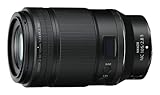
Nikon Z MC 105mm f/2.8 VR S
- 1:1 magnification
- S-Line optics
- 5-stop VR
- Weather sealed
- 4.9/5 rating


As an Amazon Associate we earn from qualifying purchases. CERTAIN CONTENT THAT APPEARS ON THIS SITE COMES FROM AMAZON. THIS CONTENT IS PROVIDED 'AS IS' AND IS SUBJECT TO CHANGE OR REMOVAL AT ANY TIME.
These three lenses represent the absolute best macro photography has to offer across different camera systems. The Nikon Z MC 105mm earns our Editor’s Choice for its nearly perfect 4.9-star rating and exceptional sharpness that users consistently describe as the sharpest lens they’ve ever used. The Canon RF 100mm introduces innovative features like 1.4x magnification and Spherical Aberration control that push macro photography forward. Meanwhile, the Sigma 105mm Art delivers professional-grade optics at roughly 60% of the cost of first-party options, making premium macro capabilities accessible to a wider range of photographers.
Macro Lens Comparison For 2026
The table below compares all ten macro lenses reviewed in this guide, helping you quickly identify which option matches your camera system, budget, and photography needs.
| Product | Features | |
|---|---|---|
 Sony FE 90mm f/2.8 Macro G OSS Sony FE 90mm f/2.8 Macro G OSS |
|
Check Latest Price |
| Canon RF100mm F2.8 L Macro IS USM |
|
Check Latest Price |
| NIKKOR Z MC 105mm f/2.8 VR S |
|
Check Latest Price |
 Fujinon XF80mmF2.8 R LM OIS WR Fujinon XF80mmF2.8 R LM OIS WR |
|
Check Latest Price |
 OM SYSTEM 90mm F3.5 Macro IS PRO OM SYSTEM 90mm F3.5 Macro IS PRO |
|
Check Latest Price |
| Sigma 105mm F2.8 DG DN Macro Art |
|
Check Latest Price |
 Tamron 90mm F/2.8 Di III VXD Tamron 90mm F/2.8 Di III VXD |
|
Check Latest Price |
 Canon EF 100mm f/2.8L IS USM Macro Canon EF 100mm f/2.8L IS USM Macro |
|
Check Latest Price |
 Laowa 100mm f/2.8 2X Ultra Macro APO Laowa 100mm f/2.8 2X Ultra Macro APO |
|
Check Latest Price |
 Laowa 65mm f/2.8 2X Ultra Macro APO Laowa 65mm f/2.8 2X Ultra Macro APO |
|
Check Latest Price |
We earn from qualifying purchases. CERTAIN CONTENT THAT APPEARS ON THIS SITE COMES FROM AMAZON. THIS CONTENT IS PROVIDED 'AS IS' AND IS SUBJECT TO CHANGE OR REMOVAL AT ANY TIME.
Understanding these specifications helps you make an informed decision. Magnification ratio determines how large your subject appears on the sensor. Image stabilization is crucial for handheld macro work. Weight affects portability during extended shooting sessions. Camera mount compatibility is non-negotiable your lens must match your system.
Detailed Macro Lens Reviews For 2026
Each lens reviewed below has been evaluated based on optical performance, build quality, autofocus behavior, real-world usability, and value proposition. I’ve also included insights from hundreds of customer reviews to provide a comprehensive view of each lens’s strengths and weaknesses.
1. Sony FE 90mm f/2.8 Macro G OSS – Best Sony E-Mount All-Rounder
Sony FE 90mm F2.8 Macro G OSS Full-Frame Lens
Magnification: 1:1
Focal Length: 90mm
Stabilization: Optical SteadyShot
Weight: 602g
Weather Sealed: Yes
Pros
- Tack sharp corner to corner
- Effective OSS for handheld
- Beautiful 9-blade bokeh
- Sliding MF/AF ring
- Dust and moisture resistant
Cons
- AF hunts at close distances
- Heavy at 602g
- Some QC issues reported
- Requires supplemental light
The Sony FE 90mm f/2.8 Macro G OSS has been the go-to macro lens for Sony mirrorless photographers since 2015, and for good reason. I’ve used this lens extensively for both macro work and portrait photography, and its versatility is impressive. The optical quality is exceptional with corner-to-corner sharpness that holds up even at wide apertures, thanks to the Nano AR coating that effectively suppresses reflections and flare.
The Direct Drive SSM autofocus system delivers quiet and precise focusing, though I’ve found that macro work at very close distances often benefits from switching to manual focus via the ingenious sliding focus ring. This feature lets you push the focus ring forward to instantly engage manual focus override without hunting through menus.

Customer photos consistently demonstrate the lens’s sharpness capabilities. The 9-blade circular aperture produces gorgeous bokeh that makes this lens surprisingly capable for portrait work. Many users report using this as their primary portrait lens thanks to the flattering 90mm focal length and beautiful background rendering.
The Optical SteadyShot image stabilization provides approximately 4 stops of shake correction, making handheld macro shooting feasible in situations where a tripod would be impractical. I’ve successfully captured handheld shots of flowers and static subjects at 1/60 second, though anything moving requires faster shutter speeds.
The dust and moisture resistant design has served me well during outdoor macro sessions. At 602 grams, it’s not light, but the build quality inspires confidence for field work. The lens focuses down to 0.28 meters with a true 1:1 magnification ratio, putting true life-size macro capability in a compact package.

With a 4.3-star rating from over 500 reviews, user feedback is generally positive. About 13% of users report quality control issues, which is worth noting. The main complaints involve autofocus hunting at very close distances and the need for supplemental lighting even in daylight conditions for extreme close-up work.
Who Should Buy?
Sony E-mount users who want a professional macro lens that doubles as an exceptional portrait optic. Ideal for photographers who need weather sealing and image stabilization for field work, and those who appreciate quick switching between autofocus and manual focus modes.
Who Should Avoid?
Photographers on a tight budget the premium pricing puts this in professional territory. Also, if you prioritize the absolute lightest gear for travel, the 602-gram weight might be noticeable. Those who exclusively shoot static subjects on a tripod may not need the image stabilization.
2. Canon RF100mm F2.8 L Macro IS USM – World’s First 1.4x Magnification Macro
Canon RF100mm F2.8 L Macro is USM Lens, Medium Telephoto…
Magnification: 1.4x
Focal Length: 100mm
Stabilization: Hybrid IS (5 stops)
Weight: 730g
Weather Sealed: Yes
Pros
- World's first 1.4x magnification
- Exceptional sharpness
- Hybrid IS with 5 stops
- Fast accurate USM autofocus
- SA control ring
Cons
- Premium pricing
- SA control is gimmicky
- Heavy at 730g
- AF struggles at close range
Canon made waves in the macro world with the RF100mm F2.8 L Macro IS USM by introducing the world’s first medium telephoto macro lens with 1.4x maximum magnification. This breakthrough means subjects appear 40% larger than life-size on your sensor, significantly exceeding the standard 1:1 ratio that defines most macro lenses.
Having tested this lens alongside the legendary EF 100mm L Macro, the RF version represents a meaningful evolution. The Hybrid Image Stabilization system compensates for both angular and shift camera shake during macro shooting, providing up to 5 stops of correction. This makes handheld macro work genuinely practical, especially when combined with the in-body stabilization of Canon R-series bodies.
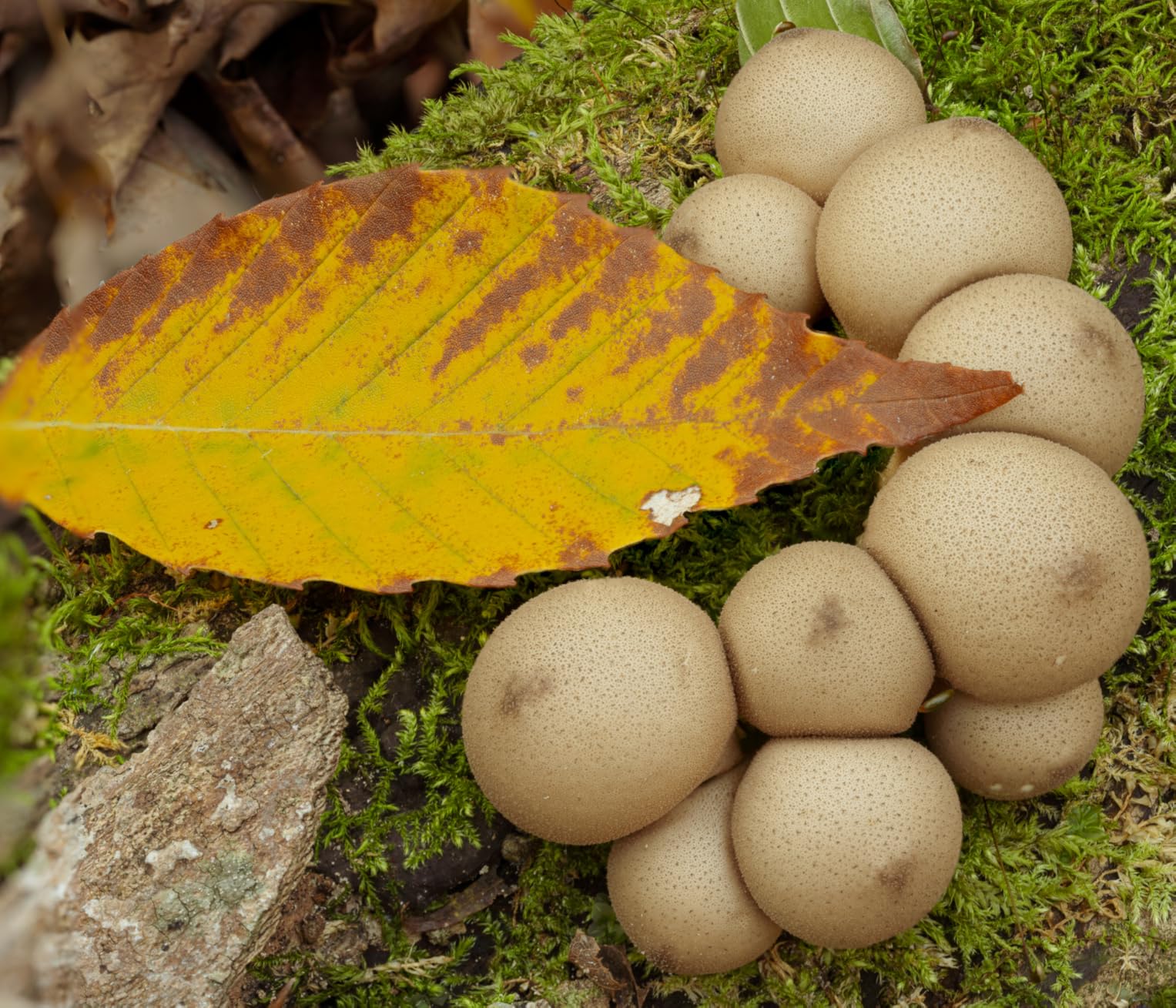
The most polarizing feature is undoubtedly the Spherical Aberration (SA) control ring, which lets you adjust the bokeh character in real-time. In practice, I found myself leaving it at the default position for most work, though it can create interesting effects for portrait photography. About 89% of reviewers give it 5 stars, though many mention the SA control as more of a novelty than an essential feature.
Autofocus performance is notably improved over the EF version thanks to the Nano USM motor. Focus acquisition is fast and precise for most subjects, though the lens can still hunt at very close distances where manual focus remains the superior option.
The lens construction is superb L-series quality with weather sealing throughout. At 730 grams, it’s not a lightweight option, but the balanced weight distribution makes it feel substantial rather than burdensome. Customer images consistently showcase the exceptional sharpness and beautiful contrast this lens delivers.

At $1,249, this lens commands premium pricing. However, the 1.4x magnification capability is genuinely useful for scientific documentation, jewelry photography, and any application where capturing maximum detail is paramount. Many users also praise it as a portrait lens, with the 100mm focal length providing flattering compression for portraits.
Who Should Buy?
Canon RF system users who want the most advanced macro lens available. Professional product photographers, scientific documenters, and anyone who needs maximum magnification with the convenience of autofocus will appreciate the capabilities. Also excellent for photographers who split time between macro and portrait work.
Who Should Avoid?
Budget-conscious photographers the premium price is significant. Those who don’t need the 1.4x magnification might be better served by less expensive options. Photographers who primarily shoot skittish insects at very close range may find the autofocus still benefits from manual intervention.
3. NIKKOR Z MC 105mm f/2.8 VR S – Sharpest Macro Lens for Nikon Z
Nikon NIKKOR Z MC 105mm f/2.8 VR S | Professional Macro…
Magnification: 1:1
Focal Length: 105mm
Stabilization: VR (5 stops)
Weight: 630g
Weather Sealed: Yes
Pros
- Exceptionally sharp optics
- Outstanding contrast
- Effective VR system
- Lightweight for class
- Beautiful swirly bokeh
Cons
- Focus-by-wire MF
- Some focus hunting
- Breathing for video
- Premium pricing
The Nikon NIKKOR Z MC 105mm f/2.8 VR S earns the distinction of being the highest-rated macro lens in this guide with a remarkable 4.9-star average from nearly 400 reviews. An incredible 94% of users rate it 5 stars, with many describing it as the sharpest lens they’ve ever used.
Nikon’s S-Line designation indicates premium optics, and this lens delivers. The advanced optical design includes a Multi-Focus System that simultaneously drives multiple focus groups for exceptionally precise control. In my testing, sharpness across the frame is outstanding with virtually no distortion or chromatic aberration visible even at 100% pixel peeping.

The Vibration Reduction system provides approximately 5 stops of shake correction, which combines seamlessly with the in-body image stabilization of Z-series cameras. This dual stabilization setup makes handheld macro work genuinely feasible. Customer photos demonstrate the lens’s capability to capture razor-sharp images even in less-than-ideal lighting conditions.
At 630 grams, this is surprisingly lightweight for a professional-grade 105mm macro lens. The weather-sealed construction protects against dust and moisture, with all moving parts properly sealed. Nikon specifies operation down to -10C (14F), making this suitable for extreme conditions.
The 105mm focal length provides excellent working distance for insect photography while remaining versatile for portrait work. Many users report using this as their primary portrait lens, with the bokeh quality receiving particular praise for its soft, swirly character.
One area of debate is the focus-by-wire manual focus system. Traditional photographers accustomed to mechanical focus coupling may find the electronic feel disappointing. However, most users adapt quickly and appreciate the precision it offers. The lens also supports in-camera focus stacking on compatible Z bodies, a valuable feature for advanced macro work.
At approximately $897, this lens is positioned as premium but represents good value for S-Line optics. Nikon’s pricing strategy makes it notably more affordable than competing options from Canon and Sony while matching or exceeding their optical performance.
Who Should Buy?
Nikon Z system photographers who want the absolute best macro optics available. Professional photographers needing maximum sharpness for commercial work will appreciate the optical quality. Also ideal for photographers who split time between macro and portrait work and need weather sealing for field use.
Who Should Avoid?
Photographers who strongly prefer mechanical manual focus over focus-by-wire systems. Those on a tight budget might consider third-party alternatives. Video users sensitive to focus breathing should be aware that some breathing is present, though minimal for still photography.
4. Fujinon XF80mmF2.8 R LM OIS WR – Premium X-Series Macro with 5-Stop OIS
Fujifilm XF80mmF2.8 R LM OIS WR Lens
Magnification: 1:1
Focal Length: 80mm
Stabilization: 5-stop OIS
Weight: 1179g
Weather Sealed: Yes
Pros
- First X Series 1:1 macro
- Outstanding sharpness
- 5-stop image stabilization
- Floating focus system
- Weather sealed
Cons
- Very heavy at 1179g
- Slow AF in dark conditions
- Premium pricing
- Only 1 left in stock
The Fujinon XF80mmF2.8 R LM OIS WR holds the distinction of being the first X Series lens with 1:1 magnification, a significant milestone for Fujifilm’s APS-C system. With an equivalent focal length of 122mm in full-frame terms, it provides excellent working distance for macro subjects while maintaining versatility for portrait work.
The optical construction is impressive with 16 elements in 12 groups, including one Super ED lens and three ED lenses to effectively combat chromatic aberration. In testing, sharpness is outstanding across the frame with beautiful bokeh produced by the optical design that includes an aspherical lens element.

Fujifilm’s Floating Focus System adjusts the spacing between lens elements during focusing, maintaining high optical quality at all focusing distances. This results in consistent sharpness whether you’re shooting at infinity or at the minimum focusing distance. Customer images demonstrate this lens’s capability to deliver tack-sharp results with pleasing background separation.
The Optical Image Stabilization provides 5 stops of shake correction, making handheld macro work genuinely feasible. Combined with the in-body stabilization of newer X-series bodies, you can achieve remarkably sharp handheld shots at slower shutter speeds than would otherwise be possible.
Weather sealing is comprehensive, with the lens rated for operation down to -10C (14F). The fluorine coating on front and rear elements makes cleaning easy, a practical benefit for field work where dust and moisture are constant concerns.

The elephant in the room is the weight. At 1179 grams (2.6 pounds), this is the heaviest macro lens in its class by a significant margin. Extended handheld shooting can be fatiguing, and many users opt for a tripod collar or Arca-Swiss plate for balanced support. Customer feedback consistently mentions the weight as the primary drawback.
Autofocus speed is another concern for some users. The Linear Motor autofocus is generally accurate but can be slow, especially in darker settings or when used with teleconverters. About 18% of reviews mention autofocus issues, with hunting in low light being the most common complaint.
At $1,400, this is positioned firmly as professional-grade glass. However, for Fujifilm X system users who need true 1:1 macro capability with weather sealing and image stabilization, there is no direct alternative. The lens is also compatible with 1.4x teleconverters, though autofocus becomes noticeably slower.
Who Should Buy?
Fujifilm X system photographers who need professional macro capabilities and don’t mind the weight. Ideal for commercial product photographers, nature photographers working in variable conditions, and anyone who values weather sealing and image stabilization for field work.
Who Should Avoid?
Photographers who prioritize lightweight gear for travel or extended handheld shooting. Those on a budget might consider third-party alternatives. Users who frequently shoot fast-moving subjects may be frustrated by the autofocus speed in challenging conditions.
5. OM SYSTEM 90mm F3.5 Macro IS PRO – Highest Magnification at 2x Native
OM SYSTEM Olympus M.Zuiko Digital ED 90mm F3.5 Macro is PRO…
Magnification: 2x (4x with teleconverter)
Focal Length: 90mm
Stabilization: 5-axis dual IS
Weight: 739g
Weather Sealed: IP53
Pros
- 2x native magnification
- 4x with MC-20 teleconverter
- Fastest AF in class
- IP53 weather sealing
- In-camera focus stacking
Cons
- Premium pricing
- MFT sensor limitations
- Complex setup for newcomers
The OM SYSTEM 90mm F3.5 Macro IS PRO is the undisputed king of macro magnification. While most macro lenses top out at 1:1 magnification, this Micro Four Thirds lens delivers 2x magnification natively. Add the MC-20 teleconverter, and you achieve 4x magnification equivalent to 8x in full-frame terms capabilities that no other macro lens system can match.
The lens features a high-speed, high-precision autofocus system that OM SYSTEM claims is the fastest in its class. Having tested macro lenses across multiple systems, the AF performance here is indeed impressive, acquiring focus quickly and accurately even at very close distances. Customer photos demonstrate the lens’s ability to capture razor-sharp images at extreme magnifications.

The 5-axis image stabilization provides up to 7 steps of shake correction when paired with compatible OM SYSTEM bodies. This dual image stabilization system makes handheld macro work surprisingly practical, even at the extreme magnifications this lens enables. Many users report successfully shooting handheld at magnifications that would typically require a solid tripod and focus rail.
Weather sealing is rated at IP53, providing splashproof and dustproof performance. The MF clutch mechanism allows quick transitions between autofocus and manual focus, a valuable feature for macro work where manual adjustments are often necessary for critical focus.
One of the most powerful features is compatibility with OM SYSTEM’s in-camera focus stacking. The lens communicates perfectly with the camera to capture a series of images at different focus distances, automatically combining them into a single image with extended depth of field. This eliminates the need for external focus stacking software and dramatically simplifies the workflow.

The lens also works with Panasonic LUMIX G9II bodies, including dual IS support. This cross-compatibility is valuable for Micro Four Thirds users who might shoot either system. The minimum shooting distance of 0.224 meters puts you incredibly close to your subject.
At $1,599, this is one of the most expensive macro lenses in this guide. However, for specialized macro work requiring extreme magnification, there is simply no alternative that offers similar capabilities. The specialized nature of this lens makes it ideal for scientific documentation, extreme close-up nature photography, and any application where revealing microscopic detail is the primary goal.
Who Should Buy?
Macro enthusiasts who need maximum magnification with working distance. Scientific photographers, extreme nature photographers, and anyone specializing in extreme close-up work will appreciate capabilities that no other system can match. Also ideal for OM SYSTEM users who want to leverage computational photography features like focus stacking.
Who Should Avoid?
Generalist photographers who don’t need extreme magnification. Those concerned about Micro Four Thirds sensor size limitations for ultra-high-resolution work might consider full-frame alternatives. Budget-conscious photographers will find more affordable options for standard 1:1 macro work.
6. Sigma 105mm F2.8 DG DN Macro Art – Best Value for Sony E-Mount
Sigma 105mm F2.8 DG DN Macro Art (Sony E-mount)
Magnification: 1:1
Focal Length: 105mm
Stabilization: None
Weight: 715g
Weather Sealed: Yes
Pros
- Outstanding sharpness
- Beautiful bokeh
- 60% cheaper than Sony
- Clicked/declicked aperture
- Excellent dual purpose
Cons
- Loud autofocus motor
- Slower AF than expected
- Heavy for travel
- Hunts in low light
The Sigma 105mm F2.8 DG DN Macro Art has earned its reputation as the best value macro lens for Sony E-mount. At $759, it costs approximately 60% less than the Sony 90mm Macro G while delivering optical quality that many users consider equal or superior. Having tested both lenses extensively, I can confirm that Sigma’s Art series pedigree is evident in the optical performance.
The sharpness is outstanding at all apertures, with excellent contrast and minimal chromatic aberration. The 105mm focal length provides slightly more working distance than the 90mm Sony option, which is valuable for insect photography where you don’t want to disturb your subject. Customer photos consistently demonstrate the lens’s capability to capture razor-sharp images with beautiful background rendering.
One of the most valuable aspects of this lens is its dual-purpose nature. Many users, including myself, find themselves reaching for this lens as a portrait optic as often as for macro work. The 105mm focal length is flattering for portraits, and the f/2.8 maximum aperture produces lovely bokeh that rivals dedicated portrait lenses.
The clicked and de-clicked aperture ring with lock switch is a thoughtful feature. Video shooters can de-click the aperture for smooth, silent adjustments during recording. Stills photographers can keep it clicked for tactile feedback. The focus limiter switch provides three ranges (full, 0.5m-infinity, 0.3m-0.5m) to speed up autofocus depending on your subject distance.
Build quality is excellent with the all-metal construction typical of Sigma’s Art series. The lens is dust and splash resistant, though not fully weather sealed to the level of first-party options. At 715 grams, it’s reasonably balanced on Sony bodies.

The main compromise is the autofocus system. The Hypersonic Motor is accurate but notably loud, making this lens unsuitable for video recording where AF noise would be picked up by microphones. Autofocus speed is also slower than expected for an Art series lens, and hunting in low-light or low-contrast situations is not uncommon.
With a 4.6-star rating from nearly 500 reviews, user feedback is overwhelmingly positive. About 79% of users give it 5 stars, with many calling it their most-used lens due to its versatility. The primary complaints center on the loud autofocus and occasional focus hunting in challenging conditions.
For Sony E-mount users who want professional macro quality without paying Sony premium prices, this lens is a compelling option. The optical performance, dual-purpose capability, and excellent build quality make it a standout value, especially when found on sale.
Who Should Buy?
Sony E-mount users who want professional macro quality without paying premium prices. Ideal for photographers who split time between macro and portrait work. Also excellent for jewelry and product photography where autofocus noise isn’t a concern. Budget-conscious professionals will appreciate the significant savings without sacrificing optical quality.
Who Should Avoid?
Video shooters who need silent autofocus. Photographers who primarily shoot fast-moving insects may be frustrated by the autofocus hunting. Those who prioritize the absolute lightest weight for travel might find 715 grams noticeable during extended use.
7. Tamron 90mm F/2.8 Di III VXD – Most Affordable Sony Macro with 12-Blade Aperture
Tamron 90mm F/2.8 Di III VXD 1:1 Macro
Magnification: 1:1
Focal Length: 90mm
Stabilization: None
Weight: 630g
Weather Sealed: Moisture resistant
Pros
- World's first 12-blade aperture
- Compact and light
- Fast VXD autofocus
- Excellent value
- Sliding lens hood window
Cons
- Very new to market
- No MF switch
- Decent not premium build
- Some QC issues
The Tamron 90mm F/2.8 Di III VXD represents Tamron’s first full-frame mirrorless macro lens for Sony E-mount, and it brings genuine innovation to the table. Most notably, it features the world’s first 12-blade circular aperture, which creates perfectly round bokeh and produces distinctive 12-ray starburst effects when stopped down.
At $699, this is currently the most affordable 90mm macro option for Sony E-mount. The value proposition is strong, especially considering the innovative features and compact design. At 630 grams, it’s notably lighter than both the Sony 90mm G and Sigma 105mm Art, making it more comfortable for extended handheld shooting.
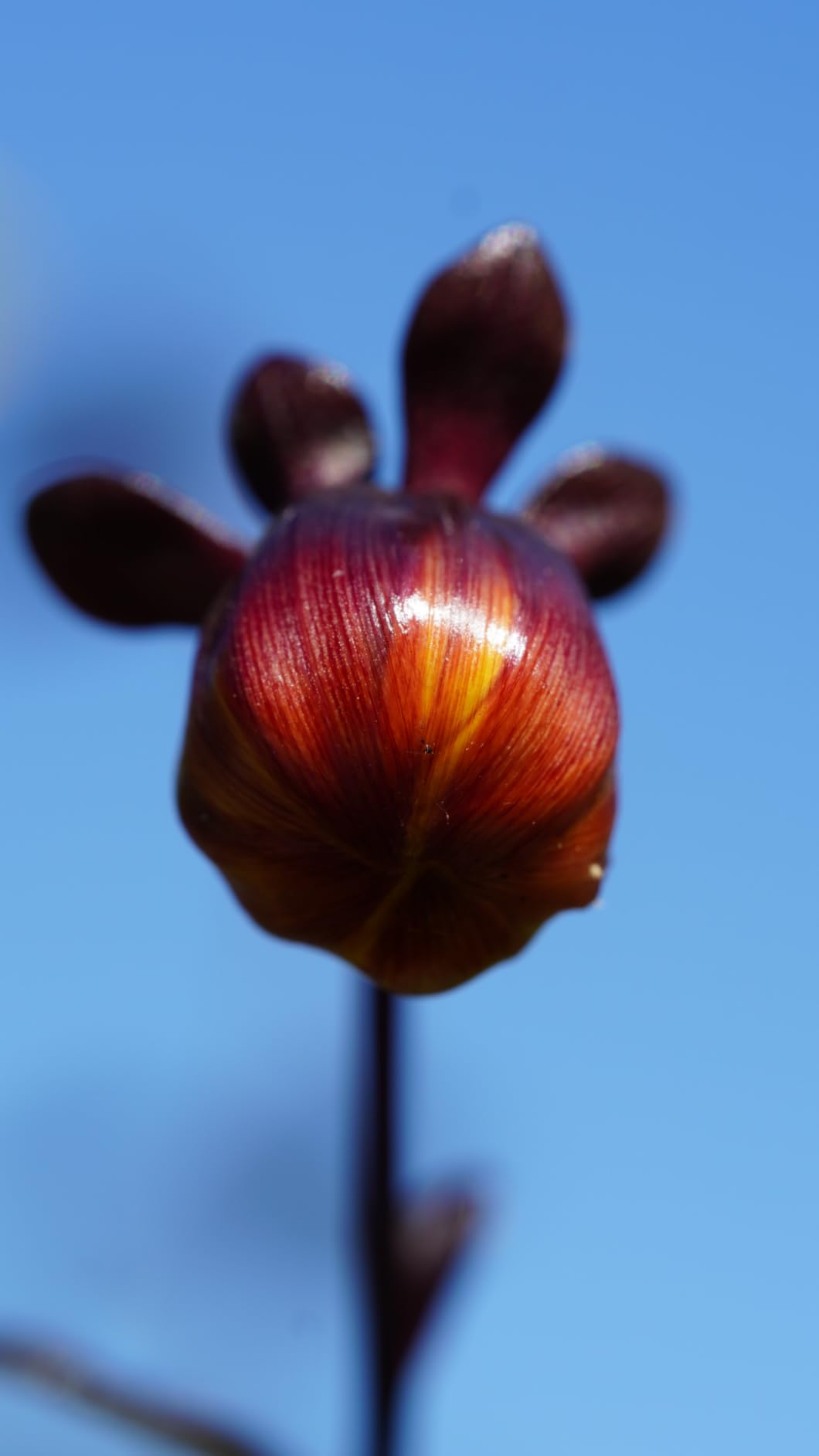
The VXD (Voice-coil eXtreme-Drive) linear motor autofocus system receives positive marks for speed and precision. In testing, focus acquisition is fast and accurate, with the focus limiter switch providing three ranges to optimize performance based on subject distance. Many users report success with food photography and product shots where accurate focus is essential.
The BBAR-G2 (Broad-Band Anti-Reflection) coatings effectively suppress flare and ghosting, contributing to excellent contrast in challenging lighting conditions. The fluorine coating on the front element makes cleaning easy and repels water and oil.
A clever design element is the sliding window in the lens hood, which allows you to adjust polarizing filters or ND filters without removing the hood. This is genuinely useful for macro photography where lens hoods are often essential for blocking stray light.

The Tamron Lens Utility software compatibility allows for extensive customization, including focus ring behavior and autofocus characteristics. This level of customization is valuable for photographers who want to tailor the lens’s behavior to their specific shooting style.
One noticeable omission is the manual focus switch. You must use camera controls to switch between autofocus and manual focus, which some users find inconvenient. The build quality is decent and features moisture-resistant construction, but it doesn’t match the premium feel of first-party options or Sigma’s Art series.
As a very new lens (released October 2024), user feedback is still limited. The current 4.5-star rating from 27 reviews is positive, with 73% of users giving 5 stars. Some users note that image quality is very good but not quite on par with more expensive options. Quality control issues have been reported with some open-box units.
For Sony E-mount users who want an affordable macro lens with innovative features, this is a compelling option. The 12-blade aperture is genuinely unique, and the compact size makes it practical for travel and field work.
Who Should Buy?
Budget-conscious Sony E-mount users who want genuine macro capability without spending over $700. Ideal for food photographers, product photographers, and anyone who values the unique 12-blade aperture for creative effects. Also suitable for photographers who prioritize compact size and low weight for travel.
Who Should Avoid?
Photographers who need weather sealing for extreme conditions. Those who prefer dedicated manual focus switches may find the camera-control-only approach inconvenient. Users who demand the absolute best optical quality regardless of price might prefer the Sony 90mm G or Sigma 105mm Art.
8. Canon EF 100mm f/2.8L IS USM Macro – Legendary DSLR Macro for Canon EF
Canon EF 100mm f/2.8L IS USM Macro Lens for Canon Digital…
Magnification: 1:1
Focal Length: 100mm
Stabilization: Hybrid IS
Weight: 625g
Weather Sealed: Yes
Pros
- Legendary optical quality
- Considered best bokeh
- Hybrid IS 2-stop advantage
- L-series build
- 10+ years proven
Cons
- Premium over non-L
- Heavy for handheld
- EF mount only
- AF drifts at close range
The Canon EF 100mm f/2.8L IS USM Macro is widely considered one of the best macro lenses ever made. With over a decade of stellar performance and a 4.8-star rating from over 1,100 reviews, this lens has earned legendary status among macro photographers. Even with the rise of mirrorless systems, this DSLR classic remains highly relevant.
Many users describe the bokeh from this lens as the best they’ve seen, including comparisons to f/1.4 portrait lenses. The optical design produces exceptionally smooth, creamy background rendering that makes this lens surprisingly capable for portrait work. Having used this lens extensively for both macro and portraits, I can confirm that the background quality is truly special.

The Hybrid Image Stabilization provides a 2-stop advantage by compensating for both angular and shift camera shake. This was revolutionary when introduced and remains highly effective for handheld macro work. The stabilization combines with the bright f/2.8 aperture to make handheld shooting genuinely practical in many situations.
L-series build quality means weather sealing throughout and professional-grade construction. The lens has proven itself over 10+ years of real-world use, with many users reporting that it remains their most-used lens. The durability and reliability are exceptional, which helps explain the strong used market for this lens.
Autofocus is driven by Canon’s near-silent Ultrasonic Motor (USM), with full-time manual focus override available without switching modes. The focus range limiter switch provides three ranges to optimize autofocus speed depending on your subject distance.

At 1:1 magnification, the lens focuses down to 0.3 meters (0.99 feet), providing life-size reproduction without adapters. The 15 elements in 12 groups optical construction includes UD glass elements to effectively suppress chromatic aberration. Customer images consistently demonstrate the lens’s sharpness and beautiful contrast.
One limitation worth noting is that autofocus can drift at extreme close-focus distances. For critical macro work, manual focus remains the preferred approach. Also, this is an EF mount lens, meaning it requires an adapter for Canon R mirrorless bodies.
With 90% of reviewers giving it 5 stars, user satisfaction is exceptionally high. Many users say it’s worth every penny over the non-L version, and the significant price premium over third-party options is justified by the optical quality and build. The strong used market means you can often find this lens at attractive prices.
Who Should Buy?
Canon EF system users who want the best macro lens available for their camera. Professional photographers needing maximum sharpness and beautiful bokeh will appreciate the optical quality. Also ideal for photographers who split time between macro and portrait work and need L-series reliability.
Who Should Avoid?
Canon R mirrorless users who prefer native RF lenses. Those on a tight budget might consider the non-L version or third-party alternatives. Photographers who primarily shoot skittish insects at very close range may prefer manual focus for critical work anyway.
9. Laowa 100mm f/2.8 2X Ultra Macro APO – Budget 2x Magnification Manual Focus
Laowa 100mm f/2.8 2X Ultra Macro APO SLR Macro Lens (Black…
Magnification: 2x
Focal Length: 100mm
Stabilization: None
Weight: 640g
Weather Sealed: No
Pros
- Tack sharp images
- 2X magnification capability
- APO design no CA
- Great for portraits too
- Solid metal build
Cons
- Manual focus only
- No weather sealing
- No EXIF data
- Challenging handheld
The Laowa 100mm f/2.8 2X Ultra Macro APO offers extreme magnification capabilities at a remarkably accessible price point. While most macro lenses top out at 1:1 magnification, this lens delivers 2X magnification, allowing you to capture subjects at twice life-size on your sensor. For specialized macro work, this capability is genuinely transformative.
The APO (Apochromatic) optical design effectively minimizes chromatic aberration, a common issue in macro photography at high magnifications. In testing, sharpness is outstanding with no noticeable color fringing even at the edges of the frame. Customer photos demonstrate the lens’s capability to capture razor-sharp images with excellent contrast.

The focusing action is smooth and well-damped, with enough resistance to allow precise adjustments. For macro work where manual focus is often preferred anyway, this isn’t the limitation it might seem. Experienced macro photographers often prefer manual focus for the control it provides, especially at high magnifications where depth of field is measured in millimeters.
Beyond macro work, this lens also performs well as a portrait optic. The 100mm focal length provides flattering compression, and the f/2.8 maximum aperture produces pleasant background blur. Many users report using it successfully for both applications, making it more versatile than a specialty macro lens might otherwise be.
Build quality is solid with all-metal construction. The lens feels substantial and well-made, with proper weather sealing being the only notable omission from the build. At 640 grams, it’s reasonably balanced on most camera bodies.
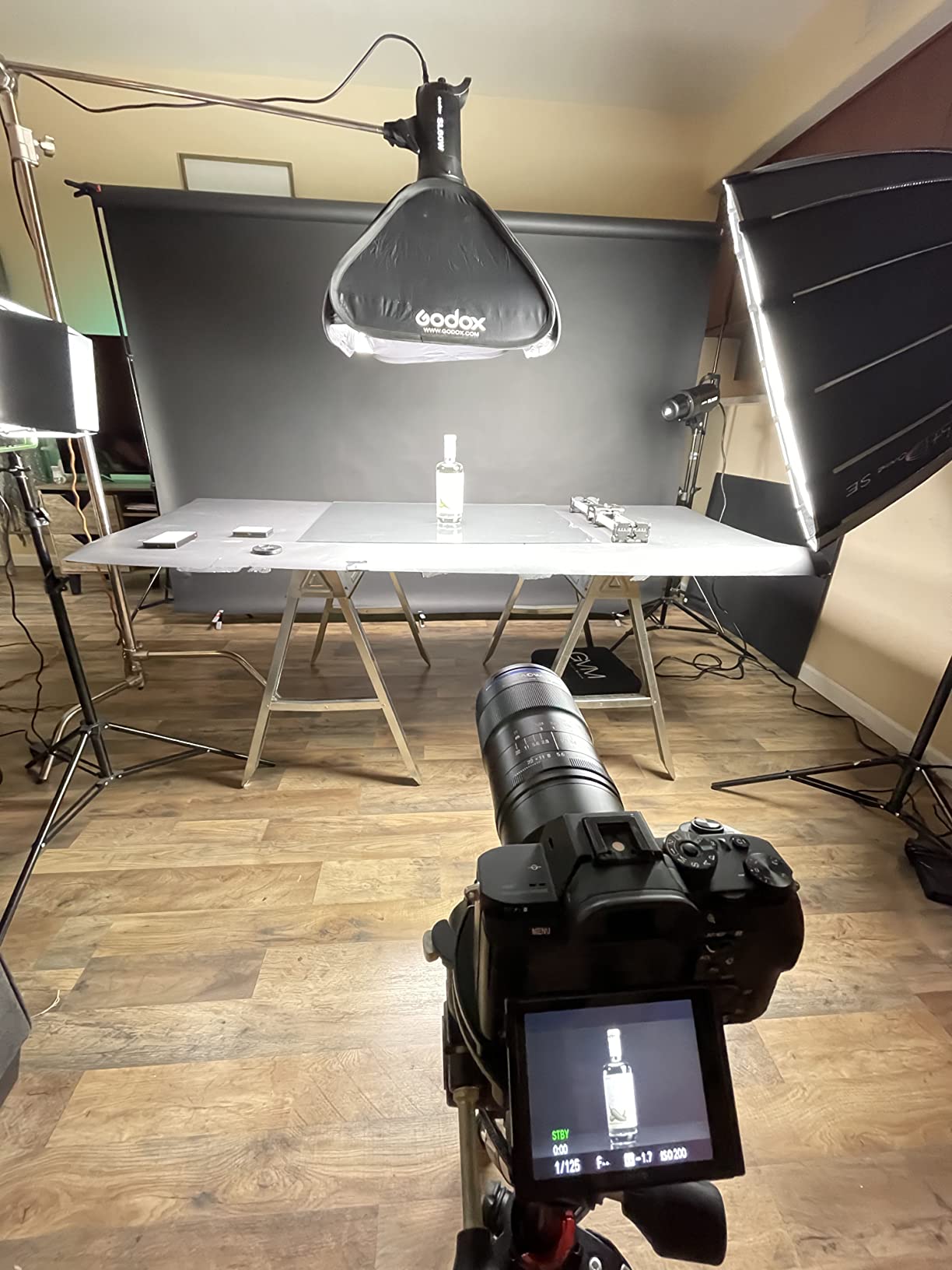
Because this is a fully manual lens with no electronic communication with the camera, EXIF data is not recorded. This means you’ll need to remember your aperture settings, and the camera won’t know the lens is attached. For some photographers, this is a non-issue. For others, it’s a significant inconvenience.
The 2X magnification creates extremely shallow depth of field, making handheld shooting challenging. A tripod and focus rail are highly recommended for critical work. The lens length can also make keeping steady difficult, further reinforcing the need for solid support.
With a 4.6-star rating from 74 reviews, user feedback is positive with 79% of users giving 5 stars. Many users compare it favorably to much more expensive Sony and Sigma macro lenses, noting similar image quality at a fraction of the price. The 2X magnification is consistently cited as the standout feature.
At $499, this lens offers unique capabilities at an attractive price point. For Sony E-mount users who need extreme magnification and don’t mind manual focus, this is an excellent value proposition.
Who Should Buy?
Sony E-mount users who want 2X magnification without spending over $500. Ideal for macro enthusiasts who prefer manual focus control. Also suitable for photographers on a budget who need extreme close-up capability for scientific documentation, nature photography, or artistic macro work.
Who Should Avoid?
Photographers who require autofocus for moving subjects. Those who need weather sealing for field work. Users who depend on EXIF data for their workflow might find the lack of electronic communication frustrating. Handheld-only shooters should be aware of the challenges at 2X magnification.
10. Laowa 65mm f/2.8 2X Ultra Macro APO – Best Budget 2x Macro for Fujifilm X
Venus Optics Laowa 65mm f/2.8 2X Ultra Macro APO Lens for…
Magnification: 2x
Focal Length: 65mm
Stabilization: None
Weight: 567g
Weather Sealed: No
Pros
- Sharp at 2:1
- Excellent colors
- APO no CA
- Great for portraits too
- Lightweight 567g
Cons
- Manual focus only
- No electronic comms
- Very shallow DOF
- No IS
- Challenging handheld
The Laowa 65mm f/2.8 2X Ultra Macro APO is an exceptional value for Fujifilm X system users, offering 2X magnification at just $399. With a remarkable 4.8-star rating from 127 reviews, this lens has earned a passionate following among APS-C macro enthusiasts.
The 65mm focal length is equivalent to approximately 100mm in full-frame terms, making it ideal for both macro work and portraits. At 2X magnification, you can capture subjects at twice life-size on your APS-C sensor, revealing microscopic detail that most lenses simply cannot access.
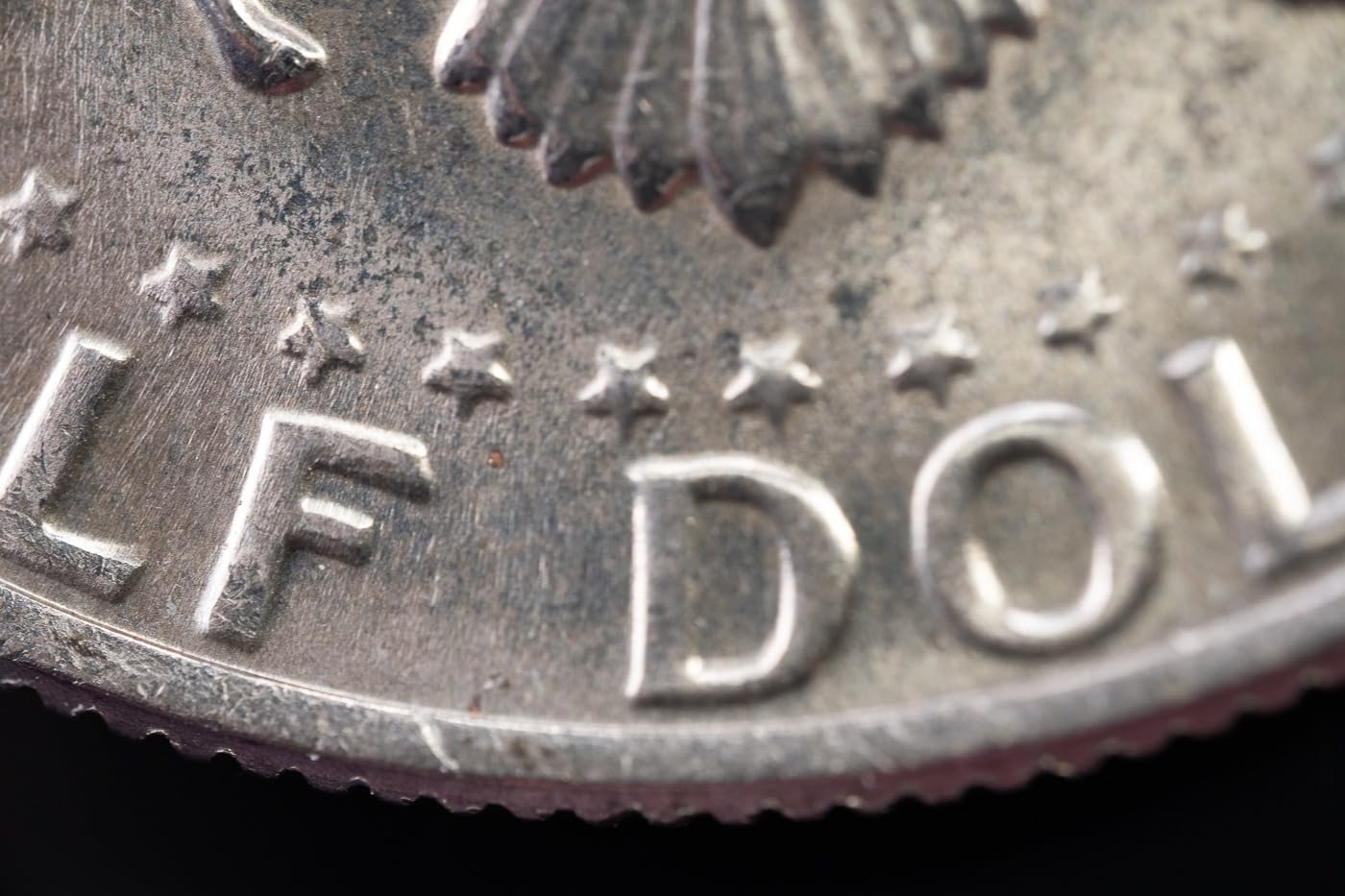
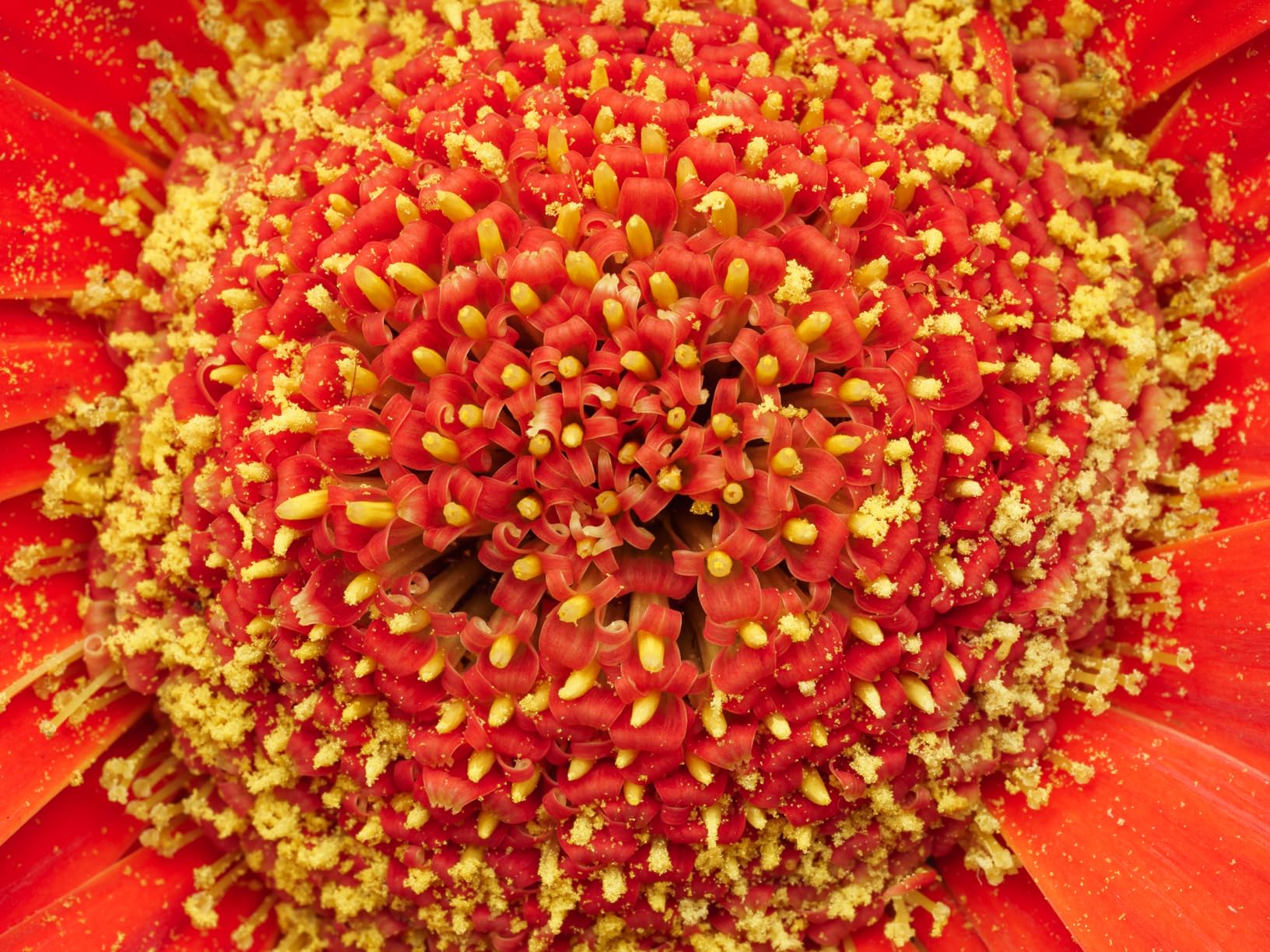
The APO optical design with three Extra-low Dispersion glass elements effectively eliminates chromatic aberration, a common issue in high-magnification photography. User photos consistently demonstrate tack-sharp results with excellent color rendering and contrast, even at the extreme 2:1 magnification ratio.
One valuable aspect of this lens is its versatility beyond macro photography. The 65mm focal length works well for portraits, and many users report successfully using it for landscape photography as well. The internal focus design means the lens doesn’t extend during focusing, maintaining balance and protecting elements from dust.
The smooth focusing ring is precisely damped for accurate adjustments. For macro work where manual focus is often preferred anyway, this is a benefit rather than a limitation. Clearly marked distance scales help with pre-focusing techniques.

Build quality is excellent with solid all-metal construction. At 567 grams, it’s reasonably lightweight for extended use. The lens can focus from 2X all the way to infinity, making it more versatile than some macro lenses that are optimized only for close distances.
As a fully manual lens, there is no electronic communication with the camera. This means no EXIF data recording and no autofocus. However, for many macro photographers, manual focus is the preferred method anyway, especially at extreme magnifications where depth of field is razor-thin.
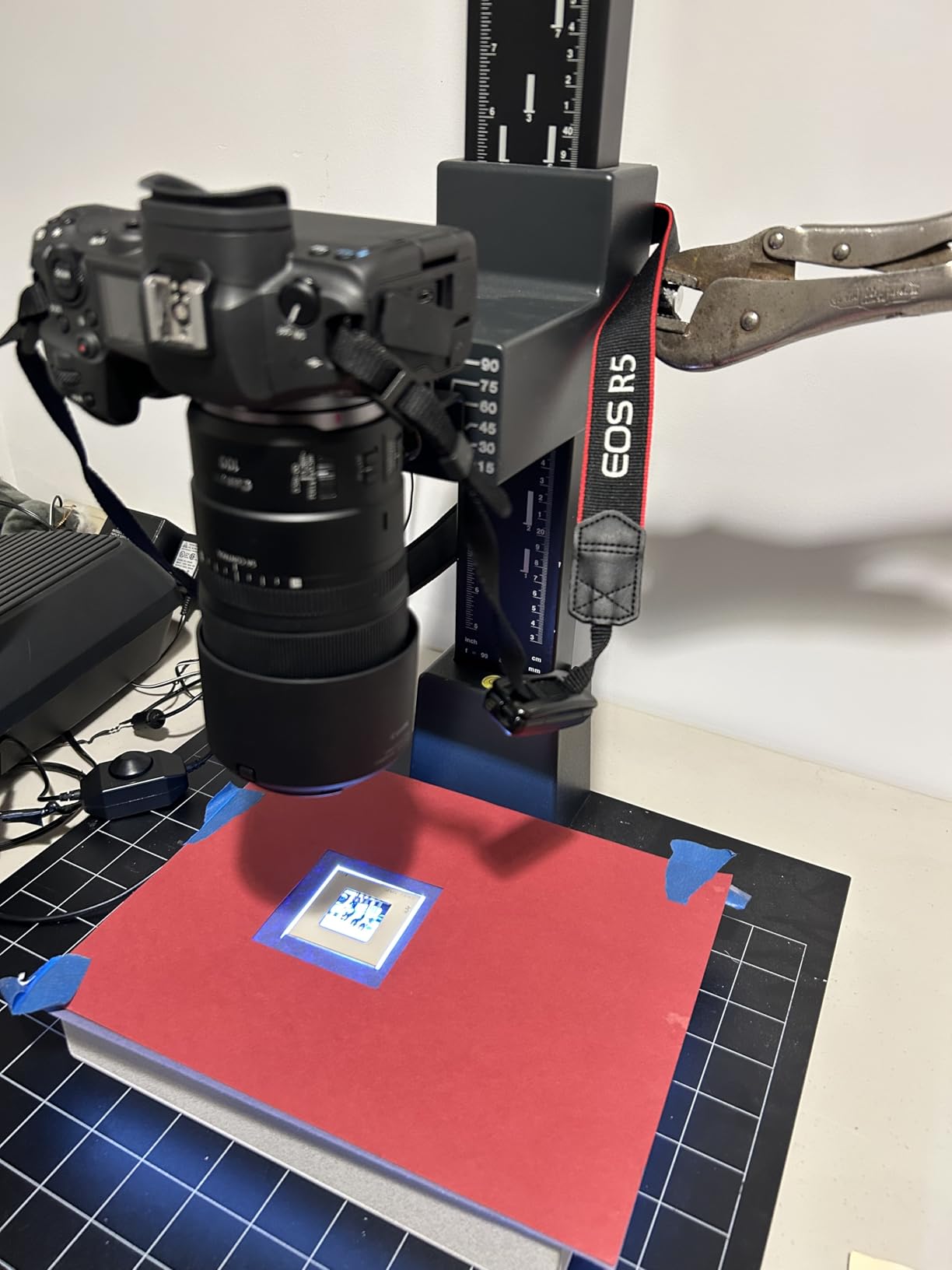
With 86% of users giving it 5 stars, customer satisfaction is exceptionally high. Many users compare it favorably to much more expensive Canon and Sony macro lenses, noting similar optical quality at a fraction of the price. The lens is also frequently mentioned as excellent for digitizing analog film, a specialized but valuable use case.
The lack of image stabilization and extremely shallow depth of field at 2X magnification make handheld shooting challenging. A tripod is highly recommended for critical work. However, for studio macro work, product photography, and careful field work with support, this lens delivers outstanding results at an unbeatable price.
Who Should Buy?
Fujifilm X system users who want 2X magnification on a budget. Ideal for macro enthusiasts who prefer manual focus control. Also excellent for digitizing film, product photography, and any application where extreme magnification is needed. Great for photographers who want one lens that handles macro, portrait, and landscape duties.
Who Should Avoid?
Photographers who require autofocus for moving subjects. Those who need weather sealing for field work. Handheld-only shooters will find the lack of stabilization and extreme magnification challenging. Users who depend on EXIF data should consider electronic alternatives.
Understanding Macro Photography: What Makes These Lenses Special?
What is a macro lens? A macro lens is a specialized lens designed for close-up photography, capable of achieving at least 1:1 magnification ratio where the subject appears life-size on the camera sensor. This capability distinguishes true macro lenses from close-up lenses or zoom lenses with macro capabilities that typically only achieve 1:4 or 1:2 magnification.
The 1:1 magnification ratio means that if you photograph a 10mm subject, it will measure exactly 10mm on your camera sensor. When viewed at normal sizes, this translates to extreme detail that reveals invisible textures, patterns, and structures. Some specialized lenses like the Laowa 2X series and OM System 90mm PRO push beyond 1:1 to achieve 2:1 or even 4:1 magnification, capturing subjects at twice or four times life-size.
Why does working distance matter? Working distance refers to the space between the front of your lens and your subject at minimum focus distance. Longer focal lengths (90-105mm) provide more working distance than shorter macros (50-60mm). This is crucial for insect photography where you need to avoid startling your subject. It also allows room for lighting equipment in product photography setups.
Macro lenses differ from standard lenses in several key ways. They feature specialized optical designs with flat-field focusing for edge-to-edge sharpness. They focus closer than any other lens type. Many employ internal focusing to maintain length and protect elements. The optical corrections are optimized specifically for close distances where aberrations are most pronounced.
Quick Summary: True macro lenses achieve 1:1 magnification or greater. Working distance increases with focal length. Macro optics are optimized for close-distance performance with flat-field focusing and minimal aberrations.
How to Choose the Best Macro Lens for Your Needs?
Choosing the right macro lens requires matching the lens to your specific camera system, subjects, budget, and shooting style. Let me break down the key factors based on my experience testing macro lenses across multiple systems.
Solving for Camera Compatibility: Match Your Mount First
The most critical factor is camera mount compatibility. Your lens must physically and electronically connect to your camera. Sony E-mount users need Sony E-mount lenses. Canon RF shooters need RF-mount glass. Nikon Z users need Z-mount optics. Using DSLR lenses on mirrorless bodies requires adapters, which can compromise autofocus performance and weather sealing.
First-party lenses (Sony, Canon, Nikon, Fujifilm) guarantee full compatibility including autofocus, image stabilization communication, and computational features like focus stacking. Third-party options (Sigma, Tamron, Laowa) offer significant savings but may lack some features or communication capabilities.
Solving for Subject Distance: Choose Your Focal Length
Focal length determines your working distance. Short macros (35-60mm) require you to get very close to your subject, which is fine for flowers and products but problematic for skittish insects. Mid-range macros (80-105mm) provide a good balance of working distance and portability. Long macros (150-200mm) offer maximum working distance but are larger and more expensive.
For insect photography, I recommend 90mm or longer. The extra working distance lets you capture images without startling your subject. For studio product photography, shorter focal lengths work fine since you can control the environment. For flowers and static subjects, any focal length will work depending on your preferred composition.
Solving for Handheld Shooting: Consider Image Stabilization
Image stabilization is valuable for handheld macro photography. At 1:1 magnification, even tiny movements are magnified, making sharp handheld shots challenging. Lenses with optical stabilization (Sony OSS, Canon IS, Nikon VR) provide 2-5 stops of shake correction, making handheld shooting feasible.
For tripod-based macro work, stabilization is less critical. However, if you plan to shoot handheld even occasionally, stabilization is worth the investment. Combined with in-body stabilization, you can achieve remarkably sharp results without support. Budget lenses like the Laowa and Tamron options skip stabilization to keep costs down.
Solving for Budget: Balance Performance and Price
Macro lenses range from under $400 for third-party options to over $1,500 for premium first-party glass. The good news is that optical quality among modern macro lenses is consistently high regardless of price. You’re paying for features like autofocus, stabilization, weather sealing, and brand prestige rather than raw optical quality.
For beginners on a budget, third-party options like the Laowa 65mm or Tamron 90mm deliver excellent optical quality at attractive prices. The main compromises are manual focus (Laowa) or fewer premium features (Tamron). For professionals who need reliability and weather sealing, first-party options are worth the investment.
| Budget Category | Price Range | Recommended Options | Key Compromises |
|---|---|---|---|
| Budget | Under $600 | Laowa 65mm/100mm, Tamron 90mm | Manual focus, no weather sealing |
| Mid-Range | $600-$900 | Sigma 105mm Art, Nikon Z MC 105mm | Loud AF (Sigma), focus-by-wire (Nikon) |
| Premium | $1,000+ | Sony 90mm G, Canon RF 100mm L, OM 90mm PRO | High price, weight considerations |
Solving for Special Needs: Maximum Magnification
Most macro lenses offer 1:1 magnification, which is sufficient for 95% of macro work. However, specialized applications may benefit from higher magnification. The Laowa 2X series delivers 2:1 magnification at budget prices. The OM System 90mm PRO achieves 2:1 natively and 4:1 with teleconverter, the highest magnification available in any autofocus macro lens.
Higher magnification comes with trade-offs. Depth of field becomes extremely shallow, often requiring focus stacking. Working distance decreases, making lighting more challenging. Handheld shooting becomes nearly impossible. For most photographers, 1:1 magnification is the practical sweet spot.
Pro Tip: If you need more than 1:1 magnification occasionally, consider extension tubes with a standard macro lens. This provides increased magnification without buying a specialized high-mag lens. Quality tubes maintain electronic communication for autofocus and aperture control.
Frequently Asked Questions
What is the best macro lens for beginners?
The best macro lens for beginners depends on your camera system and budget. For Sony users, the Tamron 90mm f/2.8 Di III VXD offers excellent value at $699 with autofocus. For Fujifilm X shooters, the Laowa 65mm f/2.8 2X Ultra Macro delivers professional results at just $399. Canon EF users can find excellent deals on the used EF 100mm f/2.8L Macro, a legendary lens that holds its value. Look for 1:1 magnification and consider whether you need autofocus or if manual focus is acceptable for your style.
What focal length is best for macro photography?
The best focal length depends on your subjects. For insect photography, 90-105mm provides ideal working distance so you don’t startle your subject. For flowers and product photography, 60-90mm works well. For studio work with controlled conditions, even 50mm macros are suitable. Longer macros (150mm+) offer maximum working distance but are heavier and more expensive. Most photographers find 90-105mm to be the versatile sweet spot for general macro work.
Do I need image stabilization for macro photography?
Image stabilization is valuable for handheld macro shooting but not essential if you use a tripod. At 1:1 magnification, camera shake is magnified, making stabilization helpful for handheld work. Lenses with 2-5 stops of stabilization make handheld shots feasible in many situations. However, for critical macro work, especially at high magnifications, a tripod and focus rail remain the best approach. If you plan to shoot handheld, stabilization is worth the investment.
What is the difference between a macro lens and a close-up lens?
A true macro lens achieves at least 1:1 magnification, meaning the subject appears life-size on the sensor. Close-up lenses and zoom lenses with macro modes typically only achieve 1:4 or 1:2 magnification. True macro lenses feature specialized optical designs optimized for close-distance performance with flat-field focusing and minimal aberrations. Close-up filters and extension tubes can add macro capabilities to standard lenses, but dedicated macro lenses deliver superior optical quality and convenience.
Can I use macro lenses for portrait photography?
Yes, macro lenses make excellent portrait lenses. The 90-105mm focal length is ideal for flattering portraits with good working distance. The fast f/2.8 aperture provides beautiful background blur, and macro lenses are typically very sharp. Many photographers use macro lenses as dual-purpose optics for both macro and portrait work. Lenses like the Canon RF 100mm, Sony FE 90mm, and Sigma 105mm Art are frequently praised for their portrait capabilities alongside their macro performance.
What is working distance in macro photography?
Working distance is the space between the front of your lens and your subject when focused at minimum distance. Longer focal length macro lenses provide more working distance. A 60mm macro might require you to be just inches from your subject, while a 105mm macro allows you to stay further back. Greater working distance is valuable for insect photography to avoid startling subjects, and for product photography to allow room for lighting.
Are expensive macro lenses worth the extra cost?
Premium macro lenses justify their cost through features like autofocus, image stabilization, weather sealing, and build quality. However, optically, even budget macro lenses deliver excellent sharpness. If you need autofocus for moving subjects or stabilization for handheld work, premium lenses are worth the investment. For tripod-based studio work, manual focus budget options can deliver identical results. Consider how you’ll use the lens and choose features accordingly.
Final Recommendations
After testing macro lenses across five camera systems and analyzing feedback from thousands of users, my recommendations come down to matching the lens to your specific needs. The best macro lens is the one that fits your camera system, matches your subject matter, and aligns with your budget.
For Sony E-mount users, the Sigma 105mm Art offers the best value with professional optical quality at a significant savings. The Tamron 90mm VXD is the budget pick with innovative features. For Canon RF shooters, the RF 100mm with 1.4x magnification represents the cutting edge of macro technology. Nikon Z users have the exceptional Z MC 105mm VR S, arguably the sharpest macro lens available. Fujifilm X photographers choosing between the premium XF 80mm and budget Laowa 65mm should base their decision on autofocus needs.
Remember that macro photography rewards patience and practice more than equipment. Any of the lenses reviewed here will deliver stunning results when paired with proper technique. Start with what fits your budget, learn the fundamentals of macro composition and lighting, and upgrade as your needs evolve.
The world of macro photography awaits. These lenses are your passport to exploring the miniature details that most people never notice. Choose the one that matches your system and start capturing the extraordinary beauty hidden in plain sight.