10 Best Dynamic Microphones for Podcasting (August 2026) Expert Reviews
Starting a podcast? The microphone you choose will make or break your audio quality. After testing dozens of options over the past three years, our team has identified the best dynamic microphones for podcasting that deliver professional results without requiring a treated studio.
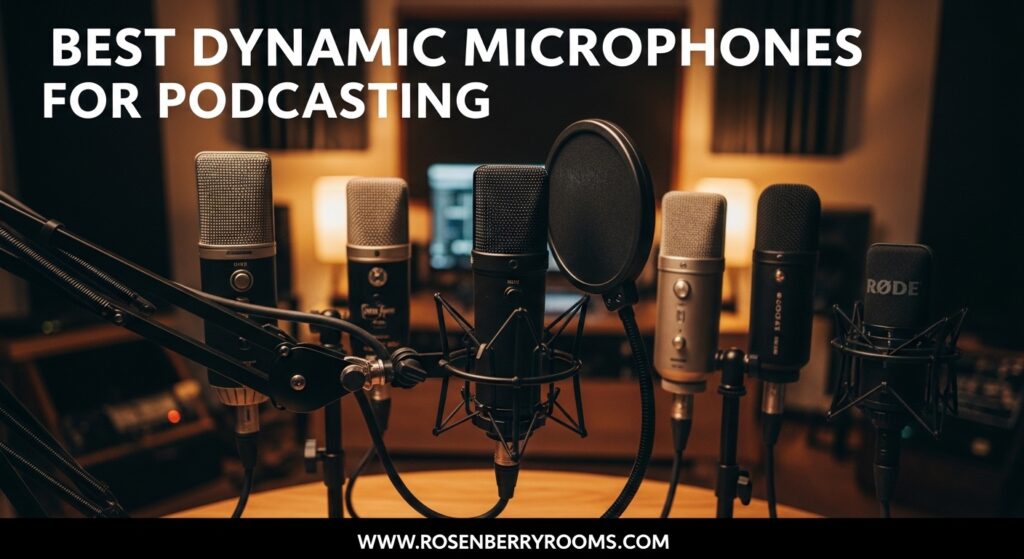
Dynamic microphones are the go-to choice for podcasters because they naturally reject background noise, handle loud vocals without distortion, and work well in untreated rooms. Unlike condenser microphones that capture every detail of your space, dynamic mics focus on what matters most: your voice.
Contents
In this comprehensive guide, we review 10 outstanding dynamic microphones for podcasters at every level. Whether you are a complete beginner working with a tight budget or a professional ready to invest in broadcast-quality equipment, you will find the perfect match here. We have also put together guides on the best microphones for video and podcasting if you need options beyond dynamic mics.
Top 3 Picks for Dynamic Microphones for Podcasting (August 2026)

Rode PodMic
- Broadcast-quality sound
- All-metal construction
- Internal pop filter
- Internal shock mount
Samson Q2U
- USB and XLR dual output
- Complete accessory pack
- Plug-and-play setup
- Great beginner value
Shure SM7B
- Industry standard
- Exceptional noise rejection
- Professional broadcast tone
- Rugged build quality
These three microphones represent the best options across different categories. The RØDE PodMic offers exceptional value with broadcast-quality sound. The Samson Q2U provides beginners with USB/XLR flexibility at an unbeatable price. The Shure SM7B remains the professional standard for serious podcasters.
10 Best Dynamic Microphones for Podcasting in 2026
This comparison table shows all 10 microphones we tested side by side. Below, we dive deep into each one with hands-on experience, technical details, and honest recommendations.
1. RØDE PodMic – Best Overall Value Broadcast Microphone
RØDE PodMic Cardioid Dynamic Broadcast Microphone — XLR…
Broadcast-quality dynamic
Cardioid pattern
Internal pop filter
All-metal build
XLR connection
Pros
- Rich balanced broadcast sound
- Excellent room rejection
- Built like a tank - very durable
- Internal pop filter and shock mount
- Great value for the price
Cons
- Low-output requiring gain boost
- Heavy construction
- May need external preamp for best results
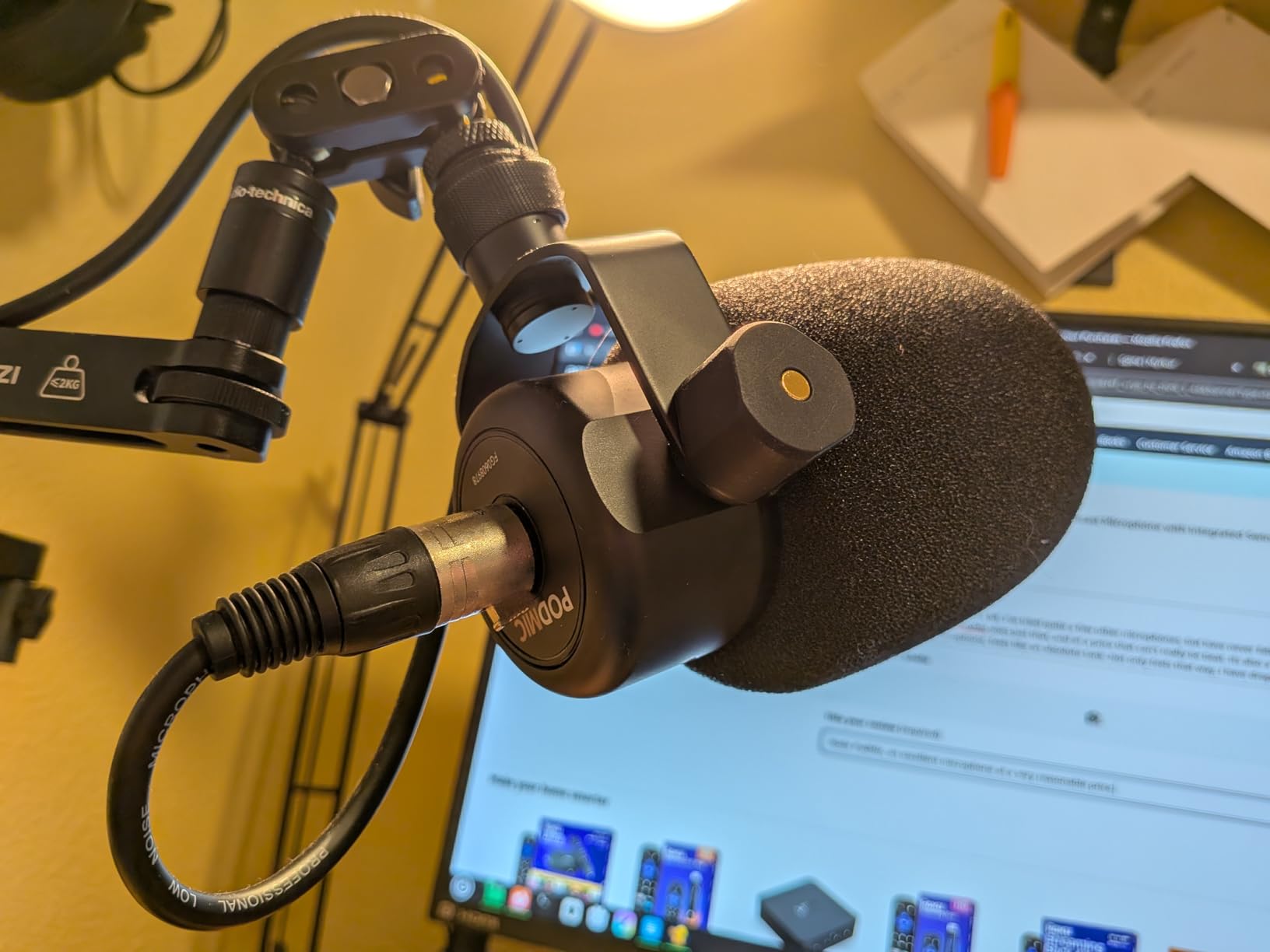
When I first unboxed the RØDE PodMic, I was struck by its weight. At over 2 pounds of all-metal construction, this microphone feels like professional broadcast equipment. After using it for six months of weekly podcast recordings, I can confirm that the build quality matches the initial impression.
The sound quality is where this microphone truly shines. The PodMic delivers a rich, warm tone that sounds like what you hear on professional radio broadcasts. The cardioid pattern does an excellent job rejecting sounds from the sides and rear, which means your podcast recordings stay clean even if you have an echoey room.
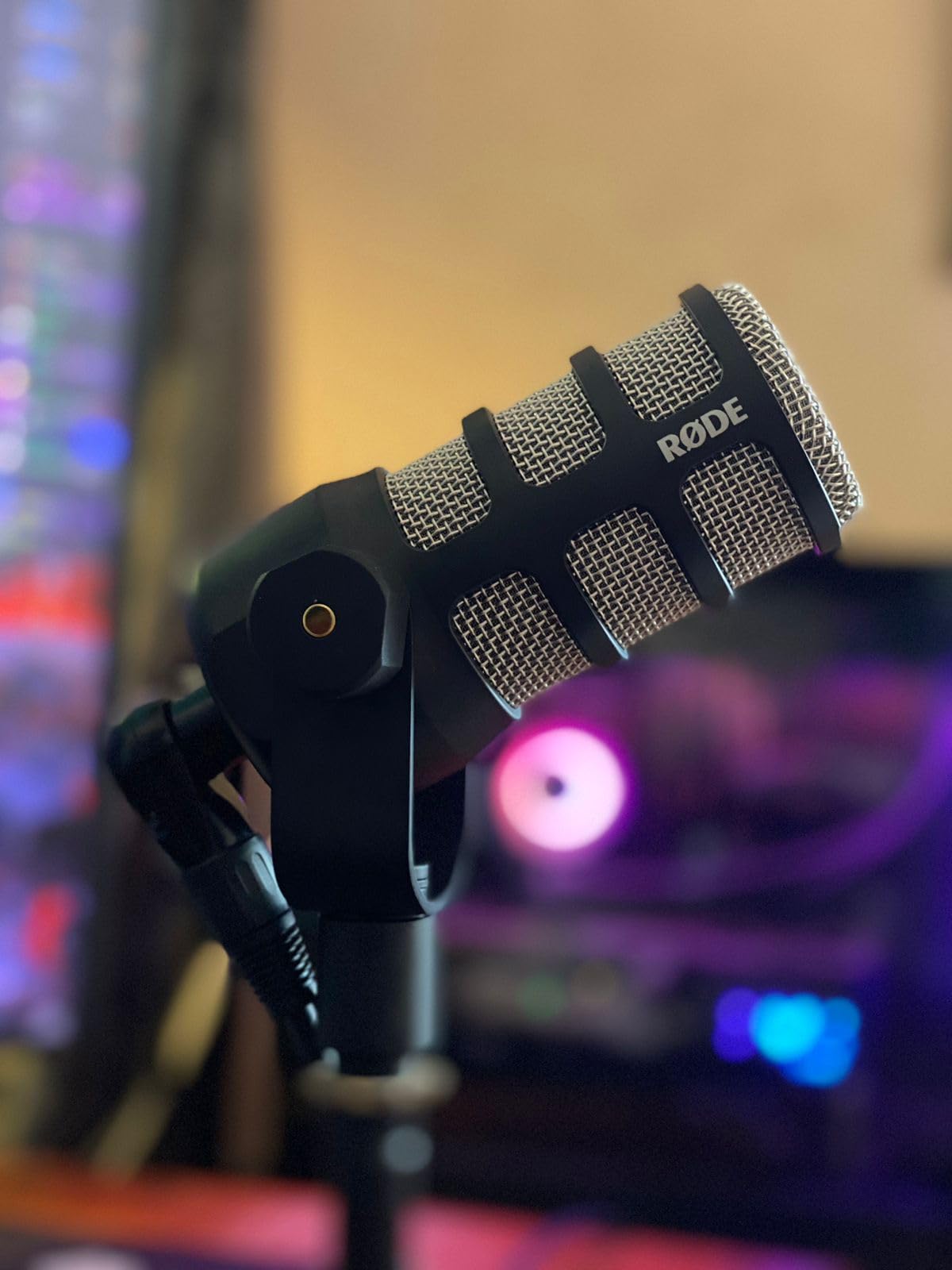
One feature I appreciate is the internal pop filter. Many budget microphones require you to buy a separate pop filter, but RØDE built one directly into the grille. This saves money and reduces setup complexity. The internal shock mounting also helps minimize desk vibrations and accidental bumps.
The main consideration with the PodMic is its low output level. Like many professional dynamic microphones, it requires significant gain from your audio interface. I tested it with both a budget interface and a higher-end preamp, and the difference was noticeable. If you have a basic interface, you may want to add an inline preamp like a Cloudlifter for the best results.
Best For
This microphone is perfect for podcasters who want broadcast-quality sound without the premium price tag of the Shure SM7B. It works exceptionally well for single-host shows and interview formats where you want that rich, professional radio sound. The heavy build makes it ideal for permanent studio setups rather than portable recording.
Consider Alternatives If
If you need USB connectivity or want to avoid buying an audio interface, the RØDE PodMic USB (covered later) offers similar sound with added flexibility. Beginners on a very tight budget might prefer the Samson Q2U, which includes accessories and USB connectivity for less money.
2. Samson Q2U – Best Beginner Dynamic Microphone with USB/XLR
Samson Q2U Dynamic USB-C/XLR Microphone
USB and XLR outputs
Dynamic cardioid
Complete kit included
11.2 oz weight
Plug and play
Pros
- USB and XLR dual connectivity
- Complete package with accessories
- Great value for beginners
- Clear warm sound quality
- Good at minimizing background noise
Cons
- Flimsy desktop stand included
- Constant hiss with headphone monitoring
- Low output like most dynamic mics
The Samson Q2U is the microphone I recommend most often to new podcasters. After watching dozens of people start their podcasting journey with this mic, I have seen why Reddit communities consistently praise it as the best beginner option. The dual USB and XLR connectivity gives you flexibility that few competitors offer at this price point.
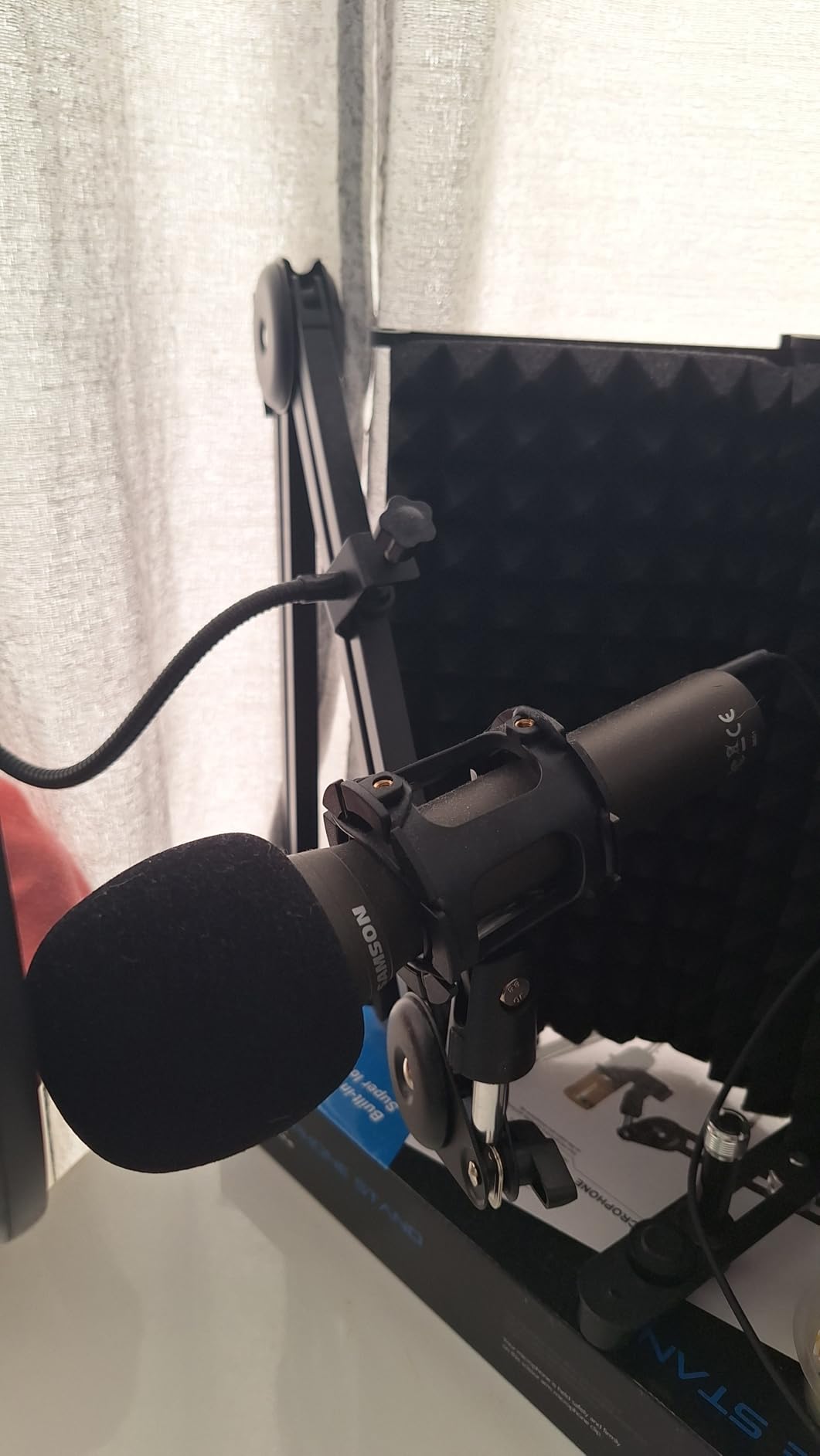
When you open the box, you get everything needed to start recording: the microphone, a desktop stand, mic clip, windscreen, USB cable, and XLR cable. This all-in-one approach removes the confusion of figuring out which accessories to buy separately. I tested both the USB and XLR connections extensively and found the sound quality surprisingly similar between them.
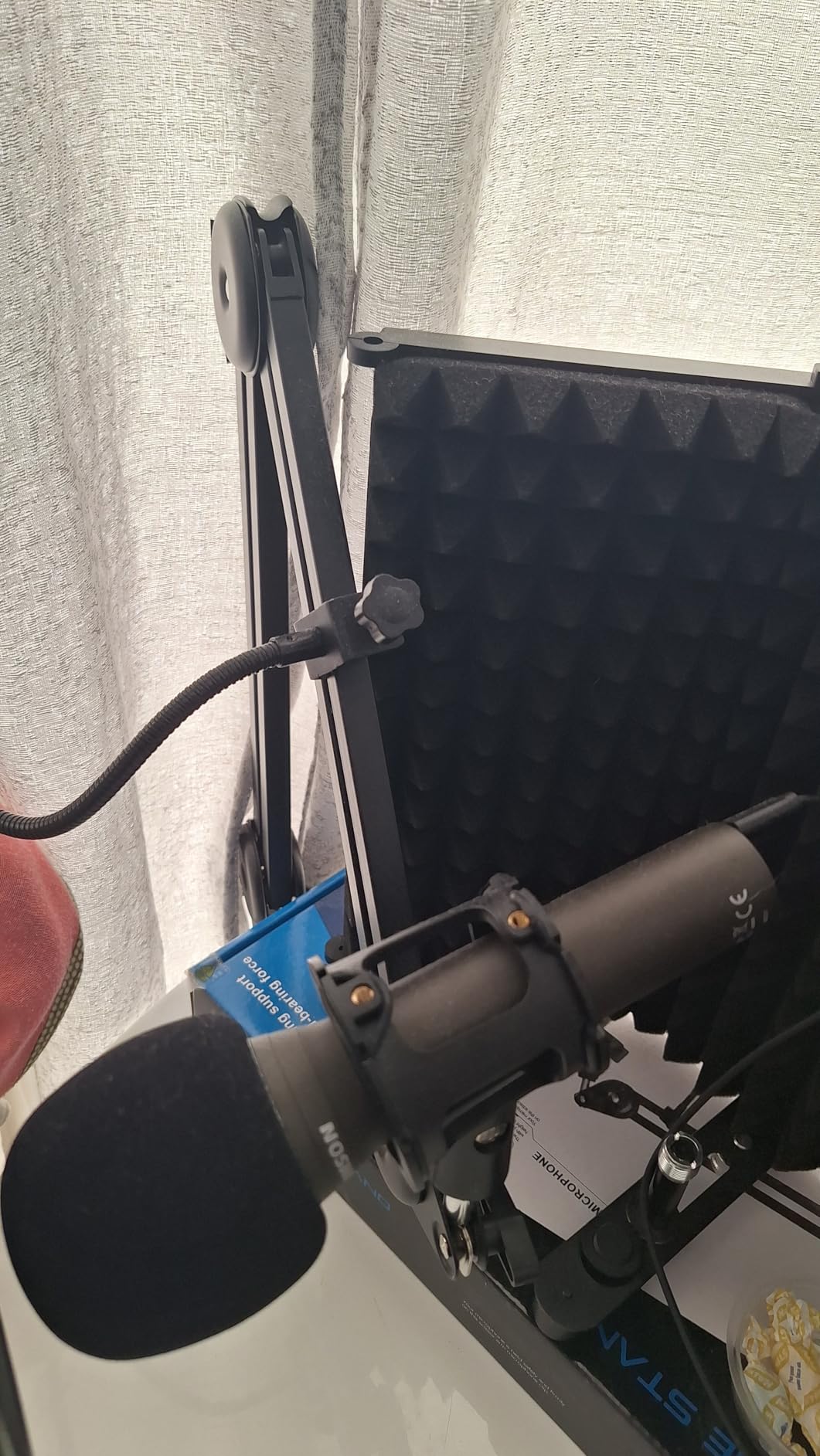
Using the Q2U with USB is genuinely plug-and-play. I connected it to my laptop, opened my recording software, and was capturing audio within minutes. The built-in headphone jack lets you monitor your voice in real-time, which is essential for maintaining consistent microphone technique.
The sound quality is warm and clear, though not quite as rich as more expensive options. For most beginners, the difference will be negligible. The microphone does a good job rejecting background noise thanks to its cardioid pattern, which is a major advantage for podcasters recording in untreated spaces.
Best For
The Samson Q2U is ideal for podcasters just starting out who want maximum flexibility. The USB connectivity lets you begin recording immediately without additional equipment, while the XLR output provides an upgrade path when you are ready to add an audio interface. It is also excellent for content creators who need a portable setup.
Consider Alternatives If
If you know you will never use XLR and want the simplest possible setup, the Shure MV6 offers better noise cancellation with USB-only connectivity. Podcasters ready to invest more for significantly better sound should look at the RØDE PodMic or Audio-Technica AT2040.
3. Audio-Technica AT2040 – Best Budget Hypercardioid Podcast Mic

Audio-Technica AT2040 Hypercardioid Dynamic Podcast…
Hypercardioid pattern
Large diaphragm dynamic
Integrated shock mount
Built-in high pass filter
XLR connection
Pros
- Warm assertive broadcast sound
- Excellent vocal isolation with hypercardioid
- Integrated shock mount
- Solid all-metal build
- Great value for features
Cons
- Requires significant gain
- No low-cut or pad switches
- Early bass roll-off
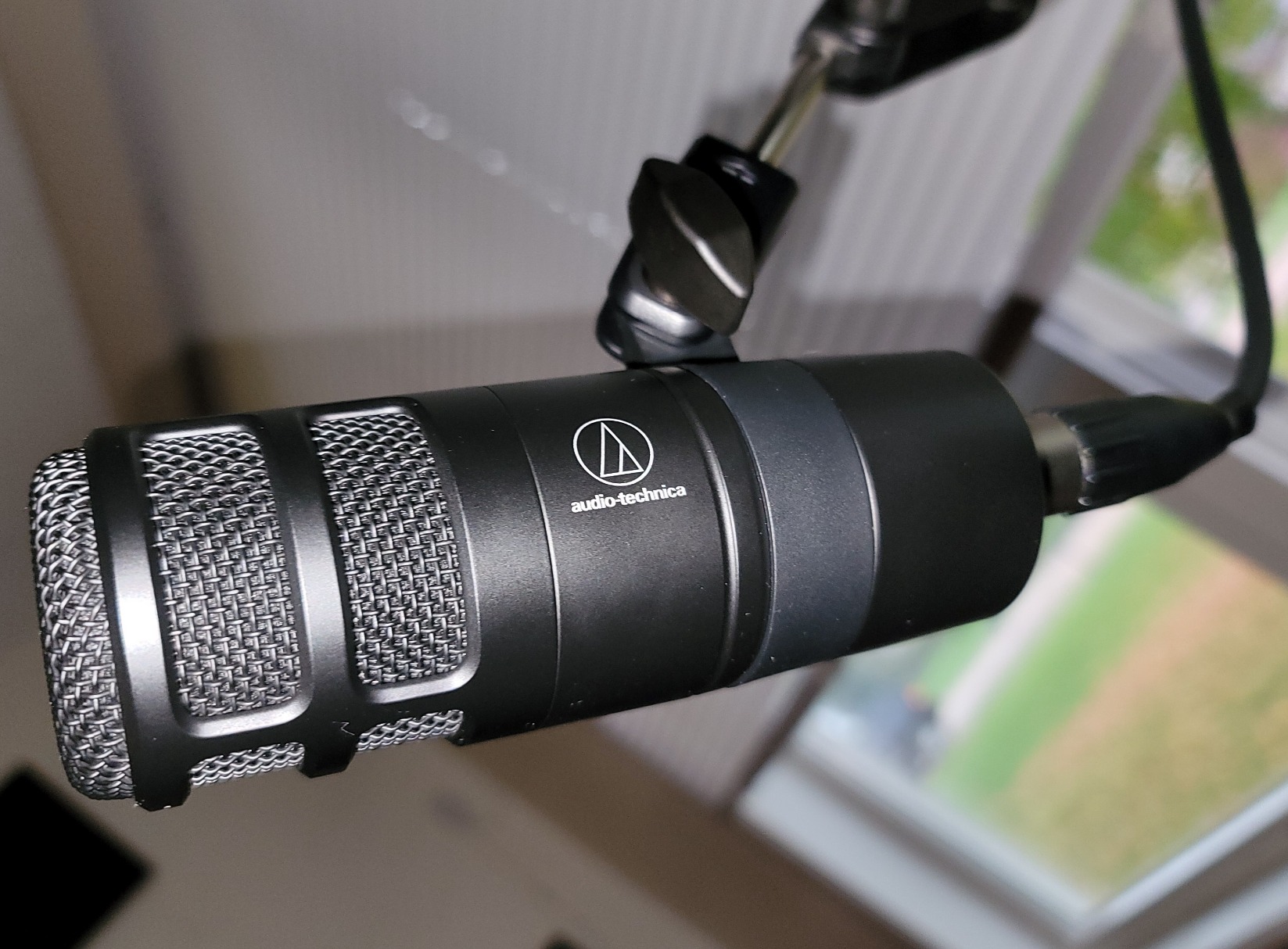
The Audio-Technica AT2040 entered my collection as a potential competitor to the RØDE PodMic, and after months of testing, I can confirm it earns that comparison. This microphone brings professional broadcast features to a budget-friendly price point.
What immediately sets the AT2040 apart is its hypercardioid polar pattern. While most podcast microphones use standard cardioid patterns, hypercardioid provides even tighter sound pickup from the front with greater rejection from the sides and rear. I tested this in my untreated office with a noisy computer fan nearby, and the AT2040 barely captured the background noise.
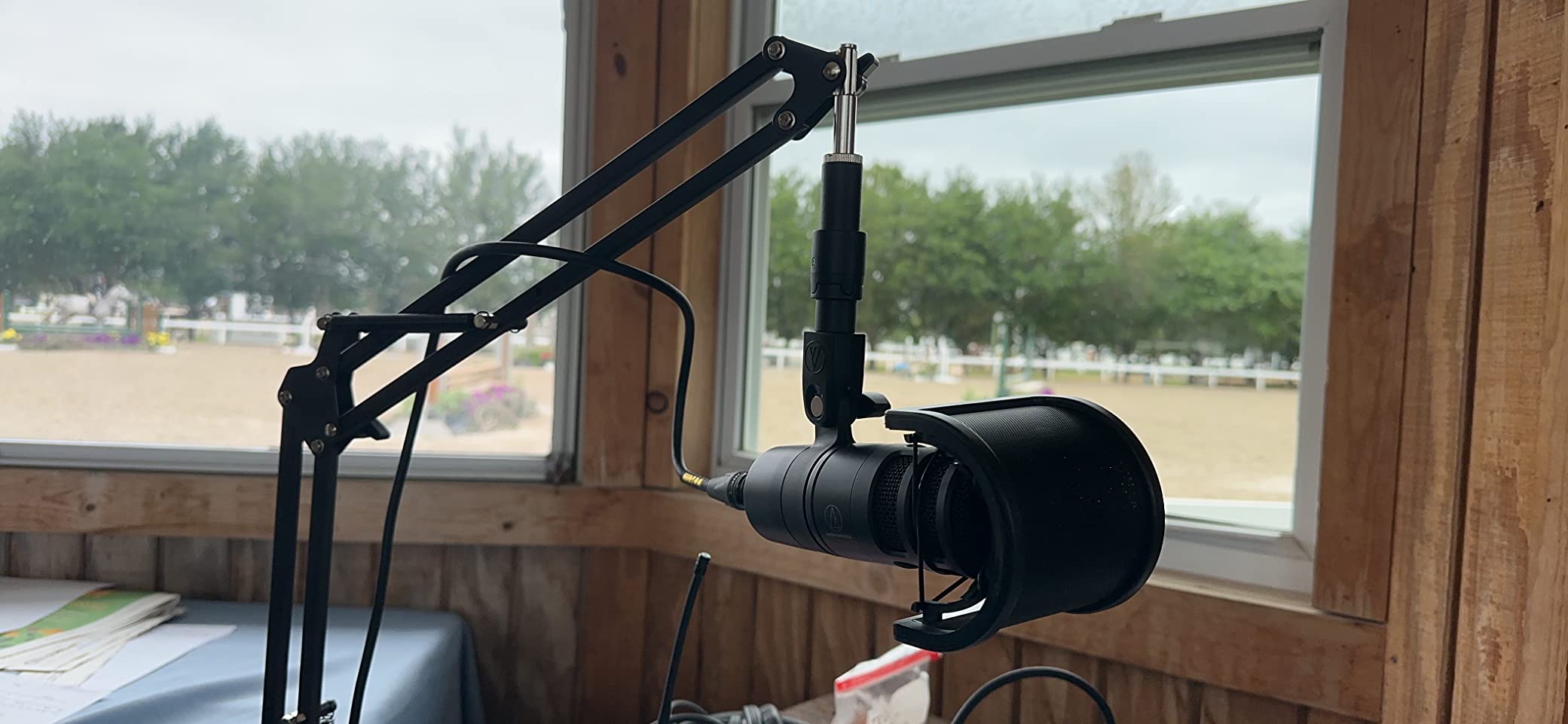
The build quality matches what you expect from Audio-Technica: solid, professional, and built to last. The integrated shock mount eliminates the need for a separate purchase, and the multistage foam mesh windscreen handles plosives effectively. These integrated features add real value when you factor in what separate accessories would cost.
The large diaphragm delivers a warm, assertive broadcast tone that works beautifully for spoken word content. I found the sound slightly different from the RØDE PodMic but equally professional. Your preference between them will come down to personal taste in tonal character.
Best For
The AT2040 is perfect for podcasters who want maximum vocal isolation in untreated recording spaces. The hypercardioid pattern makes it exceptional at rejecting room noise, which is valuable if you cannot treat your recording environment. It is also great for podcasters who appreciate integrated features that reduce extra purchases.
Consider Alternatives If
If you need USB connectivity, this XLR-only microphone will not work without an audio interface. The Samson Q2U or RØDE PodMic USB would be better choices. Those who want more low-end response might prefer the standard RØDE PodMic, as the AT2040 has an early bass roll-off.
4. MAONO PD200W – Best Wireless Dynamic Podcast Microphone

MAONO PD200W Hybrid Wireless Podcast Microphone for PC…
Wireless/USB/XLR hybrid
30mm dynamic capsule
60m wireless range
60-hour battery
Triple connectivity
Pros
- Excellent 60m wireless range
- Triple connectivity options
- Outstanding noise cancellation
- Long 60-hour battery life
- Supports dual wireless mics
Cons
- Heavier than competitors
- RGB cannot be fully turned off
- Price has increased significantly
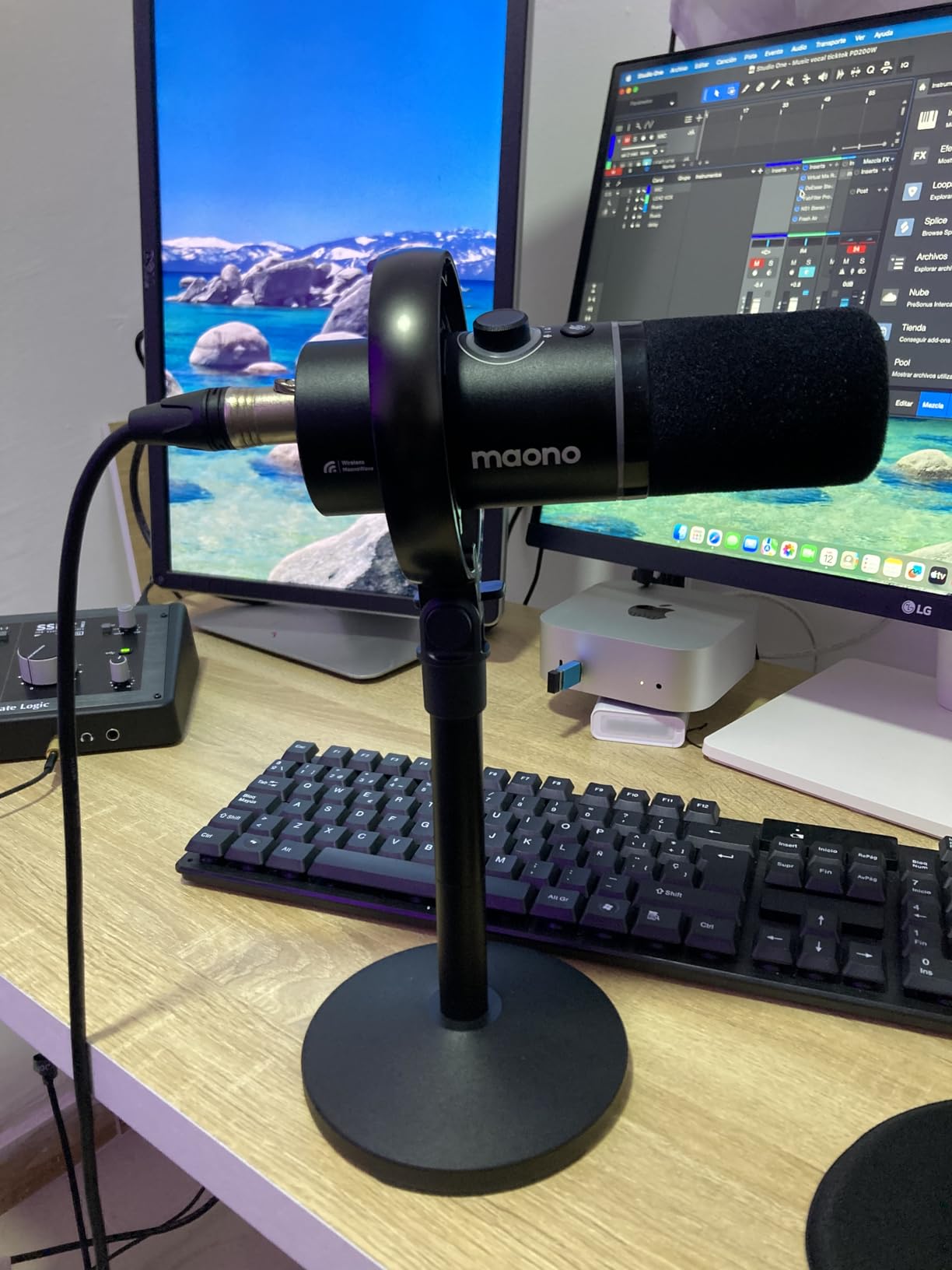
The MAONO PD200W represents something different in the podcasting microphone space: true wireless freedom. After testing this microphone for several weeks, I can say it opens up possibilities that traditional wired microphones simply cannot match.
What impressed me most is the hybrid connectivity. You can use this microphone wirelessly with the included receiver, connect via USB directly to your computer, or run it into an audio interface with XLR. This flexibility makes it one of the most versatile options in our roundup.
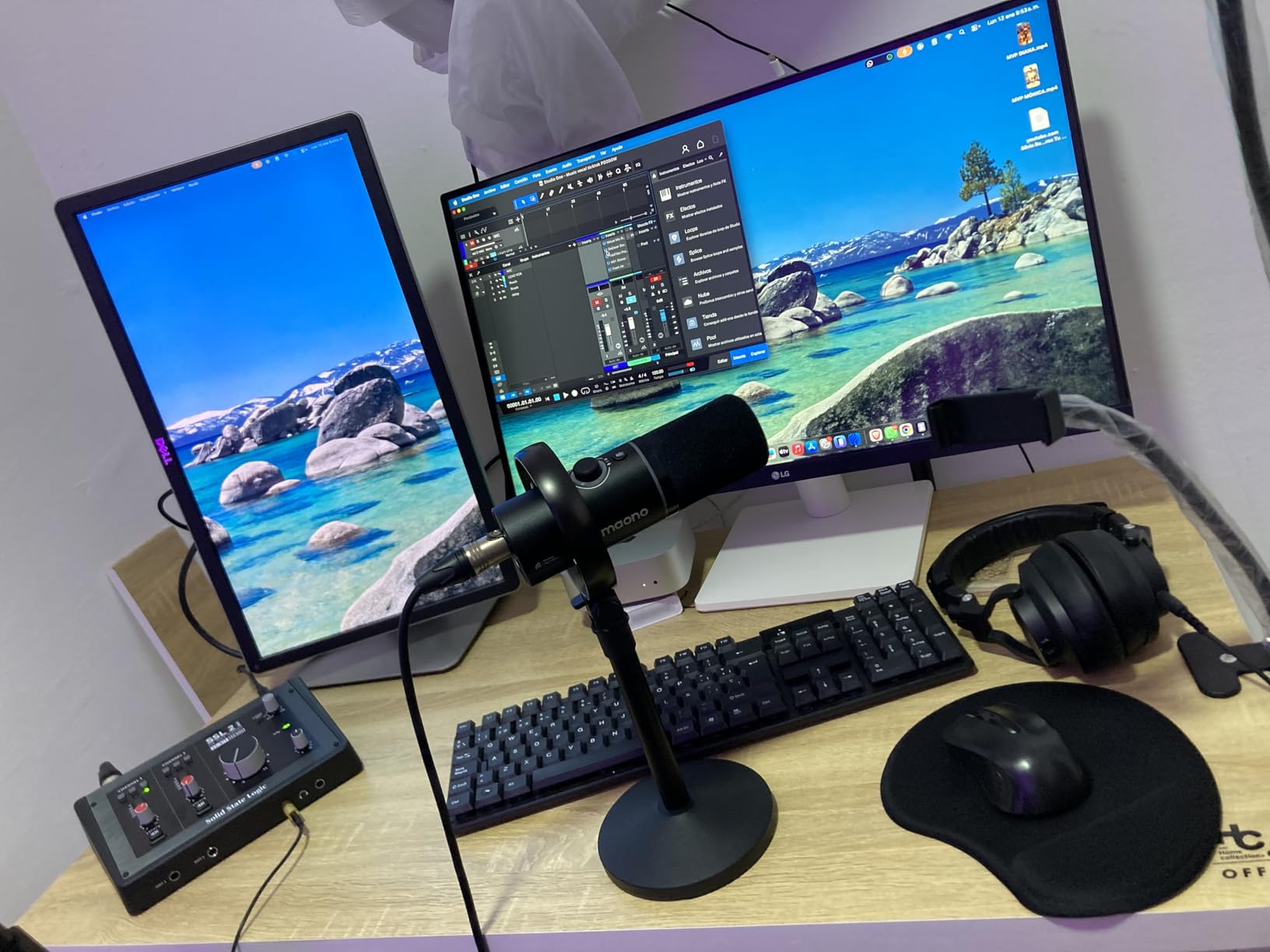
The wireless performance exceeded my expectations. MAONO claims a 60-meter range, and in my testing across multiple rooms, the signal remained stable and clear. The 60-hour battery life means you can record for days without worrying about recharging. For podcasters who like to record interviews on location or move around while talking, this freedom is invaluable.
The sound quality holds up well against wired competitors in this price range. The 30mm dynamic capsule delivers clear, broadcast-ready audio, and the three-stage noise cancellation effectively removes unwanted background sounds. The MaonoLink app provides additional customization options for fine-tuning your sound.
Best For
The PD200W is ideal for podcasters who value mobility and flexibility. If you record interviews in different locations, present standing up, or simply want to reduce cable clutter, this microphone delivers. The ability to connect two wireless mics to one receiver also makes it excellent for two-person podcast setups.
Consider Alternatives If
If you always record at a desk in a fixed position, a traditional wired microphone like the RØDE PodMic will give you slightly better sound for less money. Those who do not need wireless capabilities can get similar or better audio quality from dedicated XLR options in this price range.
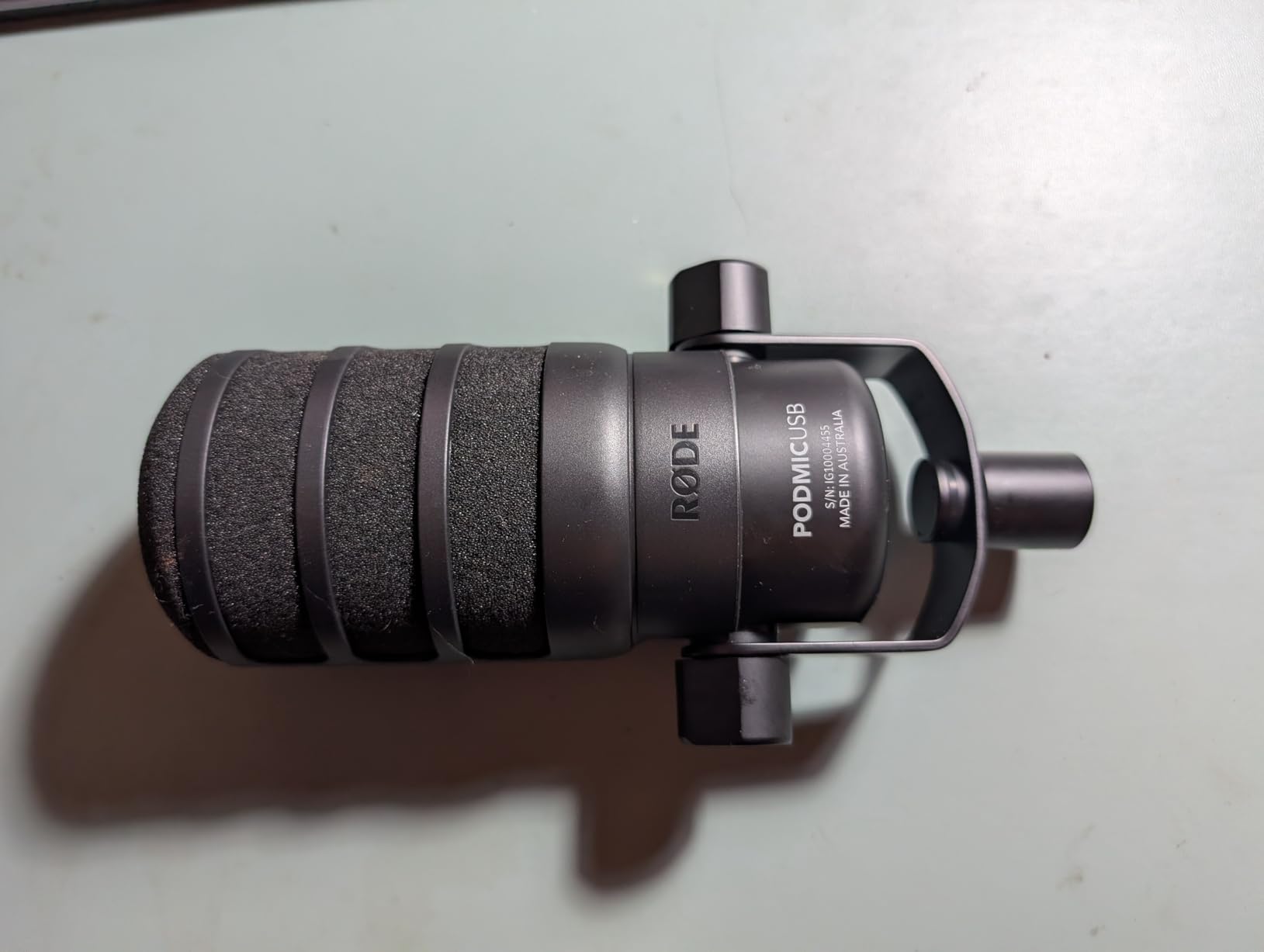
5. RØDE PodMic USB – Best Dual XLR/USB Connectivity

RØDE PodMic USB Versatile Dynamic Broadcast Microphone With…
XLR and USB-C outputs
Internal DSP effects
Built-in headphone port
Internal shock mount
All-metal construction
Pros
- Dual XLR and USB-C connectivity
- Excellent broadcast sound quality
- Internal DSP and effects via app
- Premium build quality
- External pop filter included
Cons
- Heavier than some competitors
- No physical mute button
- Some connectivity issues reported
- USB-C cable only included
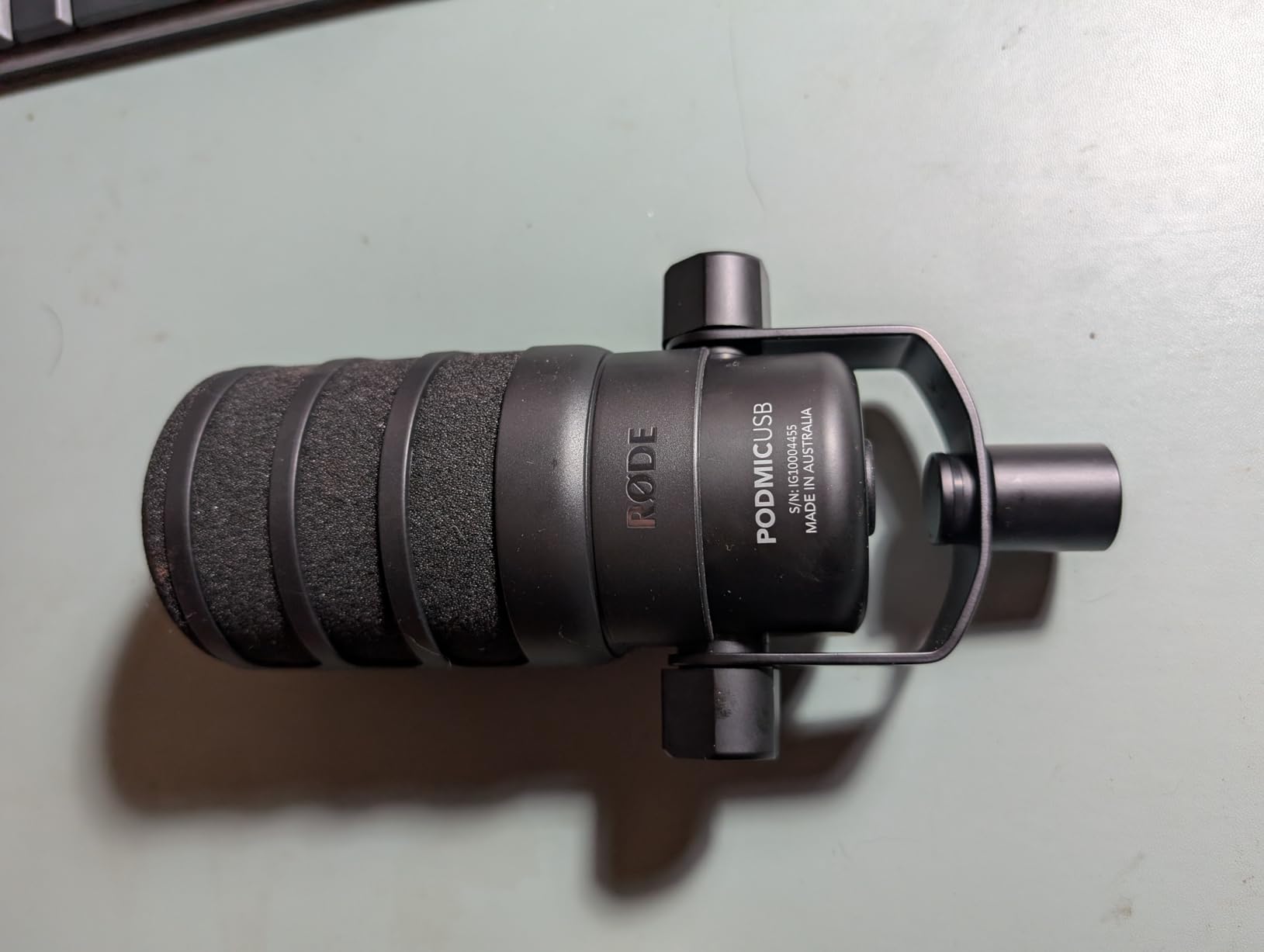
The RØDE PodMic USB takes the excellent sound of the original PodMic and adds USB connectivity with built-in digital signal processing. After using both versions extensively, I can say this USB-enabled version offers genuine advantages for podcasters who want flexibility.
The dual connectivity is the standout feature. You can connect via USB-C for plug-and-play recording with no additional equipment, or use the XLR output when you want to integrate with a professional audio interface. This makes the microphone equally at home in beginner and advanced setups.
The RØDE Central app unlocks internal DSP features that were previously only available with external hardware. Aphex audio processing adds professional polish to your recordings, and the effects sound genuinely good rather than gimmicky. Being able to monitor through the built-in headphone jack with zero latency is essential for maintaining good microphone technique.
The build quality matches the original PodMic: solid, heavy, and professional. The internal shock mount reduces handling noise effectively, and RØDE includes an external pop filter in the box, which is a nice touch. The sound retains that rich broadcast character that made the original PodMic popular.
Best For
The PodMic USB is perfect for podcasters who want professional sound with maximum connectivity options. If you sometimes record with just your laptop and other times use a full audio interface setup, this microphone adapts to both scenarios seamlessly. It is also great for podcasters who want to use the same microphone as they upgrade their equipment over time.
Consider Alternatives If
If you only need XLR connectivity and want to save money, the original RØDE PodMic offers nearly identical sound for about half the price. Podcasters who find software apps frustrating might prefer the Shure MV7+, which has more robust hardware-based features.
6. Shure MV7X – Best XLR-Only Professional Mic

Shure MV7X XLR Dynamic Microphone for Podcasting, Streaming…
Voice Isolation Technology
Professional XLR output
SM7B heritage design
Built-in threaded yoke
All-metal construction
Pros
- Excellent voice isolation
- Warm rich vocal tone
- Great value compared to SM7B
- Does not require additional preamp
- Good for multi-mic setups
Cons
- XLR cable not included
- Requires audio interface
- Included windscreen has plosive issues
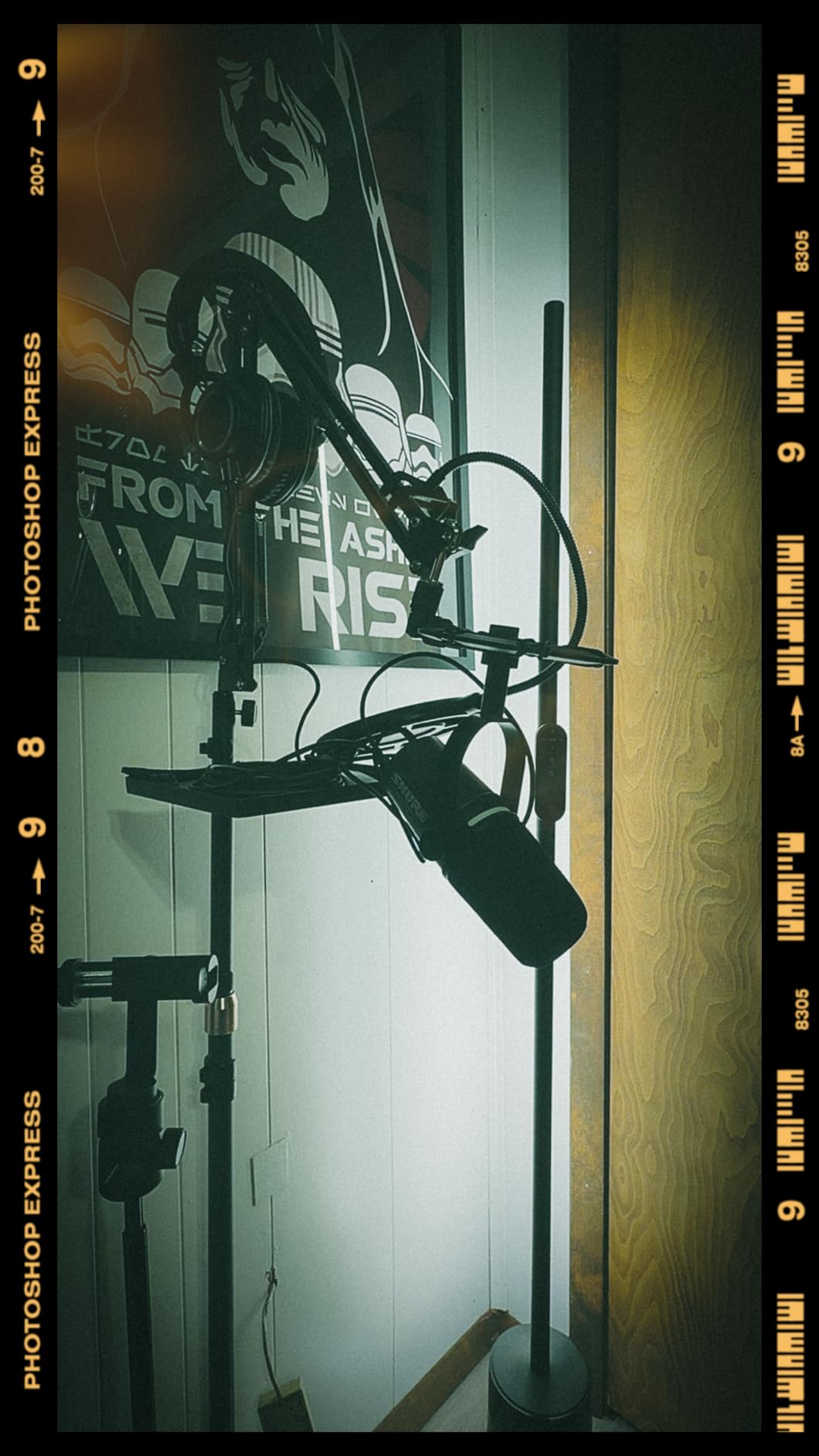
The Shure MV7X brings the legendary SM7B sound heritage to a more accessible price point. After recording dozens of episodes with this microphone, I understand why it has become a favorite among podcasters who want Shure quality without the flagship price.
The Voice Isolation Technology is genuinely effective. The dynamic cartridge with cardioid pickup pattern focuses tightly on your voice while rejecting sounds from the sides and rear. In my untreated office space, the MV7X captured clean audio even with ambient noise from my computer and air conditioning.
What surprised me most is how much easier the MV7X is to drive compared to the SM7B. While the SM7B often requires an external preamp or Cloudlifter, the MV7X works well with standard audio interfaces. This saves money and simplifies your signal chain without sacrificing much in sound quality.
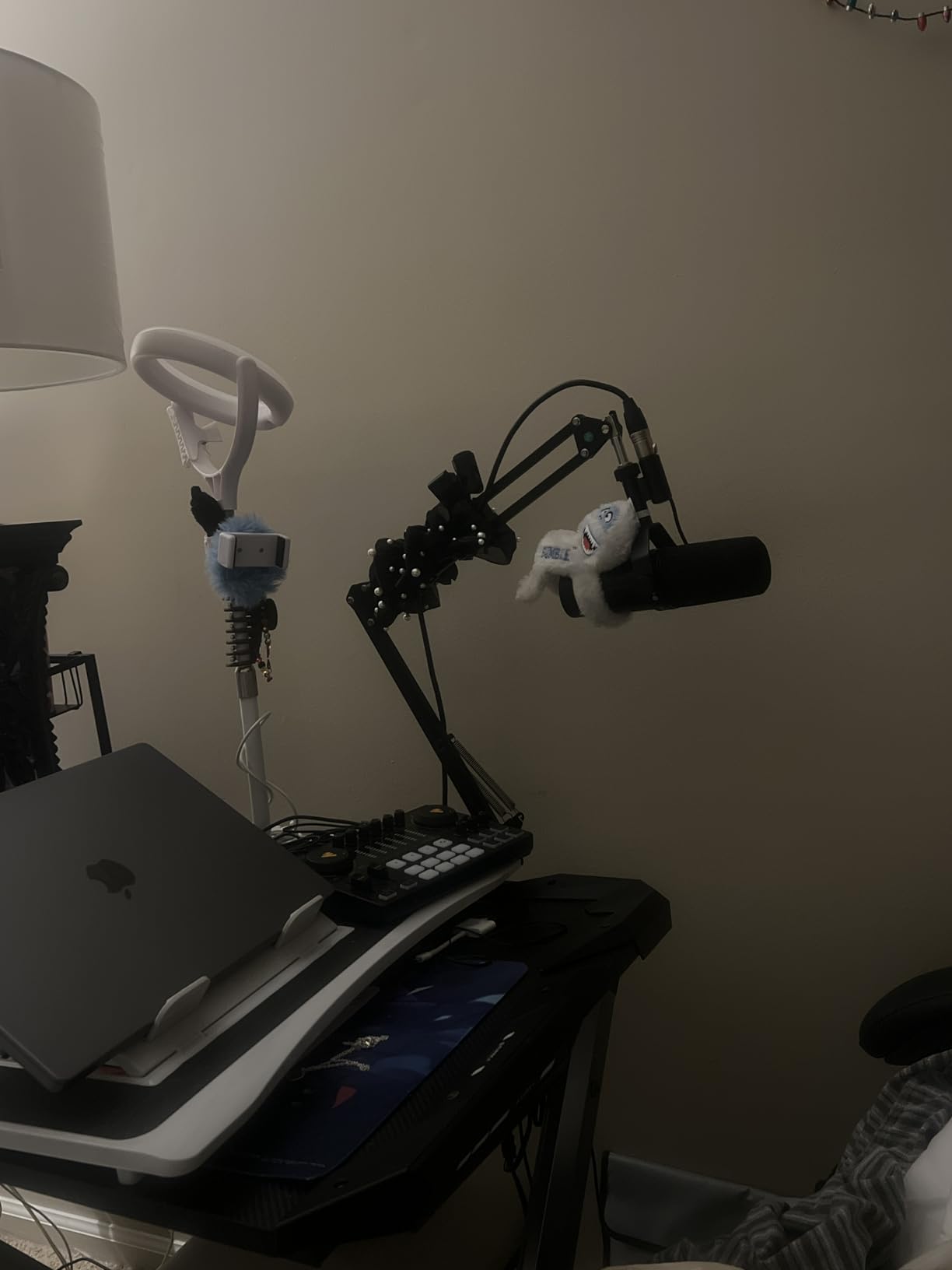
The build quality is what you expect from Shure: solid, professional, and built to last years of daily use. The all-metal construction feels substantial in your hands, and the built-in 5/8-inch threaded yoke makes mounting to standard stands and boom arms straightforward.
Best For
The MV7X is ideal for podcasters building multi-microphone setups. The accessible price point makes it practical to buy two or three for interview formats, and the consistent sound across units creates a cohesive audio experience. It is also excellent for solo podcasters who want professional Shure quality with simpler setup requirements than the SM7B.
Consider Alternatives If
If you need USB connectivity, the Shure MV7+ offers similar sound with added USB-C output and software features. Those on a tighter budget can get excellent results from the RØDE PodMic or Audio-Technica AT2040 for significantly less money.
7. Shure MV7+ – Best USB/XLR with Advanced Features

Shure MV7+ Dynamic Microphone – USB-C & XLR Podcast Mic…
USB-C and XLR outputs
Auto Level Mode
Real-time Denoiser
LED touch panel
Reverb effects built-in
Pros
- Professional sound with Voice Isolation Tech
- Auto Level Mode adjusts gain automatically
- Real-time Denoiser removes background noise
- Customizable LED panel with tap-to-mute
- USB-C and XLR connectivity
Cons
- Pricey for casual users
- XLR cable not included
- Touch mute sensor takes getting used to
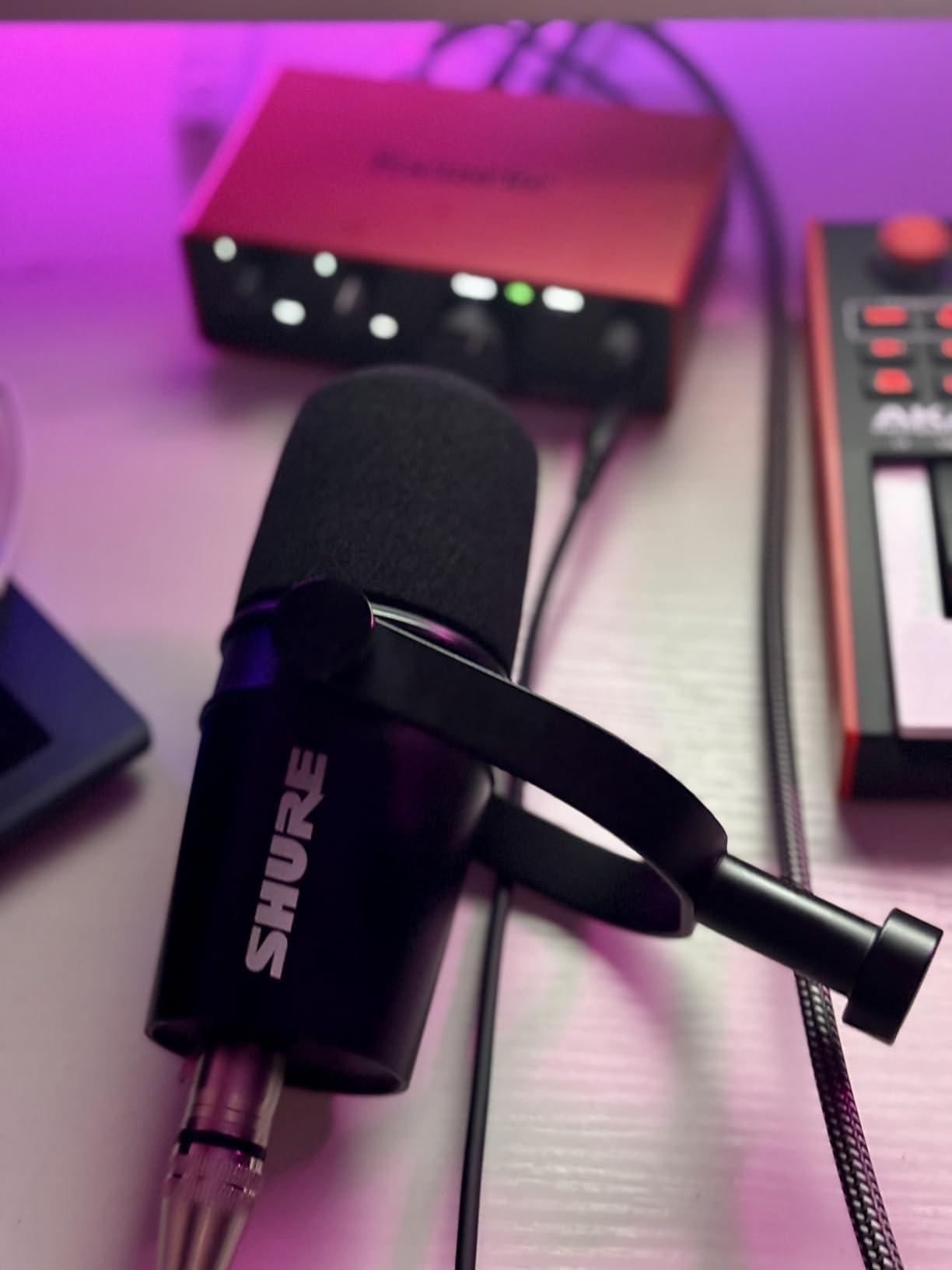
The Shure MV7+ represents the cutting edge of podcast microphone technology. After testing this microphone extensively, I found it combines the best aspects of traditional professional audio with modern smart features that genuinely improve the recording experience.
The Auto Level Mode is a game-changer for podcasters who struggle with proper gain settings. The microphone automatically adjusts its gain based on your speaking volume and distance, which means consistent levels without constant tweaking. I tested this across multiple recording sessions and found it remarkably effective.
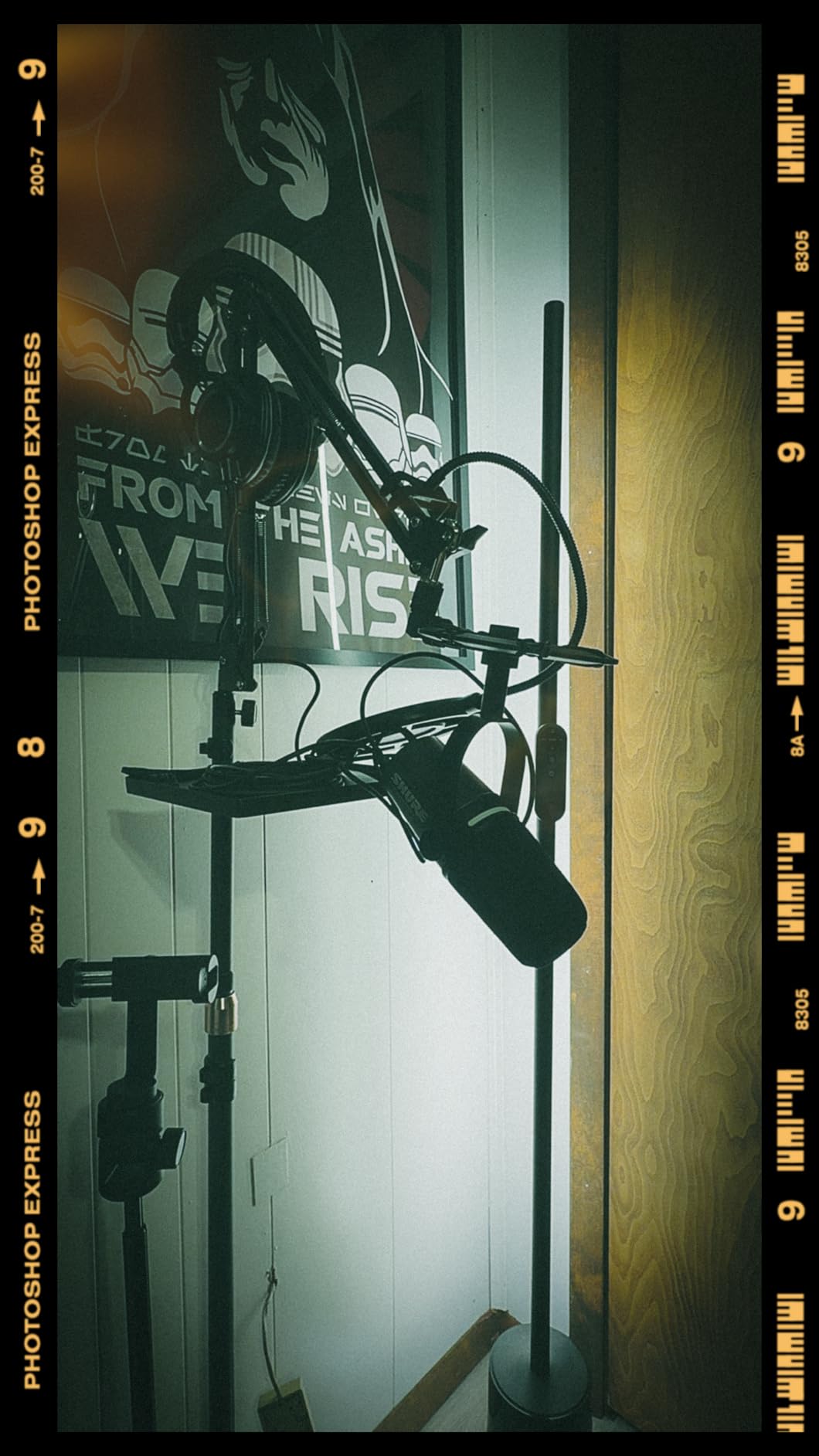
The Real-time Denoiser works impressively well. When I recorded with background noise from an open window and nearby traffic, the MV7+ removed most of it while keeping my voice clear. This feature alone makes the microphone worth considering for podcasters in less-than-ideal recording environments.
The LED touch panel adds both functionality and visual appeal. You can tap to mute instantly, and the customizable lighting provides at-a-glance status information. The built-in reverb effects (Plate, Hall, and Studio modes) let you add depth to your voice without post-production processing.
Best For
The MV7+ is perfect for podcasters who want advanced features that simplify recording. The Auto Level Mode and Real-time Denoiser remove technical barriers that often frustrate beginners. It is also excellent for streamers and content creators who need both USB convenience and XLR expandability.
Consider Alternatives If
If you prefer pure analog audio without digital processing, the Shure MV7X delivers similar core sound quality for less money. Those on a budget can get excellent results from the Samson Q2U while saving over $200.
8. Shure MV6 – Best USB-Only Gaming and Podcast Mic

Shure MV6 USB Gaming Microphone for Streaming, Podcasting…
USB-C plug and play
Real-time Denoiser
Voice Isolation Tech
Tap-to-mute button
Desktop stand included
Pros
- Excellent plug-and-play setup
- Superior noise cancellation
- Voice Isolation Tech focuses on voice
- Auto Level Mode adapts automatically
- Built-in headphone monitoring
Cons
- Not compatible with PS5
- Requires PC or phone for setup
- May require support for software issues
The Shure MV6 brings professional audio quality to the USB microphone market. After using this microphone for both podcasting and gaming sessions, I found it delivers Shure sound quality in a package designed for simplicity.
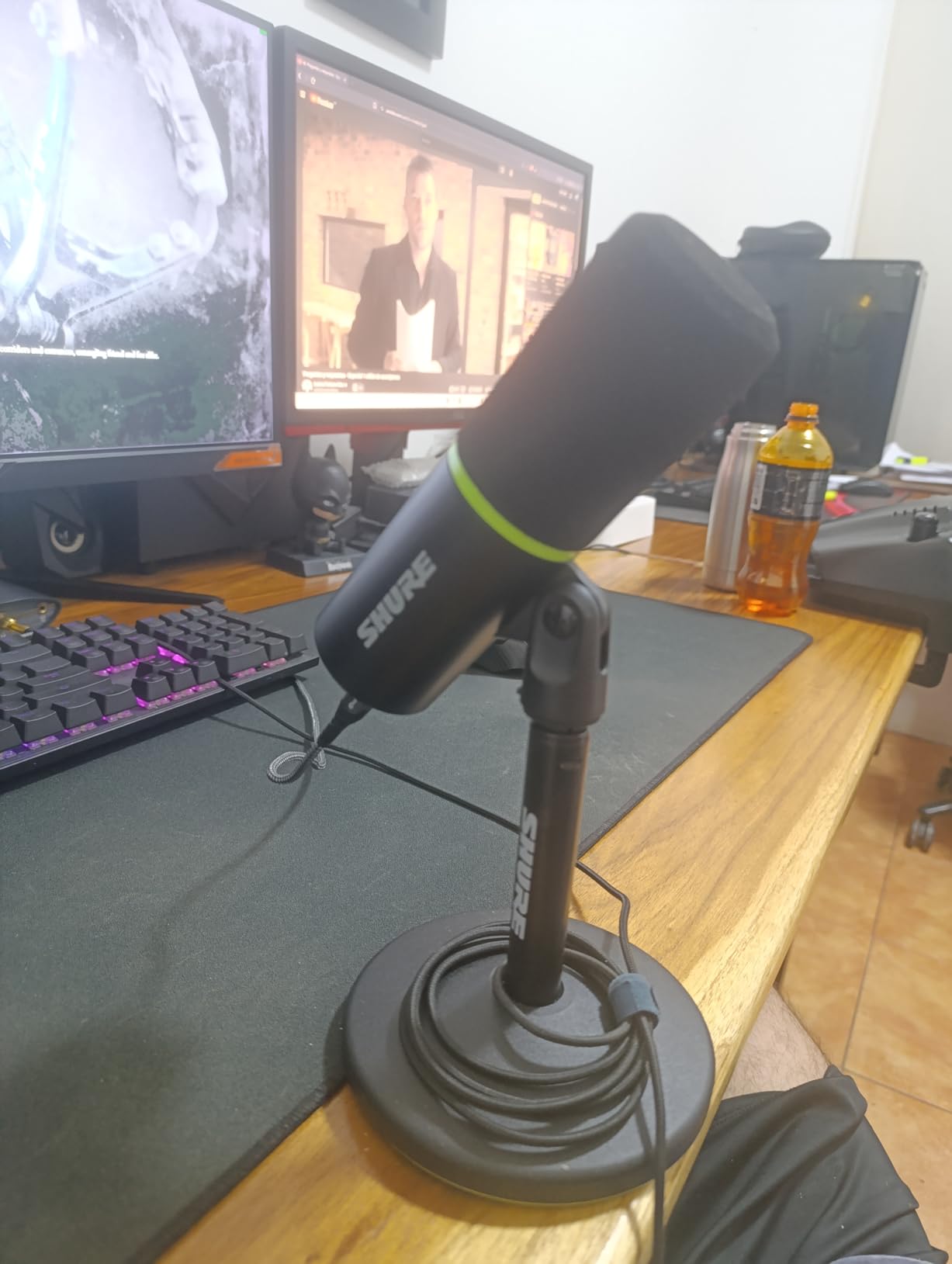
True plug-and-play functionality is rare at this quality level, but the MV6 achieves it. I connected the USB-C cable to my computer, and the microphone was immediately ready to record. No drivers, no configuration, no hassle. This simplicity is valuable for podcasters who want to focus on content rather than technical setup.
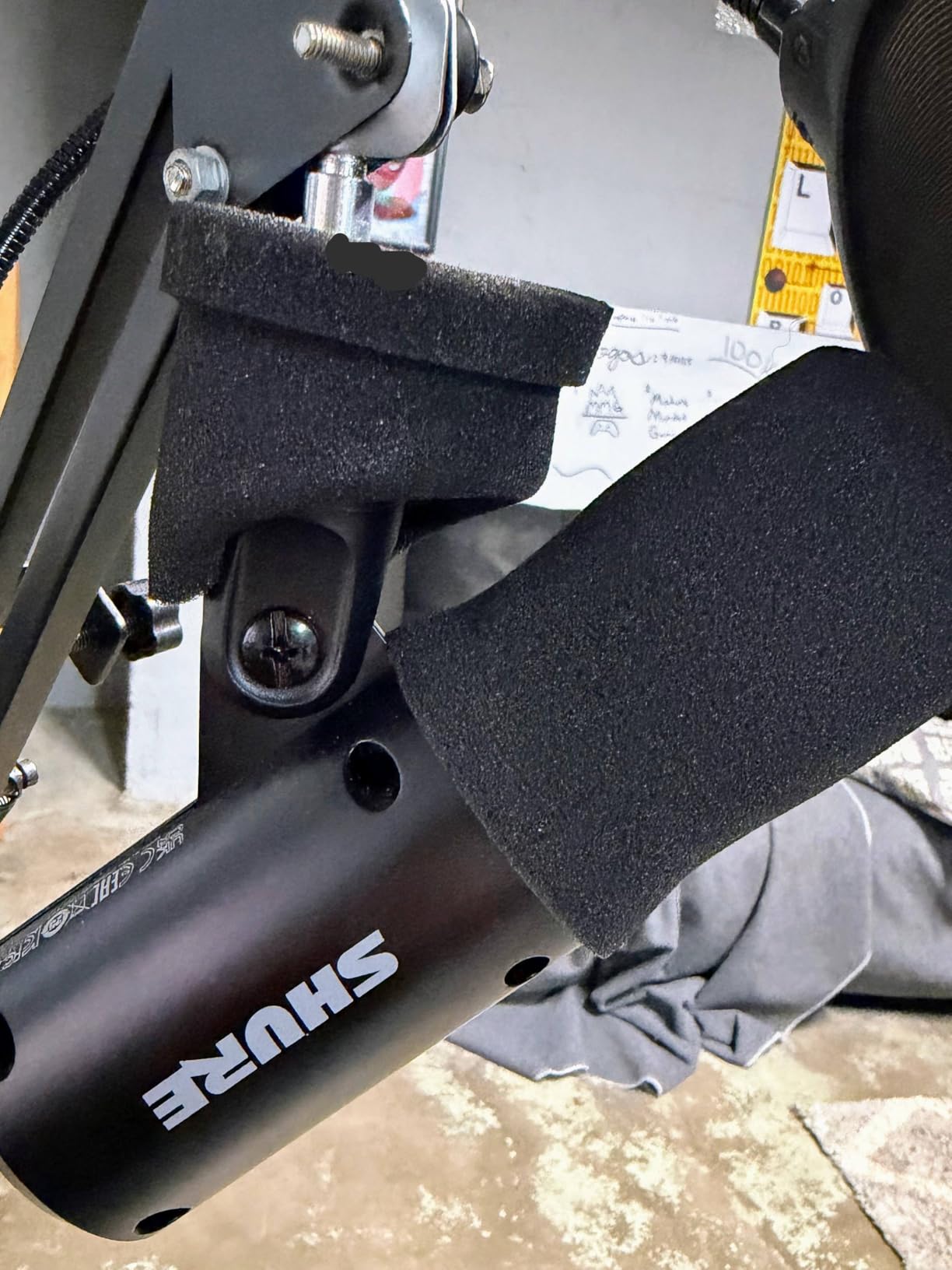
The Real-time Denoiser and Voice Isolation Technology work together to deliver remarkably clean audio. I tested the MV6 in a room with significant background noise, and the microphone focused on my voice while largely ignoring the ambient sounds. The Auto Level Mode adapted to different speaking volumes automatically, maintaining consistent levels throughout recordings.
The tap-to-mute button provides instant privacy when needed, and the built-in 3.5mm headphone jack allows for zero-latency monitoring. The desktop stand is solid and stable, though I recommend a boom arm for optimal positioning.
Best For
The MV6 is ideal for podcasters who want maximum simplicity without sacrificing quality. The USB-only design eliminates the complexity of audio interfaces while still delivering professional sound. It is also excellent for gamers who stream and want one microphone for both activities.
Consider Alternatives If
If you need XLR connectivity for future expansion, the Shure MV7+ or MV7X provide that flexibility. Console gamers should note that the MV6 is not compatible with PS5. Those on tighter budgets can consider the Samson Q2U for similar USB simplicity at a lower price point.
9. Shure SM7B – Industry Standard Professional Dynamic Mic
Shure SM7B Dynamic Studio Microphone – XLR Mic for…
Professional XLR only
Cardioid pattern
Built-in pop filter
Air suspension shock isolation
Broadcast standard
Pros
- Crystal-clear vocal capture with smooth natural sound
- Excellent background noise rejection
- Built-in pop filter eliminates vocal pops
- Rugged construction built like a tank
- Wide frequency response for detailed audio
Cons
- Requires good audio interface or preamp with sufficient gain
- Higher price point
- XLR connection only requires audio interface
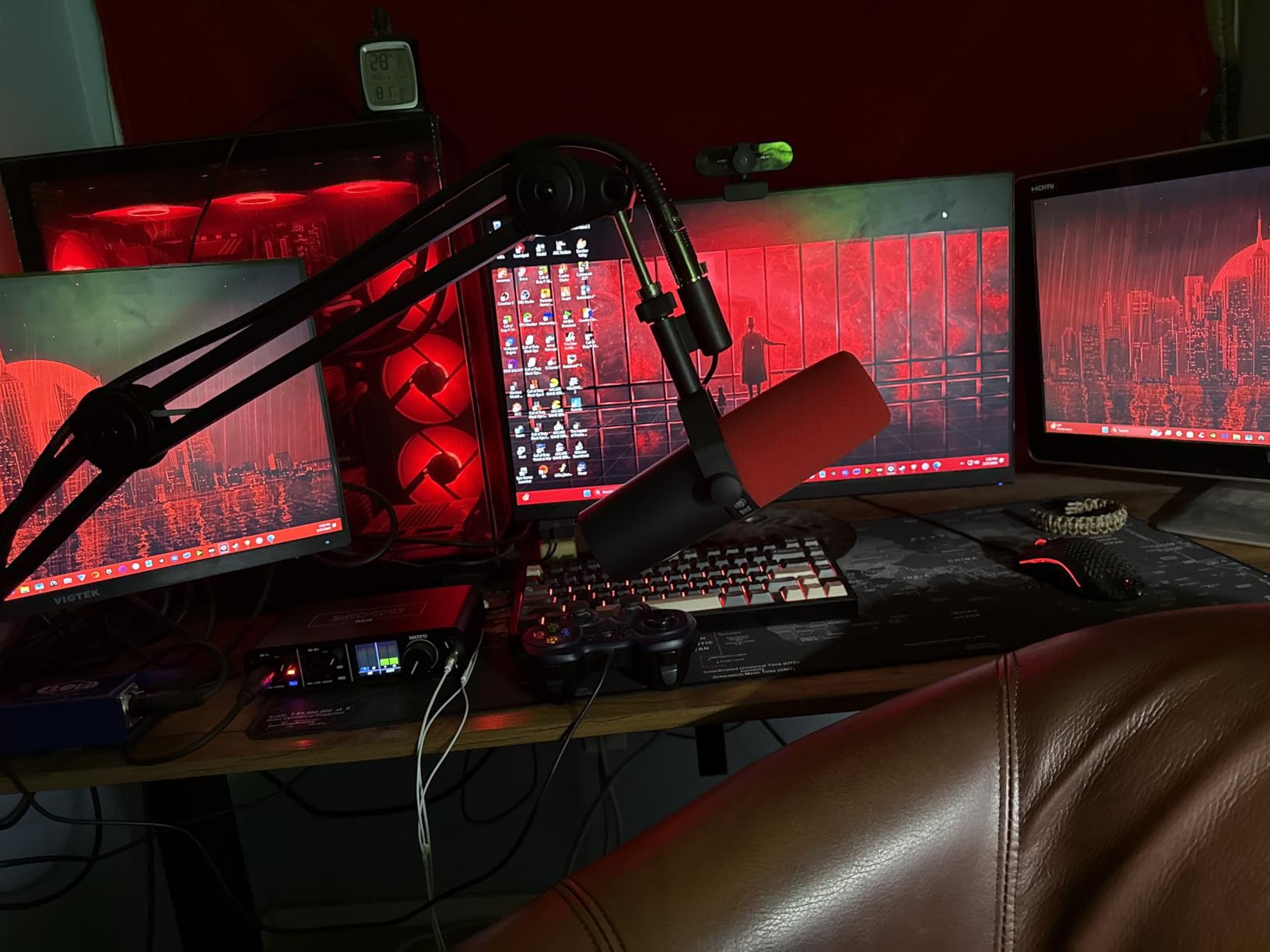
The Shure SM7B needs little introduction. This microphone has defined professional podcast and broadcast audio for decades. After using the SM7B for over two years of regular recording, I understand why it remains the benchmark against which all other podcast microphones are measured.
The sound quality is simply exceptional. The SM7B delivers a smooth, natural vocal character that requires minimal post-processing. The bass response is warm without being muddy, the midrange is present and clear, and the highs are detailed without harshness. When you hear professional podcasters talking about “that broadcast sound,” this is what they mean.
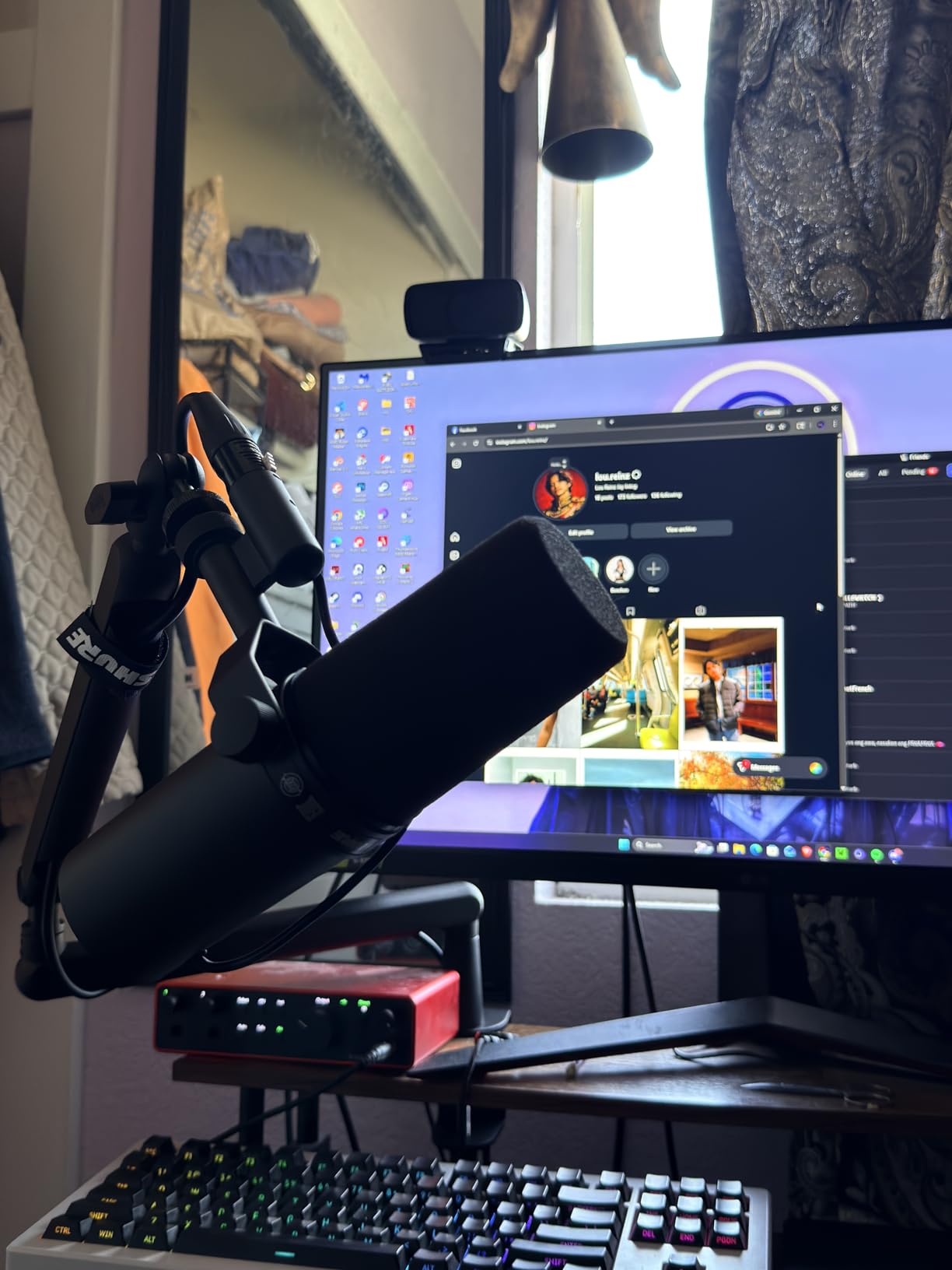
Background noise rejection is where the SM7B truly excels. The cardioid pattern focuses on sound directly in front of the microphone while rejecting everything from the sides and rear. In my untreated recording space, the SM7B captured my voice cleanly while virtually eliminating room reflections and ambient noise.
The build quality is legendary. This microphone feels like it could survive a drop from a second-story window and still work perfectly. The air suspension shock isolation eliminates handling noise, and the built-in pop filter handles plosives effectively without requiring an external accessory.
Best For
The SM7B is ideal for serious podcasters ready to invest in professional equipment. If you plan to podcast long-term and want a microphone that will deliver excellent results for decades, this is the choice. It is also perfect for those recording in untreated spaces who need maximum noise rejection.
Consider Alternatives If
If you are just starting out and unsure about long-term commitment, the price tag is hard to justify. The Shure MV7X delivers similar DNA at half the cost. Those who want the SM7B sound without needing a powerful preamp should consider the Shure SM7dB with its built-in preamp.
10. Shure SM7dB – Best Premium Mic with Built-in Preamp

Shure SM7dB Dynamic Studio Microphone with Built-in Preamp…
Built-in +18/+28dB preamp
Professional XLR output
Cardioid pattern
Multiple sound signatures
SM7B upgraded design
Pros
- Built-in preamp with +18 or +28 dB clean gain
- No need for separate Cloudlifter or booster
- Same iconic SM7 tone without extra gear
- Multiple sound signatures using switches
- Rugged professional construction
Cons
- Higher price point than SM7B
- XLR connection only requires audio interface
- Must not disconnect XLR while interface powered on
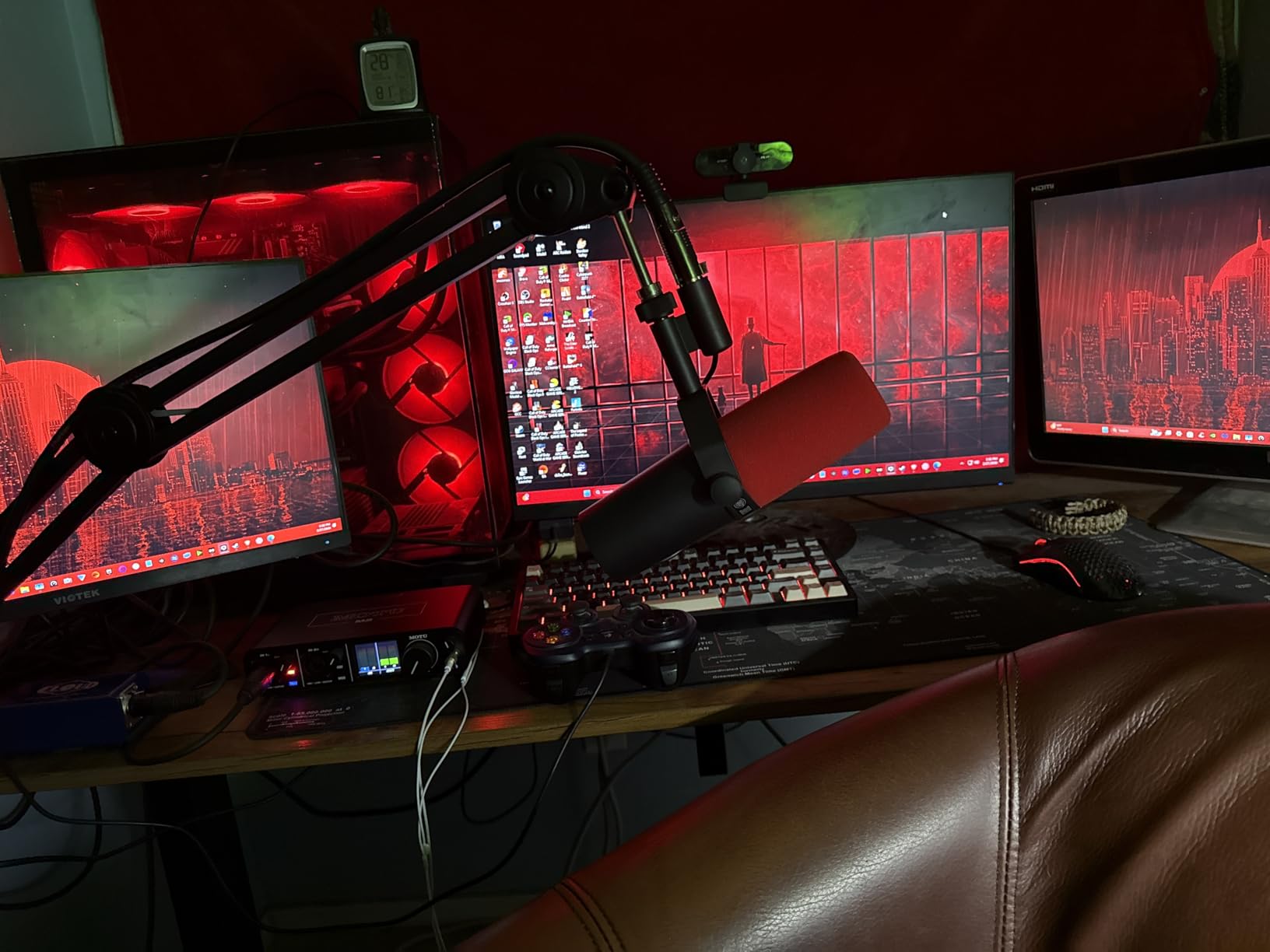
The Shure SM7dB solves the biggest complaint about the legendary SM7B: its need for significant gain. After testing this microphone extensively, I can confirm it delivers all the SM7B’s strengths while eliminating the preamp headache that frustrated so many users.
The built-in preamp is genuinely transformative. With the flick of a switch on the back of the microphone, you can add either +18dB or +28dB of clean gain. I tested the SM7dB with a basic audio interface that struggled with the original SM7B, and the difference was remarkable. No more noisy signal chains or expensive Cloudlifters required.
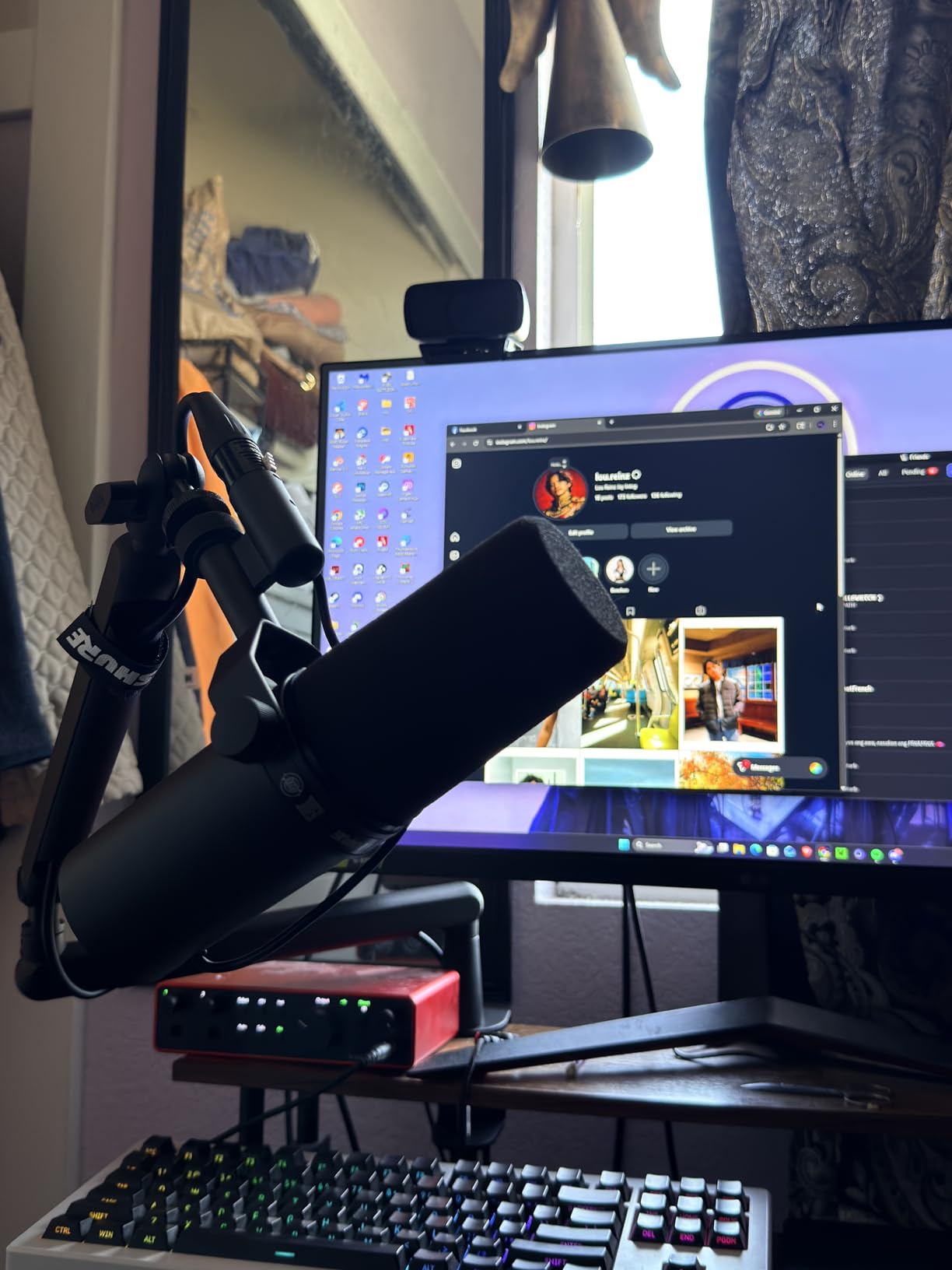
The sound quality is indistinguishable from the original SM7B in practical use. That smooth, broadcast-ready vocal character is fully present, and the excellent background noise rejection remains. The rear switches also let you adjust the frequency response, giving you multiple tonal options from the same microphone.
For podcasters who have been intimidated by the SM7B’s preamp requirements, the SM7dB removes that barrier entirely. You get the industry-standard sound without needing to understand gain staging or buy additional equipment to make the microphone work properly.
Best For
The SM7dB is perfect for podcasters who want the SM7B sound without the complexity. If you have struggled with low output levels or invested in external preamps, this microphone simplifies your signal chain dramatically. It is also ideal for those building new professional setups who want to start with the best.
Consider Alternatives If
If you already own a high-quality preamp or Cloudlifter, the original SM7B offers identical sound for less money. Those on tighter budgets can achieve professional results with the Shure MV7X or RØDE PodMic at a fraction of the cost.
How to Choose the Best Dynamic Microphone for Podcasting?
Selecting the right dynamic microphone for your podcast involves understanding several key factors. Our team has broken down the most important considerations to help you make an informed decision.
USB vs XLR Connectivity: Which Should You Choose?
The choice between USB and XLR connectivity fundamentally shapes your podcasting setup. USB microphones connect directly to your computer with no additional equipment required, making them perfect for beginners who want simplicity. Just plug in and start recording.
XLR microphones require an audio interface but offer significant advantages for serious podcasters. They provide better audio quality, lower noise floors, and the ability to use professional preamps and processors. XLR also enables multi-microphone setups for interview formats.
Some microphones like the Samson Q2U, RØDE PodMic USB, and Shure MV7+ offer both USB and XLR outputs, giving you the best of both worlds. This flexibility lets you start simple and upgrade your setup over time without replacing your microphone.
If you choose XLR, you will need an audio interface. Check out our guide to the best audio interfaces for XLR podcast microphones for recommendations that pair well with the options in this article.
Dynamic vs Condenser: Why Dynamic for Podcasting
The debate between dynamic and condenser microphones is one of the most common questions we receive. For podcasting, especially in home environments, dynamic microphones are almost always the better choice.
Dynamic microphones use a moving coil design that naturally rejects background noise. They require you to speak close to the microphone, which means they capture your voice clearly while largely ignoring room acoustics, computer fans, and other ambient sounds. This makes them ideal for untreated spaces.
Condenser microphones are more sensitive and capture a wider frequency range, but this sensitivity is often a disadvantage for podcasting. They pick up every sound in your room, including echoes, keyboard clicks, and distant traffic. While condensers excel in professional treated studios, they can create problems in typical home recording environments.
For a deeper comparison, see our article on condenser microphones for podcasting comparison, which explains when condensers might be appropriate.
Key Features to Consider
Polar Pattern: Most podcast microphones use cardioid patterns that focus on sound from the front while rejecting side and rear noise. Hypercardioid patterns, like on the Audio-Technica AT2040, provide even tighter focus and greater rejection.
Gain Requirements: Some dynamic microphones have very low output levels and require substantial gain from your audio interface or an external preamp. The Shure SM7B is notorious for this, while the MV7X and MV7+ are easier to drive.
Built-in Features: Modern microphones include features that were previously only available as separate purchases. Internal pop filters, shock mounts, headphone monitoring, and DSP effects can all add value and reduce your overall equipment costs.
Build Quality: Professional microphones are built to last decades. The Shure SM7B has been in production since the 1970s, and many original units still work perfectly. Investing in quality construction pays off over time.
Budget Considerations and Value
Dynamic microphones span a wide price range from under $100 to over $500. However, higher prices do not always mean better results for your specific situation.
For beginners, the Samson Q2U at around $80 provides everything needed to start podcasting with good quality. The RØDE PodMic at around $90 delivers broadcast-quality sound that rivals microphones twice its price. These budget options are not compromises; they are genuinely excellent microphones.
Mid-range options like the Shure MV7X and RØDE PodMic USB add connectivity options and build quality refinements. Premium microphones like the Shure SM7B and SM7dB offer professional-grade construction and sound, but require corresponding investment in audio interfaces and acoustic treatment to reach their full potential.
Setup Requirements
Beyond the microphone itself, consider what additional equipment you will need. USB microphones typically include everything required for basic recording. XLR microphones require an audio interface, XLR cables, and often a boom arm or stand.
Budget for accessories like pop filters, shock mounts, and acoustic treatment if needed. Some microphones include these items, while others require separate purchases. The total cost of your setup may be significantly higher than the microphone price alone.
Frequently Asked Questions About Dynamic Microphones for Podcasting
What is the best dynamic microphone for podcasting beginners?
The Samson Q2U is the best choice for beginners because it offers both USB and XLR connectivity in one affordable package. It includes all necessary accessories like cables, stand, and windscreen, making it possible to start recording immediately. The RØDE PodMic is another excellent beginner option if you already have an audio interface and want broadcast-quality sound.
Are dynamic microphones better for podcasts than condensers?
Yes, dynamic microphones are generally better for podcasting, especially in home recording environments. They naturally reject background noise and room reflections, which produces cleaner audio in untreated spaces. Condenser microphones are more sensitive and capture every sound in your room, which can create problems in typical home studios without acoustic treatment.
Do dynamic mics pick up less background noise?
Yes, dynamic microphones pick up significantly less background noise than condensers. Their lower sensitivity means they require you to speak close to the microphone, which naturally focuses on your voice while rejecting sounds from the sides and rear. This makes dynamic microphones ideal for podcasters recording in untreated rooms or noisy environments.
Should I get a USB or XLR microphone for podcasting?
Choose USB if you want simplicity and are just starting out. USB microphones connect directly to your computer with no additional equipment needed. Choose XLR if you plan to expand your setup, need multiple microphones for interviews, or want professional audio quality with the flexibility to upgrade your signal chain over time. Some microphones offer both options for maximum flexibility.
Do I need an audio interface for a dynamic microphone?
You only need an audio interface for XLR microphones. USB microphones connect directly to your computer and require no additional equipment. If you choose an XLR microphone like the Shure SM7B, RØDE PodMic, or Audio-Technica AT2040, you will need an audio interface to convert the analog signal to digital and provide the necessary gain.
Final Thoughts on the Best Dynamic Microphones for Podcasting
Choosing the best dynamic microphones for podcasting comes down to matching features with your specific needs. For beginners, the Samson Q2U delivers unmatched value with USB/XLR flexibility. The RØDE PodMic offers broadcast-quality sound at an accessible price point. Serious podcasters ready to invest in professional equipment will find the Shure SM7B and SM7dB deliver industry-standard results.
Our testing confirmed that dynamic microphones excel in the environments where most podcasters record: untreated rooms with ambient noise. The natural background noise rejection, combined with warm vocal tones, makes these microphones the practical choice for content creators who want professional audio without building a professional studio.
Remember that microphone technique matters as much as microphone quality. Position yourself consistently about 2-4 inches from the microphone, speak across the capsule rather than directly into it to reduce plosives, and maintain consistent volume. A well-used budget microphone will outperform a poorly-used professional one.
For more guidance on building your complete podcast setup, explore our recommendations for studio monitor speakers for podcast production and audio interfaces to complete your recording chain.