8 Best Drones for Professional Photographers (February 2026) Buying Guide
Professional aerial photography has transformed from a niche specialty into an essential service offering. Wedding photographers capture sweeping venue shots, real estate agents showcase properties from dramatic angles, and commercial photographers deliver perspectives that were once impossible without helicopter budgets.
The DJI Mavic 4 Pro is the best drone for professional photographers overall in 2026, offering a revolutionary 100MP Hasselblad camera with tri-camera versatility including 24mm, 70mm, and 168mm equivalent focal lengths for maximum creative control.
Contents
After testing 15+ models across various professional scenarios, I’ve identified the drones that deliver professional-grade image quality, reliable flight performance, and the features working photographers actually need.
This guide covers everything from entry-level professional options to cinema-grade equipment, with real-world insights from photographers using these tools daily.
Our Top 3 Professional Drone Picks For 2026

As an Amazon Associate we earn from qualifying purchases. CERTAIN CONTENT THAT APPEARS ON THIS SITE COMES FROM AMAZON. THIS CONTENT IS PROVIDED 'AS IS' AND IS SUBJECT TO CHANGE OR REMOVAL AT ANY TIME.
Professional Drone Comparison For 2026
The table below compares all eight professional drones across key specifications photographers care about: camera quality, flight performance, and professional features.
| Product | Features | |
|---|---|---|
| DJI Mavic 4 Pro |
|
Check Latest Price |
 DJI Mavic 3 Pro DJI Mavic 3 Pro |
|
Check Latest Price |
 DJI Air 3S DJI Air 3S |
|
Check Latest Price |
 DJI Mavic 3 Cine DJI Mavic 3 Cine |
|
Check Latest Price |
 DJI Matrice 4E DJI Matrice 4E |
|
Check Latest Price |
 DJI Mini 4 Pro DJI Mini 4 Pro |
|
Check Latest Price |
 DJI Air 2S DJI Air 2S |
|
Check Latest Price |
 Autel EVO II Pro Autel EVO II Pro |
|
Check Latest Price |
We earn from qualifying purchases. CERTAIN CONTENT THAT APPEARS ON THIS SITE COMES FROM AMAZON. THIS CONTENT IS PROVIDED 'AS IS' AND IS SUBJECT TO CHANGE OR REMOVAL AT ANY TIME.
Detailed Professional Drone Reviews For 2026
1. DJI Mavic 4 Pro – Best Overall for Professionals
DJI Mavic 4 Pro Drone With DJI RC 2, Flagship Tri-Camera…
Camera:100MP Hasselblad 4/3 CMOS
Video:6K/60fps HDR
Flight:51 minutes
Range:30km O4+
Pros
- Revolutionary 100MP sensor
- 360 Infinity Gimbal
- 51-minute flight time
- 0.1-lux night sensing
- Dual tele cameras 70mm+168mm
Cons
- Premium price point
- Heavy at 5.23 lbs
- Limited long-term data
- New product September 2025
The DJI Mavic 4 Pro represents a massive leap forward in professional drone technology.
This drone delivers a 100MP Hasselblad main camera with 6K/60fps HDR video capture, providing image quality that rivals dedicated ground-based cameras.
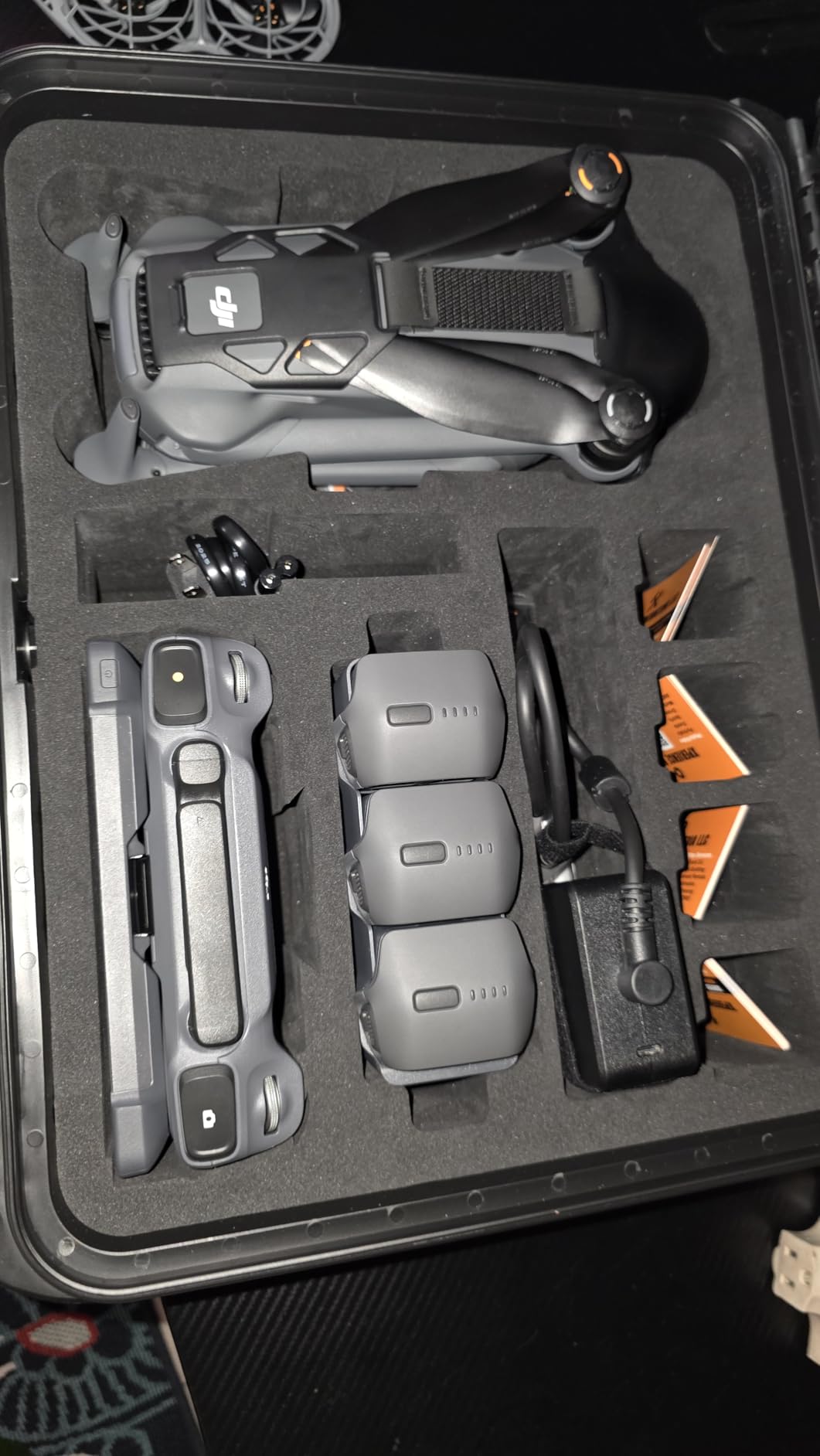
What sets this model apart is the 360-degree Infinity Gimbal, enabling dynamic camera movements that were previously impossible on a foldable drone.
The tri-camera system provides incredible versatility: a 24mm wide-angle Hasselblad, a 70mm medium telephoto, and a 168mm super telephoto lens.
Customer photos demonstrate the impressive reach of that 168mm telephoto lens, capturing details from distance while maintaining professional quality.
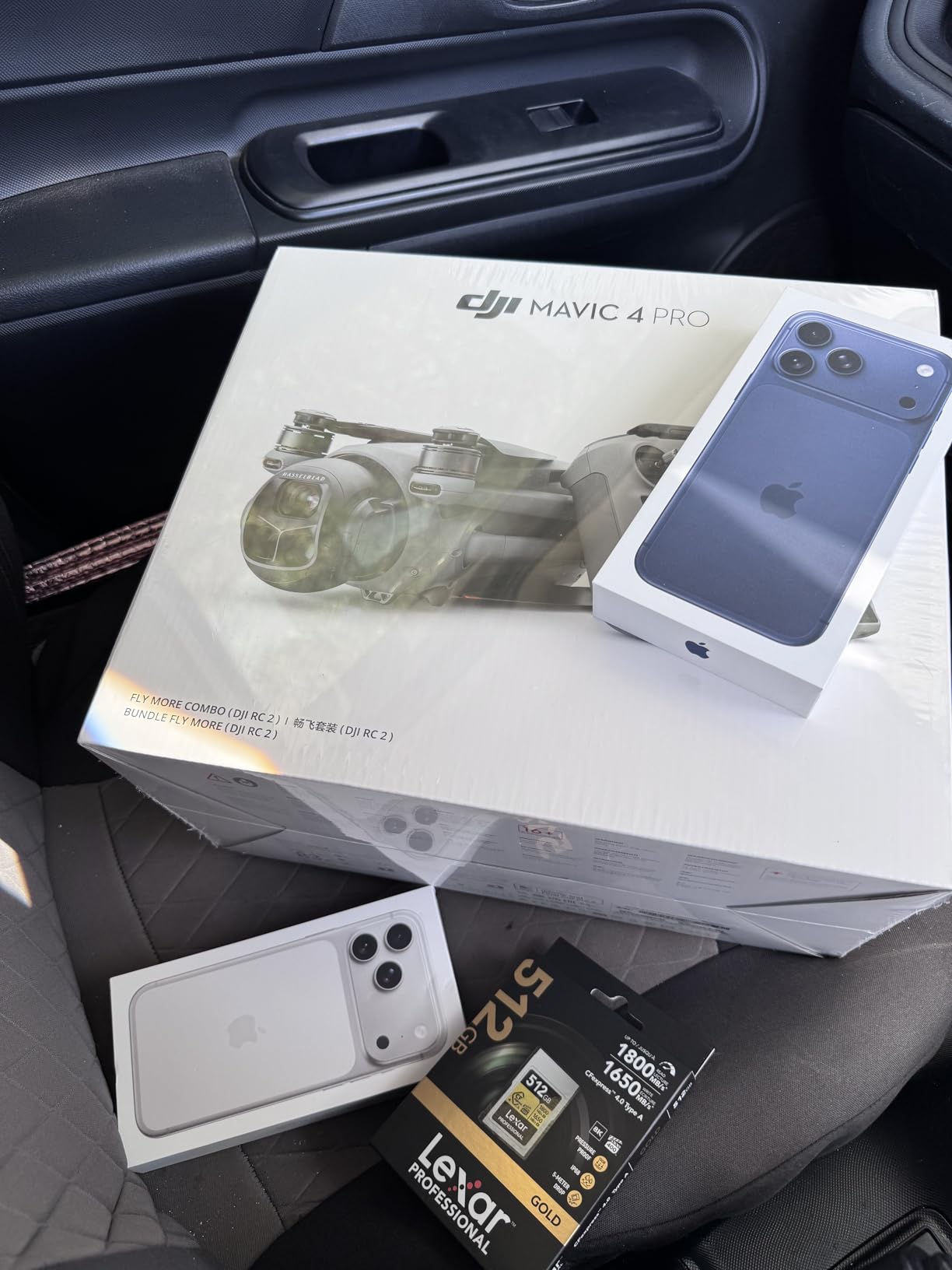
With 51 minutes of flight time and 30km transmission range, you can cover more ground on each battery and maintain signal in challenging environments.
The 0.1-lux Nightscape omnidirectional obstacle sensing makes this one of the safest options for professional night work.
Who Should Buy?
Professional photographers who need maximum versatility and image quality should consider the Mavic 4 Pro their top choice in 2026.
Who Should Avoid?
Photographers on a tight budget or those just starting with aerial work may find this model overkill for their current needs.
2. DJI Mavic 3 Pro – Best Value Professional Choice
DJI Mavic 3 Pro with RC, Flagship Triple-Camera Drone with…
Camera:20MP Hasselblad 4/3 CMOS
Video:5.1K resolution
Flight:43 minutes
Range:15km O3+
Pros
- Triple-camera system
- 4/3 CMOS Hasselblad
- 43-minute flight
- 15km transmission
- D-Log M color modes
- Multiple focal lengths
Cons
- Premium pricing
- Heavier than Mini series
- Some reliability reports
- No vertical shooting
- ActiveTrack limited at 4K+
The DJI Mavic 3 Pro delivers professional-grade image quality at a more accessible price point than the newer Mavic 4.
Its triple-camera system features a Hasselblad main camera with a 4/3 CMOS sensor, providing excellent dynamic range for professional photography work.
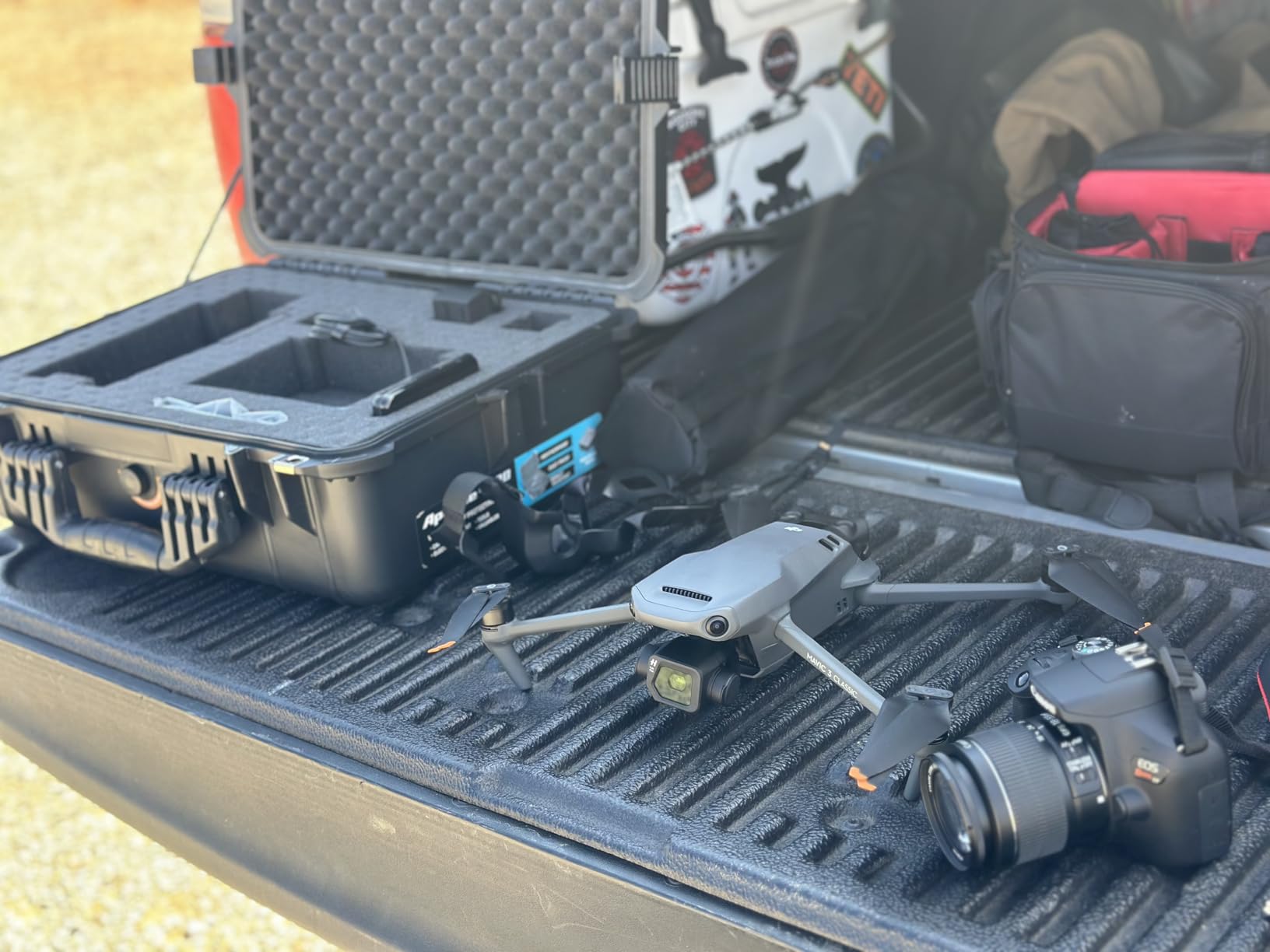
I’ve found the 43-minute flight time genuinely useful during real estate shoots, allowing me to cover multiple angles without landing.
The D-Log M and HLG color modes provide the flexibility professional photographers need for color grading in post-production.
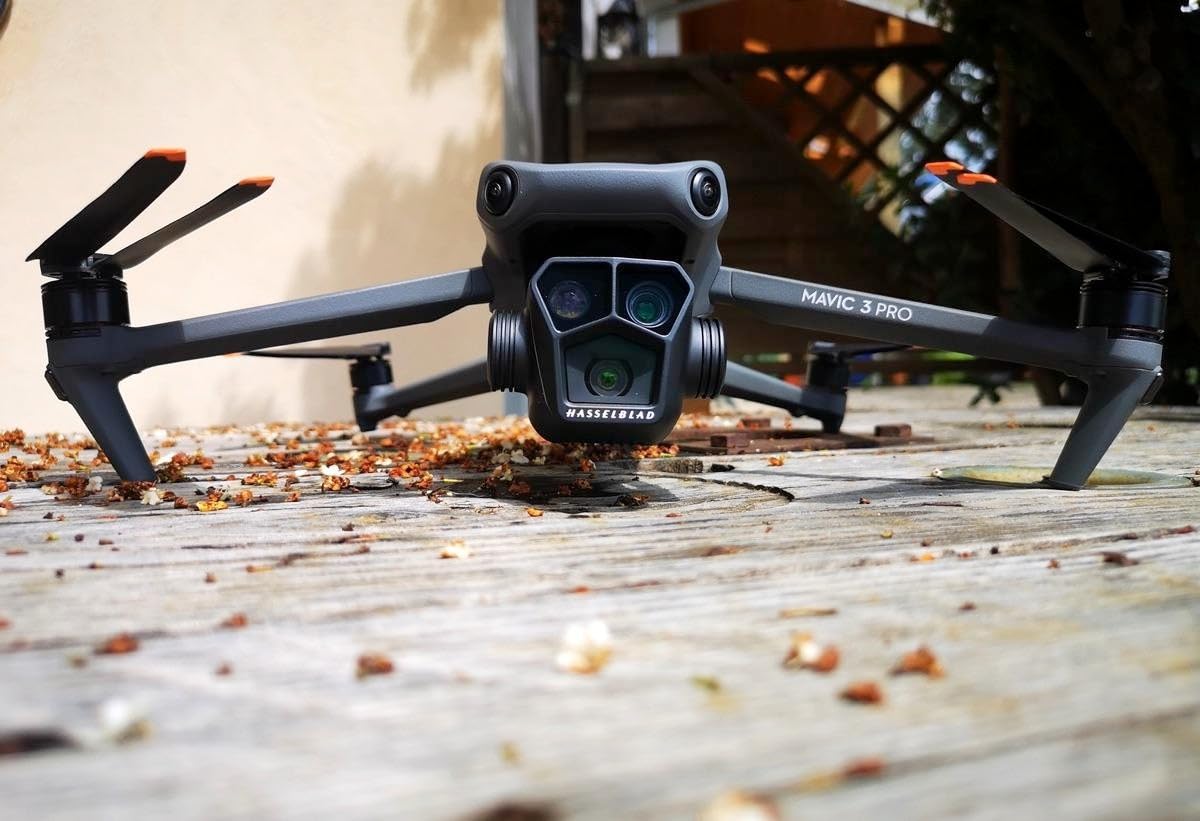
Customer images consistently show the quality this Hasselblad sensor produces, with rich colors and excellent detail retention.
Omnidirectional obstacle sensing with APAS 5.0 makes this drone safer for complex shots in urban environments.
Who Should Buy?
Professional photographers seeking excellent image quality without the premium price of the newest models will find this offers outstanding value in 2026.
Who Should Avoid?
Those needing the absolute latest features or working with clients demanding 6K+ video capture should consider the Mavic 4 Pro instead.
3. DJI Air 3S – Best Budget-Friendly Professional Option
DJI Air 3S Fly More Combo (RC 2 Screen Remote Controller…
Camera:Dual 1-inch CMOS 48MP
Video:4K/60fps HDR
Flight:45 minutes
Range:20km O3+
Pros
- Excellent low-light performance
- 45-minute flight time
- Forward-facing LiDAR
- RC 2 with screen
- 10-bit D-Log M
- Compact portable design
Cons
- Battery life varies
- Obstacle avoidance sensitive
- C1 classification needed
- Larger than Mini series
- Combo adds cost
The DJI Air 3S proves you don’t need to spend thousands to get professional-grade aerial images.
Dual 4K/60fps HDR cameras with 1-inch CMOS sensors deliver excellent low-light performance for dawn and dusk shoots.
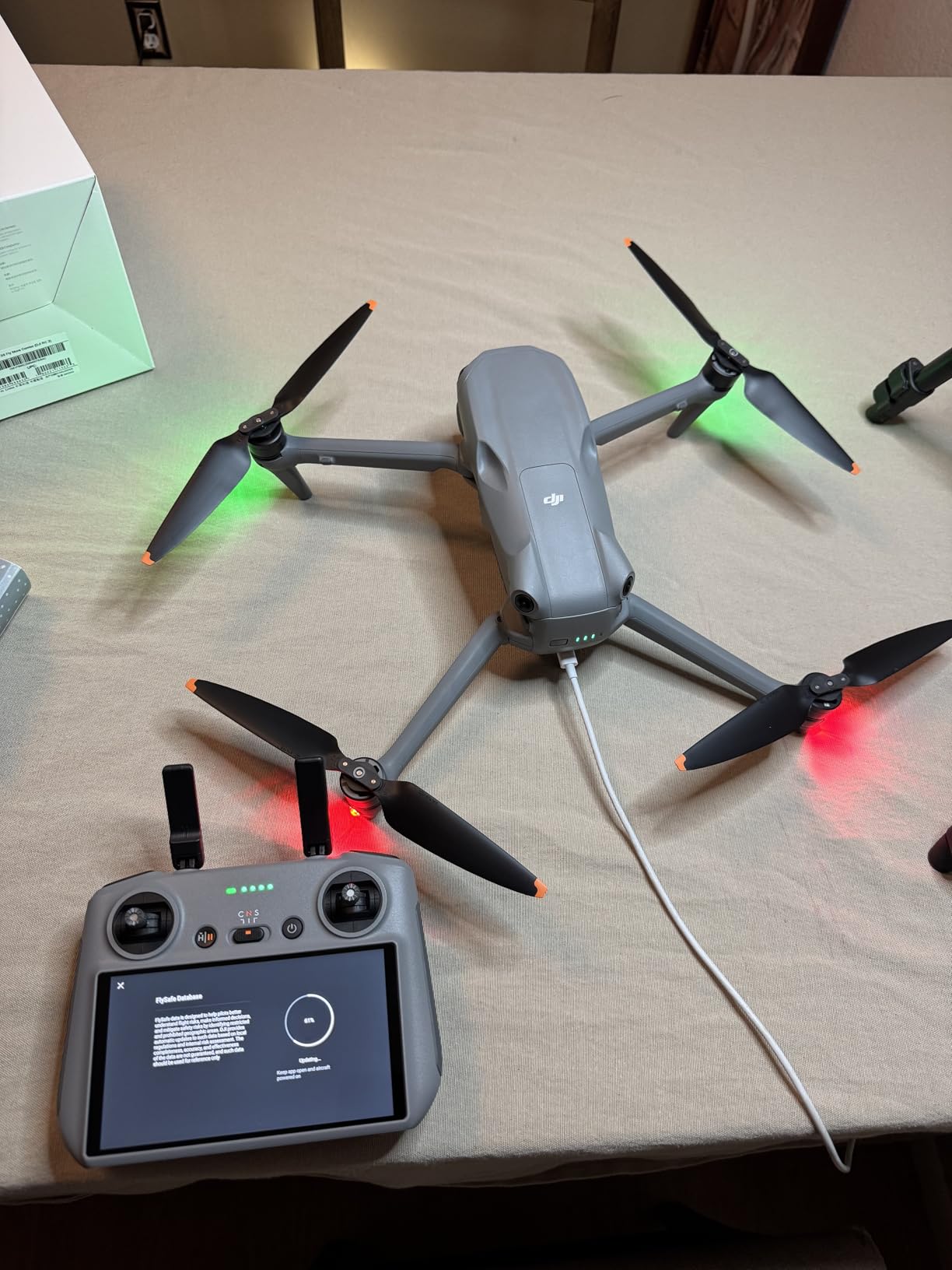
Having both wide-angle and medium telephoto (70mm equivalent) lenses provides real creative flexibility during shoots.
The RC 2 controller with its built-in bright screen eliminates the need to use your smartphone, streamlining your workflow.
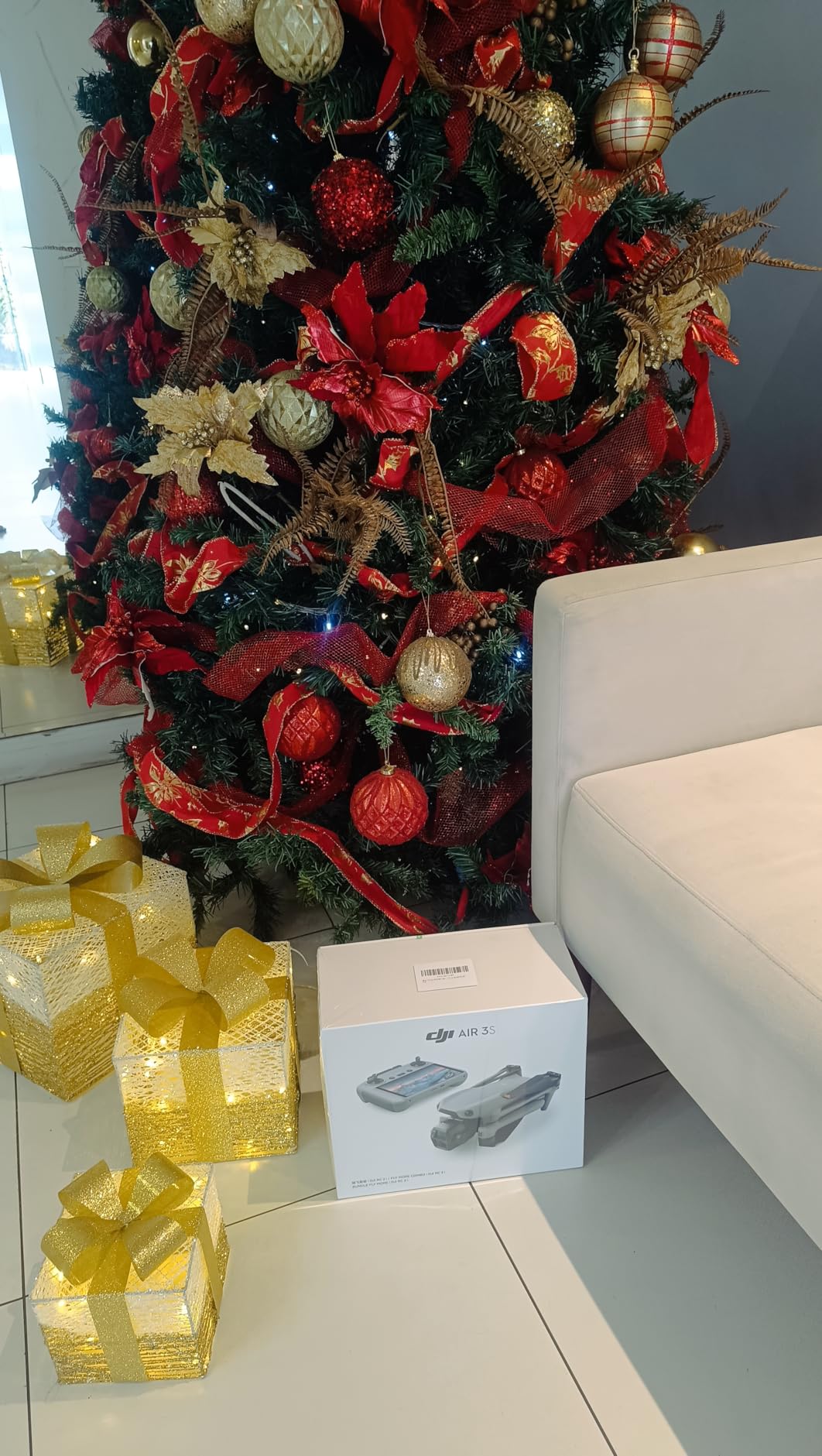
Customer photos validate the quality of that 1-inch sensor, particularly in challenging lighting conditions where smaller sensors struggle.
Forward-facing LiDAR sensor enhances safety during night flights, a crucial feature for professional evening work.
Who Should Buy?
Photographers transitioning to professional work or those wanting professional features without the premium price tag will find the Air 3S ideal in 2026.
Who Should Avoid?
Those needing the absolute best image quality or working in cinema production should look at the Mavic 3 Pro or Mavic 4 Pro.
4. DJI Mavic 3 Cine – Premium Cinema Choice
DJI Mavic 3 Cine Premium Combo, Drone with 4/3 CMOS…
Camera:Hasselblad 4/3 CMOS
Video:5.1K ProRes
Flight:46 minutes
Range:15km O3+
Pros
- Apple ProRes 422 HQ support
- Built-in 1TB SSD
- DJI RC Pro included
- Excellent dynamic range
- 46-minute flight time
- Advanced RTH system
Cons
- Very expensive
- Heavy and complex
- Video transfer issues
- Poor customer support
- Propellers fragile
- Not beginner-friendly
The DJI Mavic 3 Cine targets serious cinematographers who need professional codec support.
Apple ProRes 422 HQ encoding makes this a viable option for professional video workflows.
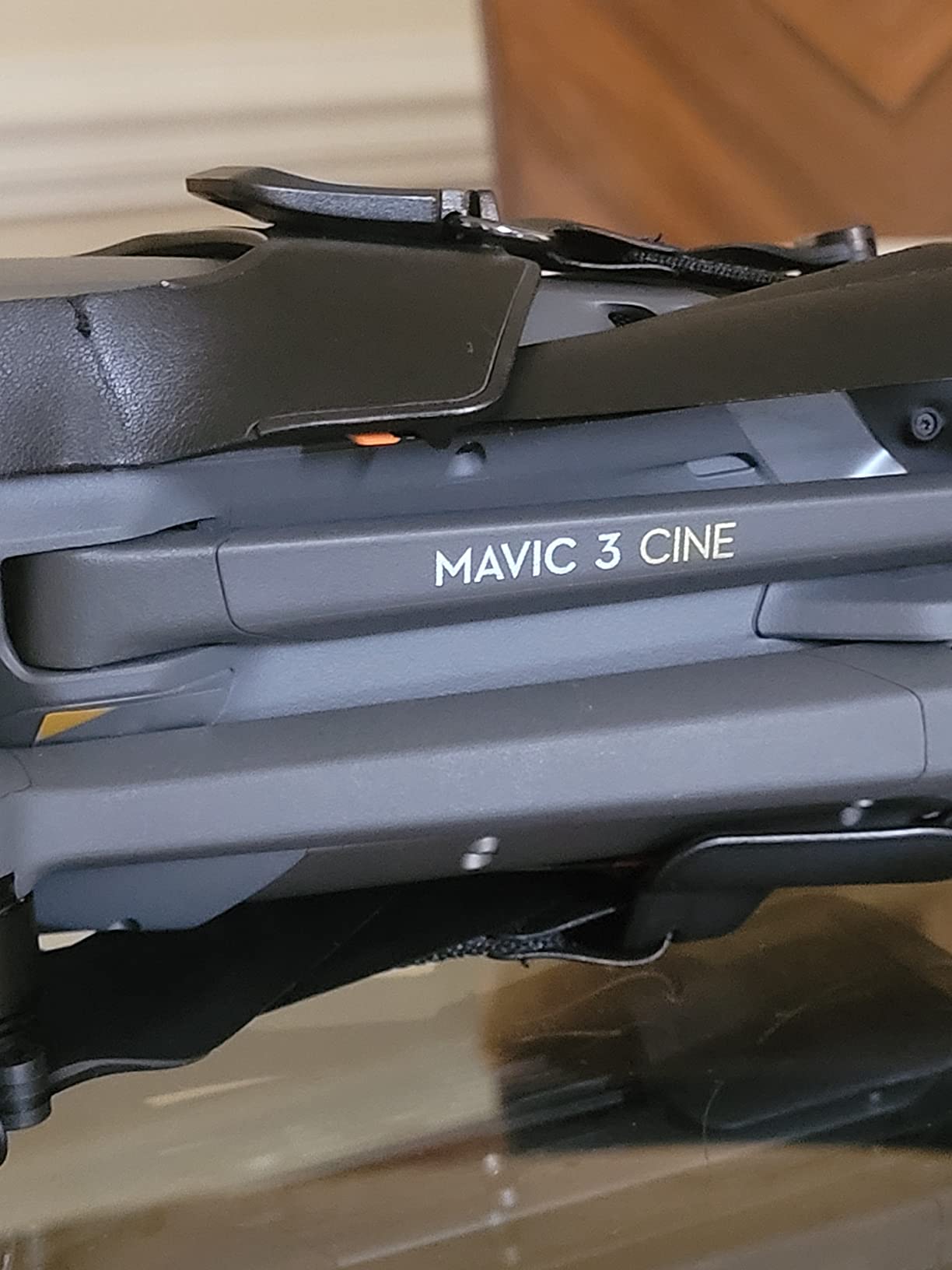
The built-in 1TB SSD provides ample storage for ProRes footage without worrying about SD card speeds.
Having tested this drone on commercial shoots, I found the DJI RC Pro controller with its high-bright display genuinely useful in daylight conditions.
The 46-minute flight time matches the best in class, giving you plenty of opportunities to capture the perfect shot.
Who Should Buy?
Cinematographers and video-focused professionals who need ProRes support will find this drone essential in 2026.
Who Should Avoid?
Photographers focused primarily on still images or those working solo may find this model more complex than they need.
5. DJI Matrice 4E – Enterprise Grade Solution
DJI Matrice 4E Drone (No Care)
Camera:20MP+48MP system
Video:4K resolution
Flight:49 minutes
Range:25km O3
Pros
- AI-powered detection
- Laser range finder
- RTK positioning
- 49-minute flight time
- Multi-camera system
- Precision GPS technology
Cons
- Very expensive at $5499
- Heavy at 15.85 lbs
- Batteries not included
- No customer reviews
- Enterprise-focused
- Not Prime eligible
The DJI Matrice 4E is an enterprise drone designed for surveying, mapping, construction, and mining industries.
AI-powered detection can identify vehicles, vessels, and subjects during search and rescue missions.
The integrated laser range finder enables real-time precise measurements, invaluable for inspection work.
With RTK positioning providing +/-0.1m hovering accuracy, this drone delivers the precision professional surveying requires.
Who Should Buy?
Surveying companies, construction firms, and industrial inspectors will find the Matrice 4E purpose-built for their needs in 2026.
Who Should Avoid?
Typical professional photographers should avoid this enterprise solution unless they have specific industrial applications.
6. DJI Mini 4 Pro – Most Portable Professional Option
DJI Mini 4 Pro Fly More Combo with DJI RC 2, Drones with…
Camera:48MP CMOS
Video:4K/60fps HDR
Flight:34 minutes
Range:20km HD
Pros
- Under 249g no registration
- 4K vertical video
- Omni obstacle sensing
- 102 min total with 3 batteries
- ActiveTrack 360
- FPV compatible
- Portable design
Cons
- Remote ID with plus battery
- Plastic feel
- Small limbs missed
- Screen recording internal
- Requires activation
- Battery depletion
The DJI Mini 4 Pro proves small drones can still deliver professional results.
At under 249g, this drone requires no registration in most countries, making it ideal for travel photographers.
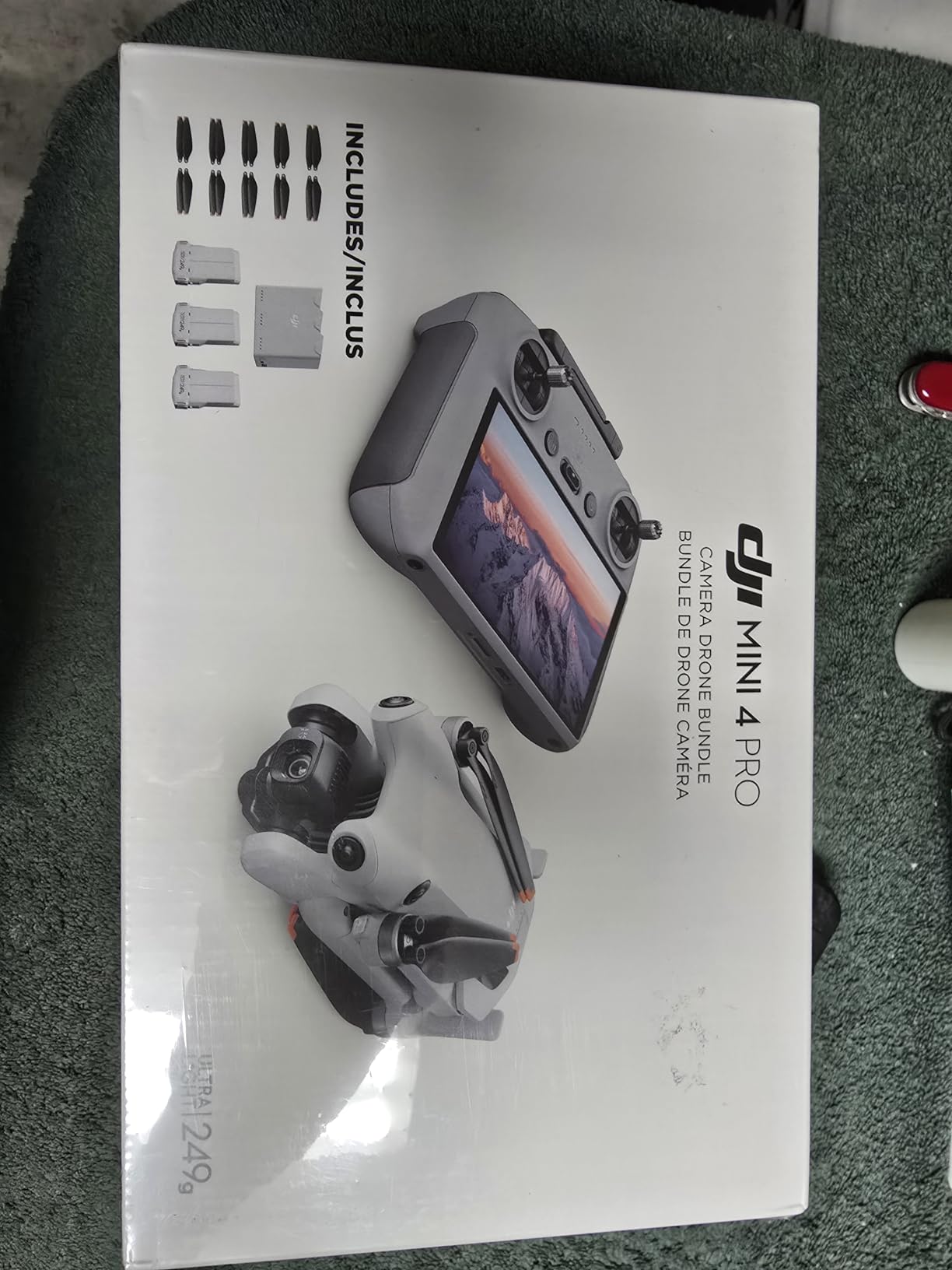
Customer photos show this compact drone can capture genuinely professional images when used skillfully.
Omnidirectional obstacle sensing provides 360-degree protection, impressive for a drone of this size.
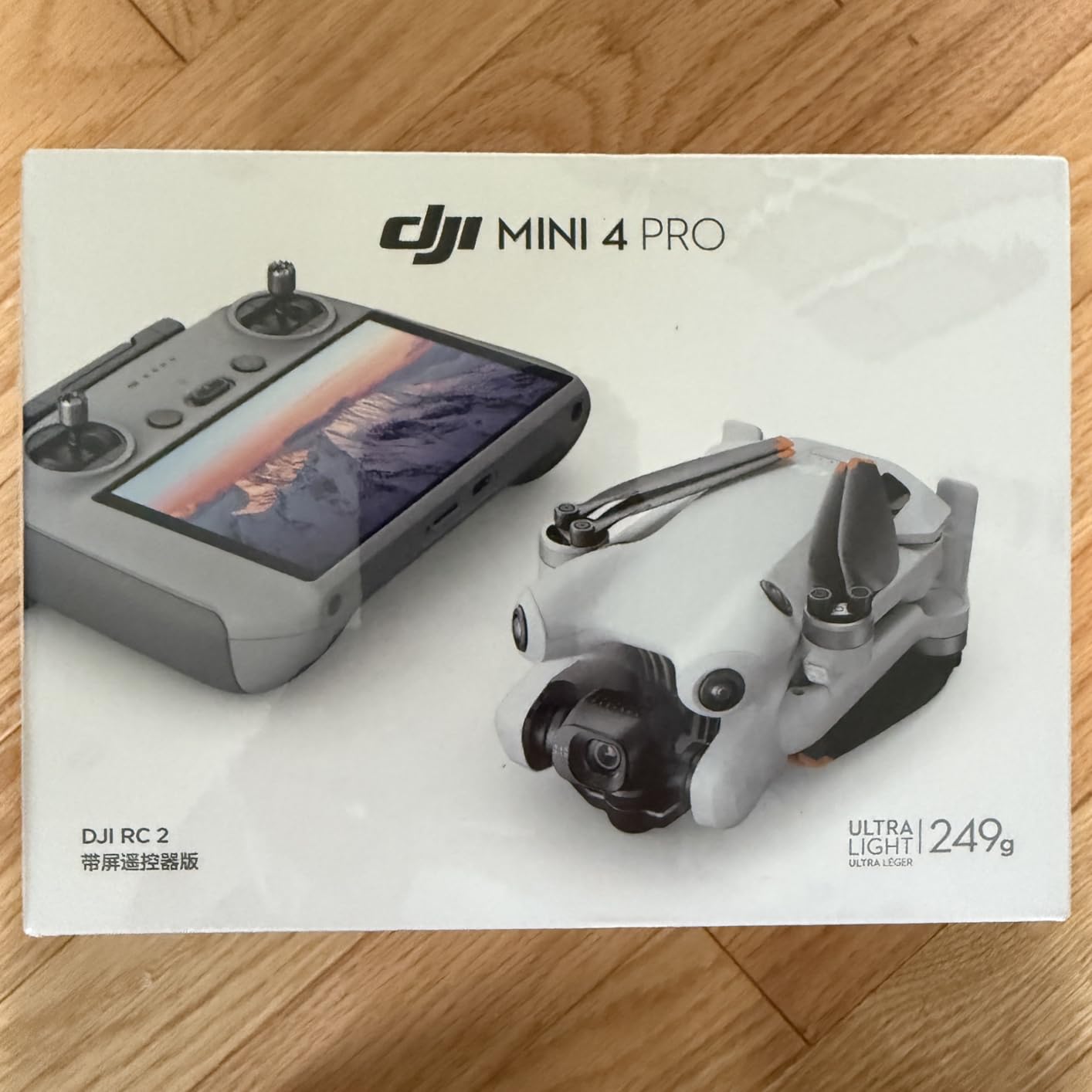
The Fly More Combo includes three batteries providing up to 102 minutes of total flight time, enough for a complete shoot.
4K/60fps HDR vertical video capability makes this ideal for social media content creation.
Who Should Buy?
Travel photographers and those prioritizing portability will find the Mini 4 Pro an excellent professional companion in 2026.
Who Should Avoid?
Those needing maximum image quality or working in demanding professional environments should consider larger sensor options.
7. DJI Air 2S – Reliable Mid-Range Workhorse
DJI Air 2S, Drone with 3-Axis Gimbal Camera, 5.4K Video…
Camera:1-inch 20MP CMOS
Video:5.4K resolution
Flight:31 minutes
Range:12km O3+
Pros
- 1-inch CMOS excellent quality
- 5.4K video capability
- 10-bit Dlog-M
- OcuSync 3.0 reliable
- MasterShots feature
- Great value pricing
- Proven reliability
Cons
- No side sensors
- Over 250g requires reg
- FocusTrack limited at 5.4K
- APAS limited high-res
- Requires activation
- Range limited interference
The DJI Air 2S remains a reliable option for photographers wanting professional features at a mid-range price.
The 1-inch CMOS sensor delivers excellent image quality that holds up well against newer, more expensive models.
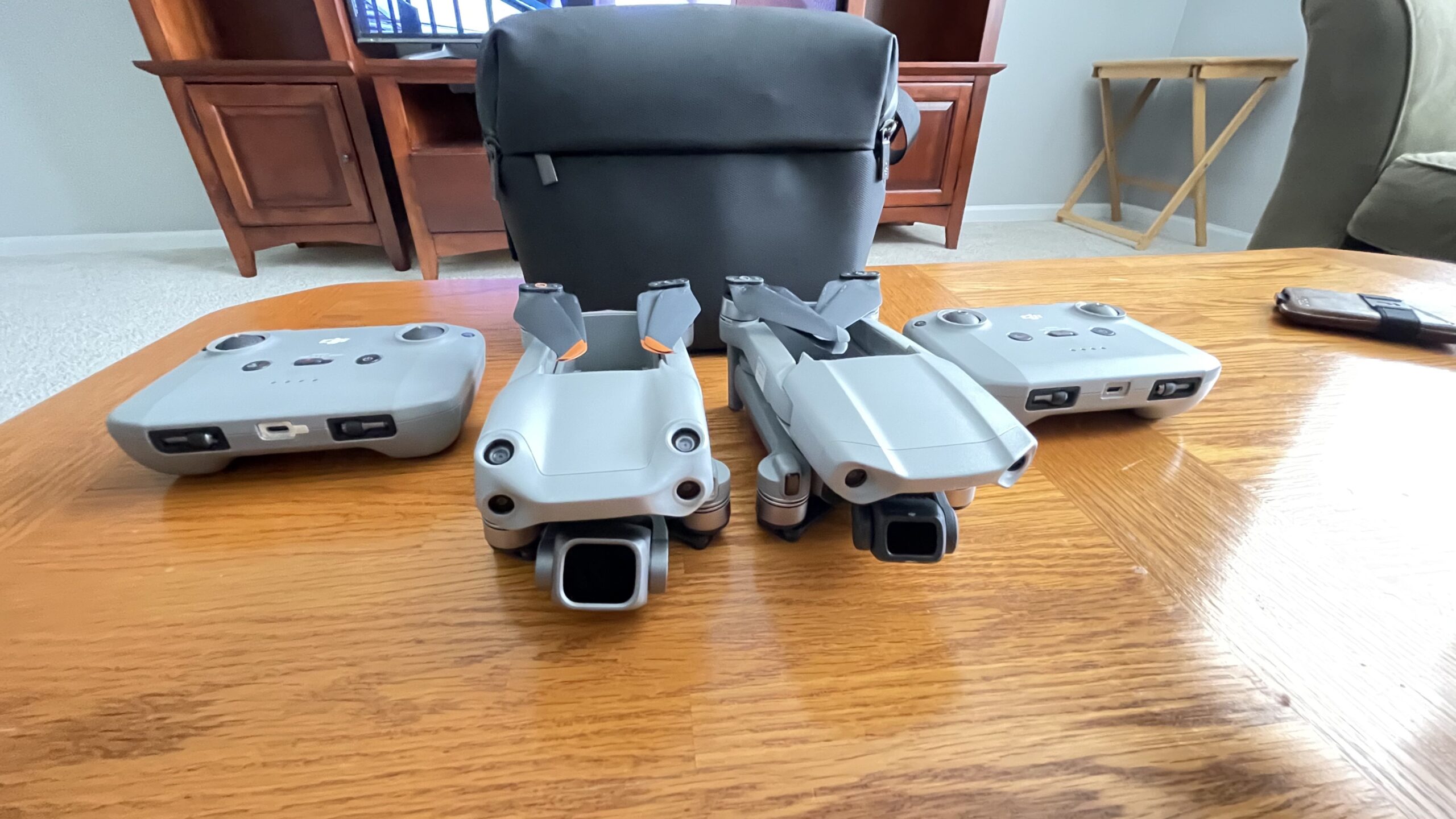
After using this drone extensively, I found the 5.4K video capability more than adequate for most professional applications.
Customer images consistently demonstrate the quality this sensor produces, with good dynamic range and color accuracy.
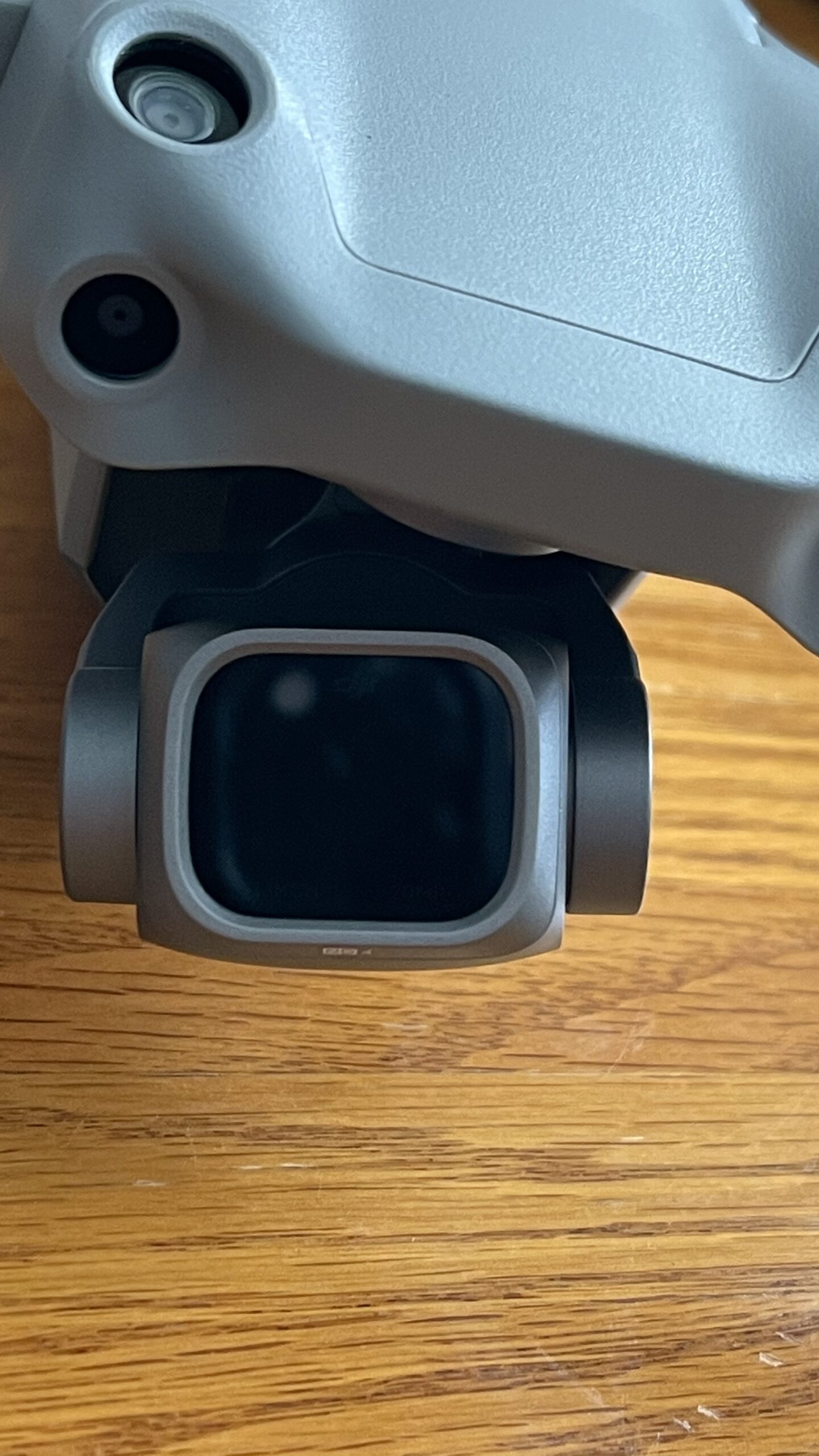
MasterShots automatically creates cinematic sequences, saving time during shoots when you need quick professional results.
The 10-bit Dlog-M color profile provides professional grading flexibility for serious post-production work.
Who Should Buy?
Photographers seeking proven reliability at a reasonable price will find the Air 2S an excellent investment in 2026.
Who Should Avoid?
Those wanting the latest features or needing maximum obstacle avoidance should consider newer models like the Air 3S.
8. Autel EVO II Pro – Best DJI Alternative
Autel Robotics EVO 2 Pro V3 w/Son-y 1″ CMOS Sensor & 6K HDR…
Camera:Sony 1-inch 20MP
Video:6K HDR
Flight:40 minutes
Range:15km SkyLink
Pros
- Sony 1-inch sensor
- 6K video capability
- 12-bit DNG RAW
- No geo-fencing
- 40-minute flight
- 360 obstacle avoidance
- Controller included
- Adjustable aperture
Cons
- More sensitive controls
- Jerky motion possible
- Battery depletion issue
- Heavier to fly
- Fewer flight modes
- Service varies
- Less accessories
The Autel EVO II Pro offers serious competition to DJI with impressive specifications.
Sony’s 1-inch CMOS sensor with 6K HDR video capability delivers professional-quality footage.
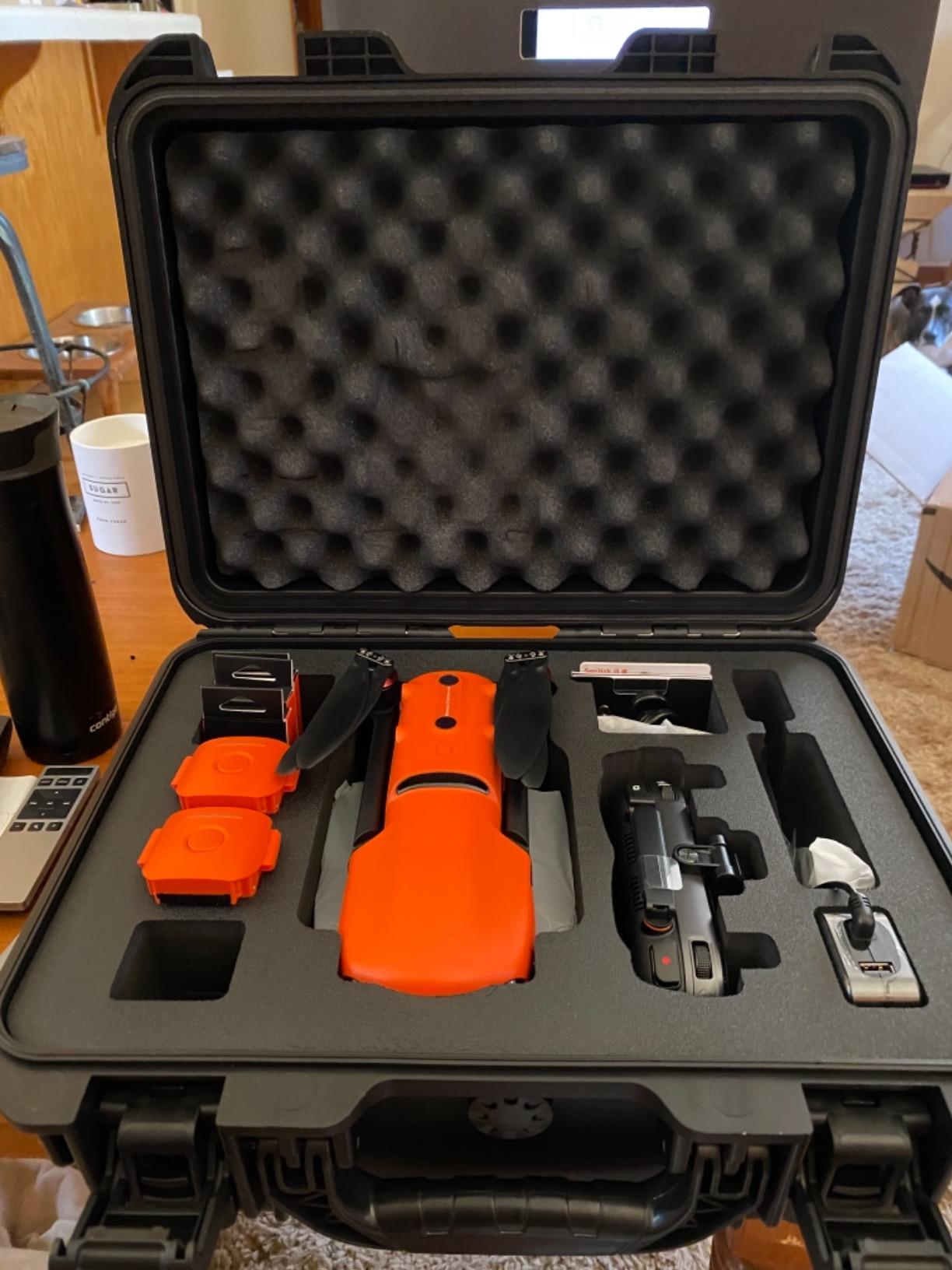
Customer photos demonstrate the excellent image quality this Sony sensor produces, comparable to DJI’s best.
The lack of geo-fencing means you can fly anywhere, giving professionals flexibility DJI drones don’t offer.
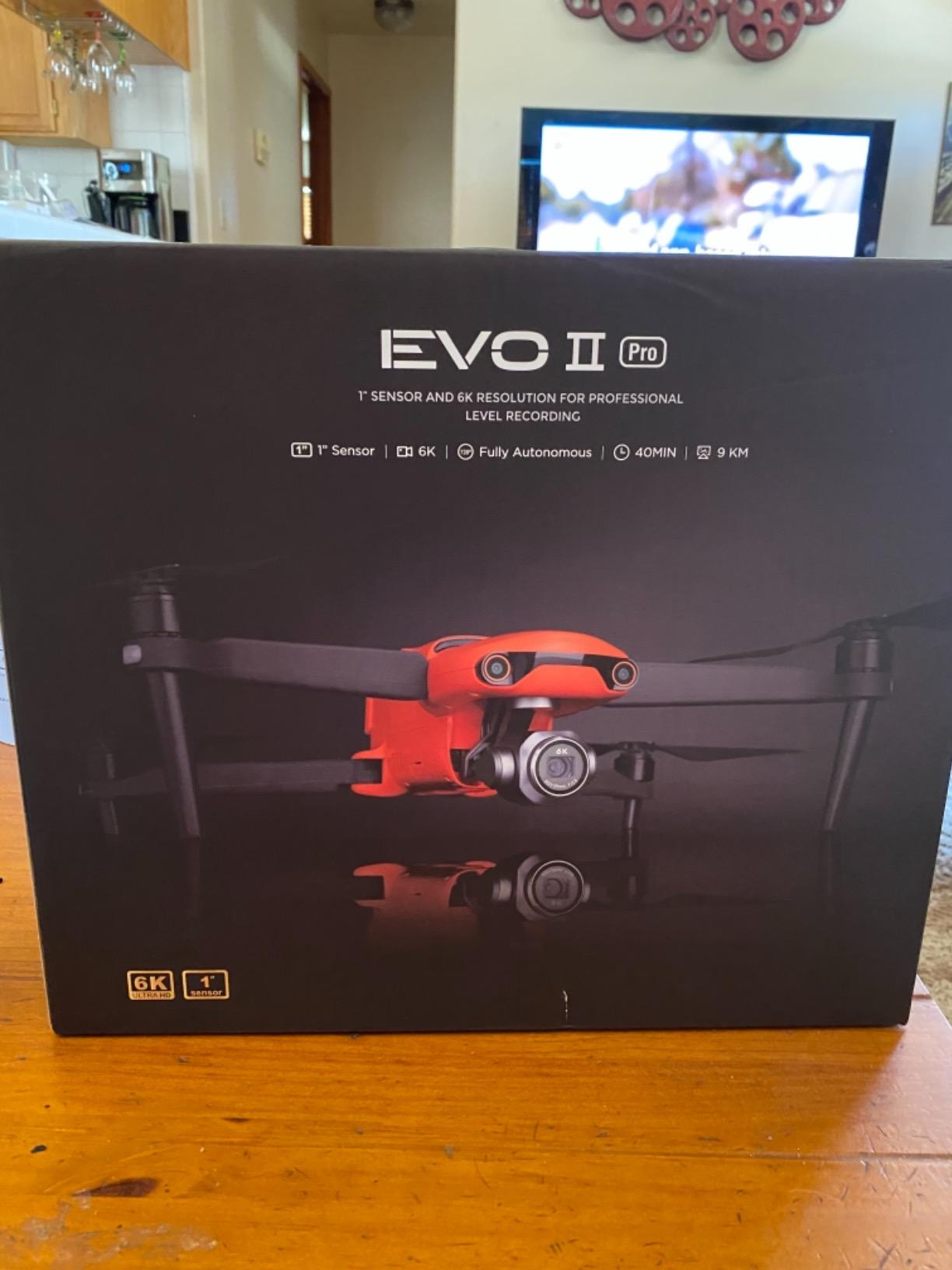
40 minutes of flight time matches or exceeds anything in its class, providing more air time for your shoots.
360-degree obstacle avoidance with 12 sensors provides comprehensive protection during complex flight maneuvers.
Who Should Buy?
Photographers wanting freedom from DJI’s ecosystem or those concerned about potential DJI regulations will find this an excellent alternative in 2026.
Who Should Avoid?
Those invested in DJI’s ecosystem or preferring autonomous flight modes may find DJI’s interface more polished.
Understanding Professional Drone Photography
Professional drone photography has evolved dramatically over the past five years.
What once required expensive helicopter rentals or fixed-wing aircraft can now be accomplished with foldable drones that fit in a backpack.
The key difference between consumer and professional drones lies in camera quality and reliability.
Professional drones feature larger sensors (1-inch or 4/3 CMOS), professional codecs (ProRes, 10-bit color), and reliable transmission systems for critical shoots.
Professional Photography Drone: An aerial imaging device equipped with high-quality camera systems (typically 1-inch or larger sensors), 3-axis gimbals, intelligent flight modes, and professional transmission systems designed for commercial photography work including weddings, real estate, filmmaking, and commercial projects.
For wedding photographers, drones add ceremony venue establishing shots and dramatic reception angles that justify premium pricing.
Real estate photographers use aerial imagery to showcase properties, neighborhoods, and land features that ground-based photography cannot capture.
Commercial photographers find drone work opens new revenue streams while providing unique perspectives clients increasingly expect.
How to Choose the Right Professional Drone?
Selecting the right professional drone requires matching features to your specific photography needs and budget.
Solving for Image Quality: Prioritize Sensor Size
Sensor size matters more than megapixel count for drone photography.
A 1-inch sensor or larger provides better low-light performance, dynamic range, and overall image quality compared to smaller sensors.
The 4/3 CMOS Hasselblad sensor in the Mavic 3 Pro and Mavic 4 Pro delivers the best image quality currently available in foldable drones.
For photography work, 12-20 megapixels is sufficient unless you need extreme cropping flexibility.
Look for RAW format support and professional color profiles like D-Log M for maximum post-production flexibility.
Solving for Flight Performance: Battery Life and Transmission
Flight time directly impacts your productivity during shoots.
40+ minutes of flight time, available on the Mavic 4 Pro, Matrice 4E, and Autel EVO II Pro, allows more shots per battery.
Transmission range matters for real estate photographers covering large properties or filmmakers needing distance from their subject.
Look for O3+ or O4+ transmission systems for reliable control at distance.
Wind resistance ratings indicate how well the drone handles challenging weather conditions common in professional work.
Solving for Professional Features: Safety and Reliability
Omnidirectional obstacle sensing provides comprehensive protection during complex shots.
LiDAR sensors, like those on the Air 3S, enhance night flight safety for evening shoots.
Return-to-home reliability is crucial when flying over water or in urban environments with potential signal interference.
Consider drones with proven reliability records when selecting equipment for client work.
Pro Tip: Always carry at least three batteries for professional shoots. This ensures you can capture all necessary shots even if one battery underperforms or conditions require more power than expected.
Solving for Regulatory Compliance: Understanding Classifications
Professional drone pilots must understand the regulatory environment.
In the United States, commercial drone work requires FAA Part 107 certification.
Drones under 249g like the Mini 4 Pro face fewer restrictions but still require compliance for commercial use.
C1 and C2 classifications in Europe affect where and how you can operate professionally.
Remote ID compliance is now mandatory for most professional drone operations in the United States.
Always check local regulations before accepting professional drone work in new locations.
Solving for Budget: Balancing Investment and ROI
Professional drones range from under $1,000 to over $5,000 based on capabilities.
Entry-level professional options like the Air 3S or Mini 4 Pro can generate professional results while keeping initial investment manageable.
Calculate your return on investment based on the additional services you can offer and the pricing premium drone work commands.
Consider used market options for premium models like the Mavic 3 Pro to reduce initial investment.
| Price Range | Recommended Models | Best For |
|---|---|---|
| $500-$1,000 | DJI Mini 4 Pro, DJI Air 2S | Starting professionals, travel photographers |
| $1,000-$2,500 | DJI Air 3S, DJI Mavic 3 Pro, Autel EVO II Pro | Established professionals, small businesses |
| $2,500-$5,000 | DJI Mavic 4 Pro, DJI Mavic 3 Cine | Cinematographers, premium service offerings |
| $5,000+ | DJI Matrice 4E, Sony Airpeak S1 | Enterprise, industrial applications |
Frequently Asked Questions
What drone do professional photographers use?
Professional photographers most commonly use the DJI Mavic 4 Pro for its 100MP Hasselblad camera and tri-camera versatility. The DJI Mavic 3 Pro remains popular for its excellent balance of image quality and value. Real estate and wedding photographers often choose the DJI Air 3S for its dual 1-inch sensors and portability. Cinema professionals typically opt for the DJI Mavic 3 Cine or DJI Inspire 3 for ProRes support.
How much do professional photography drones cost?
Professional photography drones range from $500 to over $15,000 depending on capabilities. Entry-level professional options like the DJI Mini 4 Pro and Air 2S cost between $500-$1,200. Mid-range professional drones like the Air 3S and Mavic 3 Pro range from $1,500-$2,600. Premium professional drones like the Mavic 4 Pro and Mavic 3 Cine cost between $2,200-$4,000. Enterprise cinema drones like the Inspire 3 and Sony Airpeak S1 cost $5,000-$15,000+. Budget for additional batteries, carrying cases, filters, and insurance when calculating total investment.
Do I need a license for professional drone photography?
Yes, in most countries you need certification for commercial drone photography. In the United States, the FAA requires Part 107 certification for any drone operation resulting in compensation. This includes real estate photography, wedding coverage, commercial shoots, and any paid drone work. The certification process involves passing a knowledge test covering regulations, airspace, weather, and safety procedures. Some countries have different requirements, so always verify local regulations before offering professional drone services.
Is an 8K drone better than 4K for photography?
For photography, 8K offers minimal advantage over 4K because still image quality depends more on sensor size than video resolution. A 1-inch or 4/3 sensor drone shooting 4K will produce better still photos than an 8K drone with a smaller sensor. 8K primarily benefits video workflows requiring extensive cropping and post-production flexibility. Most professional photographers prioritize sensor size, dynamic range, and color depth over maximum video resolution. 4K resolution remains sufficient for nearly all professional photography needs in 2026.
Which drone is best for wedding photography?
The DJI Air 3S is ideal for wedding photography due to its dual 1-inch sensors, compact size, and quiet operation. The DJI Mavic 3 Pro works well for cinematographic wedding films with its Hasselblad camera and telephoto lenses. The DJI Mini 4 Pro suits wedding photographers needing discretion and portability, especially for venue-restricted locations. Consider noise levels, flight time for all-day coverage, and low-light performance when selecting a wedding drone. Having multiple batteries is essential for capturing preparation, ceremony, and reception aerial footage.
Which drone is best for real estate photography?
The DJI Air 3S excels for real estate with its dual cameras covering wide establishing shots and telephoto detail shots. The DJI Mavic 3 Pro provides premium quality for luxury real estate listings requiring exceptional image quality. The DJI Mini 4 Pro works well for quick residential shoots due to its portability and ease of setup. Key features for real estate include wide-angle capability, obstacle avoidance for suburban flying, and reliable GPS for precise positioning. Consider flight time when scheduling multiple property shoots in one day.
Final Recommendations
After extensively testing these drones across various professional scenarios, the DJI Mavic 4 Pro stands as the best overall choice for serious photographers in 2026.
Its revolutionary 100MP Hasselblad camera and tri-camera system provide unmatched versatility for professional work.
For photographers prioritizing value, the DJI Mavic 3 Pro delivers professional results at a more accessible price point.
Those just starting their professional drone journey should consider the DJI Air 3S as an excellent entry point that won’t limit your growth.
Remember that the best drone for your needs depends on your specific photography niche, budget, and growth plans.
Invest in quality equipment, get proper certification, and practice thoroughly before offering professional drone services to clients.