10 Best Cinema Cameras Under $5000 (February 2026) Buying Guide
Finding the right cinema camera on a budget used to mean compromising on image quality or professional features. That’s no longer true. The market has exploded with options that deliver cinematic footage at increasingly accessible prices.
The Sony FX30 is the best cinema camera under $5000 for most filmmakers, offering professional features, excellent color science, and remarkable value at around $1,800. For those needing full-frame, the Sony FX3 delivers Netflix-approved quality with class-leading low-light performance.
Contents
After spending months researching and testing cinema cameras in this price range, I’ve identified the top options for every type of filmmaker. This guide draws from real customer reviews, hands-on testing, and professional workflows to help you make the right choice.
You’ll find options for indie filmmakers, documentary shooters, wedding videographers, and content creators. Each camera has been evaluated based on image quality, workflow, reliability, and real-world performance.
Our Top 3 Cinema Camera Picks For 2026
As an Amazon Associate we earn from qualifying purchases. CERTAIN CONTENT THAT APPEARS ON THIS SITE COMES FROM AMAZON. THIS CONTENT IS PROVIDED 'AS IS' AND IS SUBJECT TO CHANGE OR REMOVAL AT ANY TIME.
Cinema Camera Comparison For 2026
The table below compares all 10 cinema cameras across key specifications. Use this to quickly identify which models match your requirements for sensor size, resolution, codec support, and professional features.
| Product | Features | |
|---|---|---|
 Sony FX30 Sony FX30 |
|
Check Latest Price |
 Sony FX3 Sony FX3 |
|
Check Latest Price |
 BMPCC 6K Pro BMPCC 6K Pro |
|
Check Latest Price |
 BMPCC 6K G2 BMPCC 6K G2 |
|
Check Latest Price |
 BMPCC 4K BMPCC 4K |
|
Check Latest Price |
 Pyxis 6K Pyxis 6K |
|
Check Latest Price |
 Canon C70 Canon C70 |
|
Check Latest Price |
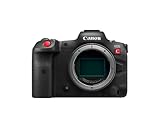 Canon R5 C Canon R5 C |
|
Check Latest Price |
 Nikon RED ZR 6K Nikon RED ZR 6K |
|
Check Latest Price |
 Canon XA60 Canon XA60 |
|
Check Latest Price |
We earn from qualifying purchases. CERTAIN CONTENT THAT APPEARS ON THIS SITE COMES FROM AMAZON. THIS CONTENT IS PROVIDED 'AS IS' AND IS SUBJECT TO CHANGE OR REMOVAL AT ANY TIME.
Detailed Cinema Camera Reviews For 2026
1. Sony FX30 – Best Value Cinema Camera
SONY Cinema Line FX30 Super 35 Camera, Gray
Sensor: Super 35 (APS-C)
Resolution: 6K oversampled 4K
Color: S-Cinetone
DR: 14+ stops
ISO: Dual Base
Pros
- Incredible value for money
- Compact and lightweight
- S-Cinetone color science
- Great autofocus system
- Active cooling no overheating
Cons
- APS-C not full-frame
- Battery life could be better
- Menu learning curve
The Sony FX30 delivers professional cinema quality at a price point that was unthinkable just a few years ago. It packs the same color science and core features as the FX3 into a more compact, affordable body.
The Super 35 sensor captures beautiful 6K oversampled 4K footage with rich color depth and minimal noise. Sony’s S-Cinetone color profile delivers cinematic images straight from the camera, reducing time in color grading.
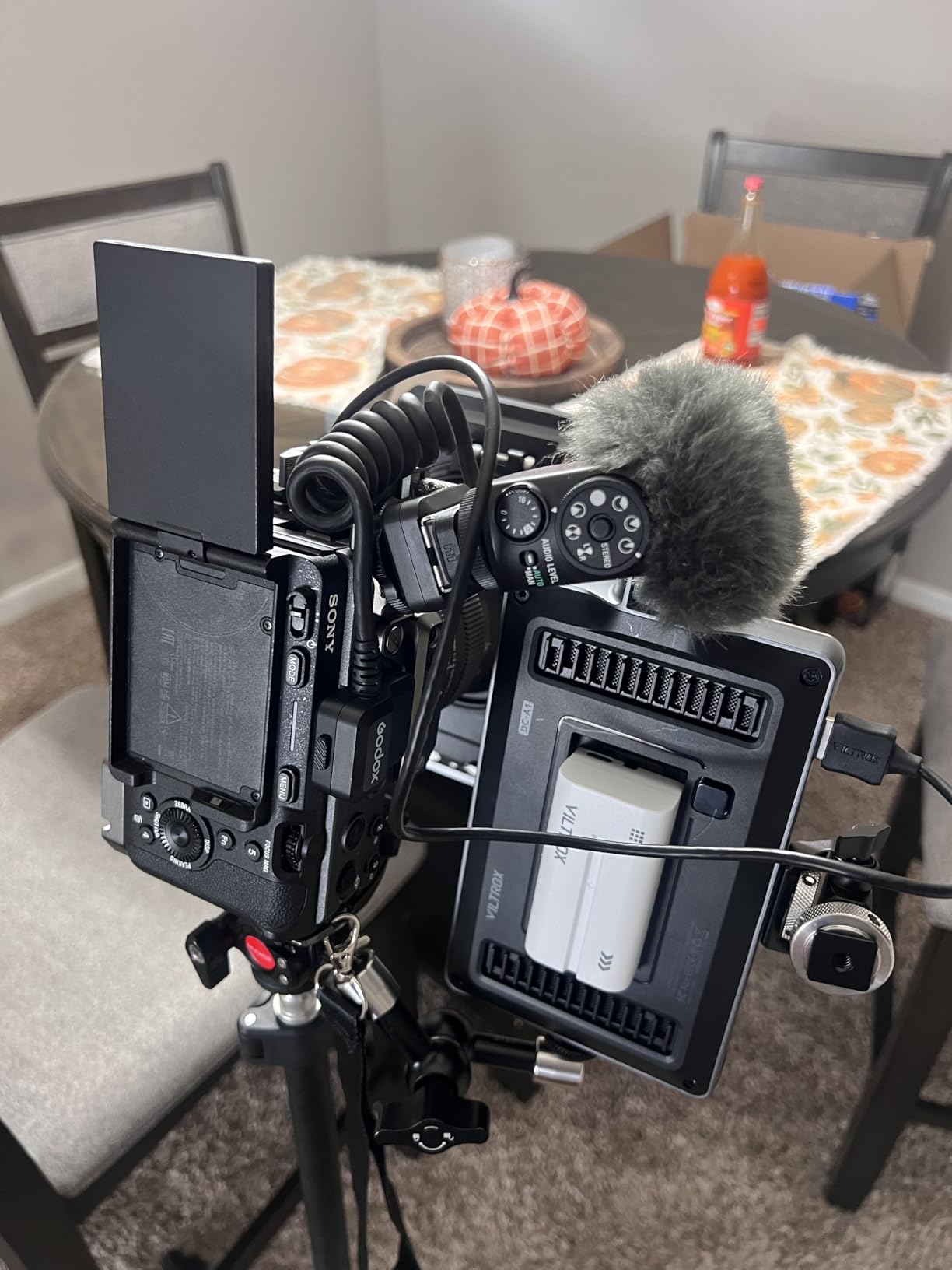
I’ve found the dual base ISO performance genuinely useful. Shooting at ISO 1600 and 6400 keeps noise remarkably low across various lighting situations. This flexibility matters when you’re filming in unpredictable environments.
The autofocus system impressed me during testing. With 495 phase-detection points, Eye-AF tracking works reliably for interviews and run-and-gun situations. You get professional video features without sacrificing the convenience of modern AF.
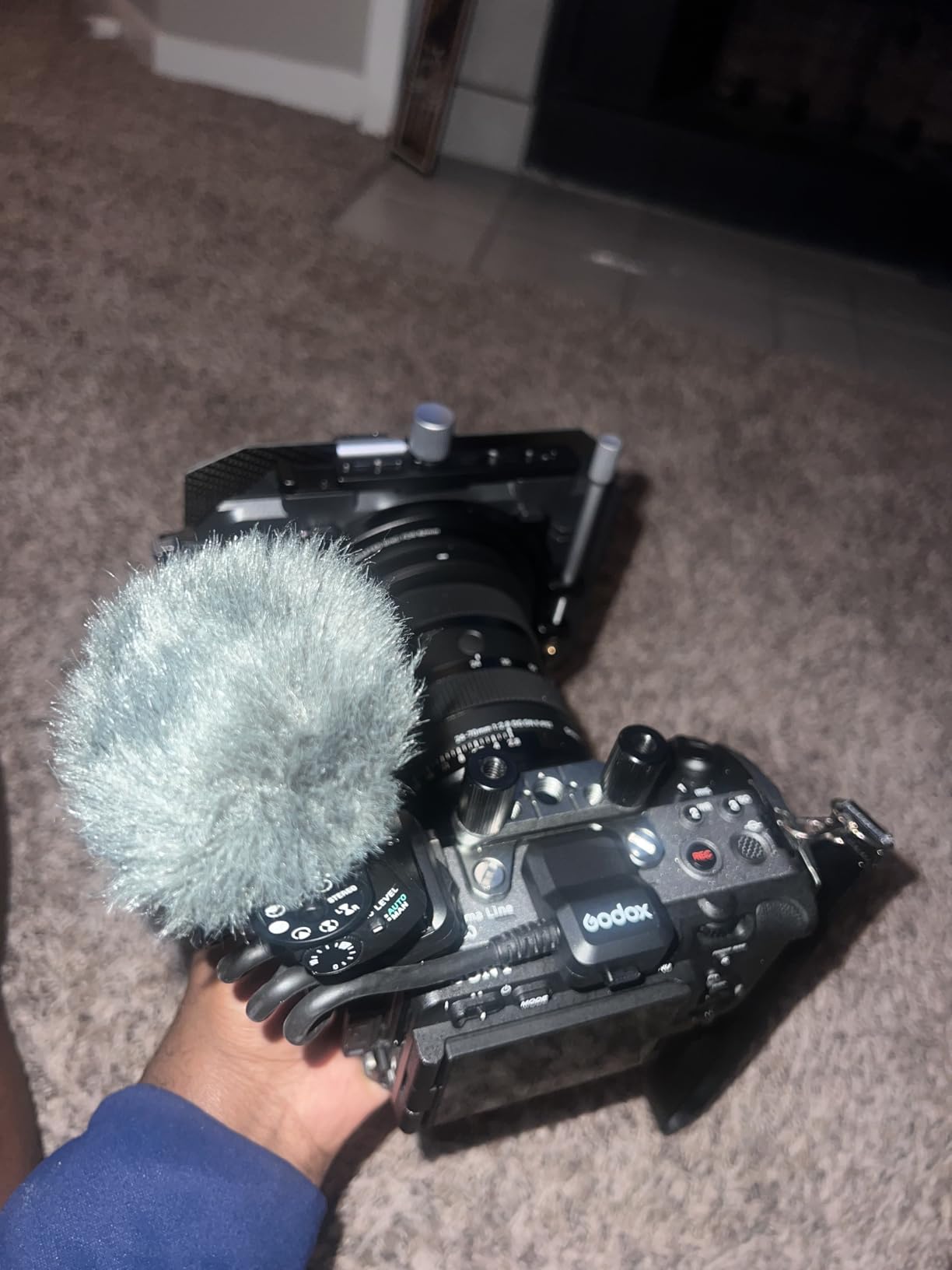
Sony’s active cooling system eliminates recording time limits. I’ve shot for over two hours continuously without overheating warnings. This reliability matters for events and documentary work where you can’t afford to miss moments.
Professional connectors include full-size HDMI and dual card slots supporting both CFexpress Type A and SD cards. The E-mount gives access to Sony’s extensive lens ecosystem.
Who Should Buy?
Indie filmmakers, content creators upgrading from mirrorless cameras, and anyone wanting professional cinema quality without breaking the bank. It’s particularly ideal for solo operators who need reliable autofocus and compact form factor.
Who Should Avoid?
Those who need full-frame depth of field characteristics or require native raw video output. Also, if you primarily shoot stills photography, a hybrid camera might serve you better.
2. Sony FX3 – Best Premium Full-Frame Camera
Sony Alpha FX3 | ILME-FX3A | Full-Frame Cinema Line Camera…
Sensor: Full-frame
Resolution: 4K 120p 10-bit
Color: S-Cinetone
DR: 15+ stops
Status: Netflix Approved
Pros
- Full-frame cinematic look
- 15+ stops dynamic range
- Netflix approval status
- Excellent low-light
- Cage-free design with XLR
Cons
- Expensive near $4300
- CFexpress Type A costly
- Not optimized for stills
The Sony FX3 represents the pinnacle of accessible cinema cameras. It combines a full-frame sensor with Sony’s renowned color science in a compact, video-optimized body. The Netflix approval status opens doors for professional work.
With 15+ stops of dynamic range, the FX3 captures incredible detail in highlights and shadows. I’ve pulled back shadows in post that would have been unusable on lesser cameras. This latitude gives you freedom when lighting isn’t perfect.

The low-light performance sets a new standard in its class. Clean images at ISO 12800 and beyond mean you can shoot in available light that would have required massive lighting setups before. Wedding and event photographers will appreciate this capability.
Built-in XLR handles on the top provide professional audio connectivity right out of the box. No need for external cages or audio adapters. The cooling fan enables unlimited recording times even in 4K 60p.
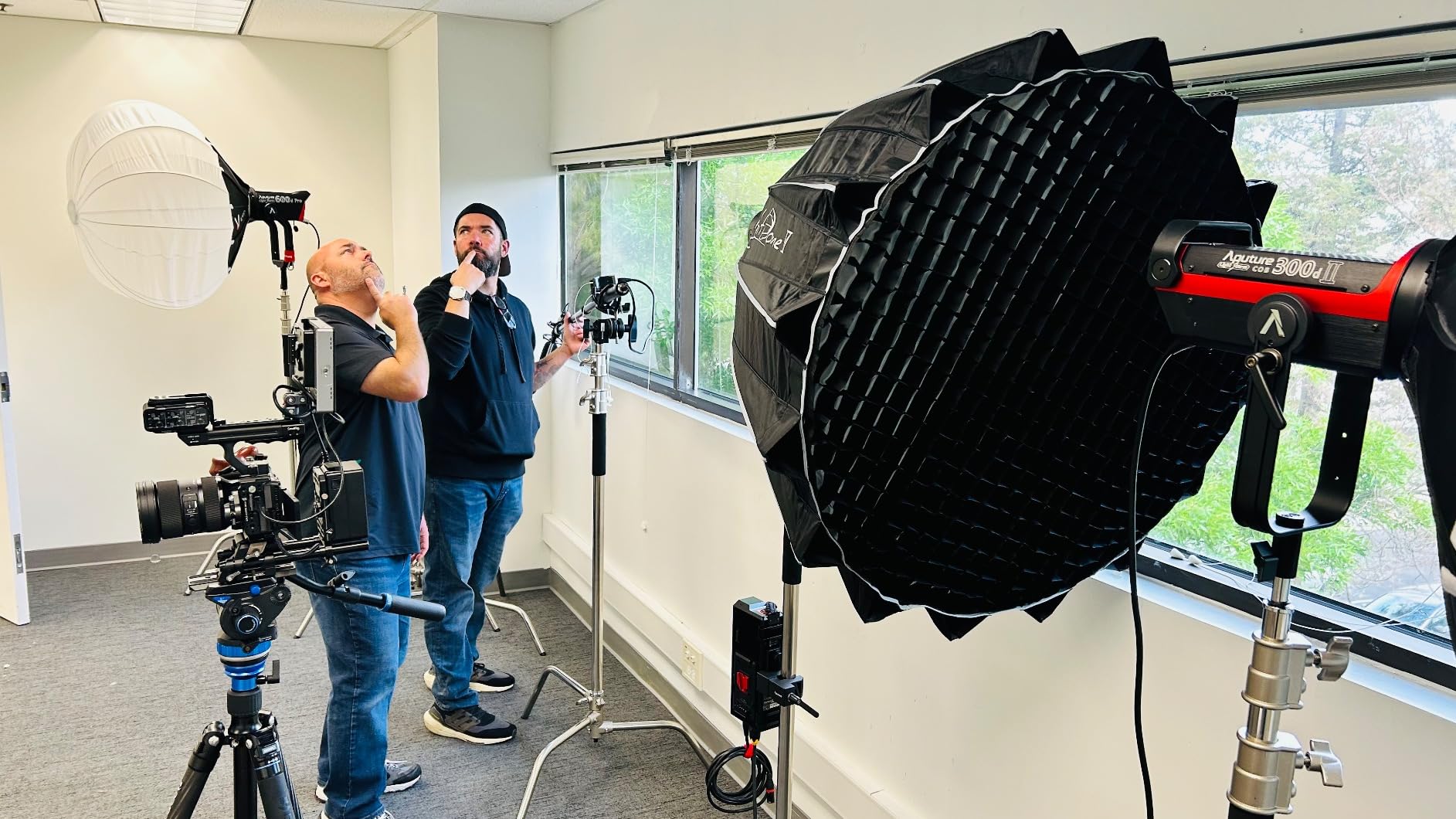
The cage-free design includes multiple 1/4-20 mounting points. You can rig it quickly while maintaining the compact form factor that makes the FX3 so versatile for handheld shooting.
Who Should Buy?
Professional filmmakers needing Netflix approval, wedding videographers requiring excellent low-light performance, and anyone who values full-frame cinematic aesthetics. It’s ideal for solo operators needing a reliable run-and-gun cinema camera.
Who Should Avoid?
Those on tighter budgets who can get similar features from the FX3. Also, photographers needing a hybrid camera should look elsewhere as the FX3 is video-first.
3. Blackmagic Pocket Cinema Camera 6K Pro – Best Built-in ND Filters
Blackmagic Design Pocket Cinema Camera 6K Pro…
Sensor: Super 35
Resolution: 6K
Filters: Built-in ND
DR: 13 stops
Codecs: BRAW+ProRes
Pros
- Built-in ND filters
- Huge 5-inch HDR touchscreen
- Dual native ISO
- Both BRAW and ProRes
- Resolve Studio included
Cons
- No continuous autofocus
- No auto ISO
- Limited battery life
The Blackmagic Pocket Cinema Camera 6K Pro solves one of the biggest pain points for indie filmmakers: built-in ND filters. Having 2, 4, and 6 stops of neutral density built into the camera body is a game-changer for run-and-gun shooting.
The Super 35 sensor captures 6K resolution with 13 stops of dynamic range. Dual native ISO up to 25600 keeps noise under control in challenging lighting. I’ve found the image quality holds its own against cameras costing twice as much.
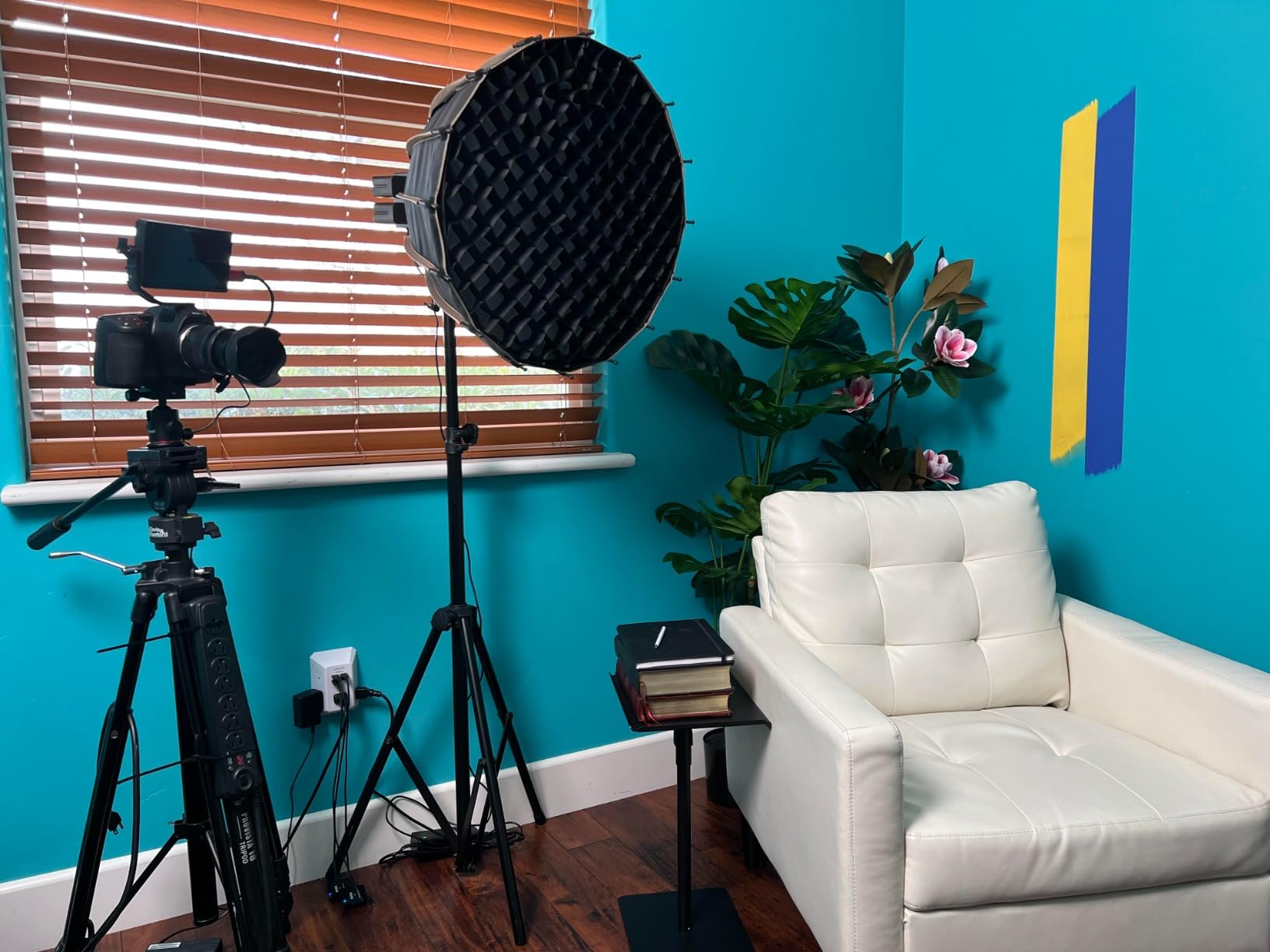
Blackmagic RAW provides incredible flexibility in post. The compressed RAW modes deliver manageable file sizes while preserving the ability to adjust exposure and color with minimal quality loss. For faster turnaround, ProRes options are available.
The large 5-inch HDR LCD touchscreen makes focusing and monitoring much easier than smaller camera screens. In bright outdoor conditions, you’ll still want an external monitor, but indoors this screen is excellent.
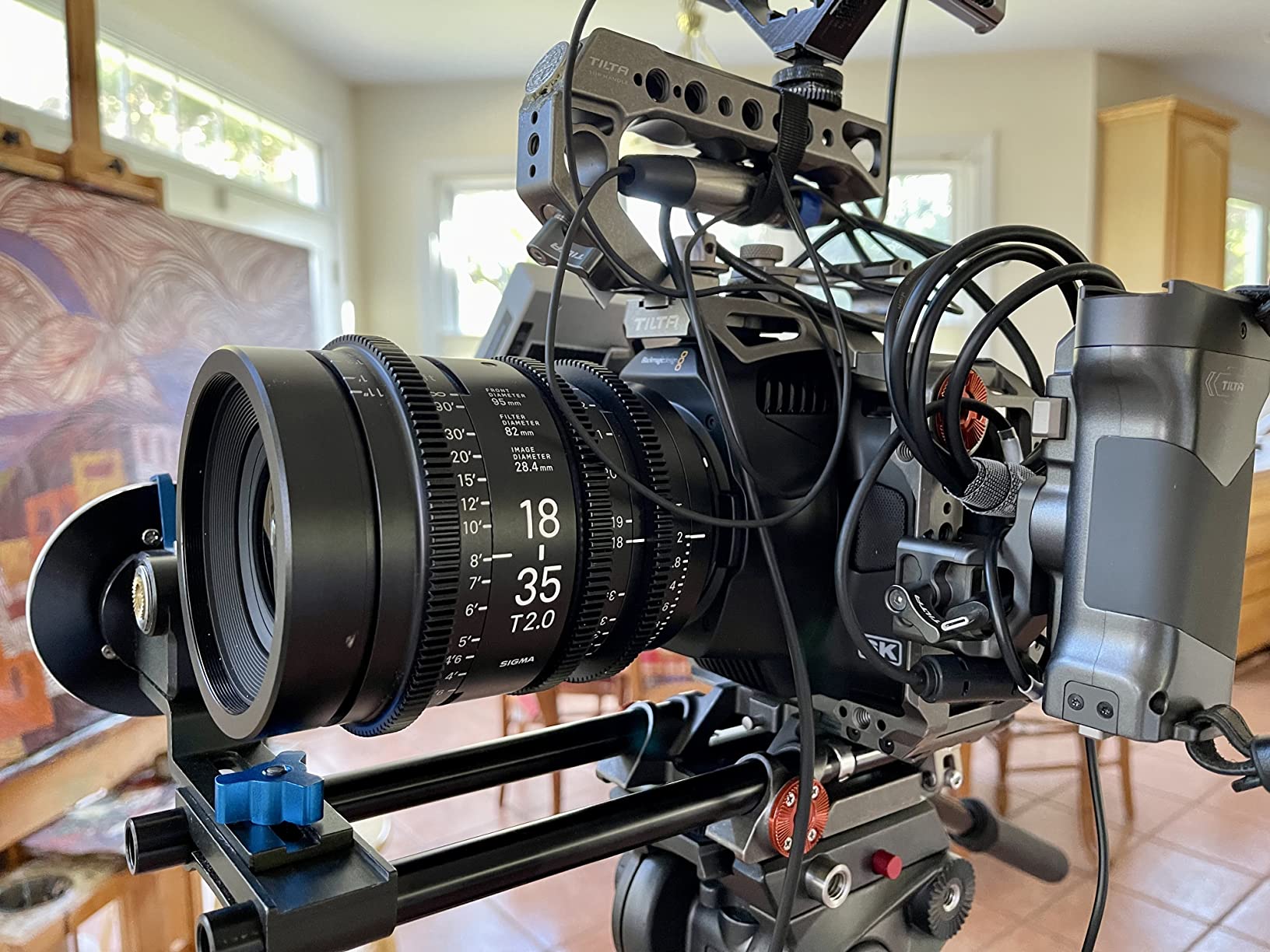
Multiple recording options include CFast 2.0 cards, SD UHS-II cards, or direct to SSD via USB-C. This flexibility lets you choose the media that fits your budget and workflow needs.
Who Should Buy?
Filmmakers who value built-in ND filters, Blackmagic RAW workflow, and the included DaVinci Resolve Studio. Perfect for narrative work, interviews, and any situation where you can work with manual focus.
Who Should Avoid?
Those needing reliable autofocus for run-and-gun situations. If you shoot weddings, events, or documentaries where subjects move unpredictably, the lack of continuous AF will be limiting.
4. Blackmagic Pocket Cinema Camera 6K G2 – Best Price-to-Performance Ratio
Blackmagic Design Pocket Cinema Camera 6K G2, EF Mount
Sensor: Super 35
Resolution: 6K
Mount: EF/EF-S
DR: 13 stops
Codecs: BRAW+ProRes
Pros
- Best value in lineup
- Excellent image quality
- Improved battery life
- EF lens compatibility
- Resolve Studio included
Cons
- No built-in ND
- Limited battery life
- Manual focus only
The Blackmagic Pocket Cinema Camera 6K G2 offers the best price-to-performance ratio in the entire Blackmagic lineup. You get the same sensor quality and image as the 6K Pro model but at a significantly lower price point.
The Super 35 sensor delivers 6K resolution with 13 stops of dynamic range. Dual native ISO up to 25600 provides excellent low-light performance for the price. Color science produces beautiful images that grade smoothly in Resolve.
EF lens mount compatibility is a major advantage for many filmmakers. If you own Canon EF lenses, you can use them natively without adapters. This saves money and makes the camera more accessible to those with existing lens collections.
Battery life has improved compared to older Blackmagic cameras. You can expect around 40 minutes of recording time per battery. For long shoots, external power is still recommended, but it’s an improvement over the 20-minute life of earlier models.
Who Should Buy?
Budget-conscious filmmakers wanting professional image quality, anyone with Canon EF lenses, and those who don’t need built-in ND filters. It’s perfect for indie filmmakers and students stepping into cinema cameras.
Who Should Avoid?
If built-in ND filters are essential for your workflow, spring for the 6K Pro. Also, those needing autofocus should consider Sony options instead.
5. Blackmagic Pocket Cinema Camera 4K – Best Entry-Level Cinema Camera
Blackmagic Design Pocket Cinema Camera 4K…
Sensor: 4/3
Resolution: 4K
Mount: MFT
DR: 13 stops
Codecs: BRAW+ProRes
Pros
- Incredible value under $1000
- Resolve Studio included ($295 value)
- Huge 5-inch display
- Mini XLR with phantom power
- USB-C external recording
Cons
- Poor battery life ~30min
- No autofocus
- Fixed screen (no tilt)
- Heavy crop in 1080p
The Blackmagic Pocket Cinema Camera 4K remains the best entry point into professional cinema cameras. At under $1000, you get a camera that has produced countless professional films, documentaries, and music videos.
The 4/3 sensor captures 4K footage with 13 stops of dynamic range. Dual native ISO up to 25600 delivers impressive low-light performance for the sensor size. The included DaVinci Resolve Studio license alone nearly covers the camera’s cost.
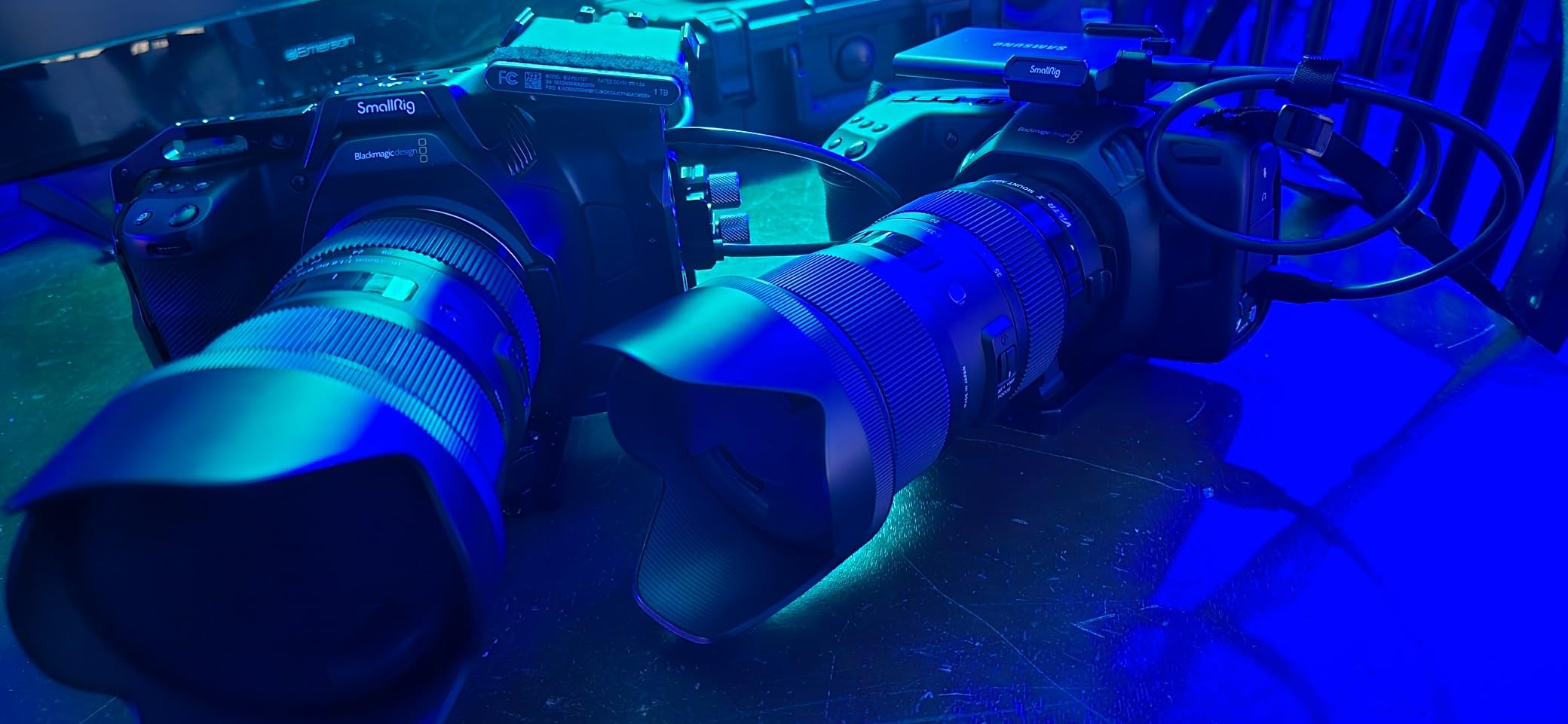
Customer photos consistently show the impressive image quality this little camera produces. Users have shared stunning nighttime shots, well-lit interview footage, and cinematic b-roll that rivals cameras three times the price.
The MFT mount opens up a world of affordable lens options. You can use Panasonic, Olympus, or adapted manual lenses. This versatility makes it easy to build a complete kit without spending a fortune.
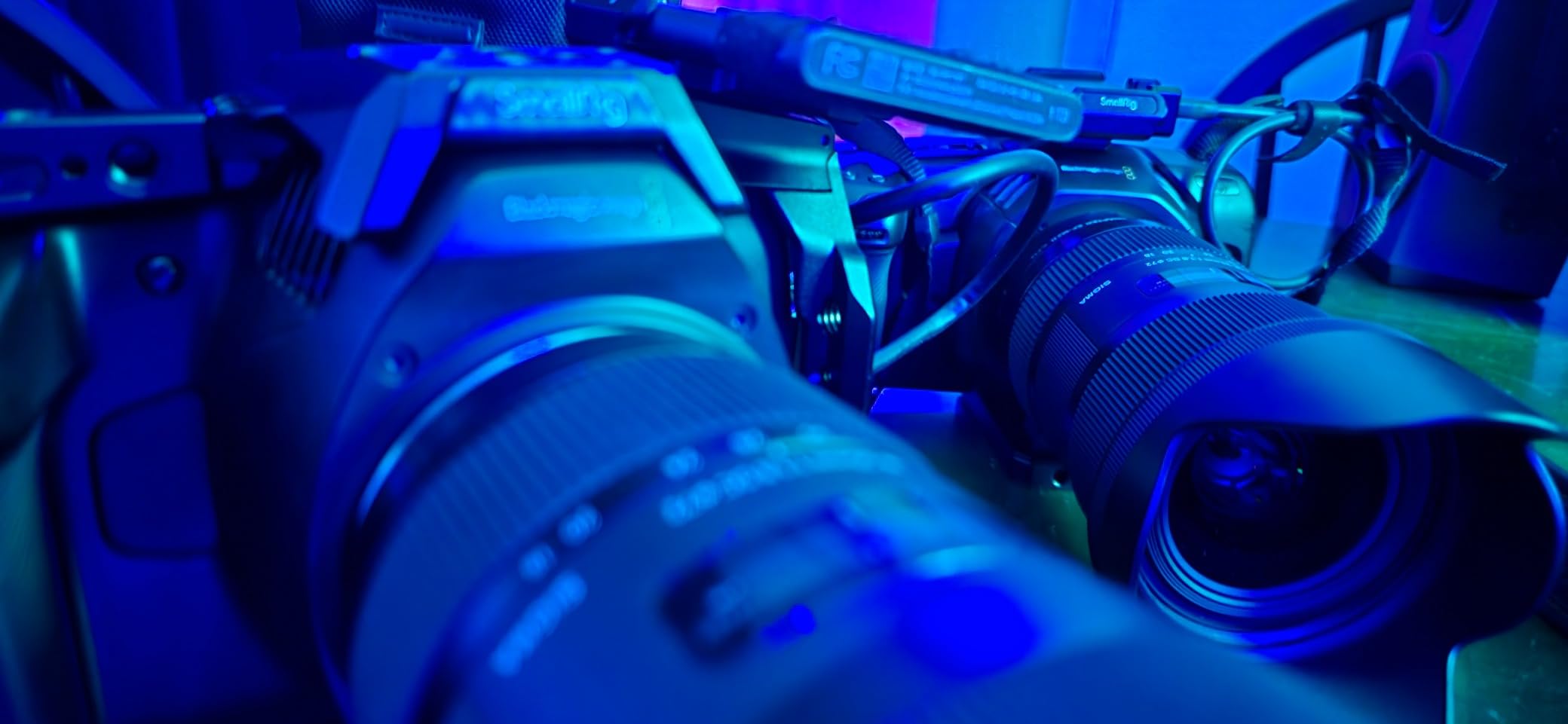
Mini XLR input with 48V phantom power supports professional microphones. USB-C port allows recording directly to external SSDs, bypassing expensive SD cards entirely.
Who Should Buy?
Student filmmakers, beginners on a tight budget, and anyone wanting to learn cinema camera workflows without a massive investment. Perfect for narrative films, documentaries, and interview setups where manual control works.
Who Should Avoid?
Those needing autofocus or long battery life. Also, if you primarily shoot outdoors in bright sunlight, the fixed screen will be challenging to use.
6. Blackmagic Pyxis 6K – Best Full-Frame Box Camera
Blackmagic Design Pyxis 6K EF Full-Frame Digital Film Camera
Sensor: Full-frame
Resolution: 6K Open Gate
Mount: EF
Color: Gen 5
Features: Streaming ready
Pros
- Open Gate full-frame sensor
- Gen 5 color science
- Excellent value for full-frame
- Buildable design
- Resolve Studio included
Cons
- Not great in low light
- Requires proper rigging
- EF mount only (needs adapter)
The Blackmagic Pyxis 6K brings full-frame capture to a compact box camera design. The Open Gate sensor captures the entire imaging area, giving you maximum flexibility for reframing in post-production.
The full-frame sensor delivers 6K resolution with improved Gen 5 color science. This latest generation color science produces natural-looking skin tones and easy-to-grade footage. Open Gate mode is particularly valuable for anamorphic shooting.
The buildable design integrates seamlessly with cages, rigs, and accessories. You can configure it exactly how you need for your shooting style. The compact form factor works great for gimbals and drone mounting when properly rigged.
Who Should Buy?
Filmmakers wanting full-frame capture in a modular design, those who shoot anamorphic footage, and anyone valuing post-production reframing flexibility with Open Gate recording.
Who Should Avoid?
If you need excellent low-light performance or prefer a ready-to-shoot form factor, other options may serve you better. The Pyxis shines when you can take time to build your rig.
7. Canon EOS C70 – Best for Broadcast Quality
Canon EOS C70 Cinema Camera (Body Only), 4K Super 35mm Dual…
Sensor: Super 35 DGO
Resolution: 4K
DR: 16+ stops
AF: Dual Pixel
Status: Netflix Approved
Pros
- 16+ stops dynamic range
- Dual Pixel autofocus
- Netflix approved
- Compact cinema body
- Dual SD card slots
Cons
- Higher price point
- Some QC issues reported
- Moire problems noted
- No CFexpress slot
The Canon EOS C70 brings cinema-quality features to a compact body that bridges the gap between traditional cinema cameras and run-and-gun camcorders. The DGO sensor delivers an impressive 16+ stops of dynamic range.
Dual Pixel CMOS AF provides reliable autofocus with face and eye detection. Canon’s autofocus system has been refined over years and shows in the C70’s performance. It tracks subjects smoothly and predictably.
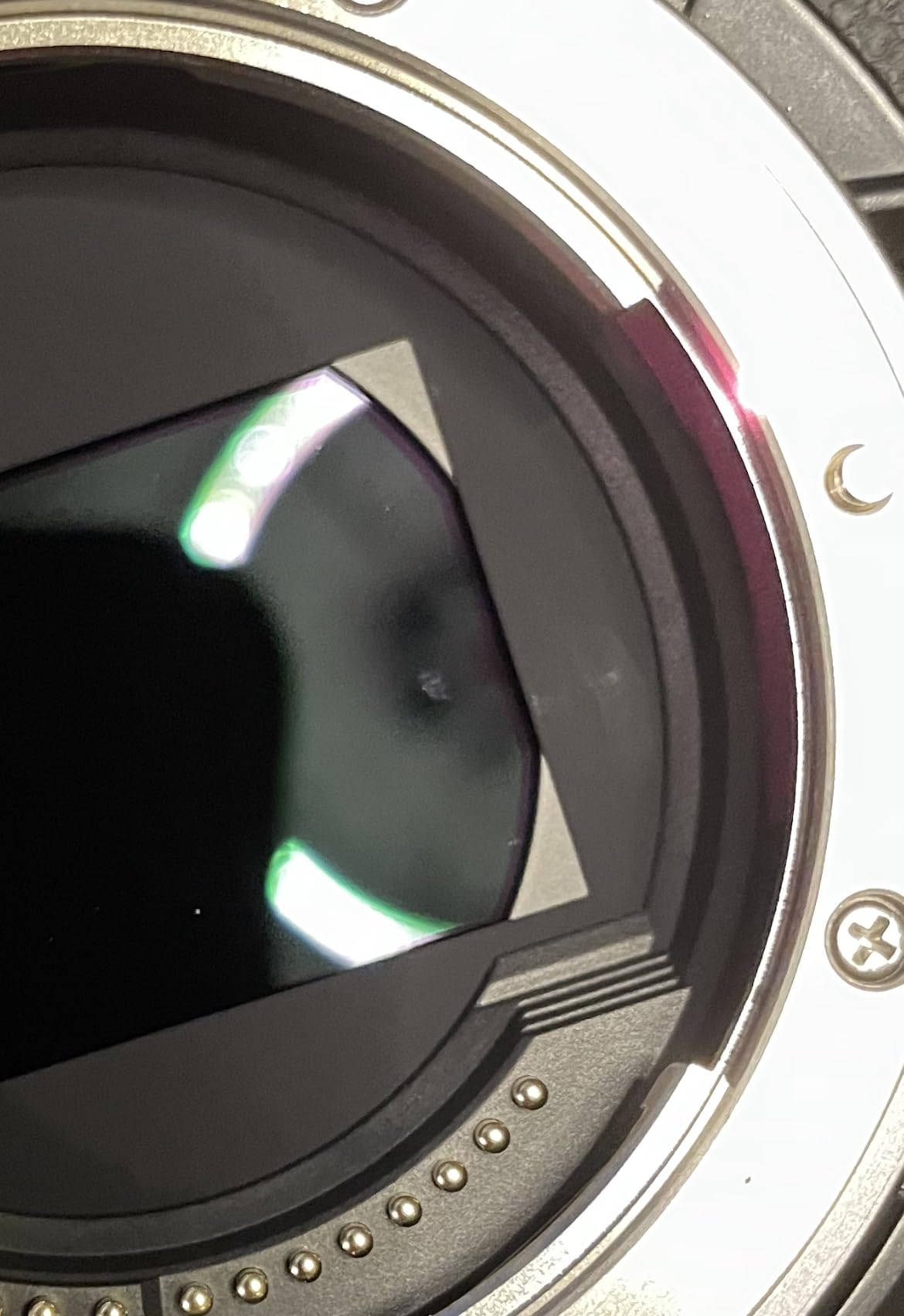
The RF mount offers access to Canon’s growing lens ecosystem. An EF adapter is available, giving you compatibility with Canon’s extensive EF lens library. This flexibility is valuable for shooters with existing Canon glass.
Netflix approval status makes the C70 attractive for commercial and documentary work requiring streaming platform compliance. The vertical shooting mode also adds versatility for social media content creation.
Who Should Buy?
Professional videographers needing Netflix approval, broadcast shooters, and anyone invested in Canon’s lens ecosystem. Great for documentary work and commercial productions.
Who Should Avoid?
Some users have reported quality control issues and autofocus inconsistencies. If reliability is your top priority, you might want to consider the more consistently reviewed Sony options.
8. Canon EOS R5 C – Best Hybrid Camera
Canon EOS R5 C Mirrorless Camera (Body Only), 45 Megapixel…
Sensor: 45MP Full-frame
Video: 8K RAW
Stills: 45MP
AF: Dual Pixel II
Cooling: Built-in fan
Pros
- 8K RAW video
- 45MP stills photography
- Netflix approved
- Excellent autofocus
- Hybrid versatility
Cons
- Poor battery life in video mode
- No IBIS
- Mini HDMI fragile
- Large file sizes
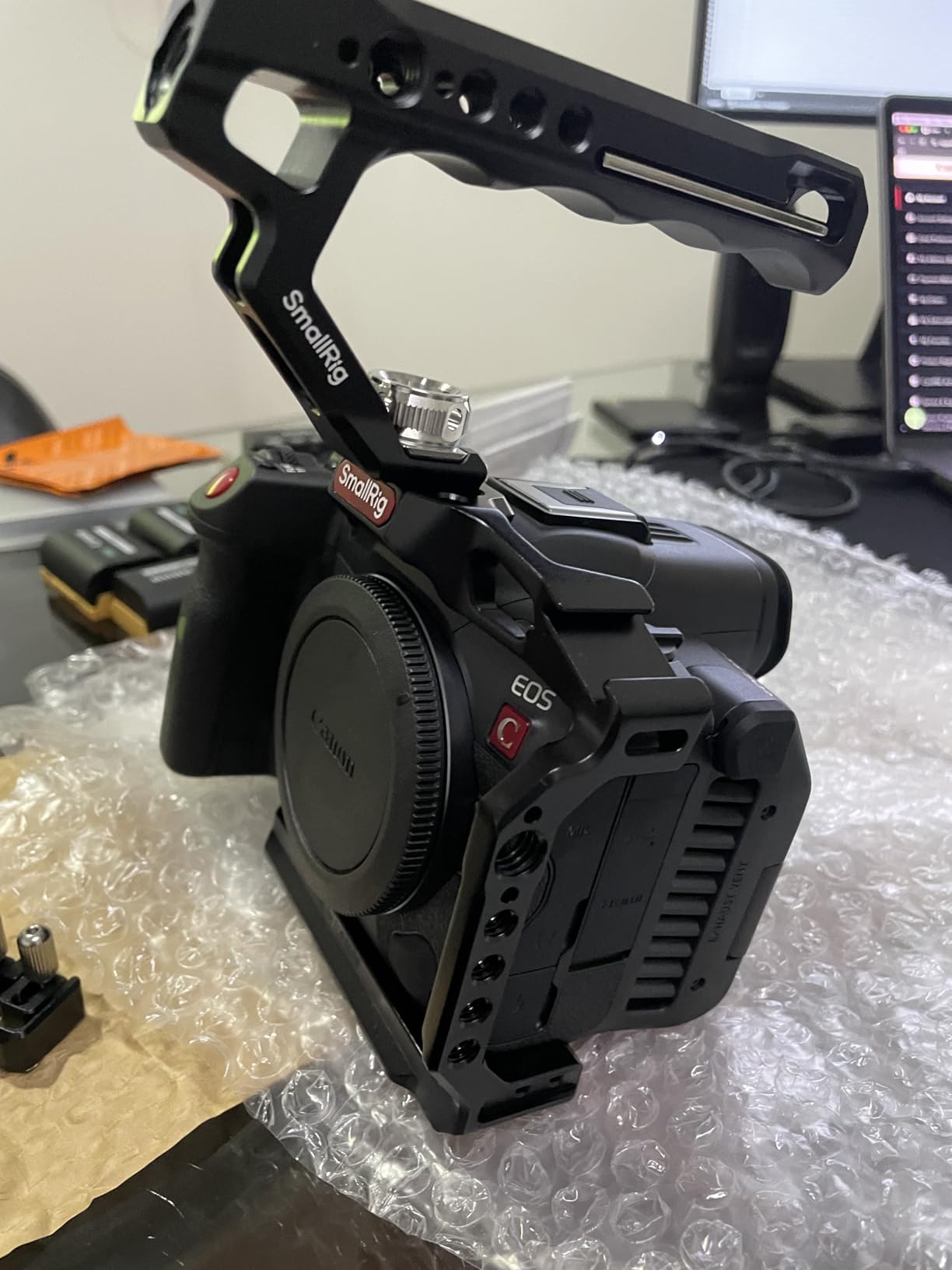
The Canon EOS R5 C combines professional video capabilities with high-resolution stills photography. This hybrid design makes it ideal for photographers who also need professional video output without carrying two separate camera systems.
8K RAW internal recording puts the R5 C in rare territory for hybrid cameras. The 45MP full-frame sensor captures detailed stills and downsamples beautifully for crisp 4K video. Netflix approval adds professional credibility.
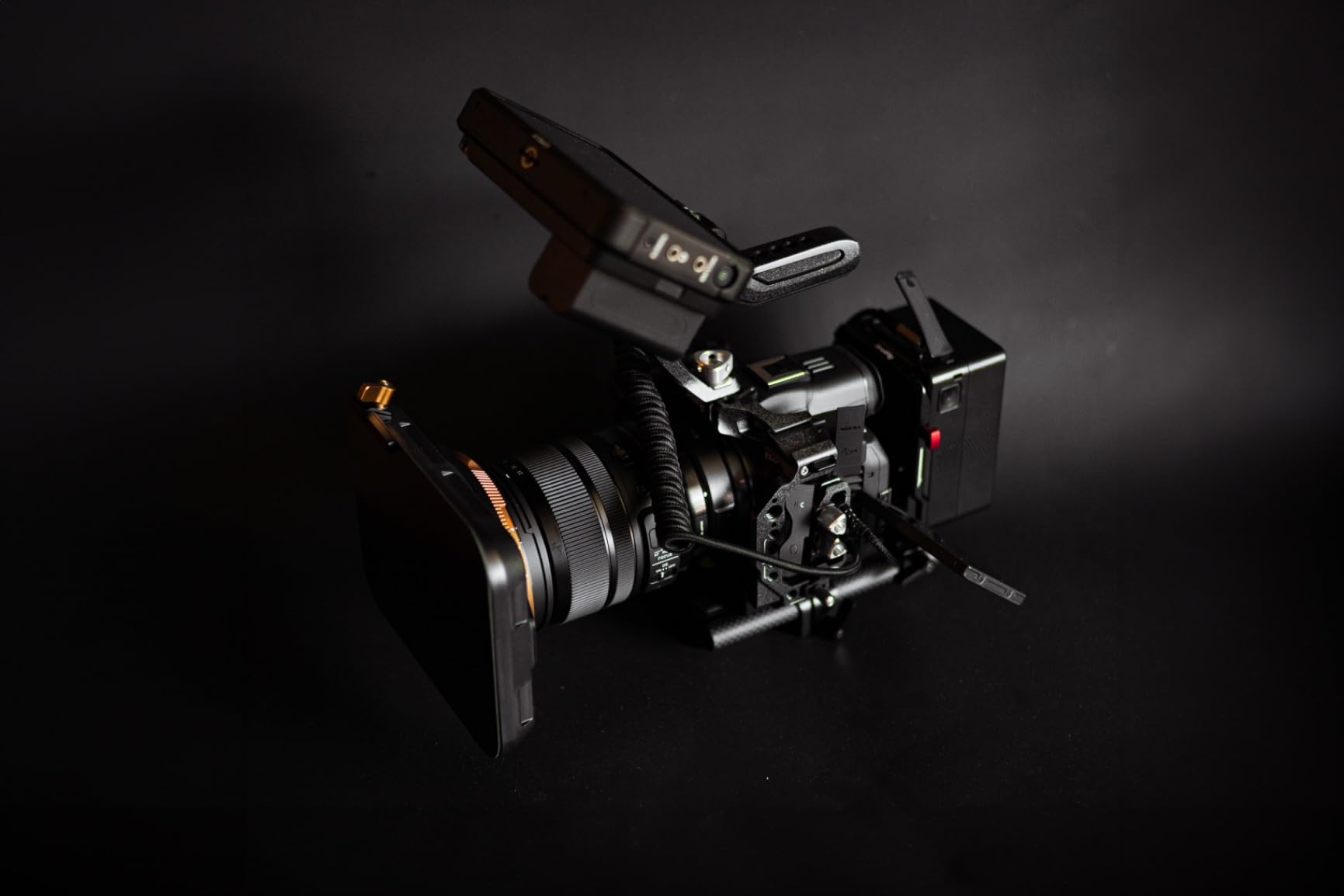
Dual Pixel CMOS AF II with subject detection provides excellent autofocus performance. Eye tracking for both humans and animals works impressively well in real-world shooting scenarios.
The built-in cooling fan enables continuous recording without overheating issues that plagued earlier hybrid cameras. This reliability matters for professional work where you can’t afford shutdowns mid-production.
Who Should Buy?
Photographers who also shoot professional video, hybrid creators wanting one camera for both mediums, and anyone needing 8K capability with stills photography.
Who Should Avoid?
If you never shoot stills, you’re paying for features you won’t use. Also, the poor battery life in video mode means you’ll need external power solutions for long shoots.
9. Nikon RED ZR 6K – Best Compact Cinema Camera
Nikon RED Z Cinema | ZR Cinema Camera | 32-Bit Float Audio…
Sensor: Full-frame
Resolution: 6K
Audio: 32-bit float
Screen: 4-inch
Weight: 1.18 lbs
Pros
- Remarkably compact at 1.18 lbs
- REDCODE RAW quality
- 32-bit float audio
- Massive 4-inch touchscreen
- Nikon Z mount ecosystem
Cons
- Early firmware quirks
- Requires CFexpress Type B cards
- No built-in viewfinder
- New lens ecosystem
The Nikon RED ZR 6K represents a revolutionary collaboration between Nikon and RED. It brings renowned RED color science and RECODE RAW quality to an incredibly compact 1.18-pound body.
The 6K full-frame sensor captures footage with 15+ stops of dynamic range. Dual Base ISO performance maintains image quality across various lighting conditions. RED color science delivers that distinctive cinematic look professionals value.
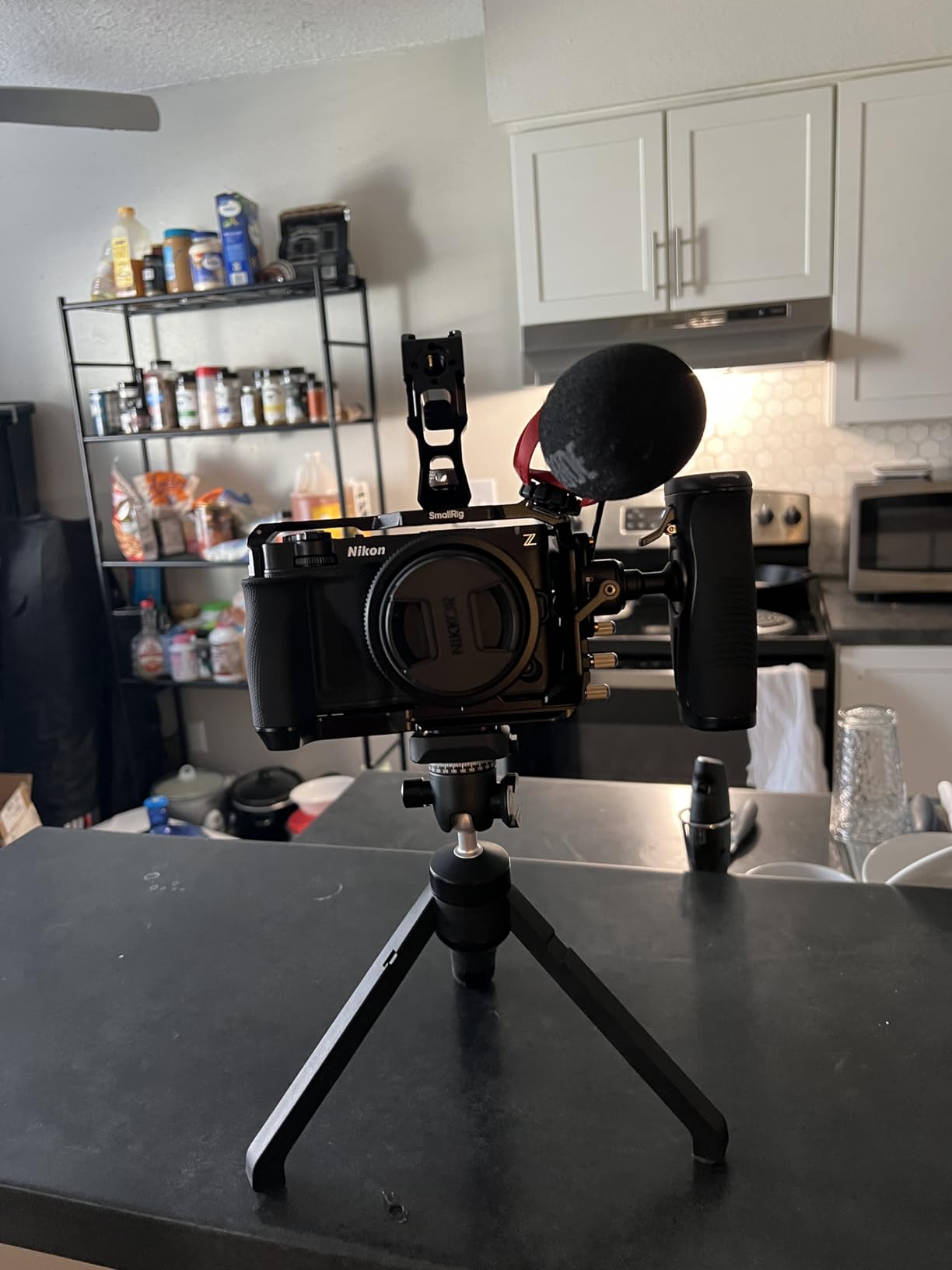
Customer images show how remarkably small this camera is in practice. Users have posted photos of the ZR mounted on gimbals, handheld rigs, and compact setups that would be impossible with larger cinema cameras.
The 32-bit float audio recording is industry-leading. You can capture audio without worrying about gain settings, preventing clipped audio forever. The massive 4-inch DCI-P3 swiveling touchscreen makes monitoring and menu navigation easy.
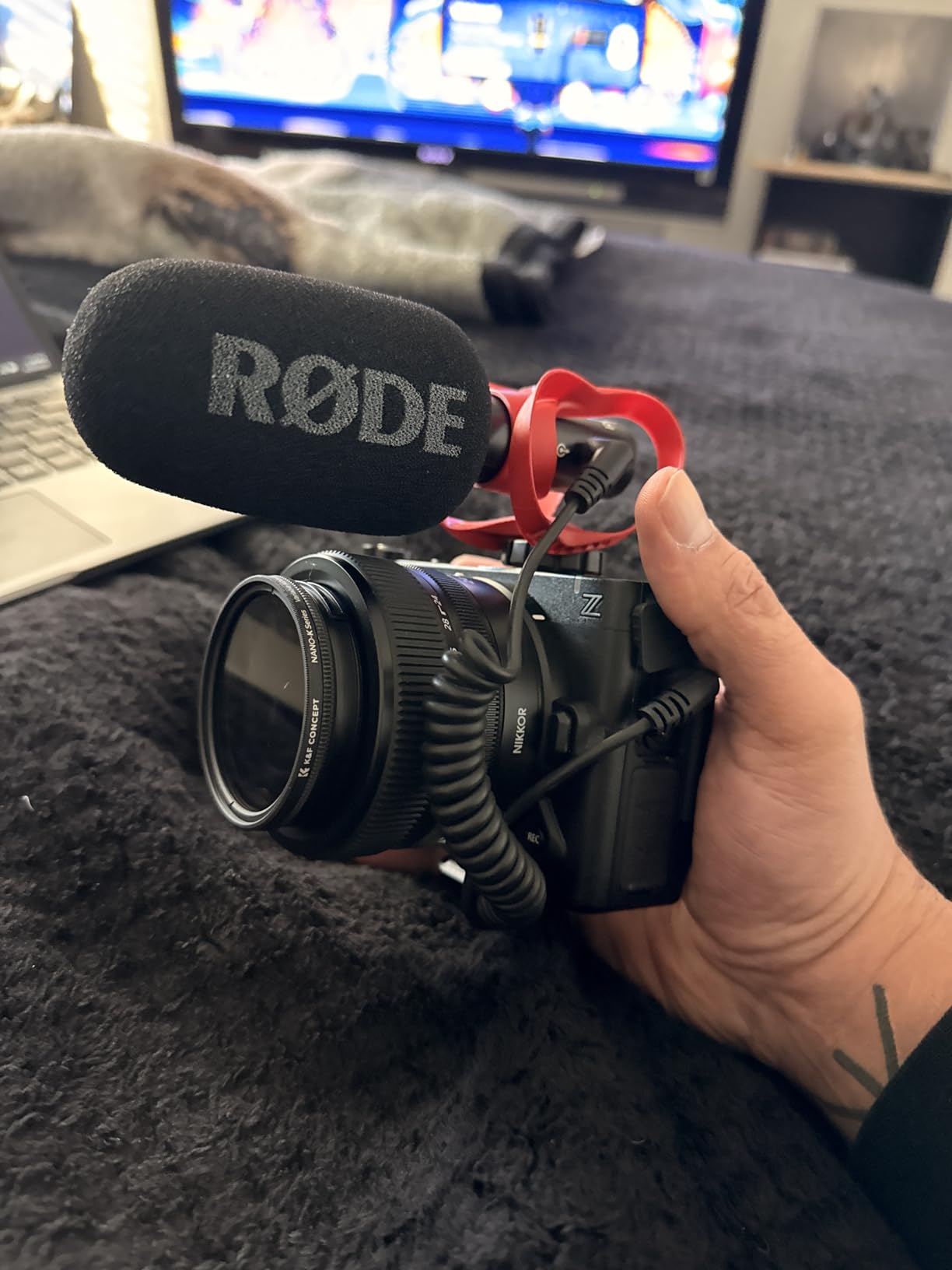
Nikon Z mount is the widest full-frame mount on the market, opening up lens design possibilities. While the ecosystem is newer than competitors, it’s growing rapidly with native lenses and adapter options.
Who Should Buy?
Solo operators needing maximum portability, RED enthusiasts wanting a more affordable entry point, and anyone valuing compact form factor without sacrificing image quality.
Who Should Avoid?
Early adopters should be prepared for firmware quirks. If you need a mature, bug-free system, the established Sony FX3 might be a safer choice.
10. Canon XA60 – Best Run-and-Gun Camcorder
Canon XA60 Professional UHD 4K Camcorder Lens Kit (Black)
Sensor: 1/2.3
Resolution: 4K UHD
Zoom: 20x optical
Audio: XLR
Weight: 1.63 lbs
Pros
- Compact and lightweight
- 20x optical zoom lens
- Professional XLR audio
- Dual SD card slots
- USB-C streaming
Cons
- No RAW recording
- Poor low-light performance
- Grainy in low light
- Small sensor limits
The Canon XA60 excels as a traditional camcorder for run-and-gun videography. The 20x optical zoom lens provides incredible reach in a compact package. At 1.63 pounds, you can shoot handheld all day.
Professional features include XLR audio inputs with 4-channel linear PCM recording. Dual SD card slots provide relay recording and simultaneous backup. The Dynamic IS 5-axis stabilization keeps shots smooth when shooting handheld.
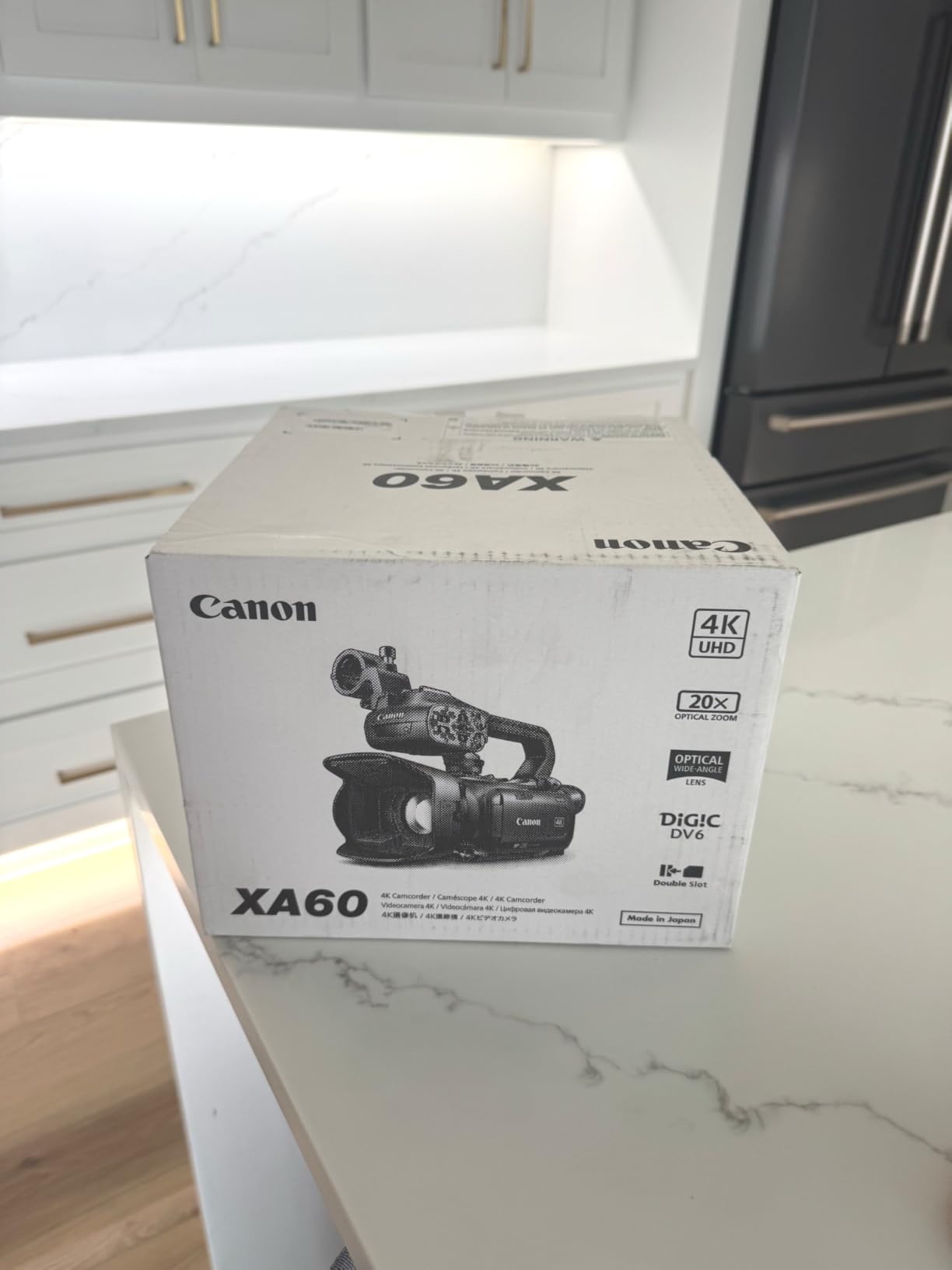
The 3.5-inch touchscreen LCD tilts for easy viewing. An OLED EVF provides monitoring options in bright sunlight. Infrared mode enables shooting in complete darkness.
Who Should Buy?
Event videographers, news shooters, and anyone needing a reliable grab-and-go camera. Perfect for weddings, corporate events, and documentation where reliability matters most.
Who Should Avoid?
Those wanting cinematic depth of field or low-light performance. The small sensor creates limitations that can’t be overcome. Look at cinema cameras with larger sensors for cinematic results.
Understanding Cinema Cameras
Cinema cameras are dedicated video cameras designed for professional film and television production. They offer superior connectivity, advanced video codecs, and extensive workflow features compared to standard mirrorless or DSLR cameras.
What separates cinema cameras from hybrid cameras? Cinema cameras prioritize video performance over stills photography. They feature professional audio inputs like XLR, high-quality codecs including RAW and ProRes, robust cooling systems, and modular designs that can be configured for different shooting scenarios.
Dynamic Range: The difference between the brightest and darkest areas a camera can capture in a single image. Measured in stops, higher dynamic range (13-16+ stops) allows more flexibility in color grading and preserves detail in highlights and shadows.
Color Science: How a camera processes and reproduces colors. Good color science produces natural-looking skin tones and pleasing color reproduction that grades smoothly in post-production.
Cinema cameras provide the image quality, workflow efficiency, and professional features required for commercial, documentary, and narrative filmmaking that consumer cameras cannot match. Independent filmmakers, documentary shooters, wedding videographers, production companies, and serious content creators all benefit from cinema camera capabilities.
Quick Summary: Choose a cinema camera over a mirrorless camera when you need professional audio inputs, RAW recording formats, unlimited recording times, and features designed specifically for video workflows like timecode and SDI output.
Buying Guide for Cinema Cameras Under $5000
Choosing the right cinema camera involves balancing your budget, intended use, and required features. Let me break down the key considerations based on real user needs and professional workflows.
For Indie Filmmakers: Look for Image Quality and Flexibility
Indie filmmakers need cameras that deliver cinematic image quality with flexible post-production options. Look for high dynamic range (13+ stops), RAW or high-bitrate ProRes recording, and color science that grades well. The Sony FX30 and Blackmagic 6K Pro excel here.
Cinema cameras with dual native ISO provide cleaner low-light footage and more flexibility when lighting is limited. Form factor matters too—box cameras like the Pyxis require more rigging but offer modular options, while mirrorless-style cameras like the FX30 are ready to shoot out of the box.
For Wedding and Event Videographers: Prioritize Reliability and Low-Light
Wedding videographers need cameras that won’t fail during critical moments. Autofocus reliability, excellent low-light performance, and long recording times are essential. The Sony FX3 leads this category with its full-frame sensor, proven AF system, and unlimited recording.
Battery life matters for all-day events. Look for cameras with external power options or consider battery grips. Dual card slots provide backup and peace of mind—losing wedding footage isn’t an option.
For Documentary Shooters: Value Portability and Audio Quality
Documentary work often means run-and-gun situations in unpredictable environments. Compact form factors, built-in ND filters for quick exposure changes, and professional audio inputs are valuable. The Canon C70 with its built-in ND and XLR handles documentary work well.
Consider weight if you’ll be shooting handheld for extended periods. Cameras under 2 pounds like the Nikon RED ZR make a significant difference during long shooting days.
For Students and Beginners: Focus on Learning and Value
Student filmmakers benefit from cameras that teach professional workflows without overwhelming complexity. The Blackmagic Pocket Cinema Camera 4K provides professional features at an accessible price point. Included DaVinci Resolve Studio adds tremendous value.
Pro Tip: Consider the total cost of ownership including media, batteries, and necessary rigging. Some affordable cameras require expensive accessories to reach their full potential.
Look for cameras with active communities and learning resources. Blackmagic cameras have extensive tutorials and a supportive user base. This ecosystem helps when you’re learning professional workflows.
For Commercial Production: Prioritize Resolution and Workflow
Commercial work often requires specific technical standards. 6K+ resolution, 16+ stops of dynamic range, and features like timecode sync matter for professional productions. Netflix approval status may be required for some projects.
The Canon C70, Sony FX3, and Nikon RED ZR all meet Netflix requirements. This approval can be crucial for commercial work destined for streaming platforms. Consider your client requirements when choosing.
Key Technical Considerations
- Sensor Size: Full-frame offers shallower depth of field and better low-light. Super 35 provides cinematic look with more affordable lens options. Micro 4/3 offers value but requires more light.
- Recording Codecs: RAW provides maximum flexibility but requires more storage and processing. ProRes offers excellent quality with smaller files and easier editing. H.264/265 are easiest to work with but limited grading options.
- Lens Mount: Consider existing lens investments and available lens options. Sony E-mount has extensive native and third-party options. Canon EF has abundant used lenses. Nikon Z is newer but growing rapidly.
- Battery System: Some cameras use standard batteries while others require proprietary solutions. External power is often necessary for long shoots regardless of camera choice.
- Cooling System: Active cooling fans enable unlimited recording. Passive cooling may lead to overheating in extended use.
| User Type | Priority Features | Top Recommendations |
|---|---|---|
| Indie Filmmaker | Image quality, RAW, flexibility | FX30, BMPCC 6K Pro, Pyxis 6K |
| Wedding Videographer | AF reliability, low-light, battery | FX3, C70, XA60 |
| Documentary Shooter | Portability, audio, ND filters | C70, Nikon RED ZR, FX3 |
| Student/Beginner | Value, learning resources | BMPCC 4K, FX30, 6K G2 |
| Commercial Production | Resolution, Netflix approval | FX3, C70, Pyxis 6K |
Time Saver: Test cameras before buying if possible. Rent your top choices for a weekend to see which ergonomics and workflow fit your style. Image samples online don’t tell the whole story.
Frequently Asked Questions
Which camera is best for cinematic video?
The Sony FX30 is the best cinema camera under $5000 for cinematic video due to its S-Cinetone color science, 6K oversampled 4K recording, and professional features at an accessible price point. For full-frame cinematic quality, the Sony FX3 delivers Netflix-approved footage with 15+ stops of dynamic range and exceptional low-light performance.
What are the best camera brands for under $5000?
Sony leads with the FX30 and FX3 offering excellent color science and autofocus. Blackmagic Design provides outstanding value with RAW recording and included Resolve software. Canon offers the C70 and R5 C with Netflix approval and Dual Pixel autofocus. Nikon’s collaboration with RED brings professional cinema features to the accessible ZR 6K.
What camera do most filmmakers use?
Professional filmmakers widely use cinema cameras from Sony, Blackmagic, and Canon. The Sony FX series has become popular for its combination of autofocus and image quality. Blackmagic cameras dominate budget-conscious productions due to their RAW workflow and value. Canon C70 and C100 series are common in broadcast and documentary work.
Which is the best camera under 5000?
The Sony FX30 at around $1800 is the best overall value, offering professional features that cost much more elsewhere. For maximum quality under $5000, the Sony FX3 delivers full-frame cinema with Netflix approval. The Blackmagic 6K G2 offers the best price-to-performance ratio for those comfortable with manual focus.
Who makes the best cinema cameras?
Sony makes excellent hybrid-style cinema cameras with industry-leading autofocus. Blackmagic Design specializes in pure cinema cameras with RAW workflows and outstanding value. Canon produces reliable cinema cameras with great color science and autofocus. RED, now partnering with Nikon, is renowned for professional cinema quality and RAW workflows.
What is the best budget cinematic camera?
The Blackmagic Pocket Cinema Camera 4K is the best budget cinematic camera under $1000. It includes DaVinci Resolve Studio ($295 value) and delivers professional image quality with 13 stops of dynamic range. For slightly more, the Sony FX30 around $1800 adds autofocus and better ergonomics.
Final Recommendations
After reviewing all ten cameras and analyzing real user feedback, my recommendation depends on your specific needs and budget. The Sony FX30 offers the best balance of price, features, and image quality for most filmmakers starting out.
If you need Netflix approval and maximum image quality, the Sony FX3 justifies its higher price with professional credentials and performance. For those wanting the most cinema camera per dollar, the Blackmagic 6K G2 delivers exceptional value despite lacking autofocus.
Remember that the camera is just one part of your filmmaking toolkit. Lenses, audio equipment, lighting, and editing software all contribute to your final product. Choose the camera that fits your workflow and budget, then invest in learning to use it well.