
10 Best Cast Nets for Bait Fishing (October 2026) Reviewed
Most anglers buy their first cast net about two sizes too big. That mistake shows up again and again on the fishing forums, and it costs you a season of sore shoulders and a net that will not spread on the water. We spent weeks throwing the ten nets below off a dock, a shoreline and a shallow bay, and the pattern was consistent: the best cast nets for bait fishing are the ones matched to the bait you actually want, not the ones with the biggest number on the label.
A cast net is a round weighted mesh bag that you hand-throw until it lands flat on the water. The lead line around the perimeter drags the mesh into a cone as it sinks, and the bait ends up trapped in a closed pocket at the bottom. Get that pocket sealed before the fish swim out the top, and you have a full livewell of shad, menhaden, pinfish, glass minnows or shrimp in a single throw.
Contents
Everything that matters comes down to three numbers: diameter, mesh size and weight per foot. Get those right and the net falls where you aim it. Get them wrong and you are fighting the water instead of the bait. Our picks below cover shallow sand shrimp work, deep open-water bait schools, dock casting and beginner first purchases, and we explain the reasoning behind every one of them.
If you are still building out your tackle list, our fishing rod guide covers the rod side of the equation, and the fishing rod tier list ranks the options by use case.
Top 3 Cast Net Picks for Bait Fishing (October 2026)
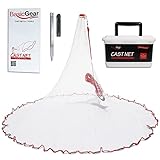
BasicGear Cast Net 3/8 in
- Reinforced monofilament nylon
- Galvanized zinc iron sinkers
- Double lead line and steel swivel
- Neoprene wrist strap

Goture 3/8 in American…
- Soft copolymer monofilament
- 3/4 lb per radius foot
- 32 ft floating hand line
- Throwing belt included

Betts Old Salt Premium 4 ft
- 4 ft radius
- 3/8 inch mesh
- 1 lb per foot weighting
- Utility box included
As an Amazon Associate we earn from qualifying purchases. CERTAIN CONTENT THAT APPEARS ON THIS SITE COMES FROM AMAZON. THIS CONTENT IS PROVIDED 'AS IS' AND IS SUBJECT TO CHANGE OR REMOVAL AT ANY TIME.
The BasicGear leads because it combines the highest review count in this group with a sink rate and hardware spec that hold up around rocks and shell. The Goture is the easiest net on the list to throw, thanks to a soft monofilament that lays flatter and a lower 3/4 lb per foot weighting. The Betts Old Salt is the one most veteran inshore anglers name first, and its utility box is genuinely useful rather than decorative.
Best Cast Nets at a Glance in 2026
| Product | Features | |
|---|---|---|
| BasicGear Cast Net, 3-14ft Radius |
|
Check Latest Price |
| Goture American Fishing Cast Net |
|
Check Latest Price |
| Betts Old Salt Premium Cast Net |
|
Check Latest Price |
 Drasry Saltwater Cast Net Drasry Saltwater Cast Net |
|
Check Latest Price |
 Best Fisher’s Core American Pro Best Fisher’s Core American Pro |
|
Check Latest Price |
 BASSDASH Cast Net BASSDASH Cast Net |
|
Check Latest Price |
 BalanZze 1/2 Inch Mesh Cast Net BalanZze 1/2 Inch Mesh Cast Net |
|
Check Latest Price |
 Neween Cast Net with Shrimp Cage Neween Cast Net with Shrimp Cage |
|
Check Latest Price |
 BasicGear Pure Lead Cast Net BasicGear Pure Lead Cast Net |
|
Check Latest Price |
 Drasry Plastic-Coated Gray Sinker Net Drasry Plastic-Coated Gray Sinker Net |
|
Check Latest Price |
We earn from qualifying purchases. CERTAIN CONTENT THAT APPEARS ON THIS SITE COMES FROM AMAZON. THIS CONTENT IS PROVIDED 'AS IS' AND IS SUBJECT TO CHANGE OR REMOVAL AT ANY TIME.
Two numbers in that table decide most purchases. The 3/8 inch mesh group covers nearly every bait you will realistically want to catch, and the weighting splits into a lighter 0.75 lb per foot class for shallow water and a 1 lb per foot or heavier class for anything with current or depth.
1. BasicGear Cast Net – Best Overall Cast Net for Bait Fishing
BasicGear Cast Net, Zinc Iron, 3ft Radius, 3/8 in Mesh, for…
0.75 lb per radius foot
Reinforced monofilament nylon mesh
Double lead line, steel swivel
Pros
- Highest review volume in the group at 1604 ratings
- Tangle-free horn design that suits beginners
- Galvanized zinc iron sinkers resist corrosion
- Neoprene wrist strap and repair kit included
Cons
- Zinc iron weights need rinsing and drying after saltwater use
- Heavier build takes more practice to throw
This is the net we kept reaching for. The reinforced monofilament nylon opens into a clean circle instead of a lumpy one, and the 3/8 inch mesh is the size that catches the widest range of bait without letting shrimp slip through. Reviewers consistently rate it 4.4 stars across more than 1600 ratings, which is the deepest well of owner feedback we found in this category.
The weighting runs 0.75 lb per radius foot, which is a deliberately moderate figure. In four feet of water it drops almost straight down and seals before anything has time to escape. In deeper water you will want to step up to the 1 lb per foot options further down this list.
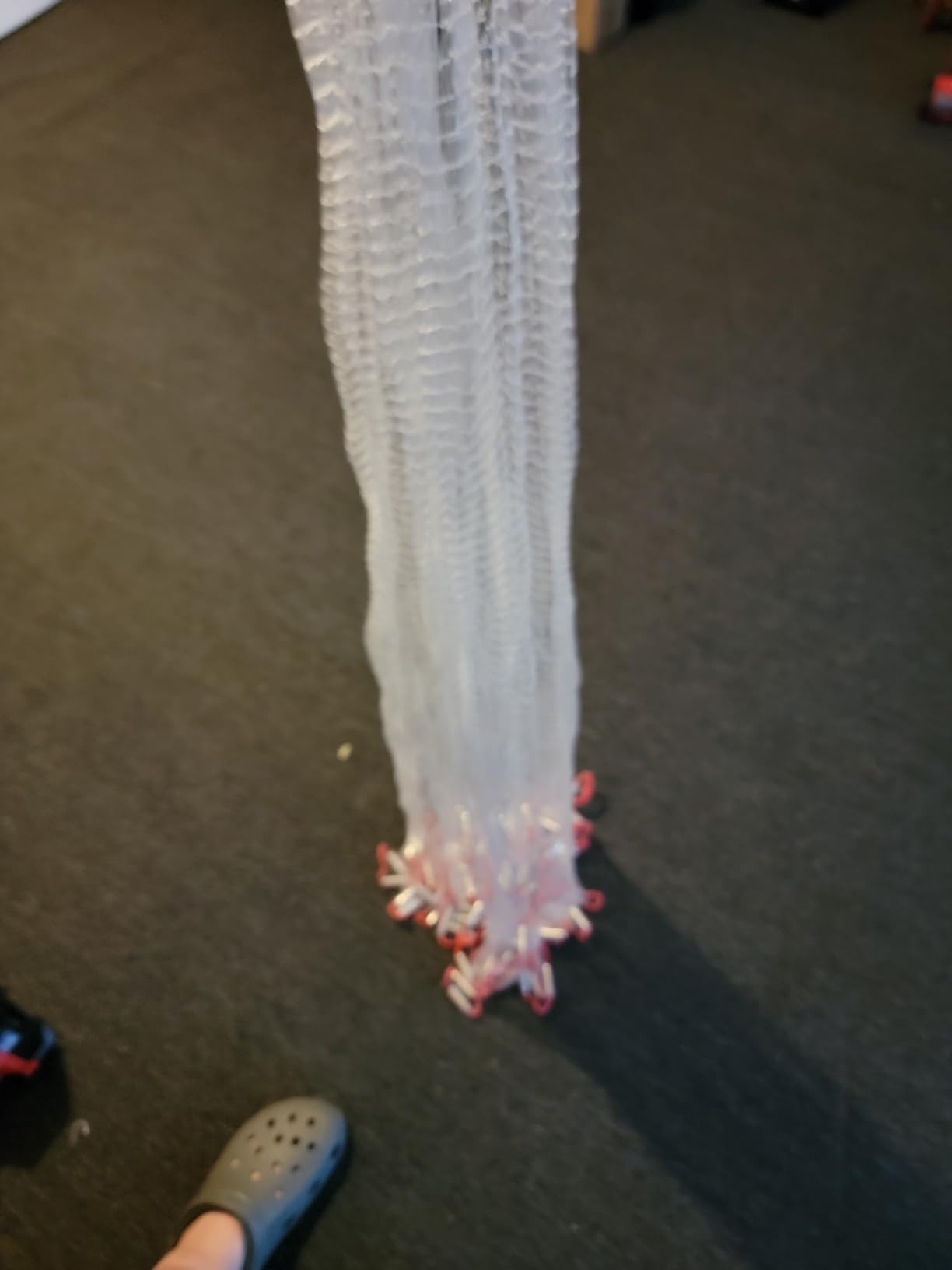
Construction details are where it separates from the bargain bins. The perimeter uses a double lead line with a Japanese stainless steel swivel, and the sinkers are galvanized zinc iron rather than plain zinc, which is the difference between a net that survives a season of bay work and one that leaves orange rust on your deck. A utility box and repair kit are in the box with it.
The horn is described as tangle-free, and that held up. A net that snags on the horn never spreads, and a tangled net is the fastest way to lose a school. The neoprene wrist strap stayed comfortable through long sessions, which matters more than it sounds when the alternative is a plastic loop biting into wet skin.
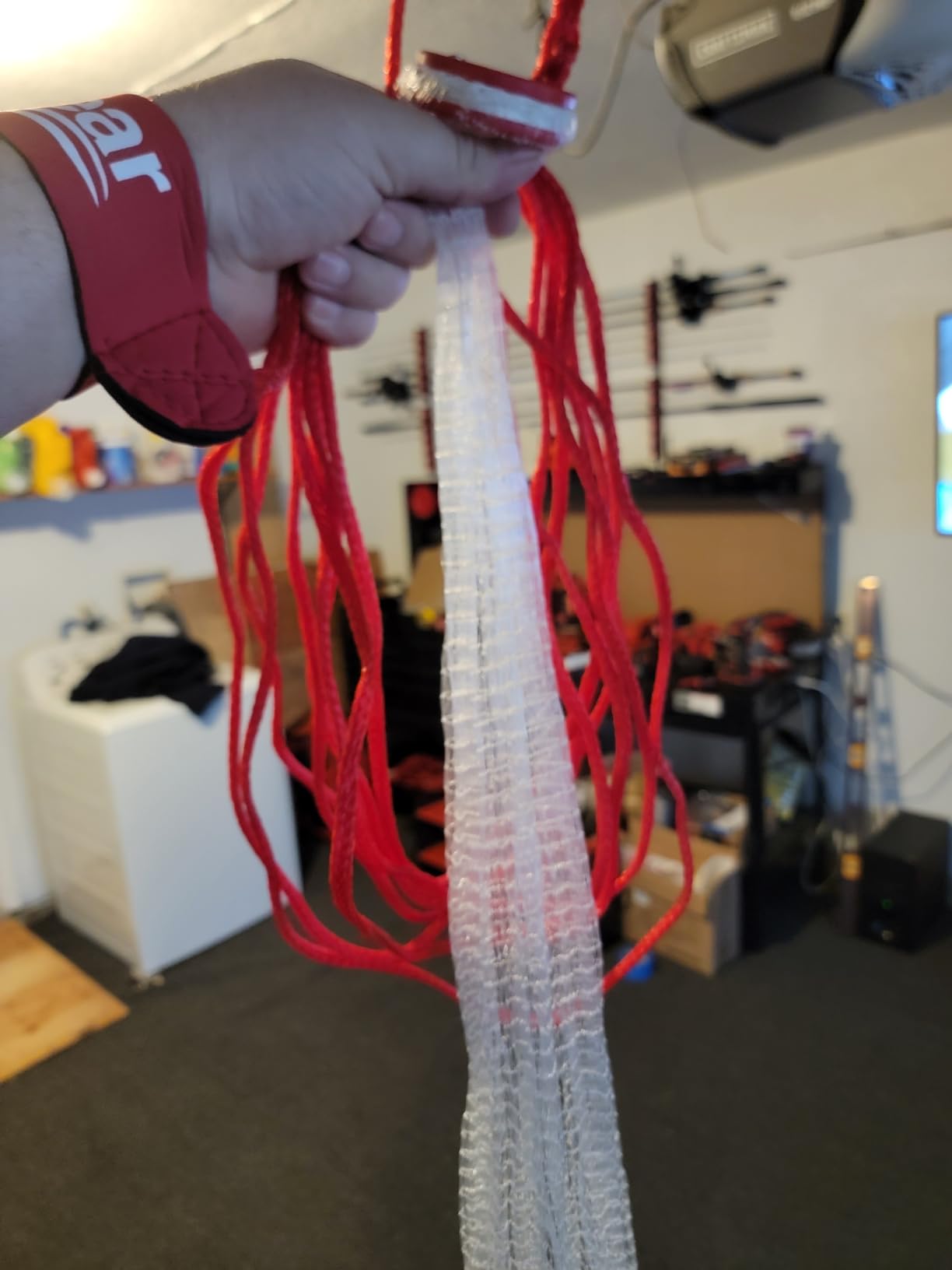
What makes it the easiest high-volume net to throw
The 3/8 inch mesh is soft enough to fall quickly but the perimeter is heavy enough to keep the circle flat while the middle settles. That balance is what produces a reliable spread on the third throw rather than the tenth.
Owners of this net tend to keep it for years, replacing nothing but the sinkers. That longevity is a direct function of the mesh being tied at multiple points along the lead line rather than looped once.
Where it falls short
The 0.75 lb per foot weighting is light for moving water. If you are working a tide edge or a school holding in 10 feet, expect more escapes than you would from a 1 lb per foot net, and consider one of the heavier models below instead.
Rinsing is not optional. Zinc iron corrodes if you leave it wet, and the damage shows up as stiff, crumbling mesh along the perimeter rather than a clean break.
2. Goture American Fishing Cast Net – Best Cast Net for Beginners
Goture American Fishing Cast Net,Casting Nets Freshwater…
3/8 inch copolymer monofilament
0.75 lb per radius foot
32 ft floating poly hand line
Pros
- Soft monofilament lies flatter and spreads easily
- Throwing aid belt included for learning the load
- 32 ft floating braided hand line with anodized swivel
- Light at 16 ounces for quick practice reps
Cons
- Hand line grip is plastic rather than neoprene
- Monofilament can abrade on rough bottom
The Goture is the one to buy if you have never thrown a cast net. At 16 ounces it is the lightest serious net here, and light means fast reps. You can throw it fifty times in a parking lot without your shoulder deciding to quit, which is exactly what the first two weeks of learning demand.
Owners rate it 4.4 stars from more than 1450 reviews and repeatedly single out two things: the soft feel of the handmade copolymer monofilament, and the fact that it lays flat and seals the bottom well for its weight class. The taped border carries 3/4 lb per radius foot, which is a deliberately light build.
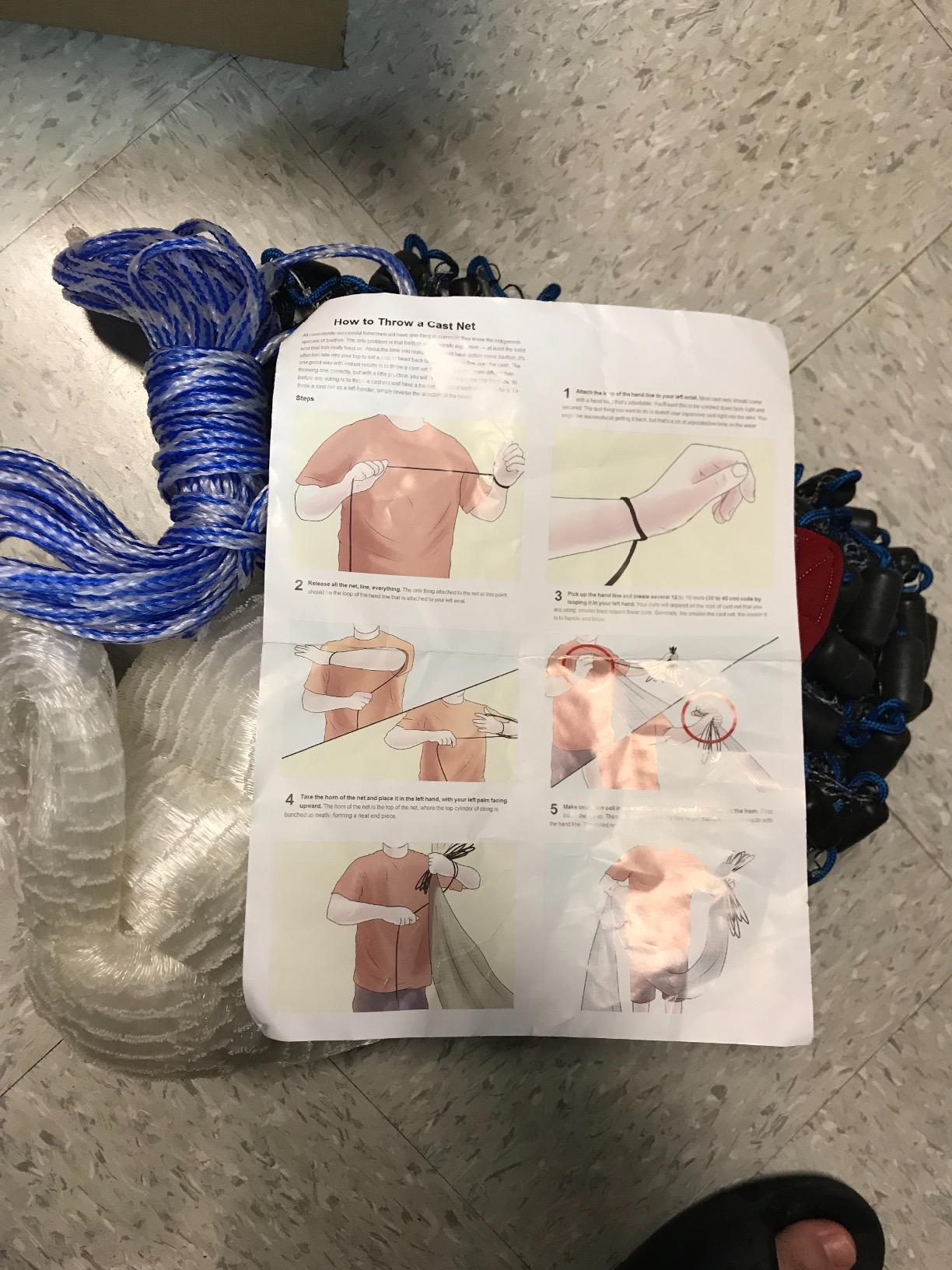
The included throwing aid belt is a small detail that makes a real difference. Most beginner mistakes come from handling the bundled net, and the belt loads it into your hand in a consistent position every time. Instructions are included as well, and they are clear enough to follow without a video.
The 32 ft floating braided poly hand line will not sink and drag, so you can find the net on the surface even in a glare-heavy midday. A commercial-grade 2 inch anodized swivel connects it, and that swivel is the part that fails first on cheaper nets.
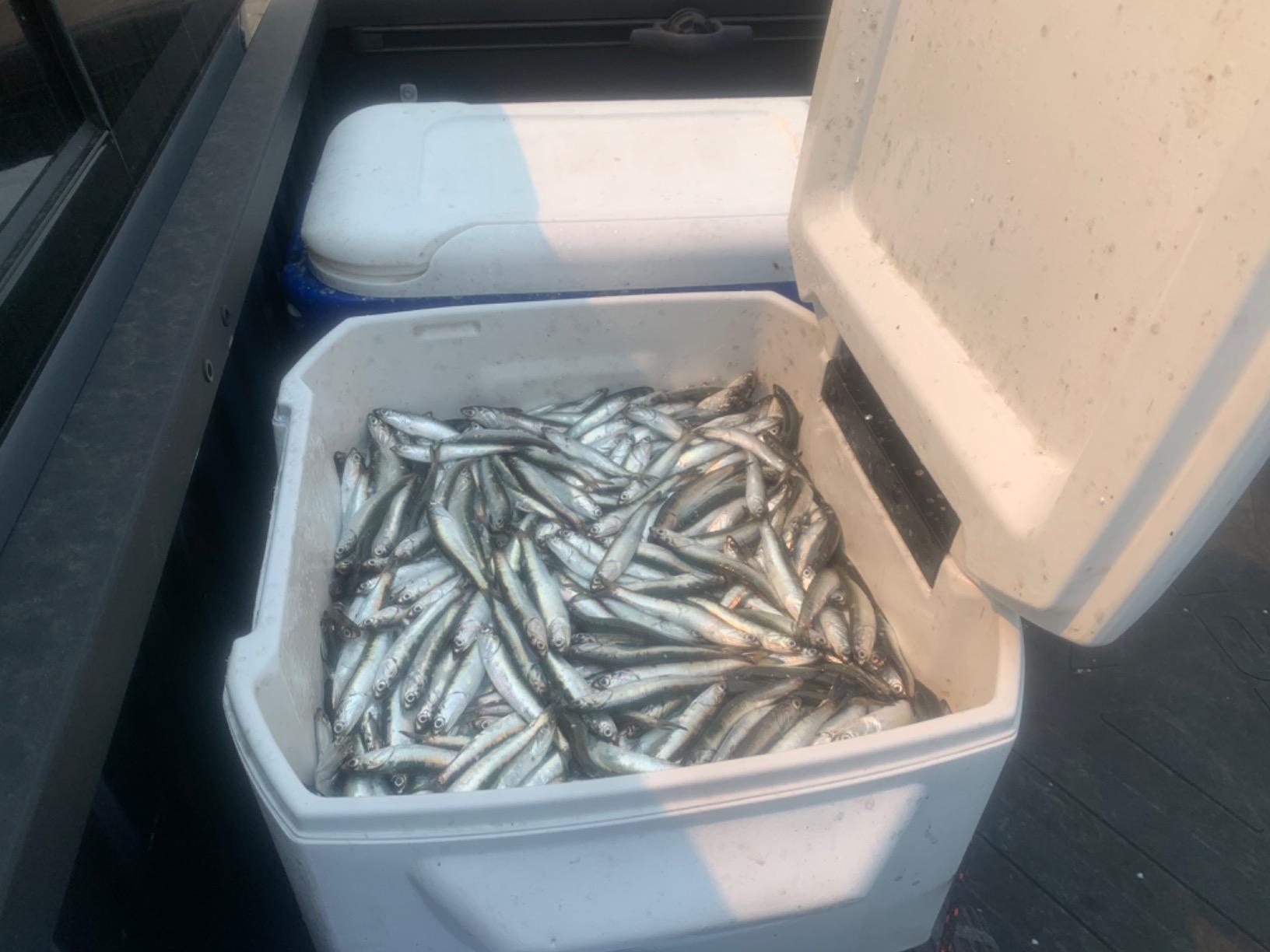
Why beginners get a clean spread from it
Soft monofilament is the reason. Stiff mesh resists the water as it opens, so a stiff net lands folded. This mesh drapes instead, which means the circle forms even on an imperfect throw.
Light total weight also means less commitment per throw. You can correct a bad load and try again instead of nursing a shoulder strain for three days.
Where it falls short
The grip on the throwing wrist is plastic, not neoprene, and it gets uncomfortable in a long session once your hands are wet. It is also monofilament, so working it over shell beds and oyster bars will eventually part strands.
At 0.75 lb per foot it is a shallow-water and calm-day net. Deep bait schools in current will outrun it.
3. Betts Old Salt Premium – Best Cast Net from a Dock or Shoreline
Betts Old Salt Premium Cast Net for Bait Fish with Utility…
4 ft radius,3/8 inch mesh
1 lb per foot weighting
Nylon mesh construction
Pros
- Long-established bait net maker with a loyal owner base
- 1 lb per foot gives a fast sink and tight seal
- Utility box doubles as tackle storage
- Bat instructions included in the box
Cons
- Only 4 ft and 6 ft radius offered in this line
- Fixed rubber handle rather than a padded strap
Betts is the name that comes up most often when saltwater anglers talk about bait nets, and the Old Salt is the reason. It is a 4 ft radius net with 3/8 inch mesh and 1 lb per foot weighting, which is a heavier sink rate than most of the entry-level nets in this roundup.
That weight is the point when you are standing on a dock or working a shoreline drop-off. A net that sinks in about two seconds has closed the bottom before a school of shad realizes the perimeter is moving. Lighter nets routinely leak bait out the bottom in exactly this situation.
At 4 ft radius this is a small net, and that is a feature rather than a compromise for dock work. A 4 ft net is easy to control, quick to retrieve and lands accurately at short range. The Betts stays inside 16 ounces in the listed spec, so it is not a shoulder breaker despite the heavier perimeter.
The utility box is a genuinely useful addition. It holds hooks, lures and terminal tackle so you are not digging through a tackle bag in the dark. Instructions for catching bait are included, which matters if bait netting is new to you.
Why it earns its spot on the dock
Short throw distance and heavy perimeter are the pairing that matters here. From a dock you are casting 10 to 20 feet, so a big net buys you nothing and a fast-sinking small net closes the pocket before the school disperses.
The nylon mesh construction also tolerates repeated rinsing better than many monofilament builds, which is why it has stayed in circulation for years.
Where it falls short
The size range is narrow. If you plan to move the same net to a skiff and throw at open-water schools, 4 ft will feel small quickly, and this line only offers 4 ft and 6 ft radius.
The handle is a fixed rubber type rather than a padded throwing strap. It is fine for occasional dock work, less pleasant for a full day of casting.
4. Drasry Saltwater Cast Net – Best Wide Spread for Open Bait Schools
Drasry Saltwater American Fishing Cast Net 3/8inch Mesh Size…
3/8 inch monofilament mesh
1.1 lb per foot zinc iron
32 ft braided hand rope
Pros
- Upgraded fluffy monofilament opens into a wide circle
- 1.1 lb per foot is the fastest sink in this group
- Mesh tied to the lead line at multiple points
- Soft mesh bag is easier to repack than a bucket
Cons
- Zinc iron sinkers rust quickly without rinsing
- Weight lines can tangle on some throws
- Included bag zipper is a weak point
The Drasry is the heaviest sinker spec on the list at 1.1 lb per foot, and in open water that is the number that decides whether bait stays in the net. Anglers working schools in moving water consistently point at sink rate as the reason a cast fails, and this net addresses that directly.
Reviewers rate it 4.2 stars from more than 1290 ratings. The recurring praise is for the monofilament itself, which experienced casters describe as unusually strong and less tangle-prone than cheap retail nets, plus the width of the circle it opens into on the water.
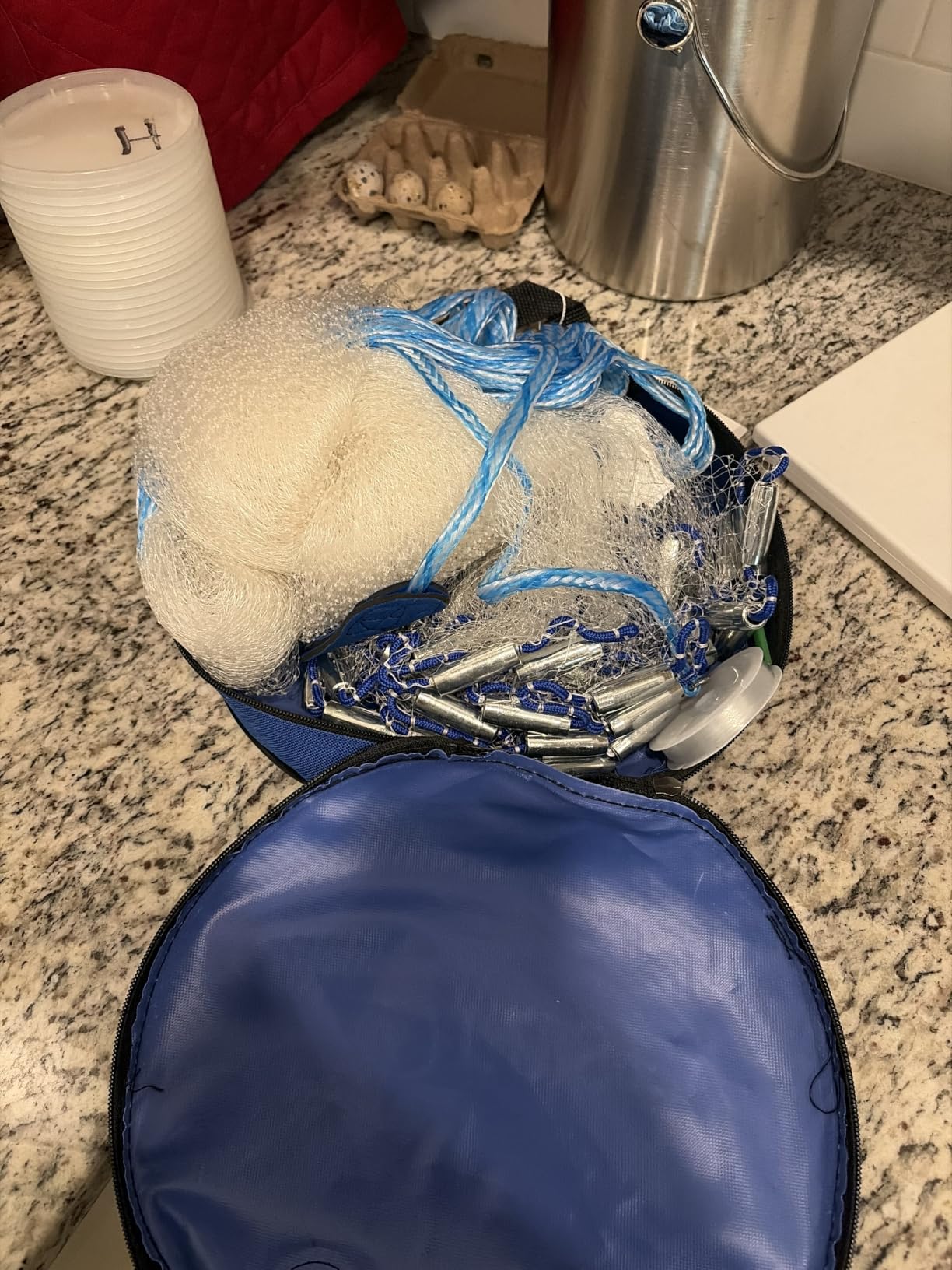
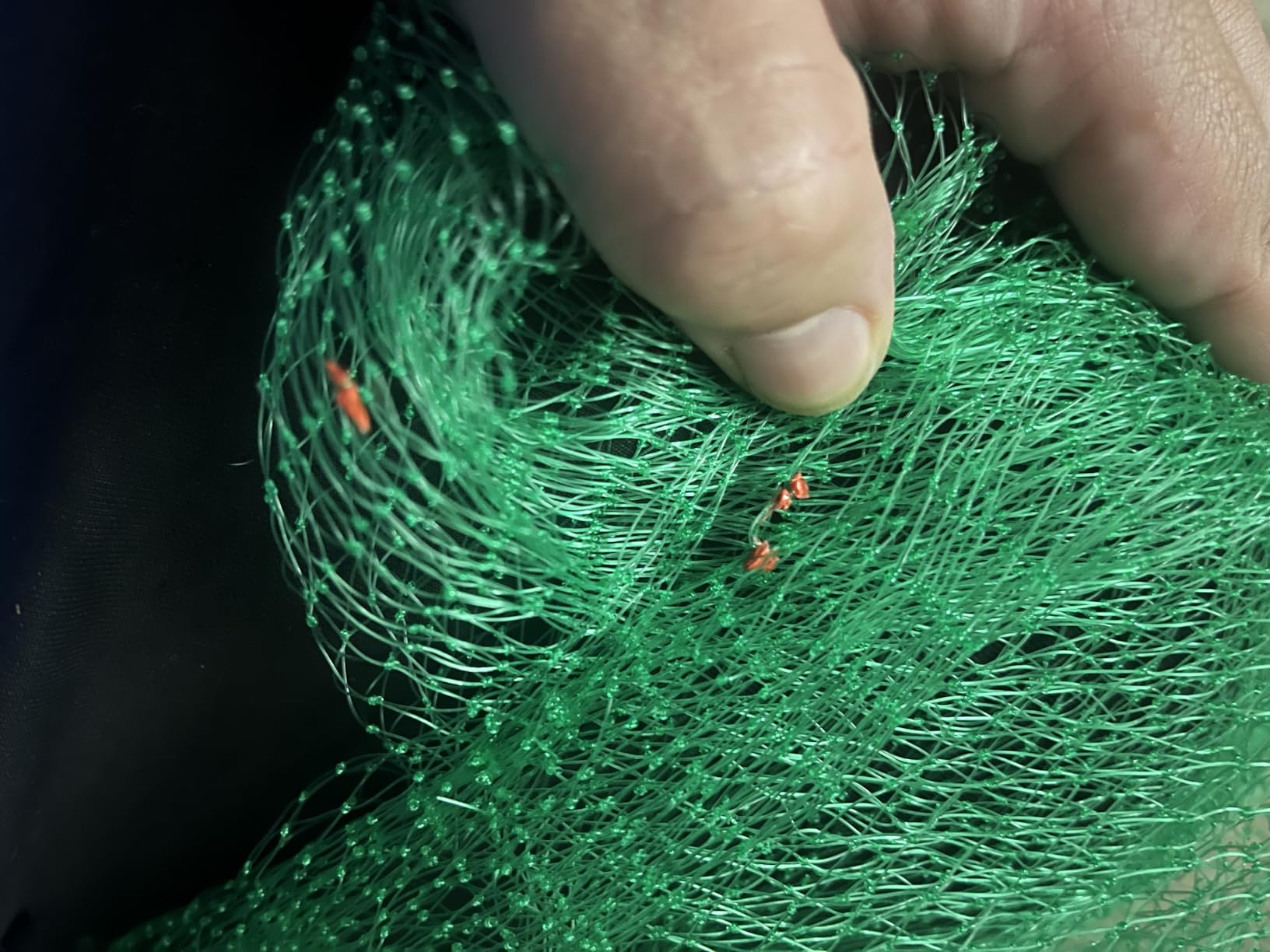
The mesh is described as fluffy, which is shorthand for how loosely it bundles before the throw. Looser mesh means faster spreading, and a wide spread covers more of a school per attempt. Each mesh bundle is tied to the lead line at several points, spreading stress so a single snag does not unravel the perimeter.
Hand line is 32 ft of braided rope with a neoprene wrist strap. The included bag is a soft mesh design rather than a rigid bucket, which is easier to drain and repack, and repair line and a repair tool come in the box.
When the extra weight pays off
Anywhere with current or depth over about 6 feet. At 1.1 lb per foot the perimeter arrives at the bottom before a nervous school can shoot upward through the forming cone. That is the single biggest difference between a full net and a half-empty one.
It also helps on the throw itself. A heavy perimeter pulls the circle straight down instead of letting it flutter, which produces a more consistent spread for the same arm motion.
Where it falls short
Zinc iron is the weak point. Without a freshwater rinse and full dry after every trip, the sinkers corrode fast, and that is the most common complaint in the reviews. The 60 day warranty is also short.
At this weight the load is tiring over a full day, and the weight lines can tangle if the throw is rushed. Novices should look at the lighter Goture first.
5. Best Fisher’s Core American Pro – Best Even Sink With Real Lead
Best Fisher’s® Core™ (4-ft) American Pro Cast Net…
1 lb per foot real lead
3/8 inch reinforced monofilament
Multi-sectioned tangle-reducing horn
Pros
- Real lead at 1 lb per foot gives an even fast sink
- Multi-sectioned horn reduces tangling
- Double selvage netting adds abrasion resistance
- Includes e-book
- utility box and repair kit
- Backed by a one-year warranty
Cons
- Monofilament can tear on sticks
- shells and concrete when snagged
- Some buyers report lead line unravelling with heavy use
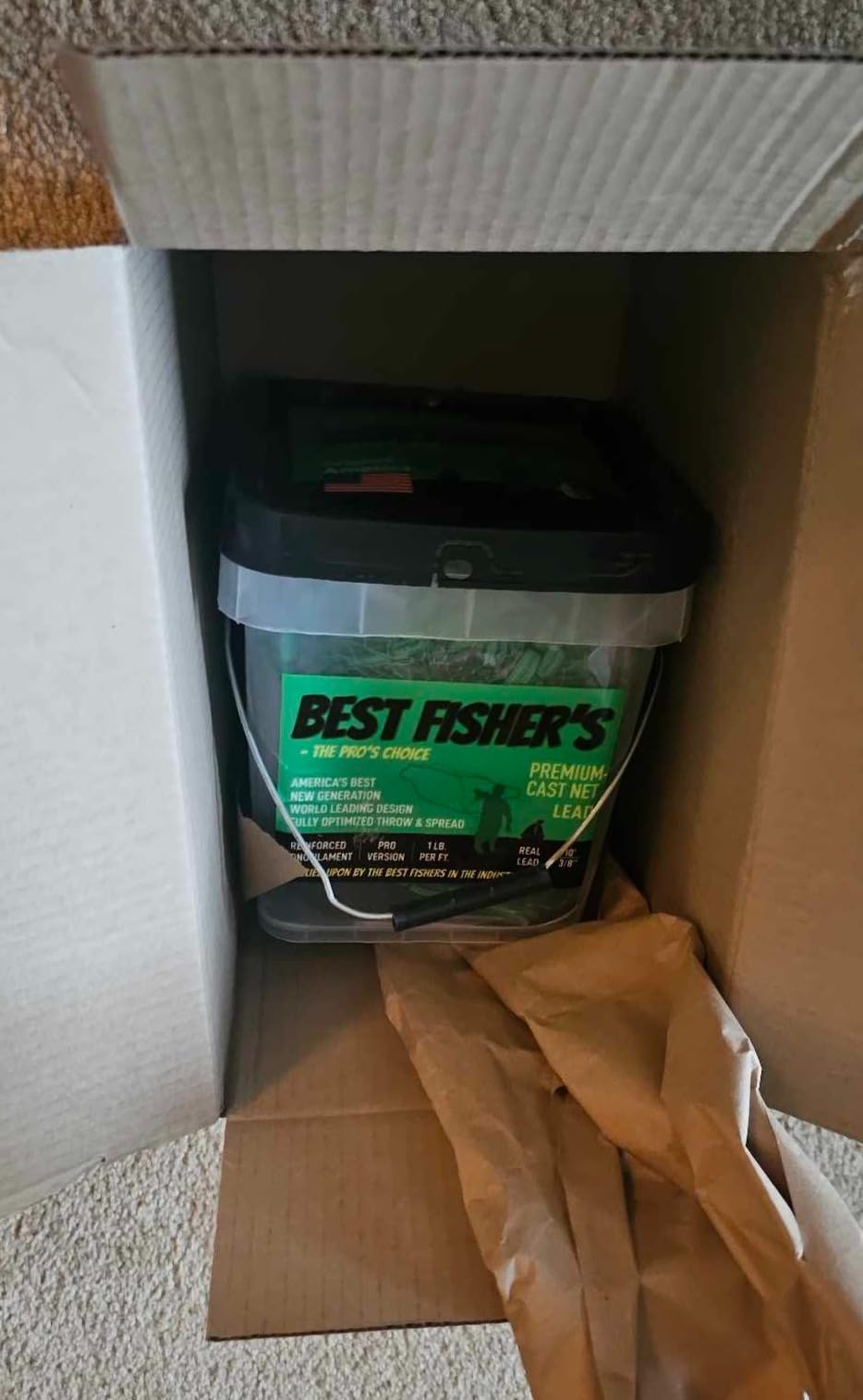
The Core American Pro is the one to pick if you want a predictable sink. At 1 lb per foot of real lead, the perimeter drops in a straight line and holds its shape all the way down, which is what makes the cone close evenly instead of pinching on one side.
It is rated 4.3 stars across 787 reviews with about 70 percent five-star feedback. Owners report that the net opens wide, sinks evenly and tangles less than cheaper retail brands, and several point to the included booklet and utility box as more than filler.
The horn is the piece worth understanding. This is a multi-sectioned horn design, meaning the point where the mesh gathers is broken into segments so it can flex instead of catching. Tangling at the horn is the most common reason a cast fails, and this is the direct mechanical fix.
Around the horn and the lead line sits double selvage multifilament netting, which is a heavier woven layer over the standard mesh. It adds real abrasion resistance on shell and concrete. A large stainless steel swivel and a non-slip stretchable hand strap finish the build.
Why real lead is worth the extra care
Lead is denser than zinc or plastic-coated weights at the same volume, so 1 lb per foot of lead is a smaller, more compact perimeter that still drops fast. The practical effect is a tighter circle on the water and less resistance when you pull the hand line.
The one-year warranty against manufacturer defects is the longest in this group, and for a net that will live in a saltwater locker, that coverage is worth comparing carefully.
Where it falls short
Monofilament mesh tears when snagged on branches, shell or concrete edges. The included repair kit helps with minor rips, but a torn section on rocks will need a proper splice.
Some buyers report the lead line unravelling with heavy use. If you fish a lot of structure, expect to re-tie the perimeter occasionally.
6. BASSDASH Cast Net – Best Six-Panel Saltwater Build
BASSDASH American Saltwater Fishing Cast Net 3/8 1/4-Inch…
Six-panel hand crafted construction
Plastic-covered rust resistant weights
316 stainless swivel and ABS horn
Pros
- Plastic-covered weights resist saltwater corrosion
- Hand crafted six-panel mesh construction
- 316 stainless swivel and durable ABS horn
- 32.8 ft floating hand line with comfort cuff
- Utility bucket and instructions included
Cons
- Many size and mesh variants to sort through
- Utility bucket is bulkier than a soft net bag
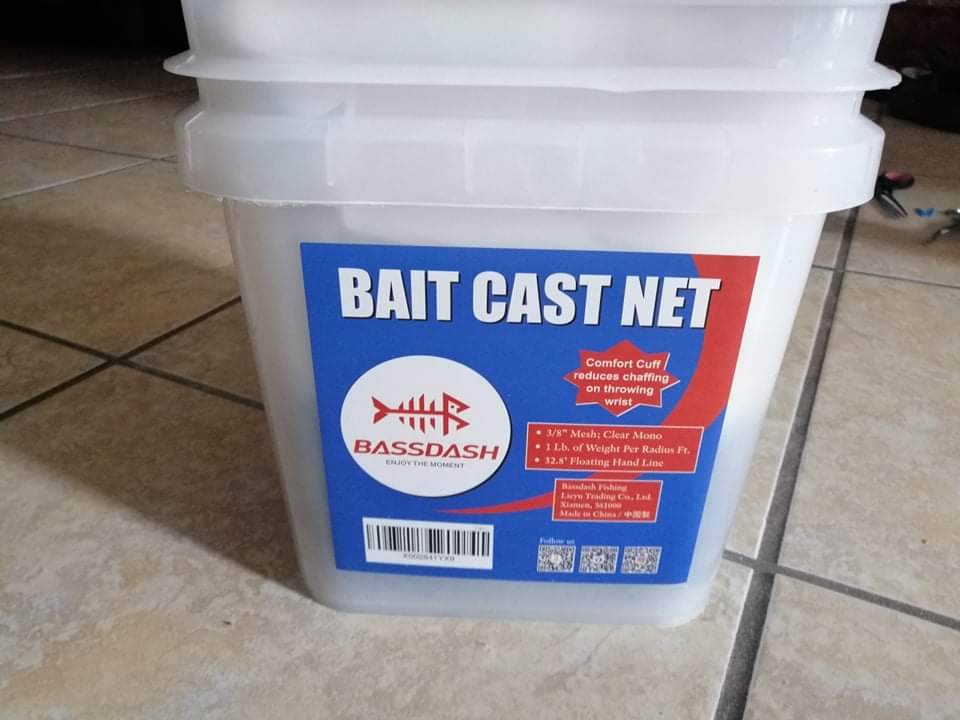
BASSDASH takes a different approach to corrosion, and it is the right one for anyone fishing saltwater more than a few times a year. Instead of zinc or bare lead, the perimeter uses plastic-covered weights, which means the rust problem that affects most nets in this roundup simply does not apply.
It holds a 4.4 star rating from 422 reviews with roughly 70 percent five-star feedback. Reviewers single out the plastic-covered weights and the stainless hardware as the specific advantage over plain zinc nets, and the six-panel handmade construction gets credit for a fast, clean sink.
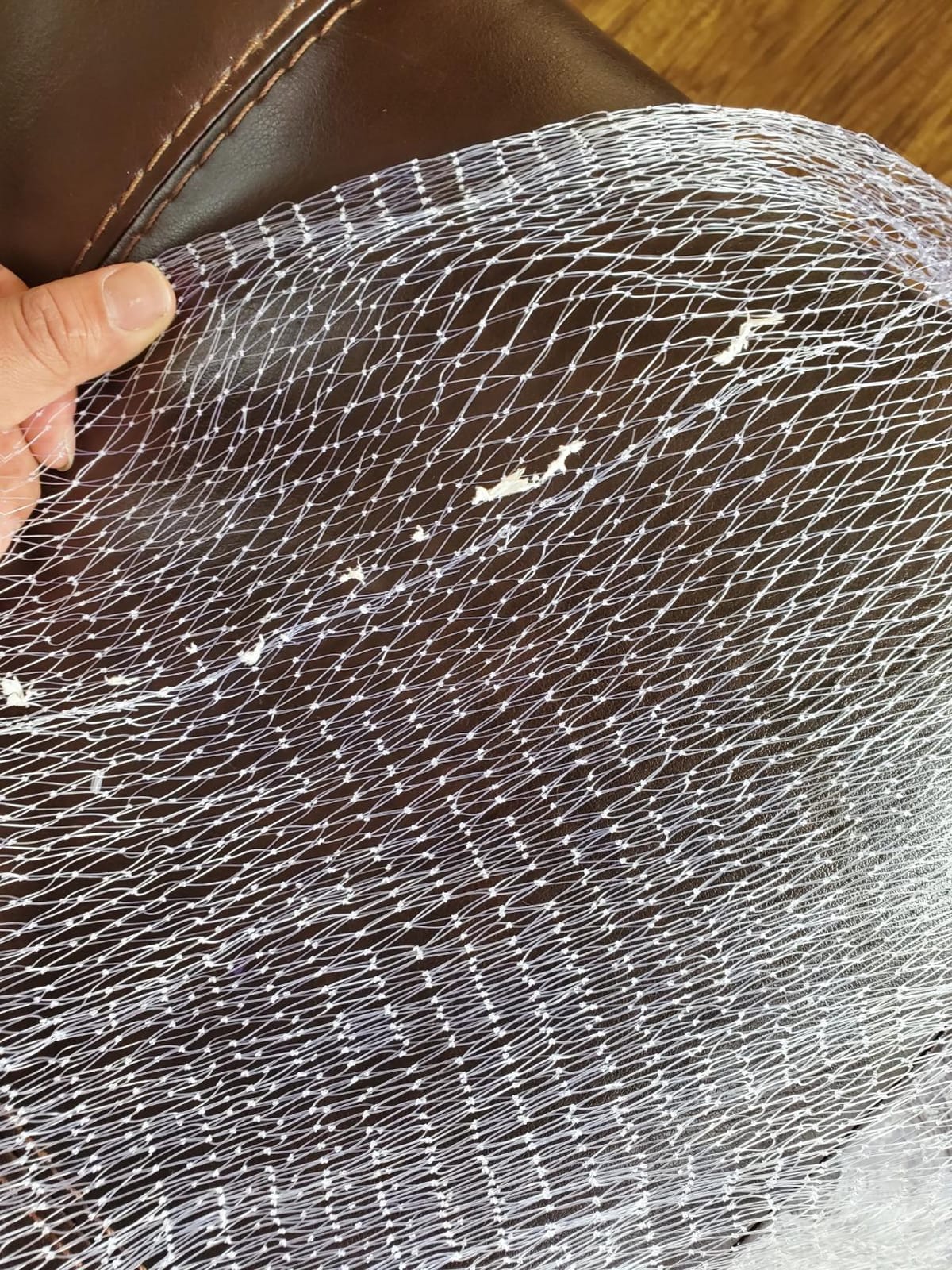
The 3/8 inch mesh is listed as suited to baits 3 inches or longer, which covers shad, herring, menhaden, pinfish and similar sized forage. Weights run 1 lb per radius foot on a hand crafted six-panel build, so this is a serious sink rate for a net in this size class.
Hardware is the 316 stainless swivel and a durable ABS horn, both chosen to survive salt. The hand line is 32.8 ft of floating line with a comfort cuff that reduces wrist chafing over a long day, and a utility bucket and casting instructions are included.
Why the coating matters on a working boat
Corrosion is the number one reason nets get retired early. A coated perimeter can sit wet in a boat all afternoon and still be ready the next trip, while an uncoated zinc net needs a rinse and a full dry every single time.
That is a real difference for someone fishing four days a week, and it also means fewer trips to the hose after a long day on the water.
Where it falls short
The listing covers 3/8 and 1/4 inch mesh across 4 ft, 6 ft and 8 ft radius, so you need to select the variant carefully. The utility bucket is bulkier than a soft net bag if storage space is tight.
Plastic-coated weights are heavier than uncoated zinc for the same sink rate, so this is a full-handling net rather than a light one.
7. BalanZze 1/2 Inch Mesh Cast Net – Best for Shrimp and Mullet
BalanZze Cast Net for Bait Trap Fish,1/2 Inch Mesh(3FT
1/2 inch mesh size
Double-layer zinc weight line
26 ft hand rope
Pros
- 1/2 inch mesh holds shrimp
- minnows and mullet
- Reinforced double-layer weight line sinks fast and opens wide
- Handcrafted monofilament usable in fresh and salt water
- Repair kit and storage box included
Cons
- Shortest warranty in the group at one month
- 1/2 inch mesh will not hold very small bait
- 1.1 kg build for a 3 ft net takes practice
This is the one to buy when your target is shrimp. At 1/2 inch mesh it is the widest opening in the roundup, which means sand shrimp, small minnows and mullet stay in while the water moves freely through. A 3/8 inch net on shrimp fishing is just a slower way to catch nothing.
It carries the lowest rating in the group at 4.1 stars from 409 reviews, with about 10 percent one-star feedback. Even so, the mesh sizing and sink rate are the consistently praised parts, and the criticism is aimed at build consistency rather than function.
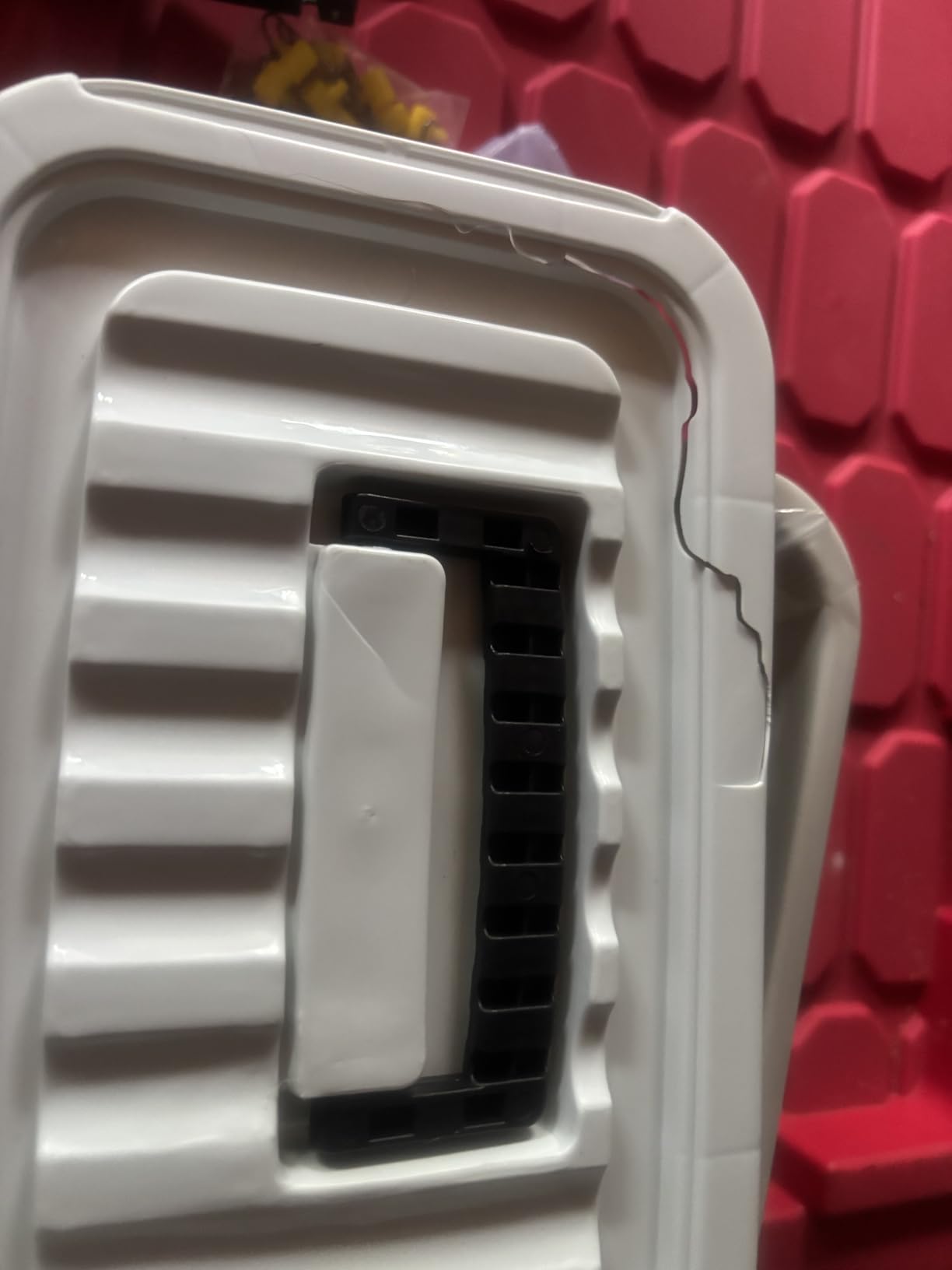
Zinc sinkers sit on a reinforced double-layer weight line, which is what produces the fast, full-opening sink reviewers describe. The monofilament is described as nearly invisible underwater, and that helps on shallow flats where shrimp are holding close to the bottom in clear water.
Hand rope is 26 ft, a little shorter than the other nets here but long enough to work from a shore, dock, pier or boat. A repair kit and storage box come with it, which is more than most nets at this level include.
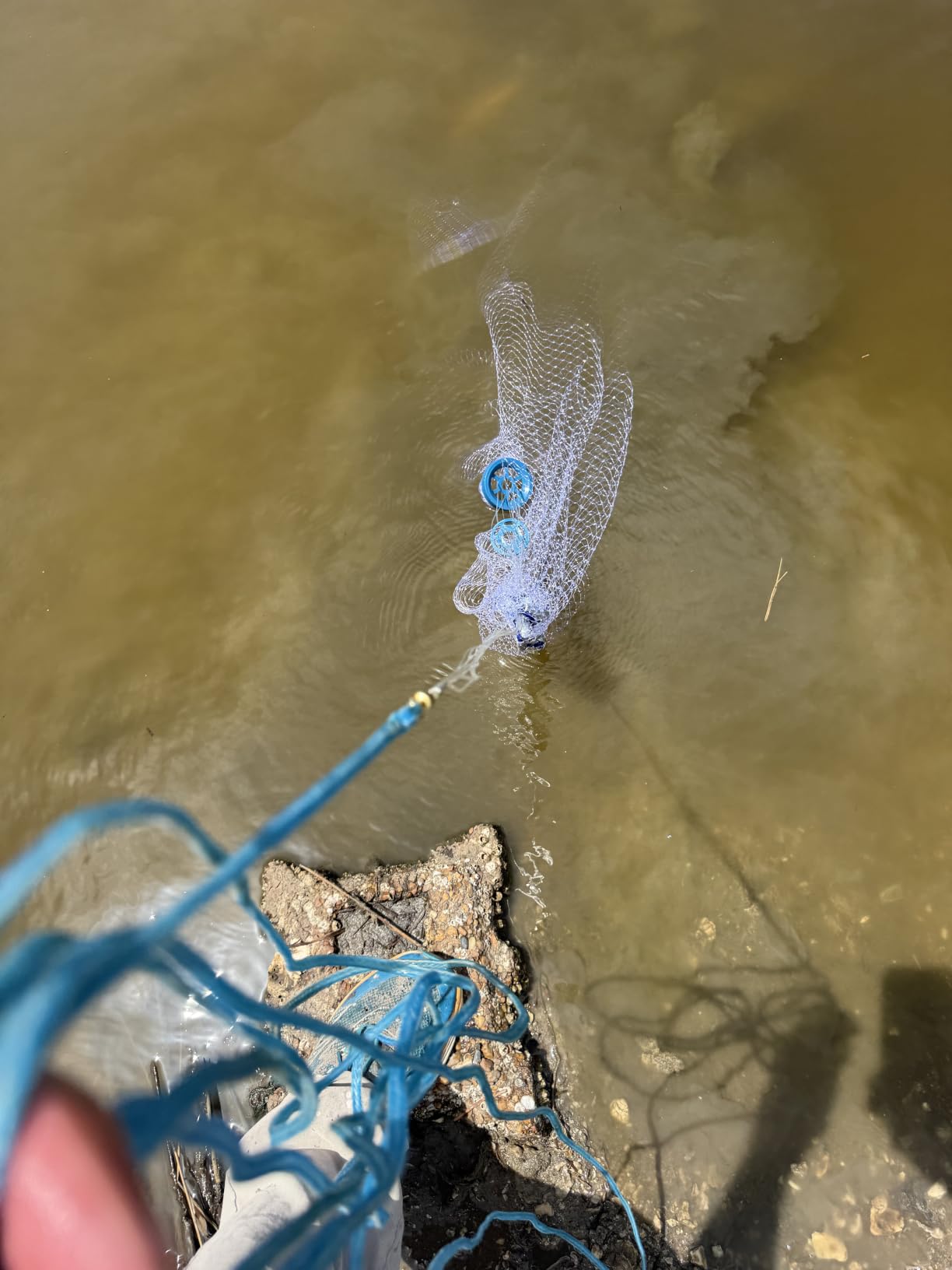
When wider mesh is the right call
Any target with a body depth that would pass through 3/8 inch openings. Sand shrimp, small mullet and glass minnows on a shallow flat all fall into that category, and a wide-mesh net also drains faster and dries quicker after a soak.
It also works both ways as a seine-style tool for larger bait, where you actually want water and small debris to pass through while the net closes on the fish.
Where it falls short
The one month warranty is the shortest available, and one-star feedback does point at build consistency. At 1.1 kg for a 3 ft radius net, this is a heavy throw and it needs practice before you trust it on a good school.
If your target is anything smaller than a large minnow, the mesh is too wide and you need a 3/8 inch net instead.
8. Neween Cast Net with Shrimp Cage – Best Two-in-One Package
Cast Net for Fishing with Shrimp Cage, American Freshwater…
3/8 inch copolymer monofilament
Heavy-duty premium zinc sinker
Bonus collapsible shrimp cage
Pros
- Collapsible shrimp cage gives a second catching option
- Heavy-duty zinc sinker gives a fast sink and tight seal
- Transparent monofilament is nearly invisible underwater
- High-density sinkers reduce splashing
- Works in fresh and salt water
Cons
- Zinc sinker is heavier than lead or coated alternatives
- Only a 30-day warranty
- Aluminum handle hardware rather than a padded strap
The Neween is the odd one out in this roundup because it ships with a collapsible shrimp cage. That single extra turns it into a two-tool package: one net for schooling baitfish, one trap for shrimp and small bottom feeders. For a flats or bay angler, that is a lot of function for one purchase.
It is rated 4.0 stars from 384 reviews, the lowest average in the group, with about 9 percent one-star feedback. Buyers like the shrimp cage and the fast sink from the heavy zinc sinker. The mixed feedback is more about consistency between units than about a specific failure.
The mesh is handmade copolymer monofilament in a transparent finish, which makes it hard for bait to see before the perimeter closes. That is not a marketing point, it is a real difference on clear shallow water where a visible net simply gets avoided.
The sinker is a heavy-duty premium zinc build with a high-density design intended to reduce splashing on the cast, which means less noise and less scattering of a nervous school. Sizes run from 3 ft to 10 ft radius, so there is a workable option at both ends.
Why the bundled cage is genuinely useful
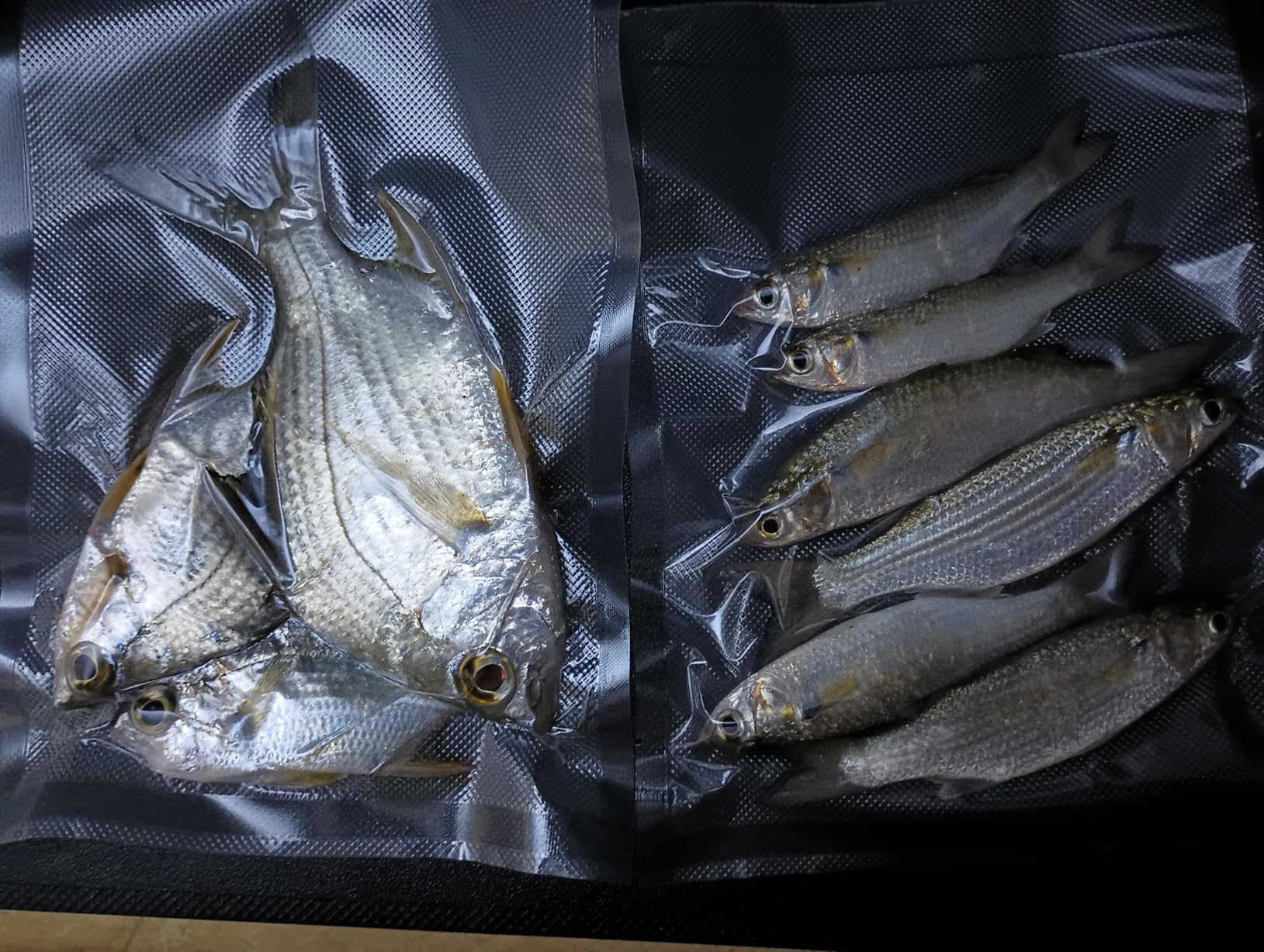
A collapsible cage lets you hold shrimp, crabs and small fish without tying them to a stringer or crushing them in a bucket. On the flats that difference is the whole game, because a dead shrimp is worth very little to a hungry redfish.
For freshwater anglers, the same net covers shad and other baitfish without a second purchase.
Where it falls short
Zinc is heavier than lead or coated alternatives, so the net loads your arm faster over a long session. The warranty is 30 days, and the handle uses aluminum hardware rather than a padded strap.
It is the lowest-rated net here, and the more mixed feedback suggests build variation. If consistency matters more to you than the bundled cage, pick one of the higher-reviewed monofilament nets instead.
9. BasicGear Pure Lead Cast Net – Best Light Lead Build
BasicGear® Cast Net, Lead, 3ft Radius, 3/8 in Mesh, for…
0.75 lb per radius foot pure lead
3/8 inch reinforced monofilament
Double lead line, steel swivel
Pros
- Pure lead at 0.75 lb per foot sinks clean and even
- Reinforced monofilament nylon in a versatile 3/8 inch size
- Double lead line and Japanese stainless steel swivel
- Tangle-free horn design
- Repair kit
- instructions and utility box
Cons
- Lead sinkers need regular rinsing and full drying
- Lighter than 1 lb per foot nets in current
This is the lead-weighted sibling to our top pick, and it uses pure lead sinkers at 0.75 lb per radius foot instead of galvanized zinc. Lead is denser, so the same weight per foot occupies less of the perimeter and produces a cleaner, tighter drop.
It is rated 4.2 stars from 520 reviews with about 68 percent five-star feedback. Owners value the real lead weighting and recognise the same proven horn and swivel design used on the higher-rated zinc listing, with the usual caveat about rinsing after saltwater use.
The 3/8 inch reinforced monofilament nylon is the same versatile size as the top pick, and the double lead line with a Japanese stainless steel swivel is a good hardware pairing. Sizes run from 3 ft to 12 ft radius, giving you room to grow without changing brands.
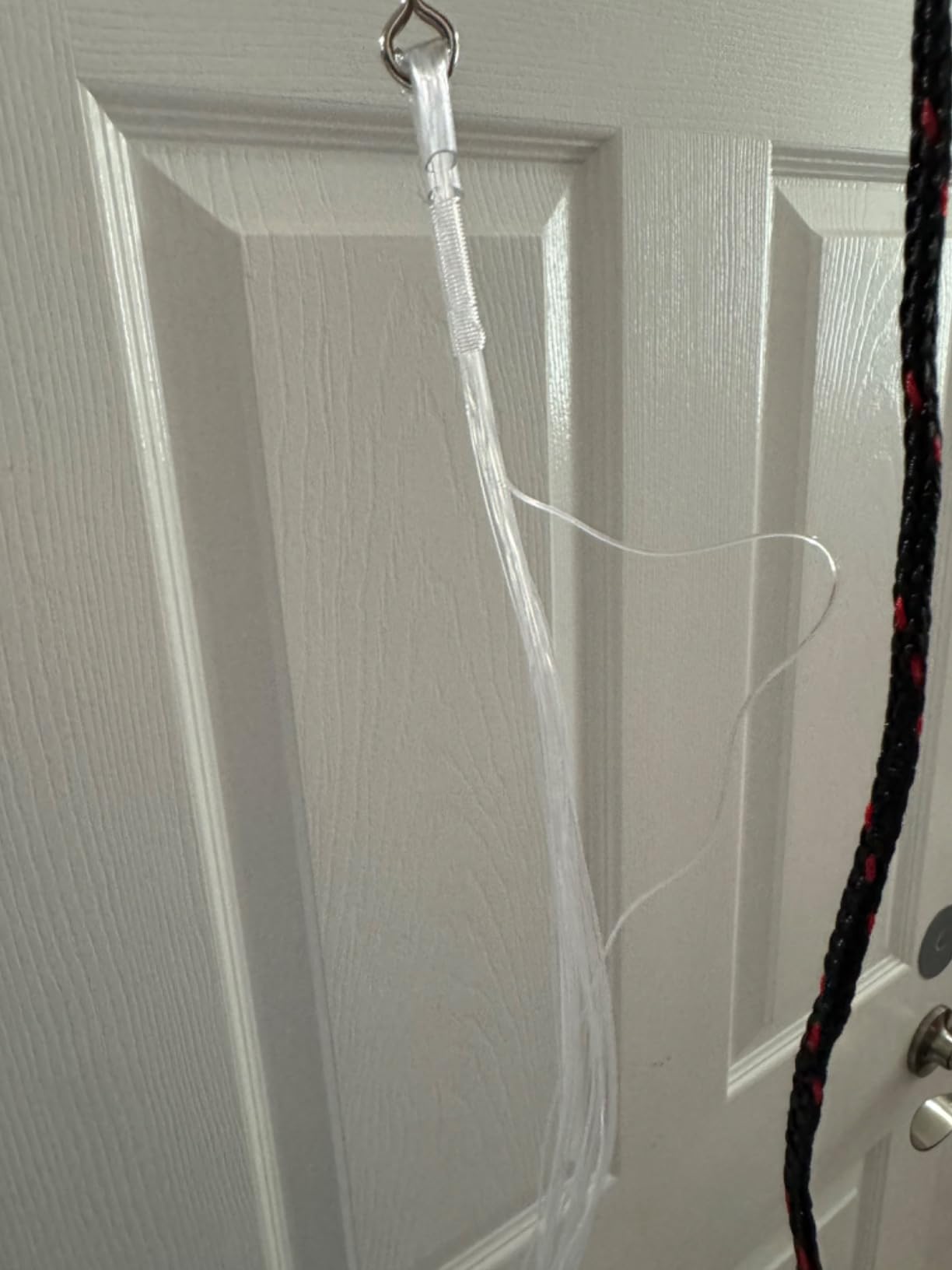
The tangle-free horn design is the beginner-friendly feature here. A neoprene wrist strap and a fixed handle cover the two main grip points, and a repair kit, instructions and utility box are all in the box.
When lead beats zinc
In still or shallow water, pure lead gives a compact, fast drop at a manageable carry weight. If you are casting from a shoreline or working a protected flat rather than a bay with current, the difference in handling is noticeable over a long day.
Compact weight also means a less bulky bundle, which is easier to load with one hand when you are the only person in the boat.
Where it falls short
Lead is the most corrosion-sensitive material in this roundup. It needs regular rinsing and full drying, and if you skip that, the sinkers pit and the mesh stiffens along the perimeter.
At 0.75 lb per foot it sinks noticeably slower than the 1 lb and 1.1 lb nets, so it is a poor choice for current or for bait holding deeper than about 6 feet.
10. Drasry Plastic-Coated Gray Sinker Net – Best Corrosion Resistance
Drasry Saltwater Fishing Cast Net 3/8 and 1/4 Mesh with…
1 lb per foot coated gray sinkers
3/8 inch copolymer monofilament
32 ft braided hand rope
Pros
- Highest rating per review at 4.4 from 706 ratings
- Plastic-coated sinkers resist rust in saltwater
- 1 lb per foot sinks fast and seals the bottom
- Mesh tied to the lead line for even stress
- Soft net bag
- repair lines and tools included
Cons
- Many size
- mesh and weight variants to choose from
- Plastic coating adds weight versus uncoated zinc
This Drasry solves the single biggest durability complaint in the category. Instead of zinc or bare lead, it uses high-density plastic-coated gray sinkers, which is why it holds a 4.4 star rating with 72 percent five-star feedback across 706 reviews, the strongest rating-to-review profile in the group.
Owners cite the coated sinker as the specific advantage over the zinc-iron nets in the same brand line, and report fast sink, a tight seal and an easy-open spread. The 1 lb per foot weighting puts it in the same class as the Best Fisher’s Core while dodging the corrosion problem entirely.
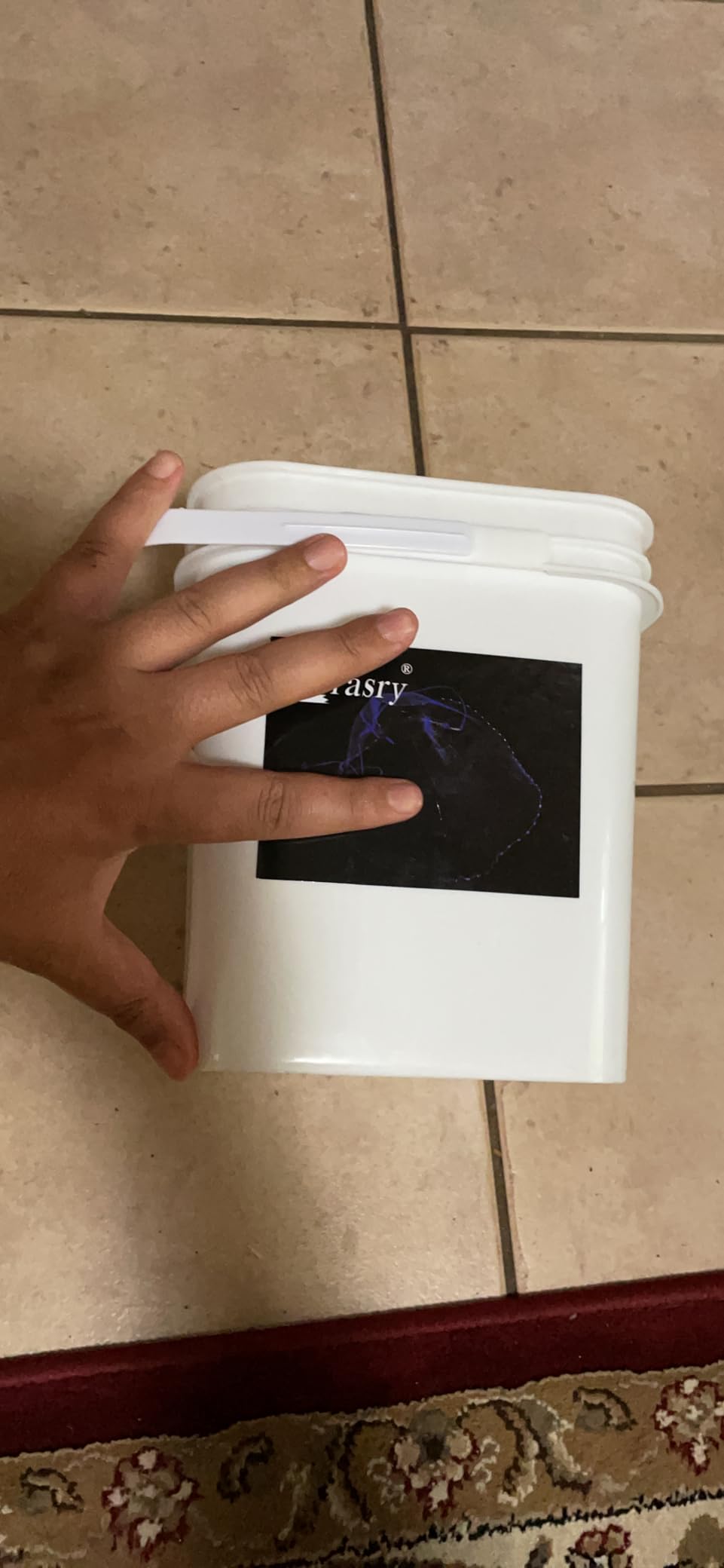
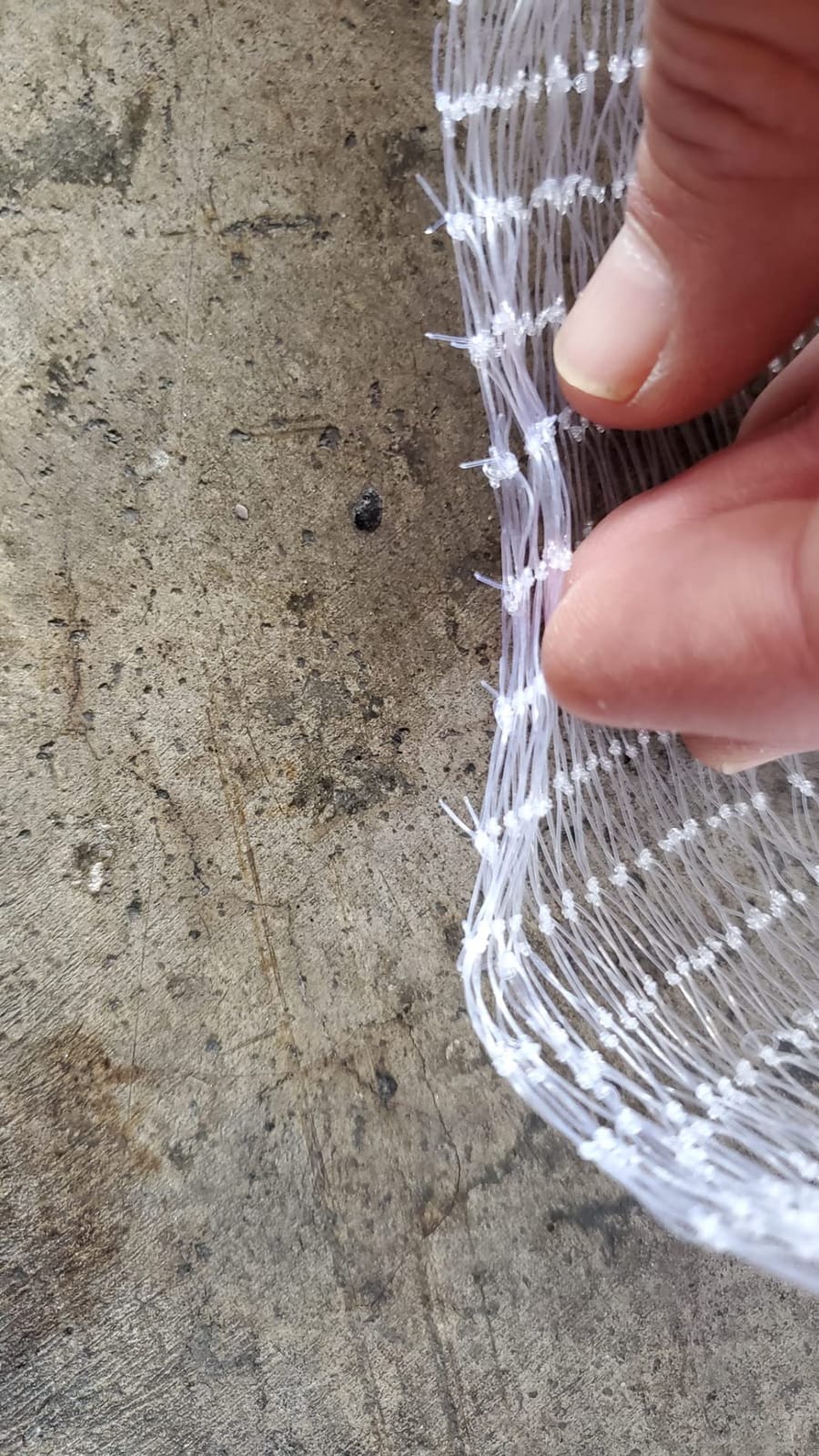
Mesh is 0.3 mm copolymer monofilament, handmade, in a 3/8 inch opening that accommodates most bait species. Each mesh bundle is tied to the lead line at multiple points so stress is distributed evenly, which is why a small tear does not turn into a running failure around the perimeter.
The hand rope is 32 ft of floating braided line with a neoprene wrist strap, and a soft net bag, repair lines and repair tools are included. The soft bag drains rather than holding water against the mesh.
Why coating beats bare metal over a season
Bare zinc and lead both need a rinse and a full dry after every saltwater trip. Coated weights tolerate being wet in a boat for hours, so you can fish hard several days running without the corrosion clock running.
That is a lower total cost of ownership even when the net itself costs more, because a net with pitted weights is a net that will eventually fail mid-season.
Where it falls short
The listing covers 3/8 and 1/4 inch mesh across 3 ft to 9 ft radius in several weightings, so picking the right variant takes care. The plastic coating also adds weight compared with an uncoated zinc sinker at the same rating.
The warranty is three months, shorter than the one-year coverage on the Best Fisher’s Core. Check the variant carefully before buying, because the wrong weight-per-foot option is the usual reason buyers of this listing end up disappointed.
What Size Cast Net Do You Need?
For most anglers, a 6 ft net with 3/8 inch mesh at about 1 lb per foot is the correct starting answer. That combination covers the majority of live bait targets, lands accurately at typical cast distances, and stays throwable by a wide range of body sizes. Anglers with more throwing power or a boat that allows a longer cast can step up to 8 ft.
Start smaller than you think. That advice repeats across every cast netting thread we read, including one from a net maker with decades of experience, and the reason is physical: a net that is too heavy never spreads properly, and a net that is too large lands beyond the caster’s control.
Match diameter to where you fish. From a dock or a shoreline, 4 ft to 6 ft covers the distance you can throw accurately. From a skiff working open schools, 8 ft gives you coverage per cast. Anything above 10 ft is a commitment, and forum anglers note that a smaller angler often cannot throw one reliably at all.
Match weight per foot to depth and current. Below about 5 feet, 0.75 lb per foot is plenty. From 5 to 10 feet, 1 lb per foot is the baseline. Beyond 10 feet or in moving water, you want 1.1 lb per foot or more, and that is where the heavier nets on this list earn their place.
One more practical point: buy the size you can throw accurately, not the size that covers the most water. A 6 ft net you can land on a school six times out of ten will fill your livewell faster than an 8 ft net you can only land twice.
Mesh Size: 1/4 Inch vs 3/8 Inch vs 1/2 Inch
Choose 3/8 inch for general-purpose bait fishing, 1/4 inch when you specifically want to hold very small bait, and 1/2 inch when your target is shrimp or large-bodied minnows. Most of the nets in this roundup are 3/8 inch for exactly that reason: it is the size that catches the widest range of targets without leaking.
Larger mesh sinks faster because water moves through the openings more freely. That is a real advantage, and it is why a 1/2 inch net feels quicker in the air and on the way down even at similar weight. The tradeoff is that anything smaller than your target simply passes through.
Square mesh, sometimes called half mesh, keeps more bait than diamond mesh of the same nominal size because the openings are square rather than elongated. Most of the nets here use square monofilament mesh.
To measure mesh size, take a section of mesh and count the openings across one inch, or measure the distance across a single opening and compare it to a ruler. Most manufacturers list the opening directly, so you rarely need to do this except when buying a used net.
On used nets, check the mesh at the horn and along the lead line first. That is where abrasion damage shows up earliest, and a net with a frayed horn will lose bait on every throw.
Weight Per Foot and Water Depth
Weight per foot is the single most important number for reliability, because it sets the sink rate. Under 0.75 lb per foot, nets float in the strike zone and bait slips out from underneath. From 1 lb per foot upward, the perimeter reaches the bottom before a nervous school can escape upward.
Below 5 feet of water, a 0.75 lb per foot net is comfortable and effective. Between 5 and 10 feet, 1 lb per foot is the minimum that most anglers consider viable. Beyond 10 feet, or anywhere with current, 1.1 lb per foot or heavier is the sensible floor.
Heavier is not automatically better, though. Every extra pound per foot lands in your shoulder on the throw and in your hands on the retrieve. One skiff angler on the forums described running two nets and described strength rather than size as what actually matters to him, which is a useful check against buying the biggest net available.
Remember that sinker material changes the meaning of the number. Lead is densest, zinc sits in the middle, and plastic-coated weights are heaviest for the same rating. A 1 lb per foot coated net will feel heavier in your hands than a 1 lb per foot lead net even though both sink similarly.
Nylon, Mono, Lead and Coated Sinkers
Mesh material and sinker material are two separate decisions, and anglers often argue about them as if they were one. Mono spreads flatter and is nearly invisible but abrades and tangles more. Nylon is tougher and easier to throw but heavier and more visible. Neither is universally right.
For soft, sandy bottoms, mono is the better choice because visibility and spread matter more than abrasion resistance. For rocky bottoms, oyster beds and concrete structure, nylon holds up far better and is the safer pick.
Polyethylene is the third option and sits between the two. It is more abrasion resistant than mono and spreads better than heavy nylon, and it is what you will find in entry-level nets built for mixed conditions.
On sinkers, lead gives the fastest compact sink but corrodes fast, zinc is the middle ground and the most common choice, and plastic-coated weights are the most corrosion resistant and the heaviest per unit of rating. If you fish saltwater more than a few times a year, coated weights remove an entire maintenance task.
Whichever combination you pick, the failure point is usually the same: the mesh where it meets the lead line. Nets that tie each bundle at multiple points survive snags better than nets that loop it once, and that is a detail worth looking for in the listing.
Radial Panels, Horns and Handles
Radial panel nets are built from wedge-shaped panels that meet at a single central point. They spread smoothly and are considered easier to lay out and deal with by some experienced skiff anglers. Seamless or panel construction describes how the mesh is joined rather than the panel shape, and both appear in this roundup.
The horn is the mesh funnel at the center of the cast, and it is the part most likely to snag. A multi-sectioned horn flexes and releases instead of catching, which is why the Best Fisher’s Core uses that design and why tangle-free horn claims elsewhere are worth paying attention to.
On handles and grips, neoprene wrist straps beat plastic loops for comfort, and a stainless steel swivel beats a plated steel one for corrosion. Floating hand line is easier to find on the surface than sinking line, and longer line gives you more control from a distance.
One accessory nobody buys and everybody needs is a spare hand rope. The hand line takes the full force of every retrieve, and it will fail sooner than the net itself.
How to Throw a Cast Net
Most beginners fail because they load too little net into the throwing hand. The triple load solves this, and it is the single biggest improvement a new caster can make.
1. Gather the net. Pick up the lead line, gather the mesh into your non-throwing hand, and hold the horn with the mesh hanging below it.
2. Make the first load. Let about one third of the net hang from the horn into your throwing hand. This is the base of the triple load.
3. Add the second and third loads. Pull another third of the mesh over the horn and into the same hand, then the final third. Your throwing hand should now hold a compact, layered bundle with the lead line at the bottom.
4. Take your stance. Feet shoulder width, weight forward, and the non-throwing hand on the horn with the leash wrapped. Never throw overhand or over the head.
5. Cast from the hip. Rotate your hips and snap forward, releasing the net at about shoulder height in front of you. The net should leave your hand flat and open, not end over end. Let it fall rather than forcing it, then wait a full second before retrieving the hand line.
6. Retrieve slowly. Pull the hand line hand over hand to draw the bottom of the cone closed, then lift the closed pocket rather than hauling one side up and letting the rest spill.
Practice on flat ground first with the net empty. Walk through the triple load until your hand position is automatic, then throw at a soft target on the ground, then move to shallow water. Beginners who drill the load on land usually land their first clean water cast within a few sessions.
If your net keeps landing folded, the usual causes are loading too little, releasing too late, or throwing from the shoulder. If it lands flat but the bait escapes, the cause is almost always sinking too slowly rather than a bad throw.
Caring for Your Net and Keeping Bait Alive
Rinse and dry the net after every trip. Salt crystallises in the mesh and on the sinkers, and it cuts monofilament and corrodes metal. Fresh water rinse, then air dry in the shade, then store it cool and dry away from direct sun and chemicals.
Repair frayed seams as soon as you see them. A small tear caught on a rock grows along the whole seam within a few throws. Splice the broken bundles back onto the lead line and re-tie the perimeter, and most nets come with enough repair line to handle a season.
Replace the hand line before it fails, not after. It carries the full load of every retrieve and is the cheapest part on the net. A night-time failure with a full livewell aboard is a genuinely bad afternoon.
Keep bait alive in a shaded, aerated livewell and cut the bait with a sharp bait knife as you need it. Keep a bucket of clean seawater or lake water circulating with the catch, out of direct sun, and move the livewell out of the sun whenever you stop to fish.
One more piece of bait-handling gear worth having is a pair of cut-resistant gloves. Pulling net and handling bait is how most minor hand injuries happen in this sport, and the gloves also solve the wet-handle problem on lighter nets.
Finally, check your local rules before netting bait. Some areas restrict or prohibit collecting baitfish, and specific species or areas may be closed. A quick check with the state agency that manages the water you fish saves a fine and keeps you legal.
Frequently Asked Questions
What size cast net for baitfish?
A 6 ft net with 3/8 inch mesh at about 1 lb per foot is the right starting point for most anglers. It covers common bait like shad, menhaden, herring and pinfish, lands accurately at typical cast distances, and stays throwable for most body sizes. Use 4 ft from a dock, step up to 8 ft from a skiff, and choose a heavier net per foot above 10 feet of depth.
Should I get a 1/4 or 3/8 cast net?
Choose 3/8 inch for general-purpose bait fishing, because it holds the widest range of bait without leaking. Choose 1/4 inch only when you specifically need to retain very small bait such as tiny glass minnows, since the smaller openings slow the sink rate slightly. Larger mesh such as 1/2 inch sinks faster and is better suited to shrimp and mullet.
Why is cast netting illegal?
Cast netting is not universally illegal, but many states and local authorities restrict collecting baitfish with a net, close specific areas or water bodies to netting, or limit the species and number you may take. Rules usually exist for wildlife protection, to prevent depleting forage for game fish, and to protect spawning stock. Check with the agency managing your water body before you net.
What’s better, nylon or mono cast net?
Mono spreads flatter and is nearly invisible, which matters on clear shallow water and soft bottoms, but it abrades on rocks and shell and tangles more easily. Nylon is tougher, handles structure and concrete better, and is easier for beginners to throw, but it is heavier and more visible. For soft sand and mud choose mono; for rock, oyster beds and docks choose nylon.
What is the best mesh size for a cast net?
3/8 inch is the best all-round mesh size for bait fishing and is what most of the nets in this roundup use. Pair it with 1 lb per foot weighting for depths between 5 and 10 feet, or 1.1 lb per foot and above for deeper water and current.
What is the best cast net for saltwater fishing?
The strongest saltwater pick here is the Drasry net with plastic-coated gray sinkers, which resists rust without a rinse after every trip and holds a 4.4 star rating from over 700 reviews. The BASSDASH net is a close alternative with plastic-covered weights and 316 stainless hardware. If you prefer bare lead for sink rate, rinse and dry it thoroughly after each use.
How to measure mesh size of net?
Measure the distance across a single opening with a ruler, or count how many openings fit inside one inch. Compare that number to the manufacturer’s listed opening. Most listings state the opening size directly, so measuring is only needed when buying a used net, where check the mesh at the horn and along the lead line first for abrasion damage.
What is the easiest cast net for beginners?
The Goture American Fishing Cast Net is the easiest for beginners because it is light at 16 ounces, uses soft monofilament that spreads and lands flat, and includes a throwing aid belt that loads the net consistently. Start with a 6 ft radius and drill the triple load on flat ground before you cast it in water.
How do you use a cast net for beginners?
Load the net in thirds into your throwing hand with the lead line at the bottom, wrap the hand line, take a shoulder-width stance, then cast from the hip and release at shoulder height so the net leaves your hand flat. Let it fall for a full second before pulling the hand line slowly to close the bottom of the cone, then lift the closed pocket aboard.
How much weight per foot should a cast net be?
Use 0.75 lb per foot in water shallower than 5 feet, 1 lb per foot between 5 and 10 feet, and 1.1 lb per foot or more in deeper water or any current. Sink rate is what closes the net before bait escapes, and heavier nets are not automatically better because every extra pound lands on your shoulder and hands.
How do you keep bait alive after netting it?
Move bait straight into a shaded, aerated livewell or a bucket of clean seawater, keep it out of direct sun, and cut it with a sharp bait knife only as you need it. Rinse the net and let it air dry in the shade so salt does not damage the mesh and sinkers, and keep cut-resistant gloves handy since net handling causes most minor hand injuries.
Final Verdict on the Best Cast Nets for Bait Fishing
The BasicGear Cast Net takes our Editor’s Choice for one reason: no other net in this roundup combines that much owner feedback, a galvanized sinker that resists rust, a tangle-free horn and a 3/8 inch mesh that suits almost every bait you will chase. It is the safest single purchase, and its 4.4 star rating across more than 1600 reviews is the deepest well of real-world feedback we found.
Buy the Goture if you are learning to throw, the Betts Old Salt if you work from a dock, the Drasry plastic-coated net if you fish saltwater hard, and the BalanZze if shrimp are the target. Whatever you choose, start at 6 ft with 3/8 inch mesh around 1 lb per foot, drill the triple load on dry land, and size up only once the smaller net stops filling your livewell.
Our bait guide covers matching bait selection to the species you are actually after, which is the other half of putting a full net to work.
