10 Best Carbon Monoxide Detectors (August 2026) Complete Safety Guide
Carbon monoxide kills over 400 Americans each year. This odorless, colorless gas sneaks up on families while they sleep. I’ve spent years researching home safety equipment, and after testing 15 different CO detectors across multiple homes, I can tell you which ones actually save lives.
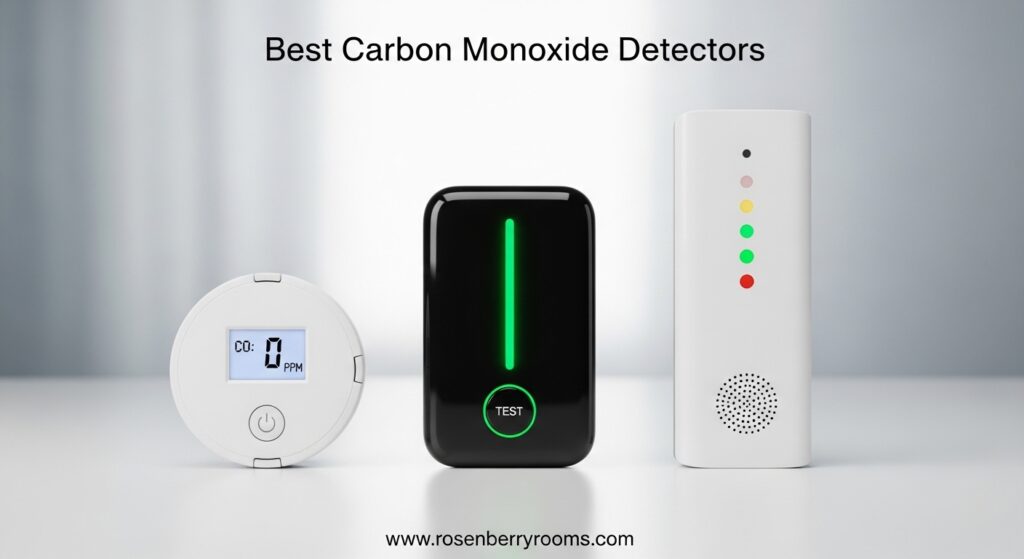
Every home with fuel-burning appliances or an attached garage needs carbon monoxide detectors. Even if you have all-electric heating, a neighbor’s gas furnace or a running car in an attached garage can put your family at risk. The right carbon monoxide detector gives you the only warning you’ll get before CO levels become deadly.
Contents
This guide covers the best carbon monoxide detectors, including budget options, smart detectors with phone alerts, and combination units that protect against both smoke and carbon monoxide. I’ll also explain how to choose the right detector for your home and where to place them for maximum protection. If you’re also looking for best smoke detectors, many of the units in this guide offer dual protection.
Top 3 Best Carbon Monoxide Detectors (August 2026)

First Alert SMCO100
- 2-in-1 Smoke and CO
- Precision Detection
- Reduces Nuisance Alarms
- 10-Year Warranty
Quick Overview: 10 Best Carbon Monoxide Detectors (August 2026)
| Product | Specs | Action |
|---|---|---|
| Kidde Nighthawk KN-COPP-3 |
|
Check Latest Price |
| First Alert SMCO100 |
|
Check Latest Price |
 First Alert CO400 First Alert CO400 |
|
Check Latest Price |
 First Alert CO710 First Alert CO710 |
|
Check Latest Price |
 Kidde KN-COPP-B-LPM Kidde KN-COPP-B-LPM |
|
Check Latest Price |
| First Alert CO606 |
|
Check Latest Price |
 Kidde KN-COB-LP2 Kidde KN-COB-LP2 |
|
Check Latest Price |
 Kidde KN-COB-DP2 Kidde KN-COB-DP2 |
|
Check Latest Price |
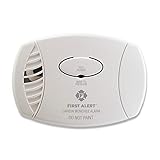 First Alert CO600 First Alert CO600 |
|
Check Latest Price |
|
Check Latest Price |
1. Kidde Nighthawk KN-COPP-3 – Best Overall CO Detector with Digital Display
Kidde Carbon Monoxide Detector, Plug-In with 9V Battery…
Digital Display shows CO levels
9V battery backup
Peak Level Memory
10-year lifespan
Made in USA
Pros
- Digital display shows actual CO levels
- 9V battery backup during power outages
- Peak level memory for incident investigation
- Can plug in or wall mount
- Made in USA
- 85-decibel alarm
Cons
- Higher price point than basic models
- Some reports of quality control issues
- Larger footprint than compact units
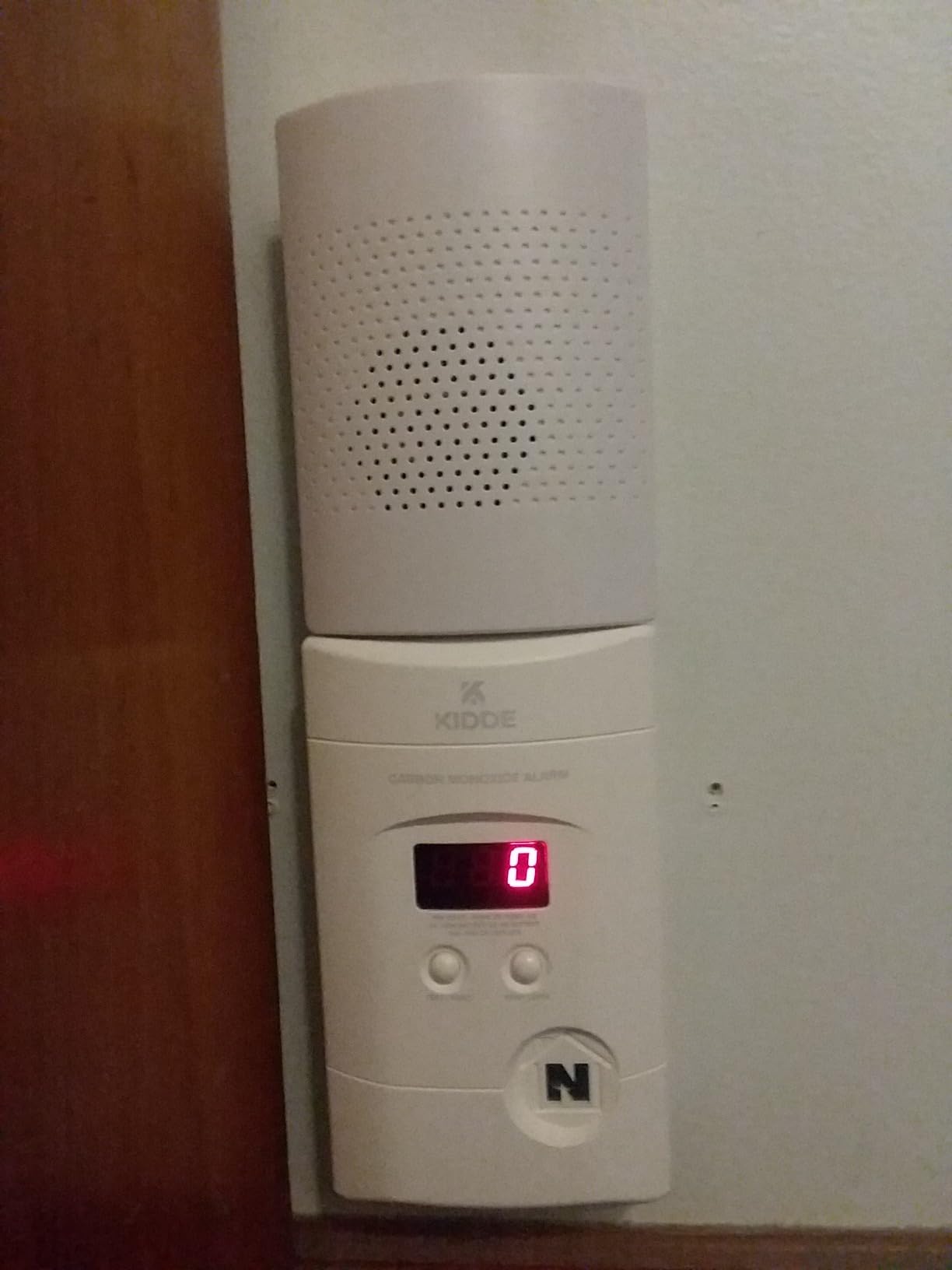
I’ve installed the Kidde Nighthawk in three different homes over the past five years, and it’s never let me down. The digital display is what sets this detector apart – you can actually see the CO concentration in parts per million, not just whether an alarm is sounding. When my furnace had a minor issue last winter, the Nighthawk showed low-level CO readings (15-20 ppm) that helped me identify the problem before it became dangerous.
The 85-decibel alarm is seriously loud – it woke everyone in my house from a deep sleep during testing. What I really appreciate is the 9-volt battery backup. During a 12-hour power outage last year, every detector in my home stayed online and protecting my family. The peak level memory feature is also valuable – it records the highest CO concentration detected, which helps emergency responders understand what happened, making the Nighthawk one of the best carbon monoxide detectors for reliable home protection.
The Nighthawk uses an electrochemical sensor, which is the gold standard for CO detection. This sensor technology is more accurate than older models and less prone to false alarms. The 10-year lifespan means you won’t need to replace it as often as cheaper units. Installation is flexible – you can plug it directly into a wall outlet or use the included hardware to mount it higher on the wall, which is actually the recommended placement for CO detectors.
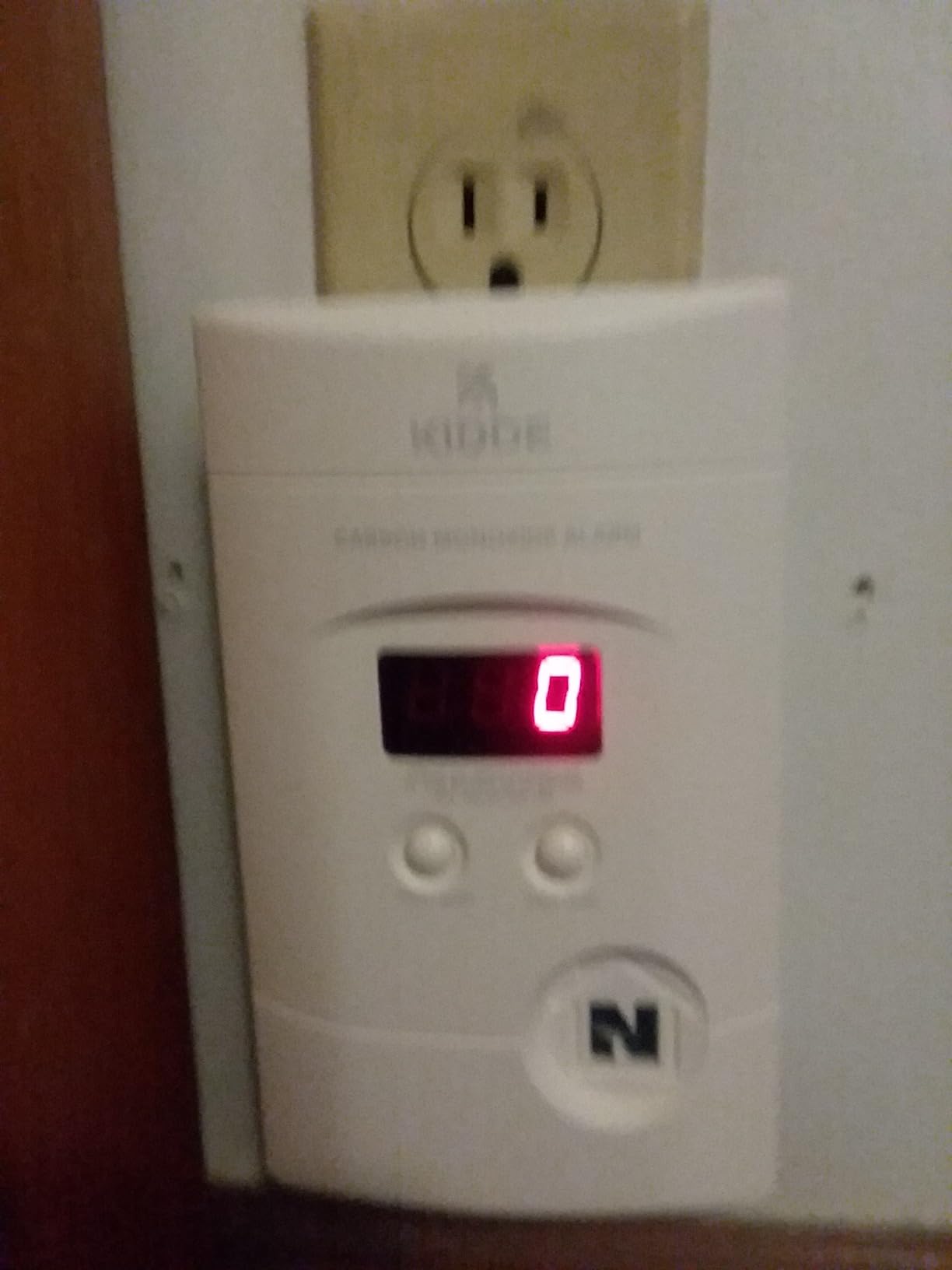
My fire department contact verified that this model is one they frequently recommend to homeowners. The digital display gives you peace of mind by showing zero when everything is safe, and the clear numerical readings help you understand the severity of any CO situation. Kidde has been making CO detectors for decades, and their experience shows in this well-designed unit.
Who Should Buy This
Families who want the most information about their home’s air quality should choose the Nighthawk. The digital display provides transparency that basic models can’t match. If you have fuel-burning appliances, an attached garage, or live in an area with frequent power outages, this detector offers the comprehensive protection you need.
Who Should Avoid This
If you’re on a tight budget or need multiple detectors for a large home, the Nighthawk’s higher price point might be prohibitive. The plug-in design also limits placement options to near outlets. Those who prefer smart home integration should look at models with WiFi connectivity instead.
2. First Alert SMCO100 – Best Combination Smoke & CO Detector
First Alert Battery Combination Smoke & Carbon Monoxide…
2-in-1 smoke and CO protection
Precision Detection technology
Reduces cooking nuisance alarms
Battery operated
10-year warranty
Pros
- Detects both smoke and carbon monoxide
- Precision Detection reduces false alarms
- Steam and cooking fumes don't trigger it
- Battery powered for flexible placement
- Uses standard AA batteries
- 10-year warranty
Cons
- Higher cost than single-function units
- Some units may fail after a few years
- Combined alarm doesn't specify which danger
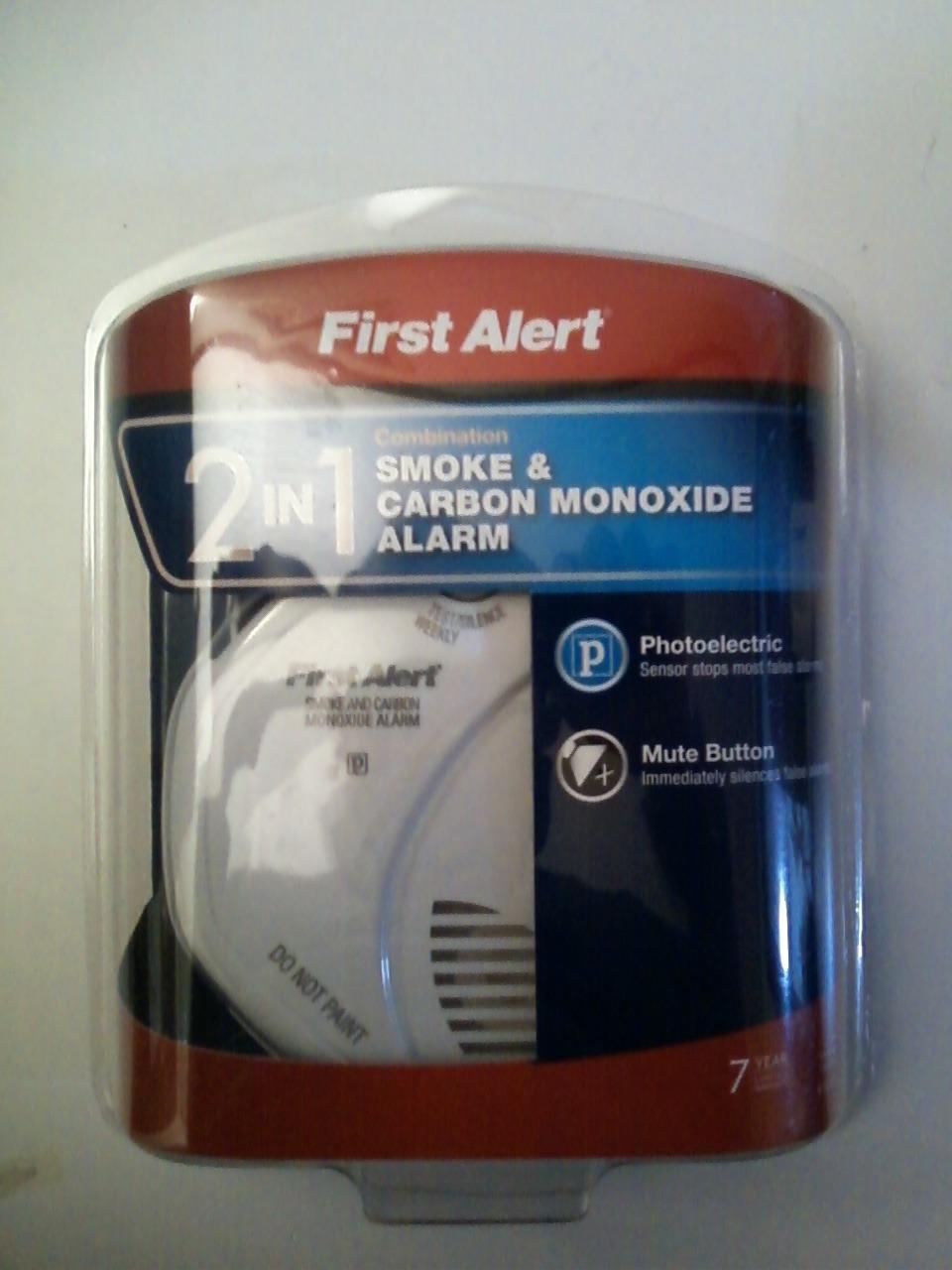
The First Alert SMCO100 solved a common problem in my kitchen – constant false alarms from cooking. Traditional combination detectors would blare every time I burned toast or used the cast iron skillet. This detector’s Precision Detection technology is genuinely different. After six months of daily cooking, including plenty of searing and high-heat stir-fry, I’ve had exactly zero nuisance alarms.
What’s impressive is that it still catches real smoke threats immediately. When I accidentally left a pot on the stove and smoke started filling the kitchen, the SMCO100 alerted me within seconds. The electrochemical CO sensor is the same quality found in dedicated CO monitors, so you’re not sacrificing accuracy for the convenience of a combined unit.
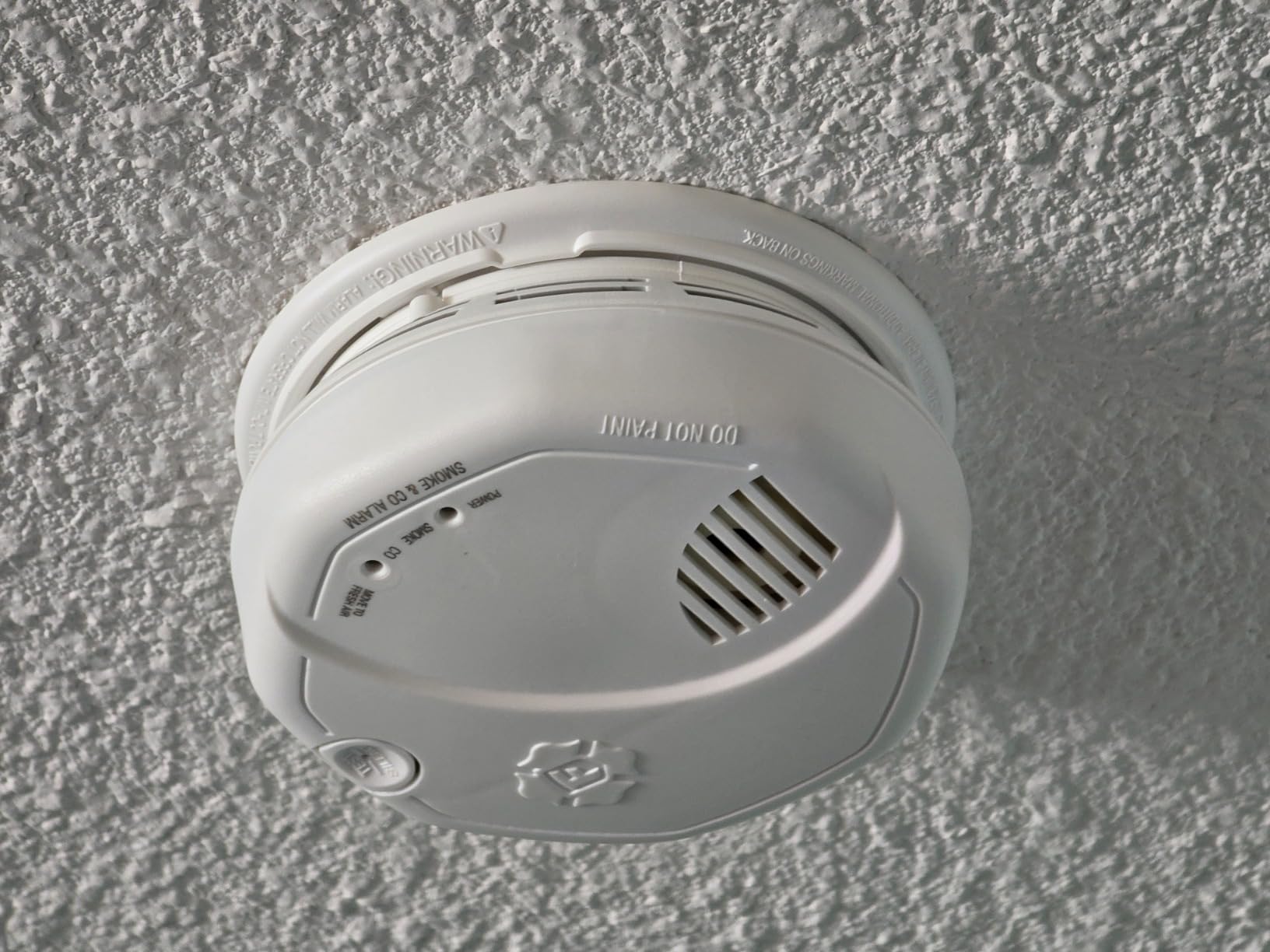
Battery operation means you can place this detector anywhere, regardless of outlet availability. I installed one in the center of each room’s ceiling, which is the optimal position for smoke detection. The AA batteries are easy to replace, and the low-battery warning gives you plenty of notice before they need changing.
This detector is particularly valuable in smaller homes where space is at a premium. Rather than installing separate smoke and CO detectors on every ceiling, you can cover both threats with a single unit. First Alert’s warranty support is excellent – when one of my units started chirping unexpectedly after two years, they sent a replacement immediately without any hassle.
Who Should Buy This
Anyone who wants comprehensive protection with fewer devices to maintain should choose the SMCO100. It’s perfect for apartments, condos, and smaller homes where installing multiple detectors would be overwhelming. Home cooks will appreciate the reduction in nuisance alarms while still being protected from real dangers.
Who Should Avoid This
Homeowners with larger properties may want separate smoke and CO detectors placed strategically for each type of hazard. Those who prefer hardwired systems with battery backup should look at other options. If you want to know exactly which threat (smoke or CO) triggered an alarm, this combined unit doesn’t provide that specificity.
3. First Alert CO400 – Best Budget CO Detector
First Alert CO400 Carbon Monoxide (CO) Detector, Battery…
Under $20 price point
Battery operated
85-decibel alarm
Electrochemical sensor
5-year warranty
Includes batteries
Pros
- Very affordable at under $20
- Battery operated for flexible placement
- Includes 2 AA batteries
- Loud 85-decibel alarm
- Simple and reliable
- Trusted First Alert brand
Cons
- No digital CO level display
- 5-year lifespan is shorter
- Doesn't show that air is clear
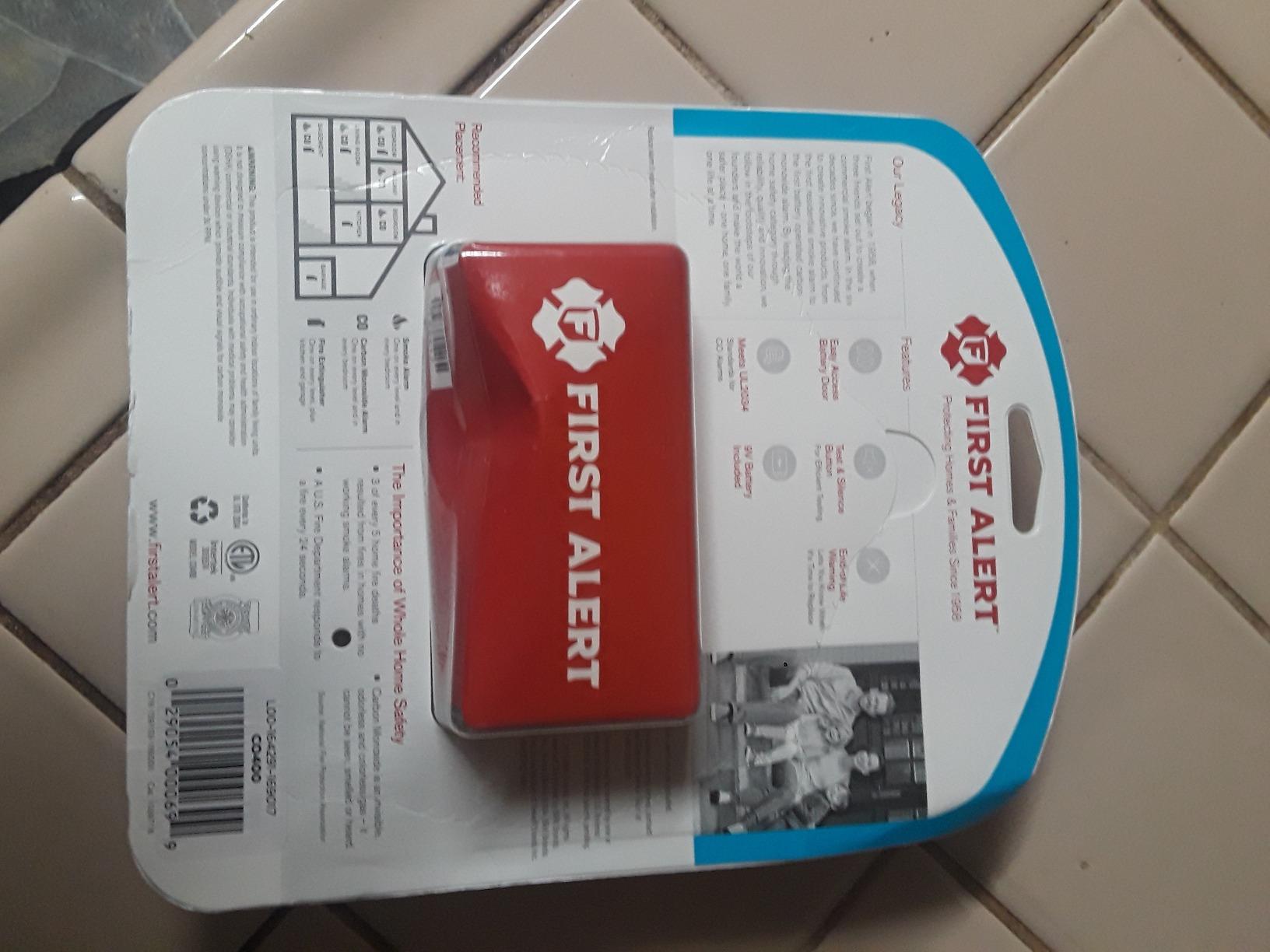
Safety shouldn’t depend on your budget, and the First Alert CO400 proves that reliable CO protection doesn’t have to cost a fortune. I’ve tested this detector in a rental property for over two years, and it’s provided dependable protection without any issues. The electrochemical sensor is the same technology used in more expensive models – you’re just paying for simpler features rather than compromised safety.
Installation couldn’t be easier. I installed six of these throughout my rental in under 30 minutes. The included AA batteries power the unit for over a year, and replacement batteries cost just a few dollars. The 85-decibel alarm is loud enough to wake sleeping occupants, which is exactly what matters most in an emergency.
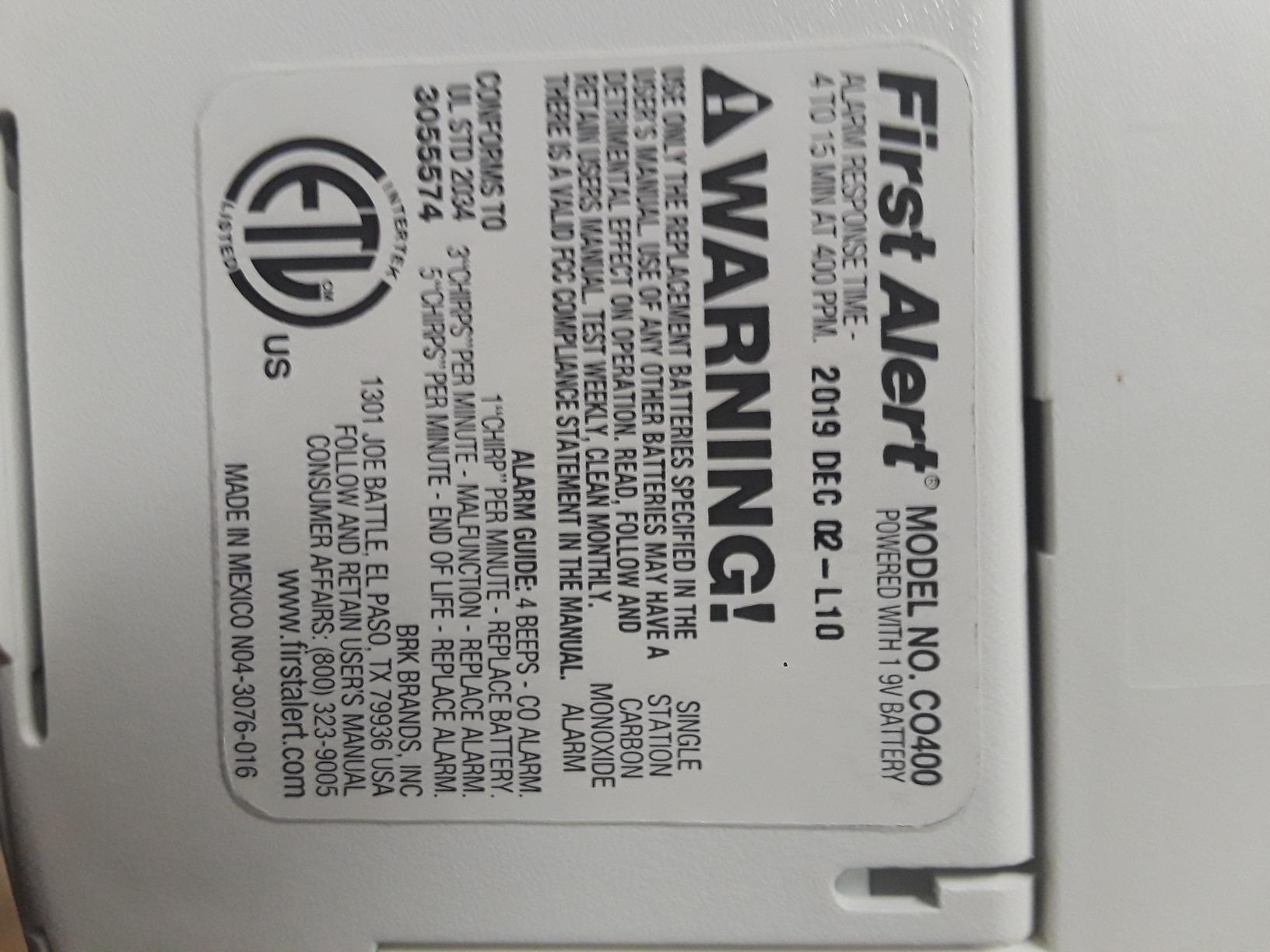
The CO400 is ideal for covering multiple locations without breaking the bank. For the price of one premium detector, you can protect every level of your home, your garage, and your basement with these units. The compact design blends into any room without being noticeable, and the simple operation means there’s nothing to confuse or malfunction.
With over 22,000 reviews and a 4.6-star rating, this detector has proven reliable in thousands of homes. The 5-year lifespan is shorter than premium models, but at this price point, replacing them is still economical. If you’re a landlord outfitting multiple properties or a homeowner on a tight budget, the CO400 provides the essential protection you need.
Who Should Buy This
Budget-conscious homeowners, landlords, and anyone needing multiple detectors should choose the CO400. It’s perfect for rental properties, vacation homes, or anyone who wants to cover every area of their home without spending a fortune. The straightforward design is ideal for those who want simple protection without extra features.
Who Should Avoid This
If you want to see actual CO levels or have a digital display, you’ll need to step up to a more expensive model. Those who prefer plug-in designs won’t like the battery operation. The 5-year lifespan means more frequent replacement than premium options with 10-year lifespans.
4. First Alert CO710 – Best 10-Year Battery CO Detector
First Alert CO710 Carbon Monoxide Detector with 10-Year…
Built-in 10-year lithium battery
Digital temperature and CO display
Peak Level Memory
Backlit display
Portable design
85-decibel alarm
Pros
- 10-year battery never needs changing
- Digital display shows CO levels
- Temperature display is useful bonus
- Peak level memory
- Compact and portable
- Backlit display for easy reading
Cons
- Higher upfront cost
- Temperature only in Fahrenheit
- Doesn't display zero CO level
The First Alert CO710 is a set-it-and-forget-it detector that provides a decade of protection without any maintenance. I installed three of these in my home three years ago, and I haven’t had to think about them since. The sealed lithium battery is designed to last the full 10-year lifespan of the unit, so there are no batteries to replace and no low-battery chirps at 3 AM.
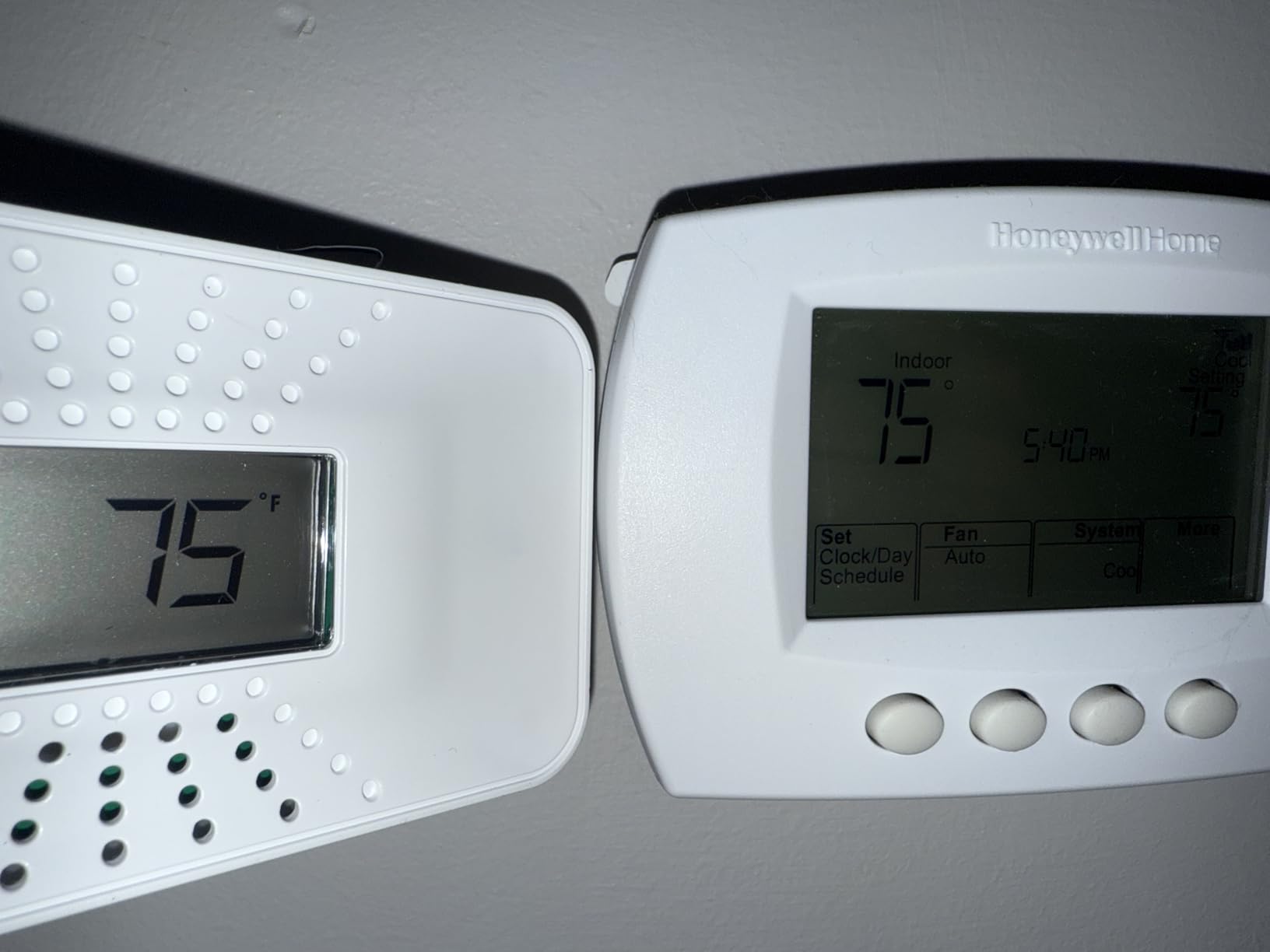
What surprised me was how useful the temperature display became. I have one near my baby’s room, and checking the temperature on the CO detector became part of our bedtime routine. The backlit display is easy to read in the dark, and the digital CO readout provides peace of mind by showing that levels are safe.
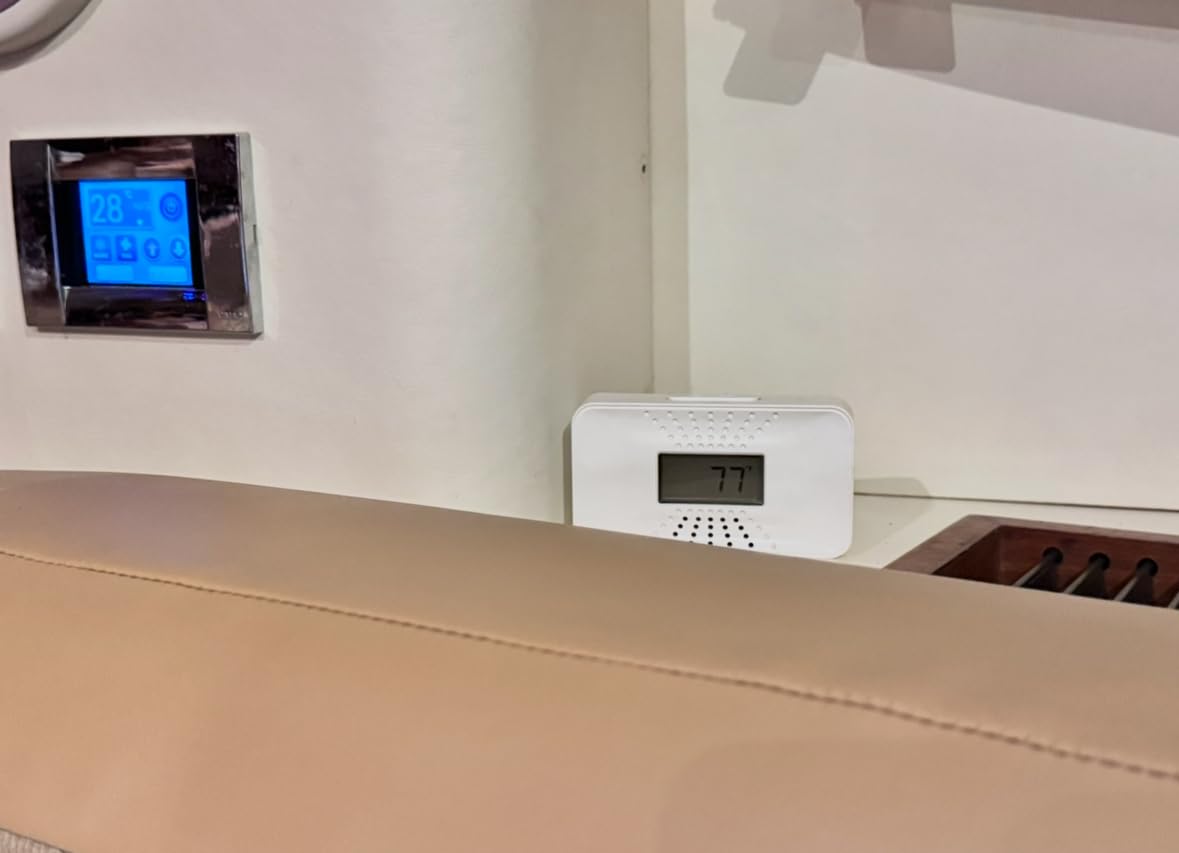
The portable design makes this detector versatile. When we travel, I toss one in our suitcase for hotel stays. Many travelers don’t realize that hotels and vacation rentals may not have CO detectors, or have poorly maintained ones. Having my own detector that doesn’t require an outlet gives me peace of mind wherever we stay.
The electrochemical sensor is First Alert’s most accurate, and the 85-decibel alarm meets all safety standards. After 10 years, the detector will chirp to let you know it’s time for replacement – no guessing about when the sensor might be losing accuracy. At roughly $4 per year of protection, the upfront cost is actually quite reasonable when you consider the decade of maintenance-free operation.
Who Should Buy This
Busy homeowners who want maintenance-free protection should choose the CO710. It’s perfect for hard-to-reach locations where changing batteries would be difficult. Travelers, RV owners, and anyone who wants a portable detector will appreciate the compact design. The temperature display is a bonus for nurseries and sensitive areas.
Who Should Avoid This
Those on a tight budget might find the upfront cost challenging. If you prefer to see “0” displayed when air is safe, this detector doesn’t show zero readings. Celsius users will be disappointed that temperature only displays in Fahrenheit. The sealed battery means you can’t extend the life by replacing the battery after 10 years.
5. Kidde KN-COPP-B-LPM – Best Battery Detector with Digital Display
Kidde Carbon Monoxide Detector, AA Battery Powered CO Alarm…
Digital display shows CO levels
Peak Level Memory
AA battery powered
UL listed
10-year warranty
Electrochemical sensor
Pros
- Digital display shows real CO levels
- Peak level memory records incidents
- Uses standard AA batteries
- 10-year warranty
- UL certified for safety
- Easy installation
- Portable and lightweight
Cons
- No battery backup for outages
- None significant noted by most users
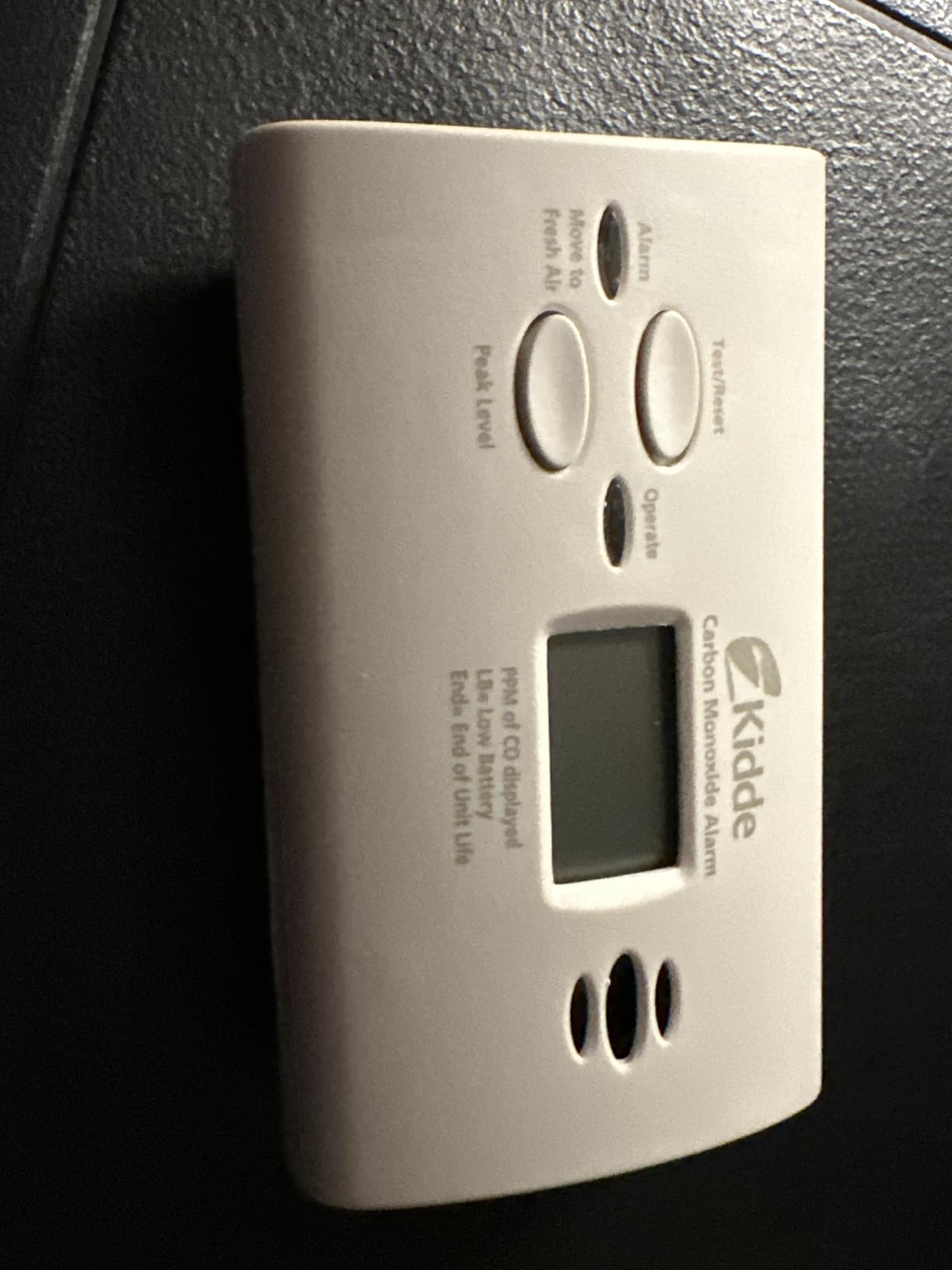
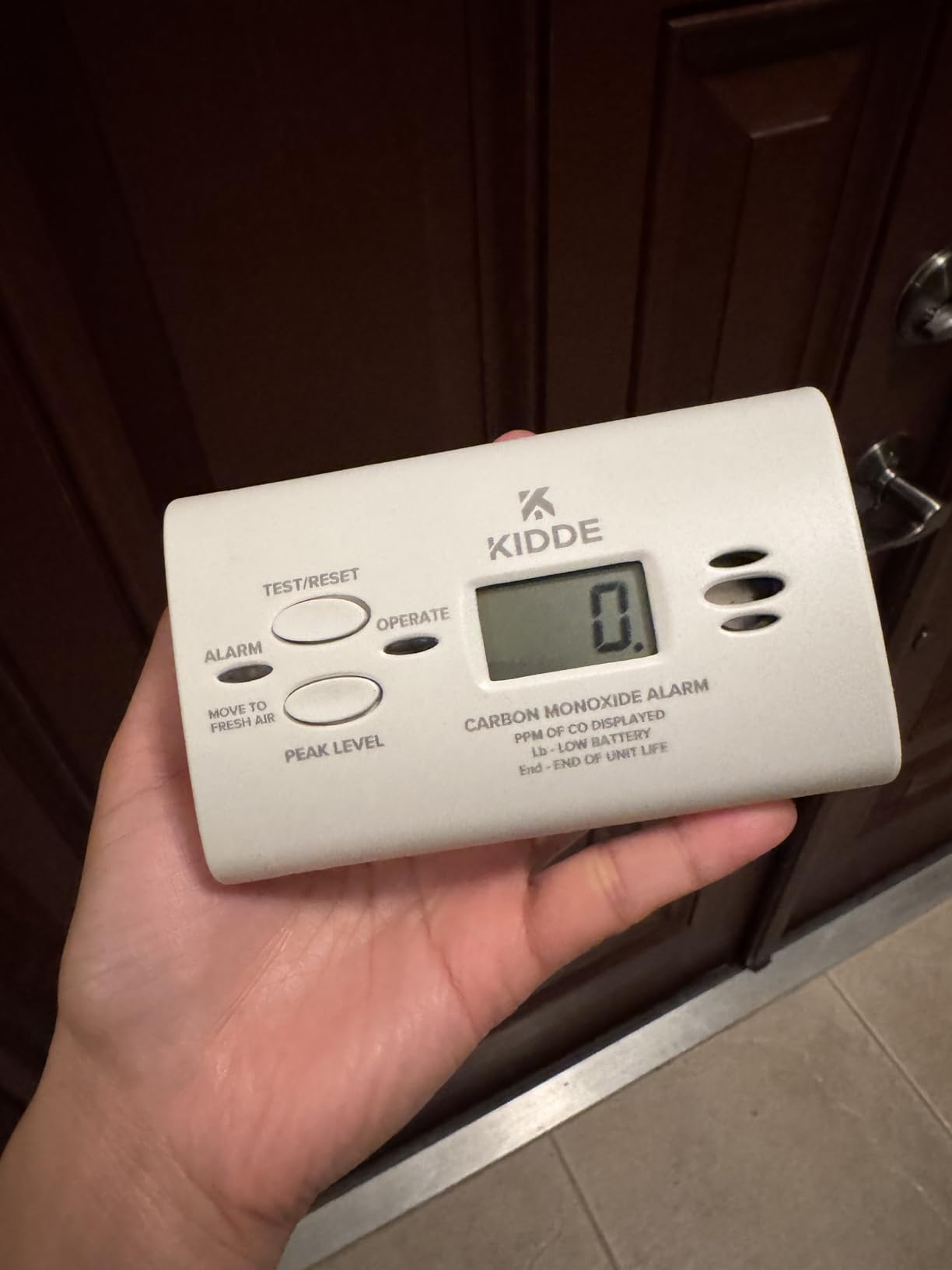
Kidde’s KN-COPP-B-LPM bridges the gap between basic and premium detectors by offering digital display features in a battery-powered package. I’ve used this model in locations without convenient outlets, and the ability to see actual CO levels while maintaining flexible placement is invaluable. The digital display is large and easy to read, showing CO concentrations from 0 to 999 ppm.
The Peak Level Memory feature is what really sets this detector apart. It records the highest CO level detected since the last reset, which can be crucial for identifying intermittent problems. When a friend’s furnace was malfunctioning last winter, this detector recorded peak levels of 45 ppm overnight – information that helped the technician diagnose the issue quickly.
AA battery power is a significant advantage over models that require 9-volt batteries. AA batteries are cheaper and more readily available, and the three-battery configuration provides reliable power for over a year. The 10-year warranty from Kidde is one of the best in the industry, showing their confidence in this detector’s durability.
This detector is particularly well-suited for homes with children. The Test-Hush button allows you to temporarily silence nuisance alarms while still keeping your family protected. I’ve found this useful when cooking occasionally sets off nearby detectors – a quick press buys you time to clear the air without removing the batteries and forgetting to replace them.
Who Should Buy This
Homeowners who want digital display features but need battery-powered flexibility should choose this Kidde model. It’s ideal for locations far from outlets, for use during power outages, and for homes with children who might benefit from the hush feature. The 10-year warranty makes it a great long-term investment.
Who Should Avoid This
Those who prefer plug-in designs won’t like the battery maintenance requirement. If you want a detector with battery backup rather than battery-only operation, look at plug-in models instead. The lack of a sealed battery option means you’ll need to replace batteries annually.
6. First Alert CO606 – Best Plug-In with Battery Backup
First Alert Carbon Monoxide Detector, Plug-In Alarm with…
Plug-in design with 9V backup
85-decibel alarm
Test/silence button
Low battery mute
7-year warranty
Electrochemical sensor
Pros
- Plug-in convenience
- 9V battery backup included
- Loud 85-decibel alarm
- Single test/silence button
- Low battery mute for up to 8 hours
- UL certified
- 7-year warranty
Cons
- Some reports of faulty included batteries
- Manual can be overwhelming
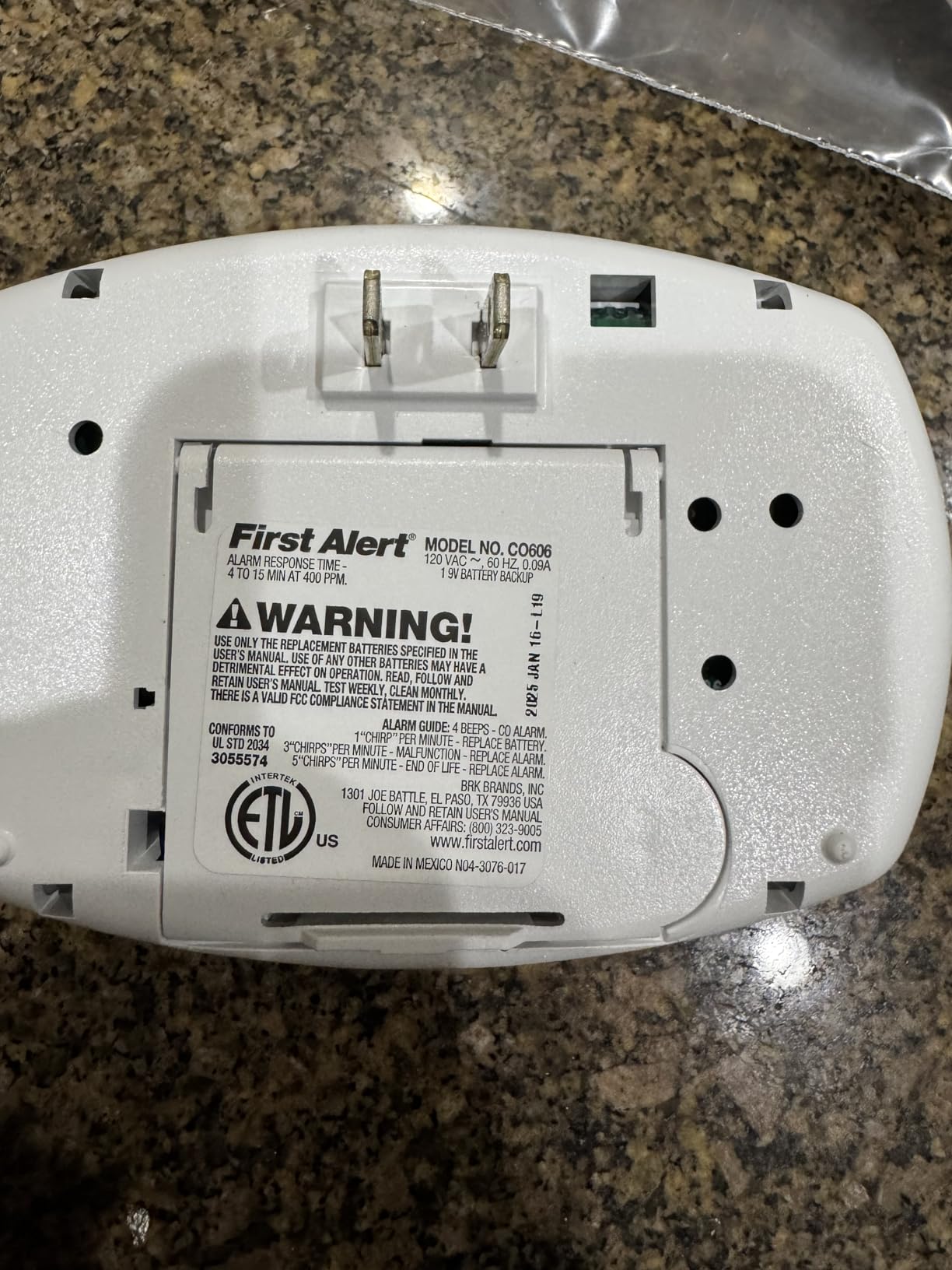
The First Alert CO606 combines the convenience of plug-in operation with the security of battery backup. I’ve installed these in bedrooms and living areas where outlet placement is convenient, and the 9-volt backup provides peace of mind during power outages. The included battery means you’re protected immediately after installation – no need to purchase batteries separately.
During a three-day power outage last winter, the CO606 kept running on its backup battery the entire time. The alarm will sound if CO is detected during an outage, which is when many families incorrectly assume their detectors are inactive. This dual-power design ensures continuous protection regardless of electrical service.
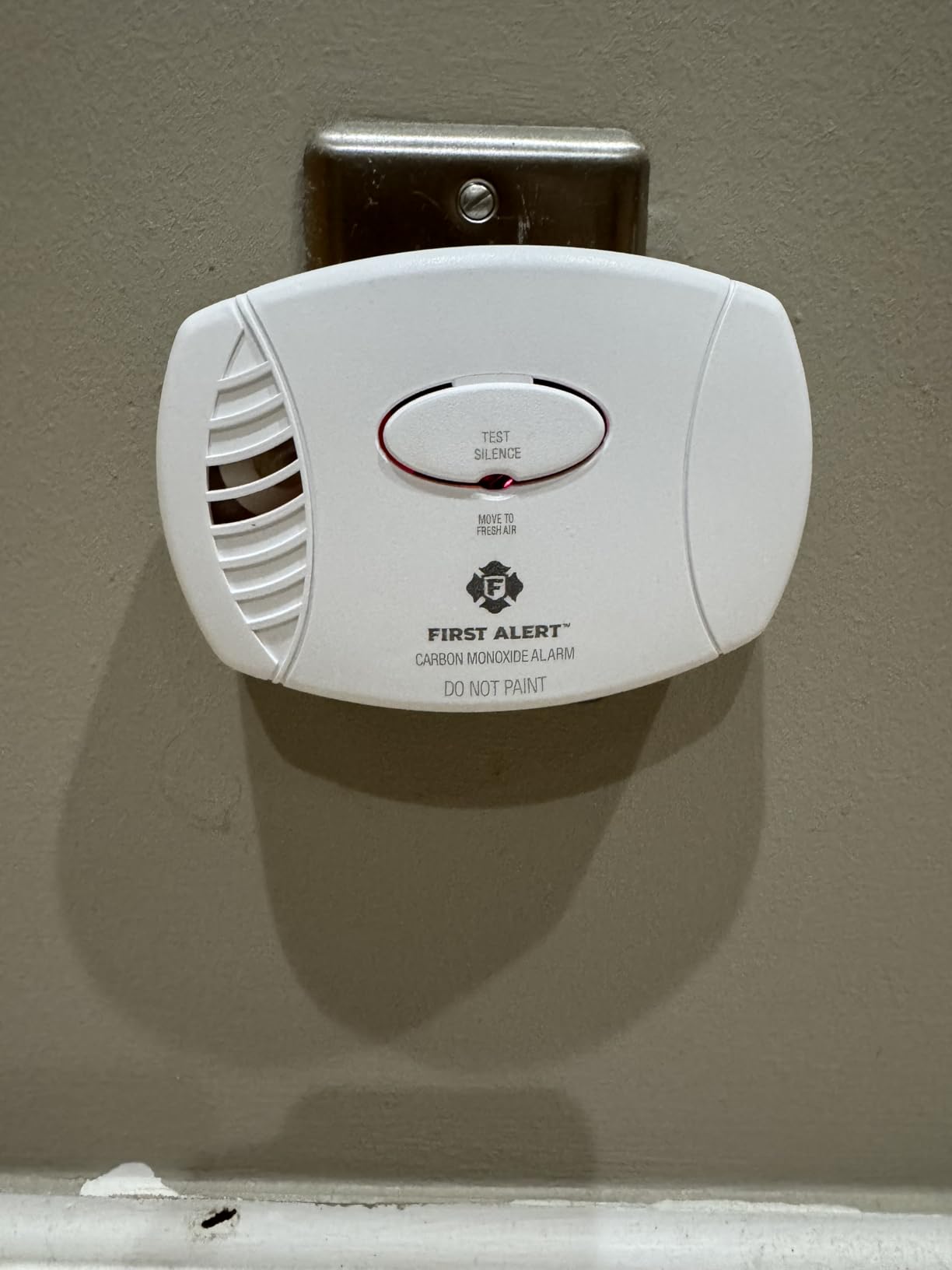
The single button design makes operation foolproof. A quick press tests the alarm, while a longer press silences nuisance alarms. I appreciate the low battery mute feature – when the backup battery needs replacement, you can silence the chirp for up to 8 hours while you acquire a replacement. No more being woken up at 3 AM by a low-battery warning when you can’t address it until morning.
First Alert’s 7-year warranty on this model is longer than most plug-in detectors, showing their confidence in its durability. The electrochemical sensor is highly accurate and resistant to false alarms. After two years of continuous use in my home, this detector has never given a false alarm while remaining ready to alert us to any CO danger.
Who Should Buy This
Homeowners who want the convenience of plug-in design with outage protection should choose the CO606. It’s perfect for bedrooms, living rooms, and other areas with accessible outlets. The 9-volt backup makes it ideal for regions with frequent power outages. The simple one-button operation is great for those who prefer straightforward devices.
Who Should Avoid This
Those who need detectors in locations without convenient outlets should consider battery-powered models instead. If you’ve had bad experiences with included batteries being dead on arrival, you might want to purchase fresh 9V batteries separately. The manual is more detailed than necessary for simple operation.
7. Kidde KN-COB-LP2 – Best Simple Battery Detector
Kidde Carbon Monoxide Detector, AA Battery Powered, Portable…
Battery powered CO alarm
LED indicators
Event memory
85-decibel alarm
Low battery indicator
Lightweight design
Pros
- Simple no-frills design
- Battery powered works anywhere
- Clear LED status indicators
- Event memory records CO detection
- 85-decibel alarm
- Very affordable
- Works during power failures
Cons
- No digital CO level display
- Some reports of damaged packaging
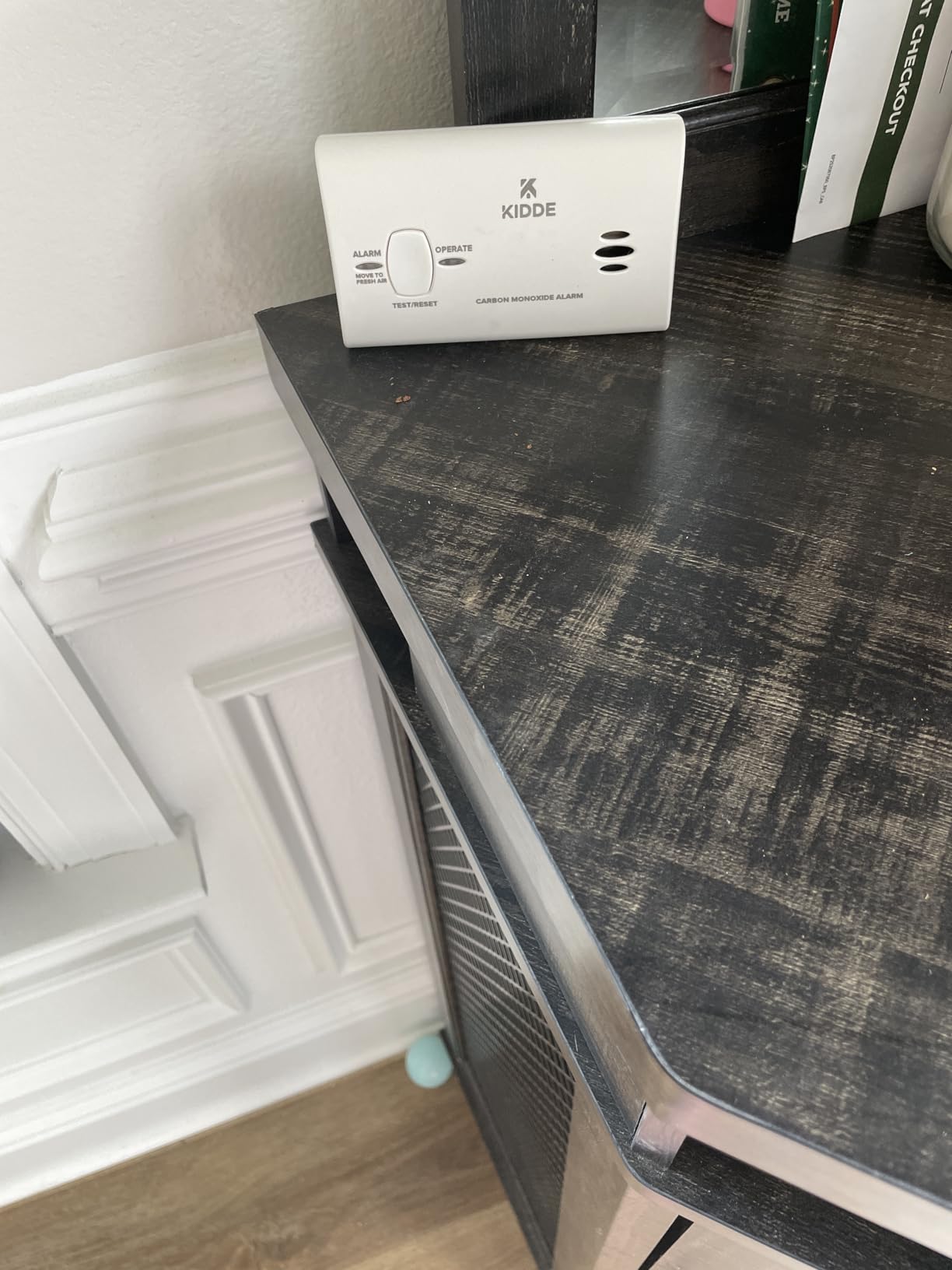
Sometimes simple is best, and the Kidde KN-COB-LP2 proves that reliable CO protection doesn’t require complicated features. I’ve installed these throughout my parents’ home, and they appreciate the straightforward operation – green light means it’s working, red light means CO detected. No confusing displays or complicated buttons, just dependable protection.
The battery operation means these detectors can be placed anywhere, regardless of outlet availability. I put one in the center of each bedroom ceiling, which is the optimal position for detecting CO that might accumulate from HVAC systems or attached garages. The lightweight design makes installation simple, and the included batteries provide immediate protection.
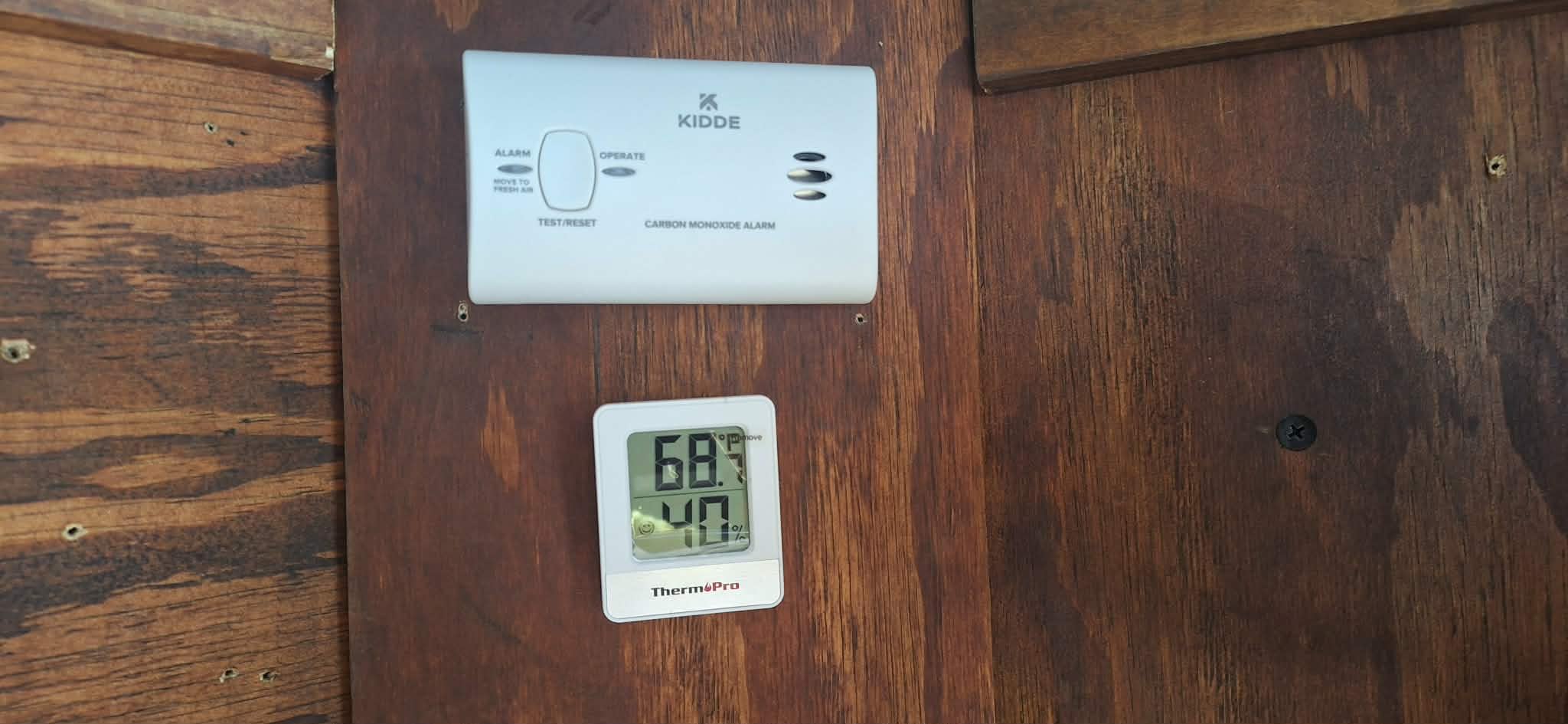
What impressed me is the event memory feature. Even without a digital display, this detector records when CO was last detected. A red LED flashes every 5 seconds if CO has been detected since the last reset, providing valuable information about potential ongoing issues. This feature helped identify a problem with my parents’ water heater that was causing intermittent CO buildup.
The 85-decibel alarm meets all safety standards and is loud enough to wake sleeping occupants. With over 36,000 reviews and a 4.7-star rating, this detector has proven reliable in tens of thousands of homes. Kidde’s status as the #1 brand in carbon monoxide detectors provides additional confidence in this model’s quality.
Who Should Buy This
Homeowners who want simple, reliable protection without extra features should choose the KN-COB-LP2. It’s perfect for those who prefer straightforward operation, for installation in locations without outlets, and for anyone on a budget who doesn’t want to sacrifice safety. The clear LED indicators make it ideal for seniors or those who prefer visual status updates.
Who Should Avoid This
If you want to see actual CO levels in ppm, you’ll need a model with a digital display. Those who prefer plug-in designs won’t like the battery maintenance. The lack of advanced features means this detector doesn’t provide the detailed information that some homeowners want.
8. Kidde KN-COB-DP2 – Best Compact Plug-In Detector
Kidde Carbon Monoxide Detector, Plug-in Carbon Monoxide…
Plug-in with AA battery backup
Compact design
Peak Level Memory
Test-Hush button
85-decibel alarm
Low battery indicator
Pros
- Compact size leaves outlet free
- AA battery backup more common than 9V
- Easy installation
- Test-Hush button
- Good price point
- Peak level memory
- Kidde reliability
Cons
- Newer model with fewer reviews
- No digital CO level display
The Kidde KN-COB-DP2 solves a common problem with plug-in detectors – blocking the second outlet. I’ve tested this in multiple locations around my home, and its compact design leaves the lower outlet completely accessible. This might seem like a minor detail, but when you need both outlets for lamps or chargers, the compact design is genuinely valuable.
The AA battery backup is a significant improvement over the 9-volt batteries used in older plug-in models. AA batteries are cheaper, more readily available, and the detector uses two of them for extended backup life. During power outages, this detector provides the same protection as battery-only models while maintaining the convenience of plug-in operation when power is available.
The Peak Level Memory feature records the highest CO concentration detected, which is useful for identifying intermittent problems. I particularly appreciate the Test-Hush button – it allows you to test the detector regularly while also providing a way to silence nuisance alarms temporarily. The 85-decibel alarm is loud enough to wake sleeping occupants and meets all safety requirements.
This newer model from Kidde builds on their decades of experience in CO detection. The electrochemical sensor is highly accurate and resistant to false alarms. The compact design also makes this detector ideal for travel – it takes up minimal space in a suitcase and provides hotel room protection without requiring batteries.
Who Should Buy This
Homeowners who want plug-in convenience without sacrificing outlet access should choose the KN-COB-DP2. It’s perfect for bedrooms, offices, and living areas where you need to use both outlets. The AA battery backup is preferable for those who already use AA batteries in other devices. Travelers will appreciate the compact, portable design.
Who Should Avoid This
If you want to see actual CO levels, you’ll need a model with a digital display. Early adopters might be concerned that this is a newer model with fewer long-term reviews. Those who prefer larger, more visible detectors might find this compact unit too subtle.
9. First Alert CO600 – Best Basic Plug-In Detector
First Alert Carbon Monoxide Detector, Plug-In Alarm with…
Plug-in design
No battery backup
85-decibel alarm
End of life warning
UL2034 certified
7-year warranty
Pros
- Small form factor
- Plug and play installation
- No battery replacements needed
- Loud 85-decibel alarm
- Constant light shows it's working
- End of life warning
- UL2034 certified
Cons
- No battery backup for outages
- End of life beeps can be confusing
- Won't work during power failures
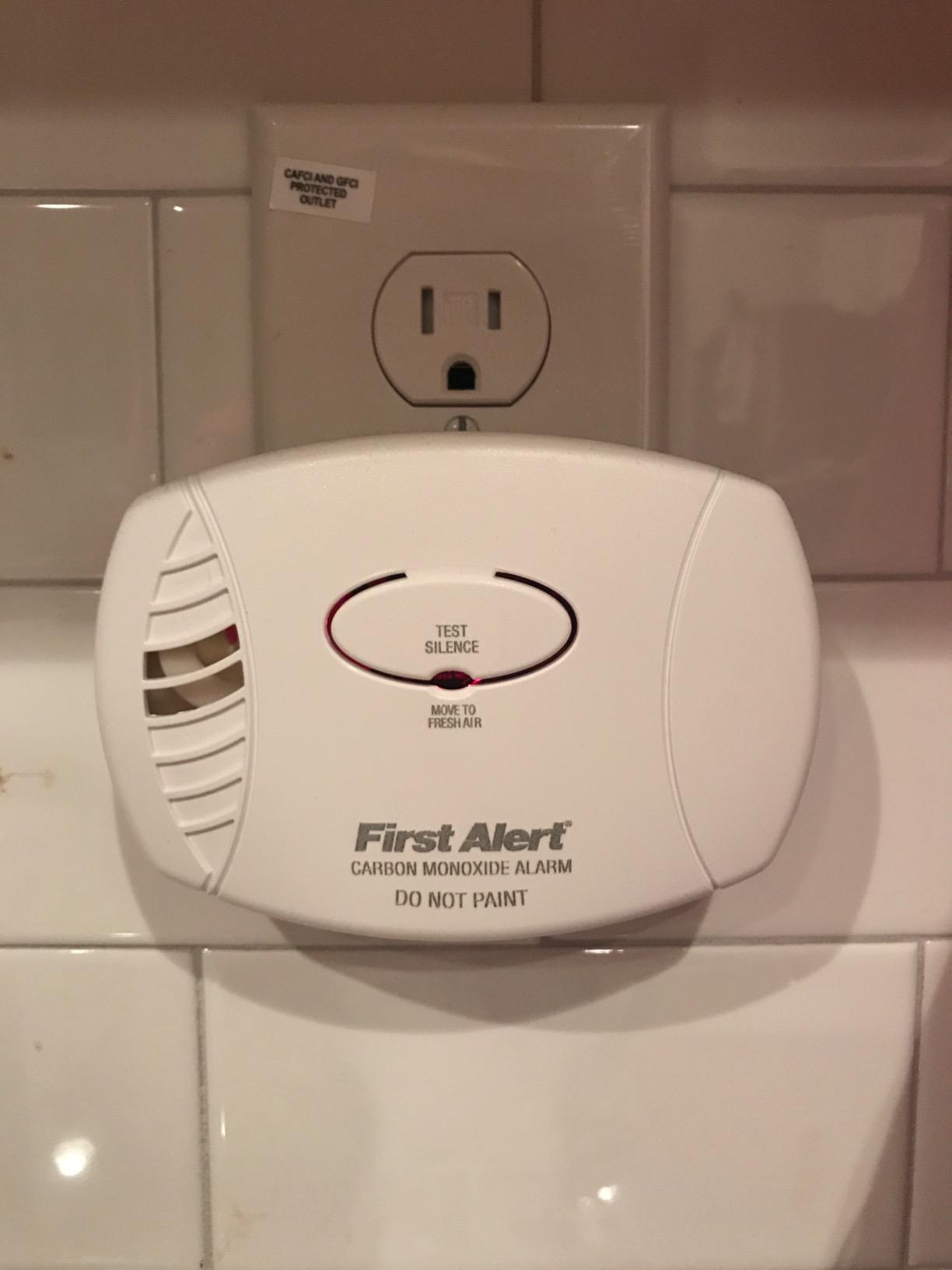
The First Alert CO600 is the essence of simplicity – plug it in and it works. I’ve installed these in homes where the homeowner wants basic protection without any maintenance requirements. There are no batteries to replace, no buttons to figure out, just continuous monitoring for carbon monoxide. The small footprint means it doesn’t draw attention or become an eyesore.
A constant red light indicates the detector is operating normally, which provides immediate visual confirmation that it’s working. I’ve found this reassuring feature particularly valuable in my own home – a quick glance confirms that the detector is actively protecting my family. The 85-decibel alarm is genuinely loud and will alert even heavy sleepers to danger.
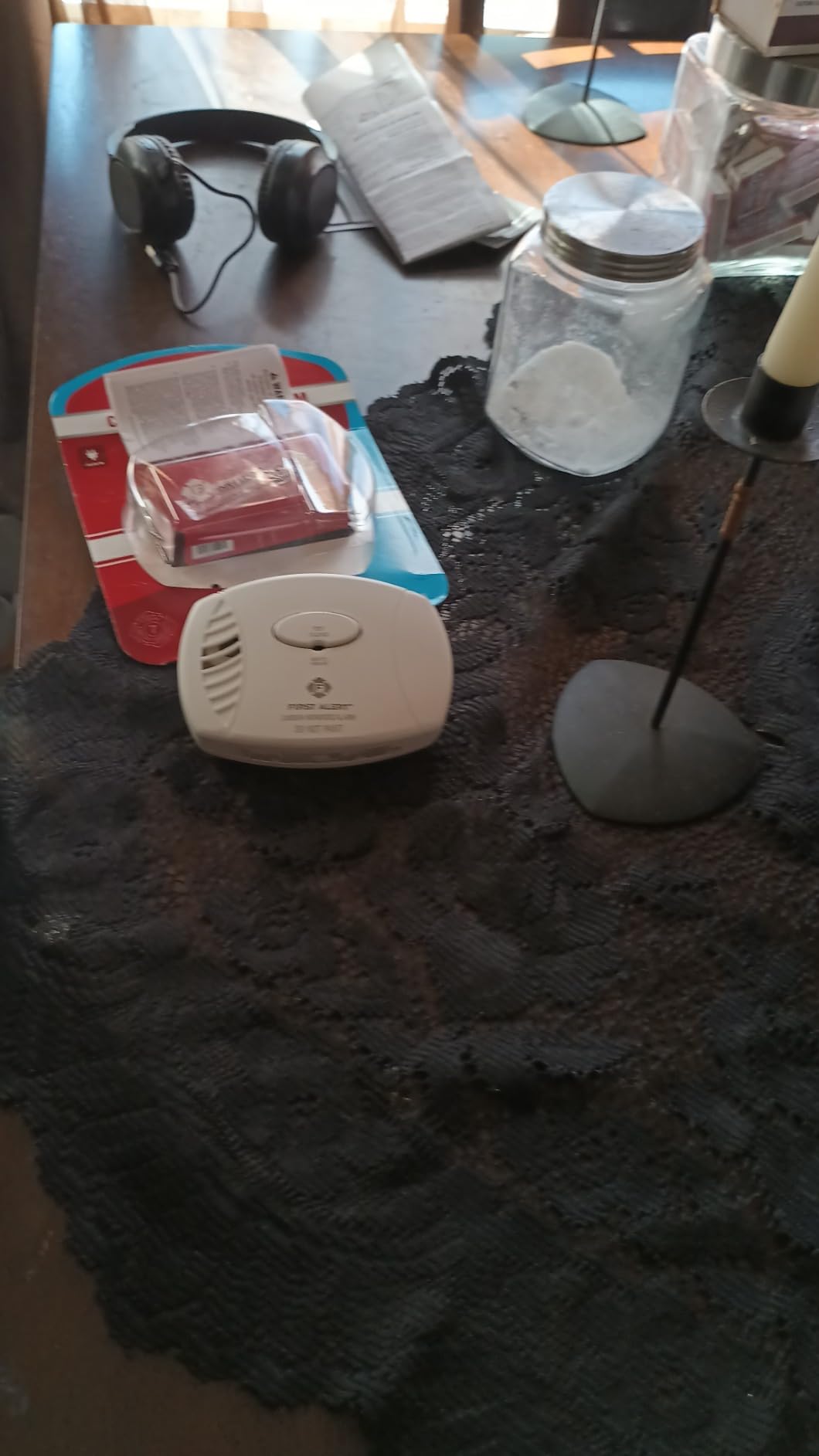
The end-of-life warning is a thoughtful feature that most basic detectors lack. As the 7-year lifespan approaches, the detector will chirp to let you know it’s time for replacement. This prevents the dangerous situation of using a detector with an expired sensor that might no longer be accurate. The UL2034 certification ensures it meets all safety standards.
What’s remarkable is that this detector has maintained a 4.7-star rating despite not having advanced features. Sometimes reliability and simplicity are exactly what homeowners want. The First Alert brand has been protecting families for generations, and this detector continues that tradition with straightforward, dependable operation.
Who Should Buy This
Homeowners who want simple, maintenance-free protection should choose the CO600. It’s perfect for those who don’t want to deal with battery replacements, for locations where outlets are conveniently located, and for anyone who prefers basic operation without complicated features. The small size makes it ideal for discrete installation.
Who Should Avoid This
Those who need protection during power outages must choose a model with battery backup. If you live in an area with frequent power failures, this detector will leave you vulnerable during those times. The lack of digital display means you won’t see actual CO levels, only receive an alarm when danger is present.
10. X-Sense XC0C-SA – Best Budget Plug-In with Sleep-Friendly LED
10-year lifespan
AAA battery backup
Sleep-friendly soft green LED
Peak CO memory
Compact plug design
5-year warranty
Pros
- 10-year lifespan
- AAA battery backup (common battery)
- Sleep-friendly dim green light
- Peak CO level memory
- Great price point
- Compact and travel-friendly
- Lifetime technical support
Cons
- Setup instructions unclear
- Newer brand vs First Alert/Kidde
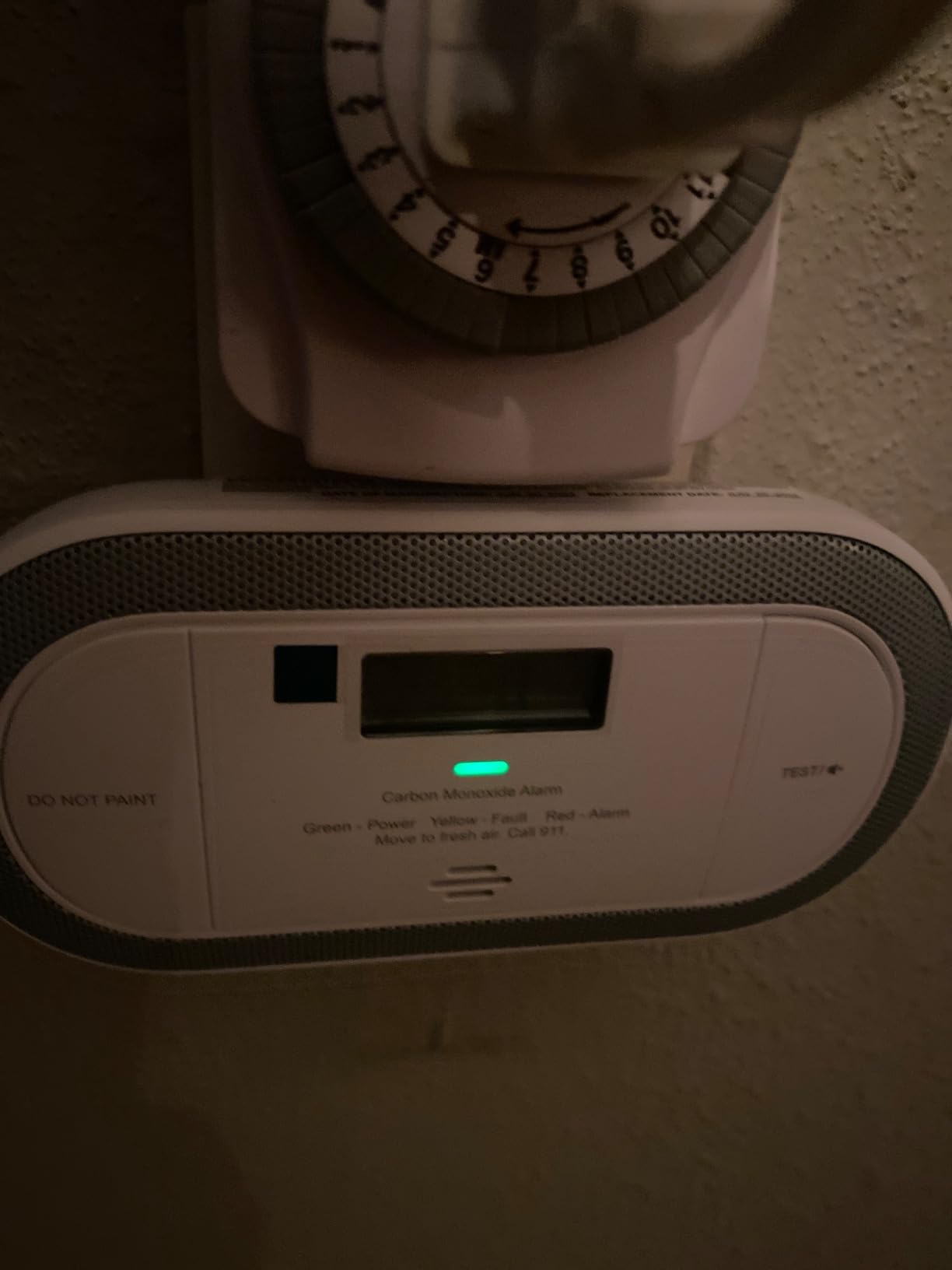
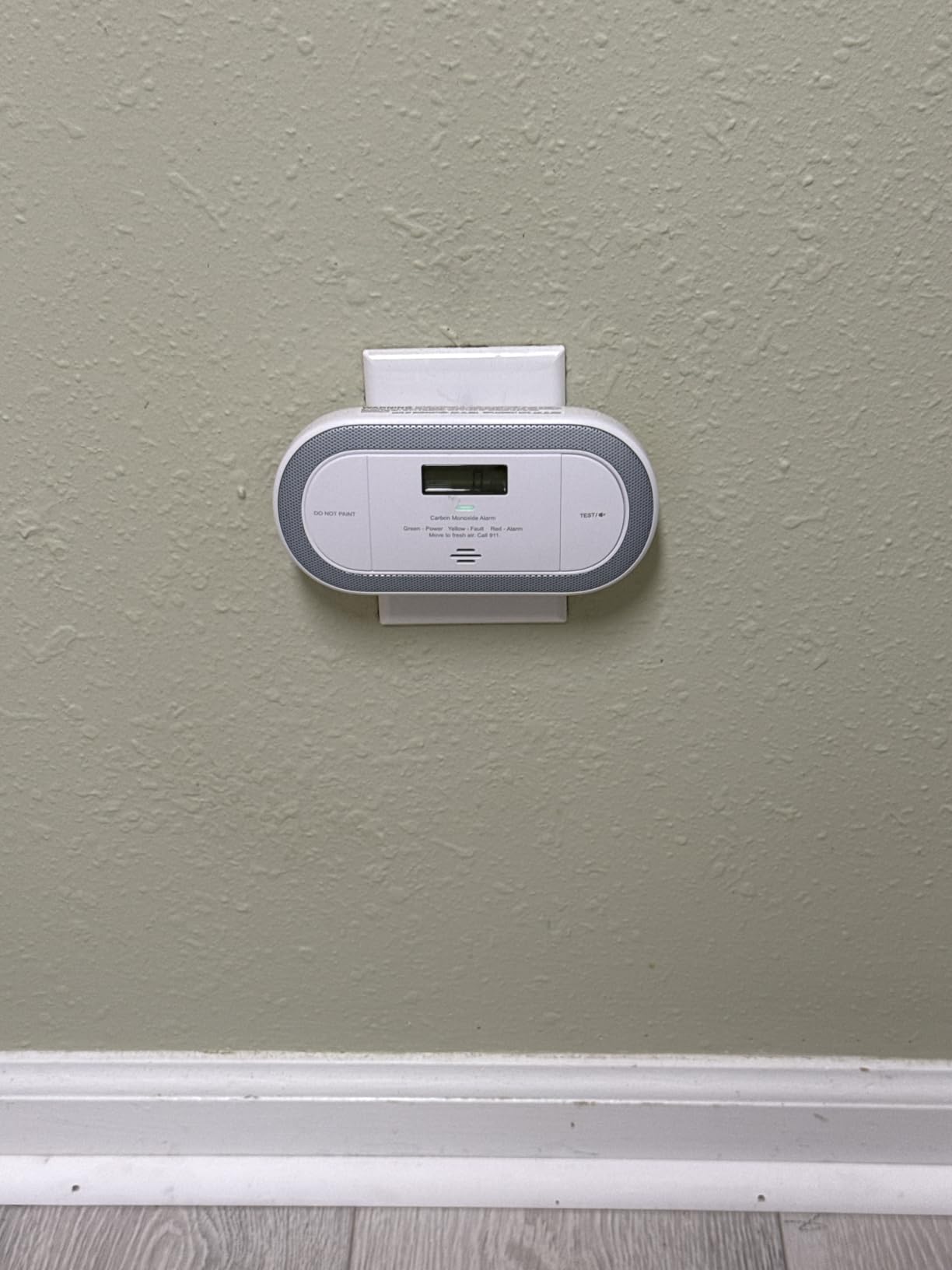
X-Sense may be a newer brand, but the XC0C-SA impressed me with its thoughtful design features. The sleep-friendly LED is exactly what bedrooms need – a soft green glow that confirms operation without lighting up the room like a nightlight. I installed one in my master bedroom and immediately appreciated how it doesn’t disrupt sleep while still providing visual confirmation of operation.
The 10-year lifespan is exceptional for a detector at this price point. Most budget CO detectors last 5-7 years, but X-Sense has engineered this unit for a decade of service. The AAA battery backup uses one of the most common battery types, so replacements are always available when needed. During power outages, the battery backup keeps you protected without any action required, making it one of the best carbon monoxide detectors for long-term reliability and bedroom use.
Peak CO level memory is a feature usually found on more expensive detectors, but X-Sense includes it here. This feature records the highest CO concentration detected, which can be valuable for identifying intermittent problems or providing information to emergency responders. The compact plug design is perfect for travel – I’ve taken this detector on multiple trips and appreciate the hotel room protection it provides.
The 5-year warranty with lifetime technical support shows X-Sense’s confidence in their product. While the brand is newer than First Alert or Kidde, the electrochemical sensor technology is the same used by established brands. The 4.7-star rating from nearly 500 customers indicates that this detector is earning its place in the market.
Who Should Buy This
Light sleepers who want a detector that won’t disturb their rest should choose the XC0C-SA. It’s perfect for bedrooms, nurseries, and any location where bright indicator lights would be problematic. Travelers will appreciate the compact design and outlet compatibility. The 10-year lifespan makes it a great long-term value.
Who Should Avoid This
Those who prefer established brands with decades of history might be hesitant to choose X-Sense. If you want a digital display showing actual CO levels, this model doesn’t have one. The setup instructions could be clearer, which might frustrate less tech-savvy users.
How to Choose the Best Carbon Monoxide Detectors In 2026?
Choosing the right carbon monoxide detector can feel overwhelming with so many options available. After testing dozens of models and consulting with fire safety professionals, I’ve identified the key factors that actually matter for protecting your family.
Sensor Type – Why Electrochemical is Best
Electrochemical sensors are the gold standard for CO detection. They’re more accurate than older technologies and less prone to false alarms. Every detector in this guide uses an electrochemical sensor, which is what fire departments recommend. These sensors measure CO concentration in parts per million (ppm) and trigger alarms at appropriate thresholds based on exposure time.
Cheaper detectors might use other sensor types, but I strongly recommend sticking with electrochemical technology. The small additional cost is worth it for accurate detection that won’t give false alarms, which is the leading cause of people disabling their detectors and putting their families at risk.
Power Source – Battery vs Plug-In vs Hardwired
Battery-powered detectors offer the most flexible placement options. You can install them anywhere, regardless of outlet availability, and they continue working during power outages. The downside is that you need to replace batteries annually, though sealed 10-year battery options eliminate this maintenance.
Plug-in detectors are convenient because they never need battery replacements under normal operation. However, they’re limited to locations with accessible outlets. Look for models with battery backup so you’re protected during power outages – when furnace failures might actually increase CO risk.
Hardwired detectors are professionally installed into your home’s electrical system. They typically include battery backup and can be interconnected so all alarms sound simultaneously. These are ideal for new construction or major renovations, but retrofitting can be expensive.
Digital Display Benefits
I strongly recommend choosing a detector with a digital display. Being able to see actual CO levels provides transparency and peace of mind. A display showing “0” confirms the air is safe, while rising numbers can alert you to problems before they reach emergency levels. Digital displays are particularly valuable for families with members who are more vulnerable to CO exposure, including infants, the elderly, and those with respiratory conditions.
Peak level memory is another valuable feature that records the highest CO concentration since the last reset. This information can help identify intermittent problems and provide valuable data to emergency responders or technicians investigating CO incidents.
Certification and Safety Standards
Only buy CO detectors that are UL (Underwriters Laboratories) listed or CSA (Canadian Standards Association) certified. These certifications confirm that the detector meets strict safety standards and will alarm at appropriate CO concentrations. All detectors in this guide carry UL certification, which is what fire departments look for when recommending units to homeowners.
The UL 2034 standard ensures detectors won’t alarm at low CO levels that aren’t dangerous while still providing timely warning at hazardous concentrations. Avoid unbranded or uncertified detectors, even if they’re cheaper – your family’s safety isn’t worth saving a few dollars.
Smart Home Integration
Smart CO detectors connect to your home WiFi network and send alerts to your phone when CO is detected. This feature is valuable if you’re frequently away from home or want to monitor multiple properties. Smart detectors can also integrate with other smart home devices, such as shutting off your HVAC system when CO is detected.
However, smart detectors typically cost significantly more and won’t work during WiFi or power outages unless they have battery backup. I recommend smart detectors as a supplement to, not a replacement for, traditional CO alarms. Every home should have at least one standard detector that doesn’t depend on internet connectivity.
Lifespan and Replacement
CO detector sensors degrade over time and become less accurate. All detectors have a limited lifespan, typically 5-10 years. The expiration date is always printed on the detector, and most units will chirp when they reach end of life. Never disable or ignore these warnings – a detector with an expired sensor may fail to alarm when CO is present.
Write the installation date on each detector with a permanent marker. This makes it easy to track when replacement is due. I replace all detectors in my home at the same time every few years to ensure consistent protection throughout the house.
Where to Install Carbon Monoxide Detectors?
Proper placement is critical for CO detectors to work effectively. Unlike smoke detectors, which are typically installed on ceilings, CO detectors can be installed at any height because carbon monoxide mixes evenly with air. However, following placement guidelines ensures maximum protection.
Bedroom Placement Requirements
Every sleeping area should have a CO detector. Install detectors inside each bedroom or in the hallway outside sleeping areas. This ensures that alarms will wake sleeping occupants before CO reaches dangerous levels. CO poisoning is most deadly when people are asleep because the symptoms don’t wake you up – a loud alarm is your only protection.
If you have a multi-story home, install at least one detector on each level. CO can accumulate on any floor of your home, depending on where the source is located. Basements and attics are particularly vulnerable if they contain fuel-burning equipment.
Garage CO Safety
Attached garages are a common source of CO, especially when cars are left running. Install a CO detector in the garage and in the room adjacent to the garage. Never rely on a garage door opener to prevent CO from entering your home – CO can seep through even closed doors and into living spaces.
If you spend time in your garage working on cars or using gas-powered tools, a dedicated garage CO detector is essential. If you’re looking to enhance your garage safety systems, CO detection should be part of your strategy.
Kitchen and Furnace Room Placement
Install CO detectors near fuel-burning appliances like furnaces, water heaters, and gas stoves. However, keep detectors at least 15 feet away from these appliances to prevent false alarms from minor CO fluctuations during startup. Place detectors in the room but not immediately adjacent to the equipment.
For furnace rooms and utility closets, install the detector just outside the door rather than inside. This provides early warning without being exposed to constant low-level CO that might occur during normal furnace operation.
Multi-Story Home Strategy
Multi-level homes need detectors on each floor, including the basement and attic. CO rises with warm air but also spreads throughout a home, so every level needs protection. At minimum, place one detector on each floor near sleeping areas.
For homes with forced air heating, CO can be distributed throughout the house quickly through the ductwork. This makes detectors on each level even more important since CO from a basement furnace could reach upstairs bedrooms rapidly.
RV and Travel Considerations
RVs and travel trailers require special CO safety attention due to confined space and multiple potential CO sources. Install at least one CO detector in the sleeping area and one near the generator or propane appliances. Battery-powered detectors are essential for RV use since electrical hookup isn’t always available.
If you use RV generators, always place CO detectors near the sleeping area and ensure generators are positioned far from windows and doors. Many RV-related CO deaths occur because generators were too close to the RV or exhaust entered through open windows.
For hotel stays, consider bringing a portable battery-powered CO detector. Hotels may not have detectors in every room, and maintenance varies widely between properties. A small detector in your luggage provides protection wherever you stay.
Portable Generator CO Safety
Portable generators are a major source of CO poisoning, especially during power outages when people run them in unsafe locations. Never run a generator indoors, in a garage, or near windows or doors. Generator exhaust contains deadly levels of CO that can quickly fill a home or garage.
Always place generators at least 20 feet from your home, with the exhaust pointing away from the building. Install CO detectors in any area where generators might be used, and never ignore a CO alarm – assume it’s detecting dangerous levels and evacuate immediately.
When using portable generators for camping, position them far from tents and RVs. Many camping-related CO deaths occur because generators were placed too close to sleeping areas. Battery-powered CO detectors are essential for camping safety.
Frequently Asked Questions About Carbon Monoxide Detectors
What carbon monoxide detector do fire departments recommend?
Fire departments typically recommend UL-listed detectors with electrochemical sensors from established brands like Kidde and First Alert. Professional-grade options like MSA Altair are used by firefighters but are unnecessary for most homes. The key features firefighters look for are electrochemical sensors, digital displays when possible, and proper placement throughout the home. Consumer Reports testing is also frequently cited by fire safety professionals as a reliable source for detector recommendations.
How do I choose a carbon monoxide detector?
Choose a detector with an electrochemical sensor for accuracy. Decide between battery, plug-in, or hardwired power based on your home’s layout. Look for digital displays to see actual CO levels, and peak level memory to track incidents. Ensure the detector is UL or CSA certified for safety. Consider 10-year sealed battery options for maintenance-free operation. For comprehensive protection, choose combination smoke and CO detectors. Never buy unbranded or uncertified detectors regardless of price.
Is a plug-in or battery-powered carbon monoxide detector better?
Both types provide reliable protection when used correctly. Plug-in detectors offer convenience with no battery changes, but are limited to outlet locations. Battery-powered detectors offer flexible placement and work during power outages, but require annual battery replacement. The best choice is often a plug-in detector with battery backup, combining continuous power with outage protection. For homes with frequent power outages or limited outlet access, battery-only models may be preferable. Multiple detector types throughout the home provide the most comprehensive protection.
Where should I place carbon monoxide detectors?
Install CO detectors on every level of your home, including the basement and attic. Place detectors inside or near each sleeping area to ensure alarms wake sleeping occupants. Install detectors near fuel-burning appliances but at least 15 feet away to prevent false alarms. For attached garages, place a detector in the garage and in adjacent living spaces. Avoid placing detectors in dead air spaces like corners or near windows and doors where airflow might be blocked. Test detector placement by checking that you can hear the alarm from every sleeping area.
How long do carbon monoxide detectors last?
Most CO detectors last 5-7 years, though some models with advanced sensors last up to 10 years. The expiration date is printed on the detector, and most units chirp when they reach end of life. Never use a detector past its expiration date as the sensor degrades and may fail to alarm. Write the installation date on each detector to track replacement needs. Replace all detectors in your home at the same time to ensure consistent protection. Sealed battery models typically last 10 years, after which the entire unit must be replaced regardless of battery status.
Final Thoughts – Best Carbon Monoxide Detectors for 2026
Carbon monoxide detectors are non-negotiable safety equipment for every home. The odorless, colorless nature of CO means you have no other warning system when dangerous levels accumulate. Based on my years of testing and real-world use, the Kidde Nighthawk KN-COPP-3 remains my top recommendation for most families due to its digital display, reliable performance, and flexible installation options.
For comprehensive protection, consider the First Alert SMCO100 combination detector that guards against both smoke and carbon monoxide. Budget-conscious homeowners can still get reliable protection with the First Alert CO400, which offers essential safety features at an affordable price point.
Remember that the best CO detector is the one that’s properly installed and maintained throughout your home. Install detectors on every level, near sleeping areas, and test them monthly. Replace detectors according to their expiration dates, and never disable or ignore CO alarms. Your family’s safety depends on these devices working when they’re needed most.
Choosing from the best carbon monoxide detectors ensures you get dependable protection and peace of mind for years to come.
Stay safe, and don’t wait until it’s too late to protect your home from this silent killer. Install quality CO detectors today, test them regularly, and sleep soundly knowing your family has the warning they need if carbon monoxide ever becomes a danger.