
12 Best Audiophile Headphones for Classical Music (October 2026) In-Depth Reviews
The best audiophile headphones for classical music are open-back designs with a wide soundstage, a midrange that stays clean at low volume, and a tuning that does not fatigue over a 70-minute symphony. Every model below is wired and circumaural. We ranked them on soundstage depth, instrument separation, treble extension, transient response, comfort over long sessions, and how much amplification they demand.
Classical is the most revealing genre there is for headphone flaws. A quiet flute line at the opening of a Beethoven symphony sits next to a full tutti with cymbals, brass and double bass all at once, and any tuning problem shows up immediately. Thin or boosted bass smears the cello section. A hard treble edge makes piccolo and celesta tiring by the second movement. A narrow stage turns a symphony into a mono blur.
Contents
That is why the list below leans hard on open-back dynamic and planar magnetic headphones rather than noise-isolating consumer models. It also means a DAC and headphone amplifier matter here more than they do for most genres. If you listen on the move instead, our portable music player guide covers the hardware side of that setup. We also link out to our studio headphone guide for mixing later, since a lot of the same open-back thinking applies.
One note on sources before we start. Mastering quality changes what you hear as much as the headphone does. A hi-res file or a bit-perfect stream preserves the low-level detail in a quiet chamber recording that a heavily compressed file simply does not contain. No headphone can resolve information that was never recorded.
Top 3 Picks for Best Audiophile Headphones for Classical Music (October 2026)

Beyerdynamic DT 990 Pro
- Wide natural soundstage
- Replaceable velour pads
- Handcrafted in Germany


As an Amazon Associate we earn from qualifying purchases. CERTAIN CONTENT THAT APPEARS ON THIS SITE COMES FROM AMAZON. THIS CONTENT IS PROVIDED 'AS IS' AND IS SUBJECT TO CHANGE OR REMOVAL AT ANY TIME.
Those three cover the range most people need. The DT 990 Pro is the all-rounder, the HD 599 is the one you can wear for a whole afternoon, and the Philips SHP9500 is the cheapest way into open-back listening at all.
Best Audiophile Headphones for Classical Music in 2026
| Product | Features | |
|---|---|---|
| Beyerdynamic DT 990 Pro |
|
Check Latest Price |
| Philips SHP9500 |
|
Check Latest Price |
| Sennheiser HD 599 |
|
Check Latest Price |
 Sennheiser HD 650 Sennheiser HD 650 |
|
Check Latest Price |
 Sennheiser HD 490 PRO Sennheiser HD 490 PRO |
|
Check Latest Price |
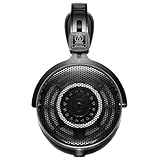 Audio-Technica ATH-R70XA Audio-Technica ATH-R70XA |
|
Check Latest Price |
 Audio-Technica ATH-AD900X Audio-Technica ATH-AD900X |
|
Check Latest Price |
 AKG K712 PRO AKG K712 PRO |
|
Check Latest Price |
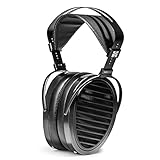 HIFIMAN Arya Stealth HIFIMAN Arya Stealth |
|
Check Latest Price |
 Meze 109 Pro Meze 109 Pro |
|
Check Latest Price |
 HIFIMAN Ananda Nano HIFIMAN Ananda Nano |
|
Check Latest Price |
 HIFIMAN Arya Organic HIFIMAN Arya Organic |
|
Check Latest Price |
We earn from qualifying purchases. CERTAIN CONTENT THAT APPEARS ON THIS SITE COMES FROM AMAZON. THIS CONTENT IS PROVIDED 'AS IS' AND IS SUBJECT TO CHANGE OR REMOVAL AT ANY TIME.
All twelve are open-back. That is not a stylistic accident, and the buying guide explains why. It also means every one of them leaks sound into the room and offers no isolation, so plan your listening space accordingly.
1. Beyerdynamic DT 990 Pro – The Best Overall Pick for Classical
beyerdynamic DT 990 Pro (250 Ohm), Open-Back Studio…
Dynamic driver
250 ohm impedance
96 db sensitivity
5 Hz to 35000 Hz
1.2 pounds
Pros
- Wide and natural soundstage with precise clarity
- Soft replaceable velour ear pads for long sessions
- Handcrafted in Germany with a two-year warranty
- One of the most widely reviewed open-backs in circulation
Cons
- 250 ohm load needs a dedicated headphone amplifier
- Open-back design leaks sound into the room
- Firm headband pressure can fatigue some listeners
We spent the most time on the DT 990 Pro of anything on this list, and it is the pair we keep reaching for when we want to check a recording for problems. The stage is wide without feeling like the orchestra is taped to the inside of the cup, and individual players sit in separate places rather than smeared into a single wall of sound.
That separation is what makes chamber work and string quartets easy to follow. You can pick out the second violin line in a Beethoven string quartet without raising the volume, which is the single most useful test we know for classical listening. Reviewers repeatedly describe the same wide soundstage and instrument separation.
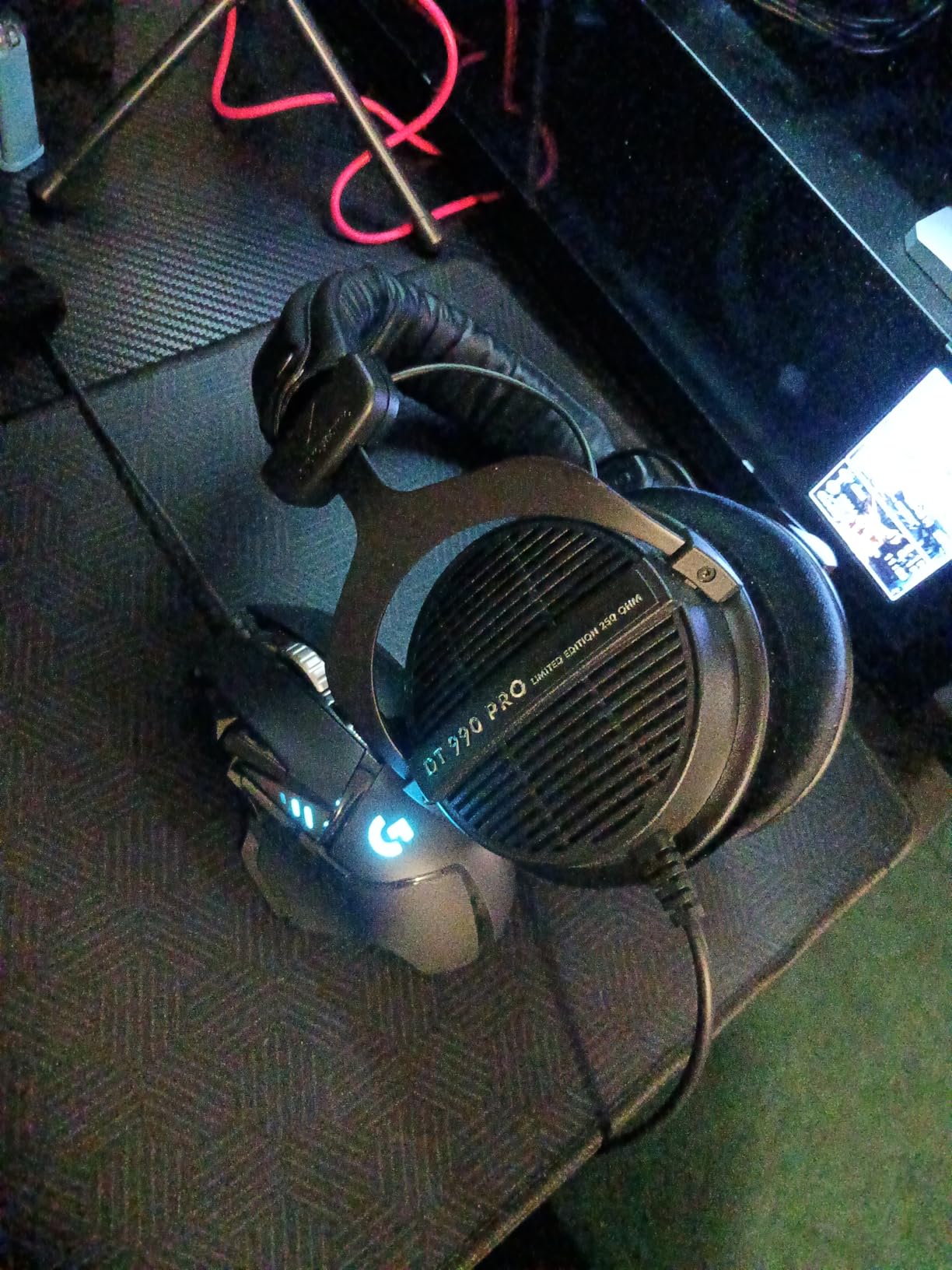
The frequency response runs from 5 Hz to 35000 Hz at 96 db sensitivity, and the 250 ohm impedance is the catch. A laptop or phone will play music through it, but volume will be low and the sound will not open up. Pair it with a proper headphone amplifier and it becomes a different headphone.
At 1.2 pounds the weight is there, and the headband pressure is firm enough that some listeners feel it after a couple of hours. The velour ear pads are replaceable, which is the single best thing about the design for long-term ownership. We have seen the same note in reviews about clamp fatigue on long sessions, and it is worth trying in a shop before committing.
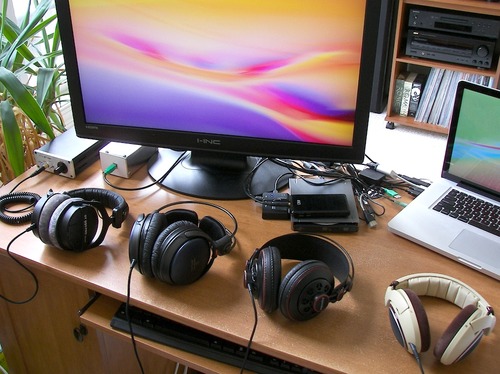
How the soundstage handles a full orchestra
Because the cups are fully open, air passes through freely and the stage opens up in every direction. On a full Mahler symphony, the low strings stay distinct from the brass rather than merging into a single bass-heavy block.
The trade-off is that the same openness means the room hears everything. It is a home headphone, not a shared-office headphone.
When to choose something else instead
If you listen from a laptop with no amplifier, or if anyone nearby can hear your music, this is the wrong pick. The 32 ohm Philips SHP9500 on our list solves the driving problem for very little money.
Those who find the clamp too firm should look at the Sennheiser HD 599, which is noticeably lighter on the head.
2. Philips SHP9500 – The Best Budget Way Into Open-Back Listening
Philips Audio SHP9500 HiFi Precision Stereo Over-Ear…
Dynamic driver
32 ohm impedance
101 db sensitivity
12 to 35000 Hz
0.3 kg
Pros
- Open-back clarity and separation at a very low price point
- 32 ohm impedance means no amplifier needed
- Light and comfortable for long sessions
- Detachable cable with a generous 1.5 m length
Cons
- Bass rolls off gently and lacks weight
- Treble can sound grainy before burn-in
- Light clamp can feel loose on smaller heads
- Shallow ear pads that are not memory foam
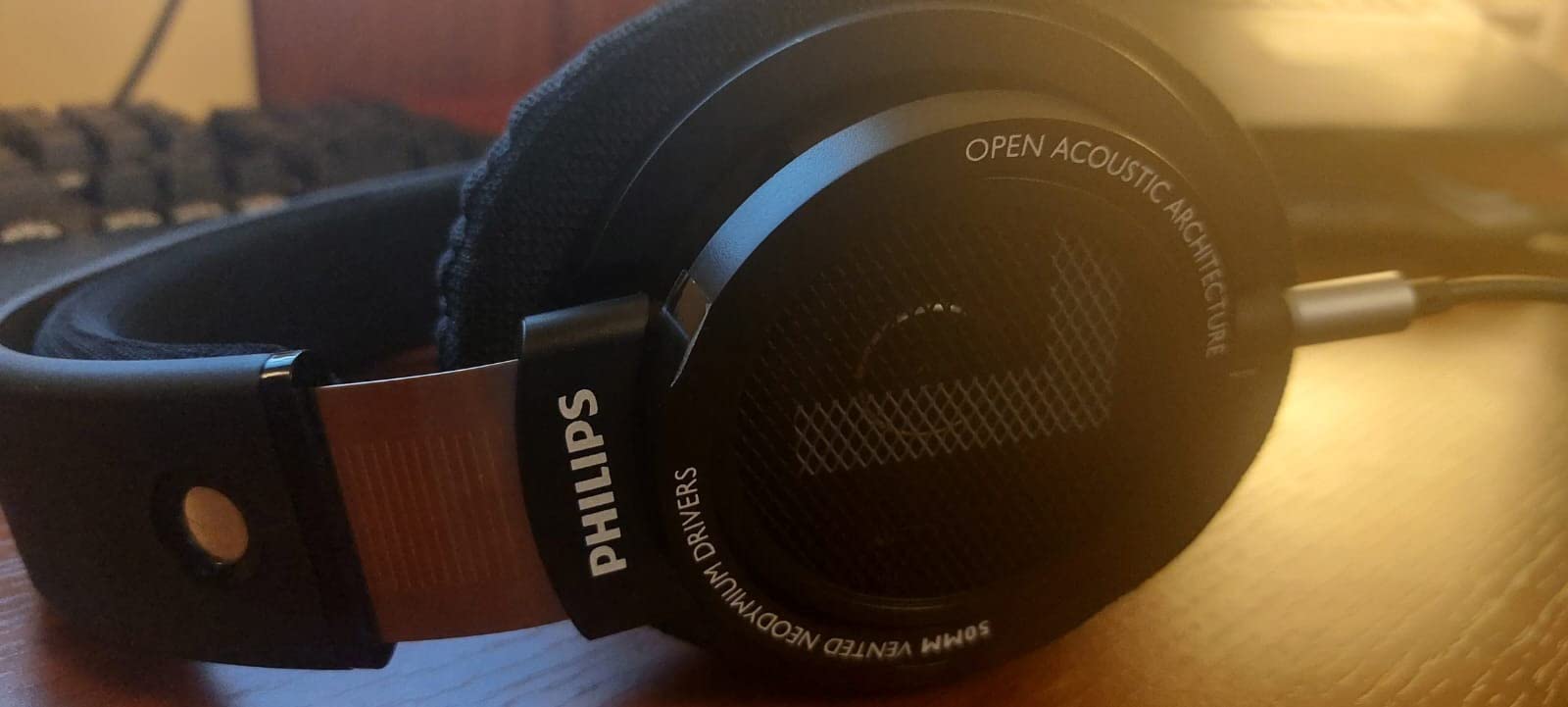
The SHP9500 is the recommendation we make to people who are curious about open-backs but not ready to build an amplifier chain. At 32 ohm and 101 db sensitivity it runs happily off a laptop, a phone, or a small desktop DAC, and it costs a fraction of what the other eleven here do.
For a first move into serious listening it is genuinely hard to argue against. Instrument separation is good enough to follow a string section in a Bruckner symphony, and the stage has real depth behind the violins rather than sitting flat between your ears.
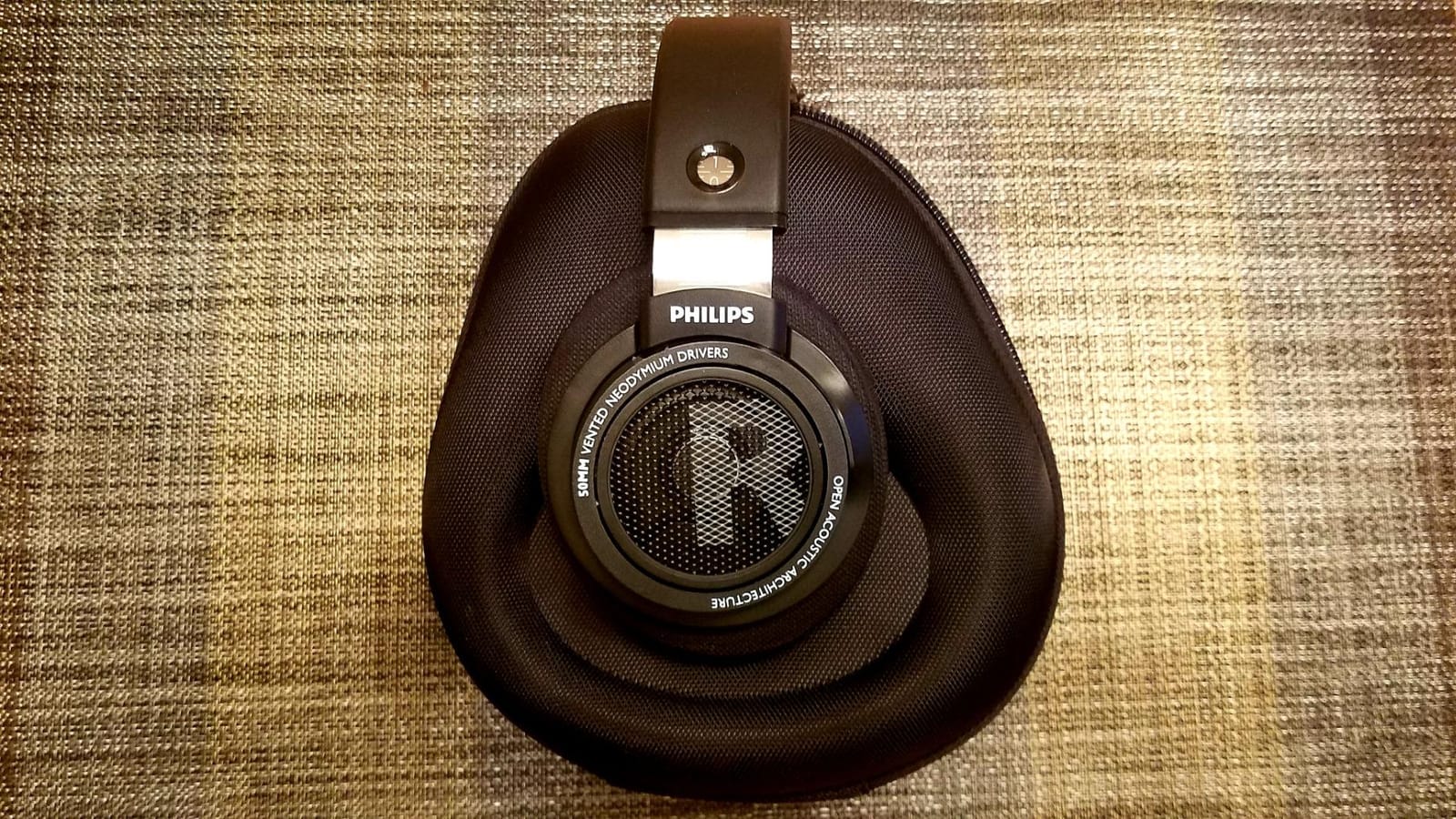
What you give up is refinement. Reviewers describe the signature as warm with a bass lift, and the bass itself is on the light side with a gentle rolloff. The treble can sound grainy and slightly emphasized before burn-in, which usually settles after a few dozen hours of playback.
The fit is basic too. These are not memory foam pads, the cups are shallow, and the clamp force is light enough that they can feel loose on a smaller head. If you want a comfort-first step up instead, the HD 599 below is the natural next rung on the ladder.
Whether a hi-res source makes a difference here
Yes, more than on the pricier models. Because this headphone is revealing rather than smooth, playing a hi-res file with low-level detail intact gives it more to work with than a compressed stream does.
Pairing matters less than with the high-impedance models, so you can spend your budget on the headphone instead of the amp.
When to step up instead of settling
If you listen mainly to full orchestral work and want more bass weight and a smoother top end, step up to the DT 990 Pro. If your listening is mostly chamber and solo piano, this Philips is genuinely enough for a long time.
Do not buy replacement pads for it expecting a transformation. The pads are shallow by design, and third-party pads change the fit more than the sound.
3. Sennheiser HD 599 – The Most Comfortable Pick for Long Sessions
Sennheiser HD 599 Open-Back Wired Audiophile Headphones…
Dynamic driver
50 ohm impedance
12 to 38500 Hz
0.71 kg
Ivory
Pros
- Velour ear pads and a padded headband for long sessions
- Wide and natural soundstage with a warm balance
- 50 ohm impedance is easy to drive from most sources
- Two detachable cables of different lengths included
Cons
- Bass extension is modest next to a planar
- Open-back leakage rules out shared or noisy rooms
- Velour pads show wear faster than the HD 600 family pads
Everything on this list sounds good for the first hour. The HD 599 is the one we would still be wearing in hour three. The padded headband distributes weight across the crown instead of pinching, and the velour-covered pads stay cool and pressure-free in a way that cloth-shelled planars do not.
Sonically it is the most forgiving model here. The tonal balance leans warm, which means a bright mastering of a Mahler finale does not turn into an ear test. The stage is wide and natural, and string sections sit in open space with clear left-to-right placement.
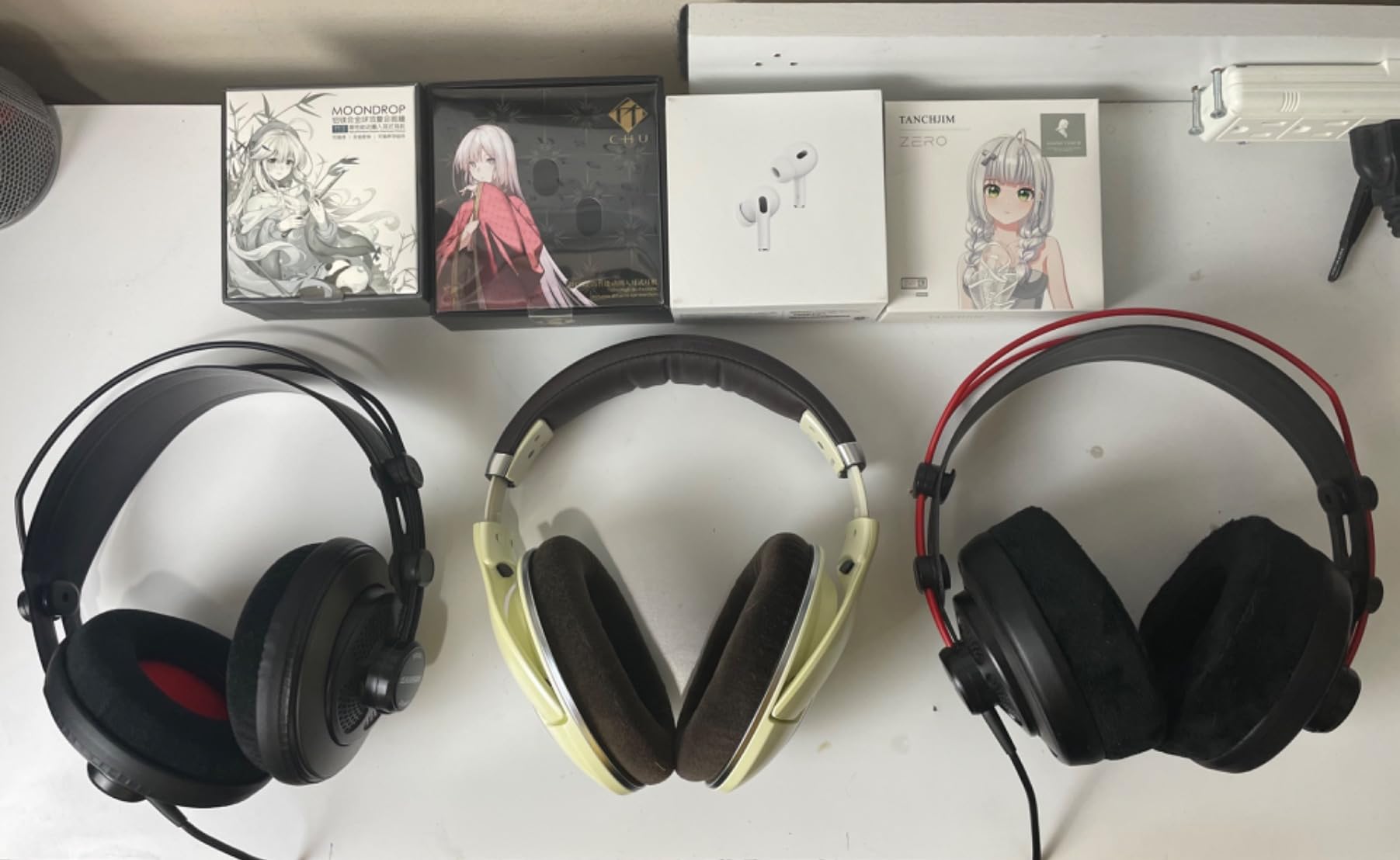
At 50 ohm it is one of the easier models on the list to drive, so a modest desktop amp or even a decent phone dongle is enough. The aluminum voice coil transducers are designed for high efficiency and low distortion, and reviewers specifically praise the easy drivability for a headphone of this class.
Two detachable cables ship in the box, a 3 m run with a 6.35 mm jack for a desktop stack and a 1.2 m run with a 3.5 mm jack for shorter setups. The limit worth knowing is bass reach, which is more modest than a dedicated planar. That is not a problem for Bach or chamber music, and it is a mild one for a big orchestral tutti.
Which repertoire suits a warm, relaxed presentation
Long symphonic cycles and vocal opera are where this tuning earns its place. The warmth takes the edge off dense brass and percussion, so an evening of Wagner does not become a fatigue exercise.
It is also the safest choice for listeners who are sensitive to treble. Nothing here is spikey at the top end.
When to choose something else instead
If you chase the deepest bass extension in a full orchestra, a planar magnetic model will get you further. The HIFIMAN Arya Stealth on this list is the step up in that direction, and the Arya Organic trades tuning neutrality for sheer stage width.
If you want a hard reference curve for mixing work instead of music, read our studio headphones for music production guide.
4. Sennheiser HD 650 – The Reference Many Buyers Measure Against
Sennheiser HD 650 – Audiophile Hi-Res Open Back Dynamic…
Dynamic driver
150 ohm impedance
103 db sensitivity
10 Hz to 41000 Hz
42 mm
Pros
- A reference open-back many audiophiles measure against
- Very low distortion with matched driver elements
- Smooth and natural midrange that flatters strings and voices
- Massive secondary market and a long record of longevity
Cons
- 150 ohm impedance is unforgiving of weak amplification
- Bass rolls off early compared with a planar
- Open-back design leaks heavily and offers no isolation
- Fixed cable limits replacement options
The HD 650 has been the thing every other open-back gets compared against for two decades, and listening to it explains why. The midrange is smooth and completely unforced, which is exactly where a cello and a French horn live. Nothing in the midrange is ever the thing that grabs your attention.
Acoustic silk damping across the frequency range brings total harmonic distortion down to roughly 0.05%, and hand-selected matched driver elements keep the two sides consistent. On quiet chamber recordings that low distortion is audible as a lack of edge on sustained pianissimo strings.
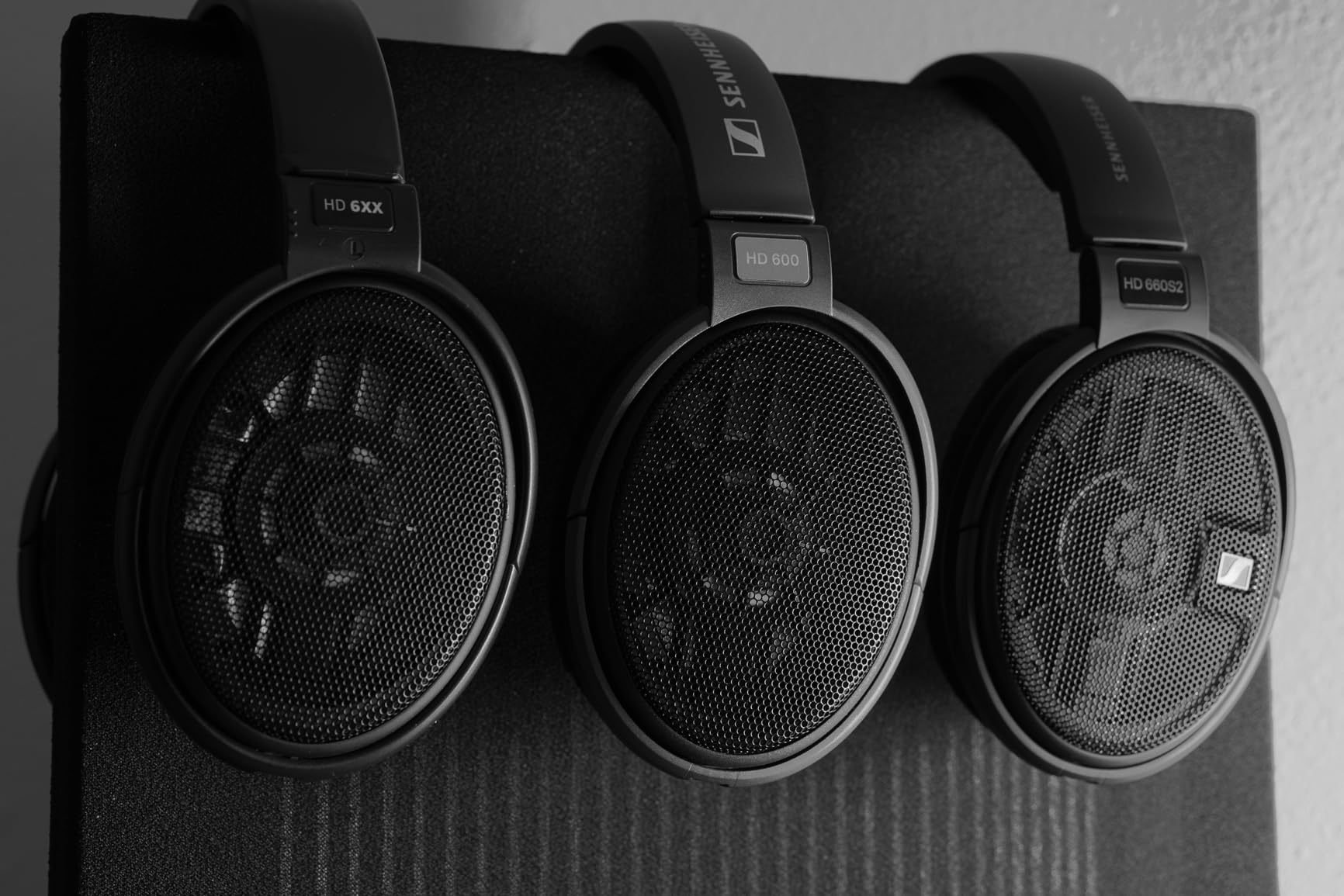
It is not a headphone that flatters. Bass rolls off early, and reviewers consistently note the gentle rolloff compared with planars. On a Bruckner symphony you get the orchestra but not much sense of the hall’s weight underneath it.
Two other practical notes. The 150 ohm load punishes a weak source more than almost anything else on this list, so budget for an amplifier. And the cable is fixed, which on a headphone this long-lived is a real limitation when it eventually fails.
Why low distortion matters for classical recordings
Orchestral recordings live much of their life in the quiet part of the waveform. Distortion products show up as a hardening of quiet detail, so a low-distortion design lets you sit at a lower volume and still hear the third violin in the back of the hall.
That is where the silk damping earns its keep. It is not a dramatic difference on a pop track, and it is a large one on a Bruckner slow movement.
When to choose something else instead
If bass extension and stage depth matter more to you than a reference-neutral midrange, look at the HIFIMAN planars. If comfort over long sessions is the priority, the HD 599 is lighter and softer on the head.
Given how long this design has been in production, buying used is a reasonable option. Check pad condition carefully, since replacement pads are easy to fit but the harness is fixed.
5. Sennheiser HD 490 PRO – Best When You Want Two Pad Characters
HD 490 PRO Open-Back Professional Headphone
Dynamic driver
130 ohm impedance
105 db sensitivity
5 Hz to 36 kHz
200 g
Pros
- Uncolored frequency response across the full spectrum
- Very wide and dimensional stage with precise localization
- Two interchangeable pad sets for producing or mixing
- Detachable cable with a coil that blocks cable-borne noise
Cons
- 130 ohm impedance needs a capable headphone amplifier
- Newer design with a much smaller review pool than the HD 600 series
- Open-back leakage means home and studio only
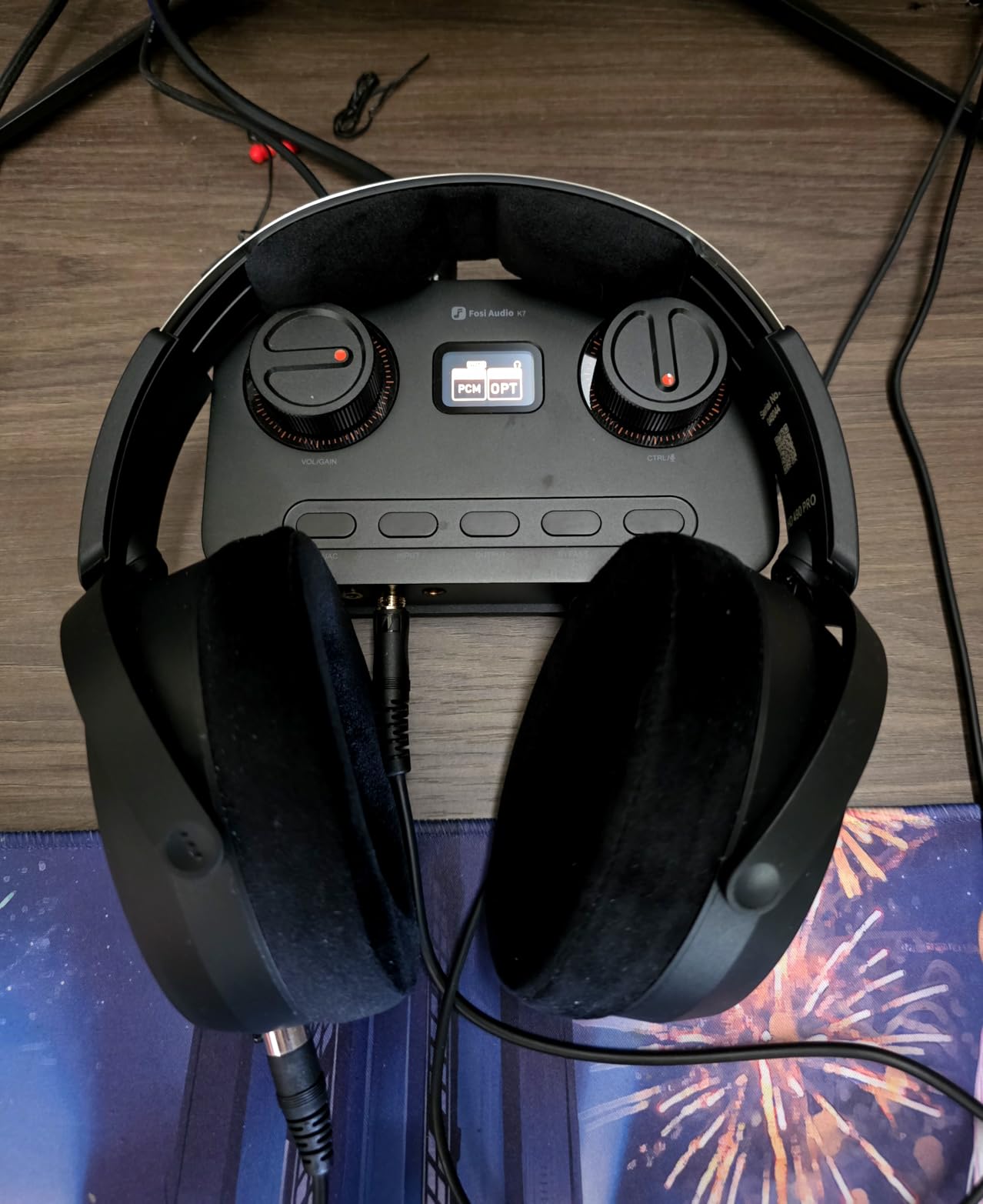
The HD 490 PRO is the newest design in this roundup and the one we would watch. Sennheiser’s open-frame architecture reduces total harmonic distortion and minimizes resonance, and the result is an uncolored response with a very wide, dimensional stage and precise localization of individual players.
There is a low-frequency cylinder system inside the cups that delivers low end that is full but clearly defined rather than loose. On a full orchestral tutti the double basses stay separate from the timpani instead of forming one low blur.
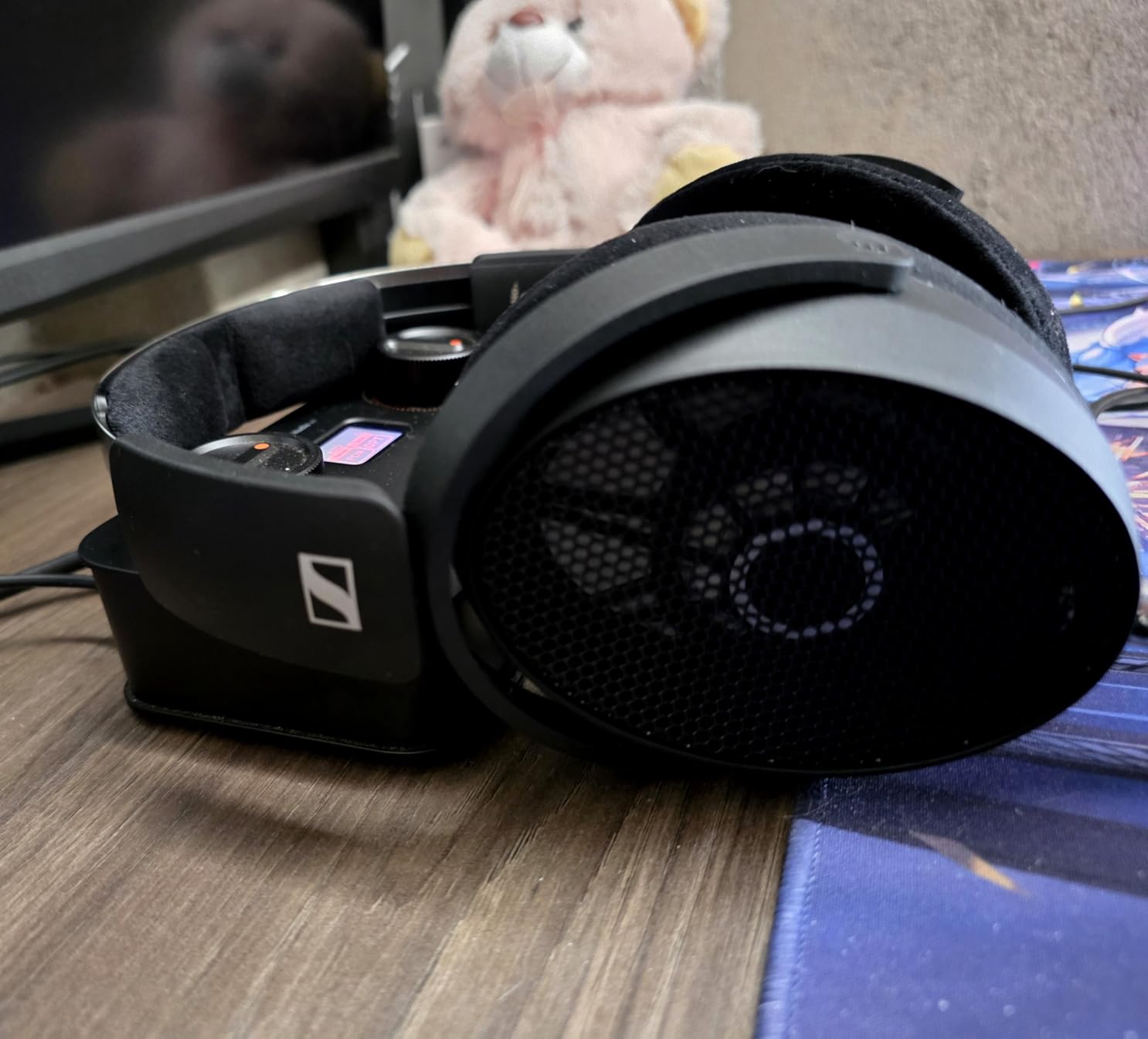
The standout practical feature is the two included pad sets, one for producing and one for mixing, both washable and replaceable. Pads flatten and change the tuning of any headphone after a year or so, and having two characters means you can shift between a fuller and a more transparent presentation at will.
The 130 ohm impedance again calls for a real amplifier. The other caveat is straightforward: with a review base this small there is less long-term data on durability than the established models have, so you are taking a bet on a newer design.
How the localization suits large ensembles
Wide stages get talked about constantly, but localization is what actually helps in a symphony. Knowing that the cellos are front left and the flutes are behind the violins tells you how the composer wrote the score.
This is a headphone that makes you want to follow a seating plan while listening, which is a good problem to have with orchestral music.
When to choose something else instead
If you are buying on a long track record rather than on features, the DT 990 Pro and the HD 650 have decades of it. If you want the deepest bass extension available, a planar will go lower than this.
Also consider the pads. Swapping between the two sets is the point, but if you plan to fine-tune with EQ rather than pad swaps, the transparent pad is the one to start with.
6. Audio-Technica ATH-R70XA – The Lightest Model Here at 199 g
Audio-Technica ATH-R70XA Open-Back Headphones
Dynamic driver
470 ohm impedance
97 db sensitivity
5 to 40000 Hz
199 g
Pros
- Exceptionally light with a gentle clamp for all-day comfort
- Neutral and revealing tuning that surfaces fine detail
- Very open and wide soundstage with accurate imaging
- Assembled and rigorously tested in the Tokyo factory
Cons
- 470 ohm impedance demands a high-voltage amplifier
- Small ear cups can sit poorly on very large heads or ears
- Limited cup swivel range can affect the seal
- Plastic yoke is the weak point in an otherwise metal build
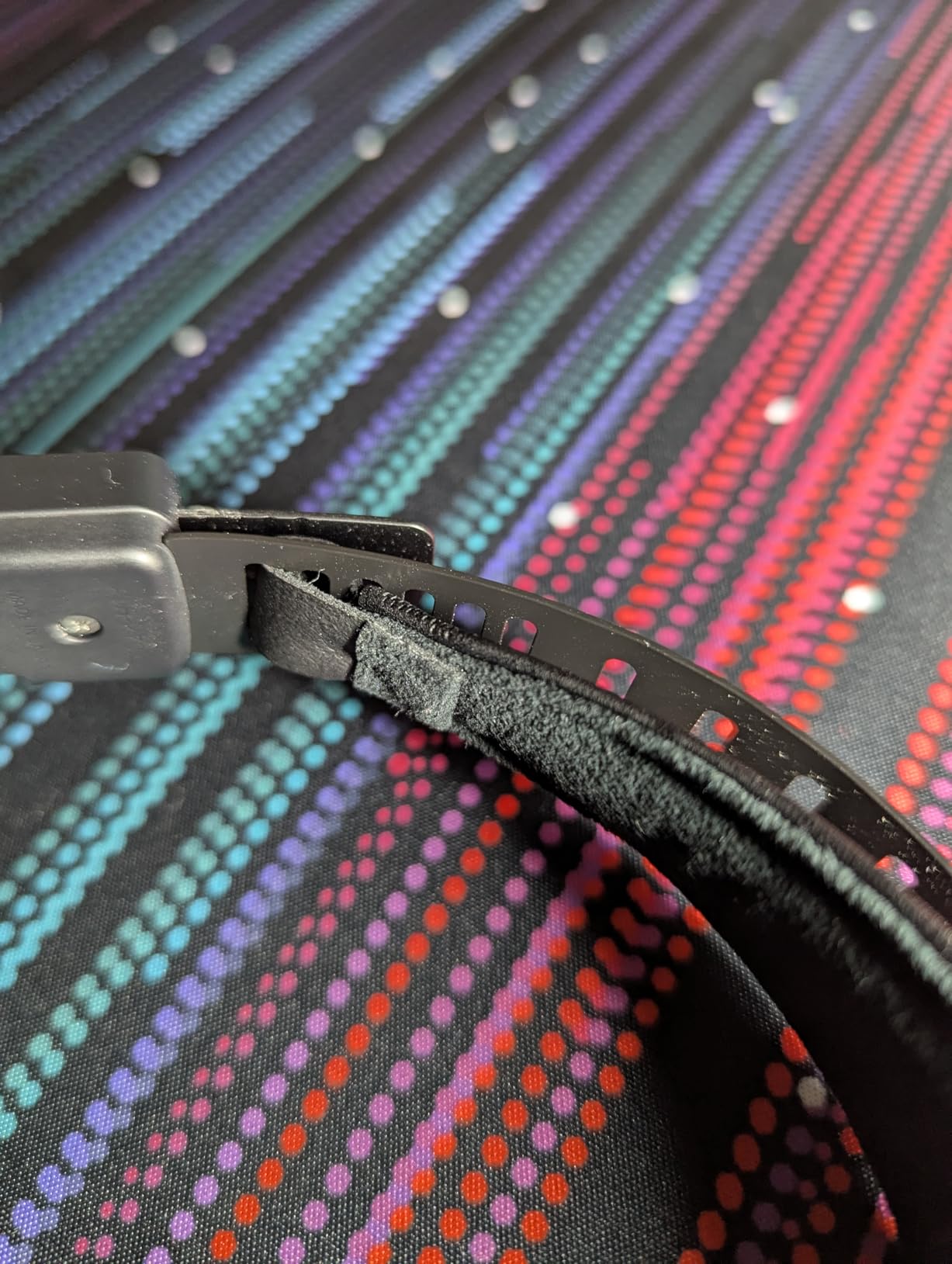
At 199 grams the R70XA is the first headphone most people reach for when weight is the deciding factor. Owners consistently call it one of the most comfortable open-backs available, and the gentle clamp means you can wear it through a full opera without a pressure headache.
The fully open-back design allows unrestricted airflow, which eliminates internal resonance and delivers a very quick transient response. That matters in classical music because the attack of a timpani roll or a harpsichord pluck is a real, audible event, not a smudge.
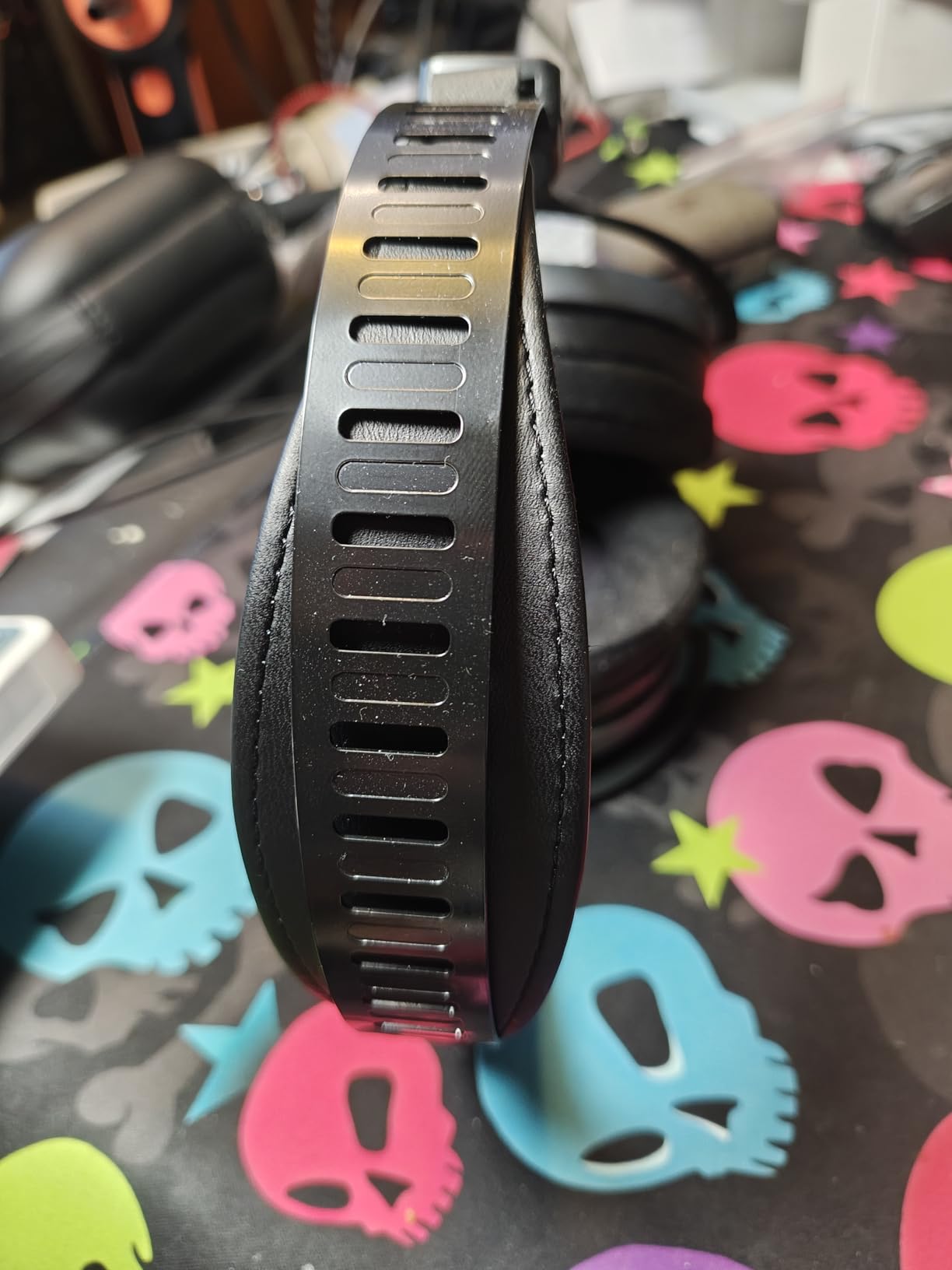
The tuning is neutral and revealing rather than warm. Fine detail surfaces without harshness, which is a delicate balance and one this headphone manages well according to owners. Image placement is accurate across a very open, wide stage.
Here is the catch, and it is a real one. At 470 ohm this is the highest impedance on the list by a wide margin, and reviewers consistently note that it needs a high-voltage amplifier to reach proper scale. It is not a laptop headphone, it is not a phone headphone, and it is not a DAP headphone.
Whether a 470 ohm load changes the buying decision
Yes, more than any other spec in this guide. A 470 ohm headphone driven from a weak source sounds quiet, thin, and dynamically compressed, which is exactly the failure the amplifiers section below is about.
Budget for the amplifier before the headphone, not after. We have seen this complaint repeated so consistently that we treat it as the deciding factor for this model.
When to choose something else instead
If you have very large ears or a very large head, the small ear cups can sit poorly and the limited swivel range affects the seal. Read that as a fit warning, not a defect, and try before buying.
If you need something you can drive from a laptop today, choose the SHP9500 or the HIFIMAN Ananda Nano, both of which are low impedance.
7. Audio-Technica ATH-AD900X – Best for a Pressure-Free Open-Air Fit
Audio-Technica ATH-AD900X Open-Back Audiophile Headphones…
Dynamic driver
38 ohm impedance
100 db sensitivity
53 mm drivers
5 Hz to 35 kHz
Pros
- Open-air design gives an airy pressure-free feel with no pad seal
- Excellent separation for orchestral and large ensemble recordings
- 38 ohm impedance is easy to drive from a variety of sources
- Extremely light feel for long sessions
Cons
- Very high leakage in both directions from the open-air design
- Bass has less body and impact than a dynamic over-ear open-back
- Dated wing support and headband mechanism
- Fixed cable ends in a mini-XLR needing an adapter
The AD900X takes a completely different approach to fit. It uses an open-air design with no sealing pad pressing against your ear, so the sensation is closer to wearing nothing than to wearing a sealed circumaural cup. For long sessions that pressure-free feeling is the whole point.
Sonically it does the job for classical remarkably well. Reviewers point to excellent separation and clarity for orchestral and large ensemble recordings, and the large-aperture 53 mm drivers with CCAW voice coils handle vocal and instrumental reproduction naturally.
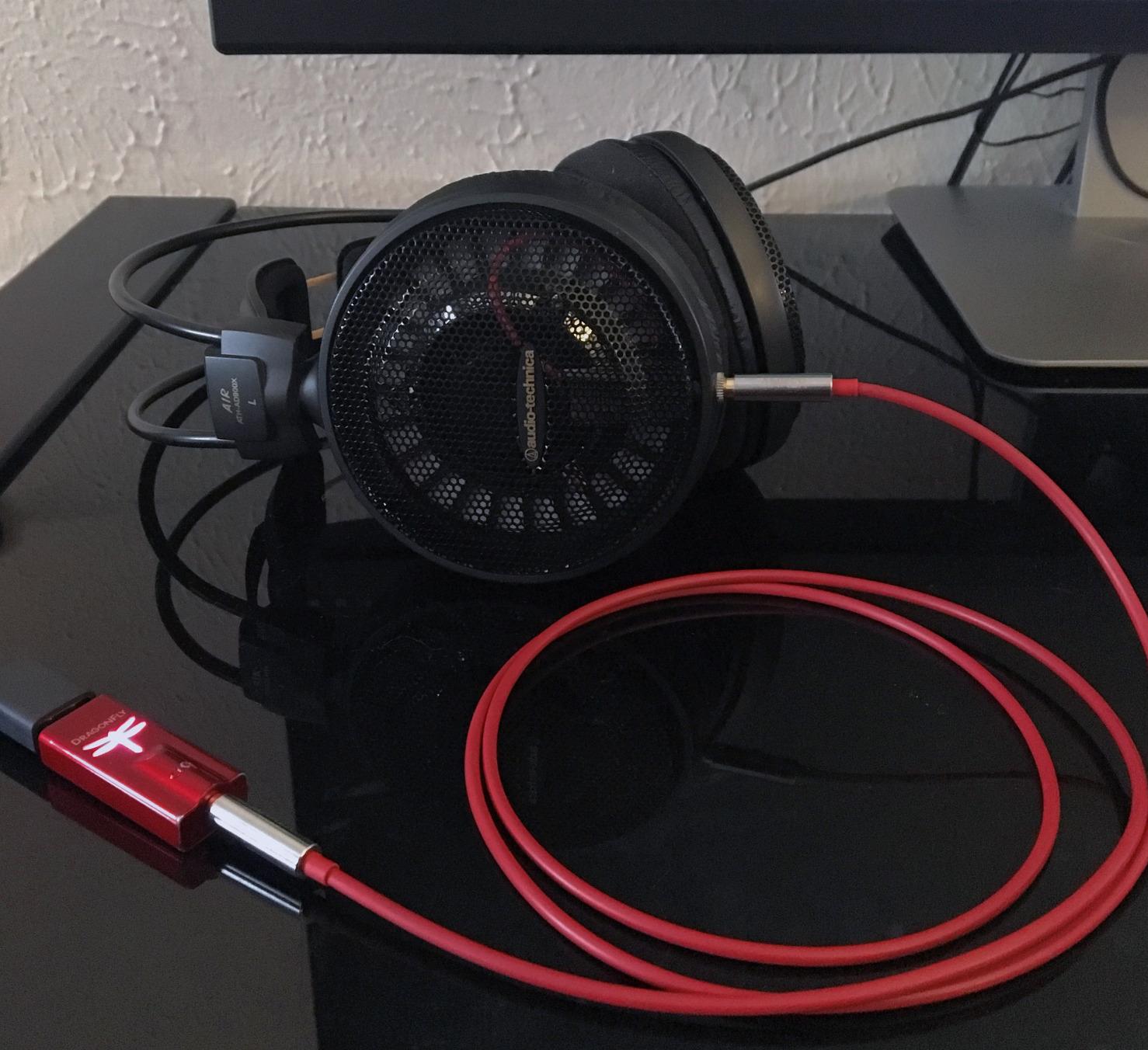
Because nothing presses on your ear, the sense of pressure is absent entirely. Combined with the low weight, that makes this an easy headphone to live with for hours, particularly if conventional open-backs have ever left you with a seal ache.
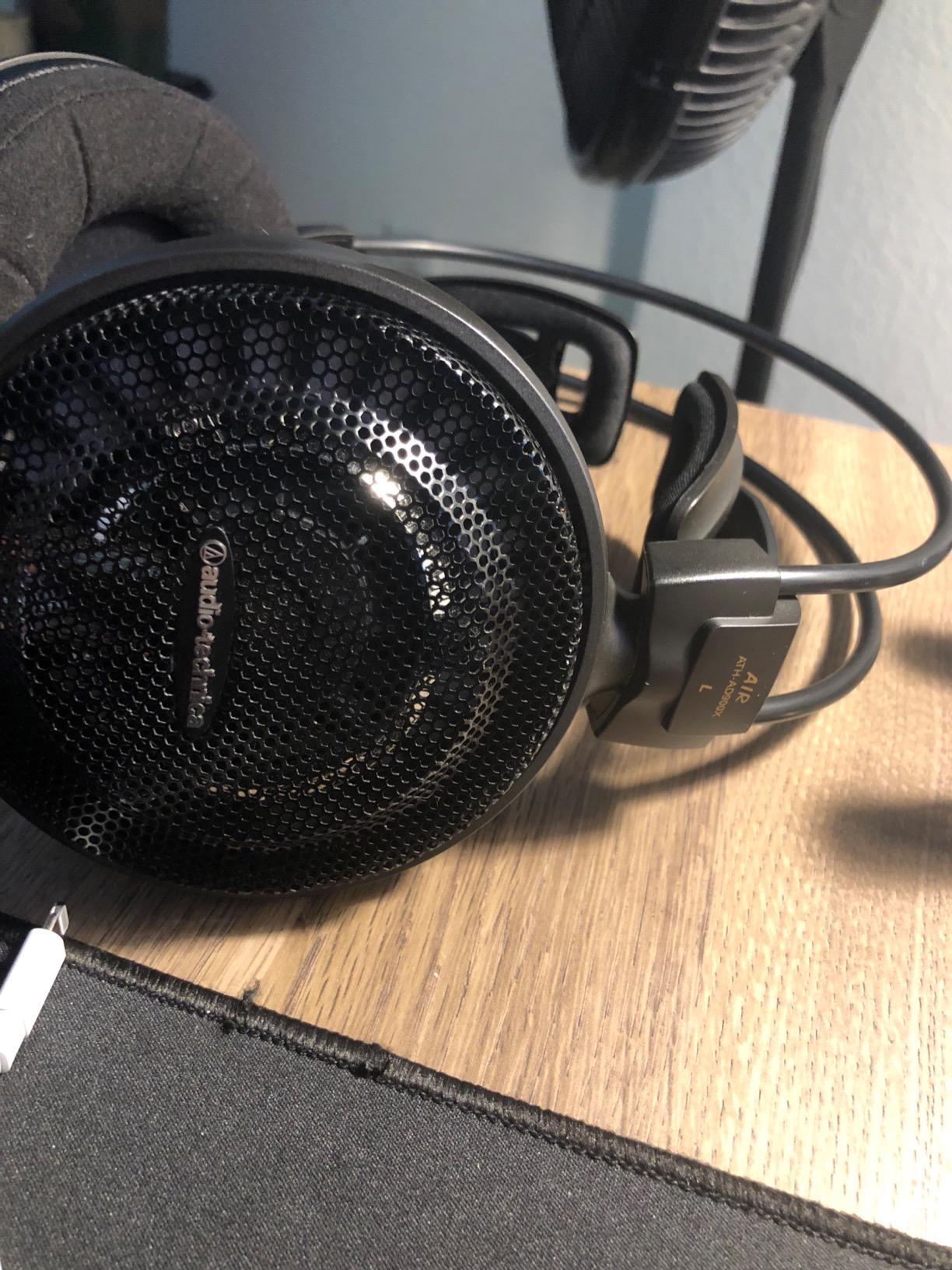
The compromises are real. This design leaks more than a conventional open-back in both directions, and bass has less body and impact than a dynamic over-ear open-back delivers. At 38 ohm it is easy to drive from a laptop or phone, which is a genuine advantage over half this list.
How this fits into a compact listening setup
At 38 ohm with 100 db sensitivity, this is one of the easiest models here to run. A small DAC, a laptop, or a decent dongle is enough, and you can put the saved money into better source material instead of amplification.
That makes it a good second headphone to keep as a travel-and-desk pair alongside a heavier home model.
When to choose something else instead
If you play large orchestral works and want real low-end weight, the bass lift here will not satisfy you. The HIFIMAN Arya Stealth or Arya Organic reach lower with far more control.
The fixed mini-XLR cable also means an adapter for 3.5 mm sources. The wing support housing is dated compared with current designs, so buy it for sound and comfort rather than aesthetics.
8. AKG K712 PRO – Best Memory Foam Cushions and Spaciousness
AKG Pro Audio K712 PRO, Wired, Over-Ear, Open Back…
Dynamic driver
62 ohm impedance
Flat wire voice coil
20 Hz to 20000 Hz
Two cables included
Pros
- Self-adjusting suspension headband and large memory foam cups
- Wide and spacious stage that suits live and orchestral recordings
- Flat wire voice coil delivers excellent treble and transient response
- Low 62 ohm impedance is easy to drive for this class
Cons
- Sound is markedly amp-dependent
- Less instrument separation than models near this price
- Very light clamp lets the headphones slide forward when leaning
- Headband elastic and internal cable solder points are known weak points
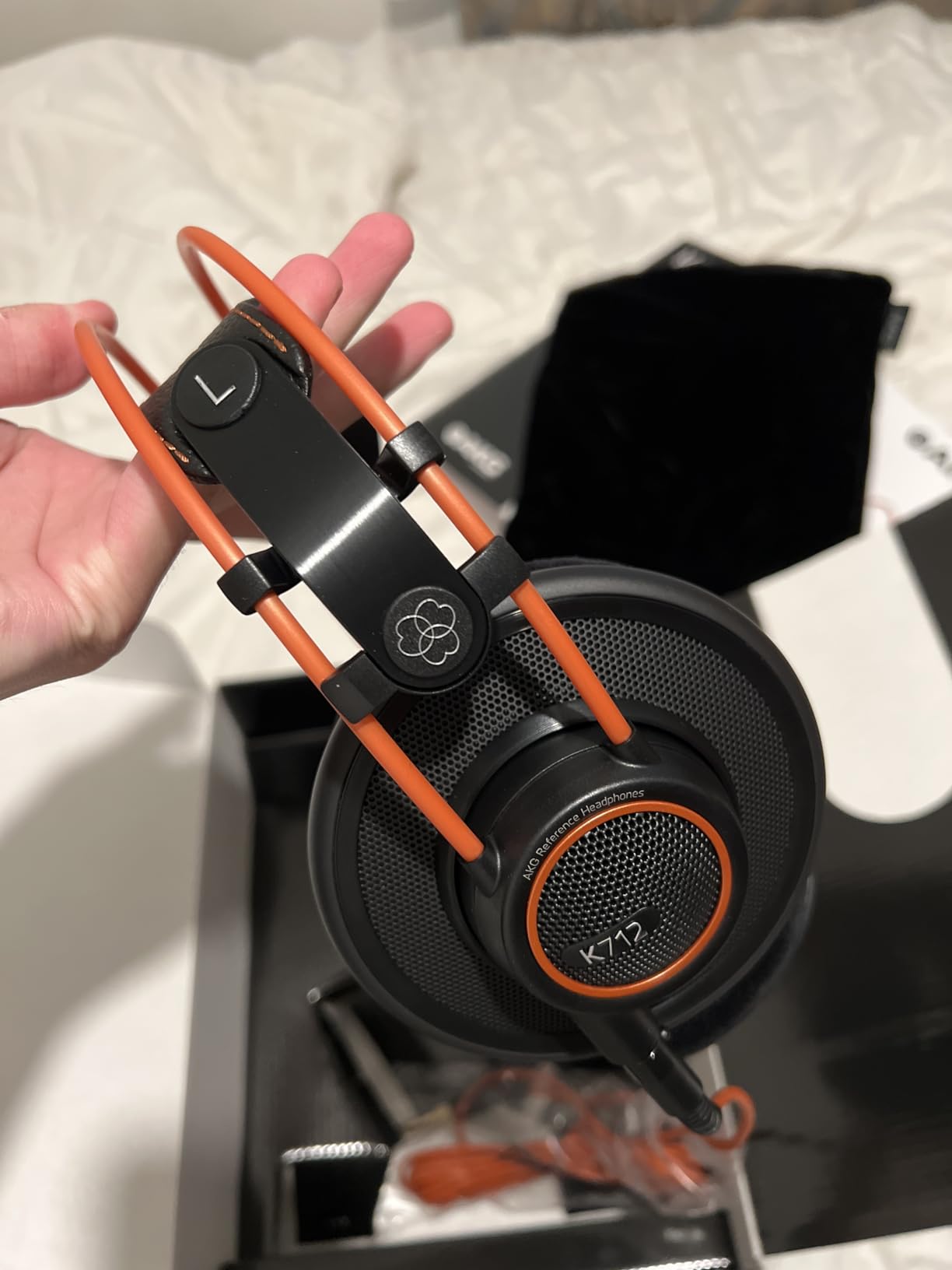
The K712 PRO is the comfort pick if your ears get tired of everything else. The self-adjusting suspension headband and large memory foam cups mean the fit adapts rather than pressing, and many owners describe it as the pair they can wear for a full working session without thinking about.
Sonically it is spacious and airy by design, which is well matched to live and orchestral recordings. The low end was improved by 3 dB over the earlier AKG open-backs, giving more powerful sound imaging without turning the presentation into a bass showcase.
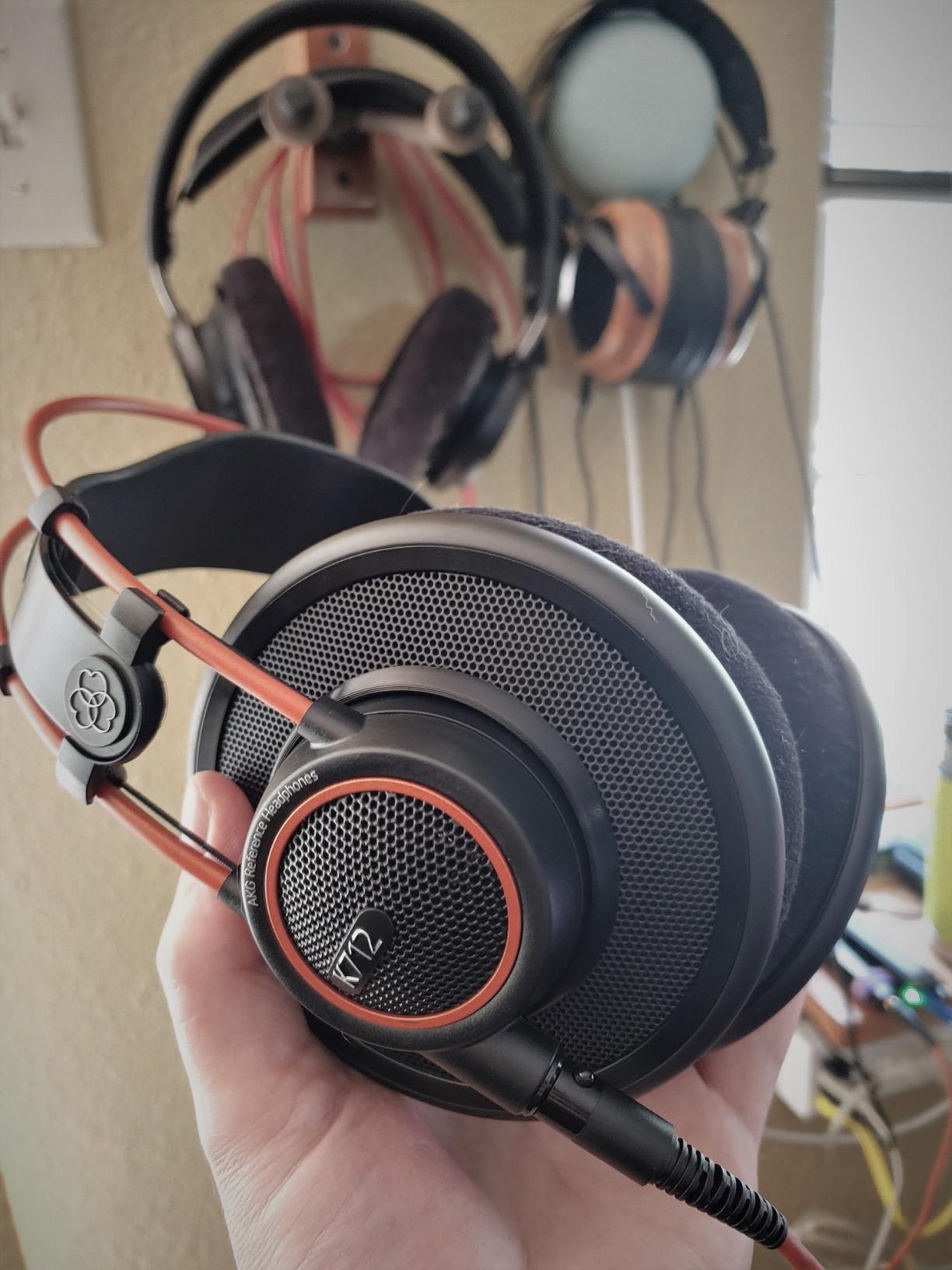
Two detachable cables ship in the box, straight and coiled, which is generous and helps with a desktop setup. The flat wire voice coil gives clean impulse and treble response, so cymbals and harpsichord articulate rather than smear.
The single most repeated theme in reviews is amplification dependency. Owners say thin or underpowered sources leave this headphone flat and lifeless, and 62 ohm does not mean it is amp-proof. Given the 20 Hz to 20000 Hz stated range, it also rolls off at both extremes sooner than most of the models here, which is a fair trade for the comfort.
Whether comfort or accuracy should decide it
If your listening time is measured in hours and your tolerance for pad pressure is low, comfort wins here. Nothing else on this list gets close with the memory foam cups and suspension band.
If you are using these to judge mastering, the slower rolloff at both ends makes them a poor reference tool. For critical album work, our mixing headphone guide is a better fit.
When to choose something else instead
Be aware of two reliability weak points that owners mention: the suspended headband elastic, and the internal cable soldering. If you travel with headphones, a pair with a fully detachable cable is lower risk.
Also note the very light clamp can let the cups slide forward if you lean toward a desk, which is a real annoyance during long mixing or editing sessions.
9. HIFIMAN Arya Stealth – Best Planar Soundstage in the Mid Range
HIFIMAN Arya Stealth Magnet Version Full-Size Over-Ear…
Planar magnetic driver
32 ohm impedance
8 Hz to 65 kHz
430 g
Single crystalline copper cable
Pros
- Huge immersive stage with instruments placed in their own space
- Tight and textured bass that reaches into the sub region
- Treble extends very high without sounding bright
- Comfortable and light for a full-size planar
Cons
- Treble-forward tuning can fatigue sibilance-sensitive listeners
- Single supplied cable with a 6.35 mm plug
- Very large cups fit poorly on small heads
- No carrying case or spare ear pads included
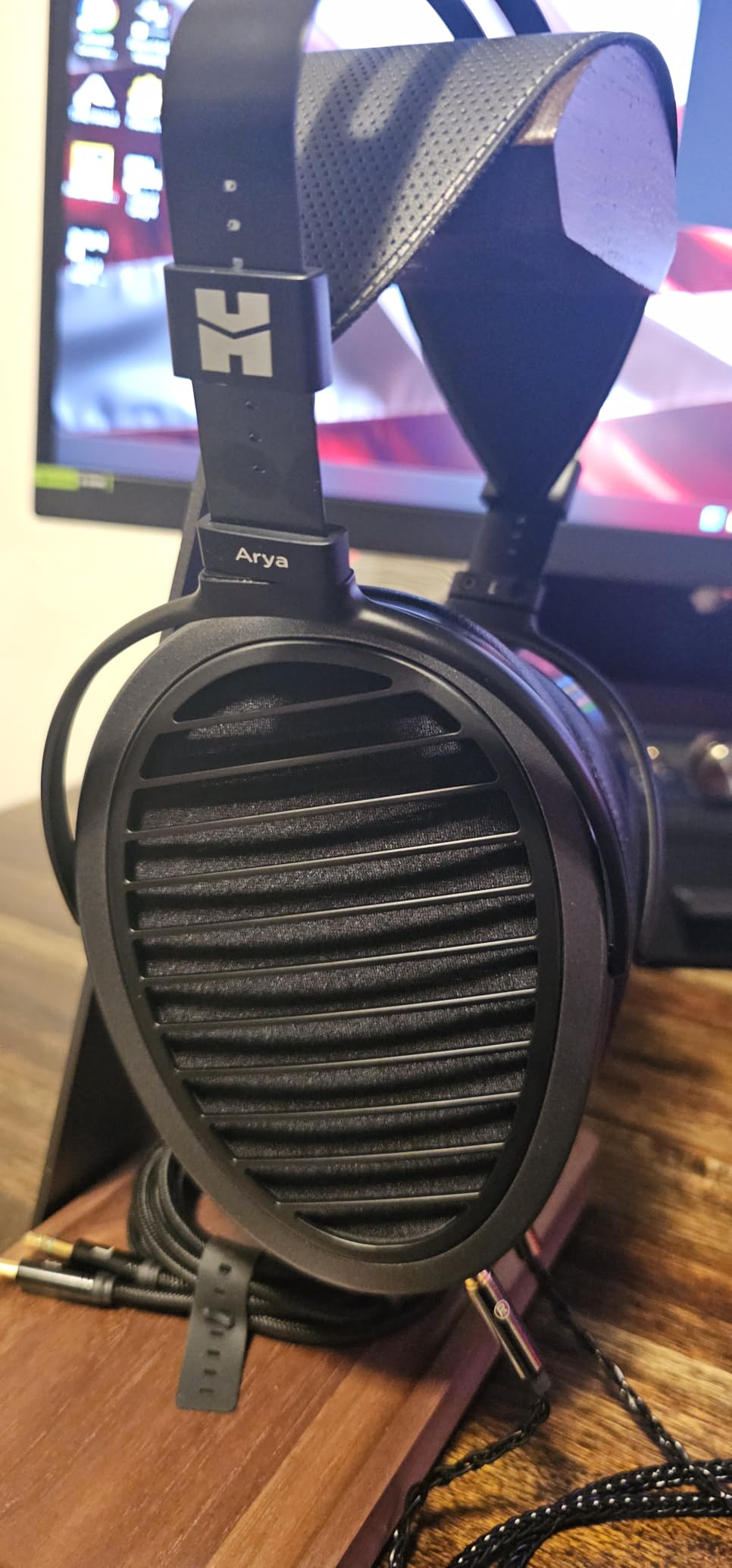
The Arya Stealth is where most listeners meet their first serious planar magnetic, and it is the one we recommend as an entry to that driver type. The Stealth magnet design is acoustically invisible, which reduces wave diffraction and distortion, and the nanometer-thickness diaphragm delivers a very clean result.
Owners describe a huge, immersive stage where instruments are placed in their own space rather than in a general field. That is a genuine advantage on a wide, layered orchestral recording where the flutes need to sit behind the first violins.
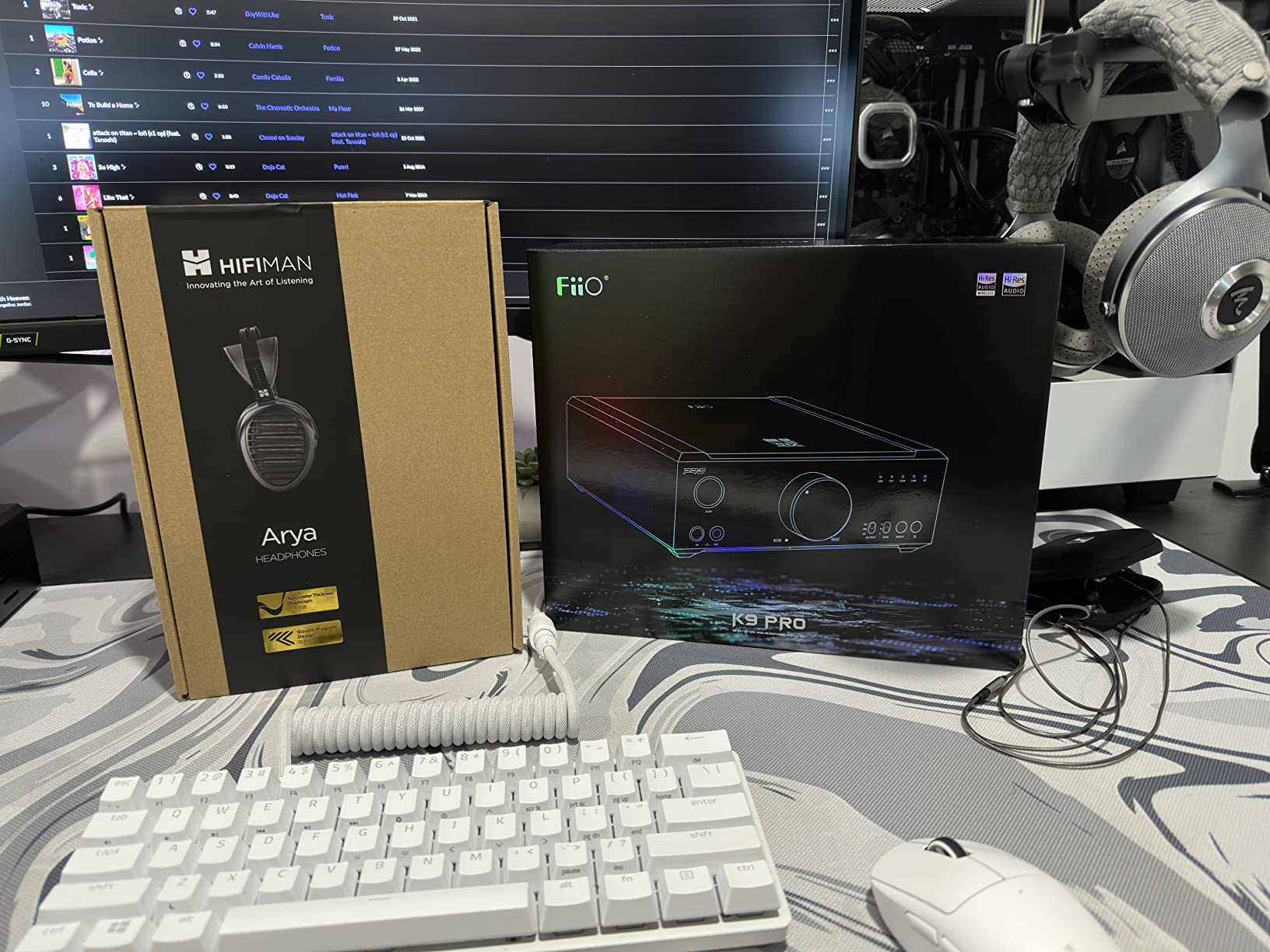
Bass is the other headline. Reviewers call it tight, textured, and impactful, reaching down into the sub region, which is exactly what a full symphony wants underneath the cellos. Treble extension is very high, up to 65 kHz, without tipping into harshness for most listeners.
Two cautions. The tuning leans treble-forward, so sibilance-sensitive listeners may find it fatiguing over a long session. And the cups are large, so if you have a small head the fit will not work well. The single supplied cable uses a 6.35 mm plug, so a 3.5 mm source needs an adapter.
How a planar changes orchestral placement
A flat diaphragm driven evenly across its surface tends to produce very low distortion and very even playback across the ear, which shows up as stable imaging as the orchestra moves through a passage.
In practice the effect is that instruments hold their positions instead of drifting. For listeners who follow scores, that stability is worth more than any single frequency range.
When to choose something else instead
If treble sensitivity is a known issue for you, pick the Sennheiser HD 599 with its warmer top end. If your head is small, look at a smaller-cupped model such as the Audio-Technica options.
At 32 ohm the Arya Stealth is easy to drive, but planars still benefit from a DAC with real output. We have seen the portable player side of this covered separately.
10. Meze 109 Pro – Best for a Warm, Relaxed Tuning
MEZE AUDIO 109 PRO | Wired Over-The-Ear Walnut Wood…
Dynamic driver
40 ohm impedance
112 db sensitivity
5 Hz to 30 kHz
Walnut wood cups
Pros
- Warm and engaging presentation with a smooth top end
- Low 40 ohm impedance needs no dedicated amplifier
- Walnut wood cups with a genuinely premium build
- Self-adjusting spring steel headband spreads pressure evenly
Cons
- Tuned for pleasure rather than strict neutrality
- Bass emphasis can be polarizing for flat-response listeners
- Small review base relative to the price
- Open-back design leaks sound and gives no isolation
The Meze 109 Pro is the most purely pleasant-sounding headphone here. It is warm and emotionally engaging with a smooth, fatigue-free top end, which is a different design brief from the neutral reference approach. Nothing about it is trying to be a measuring instrument.
Build is a genuine highlight. The genuine walnut wood ear cups have unique grain per pair, and the vegan leather headband on a manganese spring steel outer band spreads weight evenly across head shapes. For a full evening of listening that matters as much as the tuning.
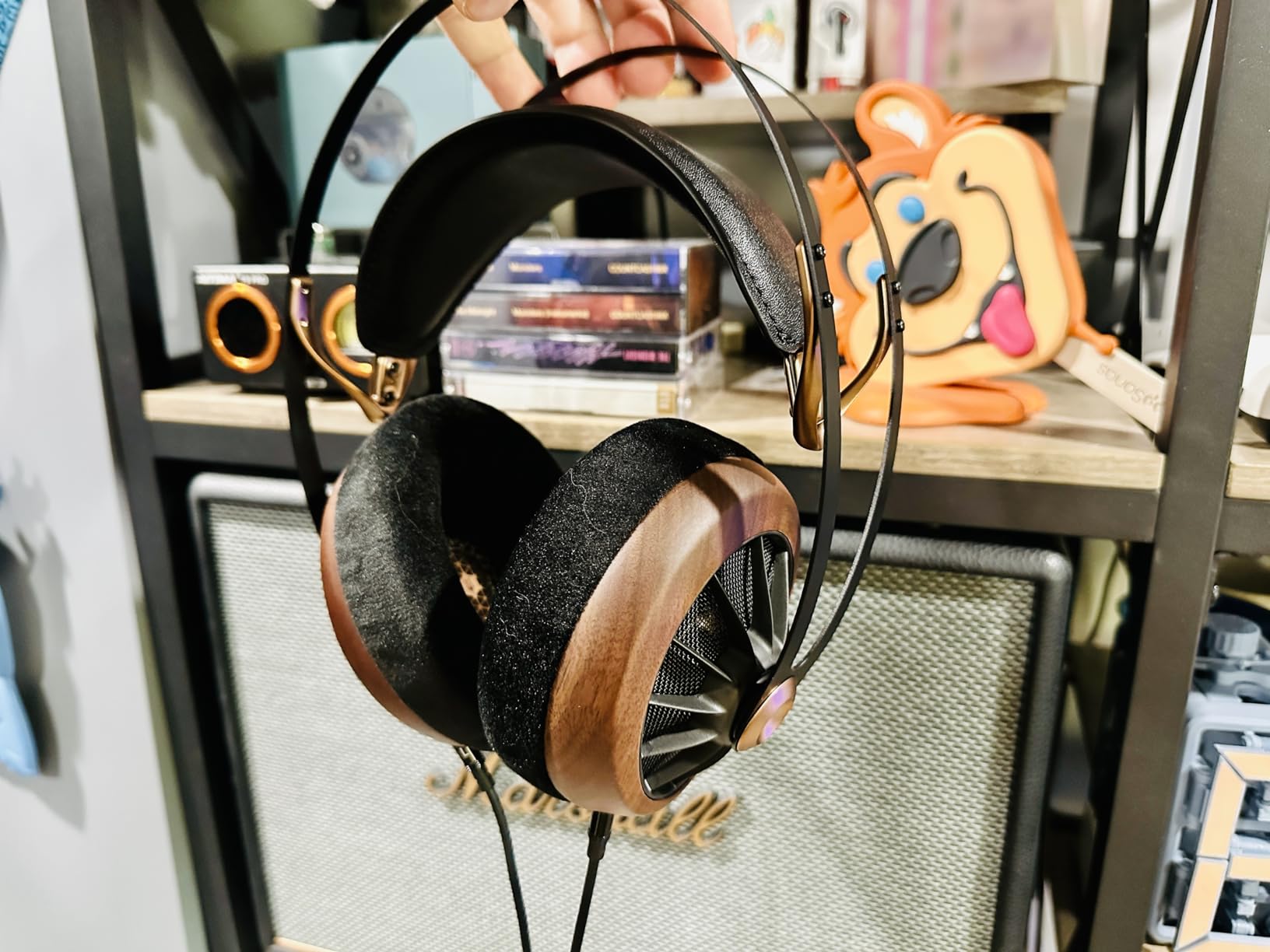
At 40 ohm and 112 db sensitivity, no dedicated amplifier is required. That makes it one of the easiest flagships-class open-backs to actually use, since a phone or laptop can drive it without you buying anything else first.
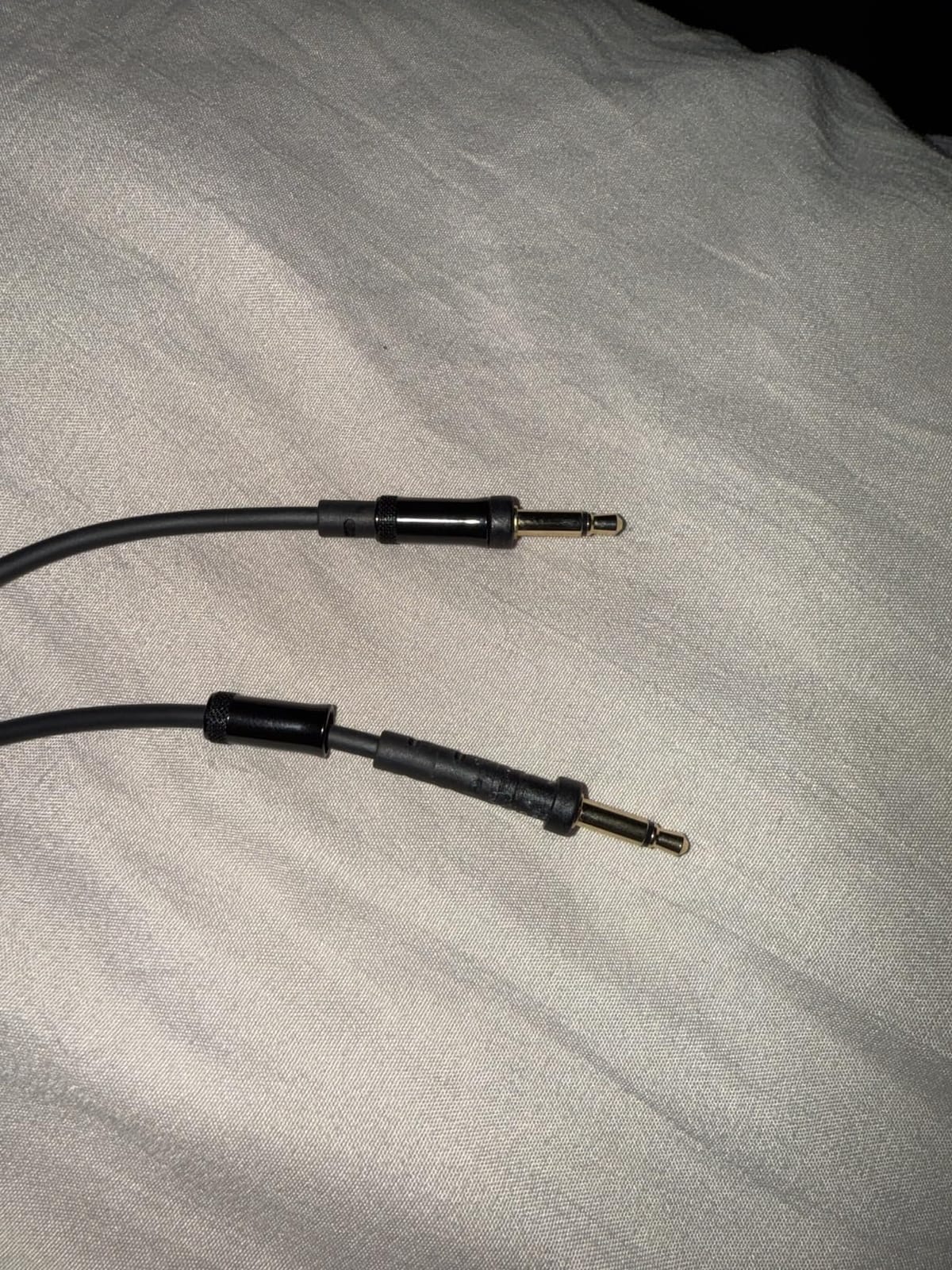
The honest caveat is that the frequency response is tuned for pleasure, not neutrality. Owners note the bass emphasis is polarizing for listeners who want a flat reference curve. Two cables, a 6.35 mm jack, and a hard EVA carrying pouch are included, plus a two-year warranty.
Whether repairability changes the buying decision
It can. Meze uses fasteners rather than glue, and the ear cups, headband, cables, and drivers are individually replaceable. On an open-back headphone that will eventually be dropped, that is a meaningful difference against a fixed-cable design.
It also means pads can be swapped easily when they flatten, which is one of the main reasons headphone tuning drifts over a year.
When to choose something else instead
If you are buying to check a mastering or to judge a mix, the warm bass emphasis works against you. Our production headphone guide covers flat-reference options.
Note also that the review base is small relative to the price. The sound is well liked, but there is less long-term durability data behind this model than behind the older Sennheiser and Beyerdynamic designs.
11. HIFIMAN Ananda Nano – Best Planar Starter for Portable Listening
HIFIMAN Ananda Nano Open-Back Over-Ear Planar Magnetic Hi-Fi…
Planar magnetic driver
14 ohm impedance
94 db sensitivity
5 Hz to 55 kHz
419 g
Pros
- Exceptional detail retrieval and low distortion for the price
- Very wide three-dimensional field with precise instrument positioning
- 14 ohm impedance is easy to drive from portable devices
- Comfortable weight-dispersing headband
Cons
- Analytical and revealing tuning can feel less relaxing
- Bass tuning is lighter than the Arya line
- Metal earcup holder adds weight
- Long manufacturer burn-in recommended before tuning settles
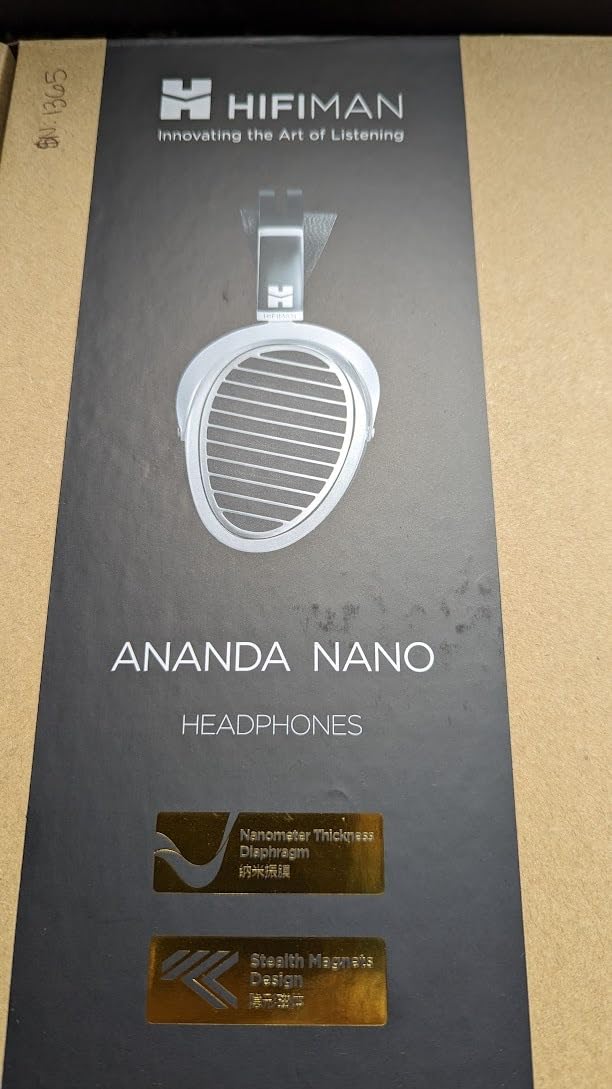
The Ananda Nano is remarkable for what you get from a 14 ohm planar. Most planar magnetics are awkward to drive, and this one runs from a smartphone or a portable player, which removes the usual objection to starting out with a planar driver.
The nanometer-thickness diaphragm is derived from the higher-end SUSVARA design, and owners report excellent detail retrieval with low distortion and fast transients. On a quiet recording you can hear the difference between a harpsichord and a celesta at the same volume.
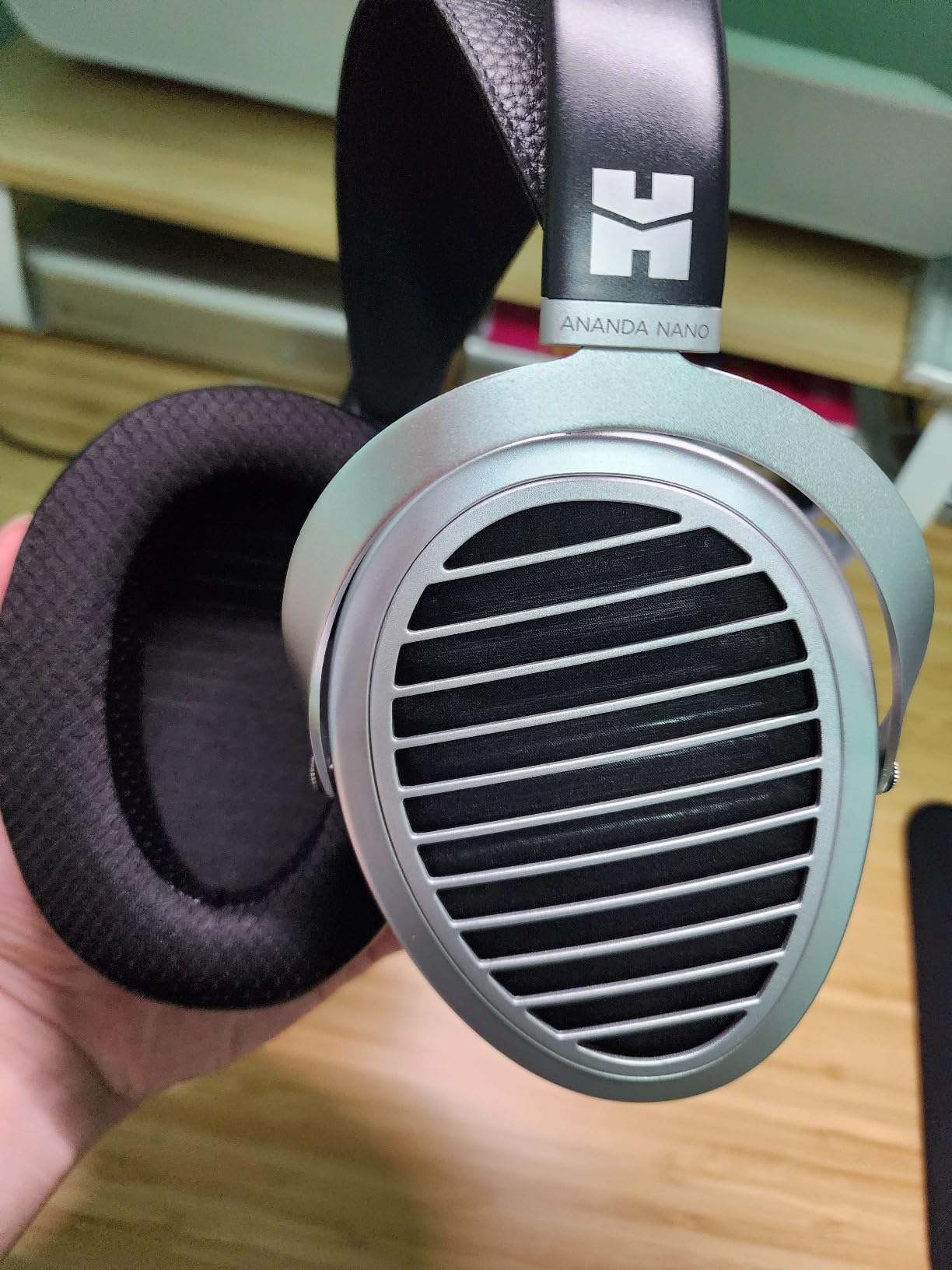
Soundstage is very wide and three-dimensional, with precise instrument positioning. The Window Shade grill reduces sonic reflections inside the cup and the asymmetrical ear cups follow the shape of the ear, both of which help imaging clarity.
What you trade away is musicality on long casual sessions. Owners describe the tuning as analytical and revealing rather than relaxing, and note that bass is present but not the emphasis, especially next to the Arya line. HIFIMAN also recommends a long burn-in before the tuning settles, so give it time before judging.
Whether a 14 ohm planar is really portable-friendly
Yes, and that is the unusual part. Planar drivers usually need voltage, but high sensitivity here means phones and portable players can drive them properly. If you want a headphone that crosses between desk and travel, this is a rare candidate.
Just remember the 419 g weight and the metal earcup holder, which add bulk that a folding-cup dynamic would not.
When to choose something else instead
If you want bass weight, choose the Arya Stealth or Arya Organic instead. If your priority is a relaxed listening posture rather than maximum detail, the Meze 109 Pro is warmer and easier.
Open-back leakage still applies, so this is not a headphone for a shared office. If you need isolation on the move, we cover wireless and closed options in our Bluetooth headphones guide.
12. HIFIMAN Arya Organic – The Most Complete Planar Package Here
HIFIMAN Arya Organic Full-Size Over-Ear Open-Back Planar…
Planar magnetic driver
16 ohm impedance
94 db sensitivity
8 Hz to 65 kHz
440 g
Pros
- Exceptionally wide stage with genuine front-to-back depth
- Rich textured and fast bass with real impact and control
- Intimate midrange placement with space around instruments
- Clear airy treble that resolves detail without harshness
Cons
- Bright-leaning treble can fatigue sensitive listeners
- Some reports of quality control issues and channel imbalance
- Squeaky hinges and headband adjustment that wears quickly
- Supplied cable is short and stiff with no adapters
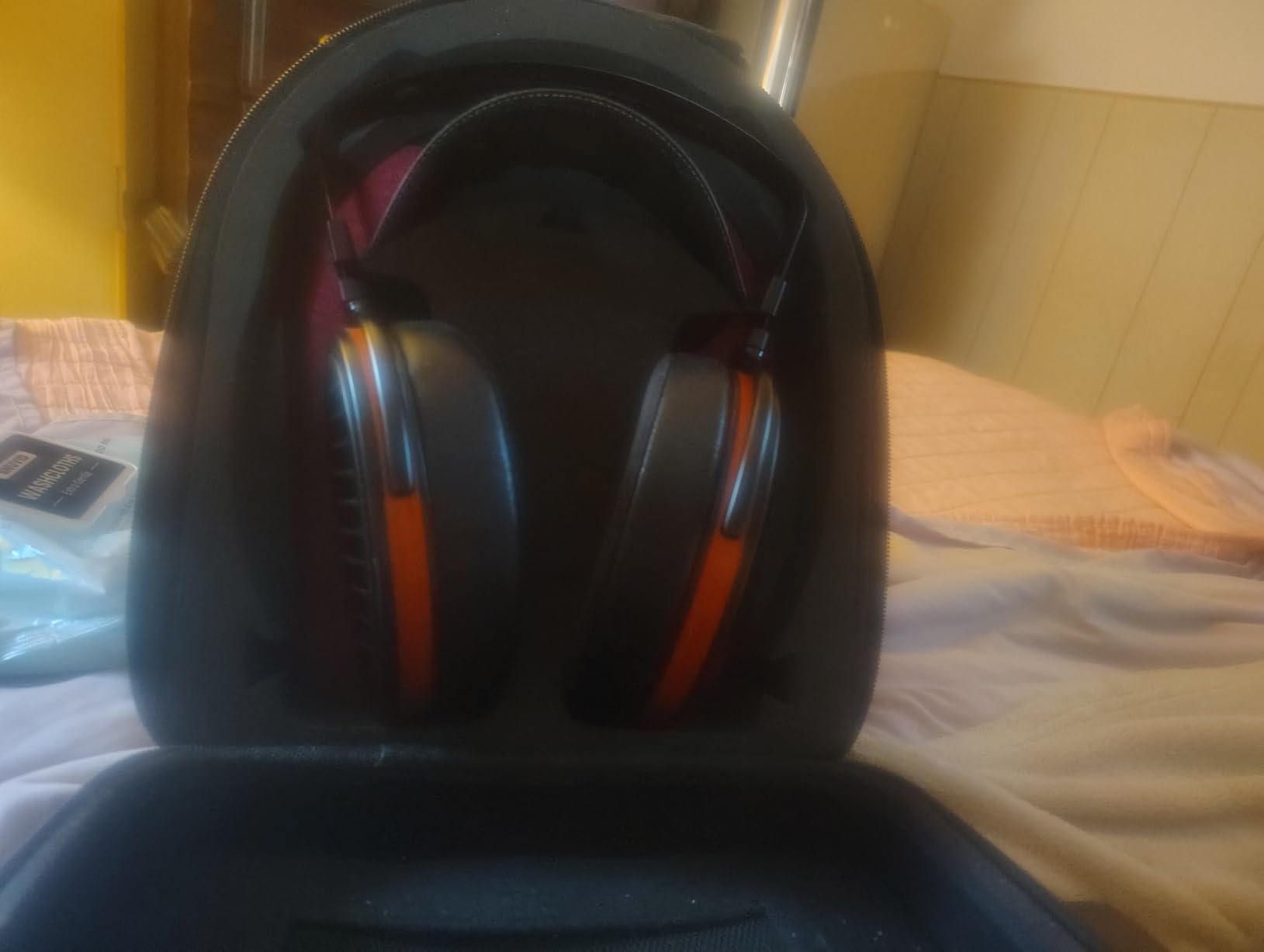
The Arya Organic is the one we would call the most complete package in this roundup. Owners describe an exceptionally wide stage with genuine front-to-back depth, which is the hardest thing to achieve and the thing that most improves the sense of an orchestra sitting in front of you rather than around you.
Bass is rich, textured, and fast with real impact and control, and it extends down to 8 Hz. The midrange places voices close and intimate while still leaving space around the instruments, which is a difficult balance and the reason the Arya line keeps a devoted following on long-running forum threads.
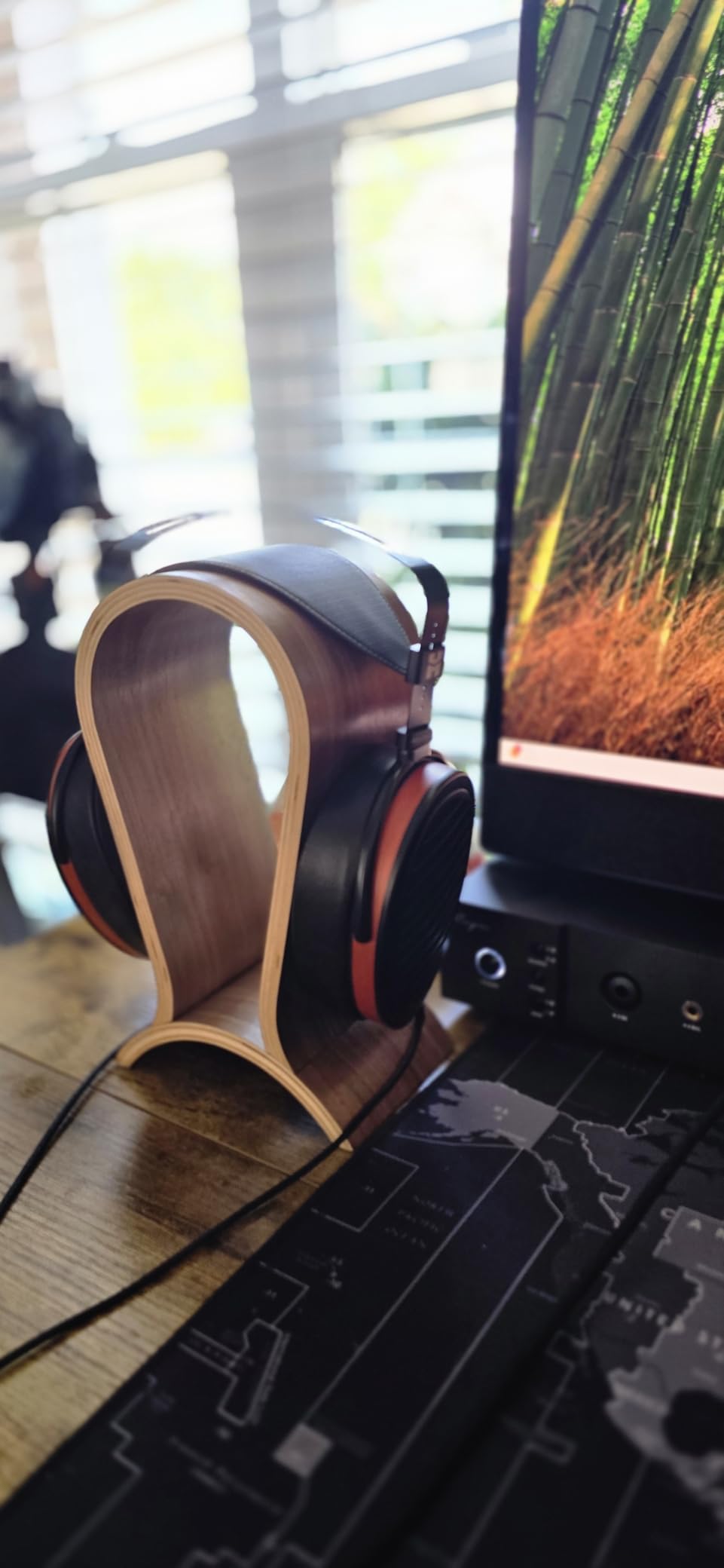
Treble is clear and airy, resolving detail without harshness after burn-in, and the acoustically invisible Stealth magnet design reduces wave diffraction for transparent, low-distortion output. The CNC-milled and hand-polished metal structure is well finished for a headphone that gets handled constantly.
Be aware of three things. The balance leans bright, so sensitive listeners may need burn-in or EQ. Owners report a cluster of quality control issues on some units, including channel imbalance and minor scratches, plus squeaky hinges and headband adjustment that wears quickly. The supplied cable is short, stiff, and comes with no adapters.
Whether front-to-back depth changes how you hear a score
It does, and it is the reason this headphone sits at the end of our list. Depth tells you which players are behind the others, so you hear a second row of woodwinds as genuinely behind the strings rather than mixed into the same plane.
For listeners who follow an orchestral score, that is a qualitative jump rather than an incremental one.
When to choose something else instead
If treble brightness is a problem for you, stop here and pick the HD 599 or the Meze 109 Pro. If you want the same depth with an easier, more forgiving tuning, the Arya Stealth is the cheaper route in.
Inspect the unit on arrival if you can, check channel balance on each side, and keep the packaging in case you need to return it.
Open-Back vs Closed-Back for Classical Music
Open-back headphones win for classical because air passes through the cups. That removes the boxy resonance a sealed cup creates, and it lets the headphone behave more like a small speaker in a room, which is how the recording was originally captured.
All twelve headphones above are open-back, and that is a deliberate choice. The cost is that they leak sound in both directions and provide no isolation at all. None of them works in a shared office, a shared flat, or anywhere near a sleeping household.
If that describes you, a closed-back studio headphone is the right tool instead. Ours on studio headphones for music production and studio headphones for mixing cover that category properly, with the isolation and bass behaviour you would need for orchestral work in a noisy room.
One middle option worth knowing is the open-air design of the Audio-Technica ATH-AD900X on this list. It uses an open-air architecture rather than a conventional open-back cup, so it feels almost weightless on the ear. It also leaks more than the others in both directions, so it is not a solution for a shared space.
How to Choose: Impedance, Amplification and DAC Requirements
Impedance is the number buyers most often ignore and most often regret. It tells you how hard the headphone is to drive. A 32 ohm headphone is happy from a laptop. A 250 or 470 ohm headphone is not, and pairing it with a weak source produces a quiet, thin, dynamically flat sound that people wrongly blame on the headphone.
Here is what each model on this list demands:
No amplifier needed: the Philips SHP9500 at 32 ohm, the HIFIMAN Arya Stealth at 32 ohm, the HIFIMAN Ananda Nano at 14 ohm, the HIFIMAN Arya Organic at 16 ohm, the Audio-Technica ATH-AD900X at 38 ohm, and the Meze 109 Pro at 40 ohm. A laptop, phone, or portable player will run all of these.
Amplifier optional but worthwhile: the Sennheiser HD 599 at 50 ohm, the AKG K712 PRO at 62 ohm, and the Sennheiser HD 490 PRO at 130 ohm. These sound good from a decent source, and better with a real amp. The K712 PRO in particular is repeatedly described in reviews as markedly amp-dependent.
Amplifier required: the Sennheiser HD 650 at 150 ohm, the Beyerdynamic DT 990 Pro at 250 ohm, and the Audio-Technica ATH-R70XA at 470 ohm. The R70XA needs high voltage output specifically. If you do not already own an amplifier, budget for one before you buy these.
Sensitivity matters as much as impedance, and the Meze 109 Pro is the outlier at 112 db while the Sennheiser HD 490 PRO sits at 105 db. Higher sensitivity means more output for the same power. A DAC with a real headphone output and a balanced option will serve all of these well, and a balanced connection also reduces crosstalk on an open-back where you hear everything the electronics do.
On sources, play the highest quality files you have. A hi-res file preserves the low-level detail in a quiet chamber recording that a compressed stream does not contain, and every headphone on this list is revealing enough to show you the difference.
Matching Headphones to Classical Sub-Genres
Classical is not one use case, and the best headphone for a solo piano album is rarely the best headphone for a full opera in a large hall. Here is how we would match them.
Baroque and chamber music: small ensembles mean detail retrieval and separation matter more than bass weight. The Sennheiser HD 650 with its very low distortion is a natural fit, and the Audio-Technica ATH-AD900X is excellent at separating a string quartet into four players. The Philips SHP9500 handles this repertoire well at a fraction of the cost.
Solo piano: you need midrange honesty and micro-dynamics, not extension. The ATH-R70XA is light, neutral, and revealing without harshness, which is ideal for the whole range of touch in a Beethoven sonata. The HD 650 is smoother and warmer if you prefer.
Full symphony: this is where stage depth and low-frequency weight both matter. The HIFIMAN Arya Organic has the best front-to-back depth on this list, and the Arya Stealth adds the bass impact. The DT 990 Pro is the balanced all-round answer if you want one headphone for everything.
Opera and choral: long works, wide dynamics, and a lot of voices at once. The Sennheiser HD 599 and the Meze 109 Pro both lean warm, which takes the edge off dense brass and percussion over a three-act evening. The AKG K712 PRO suits this if the hours are long and the ears are sensitive.
You do not need different headphones for every sub-genre. If you can only own one pair, buy for the repertoire you actually play most, and accept a compromise on the rest.
Comfort Over Multi-Hour Listening Sessions
Sound quality is worthless if you take the headphones off after 90 minutes. Three things decide comfort over a full symphony cycle: weight, clamp force, and pad quality.
On weight, the Audio-Technica ATH-R70XA at 199 g and the Sennheiser HD 490 PRO at 200 g are the lightest models here by a clear margin. The planars sit in the middle at 419 g, 430 g, and 440 g. The Beyerdynamic DT 990 Pro is the heaviest of the dynamic open-backs at 1.2 pounds, and reviewers do note firm headband pressure on it.
On clamp, the Audio-Technica R70XA is repeatedly praised for a gentle clamp, and the ATH-AD900X goes further by not sealing against your ear at all. The AKG K712 PRO is very light in the opposite direction, light enough that reviewers report the cups sliding forward when leaning toward a desk.
On pads, the AKG K712 PRO has the best large memory foam cushions on this list, and the Sennheiser HD 599 pairs velour pads with a padded headband for long-session comfort. The Beyerdynamic velour pads and the Audio-Technica replaceable velour pads are also straightforward to replace when they flatten.
Whatever you buy, expect to replace the pads eventually. Foam and velour pads compress, the seal changes, and the tuning shifts with it. Buying a headphone with replaceable pads and user-replaceable cable or jack fittings means you can maintain it instead of replacing it.
For long-form listening, the tabla set guide on our site covers a different kind of rhythmic classical repertoire, but the same session-length logic applies to any sustained listening.
Frequently Asked Questions
What are the best headphones for listening to classical music?
Open-back headphones are the standard choice for classical because air passes through the cups, giving a wider and less boxy soundstage with better instrument placement. Look for a midrange-focused tuning, a wide frequency range, and replaceable ear pads. On this list the Beyerdynamic DT 990 Pro is the all-round pick, the Sennheiser HD 599 is the most comfortable, and the Philips SHP9500 is the cheapest way in.
What are the best audiophile open-back headphones?
The strongest open-backs here fall into two groups. Dynamic drivers offer the most natural and forgiving tone: the DT 990 Pro, the HD 650, the HD 599, the HD 490 PRO, the ATH-R70XA, the ATH-AD900X and the AKG K712 PRO. Planar magnetic models reach deeper in the bass and wider in stage: the HIFIMAN Arya Stealth, Arya Organic and Ananda Nano, plus the Meze 109 Pro for a warm alternative.
Do audiophile headphones need an amplifier?
It depends entirely on impedance. Models at 14 to 62 ohm, including the Philips SHP9500, HIFIMAN Ananda Nano, Arya Organic and Arya Stealth, Audio-Technica ATH-AD900X and Meze 109 Pro, run fine from a laptop or phone. The DT 990 Pro at 250 ohm and the ATH-R70XA at 470 ohm need a real amplifier with high voltage output, or they will sound quiet and flat.
Are open-back headphones better for classical music?
Almost always, in a quiet room. Open-back designs let sound pass through the cups, which reduces boxiness and produces a wider, more natural soundstage with clearer instrument placement. The cost is total lack of isolation and heavy leakage in both directions. In a shared office or a noisy flat, a closed-back studio headphone is the better tool instead.
Which headphone has the best soundstage?
Among the twelve reviewed here, the HIFIMAN Arya Organic has the widest stage with genuine front-to-back depth, followed by the HIFIMAN Arya Stealth. The Sennheiser HD 490 PRO and the Beyerdynamic DT 990 Pro are strong for precise localization at lower cost. Note that soundstage width alone does not guarantee a good result if the midrange is thin, which is a common disappointment in audiophile open-backs.
What is the 60-60 rule for headphones?
The 60-60 rule is a safe listening habit: keep your volume at or below 60 percent and listen for no more than 60 minutes at a stretch. Classical listeners tend to run lower volumes for long sessions, which is exactly the right approach. The rule reduces listening fatigue and protects your hearing without requiring you to give up long symphonic works.
What are the most comfortable audiophile headphones?
Among these models, the Audio-Technica ATH-R70XA is the lightest at 199 g with a gentle clamp, and the Sennheiser HD 490 PRO follows at 200 g. The ATH-AD900X uses an open-air design that does not press on the ear at all. For cushion comfort over long sessions, the AKG K712 PRO has large memory foam cups, and the Sennheiser HD 599 pairs velour pads with a padded headband.
Conclusion
After working through all twelve, the Beyerdynamic DT 990 Pro is our pick for the best audiophile headphones for classical music. It combines the widest instrument separation with a stage that stays natural rather than theatrical, replaceable velour pads, and a build that has been handcrafted in Germany for decades.
It does need an amplifier at 250 ohm, and it will leak sound into your room. Both are worth it if you have a dedicated listening space, which is the one condition that applies to every headphone on this list.
If you are starting from nothing, begin with the Philips SHP9500 and move up. If you are replacing something already, be honest about whether the problem is the headphone or the amplification driving it. That conversation comes up constantly on listener forums, and it is usually the amplifier.
Whichever you choose, buy the pads, keep the box, and give a bright model at least a few dozen hours before you decide it is too sharp. Updated for 2026.
