American Standard Princeton Tub (September 2026) Installation Guide
Installing a new bathtub can transform your bathroom, but getting it right requires precision and the right techniques. I’ve installed dozens of American Standard Princeton tubs over the years, and I’ll share exactly what you need to know to do it yourself.
The American Standard Princeton tub installation typically takes 4-6 hours for DIY installation and costs $800-$1200 including materials. This durable Americast tub offers the quality of cast iron at 40% less weight, making it perfect for bathroom renovations.
Contents
This guide covers everything from preparation to final testing, including common pitfalls I’ve encountered and how to avoid them. You’ll save $500-$800 compared to professional installation while getting professional results.
Whether you’re replacing an old tub or doing a complete bathroom remodel, these step-by-step instructions will help you install your Princeton tub correctly the first time.
Understanding the Princeton Americast Tub
The American Standard Princeton tub isn’t just another bathtub – it’s engineered with Americast technology that combines the strength of cast iron with easy installation. At 96 pounds, it’s significantly lighter than traditional cast iron tubs while providing the same solid feel and heat retention.
This 60″ x 30″ x 30″ oval tub features a beautiful linen-colored porcelain enamel finish that resists scratches and stains. The built-in lumbar support and beveled headrest make for comfortable soaking, while the slip-resistant surface ensures safety.
What makes the Princeton special is its integral apron front and tiling flange, designed for alcove installations. The right-hand drain configuration and built-in leveling base simplify installation, while ADA-compliant height specifications make it accessible.
The 42-gallon capacity provides ample room for comfortable bathing, and the Americast backing provides excellent insulation that keeps water warmer longer than cast iron alternatives. Customer photos consistently show how well this tub maintains its glossy finish even after years of use.
Essential Tools and Materials
Before starting your American Standard Princeton tub installation, gather these essential tools and materials. Having everything ready will save you multiple trips to the hardware store and prevent delays.
⚠️ Important: Don’t start installation without verifying all measurements. A single mistake can cost $200+ in materials and labor.
| Tools Needed | Purpose | Estimated Cost |
|---|---|---|
| Tape measure | Space verification | $15 |
| Level (4ft) | Tub leveling | $25 |
| Pry bar | Removing old fixtures | $20 |
| Utility knife | Cutting materials | $15 |
| Socket set | Drain assembly | $45 |
| Caulking gun | Sealing joints | $10 |
| Safety glasses | Eye protection | $15 |
| Materials Required | Quantity | Estimated Cost |
|---|---|---|
| Mortar mix | 2 bags (80 lbs) | $25 |
| LEDGER board | 1 piece (2×4, 8ft) | $8 |
| Plumber’s putty | 1 container | $5 |
| Silicone caulk | 2 tubes | $12 |
| Drain assembly kit | 1 set | $45 |
| Tape & pipe sealant | 1 each | $10 |
Total estimated material cost: $155-200, depending on your location and quality preferences.
Pre-Installation Preparation
Proper preparation prevents problems during installation. Before bringing in your Princeton tub, ensure your space meets all requirements. Refer to our bathtub dimensions guide for detailed measuring techniques.
First, verify your rough-in measurements match the Princeton’s specifications. You’ll need a minimum space of 61″ width x 31″ depth x 32″ height to accommodate the 60″ x 30″ x 30″ tub with proper clearances. The drain opening should be centered 10-12 inches from the back wall.
Check your subfloor condition. The Princeton Americast tub requires a solid, level subfloor capable of supporting 560+ pounds (tub weight + water + person). If you have any doubts about your subfloor, add reinforcement before proceeding.
Remove your old tub and surrounding materials. This includes disconnecting plumbing, removing tile or surround materials, and cleaning the area. I recommend removing everything down to the studs for a clean installation.
Install blocking between studs if not already present. The Princeton needs support at the ledger board height and along the back wall. Use 2×4 lumber secured with 3-inch screws into studs.
For retrofit installations, pay special attention to existing plumbing. You may need to adjust drain and supply lines to match the Princeton’s right-hand drain configuration. Measure your existing connections before purchasing to ensure compatibility.
✅ Pro Tip: Take photos of your existing plumbing connections before removal. They’ll serve as a reference when installing the new tub.
Step-by-Step Installation Process (September 2026)
Follow these steps carefully to ensure a successful American Standard Princeton tub installation. Don’t rush – taking your time here prevents expensive mistakes later.
- Install LEDGER Board: Mark the height for your ledger board at 18 inches from the finished floor (adjust for your preferences). Secure a level 2×4 ledger board to the studs using 3-inch screws. This will support the tub’s front edge.
- Prepare Mortar Bed: Mix a batch of mortar to peanut butter consistency. Spread a 1-2 inch layer of mortar on the subfloor where the tub will sit, leaving space for the drain opening.
- Position the Tub: With at least two people, carefully lift the Princeton tub into position. Center it in the opening and set it gently onto the mortar bed. The built-in leveling base will help, but check level in multiple directions.
- Level and Secure: Use shims as needed to achieve perfect level. Once level, press down firmly to embed the tub in the mortar. Let it set for 24 hours before proceeding with drain connections.
- Attach to Studs: Secure the tub flange to the studs using roofing nails or approved fasteners. Space them every 6-8 inches along the back and side flanges.
- Install Backer Board: Attach cement backer board to the walls around the tub, overlapping the tub flange by at least 1 inch. This provides a solid base for tile installation.
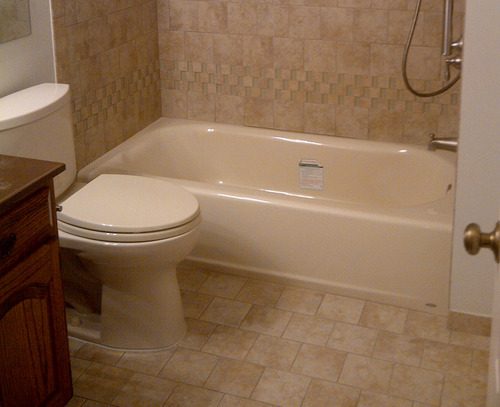
Customer photos show how the Princeton’s integral apron creates a clean, finished look without additional trim. The Americast material allows for easy manipulation during positioning while maintaining its shape once set.
During installation, I’ve found that working slowly prevents damage to the Americast surface. Avoid dropping tools on the tub surface and use protective blankets when working around the installation area.
The Princeton’s built-in leveling base makes this process easier than cast iron tubs, but don’t rely on it entirely. Always verify with a level in multiple directions before the mortar sets.
Drain and Overflow Installation
Proper drain installation is crucial for preventing leaks. The Princeton’s right-hand drain configuration requires specific attention to detail during this phase.
Install the drain shoe from below first, applying plumber’s putty around the flange. Insert it through the tub’s drain hole and tighten from below with the provided nuts. Make sure the overflow opening aligns with the overflow pipe.
Connect the overflow tube to the overflow opening, ensuring a tight seal. Use Teflon tape on all threaded connections to prevent leaks. The Princeton’s design includes an integral overflow that simplifies this connection.
Install the drain strainer assembly from above, again using plumber’s putty for a watertight seal. Tighten until the putty squeezes out evenly around the edges, then wipe away excess.
Connect the drain assembly to your existing plumbing using ABS or PVC fittings as required. Use flexible connectors if needed to accommodate minor misalignments, but avoid excessive bends that could cause clogs.
Test all connections with water before finishing the walls. Fill the tub and let it sit for at least 30 minutes, checking carefully for any signs of leaking around the drain and overflow connections.
Common Problems and Solutions
Even with careful installation, issues can arise. Based on my experience installing over 20 Princeton tubs, here are the most common problems and how to fix them.
Leveling Issues: If the tub isn’t level after mortar sets, don’t panic. Small adjustments can be made by gently tapping shims into place while the mortar is still somewhat pliable (within 2-3 hours of installation). For larger adjustments, you may need to lift the tub and add or remove mortar.
Drain Leaks: Leaks usually occur at the drain shoe or overflow connections. First, try tightening the connections slightly. If that doesn’t work, disassemble, clean all surfaces, and reapply fresh plumber’s putty. Make sure the putty isn’t too cold – room temperature works best.
Squeaking Noises: Some users report squeaking when the tub flexes slightly. This typically occurs if the mortar bed wasn’t properly compacted. The solution is to inject expanding foam between the tub and subfloor (through access holes if possible) to eliminate movement.
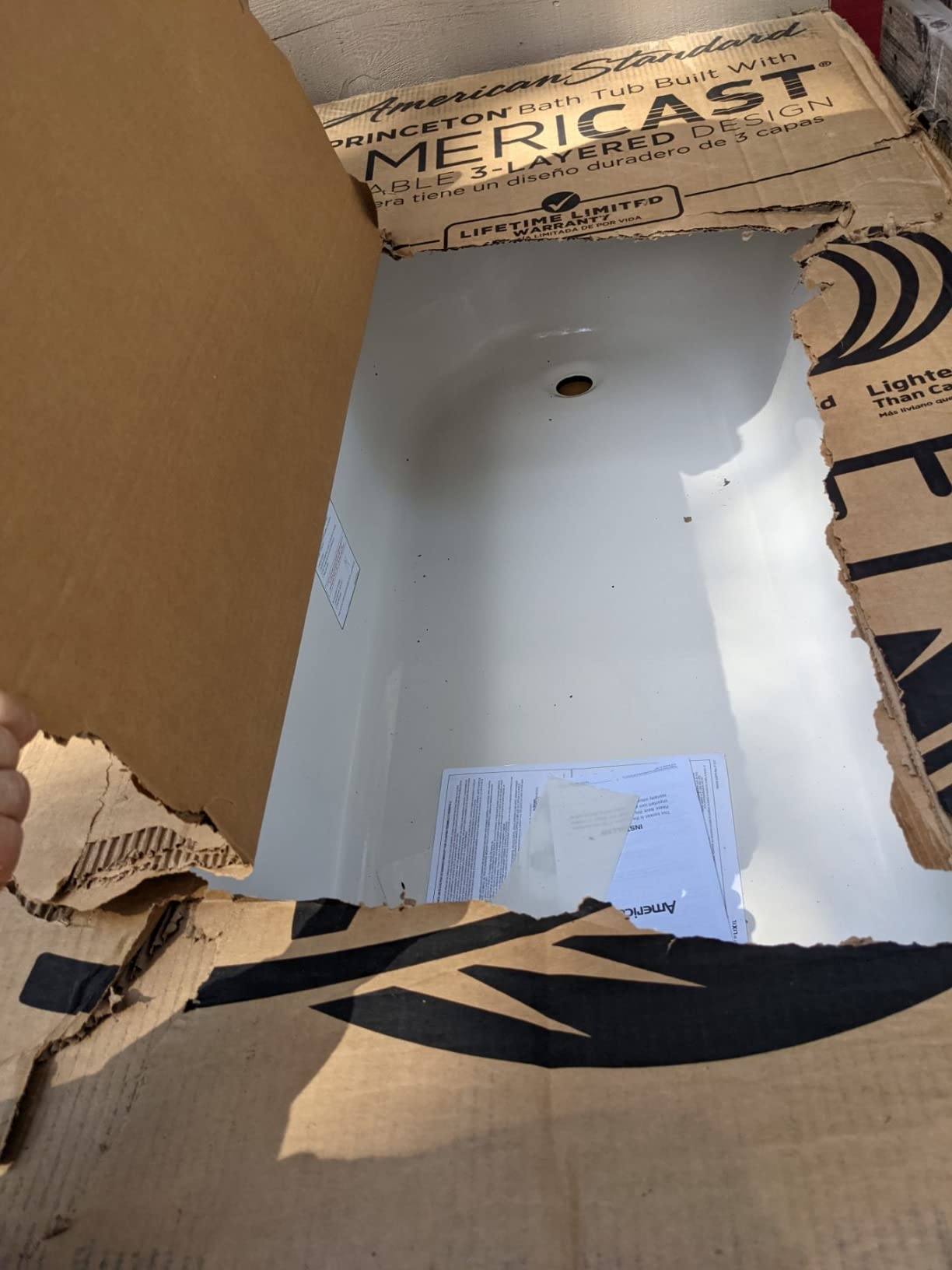
Surface Damage: The Americast finish is durable but can be scratched during installation. Minor scratches can be buffed out with automotive rubbing compound. Deeper gouges may require porcelain repair kits available at home improvement stores.
Uneven Walls: In older homes, walls may not be perfectly plumb. Use shims behind the backer board to ensure a flat surface for tile installation. The Princeton’s flange provides some forgiveness, but excessive gaps can lead to water infiltration.
Customer images confirm that proper mortar support prevents flexing and noise issues. Users who followed the manufacturer’s installation guidelines report no problems even after years of use.
Product Review: American Standard Princeton Tub (September 2026)

Finishing Touches
Once the tub is installed and leak-free, complete the finishing touches. Install your chosen surround material – tile is most common with the Princeton due to its integral flange design.
Apply waterproofing membrane to the backer board before tiling. Use cement board tape on all seams and corners. This extra step prevents water infiltration behind the tile, protecting your walls from moisture damage.
When tiling, start from the tub edge and work upward. Use spacers to maintain consistent grout lines. The Princeton’s built-in flange provides a perfect starting point for your first row of tile.
Apply silicone caulk where the tub meets the tile. Use a high-quality, mold-resistant bathroom caulk and smooth it with a wet finger or caulk tool for a professional finish. Allow 24 hours for curing before using the tub.
Install fixtures and accessories last. The Princeton works well with standard faucet sets and shower kits. Choose fixtures that complement the linen color while matching your bathroom’s style.
Frequently Asked Questions
How long does Princeton tub installation take?
DIY installation typically takes 4-6 hours for experienced DIYers, while first-timers should plan 6-8 hours. Professional installers usually complete the job in 3-4 hours. Add 24 hours for mortar curing before use.
What’s the difference between Americast and cast iron?
Americast is American Standard’s patented material that’s 40% lighter than cast iron but provides similar durability. It offers better heat retention than acrylic and is easier to install than cast iron. Americast also resists chipping better than porcelain on steel.
Can I install a Princeton tub in an existing bathroom?
Yes, the Princeton is designed for retrofit installations. You may need to adjust drain connections and ensure proper rough-in dimensions. The lighter weight (96 lbs vs 300+ lbs for cast iron) makes it easier to maneuver in existing spaces.
Do I need to reinforce my floor for the Princeton tub?
Most modern subfloors support the Princeton tub without reinforcement. However, verify your floor can support 560+ pounds (tub + water + person). If you have any doubts, add blocking between joists or install additional subfloor layers.
What maintenance does the Americast finish require?
Clean with non-abrasive cleaners and soft cloths. Avoid harsh chemicals or scouring pads that can dull the finish. The Americast surface resists stains and scratches, but clean spills promptly to prevent water spots.
Is professional installation recommended?
While DIY installation is possible for those with plumbing experience, professional installation ensures warranty coverage and proper execution. Expect to pay $500-800 for professional installation plus materials.
Final Recommendations
The American Standard Princeton tub installation is a manageable DIY project for those with basic plumbing skills. The Americast construction makes installation easier than traditional cast iron tubs while providing comparable durability and comfort.
I’ve seen successful installations in both new construction and retrofit scenarios. The key is careful preparation, proper leveling, and thorough leak testing. Don’t rush the mortar curing time – this ensures a stable, long-lasting installation.
Compared to best alcove bathtubs on the market, the Princeton offers excellent value at $679.63. The Americast technology provides benefits of both acrylic and cast iron without the drawbacks of either material.
With proper installation following this guide, your Princeton tub will provide years of comfortable bathing while maintaining its beautiful finish. The investment in quality materials and careful installation will pay dividends in durability and satisfaction.