Grow a Garden Pollen Cone Guide (September 2026)
The Pollen Cone in Grow a Garden is a rare multi-harvest Prismatic crop added during the Christmas Harvest Event on December 6, 2025. This valuable crop can be purchased from the Season 3 Pass Shop for 3,000 Season Tokens, 812 Robux, or 812 Trade Tokens, and sells for an average of 120,000 Sheckles per harvest. As the third Prismatic crop released through the Season Pass, following Naval Wort and Wyrmvine, the Pollen Cone offers players a profitable addition to their garden with its multi-harvest capability and distinctive fern-like appearance.
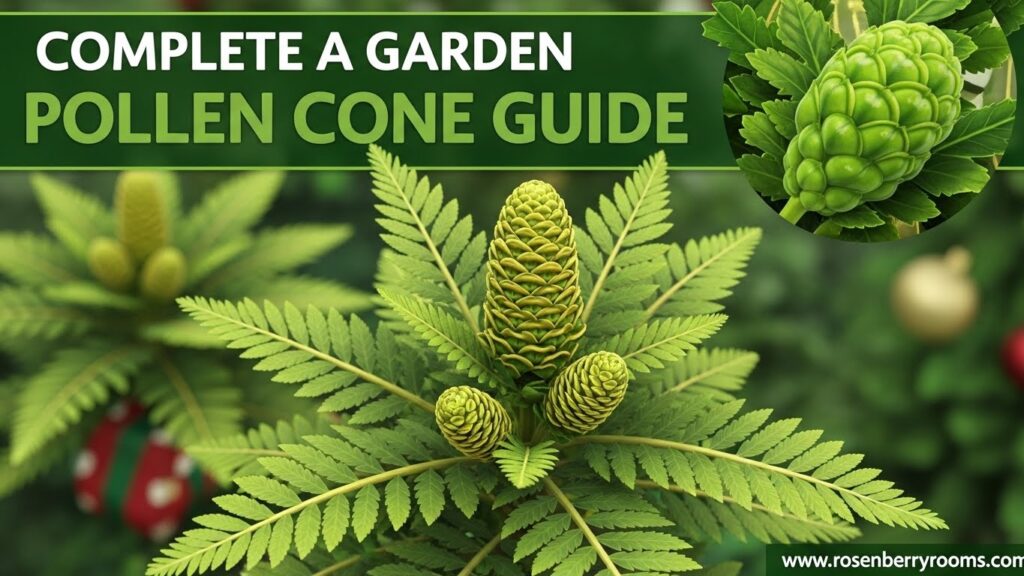
Quick Reference: Pollen Cone Overview
| Attribute | Details |
|---|---|
| Rarity | Prismatic |
| Obtained From | Season 3 Pass Shop |
| Purchase Cost | 3,000 Season Tokens / 812 Robux / 812 Trade Tokens |
| Average Sale Value | 120,000 Sheckles |
| Harvest Type | Multi-harvest |
| Event Release | Christmas Harvest Event (December 6, 2025) |
| Produce Appearance | Fern-like with center similar to Giant Pinecone |
This comprehensive guide will walk you through everything you need to know about obtaining, farming, and maximizing profits with the Pollen Cone, including advanced strategies, mutation possibilities, and how it compares to other Prismatic crops in the game.
Contents
What is the Pollen Cone?
The Pollen Cone represents one of the most sought-after additions to the Grow a Garden universe, introduced as part of the festive Christmas Harvest Event. As a Prismatic-tier crop, it stands among the elite plants in the game, offering both aesthetic appeal and substantial financial returns for dedicated players.
Key Characteristics
Rarity and Classification: The Pollen Cone is classified as a Prismatic crop, placing it in the highest tier of plants available in Grow a Garden. This rarity classification not only makes it a status symbol among players but also ensures its value remains high in the game’s economy.
Visual Appearance: True to its name, the Pollen Cone produces harvests that appear fern-like in structure, with the center portion bearing resemblance to the Giant Pinecone’s produce but featuring different coloration. This unique appearance makes it easily identifiable and adds visual variety to your garden layout.
Multi-Harvest Capability: Unlike some high-tier crops that provide only a single harvest, the Pollen Cone is a multi-harvest plant, meaning it will continue to produce valuable yields over time. This characteristic significantly enhances its long-term profitability and makes it an excellent investment for players looking to build sustainable income streams.
Event Significance: As part of the Christmas Harvest Event, the Pollen Cone carries additional prestige. The event, which began on December 6, 2025, introduced 14 new plants to the game, with the Pollen Cone being one of the most coveted due to its Prismatic classification and Season Pass exclusivity.
How to Obtain the Pollen Cone?
Acquiring the Pollen Cone requires strategic planning and resource management, as it’s not readily available through conventional means. Here’s everything you need to know about adding this valuable crop to your collection.
Season Pass Shop Access
The primary method of obtaining the Pollen Cone is through the Season 3 Pass Shop. To access this exclusive marketplace, follow these steps:
- Navigate to the Season Pass: Open your game interface and locate the Season Pass section, typically found in the main menu or through a dedicated button on your screen.
- Enter the Pass Store: Once in the Season Pass interface, look for and click on the “Pass Store” option. This will open a marketplace featuring various exclusive items available for purchase.
- Locate the Pollen Cone: Scroll through the available items until you find the Pollen Cone seed. Due to its high demand and limited availability, it may not always be in stock, so persistence is key.
Purchase Options and Currency
The Pollen Cone offers three different purchase methods, catering to different player preferences and resource availability:
Season Tokens (Recommended): 3,000 Season Tokens
- This is the most cost-effective method for players who have been actively participating in the Season Pass
- Season Tokens are earned through regular gameplay and completing Season Pass challenges
- Using Season Tokens preserves your Robux and Trade Tokens for other essential purchases
Robux: 812 Robux
- For players willing to invest real money into the game
- Robux is Roblox’s premium currency, purchased with real-world money
- While convenient, this method is generally not recommended unless you have surplus Robux
Trade Tokens: 812 Trade Tokens
- For players who engage in trading and have accumulated this currency
- Trade Tokens are typically earned through player-to-player trading activities
- This option provides flexibility for active traders in the community
Stock Availability and Timing
One of the biggest challenges in obtaining the Pollen Cone is its limited stock availability. Here are some important considerations:
Limited Stock Periods: The Pollen Cone is frequently out of stock in the Pass Store, making it a rare commodity even for players with sufficient currency.
Restock Patterns: While exact restock times aren’t publicly documented, experienced players recommend checking the store multiple times daily, particularly after server resets or major updates.
Competition: Due to its high value and limited availability, you’ll be competing with many other players seeking to purchase the Pollen Cone when it does appear in stock.
Purchase Strategy: Consider setting aside the required currency in advance so you’re prepared to make the purchase immediately when the Pollen Cone becomes available.
Farming and Profit Maximization
Once you’ve successfully obtained the Pollen Cone, the next step is to implement effective farming strategies to maximize your returns. This section covers everything from basic cultivation to advanced profit optimization techniques.
Basic Cultivation Requirements
Planting Conditions: The Pollen Cone, like other Prismatic crops, has specific requirements for optimal growth. While exact growing conditions aren’t extensively documented, players report that it benefits from:
- Adequate spacing to accommodate its multi-harvest nature
- Proper irrigation systems to support continuous production
- Suitable garden layout that allows for easy harvesting
Growth Cycle: As a multi-harvest crop, the Pollen Cone follows a growth cycle that includes:
- Initial planting and germination period
- Growth phases leading to first harvest
- Subsequent regrowth periods for additional harvests
- Potential decline in productivity over multiple harvests
Profit Analysis and ROI
Base Sale Value: The Pollen Cone sells for an average of 120,000 Sheckles per harvest, making it one of the more profitable crops in the game.
Multi-Harvest Advantage: Unlike single-harvest Prismatic crops, the Pollen Cone’s ability to produce multiple yields significantly improves its return on investment (ROI). Consider this breakdown:
- Initial Investment: 3,000 Season Tokens (or equivalent in other currencies)
- First Harvest: 120,000 Sheckles
- Subsequent Harvests: Additional 120,000 Sheckles each
- Break-even Point: Typically achieved after the first harvest
- Profit Margin: Substantial, especially considering multiple harvests
Comparison to Other Prismatic Crops: While the Pollen Cone is profitable, it’s worth noting that some other Prismatic crops offer higher individual harvest values:
- Romanesco and Cocomango generally provide better per-harvest returns
- However, these may lack the multi-harvest capability that makes the Pollen Cone valuable over time
Advanced Farming Strategies
Garden Layout Optimization: To maximize your Pollen Cone production, consider these layout strategies:
- Dedicated Sections: Allocate specific areas of your garden exclusively for Pollen Cone cultivation
- Sprinkler Coverage: Ensure optimal sprinkler placement to maintain all Pollen Cone plants without wasting resources
- Harvesting Efficiency: Design your layout to minimize movement during harvesting sessions
Resource Management: Effective resource management is crucial for maximizing Pollen Cone profits:
- Water Management: Implement efficient irrigation systems to reduce water costs
- Fertilizer Usage: Consider using fertilizers during critical growth phases to boost yield
- Labor Optimization: Time your harvesting sessions to coincide with peak productivity periods
Market Timing: Understanding market dynamics can help you maximize profits:
- Supply and Demand: Monitor the in-game economy to identify optimal selling periods
- Event Synergies: Leverage special events that might increase demand for Prismatic crops
- Bulk Selling: Consider accumulating multiple harvests for bulk sales to potentially secure better prices
Mutations and Genetic Variations
One of the most exciting aspects of Grow a Garden is the mutation system, which allows crops to develop unique characteristics and potentially increase their value. The Pollen Cone, being a Prismatic crop, has access to an extensive range of possible mutations.
Understanding the Mutation System
Mutation Basics: Mutations in Grow a Garden are genetic variations that can occur during crop growth, resulting in different appearances, properties, and values. These mutations can range from common to extremely rare, with some offering substantial multipliers to the base crop value.
Mutation Probability: The likelihood of mutations occurring depends on various factors, including:
- Base crop rarity (Prismatic crops have different mutation tables)
- Growing conditions and care
- Random chance elements built into the game mechanics
- Special items or boosts that might influence mutation rates
Pollen Cone Mutation Categories
Based on the comprehensive mutation list available in the game, the Pollen Cone can potentially develop numerous mutations across different categories:
Elemental Mutations: These mutations align the crop with various elements and forces:
- Abyssal, Acidic, Alienlike, Amber, AncientAmber, Arid
- Blazing, Blight, Blitzshock, Bloodlit, Brewed, Burnt
- Chilled, Corrosive, Corrupt, Cosmic, Cracked, Crystalized
- Cyclonic, Eclipsed, Flaming, Frozen, Galactic, Geode
- Glacial, Glimmering, Glitched, Gloom, Infernal, Molten
- Plasma, Radioactive, Shadowbound, Shocked, Sizzled, Static
- Stormcharged, Subzero, Tempestuous, Toxic, Volcanic, Warped
Cosmic and Mystical Mutations: These rare mutations connect the crop to cosmic and mystical forces:
- Astral, Aurora, Azure, Celestial, Chakra, Dawnbound
- Eclipsed, Fortune, Galactic, Ghostly, Gilded, HarmonisedChakra
- Heavenly, Luminous, Moonbled, Moonlit, Nocturnal, Rainbow
- Twisted, Twilight, Umbral, Voidtouched, Windstruck
Value-Enhancing Mutations: Some mutations specifically increase the crop’s market value:
- Coin, Fortune, Gilded, Gold, Jackpot
- These mutations can significantly boost the already substantial base value of the Pollen Cone
Aesthetic Mutations: These mutations primarily affect the visual appearance:
- Aromatic, Bloom, Choc, Cloudtouched, Disco, Glossy
- Graceful, Gourmet, HoneyGlazed, Ornamented, Paradisal
- Peppermint, Rainbow, Sandy, Spooky, Tranquil, Verdant
Mutation Farming Strategies
Creating Optimal Conditions: To encourage beneficial mutations, consider these strategies:
- Environmental Control: Manipulate growing conditions to favor specific mutation types
- Special Items: Use items that boost mutation rates or influence mutation outcomes
- Selective Breeding: Save seeds from successfully mutated crops for future planting
Value Maximization: Focus on mutations that offer the best return on investment:
- High-Value Targets: Prioritize mutations that offer substantial value multipliers
- Market Demand: Consider which mutations are most sought after in the trading community
- Rarity vs. Utility: Balance the pursuit of rare mutations with practical utility
Documentation and Tracking: Keep detailed records of your mutation attempts:
- Success Rates: Track which methods yield the best mutation results
- Pattern Recognition: Look for patterns in mutation occurrence
- Resource Investment: Monitor the resources spent versus returns from mutated crops
Comparison with Other Prismatic Crops
Understanding how the Pollen Cone compares to other Prismatic crops is essential for making informed decisions about your garden composition and resource allocation. This section provides a comprehensive comparison to help you determine where the Pollen Cone fits in your overall strategy.
Prismatic Crop Hierarchy
Current Prismatic Landscape: As of September 2026, Grow a Garden features 20 Prismatic crops, each with unique characteristics and value propositions. The Pollen Cone occupies a specific niche within this ecosystem.
Season Pass Progression: The Pollen Cone represents the third Prismatic crop released through the Season Pass system:
- Naval Wort: The first Season Pass Prismatic crop
- Wyrmvine: The second Season Pass Prismatic crop
- Pollen Cone: The third Season Pass Prismatic crop (current focus)
Direct Comparisons
Pollen Cone vs. Romanesco/Cocomango:
- Romanesco/Cocomango: Higher individual harvest values
- Pollen Cone: Multi-harvest capability provides better long-term returns
- Strategic Choice: Romanesco/Cocomango for immediate high returns, Pollen Cone for sustained income
Pollen Cone vs. Single-Harvest Prismatics:
- Single-Harvest Crops: Often provide higher per-harvest values but require replanting
- Pollen Cone: Lower per-harvest value but continuous production without replanting costs
- Resource Efficiency: Pollen Cone reduces the need for constant seed purchasing and planting
Pollen Cone vs. Other Multi-Harvest Crops:
- Growth Rate: Compare growth cycles to determine optimal production timing
- Space Efficiency: Consider space requirements versus yield potential
- Resource Consumption: Evaluate water, fertilizer, and other resource needs
Strategic Positioning
Early Game vs. Late Game Value:
- Early Game: The Pollen Cone’s multi-harvest nature makes it valuable for building sustainable income
- Late Game: As players accumulate more resources, the focus may shift to higher-value single-harvest crops
Portfolio Diversification: Smart players often maintain a diverse crop portfolio:
- Stability: Multi-harvest crops like Pollen Cone provide stable income
- Growth: Higher-value crops offer potential for rapid wealth accumulation
- Balance: Finding the right balance depends on individual playstyle and goals
Market Dynamics: Understanding the in-game economy helps optimize crop selection:
- Supply and Demand: Monitor which crops are over or under-supplied
- Trading Opportunities: Some crops may have better trading potential than others
- Event Influences: Special events can temporarily alter crop values and demand
Advanced Tips and Expert Strategies
For players looking to maximize their success with the Pollen Cone, these advanced strategies and expert tips can provide the edge needed to dominate the Grow a Garden economy.
Resource Optimization Techniques
Currency Management: Smart management of your various currencies is crucial:
- Season Token Strategy: Save Season Tokens specifically for Pollen Cone purchases
- Robux Allocation: If using Robux, ensure you’re getting the best value for your investment
- Trade Token Planning: Consider the opportunity cost of using Trade Tokens for Pollen Cone versus other rare items
Garden Space Optimization: Make the most of your available garden space:
- Layout Efficiency: Design layouts that maximize Pollen Cone density while maintaining accessibility
- Vertical Space: If applicable, consider vertical growing techniques to increase yield per square unit
- Crop Rotation: Implement rotation strategies to maintain soil health and productivity
Automation and Scaling: As your operation grows, consider automation:
- Sprinkler Systems: Invest in advanced sprinkler systems for efficient irrigation
- Harvesting Tools: Use tools that speed up the harvesting process
- Expansion Planning: Plan for garden expansion to accommodate more Pollen Cone plants
Market and Trading Strategies
Timing the Market: Understanding market cycles can significantly impact profits:
- Peak Demand Periods: Identify when demand for Prismatic crops is highest
- Supply Fluctuations: Monitor when supply is low to command higher prices
- Event-Based Trading: Leverage special events that might increase crop values
Trading Community Engagement: Active participation in the trading community offers advantages:
- Network Building: Build relationships with other traders for better deals
- Information Access: Stay informed about market trends and opportunities
- Reputation Management: Develop a positive trading reputation for better opportunities
Bulk vs. Individual Sales: Decide on the best sales strategy:
- Bulk Sales: Sell large quantities at once for quick returns
- Individual Sales: Maximize per-unit value through strategic individual sales
- Hybrid Approach: Combine both methods based on market conditions
Long-Term Planning
Sustainable Growth: Plan for long-term success with the Pollen Cone:
- Reinvestment Strategy: Determine how much profit to reinvest versus keep
- Diversification: Expand into other crops while maintaining Pollen Cone production
- Goal Setting: Set clear, achievable goals for your Pollen Cone operation
Adaptation to Updates: Stay flexible as the game evolves:
- Meta Changes: Be prepared to adapt strategies as the game meta shifts
- New Content: Evaluate how new crops and features might affect Pollen Cone value
- Community Feedback: Stay connected with the community for insights and strategies
Common Mistakes to Avoid
Even experienced players can make mistakes when dealing with rare and valuable crops like the Pollen Cone. This section highlights common pitfalls and how to avoid them.
Acquisition Mistakes
Impulse Purchasing: Avoid buying the Pollen Cone without proper planning:
- Currency Preparation: Ensure you have the optimal currency type saved
- Timing: Purchase when you have the infrastructure to support it
- Research: Understand the crop’s requirements before investing
Overpaying: Be smart about which currency option you choose:
- Season Token Priority: Generally the most cost-effective option
- Robux Caution: Avoid using Robux unless absolutely necessary
- Trade Token Value: Consider what else you could purchase with Trade Tokens
Farming Errors
Neglecting Multi-Harvest Potential: Don’t treat the Pollen Cone like a single-harvest crop:
- Continuous Care: Maintain proper care between harvests
- Harvest Timing: Don’t delay harvesting when crops are ready
- Replanting Strategy: Plan for when to finally replant versus continuing harvests
Resource Mismanagement: Poor resource management can erode profits:
- Over-Irrigation: Avoid wasting water on over-irrigation
- Fertilizer Waste: Use fertilizers strategically, not excessively
- Space Inefficiency: Don’t waste valuable garden space on poor layouts
Strategic Blunders
Short-Term Thinking: Don’t focus only on immediate profits:
- Long-Term Planning: Consider the Pollen Cone’s role in your long-term strategy
- Sustainability: Ensure your approach is sustainable over time
- Growth Planning: Plan for expansion and scaling of your operation
Ignoring Market Dynamics: Failing to understand the market can be costly:
- Price Monitoring: Keep track of Pollen Cone price trends
- Demand Awareness: Understand factors affecting demand
- Competition: Be aware of how other players’ actions affect the market
Community Resources and Official Channels
Staying connected with the Grow a Garden community and official channels is essential for maximizing your success with the Pollen Cone and staying updated on the latest developments.
Official Resources
Developer/Publisher Website: The official game website provides:
- Latest News: Stay informed about updates and events
- Official Announcements: Get direct information from developers
- Patch Notes: Understand how changes might affect the Pollen Cone
Official Social Media Accounts: Follow these platforms for real-time updates:
- Twitter: Quick updates and community engagement
- Facebook: More detailed posts and community features
- Instagram: Visual content and behind-the-scenes insights
Official Discord Community: Join the official Discord for:
- Real-Time Discussions: Engage with other players in real-time
- Developer Q&A: Participate in question and answer sessions
- Exclusive Content: Access to exclusive information and events
Official YouTube Channel: Subscribe for:
- Video Tutorials: Visual guides for advanced strategies
- Developer Commentary: Insights directly from the development team
- Event Coverage: Comprehensive coverage of special events
Community Resources
Reddit Communities: These subreddits offer valuable community insights:
- r/growagarden: Main community for general discussions
- r/growagardengiveaways: For community giveaways and events
- r/GAGTradingHub: Specifically for trading activities
Game Wikis and Knowledge Bases: These resources provide comprehensive information:
- Grow a Garden Wiki: Detailed information about all game aspects
- Fandom Pages: Community-maintained resources with up-to-date information
- Strategy Guides: Player-created guides for advanced strategies
Fan Communities and Forums: Engage with dedicated fan communities:
- Fan Discord Servers: Specialized communities for specific aspects of the game
- Gaming Forums: Broader gaming communities with Grow a Garden sections
- Social Media Groups: Facebook groups and other social media communities
Frequently Asked Questions
General Questions
Q: What exactly is the Pollen Cone in Grow a Garden?
A: The Pollen Cone is a rare multi-harvest Prismatic crop introduced during the Christmas Harvest Event on December 6, 2025. It’s known for its fern-like produce appearance and high value, selling for an average of 120,000 Sheckles per harvest.
Q: How rare is the Pollen Cone compared to other crops?
A: As a Prismatic-tier crop, the Pollen Cone is among the rarest crops in Grow a Garden. It’s the third Prismatic crop released through the Season Pass system, following Naval Wort and Wyrmvine, making it relatively rare and valuable.
Acquisition and Availability
Q: Where can I buy the Pollen Cone?
A: The Pollen Cone is available in the Season 3 Pass Shop. You can access it by opening the Season Pass and clicking on the Pass Store, then scrolling down to find this Prismatic crop.
Q: How much does the Pollen Cone cost?
A: The Pollen Cone can be purchased using three different currencies: 3,000 Season Tokens, 812 Robux, or 812 Trade Tokens. Using Season Tokens is generally recommended as the most cost-effective option.
Q: Why is the Pollen Cone often out of stock?
A: Due to its high value and limited availability, the Pollen Cone frequently goes out of stock in the Pass Store. This scarcity is intentional to maintain its rarity and value within the game’s economy.
Farming and Profitability
Q: Is the Pollen Cone worth the investment?
A: Yes, the Pollen Cone is generally considered a good investment due to its multi-harvest capability. While some other Prismatic crops offer higher per-harvest values, the Pollen Cone’s ability to produce multiple yields makes it profitable over time.
Q: How does the Pollen Cone compare to other Prismatic crops?
A: The Pollen Cone offers a balance of good value and multi-harvest convenience. While crops like Romanesco and Cocomango may offer higher individual harvest values, the Pollen Cone’s continuous production without replanting costs makes it excellent for sustainable income.
Q: What’s the best strategy for farming Pollen Cone?
A: The best strategy includes purchasing with Season Tokens, optimizing garden layout for efficient harvesting, maintaining proper irrigation, and focusing on beneficial mutations to increase value. Long-term planning and market awareness are also crucial.
Mutations and Variations
Q: Can the Pollen Cone mutate like other crops?
A: Yes, the Pollen Cone can develop numerous mutations across various categories, including elemental, cosmic, value-enhancing, and aesthetic mutations. Some mutations can significantly increase its base value.
Q: What are the most valuable Pollen Cone mutations?
A: Value-enhancing mutations like Coin, Fortune, Gilded, Gold, and Jackpot typically offer the best returns. However, rare elemental or cosmic mutations can also be highly valuable due to their scarcity.
Technical and Gameplay Questions
Q: Do I need special equipment to grow the Pollen Cone?
A: While the Pollen Cone doesn’t require special equipment, optimal growth benefits from proper irrigation systems, adequate garden space, and appropriate care. Advanced players often use sprinklers and other tools to maximize efficiency.
Q: Can I trade Pollen Cone seeds with other players?
A: Yes, Pollen Cone seeds can be traded with other players, making them valuable commodities in the trading community. However, be cautious of scams and ensure fair trade values.
Q: Will the Pollen Cone be available after the Christmas Harvest Event?
A: As a Season Pass item, the Pollen Cone is expected to remain available through the Season 3 Pass Shop, though its stock availability may continue to be limited. Keep checking the store regularly for opportunities to purchase.
Conclusion and Final Recommendations
The Pollen Cone represents one of the most exciting and valuable additions to Grow a Garden in recent memory. As a multi-harvest Prismatic crop with strong profit potential and unique characteristics, it offers both immediate value and long-term sustainability for dedicated players.
Key Takeaways
Strategic Value: The Pollen Cone’s multi-harvest nature makes it an excellent choice for players looking to build sustainable income streams. While it may not offer the highest per-harvest values among Prismatic crops, its ability to produce continuously without replanting costs provides significant advantages.
Acquisition Strategy: Successfully obtaining the Pollen Cone requires patience and preparation. Save your Season Tokens in advance, monitor the Pass Store regularly, and be ready to purchase immediately when it becomes available.
Farming Excellence: Optimize your Pollen Cone farming through careful garden layout design, efficient resource management, and strategic mutation farming. Focus on creating systems that maximize both yield and profit over time.
Community Engagement: Stay connected with the Grow a Garden community through official channels and fan resources. The collective knowledge and experience of other players can provide invaluable insights and strategies.
Final Recommendations
For New Players: If you’re new to Grow a Garden, consider building up your resources and understanding basic game mechanics before pursuing the Pollen Cone. While valuable, it requires some experience to farm effectively.
For Experienced Players: The Pollen Cone should be a priority addition to your crop portfolio. Its multi-harvest nature complements other high-value crops and provides stable income to support further expansion.
For Collectors: As the third Season Pass Prismatic crop, the Pollen Cone holds significant collection value. Consider acquiring it even if purely for collection purposes, as its rarity is likely to increase over time.
For Profit-Focused Players: Focus on optimizing your Pollen Cone operation through efficient farming, beneficial mutations, and smart market timing. The crop’s multi-harvest nature provides excellent opportunities for profit maximization.
The Pollen Cone is more than just another crop in Grow a Garden—it’s a strategic asset that can significantly enhance your gameplay experience and financial success in the game. By following the strategies and recommendations outlined in this guide, you’ll be well-positioned to make the most of this valuable Prismatic crop and establish yourself as a top player in the Grow a Garden community.
Remember to stay updated with the latest game developments, engage with the community, and continuously refine your strategies as the game evolves. The world of Grow a Garden is always changing, and staying adaptable is key to long-term success with valuable crops like the Pollen Cone.
Happy farming, and may your garden flourish with abundant Pollen Cone harvests in September 2026 and beyond!