What Is An Ottoman? Complete Guide for 2026
An ottoman is a low, upholstered piece of furniture without a back or arms that serves as a footrest, extra seating, coffee table, or storage solution. Originating from the Ottoman Empire in the late 18th century, this versatile furnishing features padded cushions covered in fabric or leather and typically rests on wooden or metal legs. Ottomans range from simple footstools to multifunctional pieces with hidden compartments.
As a lover of all things related to home decor and furniture, I felt like it was high time I shared my knowledge on a classic piece that has managed to wow homeowners and interior designers alike for centuries. So, what is an Ottoman? In this complete guide, we’ll leave no stone unturned as we delve into the fascinating world of Ottomans and explore their history, styles, and how you can use them in your own space.
Contents
Growing up, I never knew there was more to this cozy piece of furniture than just being a comfortable footrest. My family had one that served primarily as a place for dad to prop up his feet after a long day at work. But having now discovered the full potential of Ottomans, I find myself constantly devising ways to incorporate these versatile beauties into every room in my home.
Speaking from experience (and backed by countless others who have basked in its glory), the Ottoman is one piece that truly deserves recognition for both its aesthetic appeal and unique functionality. Stick with me through this comprehensive journey into all things Ottoman-related as we uncover interesting tidbits about how this historical gem came into existence and how you can effortlessly blend it into your modern-day living spaces!
What is an Ottoman?

An Ottoman is a versatile piece of furniture that can serve multiple purposes; from being a footrest, to additional seating, storage, and even as a coffee table. Typically, Ottomans are upholstered with padding and covered in various fabrics or leather.
They come in different shapes and sizes, making them the perfect addition to any interior design style or living space. Due to their adaptability, Ottomans continue to be a popular home decor choice among homeowners and designers alike.
The History of the Ottoman
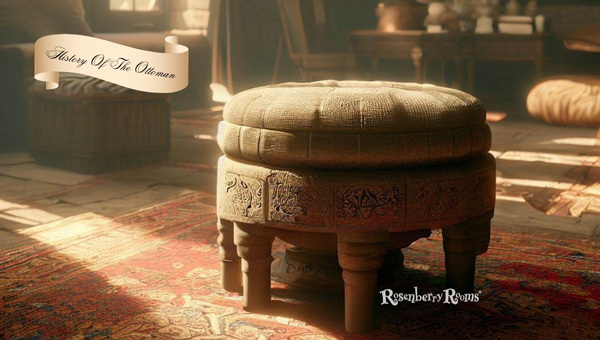
Originating in the late 18th century, the Ottoman’s roots can be traced back to the Ottoman Empire, which was known for its luxurious and elaborate furniture designs. The early versions of Ottomans were primarily used as central seating areas in homes, surrounded by cushions and covered with lavish textiles.
During the Victorian era, Ottomans transformed into a more refined piece of furniture. They were often used as footstools or additional seating in living rooms. To accommodate these new uses, Ottomans began to be made in various shapes, sizes, and materials.
It wasn’t until the 20th century that Ottomans gained their modern-day versatility. Furniture designers recognized their potential and started incorporating innovative features like storage compartments and convertible designs. This evolution has turned Ottomans into one of the most popular multifunctional furniture pieces available today.
In essence, the Ottoman’s rich history aptly demonstrates its adaptability over time to meet the ever-changing needs of homeowners. From being a luxurious symbol in ancient times to a practical element of modern-day living spaces, Ottomans have certainly come a long way!
Types and Shapes of Ottomans
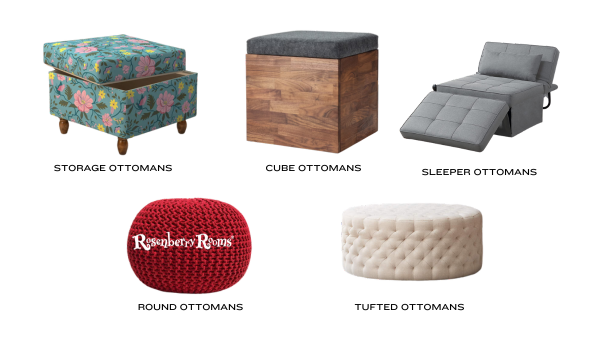
Ottomans come in a wide variety of shapes, styles, and sizes to suit any room or design aesthetic. In this section, we will explore the different types and shapes of Ottomans to help you find the perfect match for your home.
1. Storage Ottomans
Storage Ottomans are incredibly versatile pieces that combine the best of both worlds: style and function. These cleverly designed Ottomans not only provide a comfortable place to sit or rest your feet but also include hidden storage compartments beneath their upholstered tops.
Many storage Ottomans have removable lids or tops with hinges that can be easily opened to store anything from blankets and pillows to magazines, toys, or even shoes. This makes them especially valuable for families who need to keep clutter at bay while maintaining a polished look.
2. Round Ottomans
If you’re looking for a softer aesthetic or want to create a more inviting atmosphere in your living space, consider adding a charming round Ottoman.
They bring curves into angular spaces and can often act as both seating and coffee table, particularly when paired with a tray on top. The circular shape lends itself well to complementing furniture items like sofas, armchairs, or sectional pieces. Round ottomans also work beautifully in conversation areas where their shape encourages easy flow and movement around the room.
3. Square Ottomans
Functionality meets chic design with square Ottomans which are perfect for those who gravitate towards clean lines and symmetry in their interiors. The square shape adapts well to many room layouts while providing ample surface area for resting feet or extra seating when needed.
Square ottomans pair wonderfully with sectional sofas and can be positioned at corners or centered in front of seating arrangements for maximum versatility.
4. Rectangular Ottomans
Ideal for elongated spaces or as a complementing element placed between two sofas facing each other, rectangular Ottomans work well as coffee tables by providing plenty of surface area on top without sacrificing style points. These elongated pieces are particularly popular for use with sectional sofas, where their shape mirrors the linear configuration of the seating.
Rectangular ottomans also excel in entryways as shoe storage benches, offering both a convenient place to sit while putting on shoes and hidden storage for footwear.
5. Cube Ottomans
Compact and contemporary, cube Ottomans are an excellent choice for small spaces or as accents to larger furniture pieces. When placed together in a group, they can form a modular seating area or even act as a visually intriguing coffee table.
Cube ottomans offer tremendous flexibility since you can easily move them around your space as needed. Pull one up for extra seating during parties, use them as bedside tables, or scatter several throughout a room for casual, flexible seating options.
6. Tufted Ottomans
For those who appreciate the finer details and elegance of traditional design, tufted Ottomans make an opulent statement in any room. With their distinctive button-tufted upholstery, these Ottomans often feature luxurious fabrics like velvet or leather and intricate wood or metal legs.
The tufting technique involves pulling fabric tight and securing it with buttons, creating beautiful diamond or square patterns across the surface. This classic detail adds visual depth and sophistication, making tufted ottomans ideal focal points in formal living rooms or master bedrooms.
7. Glider Ottomans
If you’re seeking ultimate relaxation, look no further than glider Ottomans. These unique pieces are designed to rock back and forth gently, providing a soothing motion that pairs well with rocking chairs or nursery gliders.
Glider ottomans are a nursery essential, offering tired parents a comfortable place to rest their feet during late-night feedings. If you’re furnishing a nursery, consider pairing a glider ottoman with one of our recommended recliners with ottomans for the ultimate relaxation setup.
8. Cocktail Ottomans
Elevate your entertaining game with a cocktail Ottoman, which is larger and sturdier than most other types, making them perfect for serving beverages and snacks when hosting guests. They often feature robust materials like metal or wood legs for added stability.
Cocktail ottomans typically have firmer cushioning to provide a stable surface for trays and drinks. Some even come with built-in trays or reversible tops that flip over to reveal a hard surface for serving. This makes them ideal replacements for traditional coffee tables in homes where soft edges are preferred.
9. Sleeper Ottomans
If you find yourself short on sleeping quarters for guests, sleeper Ottomans are an ideal space-saving solution. These versatile pieces convert into twin-sized beds by unfolding the mattress hidden within the Ottoman’s base.
Sleeper ottomans are perfect for studio apartments, home offices that double as guest rooms, or any space where you need occasional overnight accommodations without sacrificing square footage. When not in use as a bed, they function just like any other ottoman, providing seating, footrest, or coffee table utility.
10. Hallway or Entryway Shoe Storage Benches (Ottoman benches)
For busy households needing organizational solutions at the front door, consider incorporating an Ottoman bench into your entryway decor. These stylish yet practical designs provide a comfortable place to sit while donning shoes, alongside hidden compartments ideal for storing footwear and other essentials.
Entryway ottoman benches help maintain order in high-traffic areas while creating a welcoming first impression for guests. Many feature cubbies or shelves for shoe organization beneath a padded seat, combining storage and seating in one attractive package.
11. Outdoor Ottomans
Enjoy your outdoor spaces in style with outdoor Ottomans, created from weather-resistant materials to withstand the elements. These pieces offer additional seating, a place to prop up your feet, or even serve as side tables for outdoor gatherings.
Outdoor ottomans are typically made from materials like resin wicker, teak, aluminum, or all-weather fabrics that resist fading, moisture, and mildew. They’re perfect additions to patios, decks, poolside areas, or sunrooms where you want to extend your living space outdoors.
12. Pouf Ottoman (or simply called poufs)
Inspired by Moroccan design, poufs are a more casual version of an Ottoman. Often made from woven textiles and filled with beads, cotton, or foam, poufs provide a relaxed and boho-chic vibe while still maintaining their functionality as extra seating or footrests.
Unlike structured ottomans, poufs are typically backless and legless, sitting directly on the floor. This makes them easy to move around and perfect for casual, eclectic spaces. They work wonderfully in children’s rooms, reading nooks, or any area where you want to add texture and informal seating.
13. Kilim or Bohemian-style Ottoman
For those who adore vibrant patterns and intricate designs, Kilim or Bohemian-style Ottomans are an excellent addition to any space seeking an eclectic touch. These Ottomans are often adorned with colorful flat-weave rugs covering the upholstered surface and usually supported by rustic wooden legs.
Kilim ottomans bring global inspiration and artisanal craftsmanship into your home. Each piece tells a story through its traditional patterns and handcrafted construction, making them conversation starters as well as functional furniture.
Are Ottomans Still in Style?
Yes, ottomans are absolutely still in style in 2026. In fact, they’ve become more popular than ever as homeowners embrace multifunctional furniture that adapts to modern lifestyles. Interior designers continue to recommend ottomans as versatile pieces that solve multiple needs while adding visual interest to spaces.
Current design trends in 2026 show ottomans thriving in several areas. Boucle and textured fabrics are particularly trendy, adding warmth and tactile appeal to living spaces. Performance fabrics designed to resist stains and wear have made ottomans more practical than ever for busy households. Velvet ottomans in rich jewel tones remain popular for adding a touch of luxury.
The rise of smaller living spaces has also boosted ottoman popularity. As more people downsize or embrace minimalist living, furniture that serves multiple purposes becomes essential. An ottoman that functions as a coffee table, extra seating, footrest, and storage unit all in one piece is invaluable for maximizing limited square footage.
Additionally, the growing preference for softer, safer furniture in homes with children has made ottomans a smart alternative to traditional coffee tables with sharp corners. Many families are choosing upholstered ottomans over hard-edged tables, creating safer environments for little ones while maintaining style and functionality.
Components and Versatility

One of the things that make Ottomans such a beloved piece of furniture is their versatility. There are numerous ways to use them in your home, thanks to their unique components and various styles. Below, we’ll examine some key aspects of Ottomans that contribute to their adaptability.
Upholstery and Padding
Ottomans are typically upholstered, which means they are covered in fabric or leather with cushioning beneath for added comfort. This cushioning, combined with the luxurious upholstery materials like velvet, cowhide, or durable performance fabrics, allows for comfortable seating or a plush surface to rest weary feet.
The padding inside an ottoman varies by quality and intended use. High-density foam provides firm support for seating, while softer fillings create a more relaxed feel for footrest use. Premium ottomans often feature multiple layers of padding for optimal comfort and longevity.
Styles and Designs
As previously mentioned, Ottomans come in an array of shapes and styles from traditional tufted designs to sleek modern options, making it easy to find one that complements your existing interior design aesthetic.
Design elements like nailhead trim, skirted bottoms, exposed wooden legs, and button tufting allow you to choose an ottoman that either blends seamlessly with your decor or makes a bold statement as an accent piece.
Legs and Base Material
Many Ottomans feature distinctive legs made from wood or metal, which not only provide structural support but also contribute significantly to the overall style of the piece. Some storage Ottomans might have caster wheels for added mobility or a recessed base for added stability while concealing an extra storage area.
The base construction is crucial for durability. Solid wood frames provide the best longevity, while some budget options use particleboard or even cardboard. When shopping for an ottoman, pay attention to the frame construction, especially if you plan to use it for seating regularly.
With all these components in mind, it’s apparent why Ottomans are beloved versatile home furnishings that can be used as seating in living rooms or bedrooms, as footstools paired with comfortable chairs, coffee tables with decorative trays on top for added style and function (think remotes or coasters), or even as hidden storage solutions providing additional organizational capacity to any room.
What is the Purpose of an Ottoman?

By now, you should have a clear understanding of the multifaceted nature of Ottomans. But to recap, let’s explore some of the main purposes that make Ottomans such essential and versatile furniture pieces:
- Seating: One of the primary functions of an Ottoman is to provide extra seating when needed. Whether in your living room or bedroom, an Ottoman ensures there’s always a comfortable spot for guests or family members to unwind.
- Footrest: Ottomans can also be an ideal partner for your favorite armchair, providing added comfort while you relax by letting you prop up your feet on its soft upholstered surface.
- Coffee Table: With a flat surface (and maybe even a tray on top), Ottomans can effortlessly transform into coffee tables, giving you a stylish place to set drinks, books, or decorative items.
- Storage: As mentioned earlier, storage Ottomans offer multipurpose functionality by incorporating concealed compartments for tidying away items in an organized manner.
- Design Statement: Beyond their practical uses, Ottomans also serve as statement pieces that enhance the overall design and atmosphere of your space with their unique shapes and materials.
The purpose of an Ottoman is to provide maximum utility while adding aesthetic appeal, making it undeniably one of the most sought-after furnishings in modern homes.
Ottoman Benefits Comparison
Understanding how ottomans compare to other furniture options can help you decide if they’re right for your space. Here’s a quick comparison of key ottoman benefits:
| Benefit | Ottoman Advantage | Best For |
|---|---|---|
| Extra Seating | Flexible, movable, no assembly needed | Entertaining guests, small spaces |
| Footrest | Padded comfort, ergonomic support | Relaxation, watching TV, reading |
| Coffee Table | Soft edges, safer for kids, tray-friendly | Family rooms, kid-friendly homes |
| Storage | Hidden compartments, declutter solution | Blankets, toys, remote controls |
| Space-Saving | Multi-function, fits under tables | Apartments, small living rooms |
| Style Flexibility | Available in all shapes, colors, materials | Any design aesthetic |
Are Ottomans Strong Enough to Sit On?
Yes, most ottomans are designed to support the weight of an adult sitting on them. Quality ottomans typically have weight capacities ranging from 250 to 400 pounds, depending on their construction and materials. However, not all ottomans are created equal when it comes to sitting strength.
The weight capacity of an ottoman depends largely on its frame construction. Ottomans with solid wood frames and sturdy legs can easily support adult weight for extended periods. These are typically found in higher-end furniture stores and are built to function as regular seating.
Budget-friendly collapsible storage ottomans, which fold flat for storage, may have lower weight limits, often around 200 to 250 pounds. While suitable for occasional seating, they’re not designed for prolonged use as primary chairs.
To determine if an ottoman can support your needs, check the product specifications for weight capacity ratings. Look for ottomans with solid wood or metal frames, reinforced bases, and quality construction. If the manufacturer doesn’t specify a weight limit, assume it’s meant primarily as a footrest rather than seating.
Kid and Pet-Friendly Ottoman Considerations
For households with children and pets, choosing the right ottoman requires special consideration. The good news is that ottomans can be excellent choices for family homes when you select the right features.
Fabric choices matter significantly for durability and maintenance. Performance fabrics designed specifically to resist stains, spills, and pet hair are ideal for busy family homes. These materials are typically treated to repel liquids and can be easily cleaned with mild soap and water. Brands like Sunbrella, Crypton, and other performance fabric lines offer excellent options for ottomans.
Leather and faux leather ottomans are also family-friendly choices. They resist stains, can be wiped clean easily, and don’t trap pet hair like fabric does. However, keep in mind that cats may be attracted to leather as a scratching surface, so consider your pets’ habits.
Soft edges make ottomans safer than traditional coffee tables for homes with toddlers learning to walk. An upholstered ottoman eliminates the sharp corners that can cause injuries during falls, making it a smart choice for family rooms where children play.
Storage ottomans can also serve as toy chests, keeping play areas tidy while providing a soft surface for seating. Look for models with safety hinges that prevent lids from slamming shut on little fingers.
Material Choices: Finding the Perfect Fabric for Your Ottoman

Choosing the right fabric for your Ottoman plays a crucial role in determining its appearance and longevity. When selecting upholstery material, consider factors such as style, durability, and ease of maintenance to find the perfect match.
- Leather: A popular and timeless choice, leather brings a touch of luxury and sophistication to your Ottoman. It is also highly durable and relatively easy to maintain using leather cleaners or by simply wiping it down with a damp cloth. Leather develops a beautiful patina over time and can last for decades with proper care.
- Velvet: Velvet Ottomans exude opulence and elegance with their plush texture and vibrant colors. This luxurious fabric may require extra care, but its indulgent appearance makes it an eye-catching addition to any space. Velvet is particularly trendy in 2026, with rich jewel tones like emerald, sapphire, and deep burgundy leading design trends.
- Polyester or Microfiber: For an easy-to-clean option that retains its color well, consider fabrics like polyester blends or microfiber upholstery for your Ottoman. These materials are machine washable and generally more resistant to stains and fading, making them practical choices for everyday use.
- Linen or Cotton: Natural materials like linen or cotton give your Ottoman a soft, inviting feel while providing a breathable surface ideal for warmer climates. These fabrics offer a relaxed, casual aesthetic that works well in coastal or farmhouse-style interiors.
- Performance Fabrics: Modern performance fabrics are engineered to resist stains, spills, fading, and wear while maintaining the look and feel of premium textiles. They’re ideal for ottomans that will see heavy daily use, especially in homes with children or pets. Look for fabrics rated for high-traffic areas.
- Outdoor Fabrics: If you’re going for an outdoor Ottoman, opt for all-weather fabrics specifically designed to withstand the elements while maintaining a stylish appearance. These materials resist UV damage, moisture, and mildew.
What’s the Difference Between a Pouf and an Ottoman?

While both Ottomans and poufs offer versatile seating options, there are some distinct differences between these two popular pieces of furniture:
- Structure: The most noticeable difference is their construction. Ottomans generally have a solid, sturdy structure, often supported by wooden or metal legs. In contrast, poufs have a more relaxed, flexible form and tend to be filled with materials like foam, beads, or cotton stuffing.
- Functionality: Ottomans often come with additional features like hidden storage compartments and can easily double as coffee tables. On the other hand, poufs are usually simpler in function, primarily serving as footrests or casual seating.
- Design Aesthetic: In terms of style, Ottomans lean towards a more sophisticated look with various shapes and upholsteries available to match different interior designs. Poufs impart a laid-back vibe with their soft structure and playful appearance.
- Height: Ottomans typically sit at a standard height that works well with chairs and sofas, while poufs are generally lower to the ground since they lack legs.
- Durability: Structured ottomans tend to be more durable for regular seating, whereas poufs may compress over time with heavy use.
Buying Guide: How to Choose An Ottoman

When selecting the perfect Ottoman for your space, it’s essential to consider factors such as size, style, functionality, and material. The following guidelines will help ensure a seamless addition of an Ottoman to your home:
- Measure Your Space: Before you start shopping, measure the area where you’d like to place the Ottoman. Be mindful of the dimensions like length, width, and height to ensure it will fit comfortably without disrupting your room layout.
- Identify Your Needs: Determine what purpose you want your Ottoman to fulfill, whether it’s for additional seating, storage, doubling as a coffee table or strictly being a decorative piece.
- Choose a Shape and Style: With multiple shapes like round, square or rectangular options available, consider which will best complement your existing furniture and design aesthetics.
- Consider Material: Evaluate different fabric types based on factors such as appearance (leather for luxury or velvet for elegance), durability (outdoor fabrics for longevity), and maintenance requirements (microfiber or polyester blends for easy cleaning).
- Account for Color and Pattern: Select an upholstery color that harmonizes with your room’s palette but still adds visual interest through contrasting tones or patterns.
- Incorporate Practical Features: If you require more functionality like storage compartments or reclining capabilities (such as sleeper Ottomans), be sure to prioritize these features during your selection process.
- Assess Your Budget: While investing in quality is essential when purchasing furniture pieces like Ottomans that generally receive daily use, ensure that the choice aligns with your pre-defined budget.
- Check Weight Capacity: If you plan to use your ottoman for seating, verify the weight capacity specifications. Solid wood frame ottomans typically support 300 to 400 pounds, while collapsible models may have lower limits.
- Consider Height Relative to Your Furniture: For use as a footrest, your ottoman should be the same height or slightly lower than your sofa or chair seat. For coffee table use, the ottoman should be roughly the same height as your sofa seat or slightly lower.
Ottoman Ideas for Your Living Room

Incorporating an Ottoman into your living room can greatly enhance the space’s visual appeal and functionality. Here are five inspirational ideas to help you make the most of an Ottoman in your living area:
1. Create a Cozy Seating Nook
A fantastic way to utilize an Ottoman in your living room is by creating a cozy seating nook or reading corner. Position a comfortable armchair with an accompanying floor lamp, bookshelf, or side table, and place a matching Ottoman in front of the chair for resting your feet while enjoying your favorite novel.
For the ultimate reading experience, pair your ottoman with one of our recommended reading chairs. This combination creates a dedicated relaxation space where you can unwind with a good book after a long day.
2. Combine Multiple Ottomans for Modularity
For a versatile and stylish approach, consider using multiple smaller Ottomans with varying shapes, such as cube or round designs, which can be combined to form a modular seating area or coffee table surface. This flexible arrangement not only adds visual interest but also allows you to rearrange the layout whenever desired.
This modular approach works exceptionally well for households that frequently entertain. You can cluster ottomans together as a coffee table during normal use, then scatter them around the room as individual seats when guests arrive.
3. Use a Statement Ottoman as a Coffee Table
Swap out your conventional coffee table for an eye-catching upholstered Ottoman that acts not only as a comfortable footrest but also as a visually intriguing centerpiece. You can use this multifunctional piece topped with a decorative tray to keep books, remotes, coasters, or other essentials organized and within reach when guests are visiting.
When styling an ottoman as a coffee table, choose a sturdy tray in a complementary material like wood, metal, or lacquer. The tray provides a stable surface for drinks and prevents spills from reaching the fabric. Add decorative objects like small sculptures, candles, or a stack of coffee table books to create visual interest.
4. Incorporate Storage Ottomans to Declutter Your Space
If you’re looking to maximize storage solutions without compromising on style or comfort, opt for storage Ottomans that meld practicality with elegance perfectly! These pieces can house items such as extra throw blankets, remote controls, game consoles accessories, or any other clutter that needs tidying away while keeping them hidden from view yet easily accessible.
Storage ottomans are particularly valuable in small living rooms where every square foot counts. The hidden storage helps maintain a clean, organized appearance without requiring additional furniture pieces.
5. Complement Your Existing Furniture with Matching Pieces
Bring cohesion to your living space by selecting an Ottoman that complements your existing furniture. If you have matching sofas or armchairs, you can choose an Ottoman with similar upholstery and design elements to create harmony in the room. On the other hand, if you want to create a more eclectic atmosphere, pick an Ottoman with contrasting patterns or colors that still blend seamlessly with your overall decor.
For example, a tufted leather Ottoman could be a fitting addition to your traditional living room setup. Alternatively, if you have a minimalist Scandinavian-inspired space, choose a sleek and clean-lined square or rectangular Ottoman.
FAQs About An Ottoman
Can I use an Ottoman as a coffee table?
Yes, Ottomans can be used as coffee tables. Simply place a decorative tray on the flat surface of the Ottoman for a stable area to set drinks, books, or other items. Cocktail ottomans are specifically designed for this purpose and often feature firmer cushioning to provide a stable surface.
How do I clean and maintain my upholstered Ottoman?
The cleaning method depends on the upholstery material. For most fabrics, use a vacuum cleaner with a brush attachment and a damp cloth to remove dirt. Leather requires special leather cleaners or mild soap and water. For spills, blot immediately rather than rubbing to prevent stains from setting.
How do I choose the right size Ottoman for my room?
Measure your available space, considering factors like length, width, height, and proximity to other furniture. Choose an Ottoman that fits comfortably without obstructing your existing room layout. For use as a footrest, it should be the same height or slightly lower than your sofa seat. For coffee table use, ensure it leaves enough walking space around it.
What should I consider when choosing an Ottoman fabric?
Consider factors such as style (e.g., leather for luxury), durability (e.g., outdoor fabrics or performance fabrics for high-traffic areas), and maintenance requirements (e.g., microfiber or polyester blends for stain resistance). For homes with kids or pets, prioritize easy-to-clean performance fabrics or leather.
Are storage Ottomans worth it?
Storage Ottomans are valuable additions to any room by combining functionality and aesthetics while providing additional storage space hidden within the piece’s structure. They are perfect for decluttering homes while maintaining visual appeal, making them especially useful in small spaces or family rooms where you need to hide toys, blankets, or other items.
Should an ottoman be higher or lower than the sofa?
For use as a footrest, your ottoman should be the same height as your sofa seat or up to two inches lower. If the ottoman is higher than your sofa, it can feel awkward and uncomfortable when propping up your feet. For coffee table use, the ottoman should be roughly level with your sofa seat or slightly lower to make reaching items comfortable.
Are ottomans strong enough to sit on regularly?
Most quality ottomans can support adult weight for seating, with weight capacities typically ranging from 250 to 400 pounds. Ottomans with solid wood frames are the strongest and most suitable for regular seating. Collapsible storage ottomans may have lower weight limits and are better suited for occasional use rather than everyday seating.
Conclusion
In this complete guide, we’ve explored the fascinating world of Ottomans, delving into their rich history, various styles, and versatile applications.
With their unique ability to serve as seating, storage solutions, coffee tables, footrests, and statement pieces simultaneously, it’s no wonder this timeless furniture continues to capture the hearts of homeowners and interior designers alike.
Whether you’re furnishing a reading nook with one of our recommended reading chairs, pairing an ottoman with a recliner for ultimate relaxation, or simply looking to add multifunctional seating to your living room, an ottoman is a smart investment that will serve your home well for years to come.
Use the insights provided in this guide to make an informed decision when selecting the perfect Ottoman that complements your space while fulfilling all of your specific needs. Ready to find the perfect ottoman for your home? Check out our guide to the best ottoman deals to discover quality options at great prices.