How To Buy A Sofa In 2026? [The Complete Buying Guide]
Buying a new sofa is one of the most important furniture decisions you’ll make. With hundreds of styles, materials, and configurations available, the process can feel overwhelming. This complete buying guide walks you through every factor to consider – from measuring your space to choosing the right retailer – so you can find a sofa that’s both beautiful and built to last.
I’ve helped many people navigate this decision, and the best sofas come from a thoughtful process that considers your lifestyle, space constraints, and budget. The difference between a great sofa and a disappointing one often comes down to understanding the technical details: frame construction, cushion fill, upholstery durability, and proper sizing.
Contents
Whether you’re furnishing your first apartment, replacing an old favorite, or upgrading your living space, this guide gives you the confidence to make an informed choice. Let’s start with the fundamentals and work through each decision you’ll need to make.
Assess Your Needs and Lifestyle

Before you start shopping, take time to evaluate your specific situation. Understanding your lifestyle and how you’ll use the sofa is the foundation for every other decision you’ll make. This step alone prevents costly mistakes down the road.
Living Space Considerations
The size and layout of your living room will determine what type of sofa works best. Do you live in a small apartment, or do you have a spacious family room? How often do you use this space for entertaining versus quiet relaxation?
If you frequently host gatherings, a sectional or sleeper sofa provides extra seating and sleeping options. For smaller spaces, a loveseat or apartment-sized sectional offers comfortable seating without overwhelming the room. Measure your space before shopping – knowing your room dimensions and doorway sizes is essential.
Family and Pets
Your household composition directly affects which upholstery and features make sense. Young children mean choosing durable, stain-resistant fabrics like microfiber or performance blends. Pet owners should prioritize scratch-resistant materials and consider removable, washable cushion covers for easy cleaning.
Some families prefer light-colored fabrics for visibility, while others choose dark colors to hide stains and pet hair. Selecting the right upholstery material becomes your best defense against everyday wear and tear. We’ll dive deeper into upholstery options later in this guide.
Frequency of Use
Consider how intensively you’ll use the sofa. A formal living room used only for guests requires less durability than a family room where someone sits daily. Sofas in high-use spaces need robust frames and resilient cushion fills that maintain support over years of regular sitting.
If your sofa will be your go-to spot for movie nights and relaxation, prioritize comfort features like deeper seat depth and supportive cushioning. A rarely-used statement piece allows you to prioritize aesthetics over long-term wear resistance.
Determine The Type of Sofa

Sofas come in many styles, each with different advantages and best-use scenarios. Understanding the key types helps you narrow down your options based on your space and lifestyle. Here’s a breakdown of the main sofa styles you’ll encounter when shopping.
Sectional Sofa
Sectional sofas are versatile pieces consisting of multiple sections that connect to form L-shaped or U-shaped configurations. They’re perfect for large rooms where you want to maximize seating and create distinct lounging zones. Sectionals work well for entertaining large groups and provide plenty of space for family movie nights.
Chesterfield Sofa
The Chesterfield is a timeless classic originating in 18th-century England, characterized by deep button-tufting, rolled arms, and a high backrest. This elegant style brings sophistication to any room and works beautifully in both traditional and contemporary settings. A Chesterfield makes a bold design statement and typically serves as a room’s focal point.
Lawson Sofa
The Lawson features distinctive pillow-like cushions on the backrest with arms lower than the back, creating a comfortable lounging experience. This style is ideal for those who want ample support while relaxing. Lawsons offer a casual elegance that fits many décor styles without demanding as much attention as a Chesterfield.
Mid-Century Modern Sofa
Minimalistic yet striking, Mid-Century Modern sofas feature clean lines, geometric shapes, and often tapered wooden or metallic legs. These designs create an airy, uncluttered appearance that appeals to those who love vintage charm with modern sensibilities. This style works particularly well in contemporary or transitional spaces.
English Rolled Arm Sofa
An enduring favorite, the English Rolled Arm features distinctive curved, rounded arms and plush cushions. These sofas balance casual comfort with refined aesthetics, making them suitable for any home style. The rolled arms invite you to sink in while maintaining a sophisticated appearance.
Bridgewater Sofa
The Bridgewater showcases slightly rolled arms set back from the front, paired with a soft, cushioned backrest. This style prioritizes functionality without sacrificing style, making it popular among those who want a comfortable everyday sofa that still looks refined. It’s a versatile choice that complements many décor approaches.
Camelback Sofa
Named for its elegant arched backrest resembling camel humps, the Camelback was designed in the 18th century by furniture designer Thomas Chippendale. It features exposed wooden legs and delicately rolled arms, possessing old-world charm and gracefulness. This classic style fits perfectly in traditional or transitional home décors.
Cabriole Sofa
The Cabriole features continuous curves from backrest to legs, exuding sophisticated luxury with a touch of French finesse. This ornate design serves as a stunning focal point in any room. It’s best suited for those who want their sofa to be a decorative statement piece as much as functional furniture.
Tuxedo Sofa
The Tuxedo draws inspiration from modern geometric design, featuring clean lines and squared-off arms at equal height to the backrest. This contemporary style has a sleek, tailored appearance that effortlessly elevates any living space. It’s perfect for minimalist and modern interiors.
Chaise Lounge
The chaise lounge offers an elongated chair perfect for stretching out your legs while reclining on plush cushions. Traditionally associated with French aristocracy, modern chaise lounges are available in contemporary styles. They’re ideal for dedicated relaxation spaces or as part of a sectional configuration.
Settee Sofa
Settees are small, refined seating pieces perfect for compact homes or tight spaces. Despite their diminutive size, they maintain sophisticated appearance and can fit snugly into nooks or corners. They work well as accent pieces alongside larger sofas.
Sleeper Sofa (pull-out)
Sleeper sofas combine seating and sleeping functions with built-in mechanisms that transform them into beds. These multifunctional pieces are perfect for guest rooms, apartments, or homes needing flexible space solutions. Modern sleeper sofas have improved significantly, with many offering genuine comfort for sleeping.
Loveseat Sofa
Loveseats accommodate two people, making them perfect for smaller living spaces or intimate seating areas. These compact options come in various styles, from traditional to contemporary, allowing you to find one matching your décor. They’re ideal for couples or for pairing with larger seating pieces.
Reclining Sofa
Reclining sofas feature built-in mechanisms allowing you to adjust the seat position from upright to fully reclined. They’re the ultimate choice for comfort and relaxation, whether you want a slight recline or to kick back completely. Modern recliners have become more stylish, moving beyond traditional bulky designs.
Futon Sofa
The minimalist futon features a straightforward, functional design with a frame that can convert into a bed. Ideal for small apartments or dorm rooms, futons offer style and versatility on a budget. If you need flexibility without complexity, a futon might be just right.
Understanding the 2/3 Rule for Sofas
One of the most important principles in furniture placement is the 2/3 rule, a design guideline that ensures proper proportions between your sofa and your room. Understanding this rule helps you select a sofa that fits both physically and aesthetically in your space.
The 2/3 rule states that your sofa should occupy approximately 2/3 of your seating wall or the available linear space in your living room. For example, if you have a 12-foot wall where the sofa will sit, the sofa should be roughly 8 feet long. If your seating area is 15 feet, look for a sofa around 10 feet long. This proportional balance prevents your room from feeling either cramped or undersized.
When your sofa takes up too much space (more than 75% of the wall), the room feels crowded and leaves limited floor space for other furniture and movement. Conversely, a sofa that’s too small for the space appears to float and fails to anchor the room properly. For more specific measurements, see our standard sofa dimensions guide for detailed sizing recommendations by room type.
Set a Realistic Budget

Establishing a realistic budget is essential when buying a sofa. Prices vary dramatically based on construction quality, materials, and brand, so understanding price tiers helps you make the best value decision. A quality sofa is an investment that will be used daily for many years.
Budget Sofas: $500–$1,000
Budget sofas offer acceptable comfort and style but typically have shorter lifespans. These sofas often feature softwood or engineered wood frames, lower-density foam cushions, and basic upholstery. You can expect these sofas to last 5-7 years with moderate use before cushions sag and materials show wear. Budget options work well for temporary living situations or guest rooms.
The advantage of budget sofas is their affordability and availability. If you’re furnishing on a tight timeline or just starting out, these options get you comfortable seating without major financial commitment. However, factoring the cost-per-year ($71–$200 annually), budget sofas are often more expensive long-term than investing in quality.
Mid-Range Sofas: $1,200–$2,500
Mid-range sofas represent the sweet spot for most households, offering solid durability and quality at a reasonable price point. These sofas typically feature hardwood or kiln-dried wood frames, medium-to-high-density foam, and better-quality upholstery. You can expect 8-12 years of comfortable use, making the cost-per-year just $100–$208 – a significant value over the sofa’s lifetime.
Mid-range options give you access to well-known retailers, better warranty coverage, and proven durability. Retailers like West Elm, Crate & Barrel, and Wayfair offer excellent mid-range selections. For most people, investing $1,500–$2,000 provides the best balance of quality, comfort, and value.
Premium Sofas: $3,000+
Premium sofas use high-grade hardwood frames, high-density foam or natural fill materials, and top-tier upholstery options. These sofas often come with extensive warranties (10+ years) and are built to last 15+ years or more with proper care. The cost-per-year drops to $200+ annually, but the initial investment is significant.
Premium sofas offer customization options, luxury materials like full-grain leather, and designer styling. Brands like Room & Board, Restoration Hardware, and high-end local furniture makers offer premium quality. These sofas are ideal if you plan to keep the sofa for 15+ years and want investment-grade quality.
Is $2,000 a Lot for a Sofa?
A $2,000 sofa sits in the mid-to-premium range and is considered a solid investment for quality furniture. If that sofa lasts 12 years, the cost breaks down to approximately $167 per year. Compared to budget sofas costing $600 but lasting only 5 years ($120/year), the premium sofa becomes better value through superior durability and maintained aesthetics.
The question isn’t whether $2,000 is expensive – it’s whether you’re getting lasting value. If you use that sofa daily and it maintains comfort and appearance for over a decade, $2,000 is a reasonable investment in furniture that significantly impacts your home’s functionality and appearance.
Cost vs Quality
Remember the adage: you get what you pay for. Investing in higher-quality construction saves money long-term by reducing replacement frequency. A quality sofa maintains its shape, comfort, and appearance far better than a budget option.
Quality indicators include hardwood frames, eight-way hand-tied springs, high-density foam, and durable upholstery. These features cost more upfront but deliver years of trouble-free comfort. When comparing sofas, focus on construction details rather than just price.
Prioritize Features
Make a list of must-have features and allocate your budget accordingly. If durability is your priority, spend more on frame construction. If comfort matters most, invest in cushion quality and foam density. If you have pets, prioritize stain-resistant upholstery even if it costs more.
Shop Around
Explore different retailers and compare prices before committing. Watch for sales, seasonal clearance events, and special promotions that can reduce prices significantly. The same sofa model sometimes varies in price by hundreds of dollars between retailers.
Choose a Durable Frame Material

The frame is your sofa’s backbone, determining its longevity and durability. Quality frame materials resist warping, cracking, and sagging that compromise comfort and appearance. Understanding your options helps you identify quality construction when shopping.
Hardwood
Hardwood frames made from oak, maple, or walnut are the gold standard for sofa construction. These dense woods resist warping and cracking, providing superior strength and stability. Hardwood frames cost more but offer exceptional durability and long-lasting support that justifies the investment.
Softwood
While softwood frames like pine or cedar appear budget-friendly initially, they lack the strength needed for longevity. Softwood is more prone to warping and cracking, especially with regular use or in fluctuating humidity. If you plan frequent use or have active children and pets, softer woods will disappoint you long-term.
Engineered Wood
Engineered wood (plywood or particleboard) combines wood veneers or particles compressed under heat and pressure. This engineered approach provides an economical yet adequate alternative to solid hardwood. While not as durable as hardwood, engineered wood offers reasonable longevity for mid-range sofas.
Metal Frames
Depending on your style aesthetic, metal frames like stainless steel or aluminum offer exceptional strength while resisting rust and corrosion. Metal frames work particularly well for outdoor sofas or modern, industrial-style furniture. They’re lighter than wood and provide excellent durability.
Kiln-Dried vs. Air-Dried Frames
How wood is dried significantly affects long-term performance. Kiln-dried wood is dried in high-temperature chambers that minimize moisture content, reducing warping and cracking risk. This process takes more time and cost but produces superior frames. Air-dried wood is left in warehouses before manufacturing, leaving it more susceptible to warping when exposed to humidity changes.
When shopping, ask about the drying method. Kiln-dried hardwood is the best indicator of quality construction and long-term reliability. This detail alone can help you distinguish a quality sofa from a mediocre one.
Prioritize Comfort and Support

While aesthetics matter, a sofa should be a sanctuary for relaxation, not just a decorative piece. Comfort comes from multiple factors working together: cushion fill, seat depth, backrest height, and support systems. Understanding these elements helps you assess comfort when you can’t test a sofa in person.
Cushion Fillings
The type of cushion filling significantly impacts comfort and durability. Foam (polyurethane or memory foam) offers excellent support and resilience, available in various densities. Higher-density foam lasts longer and maintains shape better, while lower-density foam feels softer but compresses faster. Feathers or Dacron provide a softer, enveloping feel but require frequent fluffing. Innerspring cushions use coils encased in padding for both comfort and bounce, ideal if you want long-lasting support with plushness.
Seat Depth
Seat depth directly impacts how you sit on the sofa. Shallower seats (18-22 inches) promote upright posture and work well for formal spaces. Medium depth (22-24 inches) balances upright sitting and lounging, suiting most lifestyles. Deeper seats (24+ inches) prioritize lounging and relaxation, perfect if you plan to sprawl out regularly.
Backrest Height
Backrest height affects both comfort and room aesthetics. Lower-backed sofas (under 32 inches) create a laid-back lounging feel and work well in smaller spaces. Medium-height backs (32-36 inches) provide balanced support and are most versatile. Higher backs (36+ inches) offer excellent neck and head support during extended sitting and create a more formal appearance.
Armrest Height
Armrest height influences comfort based on your sitting style. Lower armrests (under 24 inches) suit relaxed lounging positions. Higher armrests (24+ inches) provide better support when sitting upright. Adjustable or rolled armrests offer flexibility for different uses. Test armrest height when possible – they should support your arms without forcing awkward positioning.
Explore a Variety of Upholstery Options

Upholstery material impacts your sofa’s appearance, feel, durability, and maintenance requirements. Different materials suit different lifestyles and priorities. Understanding the pros and cons of each option helps you choose wisely.
Leather
Leather is prized for its luxury feel, durability, and easy maintenance. Real leather develops a beautiful patina over time and resists staining better than fabric. However, leather costs significantly more and isn’t pet-friendly due to scratch vulnerability. Genuine leather (not bonded leather, which fails quickly) is a premium investment in comfort and longevity.
Synthetic Fabrics
Synthetic fabrics like microfiber, polyester, and performance blends offer excellent durability and stain resistance, making them ideal for active households with children or pets. These materials are more affordable than leather, easier to clean, and come in diverse colors. Many modern synthetics feel comfortable and are difficult to distinguish from natural fabrics. Performance fabrics specifically resist staining and fading, making them worth the extra cost in high-traffic homes.
Natural Fabrics
Natural fabrics like linen, cotton, and wool offer breathable comfort and beautiful texture. These materials feel luxurious and age gracefully. However, they’re more susceptible to staining, fading, and wrinkling without protective treatments. Natural fabrics require more maintenance and careful cleaning. If you choose natural fabrics, budget for professional cleaning or select ones with stain-resistant treatments.
Evaluate Seating Styles and Configurations

Choosing the right seating configuration maximizes your living room’s potential while meeting your household’s needs. Consider your space, daily use, and entertaining frequency when evaluating options.
Size of Living Space
Take accurate measurements of your room’s dimensions to determine appropriate sofa size. For smaller spaces, compact sofas and loveseats prevent the room from feeling cramped. Larger rooms can accommodate generous sectionals or multiple seating pieces. Your sofa shouldn’t occupy more than 2/3 of the wall – this balance creates comfortable flow while allowing other furniture and movement.
Purpose of Sofa
Define your sofa’s primary function. Is it primarily for family relaxation, guest seating, formal entertaining, or multi-purpose use? Sleeper sofas and sectionals with chaise lounges serve multiple functions, while traditional sofas work well for dedicated seating areas. Your intended use determines which features matter most.
Number of People in Household
Consider who needs to sit on this sofa regularly. A couple might be comfortable on a loveseat, while families with children need more seating capacity. Large sectionals accommodate entire families for movie nights and gathering. Account for regular visitors too – if you frequently host guests, extra seating becomes essential.
Room Configuration Possibilities
Think about different ways you could arrange furniture within your space. Some rooms benefit from a centered sofa, while others work better with angled placement or sectional configurations. Modular sofas offer the most flexibility for adapting to different layouts. Once you’ve selected your sofa, proper rug placement can enhance your living room’s cohesion and define the seating area.
Select a Color Scheme and Design Aesthetic
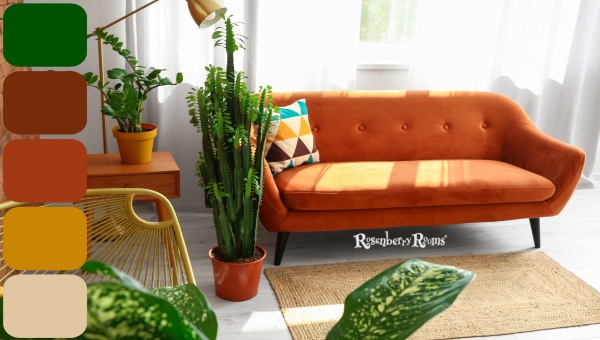
Your sofa’s color and design significantly impact your room’s overall aesthetic and can even influence how you feel in the space. Taking time to choose thoughtfully ensures you’ll love your sofa for years to come.
Existing Color Palette
Assess the colors already present in your room – walls, flooring, rugs, and existing furniture. You can harmonize by choosing a coordinating color for seamless flow, or create visual interest through careful contrast. A gray sofa complements most palettes, while deeper tones anchor spaces. Learn more about colors that complement gray sofas if you’re considering a neutral.
The Psychology of Sofa Color
Color influences mood and perception of space. Light colors reflect light and make rooms feel larger and airier – excellent for small spaces or rooms with limited natural light. Darker colors absorb light and create intimacy and coziness – ideal for spacious rooms. Warm colors (reds, oranges, warm grays) evoke comfort and energy, while cool colors (blues, greens, cool grays) feel calming and sophisticated.
Should Your Sofa Be Lighter or Darker Than the Walls?
This is a common question with an answer depending on your room and goals. In small spaces, a light-colored sofa reflects light and creates an illusion of more space, especially against light walls. In larger rooms, darker sofas anchor the space and create definition and intimacy. Consider your room’s natural lighting: bright rooms can handle darker sofas, while rooms with limited light benefit from lighter colors.
The simplest approach is choosing neutral colors that work with most wall colors regardless of lightness. Gray, beige, and cream adapt to nearly any palette while providing flexibility for redecorating accessories and walls down the road.
Neutrals vs. Bold Colors
Neutral shades like beige, gray, white, and cream create timeless, cohesive looks that allow flexibility with future design changes. These versatile colors work with most décor styles and provide a calm backdrop. Bold colors such as navy blue, emerald green, or vibrant orange infuse personality and serve as eye-catching statement pieces, breathing life into otherwise neutral spaces.
Choose neutrals if you prefer timeless longevity and flexibility. Choose bold colors if you’re confident in your style and want your sofa to make a design statement. Remember that trends fade, so bold colors might feel dated in 5-10 years if they’re not your enduring favorite.
Patterns vs. Solid Colors
Patterns add visual interest and hide dirt better than solid colors – a practical advantage in busy homes. However, patterns are more challenging to coordinate with other room elements and can feel dated. Solid colors offer clean simplicity and timeless appeal, though they show dirt and stains more visibly.
If you choose a patterned sofa, keep surrounding décor relatively simple. Pair a patterned sofa with solid-colored pillows and accessories to avoid visual chaos. A floral-patterned sofa with solid neutral accents creates appealing balance.
Your Personal Style
Ultimately, select a sofa reflecting your personal style and taste. Whether you’re drawn to contemporary minimalism or traditional elegance, ensure you’ll be proud to showcase your choice. You’ll see this sofa daily for many years, so it should resonate with you emotionally, not just functionally.
Opt for Functional Features and Accessories

Beyond basic seating, modern sofas offer practical features that enhance everyday convenience and functionality. These additions make your sofa work harder and provide better value for your investment.
Built-In Storage
Sofas with built-in storage offer hidden compartments or pull-out drawers perfect for stashing blankets, pillows, board games, or other items. This feature maximizes utility in space-constrained homes and keeps frequently-used items easily accessible without cluttering your room.
Adjustable Components
Some sofas feature adjustable components allowing customizable armrest positions, headrest elevation, or backrest angles. These elements provide flexibility to adjust your seating position based on your preference – upright for eating or TV watching, reclined for relaxation. This adaptability extends your sofa’s utility throughout the day.
Multi-Purpose Designs
Multi-purpose designs like sleeper sofas and sectionals with chaise lounges provide seating and additional functions. Sleepers accommodate overnight guests without needing a guest room, while chaise lounges offer extended lounging space. These designs optimize limited square footage by serving multiple purposes in one furniture piece.
Understanding Warranties and Durability
Warranties reflect a manufacturer’s confidence in their product and protect your investment. Understanding warranty coverage helps you assess quality and what recourse you have if problems arise. Always ask about warranty details before purchasing.
Quality sofas typically offer frame warranties (5-15 years) covering structural defects, cushion warranties covering sagging or flattening, and upholstery warranties covering seam splitting or fabric tears. Premium sofas often include longer warranties, sometimes covering manufacturing defects for 10+ years. Warranty terms vary significantly by retailer and manufacturer, so comparison shopping is important.
Beyond manufacturer warranties, many retailers offer protection plans covering damage from accidents, stains, and tears. While these add cost, they provide peace of mind for families with children or pets. When evaluating warranty value, consider the likelihood of claims and your risk tolerance.
Online Sofa Buying vs. Showroom Shopping
Modern furniture shopping offers two distinct experiences: browsing countless options online or testing sofas in person at showrooms. Each approach has distinct advantages and limitations. Understanding these differences helps you choose the method that suits your style and needs.
Shopping at Physical Showrooms
Showroom shopping allows you to physically sit on sofas, feel the fabric, and assess comfort firsthand. You can test different seat depths, backrest heights, and firmness levels to determine what feels best. Seeing the sofa’s color and construction in person reduces uncertainty about your final choice. Sales staff can answer questions about specific models and construction details.
The main disadvantages of showroom shopping are limited selection and higher prices. Retailers stock only a fraction of available models, and showroom prices rarely offer the discounts available online. Showroom furniture is also on display and sometimes worn by many customers before you buy it.
Buying Online
Online shopping provides access to vast selections from multiple retailers and brands, often at lower prices than showroom sticker prices. You can read extensive customer reviews detailing durability, comfort, and long-term satisfaction. Online retailers offer convenient home delivery, and many accept returns if you’re unsatisfied. Shopping at home is stress-free and allows unlimited time for decision-making.
The main disadvantage is inability to test comfort before purchasing an expensive item. Photos and descriptions can’t replicate how a sofa feels or exactly how its color appears in your space. Delivery times can be lengthy (6-12 weeks for quality sofas), and returns can be complicated for large furniture.
Hybrid Approach
The best strategy combines both methods. Test similar sofas in showrooms to understand your preferred seat depth, cushion firmness, and armrest height. Read online reviews for the specific model you’re considering. Then purchase online where prices are better and selection is broader. This hybrid approach leverages the advantages of both shopping methods.
Research Retailers and Read Reviews

Thorough retailer research and customer review analysis are crucial for identifying quality products and reliable sellers. Real customer experiences provide insights into durability, comfort, delivery reliability, and customer service that marketing materials can’t convey.
Explore Multiple Retailers
Compare options across diverse retailers – from established chains like IKEA and West Elm to smaller boutiques and online-only brands like Article and Joybird. Each retailer offers different price ranges, styles, and quality levels. Comparing across multiple sources ensures you find the best value and selection for your specific needs.
Visit Showrooms
When possible, visit physical showrooms to sit on and examine sofas in person. Assess build quality, fabric texture, and comfort. Ask sales staff about frame construction, cushion materials, and warranty coverage. This hands-on evaluation prevents poor choices and ensures the sofa will meet your expectations.
Consult Online Reviews
Before committing, read customer reviews on retailer websites and third-party platforms like Google Reviews, Yelp, and Trustpilot. Look for reviews mentioning specific details: durability after years of use, comfort over time, fabric/seam quality, delivery experience, and customer service. Pay attention to recurring themes – consistent praise or complaints across multiple reviews signal genuine strengths or weaknesses.
Be skeptical of reviews that seem overly promotional or contain no specific details. The most helpful reviews acknowledge both strengths and limitations, often from customers who’ve lived with the sofa for extended periods.
Seek Recommendations
Ask friends, family, and colleagues about their sofa purchases. Personal recommendations based on real experiences are invaluable. Ask specific questions about comfort, durability, whether they’d buy the same sofa again, and which retailers they recommend. People who’ve successfully navigated the buying process can save you from mistakes and point you toward quality retailers.
Where To Buy A Sofa: 15 Best Places

Finding the right retailer is as important as finding the right sofa. The following list covers diverse retailers across different price points and styles, helping you locate quality options that fit your budget and aesthetic preferences.
1. IKEA
IKEA is known for affordable, stylish furniture options ideal for budget shoppers. Their sofa selection ranges from compact loveseats to spacious sectionals. IKEA sofas rarely exceed quality mid-range standards, but they offer excellent value for budget-conscious buyers. Expect 5-7 years of use from most IKEA sofas, with a cost-per-year that’s hard to beat. Their showrooms let you test sofas before buying.
2. Wayfair
With its vast online catalog, Wayfair allows browsing numerous options filtered by style, price, material, and more. Wayfair carries budget to mid-range sofas from multiple brands. Their website makes comparison shopping convenient, and reviews from thousands of customers provide insights into quality and durability. Wayfair’s return policy offers flexibility if your sofa doesn’t meet expectations. Prices are often competitive, and seasonal sales offer significant savings.
3. Crate & Barrel
For modern designs with high-quality materials and craftsmanship, Crate & Barrel offers mid-to-premium sofas. Their emphasis on design and construction quality appeals to those willing to invest in durability. Their showrooms display pieces you can test for comfort, and their sales staff are knowledgeable about construction details. Expect to pay more than budget retailers but receive superior quality and design.
4. Restoration Hardware
Restoration Hardware specializes in sophisticated luxury furniture ranging from timeless classics to contemporary pieces. Their sofas represent premium investment purchases using exceptional materials and construction. Restoration Hardware offers extensive customization options and superior customer service. If budget allows and you want investment-grade quality with designer styling, Restoration Hardware delivers.
5. West Elm
West Elm focuses on modern design infused with warmth and character, offering contemporary sofas that balance style with everyday livability. Their mid-range pricing provides quality without luxury premiums. West Elm’s design-forward approach appeals to those wanting their sofa to make a style statement. Their showrooms and online presence make shopping convenient.
6. World Market
World Market boasts an expansive range of eclectic international styles at reasonable prices. Their sofas reflect diverse design traditions from around the world, appealing to those seeking distinctive styles beyond typical American options. World Market offers good value with unique aesthetics, though quality can be inconsistent across their range.
7. Ashley Furniture HomeStore
As one of the US’s largest furniture retailers, Ashley Furniture HomeStore provides multitudes of stylish and affordable sofas for any budget and décor style. Their extensive showroom network lets you test sofas locally. Ashley Furniture offers flexible financing and frequent sales making quality furniture accessible. Their selection ranges from budget to mid-premium, with something for everyone.
8. Pottery Barn
Pottery Barn is known for classic designs, quality materials, and exceptional comfort. Their sofas appeal to those preferring traditional and timeless aesthetics over trendy styles. Pottery Barn sofas represent solid mid-range quality with design heritage. Their extensive showroom presence and responsive customer service support the shopping experience.
9. Target
For budget-friendly, trendy options, Target offers curated sofa collections combining affordability with current design. Target’s sofas work well for those with limited budgets or those wanting to try new styles without major commitment. Their in-store browsing option and reasonable return policies reduce risk. Quality is basic, but value for budget-conscious buyers is strong.
10. Macy’s
From luxurious leather sectionals to cozy fabric couches, Macy’s provides extensive sofa selections at various price points. Macy’s carries both house brands and designer lines, appealing to diverse budgets and styles. Their frequent sales and clearance events offer significant savings. Macy’s loyalty program provides additional discounts for regular shoppers.
11. CB2
A sister brand to Crate & Barrel, CB2 focuses on modern and urban designs that instantly update living spaces with functionality and finesse. CB2 sofas appeal to younger buyers and those wanting contemporary styling. Their prices are slightly lower than Crate & Barrel while maintaining design quality. CB2 is ideal if you want modern aesthetics at accessible prices.
12. La-Z-Boy
Synonymous with comfort, La-Z-Boy is famous for recliners but also offers stationary sofas prioritizing relaxation and ergonomic design. If comfort and lounging are your primary concerns, La-Z-Boy delivers. Their reclining sofas are ideal for those spending hours watching TV or relaxing. Quality is solid mid-range, with durability meeting comfort needs well.
13. Joybird
For mid-century modern designs with customization options, Joybird provides made-to-order sofas. Choose from wide-ranging fabric, color, and configuration options to create a personalized piece. Joybird appeals to those wanting vintage-inspired styling with modern quality. Their customization approach ensures your sofa matches your exact preferences, though lead times are longer than mass-produced options.
14. Article
Focusing on clean lines, minimalistic designs, and quality craftsmanship, Article offers contemporary, timeless sofas at exceptional value. Their online-only model eliminates showroom costs, passing savings to customers. Article sofas suit minimalist and Scandinavian design preferences. Their customer reviews consistently highlight durability and value for mid-range pricing.
15. Apt2B
Specializing in sleek designs for small spaces like apartments and condos, Apt2B offers contemporary sofas in sophisticated colors and materials. Their space-conscious sizing works perfectly for urban living. Apt2B’s design-forward approach and reasonable pricing appeal to apartment dwellers wanting style without sacrificing function. Their sofas are built for smaller footprints without compromising comfort.
Frequently Asked Questions
What is the 2/3 rule for sofas?
The 2/3 rule states that your sofa should occupy approximately 2/3 of your seating wall. For example, if you have a 12-foot wall, your sofa should be about 8 feet long. This proportional balance prevents rooms from feeling too crowded or undersized, ensuring your sofa anchors the space appropriately.
What’s the average cost of a good sofa?
A good quality sofa typically costs $1,200-$3,000. Budget sofas ($500-$1,000) last 5-7 years. Mid-range sofas ($1,200-$2,500) offer durability of 8-12 years with quality materials. Premium sofas ($3,000+) use high-grade hardwood frames and top-tier fabrics, lasting 15+ years. For most households, investing $1,500-$2,000 provides the best value.
Is $2000 a lot for a couch?
$2,000 is in the mid-to-high range and is a reasonable investment for quality. If a $2,000 sofa lasts 12 years, the cost is approximately $167/year. Compared to cheaper sofas ($600) lasting 5 years (~$120/year), the premium sofa often becomes better value long-term through superior durability and maintained aesthetics.
Should your sofa be lighter or darker than the walls?
In small spaces, a light-colored sofa reflects light and creates an illusion of more space. In larger rooms, darker sofas anchor the space and create intimacy. Consider your room’s natural lighting: bright rooms handle darker sofas well, while limited-light rooms benefit from lighter colors. For versatility, neutral colors like gray and beige work with most wall colors regardless of lightness.
What sofa frame material is best?
Kiln-dried hardwood is the best frame material for durability and long-term performance. Oak, maple, and walnut hardwoods resist warping and cracking for 15+ years. Kiln-dried wood (dried in high-temperature chambers) performs better than air-dried wood. Engineered wood offers a budget-friendly alternative, while metal frames provide exceptional strength for modern styles.
Conclusion
Successfully buying the perfect sofa involves carefully considering multiple factors – from assessing your lifestyle and space to understanding construction quality and upholstery options. Taking time to work through each decision systematically prevents costly mistakes and ensures long-term satisfaction.
By determining your preferences for comfort, support, materials, aesthetics, and budget, you’ll be well-equipped to navigate the vast sofa market with confidence. Whether you shop online, visit showrooms, or use a hybrid approach, prioritizing quality construction and honest self-assessment about your needs leads to better choices.
Investing in a piece that reflects your unique taste and requirements creates a welcoming, comfortable living space for you and your loved ones. A quality sofa will serve you well for years, becoming the heart of your home where memories are made. Take your time, do your research, and you’ll find the perfect sofa that brings both beauty and comfort to your life.