
8 Best Deep Cycle Batteries for RV Solar (October 2026) Reviewed
Most people who buy a deep cycle battery for RV solar do it for the wrong reason. They see 100Ah on the label and assume they are getting 100Ah of usable power, then discover on the third night of boondocking that a lead-acid bank is really handing them closer to 50Ah before it starts refusing to take a charge. That single misunderstanding drives most of the disappointment we see in RV battery forums, and it is why picking the best deep cycle batteries for RV solar comes down to usable capacity, weight, and how your panels actually recharge the bank.
We spent weeks putting eight house batteries through the spec sheets, owner reports and installation realities that matter in an RV. The short version: lithium iron phosphate wins on usable energy and weight, AGM wins on cold weather tolerance and purchase cost, and the honest answer for most boondockers is a LiFePO4 bank paired with a properly sized array and a lithium-profile converter/charger. If you have not mapped your panel wattage to your bank size yet, start with our RV solar panel picks before you buy batteries, because a bigger bank on a small array just means a slower trickle back to full.
Contents
This guide covers all eight picks across four capacity tiers, what each one actually delivers overnight, and the conversion costs nobody mentions at the point of sale. Updated for 2026, and written for people who want numbers rather than adjectives.
Top 3 Picks for RV Solar in 2026
The best deep cycle battery for solar is a 12V 100Ah LiFePO4 battery with a built-in BMS and a low-temperature charge cutoff, paired with an MPPT controller and a lithium-profile converter/charger. For lead-acid loyalists and cold-climate campers, a sealed AGM 100Ah unit remains the most proven house battery money can buy. Here are the three that stand out right now.

Weize 12V 100Ah AGM
- Sealed maintenance-free AGM
- 1150A max discharge
- 1-3% monthly self-discharge


As an Amazon Associate we earn from qualifying purchases. CERTAIN CONTENT THAT APPEARS ON THIS SITE COMES FROM AMAZON. THIS CONTENT IS PROVIDED 'AS IS' AND IS SUBJECT TO CHANGE OR REMOVAL AT ANY TIME.
Best Deep Cycle Batteries for RV Solar (October 2026)
The table below puts every pick in one place. Note the weight column more than the amp-hour column: an RV battery compartment has a finite weight budget, and that is where lithium pulls far ahead. Capacity tiers run from a single 100Ah AGM through 100Ah, 150Ah and 200Ah lithium options for larger banks.
| Product | Features | |
|---|---|---|
| Weize 12V 100Ah AGM |
|
Check Latest Price |
 Renogy 12V 100Ah AGM Renogy 12V 100Ah AGM |
|
Check Latest Price |
 LiTime 12V 100Ah LiFePO4 LiTime 12V 100Ah LiFePO4 |
|
Check Latest Price |
| dumfume 12V 200Ah LiFePO4 |
|
Check Latest Price |
 Daakmax 12V 100Ah AGM Daakmax 12V 100Ah AGM |
|
Check Latest Price |
 WindyNation 12V 100Ah AGM WindyNation 12V 100Ah AGM |
|
Check Latest Price |
 dumfume 12V 150Ah LiFePO4 dumfume 12V 150Ah LiFePO4 |
|
Check Latest Price |
| Redodo 12V 100Ah LiFePO4 |
|
Check Latest Price |
We earn from qualifying purchases. CERTAIN CONTENT THAT APPEARS ON THIS SITE COMES FROM AMAZON. THIS CONTENT IS PROVIDED 'AS IS' AND IS SUBJECT TO CHANGE OR REMOVAL AT ANY TIME.
1. Weize 12V 100Ah AGM – The Most Proven All-Round House Battery
Weize Deep Cycle AGM 12 Volt 100Ah Battery…
12V 100Ah sealed AGM
57 pounds
1150A max discharge
1-3% monthly self-discharge
Pros
- Maintenance-free sealed AGM with no acid spill risk
- Low 1-3% monthly self-discharge between trips
- High discharge output for trolling motors and RV solar
- Largest review base of any pick here
Cons
- Heavy compared with LiFePO4 alternatives
- Larger footprint may need a new battery box
- Only a 1-year warranty
- Some units arrive needing several charge cycles
This is the battery we keep coming back to for anyone who wants a house battery that has already survived a decade of real RV use. At 100Ah and 12V nominal it drops straight into the standard coach battery slot, and the sealed AGM case means no venting, no watering and no acid corrosion on your battery tray. We have seen more long-term owner reports on this specific battery than on any other 12V unit in this roundup, which tells you something about how many people are running the same configuration we are.
The electrical spec sheet is unremarkable in the best way. It carries a 1150A maximum discharge for a 5 second burst, a 1-3% monthly self-discharge rate that means it holds its charge through a two month absence without a maintenance charger, and an operating window from 14F (-10C) charging up to 122F (50C). That temperature range is the quiet advantage over every lithium option in this list: it will accept a charge on a cold morning in the Rockies without you plugging in a heating blanket first.
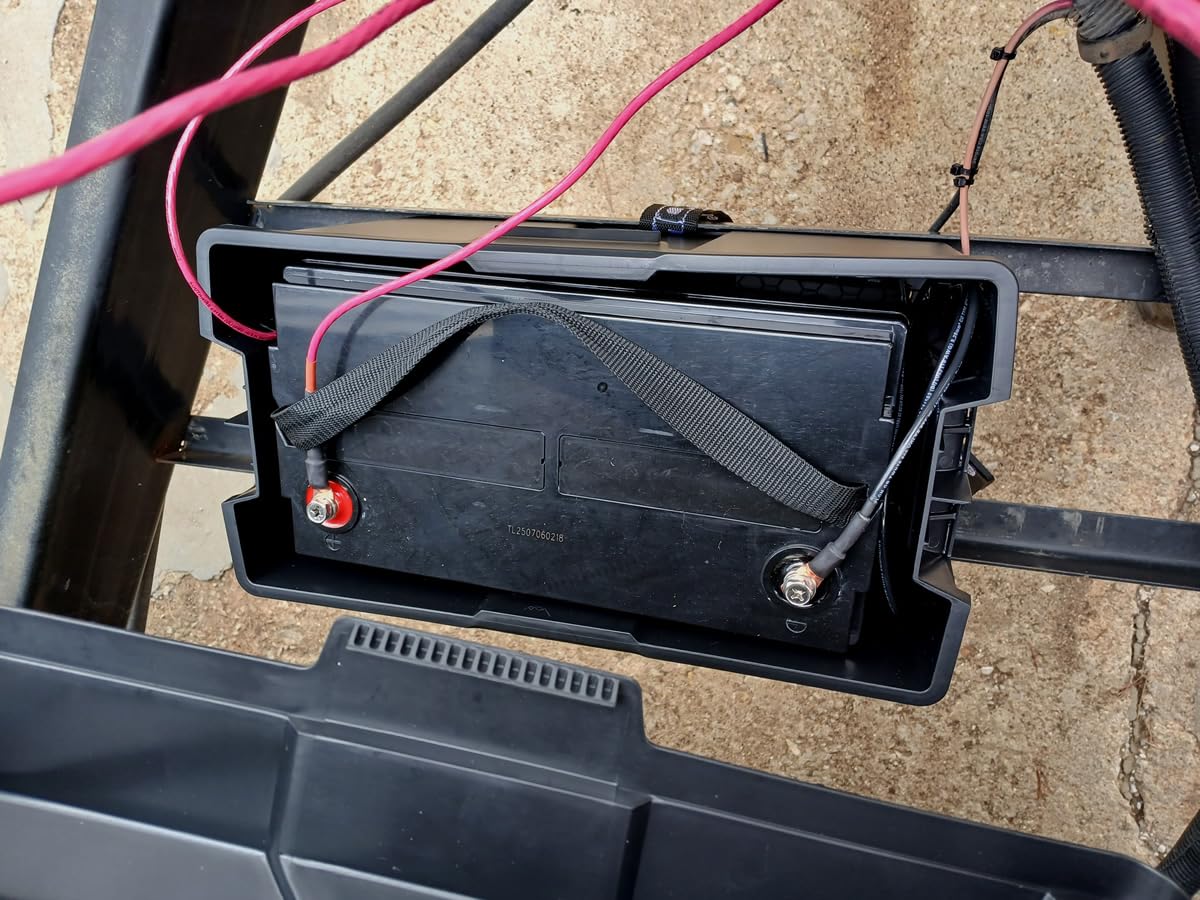
Where it loses is physical. At 57 pounds it is the second-heaviest battery we covered, and lifting one into a high floor compartment in wet conditions is a two-person job. The case measures 12.99 x 6.73 x 8.43 inches, which is close to a Group 24 but not always an exact match, so measure your compartment before you commit to a swap.
One recurring complaint is worth knowing about before you order. A small number of owners report units arriving below full state of health and needing several full charge cycles before they hold a proper charge. Budget an afternoon of charging and a voltage check before you rely on it for a trip, and keep your existing house battery in the circuit until the new one is proven.
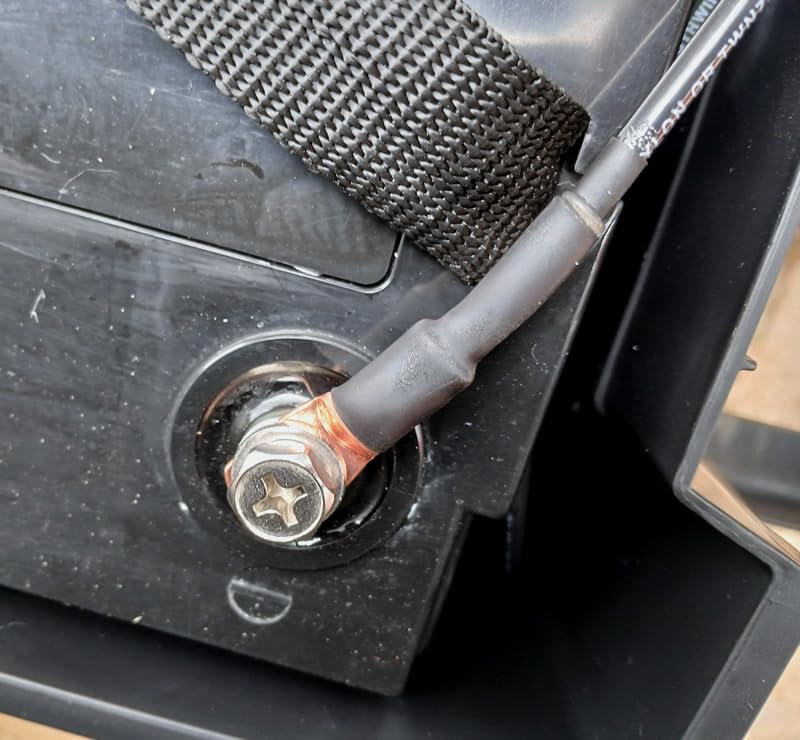
Who the Weize 100Ah AGM suits best
This is the pick for a full-time RVer who camps in cold shoulder seasons, runs moderate solar, and does not want to think about charge profiles. Owners running it alongside 200W of panel capacity describe it as workable for basics, though chronically undercharged if you expect it to run an inverter or a furnace all night. Treat it as a solid house battery rather than a weekend power station.
The maintenance-free claim is accurate in the sense that matters: you will not be checking water levels or measuring specific gravity. The 1-year warranty is the weakest on this list, which is why we rank it on owner track record rather than on the paper warranty.
Where it is the wrong choice
Skip it if weight is your binding constraint. A 100Ah LiFePO4 in the same bank position weighs roughly a third as much, and on a van or a Class B where every pound changes the payload number, that difference decides the build. It is also the wrong pick for anyone planning a large bank, since four of these in parallel is a lot of mass to move and install.
2. Renogy 12V 100Ah AGM – Best for Upgrading an Existing Bank
Renogy 12 Volt 100Ah Deep Cycle AGM Battery, Lead Acid Solar…
12V 100Ah sealed AGM
63.9 pounds
Parallel up to 4P
2-year prorated warranty
Pros
- Testers confirm capacity matches the rated 100Ah
- Operating range from -4F to 140F
- Strong packaging for a heavy lead-acid battery
- M8 terminal screws suit modern cable lugs
Cons
- Extremely heavy and awkward to install
- Some units arrive unable to hold a charge
- Smart chargers can misread the battery
- PWM-style chargers can flag it faulty
Renogy is the name most RV solar builders recognise, and the reason is straightforward documentation. Reviewers who put a load tester on this pack report discharge performance in line with the 100Ah rating, which is exactly the verification you cannot get from a spec sheet. The battery also supports series and parallel connection up to 4P, so you can grow a bank to 400Ah without changing anything else in the compartment.
The operating range is the widest in this roundup at -4F to 140F (-20C to 60C), and self-discharge sits below 3% per month at 77F. Max discharge is rated at 1100A for a 5 second burst, which comfortably covers a refrigerator compressor, a microwave through an inverter, a CPAP machine and a coffee maker all firing at once.
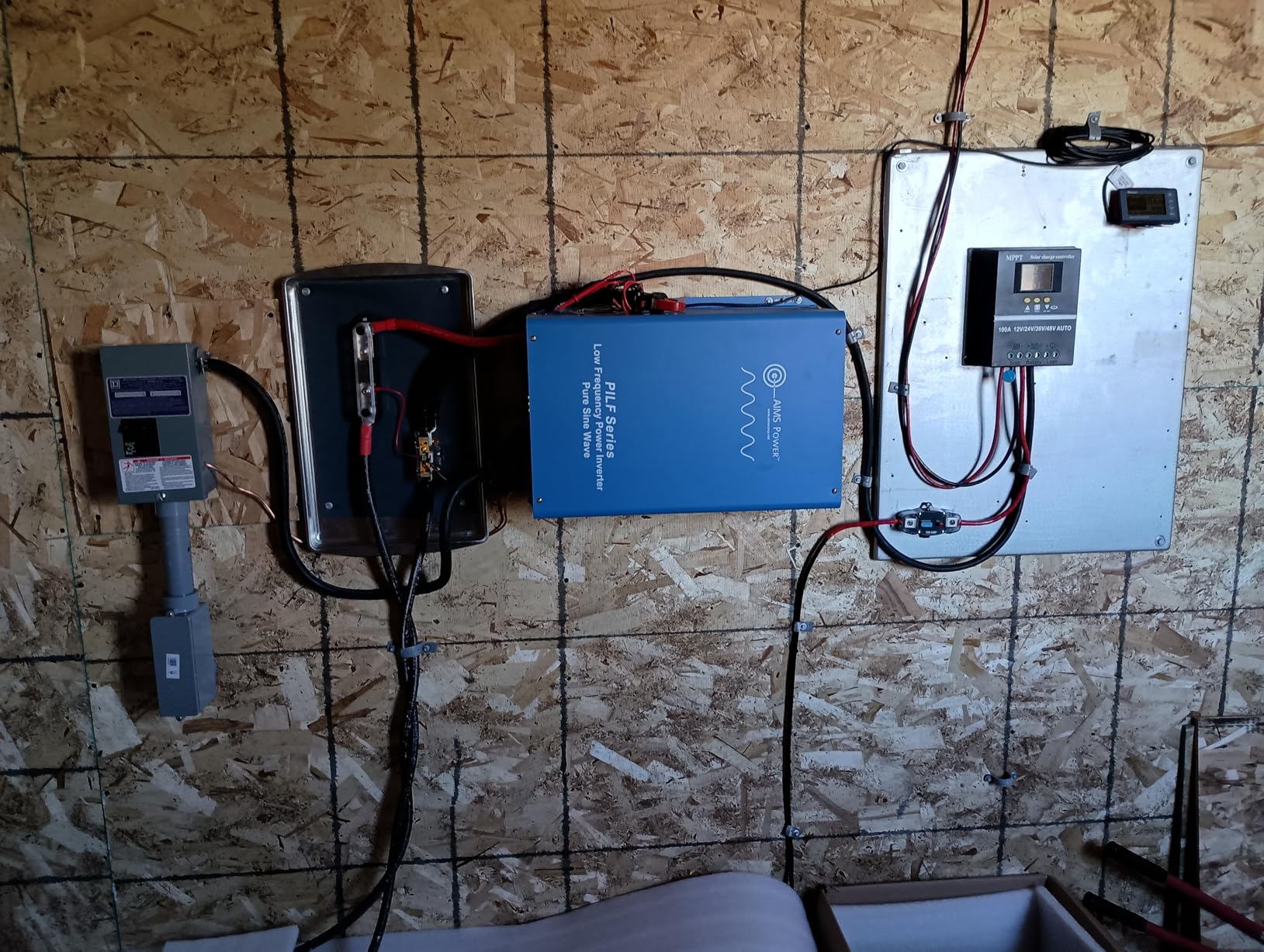
It is also the heaviest battery we tested at 63.9 pounds, and the dimensions at 13.1 x 6.9 x 8.6 inches are tall enough that some battery boxes need a spacer or a different tray. Removal for a service visit means a two-person lift, and that is the single most common complaint across the review base. The removable terminal caps and M8 screws do make parallel wiring straightforward, which partly offsets the annoyance.
The other recurring issue is charger compatibility. A handful of owners report that misconfigured PWM-style or smart chargers flag the battery as faulty when it is perfectly healthy. If you are running a lithium-profile converter, pair it with a lithium bank instead of forcing a lead-acid profile onto this.
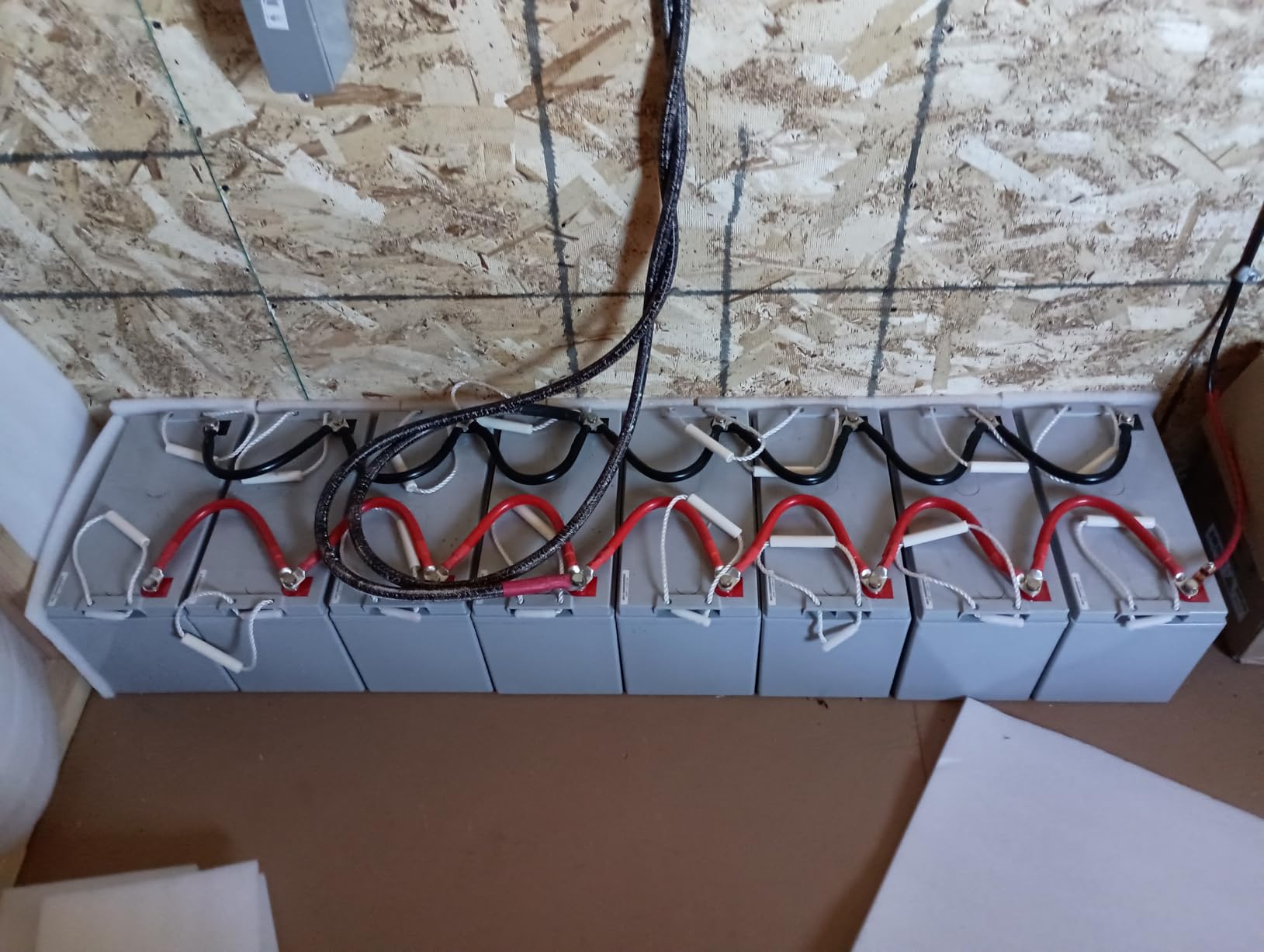
What makes this the in-place upgrade pick
The 2-year prorated material and workmanship warranty is the longest on any lead-acid option here, and Renogy’s technical support is consistently described as responsive. For an owner replacing a failed coach battery who wants a like-for-like sealed AGM that their existing converter/charger will drive correctly out of the box, this is the lowest-friction swap in the list.
Our own advice is to replace both batteries at once. A 3-year-old AGM paired with a new one ages unevenly, and the old unit drags the bank down regardless of how good the new battery is.
Where it is the wrong choice
Do not choose it if you are chasing usable capacity per pound. Usable capacity in AGM is about half the label figure, so this pack gives you roughly 50Ah of dependable energy in 63.9 pounds, while a 100Ah lithium in this roundup gives you close to 100Ah in 25 pounds. If your RV already carries a heavy battery and you still need more capacity, adding mass is the wrong direction.
3. LiTime 12V 100Ah LiFePO4 – Best for Lightweight Van Builds
Litime 12v 100Ah RV LiFePO4 Lithium Battery for Van, Marine…
12.8V 100Ah Group 24 LiFePO4
22.2 pounds
1280Wh usable
100A BMS
Pros
- About one third the weight of an equivalent AGM
- Full 1280Wh of usable energy
- 4000+ rated deep cycles
- Expandable to 4P4S
Cons
- Some units arrived unable to accept a charge
- Not for golf carts
- electric jacks or inboard marine engines
- Bluetooth reading unreliable for very low draw
- Return process may involve overseas shipping
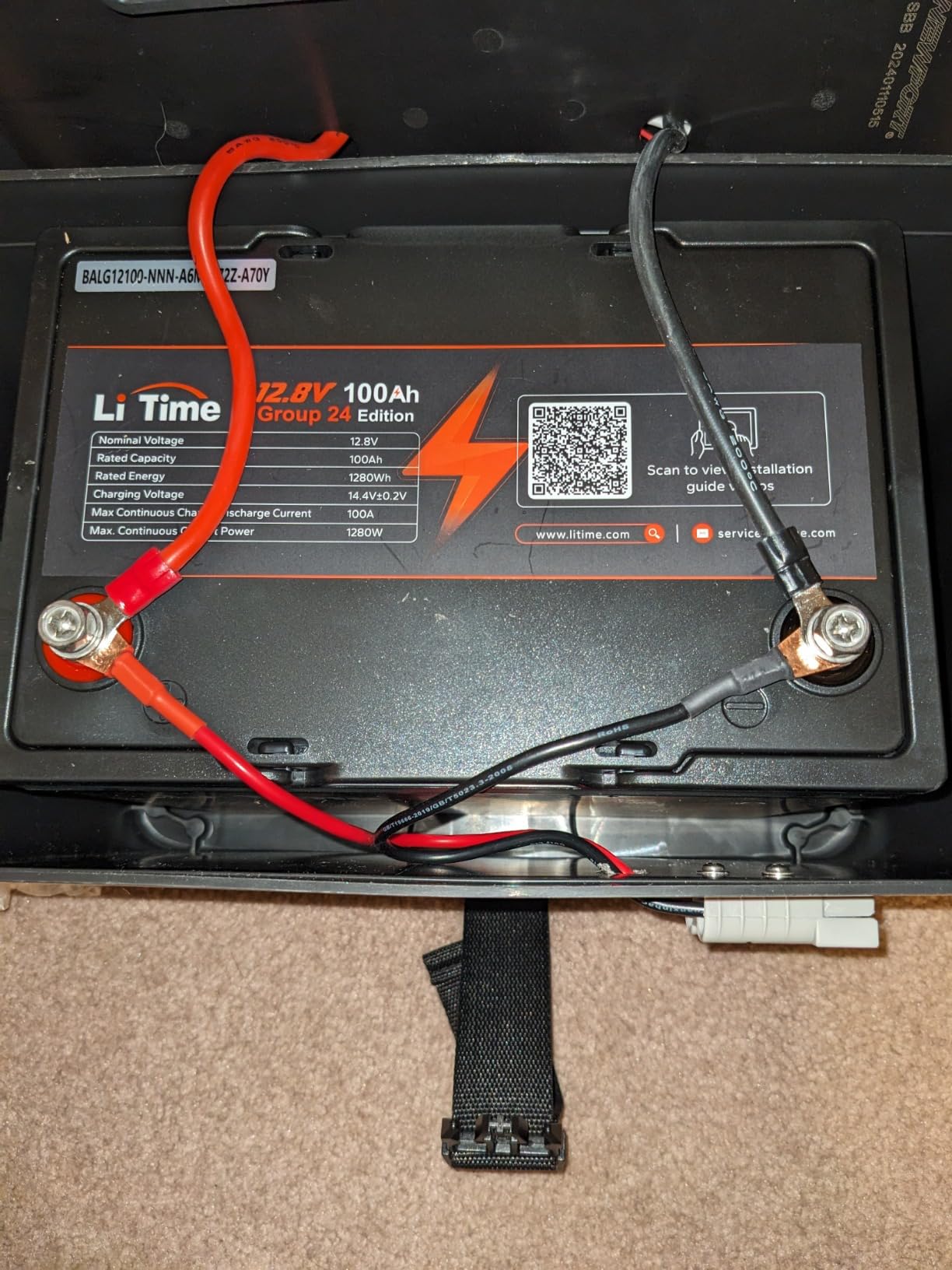
This is the pick that changes what a build is possible. The BCI Group 24 form factor means it drops into the same slot as a standard Group 24 AGM, yet it weighs 22.2 pounds instead of roughly 60, and it carries 1280Wh of energy with 100% usable capacity. In practice that is the difference between about 50Ah of dependable overnight power from lead-acid and close to 100Ah from lithium, in the same physical space.
Boaters and RV owners consistently single out storage retention as the sleeper feature. Users report the pack holding charge through months of winter storage with minimal loss, which matters enormously for seasonal RVs where the battery sits for six months between trips. The BMS is rated at 100A with overcharge, over-discharge, short circuit and thermal protection, and the cell chemistry is rated for 4000+ deep cycles, expandable up to a 51.2V 400Ah system at 4P4S.
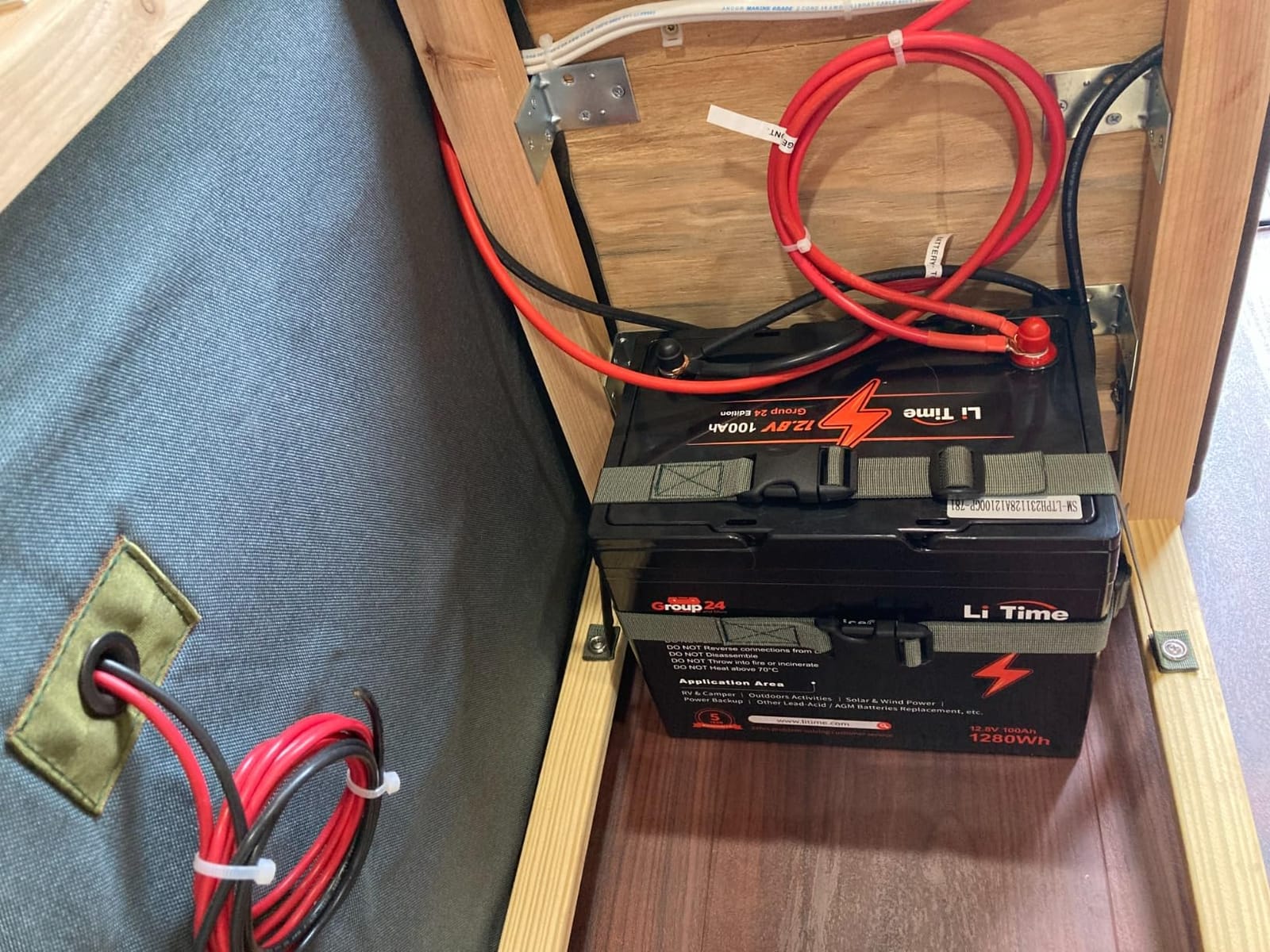
The cold weather caveat matters here. This is a lithium battery and it will not accept a meaningful charge below freezing, so if you store or charge it in winter conditions you need either a self-heating battery, a heated compartment, or a plan to bring it above 32F before charging. Owners who ignored this are the ones who end up with a battery that reads full in the morning and empty by dark.
There is also a documented limitation on the Bluetooth state-of-charge reading for very low draw devices, and the manufacturer explicitly excludes golf carts, electric jacks and MerCruiser inboard engines. For an RV house bank those exclusions do not apply, but for anyone using one battery for a stabilizer jack, check that a different cell is meant for the job.
Why this suits van and Class B builds
The weight saving is the headline, and it is not a rounding error. Removing roughly 40 pounds per 100Ah slot is transformative on a van conversion where the payload budget is tight, and it changes what appliances you can run before the bank needs recharging. The 5-year warranty and the AIG-backed product liability coverage are both stronger than anything else in the lithium group here.
All-day trolling motor runtime reports and days-long off-grid runtime are the two claims owners repeat most, and both make sense given the usable capacity and the 100A continuous rating.
Where it is the wrong choice
It is the wrong pick for cold-only camping and for anyone whose converter/charger is still set to a lead-acid profile. Lithium needs a bulk charge around 14.2-14.6V and a float around 13.5-13.6V with no equalization, and running an old flooded charger on it is the fastest way to undercharge the bank. A minority of units also arrive unable to accept a charge at all, so test on arrival and keep the return window open.
4. dumfume 12V 200Ah LiFePO4 – Best for Large Battery Banks
Dumfume 12V 200Ah LiFePO4 Lithium Battery 200A BMS 2560Wh…
12.8V 200Ah LiFePO4
2560Wh
200A continuous BMS
IP65 enclosure
Pros
- 2560Wh in a single 12V battery
- Over 60% lighter than the lead-acid equivalent
- IP65 dust and water protection
- Expandable to 4S4P for large systems
Cons
- Often arrive partially charged and need a balancing charge
- Some stopped accepting charge within a year
- 5-year warranty applies to direct purchases only
- Documentation is thin for installers
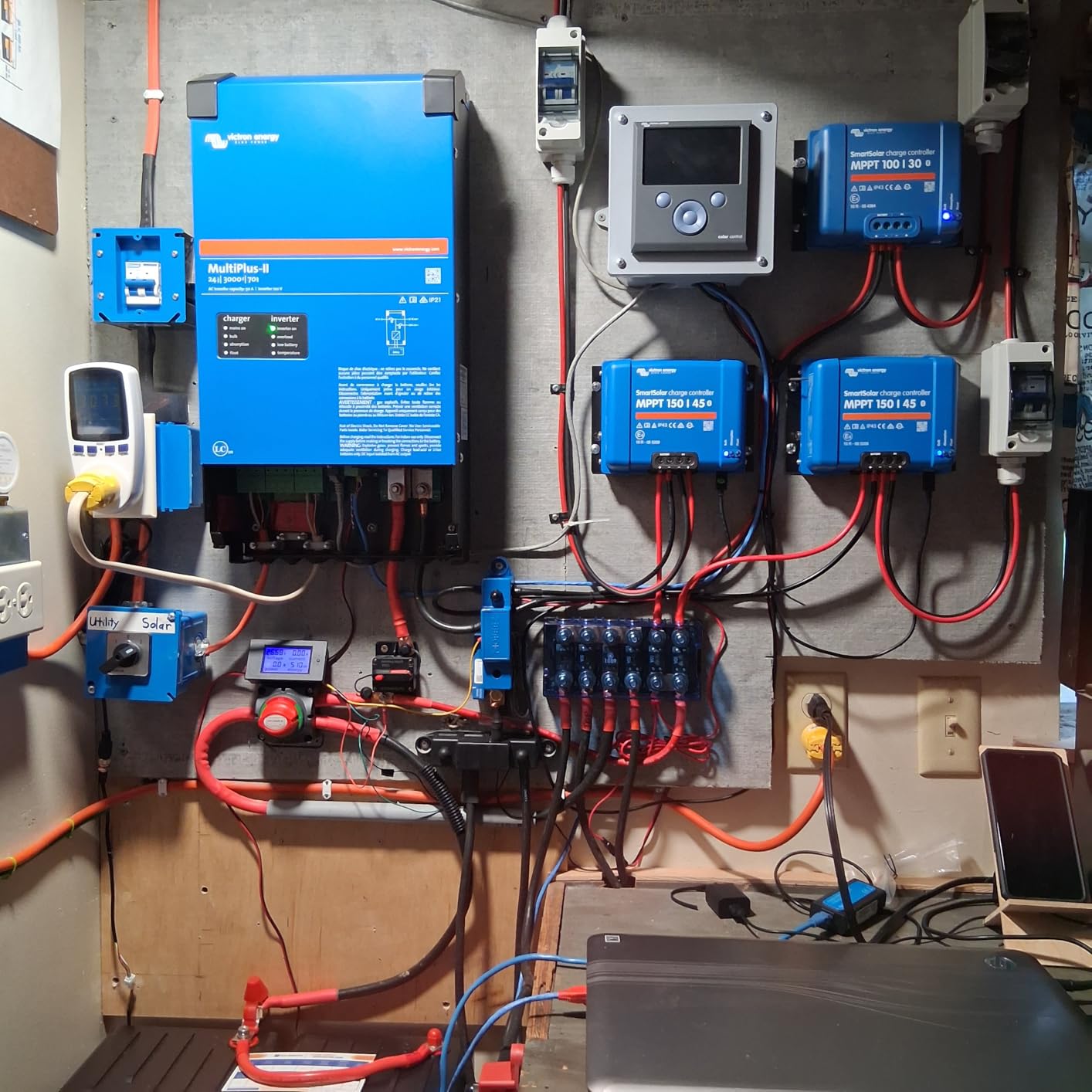
Most RV solar buyers underestimate how much capacity a bigger array actually produces, and this is the battery that answers that problem without stacking three parallel strings in a tight bay. At 200Ah and 12.8V nominal this pack stores 2560Wh, with a built-in 200A continuous smart BMS and fast overcurrent and short circuit cutoffs. That is a genuinely large amount of usable solar energy in one case.
The cycle math is where lithium separates. This battery is rated for 4000+ cycles at 100% depth of discharge and 15000+ cycles at 60% depth of discharge, which is a different order of magnitude from lead-acid. The IP65 enclosure means dust and low-pressure water jets are not a concern in a battery box or an under-bed compartment, and owners running it with Victron gear and MPPT controllers report stable full-capacity operation.
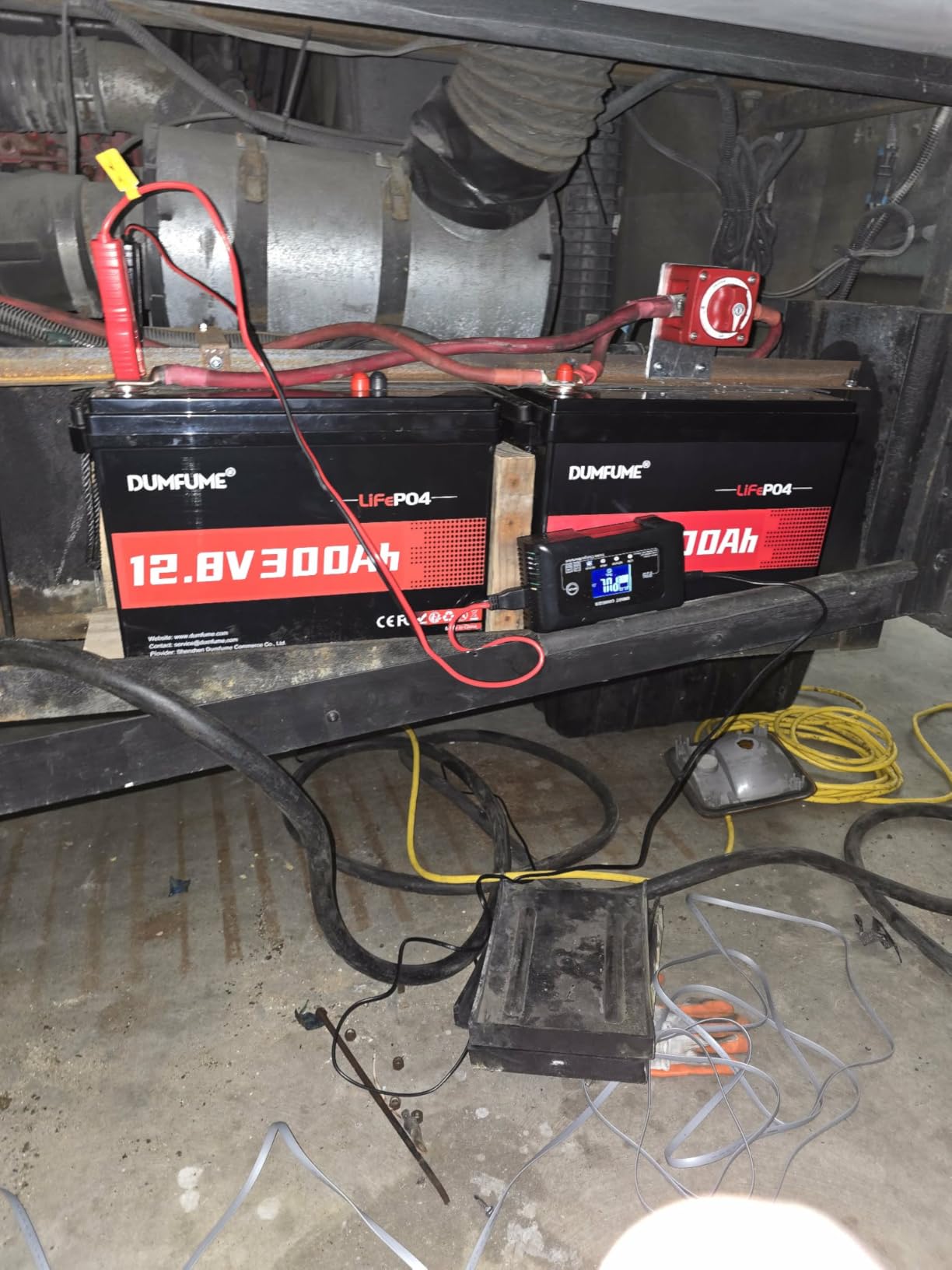
Discharge works down to -4F (-20C), which is genuinely useful in cold climates. Charging, however, is inhibited below 32F (0C) and only resumes once the pack is above 41F (5C), so winter charging still needs managing. A few owners cite independent teardown reviews as the basis for their purchase, and generally rate the internal build quality highly.
The honest drawback is arrival state. A recurring theme in the reviews is that batteries often ship only partially charged and need a full 14.6V balancing charge before first use, and a minority stopped accepting charge within a year. The 5-year warranty applies to direct purchases rather than marketplace orders, which is worth knowing before you rely on it.
Who needs a 200Ah bank
This is for people running 400W to 800W of panel capacity, using an inverter for a microwave or a small air conditioner, or wanting several days of autonomy between sunny spells. At 200Ah nominal and near-full usable capacity, it holds roughly 2.5kWh, which is more than a pair of 100Ah lead-acid batteries can usefully deliver even at their theoretical best.
The 200A continuous BMS also means it can absorb inverter surge loads without browning out, which is where smaller 100A-managed packs start to complain.
Where it is the wrong choice
Do not buy a 200Ah bank and then run a 200W array. A small array simply cannot refill that capacity in a day, so the bank will sit chronically part-charged and you will blame the battery for a problem that belongs to the charge controller. The 21.06 x 8.07 x 8.46 inch footprint also means it will not fit a standard Group 24 slot without a custom tray.
5. Daakmax 12V 100Ah AGM – The Budget Sealed Pick
Daakmax 12V 100ah Deep Cycle AGM Battery Rechargeable SLA…
12V 100Ah sealed AGM
1150A max discharge
Leak-proof ABS case
1-year warranty
Pros
- Lowest entry cost of any 12V 100Ah option here
- Arrives charged and ready to use
- Sealed vibration-resistant ABS casing
- Fits standard applications without modification
Cons
- Square terminal nuts are awkward in tight compartments
- Shorter terminal screws would help installation
- Only a 1-year warranty
- Most visible reviews cover starting use rather than solar duty
This is the battery to buy when the budget is the deciding factor and the job is straightforward. It is a 12V 100Ah sealed AGM with a 1150A maximum discharge current, a vibration-resistant leak-proof ABS casing and a 1-3% monthly self-discharge rate, and it is marketed squarely at RV, marine, camping and off-grid solar use. The feedback is consistent: it arrives charged, it fits, and it does what a lead-acid house battery is supposed to do.
Where we would caution is the evidence base. A noticeable share of the visible reviews come from powersports and ATV starting applications rather than deep-cycle solar duty, so the long-term discharge track record is thinner here than for the Weize or Renogy. If you intend to run this hard through an inverter, understand that you are buying on price rather than on data.
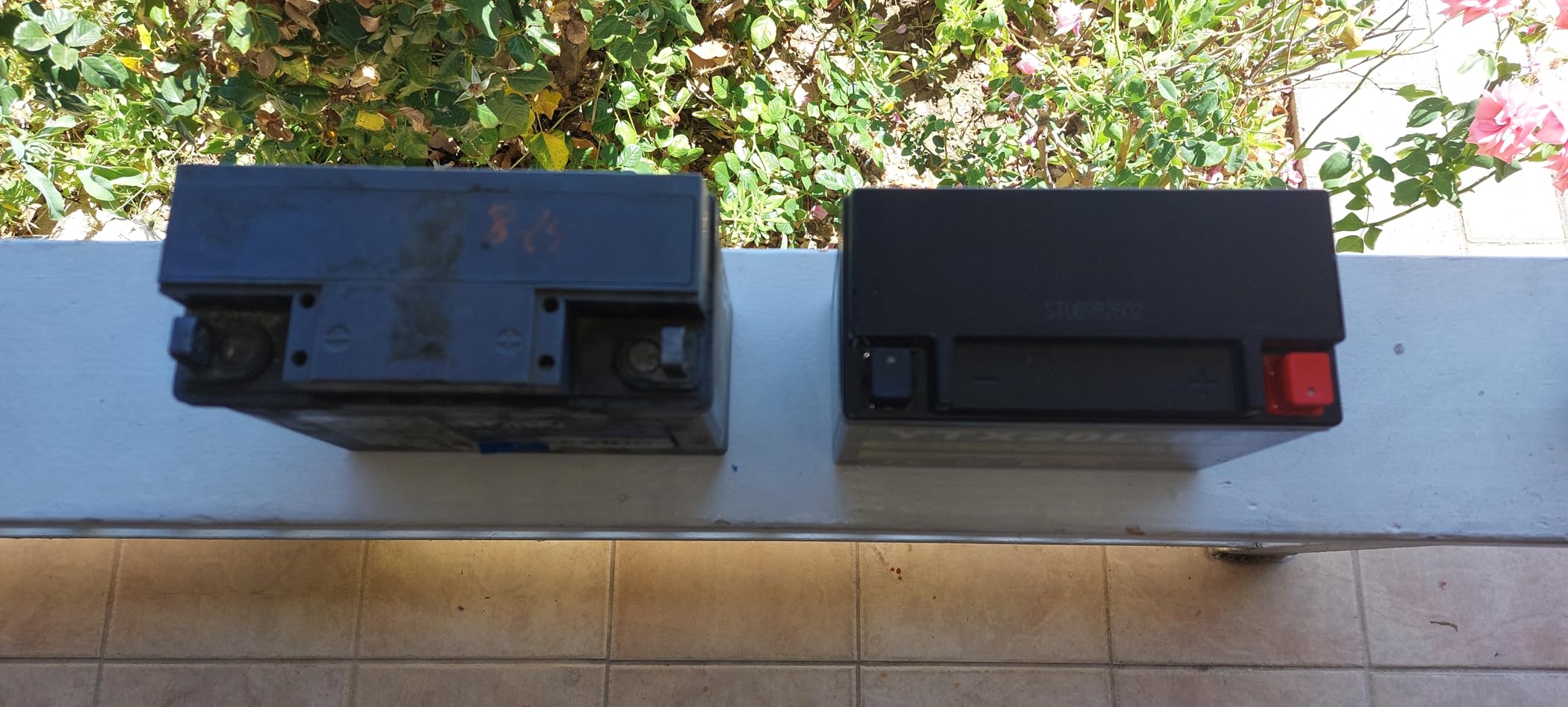
The most consistent specific complaint is the terminal hardware. Square nuts are fiddly to thread in a confined battery compartment, and a few owners note that longer terminal screws would have made the install much easier. It is a small thing that takes twenty minutes longer than it should, and it is completely predictable before you buy, so plan for it.
The 1-year warranty is also the shortest in the roundup. For a weekend camper who tops the bank up from shore power most nights, that is a reasonable trade. For a full-time boondocker, it is not.
When this is the right buy
Pick this if you are replacing a dead coach battery on a rig that mostly camps with shore power, you want zero cold-weather charging risk, and you would rather keep the cash for panels. Sealed AGM construction means no venting, and the broad application range means it will also cover a backup or a small marine project.
It is genuinely useful as a second battery in a parallel bank where weight is not the concern and you want known-good chemistry on both sides.
Where it is the wrong choice
It is the wrong pick for anyone chasing runtime per cycle or lifetime value. With about 50% usable capacity and a modest cycle life, a budget AGM bank needs more solar to maintain than an equivalent lithium bank, so the money you saved on the battery often reappears as a larger charge controller. It is also the wrong pick for a van build where the mass matters.
6. WindyNation 12V 100Ah AGM – Best for Long Service Life
WindyNation 100 amp-Hour 100AH 12V 12 Volt AGM Deep Cycle…
12V 100Ah sealed AGM
71 pounds
10-12 year float life at 25C
Heavy duty plates
Pros
- Multiple owners report 6-7 years of continuous service
- Runs cool near 30C while charging
- Heavy duty plates for repetitive deep discharge
- Doubly boxed with foam padding and a lifting strap
Cons
- Heaviest battery in the roundup at 71 pounds
- Voltage sags noticeably under heavy load
- Capacity declines over years of service
- Buyers report over-buying capacity
Durability is the entire argument for this one. Long-term owners describe 6-7 years of continuous service powering a refrigerator, lighting and a propane heater on boondock, with voltage holding above 12.7V in winter conditions. The chemistry is 99.995% pure virgin lead in a sealed AGM case with heavy duty plates designed for deep repetitive discharge, and the float life is rated at 10-12 years at 25C.
It also over-delivers slightly on paper: 100Ah at the 10 hour rate and 110Ah at the 20 hour rate. Owners note it runs cool near 30C while charging under load, and the packaging is unusually careful, with double-boxed units, foam padding, a lifting strap and terminal protectors included in the box.
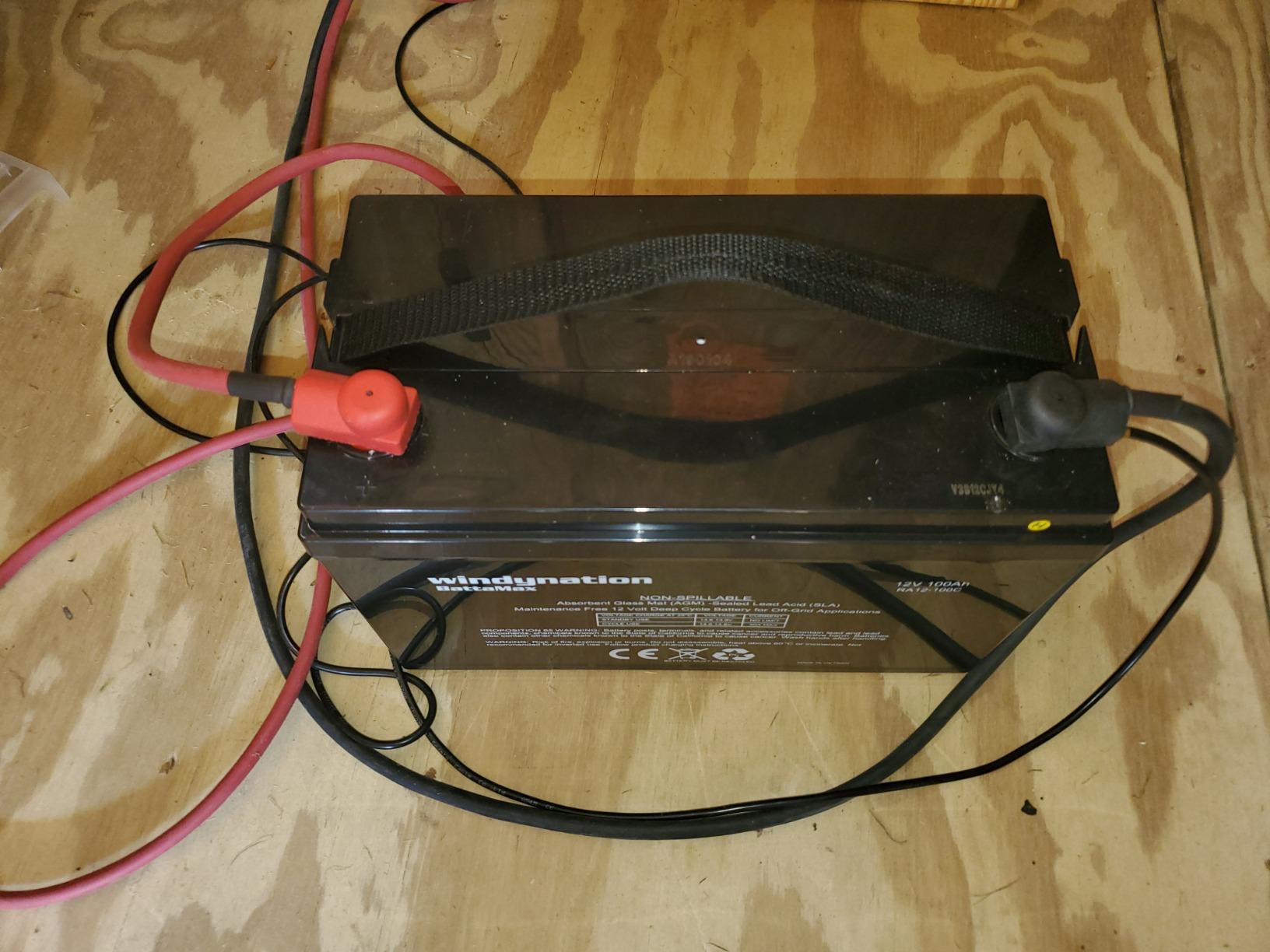
At 71 pounds it is the heaviest battery in the roundup, which makes installation into a high battery tray a genuine two-person task and makes it a poor choice for anything portable or for a marine application where you need to lift it out regularly. The dimensions are 13 x 6.8 x 8.7 inches, close to a Group 31 footprint.
A smaller number of owners report voltage sag under heavy discharge, and one replaced an entire series bank over it. Capacity decline over years of service is normal for lead-acid but worth factoring into a ten-year plan. Several buyers also note that they over-bought and wish they had chosen a smaller capacity, which is a fair warning if you are tempted to max out the compartment.
Who this rewards most
Full-time RVers who plan to keep a rig for a decade and replace batteries rather than the whole coach benefit most. If your solar is modest and you cycle the bank gently, lead-acid longevity can genuinely outlast a lithium pack in a real RV, because lithium dies faster when it sits at high state of charge in heat and a lightly used bank spends most of its life there. We have also seen it recommended heavily for trailer and van builds where a lifting strap and cool running temperature are the deciding factors.
Where it is the wrong choice
It is the wrong pick for an inverter-heavy build, because usable capacity is about half the label figure and voltage sags under high load. It is also the wrong pick for a cold-and-heavy combination where you will be hauling 71 pounds into a compartment in the dark. We would not put two of these in a boat.
7. dumfume 12V 150Ah LiFePO4 – Best for Tight Cabinet Builds
dumfume 12V 150Ah Max LiFePO4 Battery, IP65 Waterproof 100A…
12.8V 150Ah LiFePO4
1920Wh
IP65 enclosure
100A BMS
Pros
- 1920Wh in a compact Group 31 footprint
- Over 4000 cycles to 80% capacity
- Small enough for tight RV and van cabinets
- 100A BMS plus IP65 for outdoor use
Cons
- Requires an operating temperature of 5C or higher
- Return shipping not covered for cold charging issues
- Needs a maintenance cycle every 6 months in storage
- Not designed for engine starting
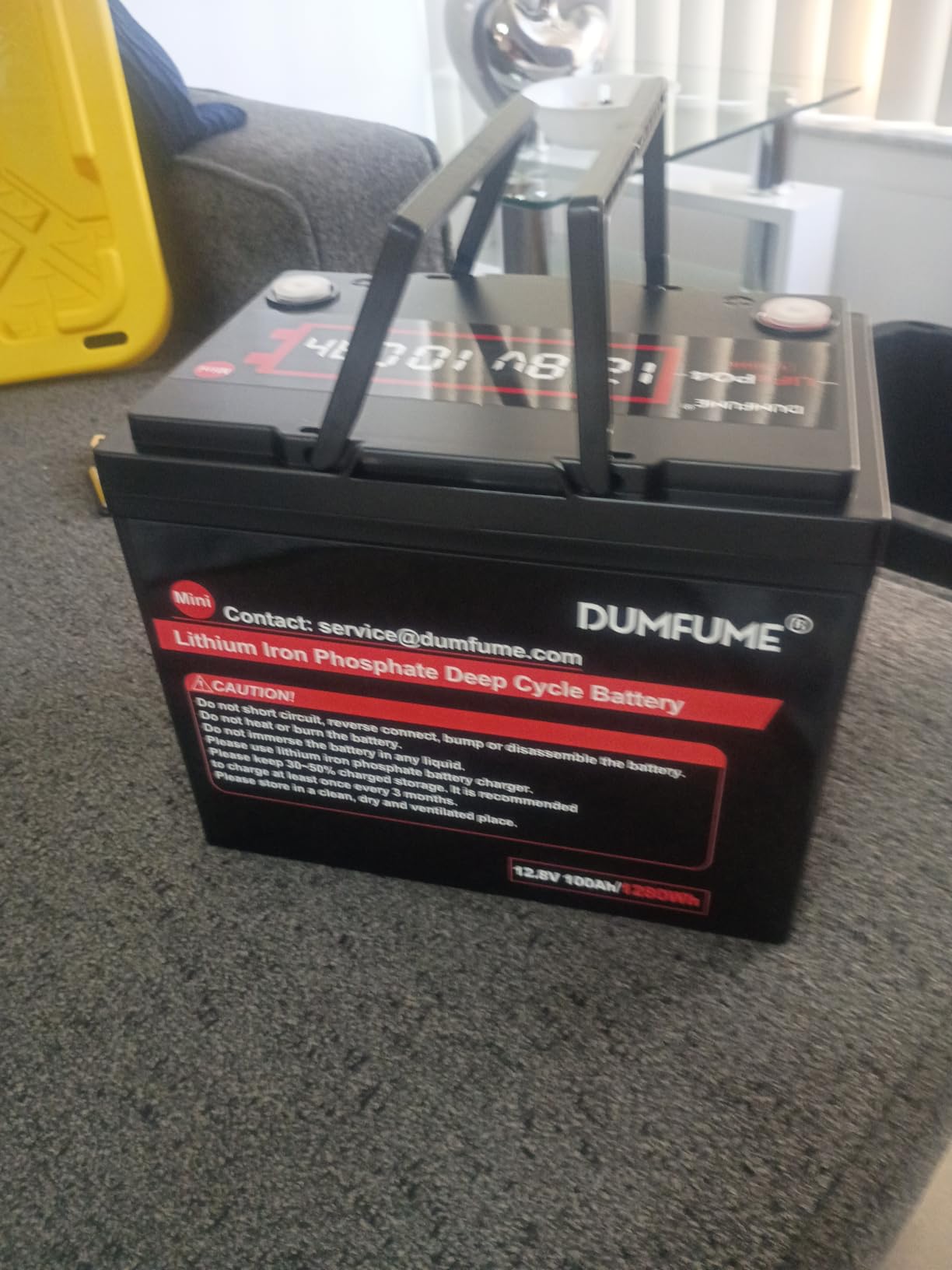
Capacity density is the reason to look at this one. At 150Ah and 12.8V nominal it stores 1920Wh, and it does it in a 10.04 x 7.68 x 9.84 inch case weighing 22.1 pounds. That is more energy than two 100Ah lead-acid batteries, at roughly a third of their combined weight, in a footprint that fits a cabinet most builds already have.
Cycle life is rated at over 4000 cycles to 80% of capacity, the BMS is rated at 100A with overcharge, over-discharge, short circuit and overheating protection, and the IP65 enclosure handles dust and water. Series and parallel expansion up to 4S4P is supported, so this is a sensible starting point for a build you intend to grow.
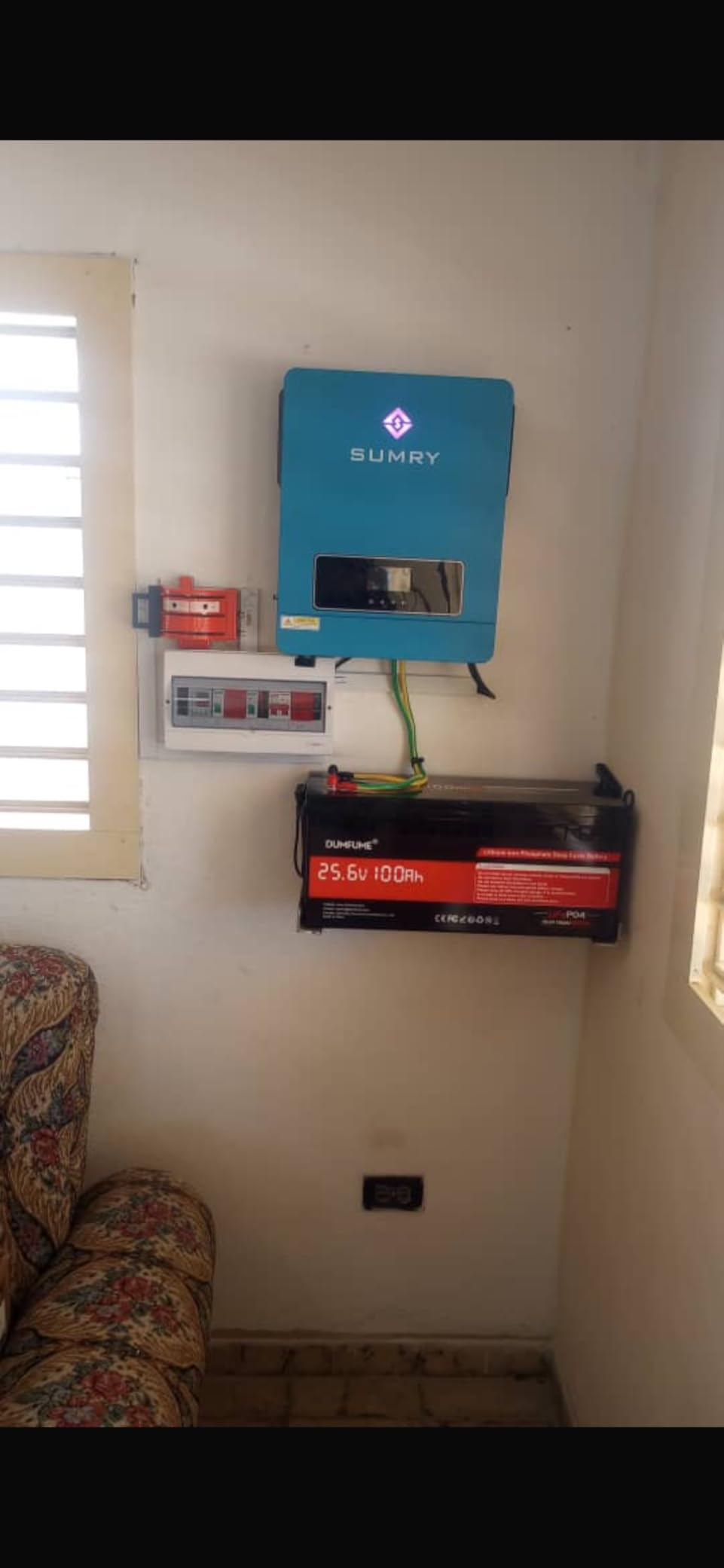
The temperature requirement is the one to read carefully. The manufacturer states the operating temperature must be 5C or higher, which is stricter than the 32F (0C) cutoff on most lithium packs. That means a heated battery box or a self-heating alternative is effectively mandatory if you camp in cold shoulder seasons, because otherwise the battery will refuse to charge in exactly the conditions where you most want stored energy.
Owners also flag the need for a full maintenance cycle roughly every 6 months during extended storage, and note that returns are not covered for low-temperature charging issues. Both are manageable if you charge the bank at home on a schedule, and both are a real cost if you store a rig for a winter in a cold shed.
Where this capacity tier earns its place
A 150Ah lithium bank lands neatly between a weekend 100Ah setup and a full 200Ah or larger array. It suits a 400W to 600W solar configuration, an inverter running a microwave and a CPAP machine, and a family of two running a water pump, refrigerator and lighting overnight. The 5-year warranty is among the strongest we saw in this roundup.
Because the listing shares a review pool with the brand’s larger lithium models, the praise for capacity per pound and the compact form factor is consistent, and the cautions cluster entirely around cold operation and periodic maintenance charging rather than core performance.
Where it is the wrong choice
Cold climates without a heated compartment rule it out, and it is the wrong choice for engine starting of any kind. The listed configuration weight also deserves a sanity check against your actual install, because the 41 pound figure in the feature list does not match the 22.1 pound spec, and we would measure the delivered battery rather than trust either number.
8. Redodo 12V 100Ah LiFePO4 Group 31 – Best for Boondocking
Redodo 12V 100Ah LiFePO4 Battery, Group 31, for RV, Marine
12.8V 100Ah LiFePO4
Group 31 footprint
100A BMS
4000 cycles at 100% DoD
Pros
- About 60% lighter and slightly smaller than comparable lead-acid
- Near-full usable capacity with one tester measuring 105Ah
- Support team resolved failures with return labels
- Detailed manual with insulating caps and terminal bolts
Cons
- Some units stopped charging after several years
- Warranty is prorated rather than a full replacement
- Group 31 sizing is larger than a Group 27 box
- Not for starter or golf cart use
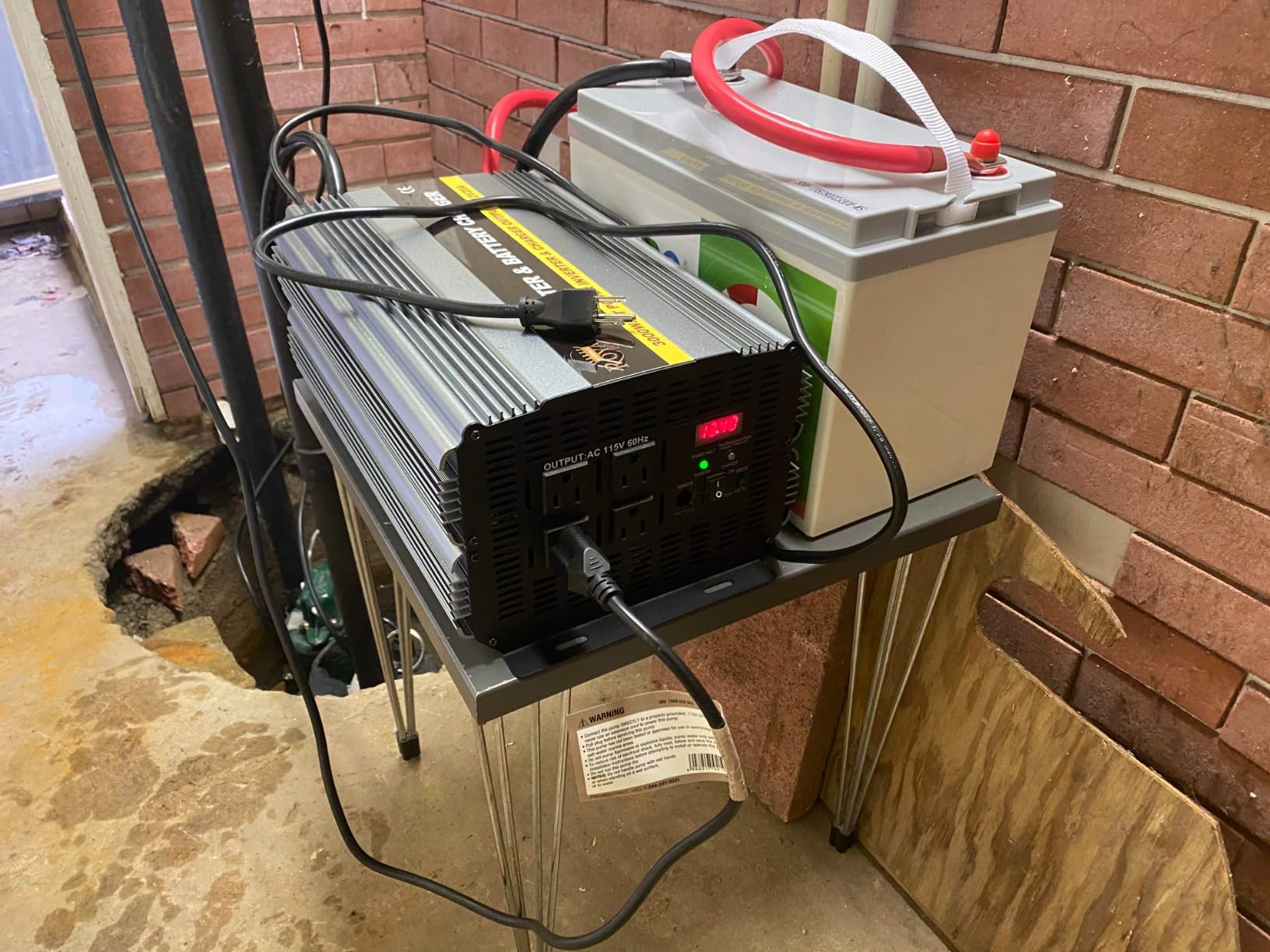
This is the pick we recommend to someone who actually boondocks. The Group 31 footprint at 12.99 x 6.82 x 8.46 inches and 25.4 pounds is about 60% lighter than a comparable 100Ah lead-acid battery, and one independent tester measured 105Ah out of the box, which tells you the usable capacity claim is real rather than marketing. Van, RV and marine owners consistently report days of off-grid runtime where AGM banks ran dry.
The BMS is rated at 100A with overcharge, over-discharge, over-current, short circuit and high temperature protection, and expansion is supported up to 4S or 4P for a maximum of 400Ah or 51.2V. Self-discharge is 3% monthly, the cell rating is 4000 cycles at 100% depth of discharge and 15000 at 60%, and the stated rated life is 10 years. Charging works from a LiFePO4 charger, solar controller, alternator or generator.
Two cautions. First, the warranty is prorated, so a failed battery is typically replaced at a discount rather than in full, which is a weaker safety net than a full replacement policy. Second, the Group 31 case is larger than a Group 27 box, so if your compartment is a Group 27 you will need a new tray.
The negative feedback that does exist centers on long-term durability, with a few units failing to charge after 3-4 years of service. On the positive side, owners report that support resolved failures quickly with return labels and replacements, which matters a great deal when your battery is 600 miles from home. The box also includes insulating caps and two sets of M8 terminal bolts, and the documentation runs to a 23-page manual with clear diagrams.
Why this is our boondocking pick
It is the most balanced lithium option here: a real Group 31 drop-in case, near-full usable capacity, a 100A BMS, a 5-year warranty and the ability to charge from a converter, an alternator, a generator or solar. The recommended trolling motor range of 30-70 pounds of thrust also means the same battery works if your RV build doubles as a boat.
Our existing guide to lithium RV batteries for serious boondocking goes deeper on the converter/charger side of the equation.
Where it is the wrong choice
It is not suitable for starter or golf cart applications, so keep your starting battery separate. It is also the wrong pick if you cannot service the converter/charger, because a lead-acid profile on this cell will undercharge it and shorten its life. And if your compartment is a Group 27, budget for a new battery box before this arrives.
What a Deep Cycle Battery Is and Why a Starter Battery Will Not Do
A deep cycle battery is built to release steady power over many hours and to be recharged thousands of times. A starter battery is built with thin internal plates that deliver one short, high-current burst to turn an engine over, and it is then put on a charger for the rest of the month. Putting a starter battery in an RV house bank means you get a battery that sulphates quickly and dies between trips.
There is a naming wrinkle worth clearing up, because it trips people up constantly. Deep cycle is a lead-acid term. Lithium iron phosphate batteries sold as deep cycle lithium are a marketing category rather than a technical one, which is why some owners online object to the phrase. The chemistry name that matters is LiFePO4, and the thing to verify on any listing is usable capacity and cycle life rather than the wording on the box.
The other definition that matters is depth of discharge, or DoD, which is the share of rated capacity you actually use before charging. Lead-acid is happy at about 50% DoD day after day, which means a 100Ah AGM gives you roughly 50Ah of dependable energy. LiFePO4 routinely runs at 80% or more, so a 100Ah lithium pack gives you close to 100Ah. That single ratio is the largest practical difference between the chemistries.
LiFePO4 vs AGM: The Core Trade-Off for an RV Solar Build
LiFePO4 beats AGM on usable capacity, weight, cycle life and charge efficiency. AGM beats LiFePO4 on cold weather charging tolerance, purchase cost, and the fact that it needs no change to a converter/charger already in your RV. That is the honest comparison, and every pick in this roundup lands on one side of it or the other.
The specific numbers behind the decision: LiFePO4 packs in this roundup are rated 4000+ cycles at 100% depth of discharge, with 3% monthly self-discharge and roughly 25 pounds per 100Ah. The AGM options run about 50% usable depth of discharge, sit between 1-3% monthly self-discharge, weigh 57-71 pounds per 100Ah, and carry float life ratings of 10-12 years on the premium end.
Charge setpoints differ too, and this is where a lot of lithium disappoints people. LiFePO4 wants a bulk charge around 14.2-14.6V, a float around 13.5-13.6V, and no equalization stage. AGM wants bulk around 14.4-14.7V, float around 13.6-13.8V, and equalization is allowed. Running a lithium bank on a lead-acid equalisation schedule is actively harmful.
On temperature, AGM is the safer bet. The AGM options in this roundup are rated for charging from around 14F (-10C) up to 122F (50C), and one covers -4F to 140F. Every lithium pack listed here inhibits charging below 32F (0C), and one requires an operating temperature of 5C or higher. Cold-climate boondockers should factor a heated battery box or a self-heating pack into the build.
Our read of the owner evidence is that satisfaction with lithium tracks almost entirely with weight savings and true usable capacity rather than with purchase price, while AGM loyalty persists among people who camp with shore power most nights and want zero cold-weather risk. Our solar versus generator comparison covers the recharge question in more detail if your array is the limiting factor.
How Much Battery Your RV Solar Can Actually Recharge
Size your array to your bank, not the other way around. A rough daily production estimate is array wattage times 4 to 5 peak sun hours, and you should treat that as the energy you can realistically push into the bank on a good day. Everything past that point is charge you are waiting several days to recover.
Worked example at 200W: 200W times 4.5 peak sun hours is about 900Wh per good day, or roughly 70Ah into a 12V bank. A pair of 100Ah lead-acid batteries holding about 100Ah usable combined would refill in a day and a half from empty. Owners on r/RVLiving running two Group 31 batteries on 200W describe exactly that as workable for basics but chronically undercharged for anything more.
Worked example at 400W: 400W times 4.5 hours is about 1800Wh per good day, roughly 140Ah into a 12V bank. That comfortably keeps a 100Ah lithium bank topped up, and it keeps a 200Ah AGM bank roughly level on average days. Our solar generator picks are worth a look if you also need power on days with no sun at all.
Worked example at 800W: 800W times 4.5 hours is about 3600Wh per good day, roughly 280Ah into a 12V bank. At that point a 200Ah lithium pack is a sensible minimum, and larger banks start to make sense for winter cloud stretches. If your array is in the 800W range and you are still planning a 100Ah bank, the battery will be the bottleneck for its whole life.
The rule of thumb most experienced builders use: target about three to four days of usable capacity for the loads you actually run, and make sure your array can put back what you take out on an average day. A bank that is chronically part-charged is the single most common reason people decide their battery is faulty.
Sizing Your Battery Bank for a Real Night Off Grid
Start with the loads, not the battery. A typical two-person night might be a 12V refrigerator compressor cycling for 8 hours, LED lighting for 5 hours, a water pump for 20 minutes, a furnace or propane heater ignitions, a CPAP machine, and phone charging. That is far less energy than most people imagine, and it is why usable capacity matters more than the label number.
A concrete comparison makes the point. A 100Ah AGM with 50% usable depth gives you about 50Ah or 600Wh of dependable energy, which comfortably covers a refrigerator, lighting and a water pump for a night but starts to strain once you add a furnace and an inverter load. A 100Ah LiFePO4 at 80% usable gives you about 80Ah or 1024Wh, roughly 1.7 times the runtime for a battery that weighs less than half as much.
Is a bigger amp-hour rating always better? No. A bank sized to your roof never reaches full charge, which keeps lead-acid permanently in sulfation territory and makes lithium sit at partial charge. Bigger is only better if the array and the wiring can refill it, and if your family actually uses the extra capacity on a stormy week.
Bank configuration comes next. Parallel connection of two or more identical 12V batteries increases amp-hour capacity at the same voltage and is the normal way to build an RV bank. Series connection raises voltage, which is what a 24V system needs for a larger inverter, but every battery in a series string ages together, so matched, same-batch batteries matter. Both Renogy and the lithium options here are rated for parallel expansion up to 4P, and the lithium packs go to 4S4P.
Charging: MPPT, Charge Setpoints and the Cold Weather Cutoff
MPPT is the right choice for an RV solar array. A maximum power point tracker matches the panel operating voltage to the battery so you harvest the panel’s full output, typically 15-30% more energy than a PWM controller at the same wattage. For a fixed roof array where every panel counts, that difference is the cheapest usable energy improvement in the whole build.
Setpoints matter more than most people expect. Charge a LiFePO4 bank in bulk around 14.2-14.6V and float it at 13.5-13.6V with no equalisation. Charge AGM in bulk around 14.4-14.7V and float at 13.6-13.8V, where equalisation is permitted. Running a lithium bank on a flooded lead-acid profile, or allowing a lead-acid equalisation cycle to run on lithium, will shorten its life and can trigger BMS cutoffs that look like a dead battery.
Can a solar panel overcharge a deep cycle battery? Not on its own, because a charge controller sits between the array and the bank. The real risk is a misconfigured controller, and the second real risk is charging lithium below 32F, which causes lithium plating inside the cells. Every lithium pick in this roundup inhibits charging below freezing and resumes once the pack is warm again.
That is also why the converter/charger upgrade is the hidden cost of an AGM to lithium conversion. Most RV converters are lead-acid profile, which undercharges a lithium bank and leaves it chronically part full. Budget for a lithium-profile converter/charger or an adjustable one at the same time as the battery, not after. And if you are still deciding between shore power and a solar system entirely, our generator and solar options guide lays out the trade-offs.
Upgrading an Existing Bank Without Ruining It
Do not mix old and new batteries in one bank, whatever the chemistry. Adding one new lithium to a bank of aging lead-acid causes imbalance, because the older cells sag first and drag the whole string down. Every lithium manufacturer here recommends replacing matched pairs or matched sets together, and a few owners who ignored that advice reported shortened life on both sides.
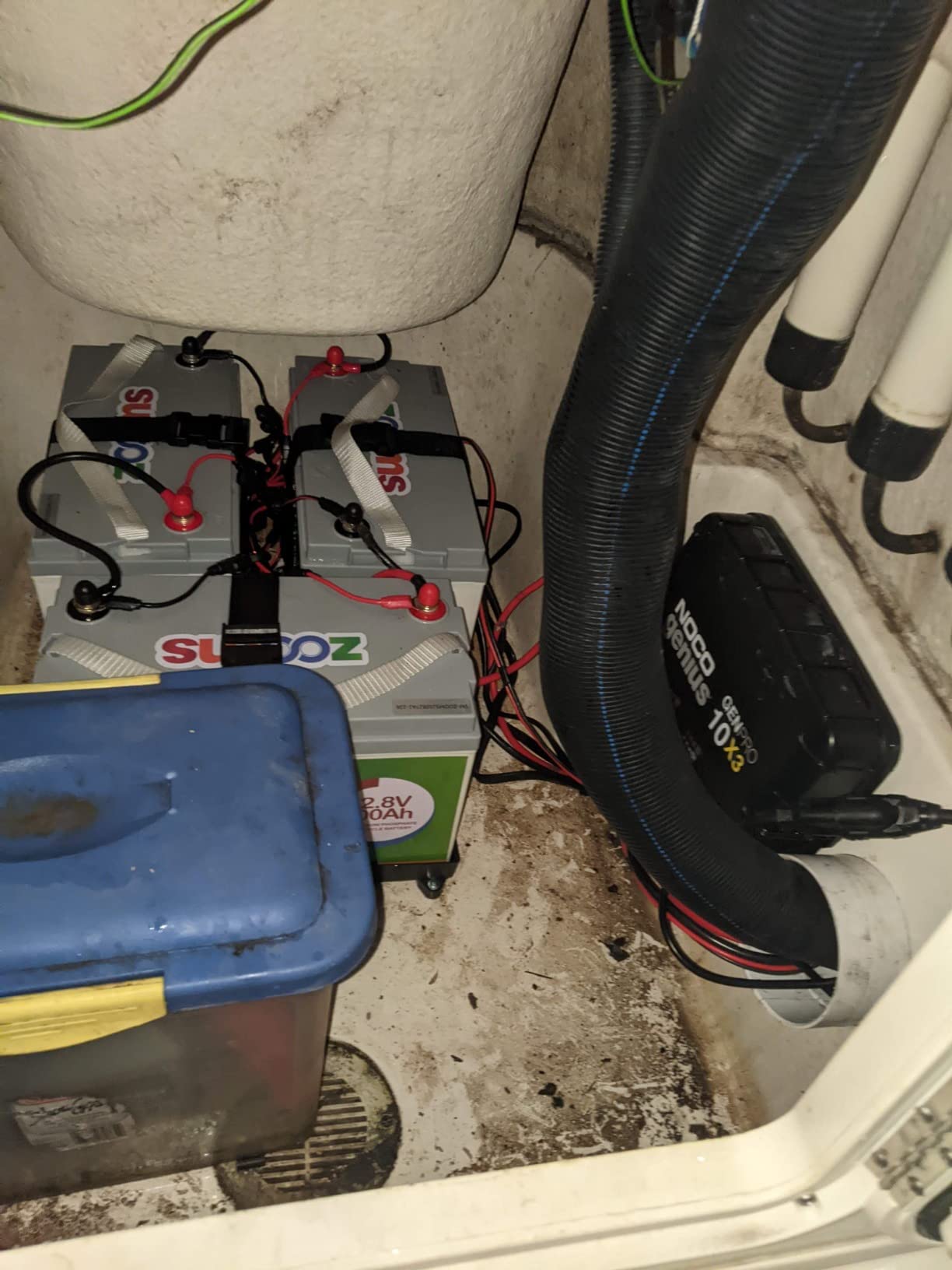
Replacing flooded or AGM house batteries in place is straightforward, though. Most lithium options listed here are drop-in Group 24 or Group 31 cases, so the tray, the hold-downs and the cable lugs usually stay put. Check the physical dimensions before you order, because the Group 31 options are larger than a Group 27 box and a few of the lithium cases are taller than a standard AGM.
Torque and cable practice are worth a mention. Clean the terminals, use the M8 hardware that ships with the lithium packs where it is provided, and tighten to the manufacturer specification rather than by feel, because an under-torqued lithium terminal can heat up under a high-current inverter load. Keep the positive cable away from the metal case and recheck after the first full charge cycle.
A 23-page manual with clear diagrams, insulating caps and two sets of terminal bolts sounds like a small detail, but it is exactly the difference between a clean install and an afternoon of guessing.
Lifespan, Monitoring and What Maintenance-Free Really Means
Maintenance-free means no watering and no specific gravity checks, which is a genuine benefit of sealed AGM and sealed lithium alike. It does not mean no attention at all. Lead-acid still sulphates if it sits below full charge, and a bank that is chronically part-charged from an undersized array will show it as reduced capacity within a year or two.
Do you need a battery monitor? Yes, once you are boondocking. Most lithium packs in this roundup expose Bluetooth state of charge, though at least one has a documented reading that is unreliable for very low draw devices, so a dedicated monitor shunt is the more dependable read. A cheap coulomb counter is the single most useful accessory for a lithium bank, because it shows truth at both ends of the state of charge range.
On service life, the lithium packs here are rated around 4000+ cycles, and the longest AGM option is rated at 10-12 years of float life at 25C. Real-world longevity depends less on chemistry than on how the battery is treated, with heat and prolonged high state of charge being the real killers in both cases. The owner reports we trust most in this category are multi-season, and they consistently credit the battery that was actually sized to their array.
Before winter storage, bring a lithium bank to roughly 40-60% state of charge, keep it in a temperature that stays above freezing if you can, and top it up every couple of months. One of the picks in this roundup specifically asks for a full maintenance cycle every 6 months during extended storage, and lithium chemistry generally benefits from the same routine.
Frequently Asked Questions
What is the best deep cycle battery for solar?
For RV solar, a 12V 100Ah or 200Ah LiFePO4 battery with a built-in BMS and a low-temperature charge cutoff is the strongest overall choice, because you get close to full rated capacity as usable energy, roughly 60% less weight than lead-acid, and 4000 or more rated cycles. A sealed AGM 100Ah remains the better pick for cold climates and for budgets that cannot absorb a converter and charger upgrade.
Are LiFePO4 batteries better than AGM for an RV?
They are better on usable capacity, weight, cycle life and charge efficiency. AGM is better on cold weather charging tolerance, purchase cost, and drop-in compatibility with an existing converter and charger. A 100Ah lithium pack gives roughly 1.7 times the overnight runtime of a 100Ah AGM at less than half the weight, provided your charge equipment uses a lithium profile.
Is 400W of solar enough for an RV?
400W typically produces about 1800Wh on a good day, or roughly 140Ah into a 12V bank. That is enough to keep a 100Ah lithium bank topped up and to hold a 200Ah AGM bank roughly level on average days. It is marginal for a large 200Ah lithium bank, which needs closer to 800W to refill reliably in a single sunny day.
Can you overcharge a deep cycle battery with a solar panel?
Not directly, because a charge controller sits between the array and the bank and regulates voltage. The genuine risks are a misconfigured controller and, for lithium, charging below 32F, which causes lithium plating inside the cells. Every lithium battery in this roundup blocks charging below freezing and restarts once the pack warms up.
Can I mix AGM and lithium batteries in the same bank?
No. Adding a new lithium battery to a bank of aging lead-acid causes cell imbalance, where the older cells sag first and drag the string down, shortening the life of both. Replace matched pairs or matched sets together, and expect a lithium conversion to also need a lithium profile converter and charger so the bank actually reaches full charge.
Can I use a lithium battery in cold weather?
Yes, with planning. Lithium batteries discharge fine in the cold but should not be charged below 32F, so you need a self-heating pack, a heated battery box, or a practice of bringing the battery above freezing before charging. Lead-acid options in this roundup charge from roughly 14F upward, which is why AGM remains the safer choice for cold shoulder season camping.
Final Verdict: Which RV Solar Battery Should You Buy
Our single best pick is the Weize 12V 100Ah AGM. For a full-time RVer who wants a house battery with a decade of real owner history behind it, a sealed case that needs no attention, and charging tolerance down to 14F, it is the safest and most proven deep cycle battery for RV solar you can buy, and its 4.5 rating across more than 16,000 reviews backs that up.
If you boondock and your array is genuinely sized, the Redodo 12V 100Ah LiFePO4 is the better buy, giving you near-full usable capacity at 60% less weight than AGM with a 100A BMS and a 5-year warranty. If you need more than 100Ah, step up to the 150Ah or 200Ah lithium options and match the bank to your wattage. Whichever route you take, budget for the charge equipment at the same time as the battery, size the bank to the array, and check today’s pricing on each before you order.
