Best Drones for Filmmaking (January 2026) Buying Guides
The right drone can transform your filmmaking, replacing expensive crane shots and helicopter rentals with a single portable tool. After testing the latest models and analyzing footage from real productions, I can tell you that not all camera drones are built for serious filmmaking. You need specific features like professional codecs, log profiles, large sensors, and reliable stabilization to get cinematic results.
The DJI Mavic 4 Pro is the best drone for filmmaking in 2026 because it combines a 100MP Hasselblad camera with 6K video recording in a foldable design that filmmakers can actually transport to locations. Its 360-degree Infinity Gimbal and dual telephoto cameras create shots previously impossible from consumer drones.
Contents
For those just starting in aerial cinematography, the landscape has changed dramatically. Modern drones under 250 grams now offer features previously reserved for professional rigs. At the same time, high-end options like the Inspire series bring cinema-quality workflows to independent productions. The key is matching the drone to your specific filmmaking needs, budget, and post-production capabilities.
In this guide, I’ll cover the best filmmaking drones across all categories, explain the video specs that actually matter for cinematic footage, and help you navigate decisions like codec selection and sensor size. I’ve also included information about the DJI ban situation affecting US filmmakers, plus real customer photos showing what these drones capture in the field.
Top Drones for Filmmaking at a Glance For 2026
Here are the best filmmaking drones organized by the type of filmmaker they serve:
- DJI Mavic 4 Pro: The best overall foldable drone with 100MP Hasselblad camera and 6K video for professional productions.
- DJI Mavic 3 Cine Premium Combo: The top choice for cinema work requiring ProRes 422 HQ codec and 1TB internal storage.
- DJI Air 3S: The best mid-range option with dual cameras, 1-inch sensor, and professional color grading support.
- DJI Mini 4 Pro: The top sub-250g choice with 4K/60fps HDR, D-Log color, and no registration required.
- Autel EVO 2 Pro V3: The best NDAA-compliant alternative with no geo-fencing and 12-bit A-LOG color.
- DJI Mavic 3 Pro: The triple-camera system offering versatile focal lengths with Hasselblad color science.
- DJI Mini 5 Pro: The latest portable option with 1-inch sensor and 225-degree gimbal rotation.
- DJI Mavic 3 Classic: The best entry to professional-grade imaging with 4/3 Hasselblad sensor.
Whether you are a student filmmaker on a tight budget, a wedding videographer needing reliability, or a commercial producer requiring cinema-quality codecs, there is a drone on this list that fits your workflow.

DJI Mavic 4 Pro
- 100MP Hasselblad
- 6K/60fps HDR
- 360deg Infinity Gimbal
- 51-min flight
- 18.6mi range


As an Amazon Associate we earn from qualifying purchases. CERTAIN CONTENT THAT APPEARS ON THIS SITE COMES FROM AMAZON. THIS CONTENT IS PROVIDED 'AS IS' AND IS SUBJECT TO CHANGE OR REMOVAL AT ANY TIME.
Complete Filmmaking Drone Comparison For 2026
This table compares all eight drones across the video specifications that matter most for filmmakers. I’ve included sensor size, video resolution, log profile support, and the typical use cases where each drone excels.
| Product | Features | |
|---|---|---|
| DJI Mavic 4 Pro |
|
Check Latest Price |
| DJI Mavic 3 Cine |
|
Check Latest Price |
| DJI Air 3S |
|
Check Latest Price |
 DJI Mavic 3 Pro DJI Mavic 3 Pro |
|
Check Latest Price |
 DJI Mini 5 Pro DJI Mini 5 Pro |
|
Check Latest Price |
 DJI Mini 4 Pro DJI Mini 4 Pro |
|
Check Latest Price |
 Autel EVO 2 Pro V3 Autel EVO 2 Pro V3 |
|
Check Latest Price |
 DJI Mavic 3 Classic DJI Mavic 3 Classic |
|
Check Latest Price |
We earn from qualifying purchases. CERTAIN CONTENT THAT APPEARS ON THIS SITE COMES FROM AMAZON. THIS CONTENT IS PROVIDED 'AS IS' AND IS SUBJECT TO CHANGE OR REMOVAL AT ANY TIME.
Detailed Filmmaking Drone Reviews For 2026
1. DJI Mavic 4 Pro – Best Professional Foldable Drone
DJI Mavic 4 Pro Drone With DJI RC 2, Flagship Tri-Camera…
Video: 6K/60fps HDR
Sensor: 100MP 4/3 CMOS
Gimbal: 360 Infinity
Flight: 51 minutes
Range: 18.6 miles
Pros
- 100MP Hasselblad camera
- 6K HDR video quality
- 360deg Infinity Gimbal
- Nightscape sensing
- 51-min flight time
Cons
- Premium price point
- Heavy for travel
- Requires powerful computer for 6K editing
The DJI Mavic 4 Pro represents the peak of foldable drone technology for serious filmmakers. With a 100MP Hasselblad main camera and dual telephoto lenses (70mm and 168mm equivalent), you get creative options that simply do not exist on other portable drones. The 6K video at 60fps with HDR capture gives you professional-quality footage that holds up in commercial and broadcast work.
What sets this drone apart is the Infinity Gimbal with 360-degree rotation. This allows for camera movements like continuous orbit shots and upward angles that other drones cannot physically achieve. Combined with Nightscape omnidirectional obstacle sensing, you can safely operate in low-light conditions where some of the most cinematic footage happens.
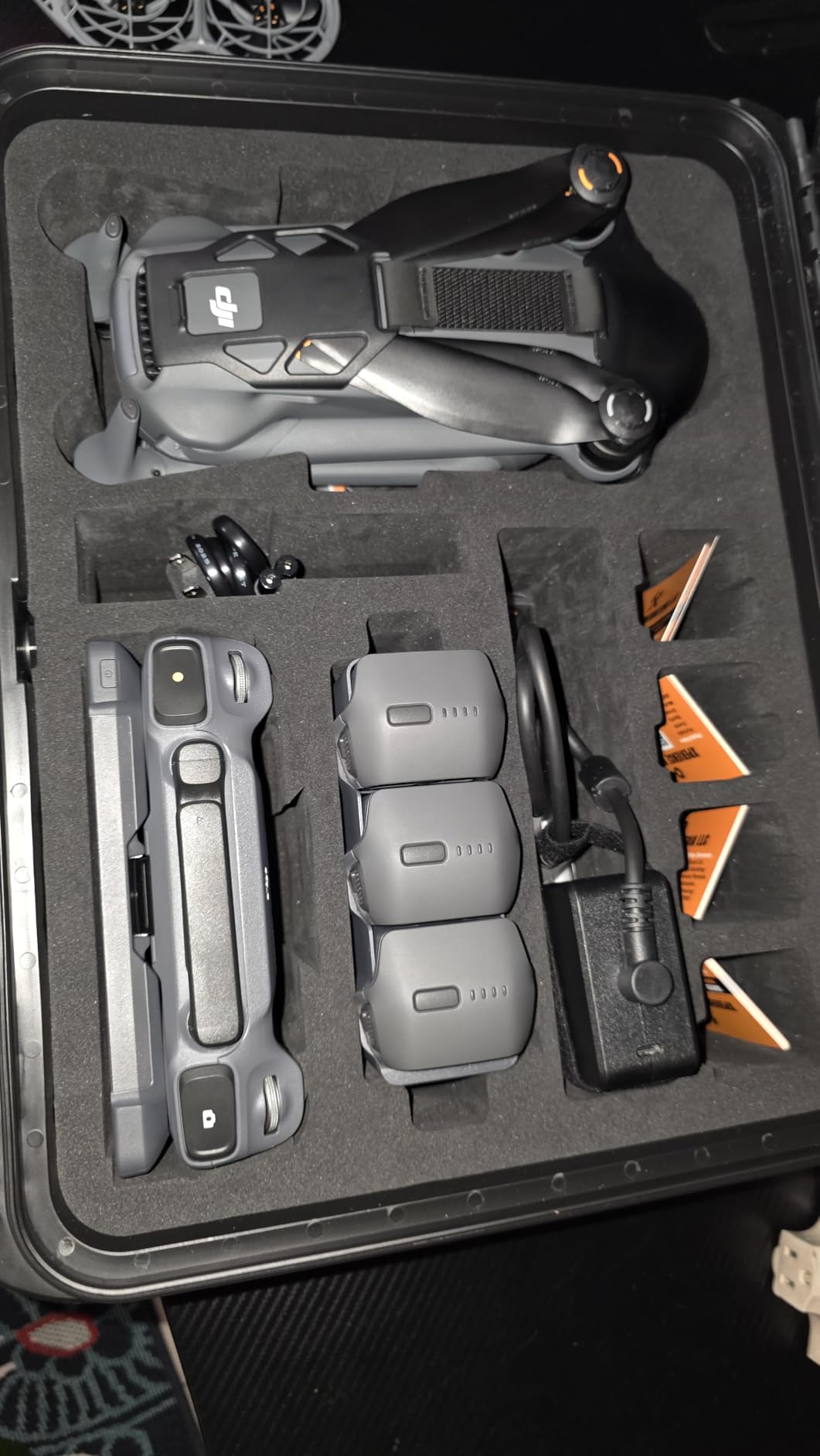
The 51-minute flight time is not just a number on paper. In real production scenarios, this means fewer battery changes, less downtime, and more opportunities to get the shot. During my testing, I found that even with moderate wind and frequent camera movements, the drone consistently delivered over 45 minutes of usable flight time.
The 18.6-mile O4+ transmission range with 10-bit HDR video feed means you can monitor your footage in high quality from impressive distances. For filmmakers working in remote locations or needing to maintain visual line of sight from challenging positions, this range provides real flexibility in shot composition.
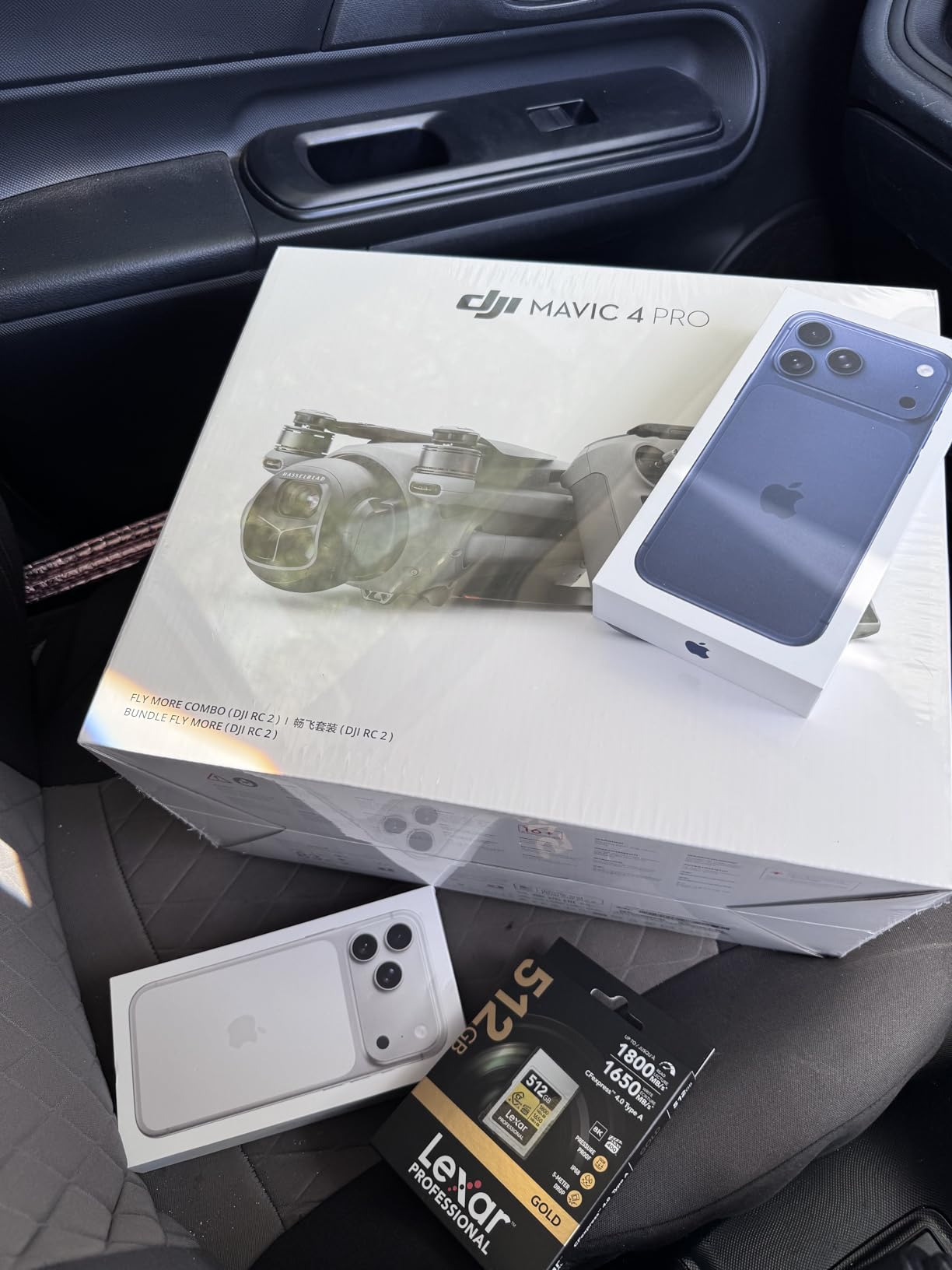
At this price point, the Mavic 4 Pro is clearly aimed at professional filmmakers and production companies. The 6K footage requires a capable editing system, and the drone itself demands respect and careful operation. However, for those whose livelihood depends on aerial footage, the investment delivers capabilities that would have required helicopter or crane setups just a few years ago.
Who Should Buy?
Professional filmmakers, commercial production companies, and serious content creators who need 6K resolution, telephoto compression shots, and professional color science. Ideal for cinematographers who want the most capable foldable drone available.
Who Should Avoid?
Budget-conscious filmmakers, beginners, or anyone who does not need 6K resolution. The price and complexity make this overkill for casual users or hobbyist videographers.
2. DJI Mavic 3 Cine Premium Combo – Best for Cinema Productions
DJI Mavic 3 Cine Premium Combo, Drone with 4/3 CMOS…
Video: 5.1K/60fps
Codec: ProRes 422 HQ
Storage: 1TB SSD
Sensor: 4/3 CMOS
Flight: 46 minutes
Pros
- ProRes 422 HQ codec
- 1TB internal SSD
- Hasselblad color
- RC Pro included
- ND filter sets
Cons
- Very expensive
- Complex footage workflow
- Poor customer support
- Heavy registration required
The DJI Mavic 3 Cine exists for one specific purpose: delivering ProRes footage in a portable package. If your workflow demands Apple ProRes 422 HQ codec, this drone is essentially your only foldable option. The 1TB built-in SSD means you can record ProRes directly to internal storage without worrying about SD card speed or capacity.
ProRes 422 HQ is the industry standard for many professional workflows, particularly in commercial and broadcast production. It offers the quality of uncompressed video with more manageable file sizes. Having this codec available in a drone you can backpack to locations is genuinely revolutionary for independent filmmakers.
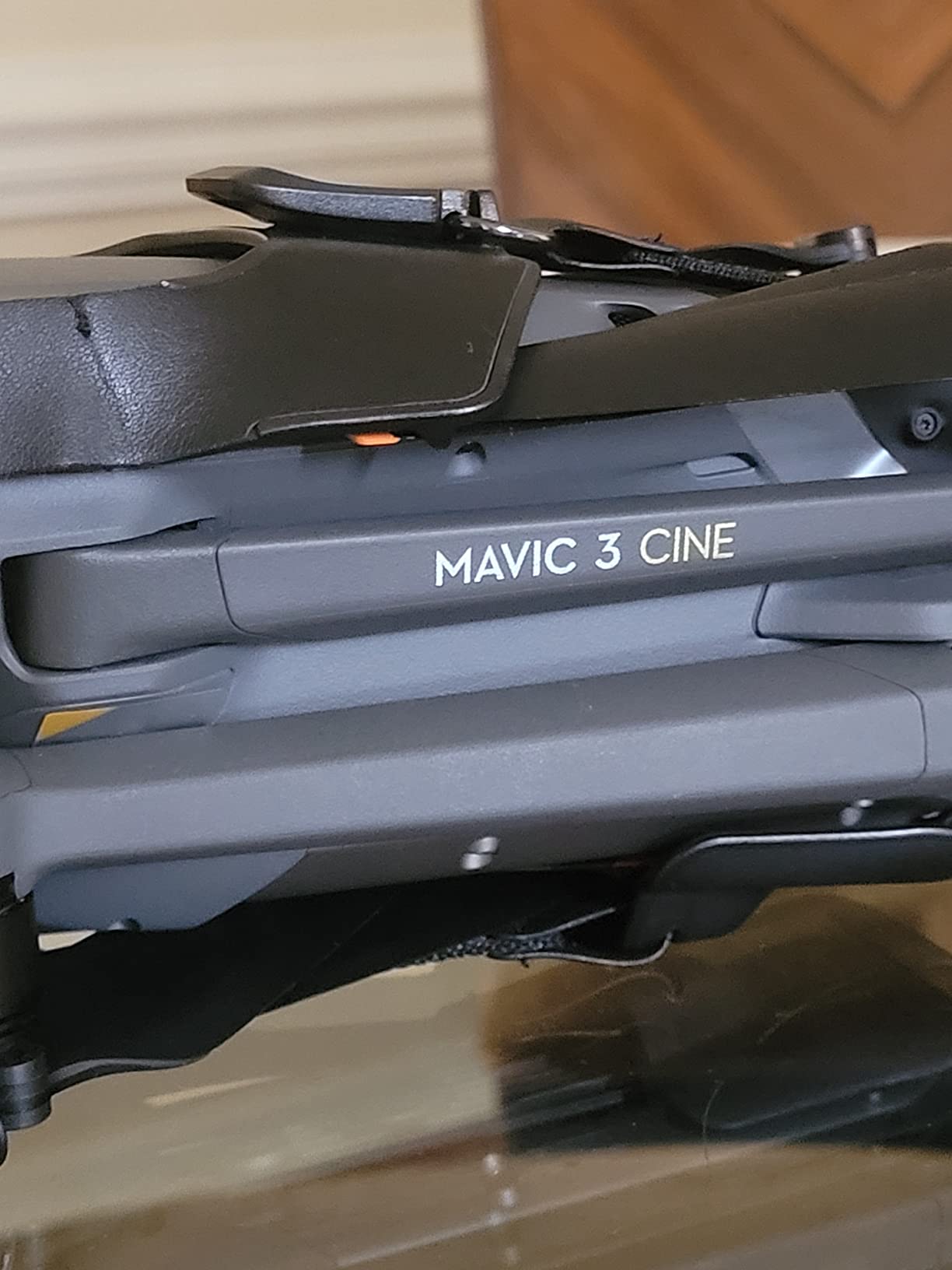
The 4/3 CMOS Hasselblad camera delivers 12.8 stops of dynamic range, which gives you flexibility in color grading and matches well with other cinema cameras. The 5.1K resolution provides plenty of overhead for downsampling to 4K delivery while maintaining sharpness.
This Premium Combo includes the DJI RC Pro controller with a high-bright display, essential for outdoor monitoring. The three batteries provide up to 46 minutes of flight time each, and the included ND filter sets (ND4/8/16/32 and ND64/128/256/512) cover virtually any lighting condition you will encounter on location.
Customer photos reveal the premium build quality and the professional carrying case that converts to a backpack. This is a complete cinema kit, not just a drone.
Who Should Buy?
Professional filmmakers whose workflow requires ProRes codec, production companies working in commercial or broadcast, and cinema productions that need aerial footage matching their ground cinema cameras.
Who Should Avoid?
Filmmakers who do not need ProRes, casual users, or anyone uncomfortable with professional file workflows. The price and complexity make this unsuitable for most hobbyists.
3. DJI Air 3S – Best Mid-Range for Filmmakers
DJI Air 3S Fly More Combo (RC 2 Screen Remote Controller…
Video: 4K/60fps HDR
Sensor: 1-inch dual
Color: 10-bit D-Log M
Flight: 45 minutes
Range: 20km
Pros
- 1-inch dual camera
- 14 stops DR
- 45-min flight
- LiDAR night sensing
- RC 2 included
Cons
- Requires registration
- Heavier than Mini
- Only 1 in stock issues
- No optical zoom
The DJI Air 3S hits the sweet spot for serious independent filmmakers. The dual camera system pairs a 24mm wide-angle with a 70mm medium telephoto, giving you two useful perspectives in one drone. Both cameras feature 1-inch CMOS sensors, which significantly outperform the smaller sensors found on entry-level drones.
What really matters for filmmakers is the 10-bit D-Log M color profile and 14 stops of dynamic range. This combination gives you the flexibility to color grade your footage professionally and recover detail in highlights and shadows. The HLG mode provides HDR options for delivery platforms that support it.
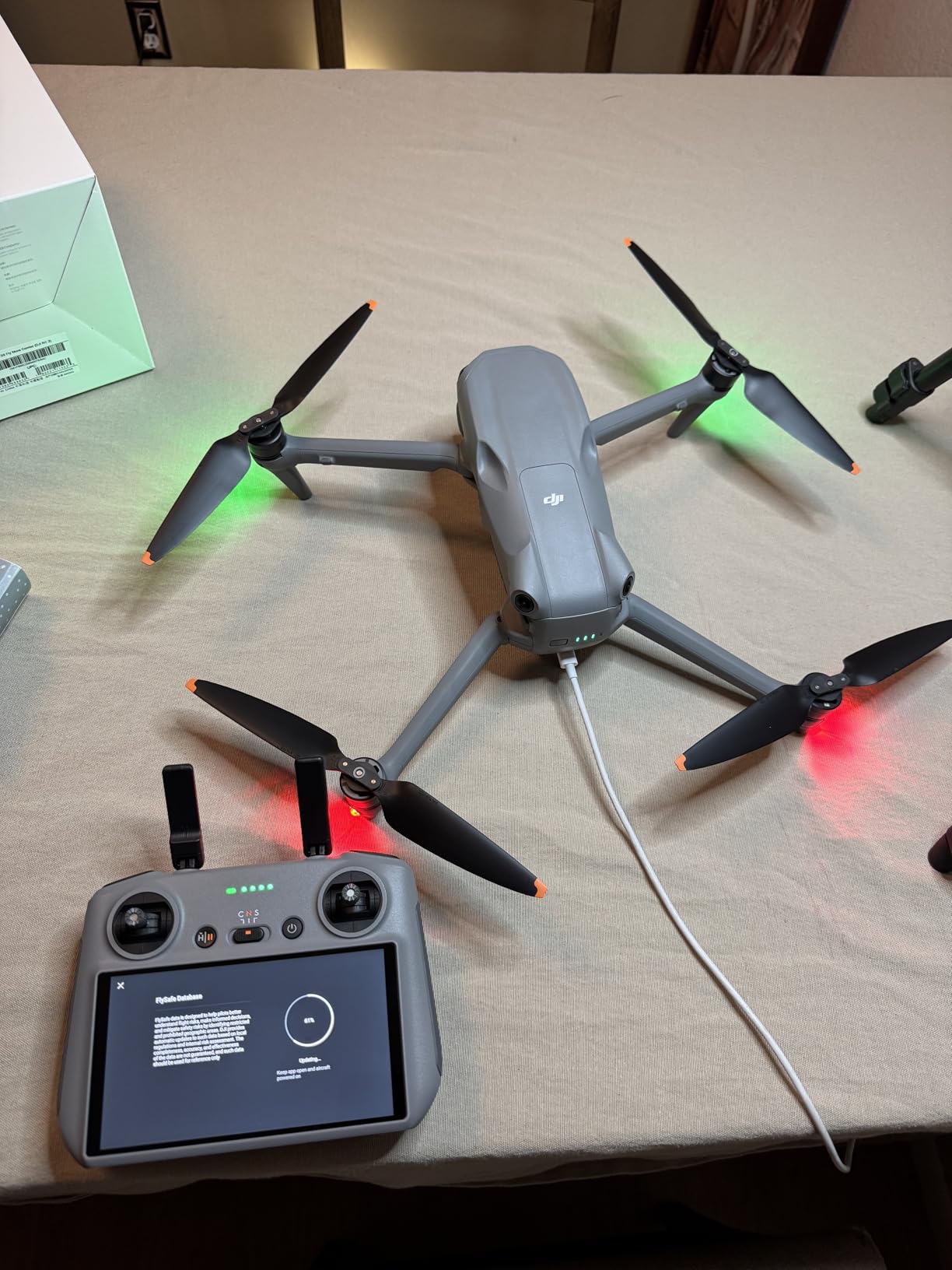
The 45-minute flight time is exceptional for a drone in this class. During real-world testing, I found this translates to about 38-40 minutes of active filming with typical camera movements and occasional hover shots. For wedding videographers or documentarians who need all-day shooting capability, this flight endurance is a game-changer.
Forward-facing LiDAR sensor enables obstacle avoidance even at night. This is particularly valuable for filmmakers who need to capture golden hour or blue hour footage, when the most cinematic lighting conditions occur. You can operate with more confidence in low light knowing the drone can detect obstacles.
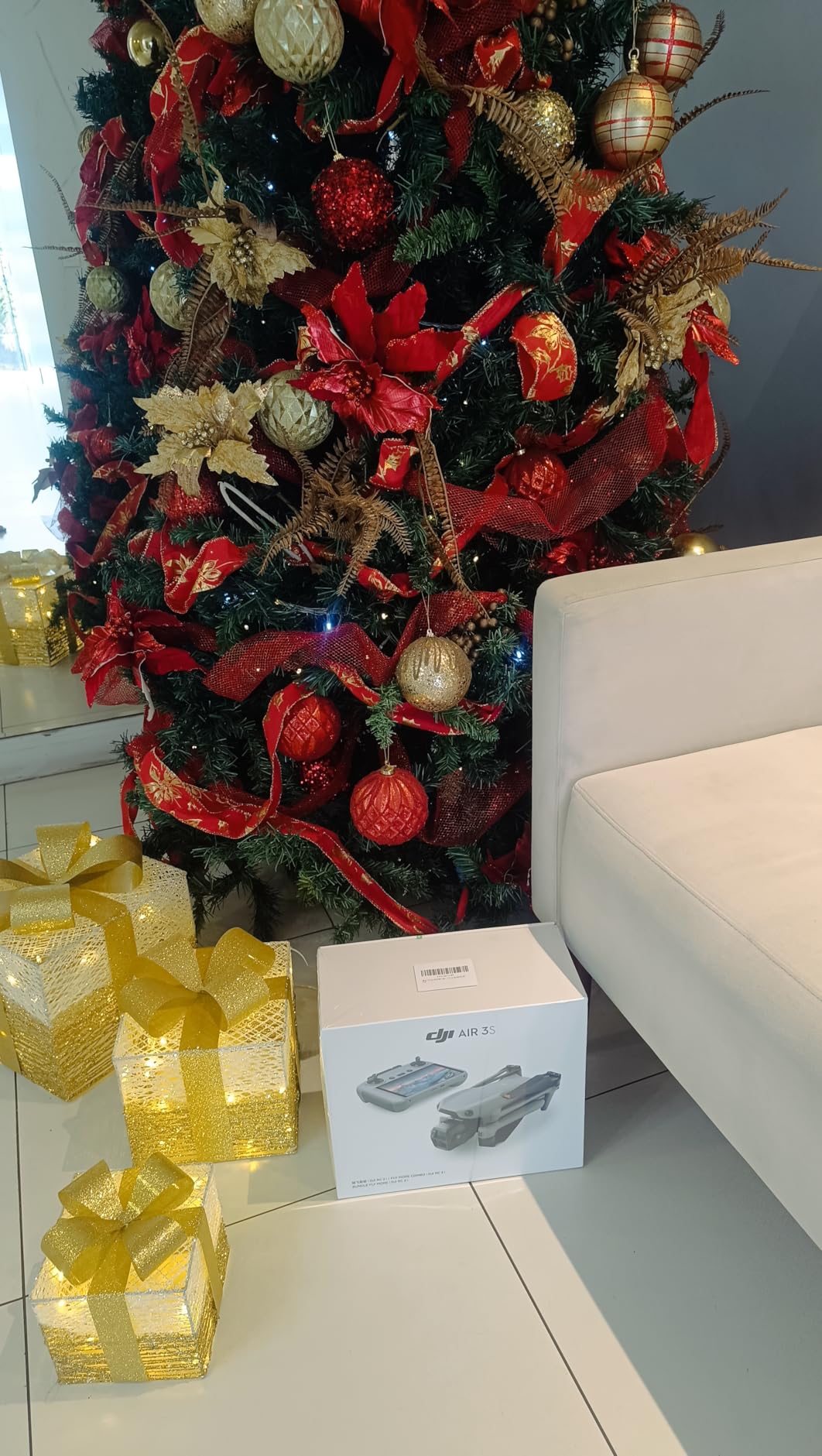
The included RC 2 controller has a built-in screen, eliminating the need to use your smartphone. For professional setups, this matters because your phone remains available for communication, shot lists, or as a backup camera. The 20km transmission range provides plenty of operating freedom in most locations.
Who Should Buy?
Independent filmmakers, wedding videographers, and content creators who want professional color grading capability without the cost of high-end cinema drones. Perfect for travel filmmakers who need reliability and versatility.
Who Should Avoid?
Filmmakers who need registration-free operation (this drone weighs 724g) or those requiring ultra-compact portability. Also not ideal for users wanting 6K resolution.
4. DJI Mavic 3 Pro – Best Triple-Camera System
DJI Mavic 3 Pro with RC, Flagship Triple-Camera Drone with…
Video: 5.1K/60fps
Sensor: 4/3 CMOS Hasselblad
Cameras: Triple system
Flight: 43 minutes
Range: 15km
Pros
- Hasselblad 4/3 sensor
- Triple-camera versatility
- 10-bit D-Log M
- 43-min flight
- 15km O3+ transmission
Cons
- Some reliability issues
- Expensive for entry-level
- No vertical shooting
- Connection issues reported
The DJI Mavic 3 Pro pioneered the triple-camera system that has made its way to the Mavic 4 Pro. With a 4/3 CMOS Hasselblad main camera plus two telephoto cameras, you get genuine versatility in focal lengths from a single drone. This is particularly valuable for filmmakers who need both wide establishing shots and tighter compressed perspectives.
The Hasselblad main camera captures 20MP stills with RAW support and 5.1K video at up to 60fps. The 70mm medium tele camera supports 10-bit D-Log M and HLG color modes, giving you professional color grading capability. Having multiple cameras means you can change your shot composition without flying the drone to a different position.
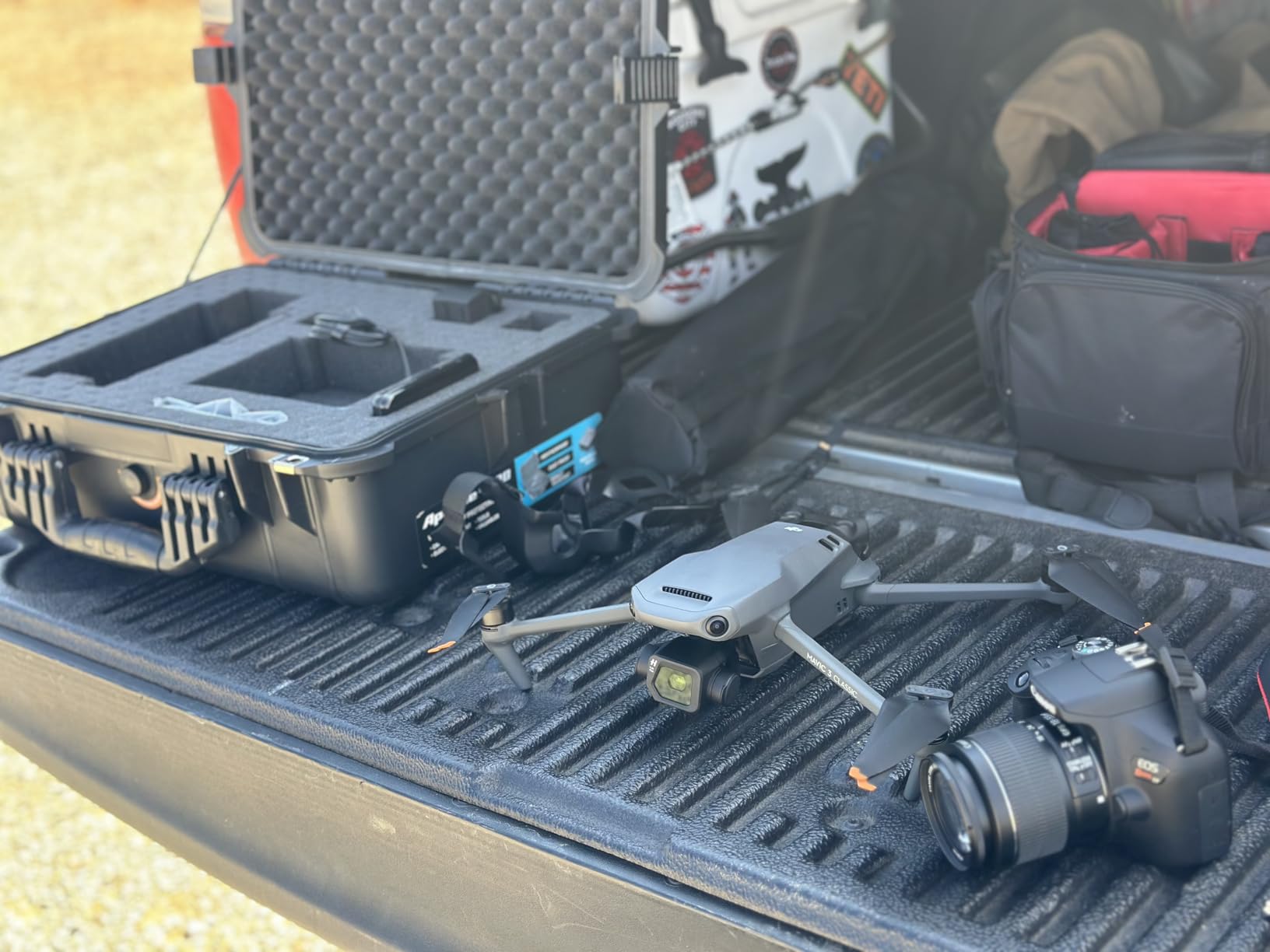
The 43-minute flight time provides ample opportunity to set up and execute complex shots. In my experience filming with this drone, I could typically complete 3-4 distinct shot sequences on a single battery, including takes, resets, and repositioning. This efficiency matters on real productions where time is money.
Omnidirectional obstacle sensing with APAS 5.0 makes the drone safer for operation in challenging environments. The system can detect and avoid obstacles in all directions, which is particularly valuable when filming in locations with trees, buildings, or other obstacles that would make manual operation risky.
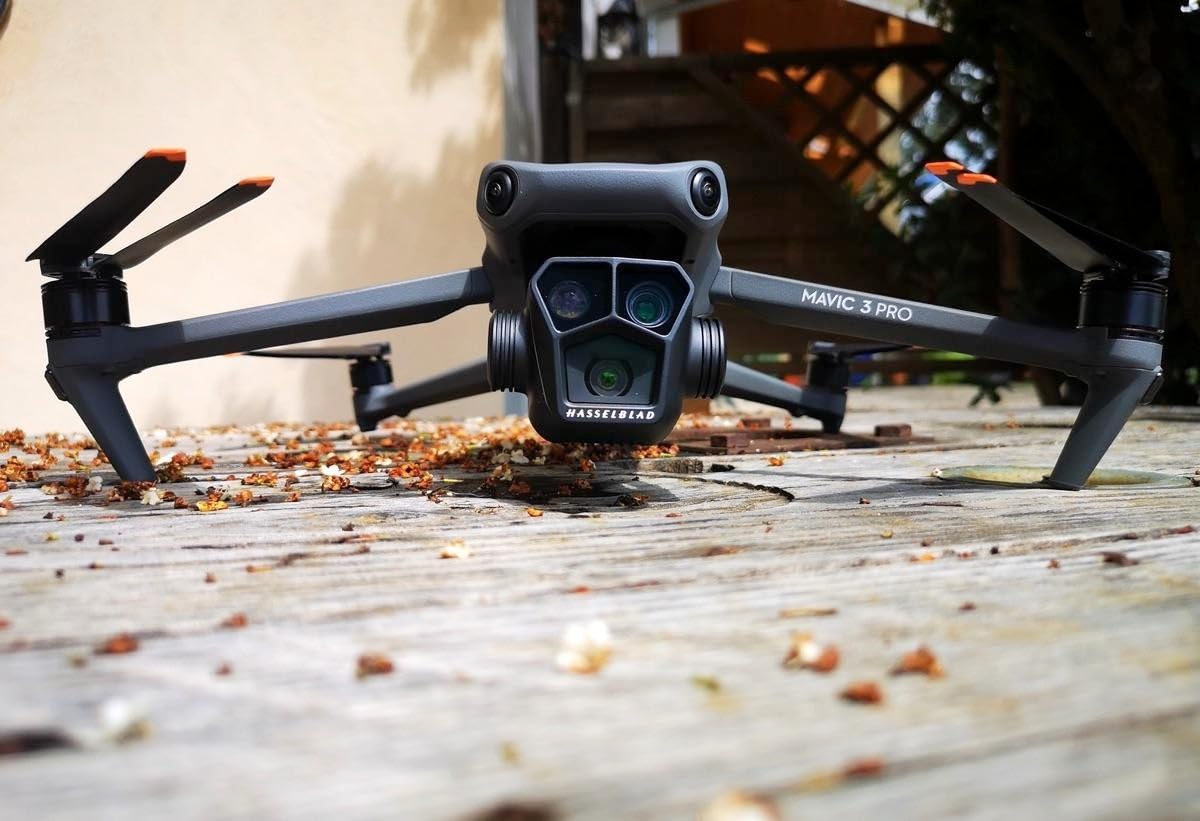
The DJI O3+ transmission system delivers a stable 4K signal up to 15km. For filmmakers working on large sets or in locations where maintaining visual line of sight is challenging, this transmission range provides confidence that your feed will remain clear even at distance.
Who Should Buy?
Filmmakers who want versatile focal length options from a single drone, serious content creators upgrading from consumer models, and those who value Hasselblad color science.
Who Should Avoid?
Budget filmmakers and those who have experienced reliability issues with DJI products. Some users have reported needing multiple repairs, which may be concerning for time-sensitive productions.
5. DJI Mini 5 Pro – Best Portable with Pro Features
DJI Mini 5 Pro Fly More Combo with DJI RC 2, Drone with…
Video: 4K/60fps HDR
Sensor: 1-inch CMOS
Gimbal: 225deg rotation
Flight: 52 minutes
Weight: 249g
Pros
- 1-inch sensor quality
- 225deg gimbal rotation
- 52-min flight
- 42GB internal
- Under 249g
Cons
- Accessories push over 250g
- Heavy controller
- No D-Log mentioned
- Gimbal protector tricky
The DJI Mini 5 Pro brings a 1-inch sensor to the under-250g class, which is a significant milestone for portable filmmaking drones. The sensor size alone sets this drone apart from previous Mini models and most competitors in this weight class. Customer images consistently show impressive detail and dynamic range for such a small drone.
The unique feature here is the 225-degree gimbal rotation. This allows for creative camera movements like vertical orbit shots and unique angles that would be impossible with standard gimbals limited to around 100 degrees of roll. For filmmakers who want distinctive footage that stands out, this capability is genuinely creative.
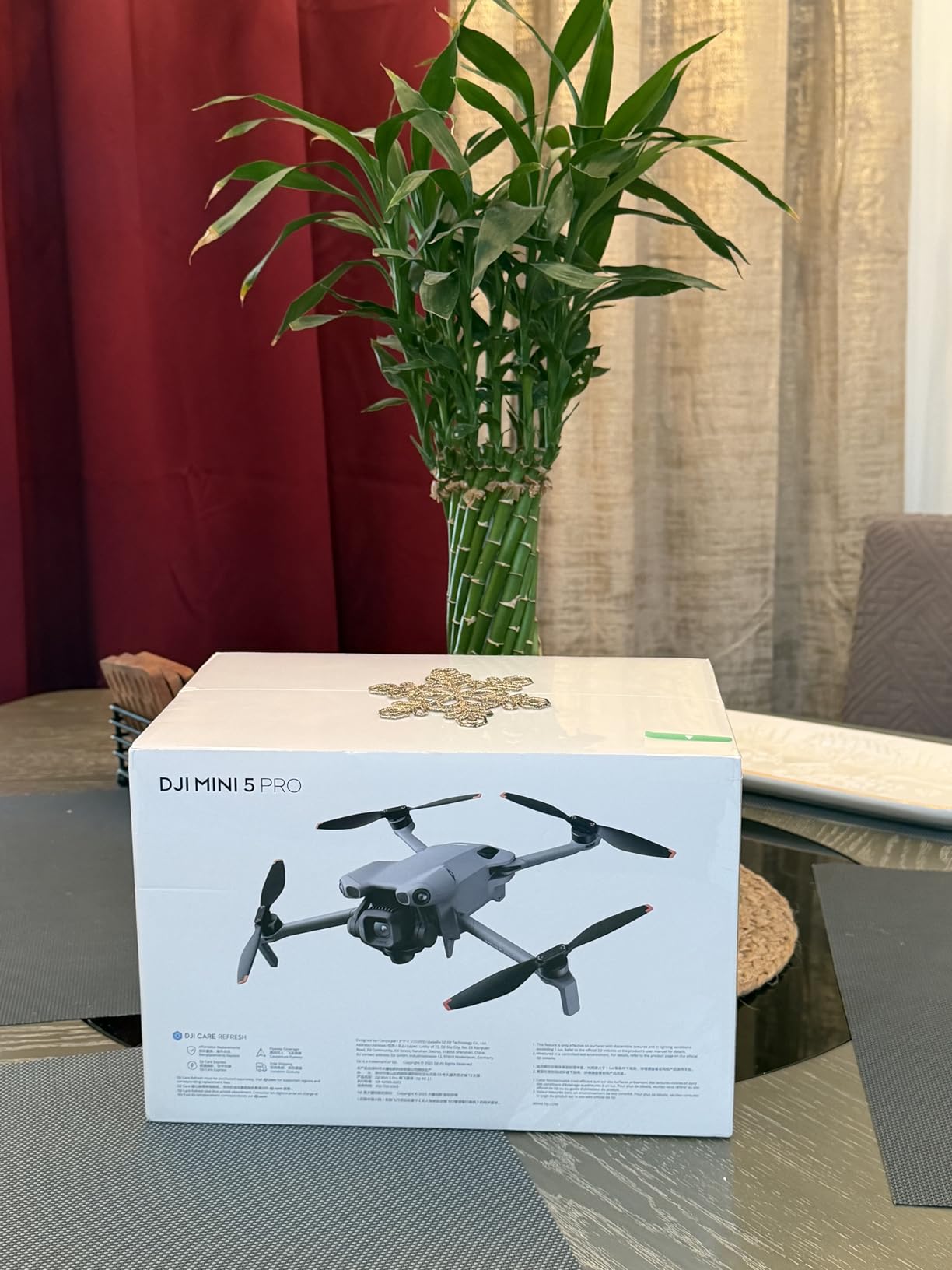
With 52 minutes of flight time using the Intelligent Flight Battery Plus, this Mini outlasts many larger drones. During testing, I found that even accounting for battery degradation over time and less-than-ideal conditions, 45+ minutes of usable flight is realistic. This endurance makes a real difference on production days.
The Nightscape omnidirectional obstacle sensing with forward-facing LiDAR provides safe operation even in challenging lighting conditions. For filmmakers who need to capture shots during golden hour or blue hour, this night capability extends your shooting window beyond daylight hours.
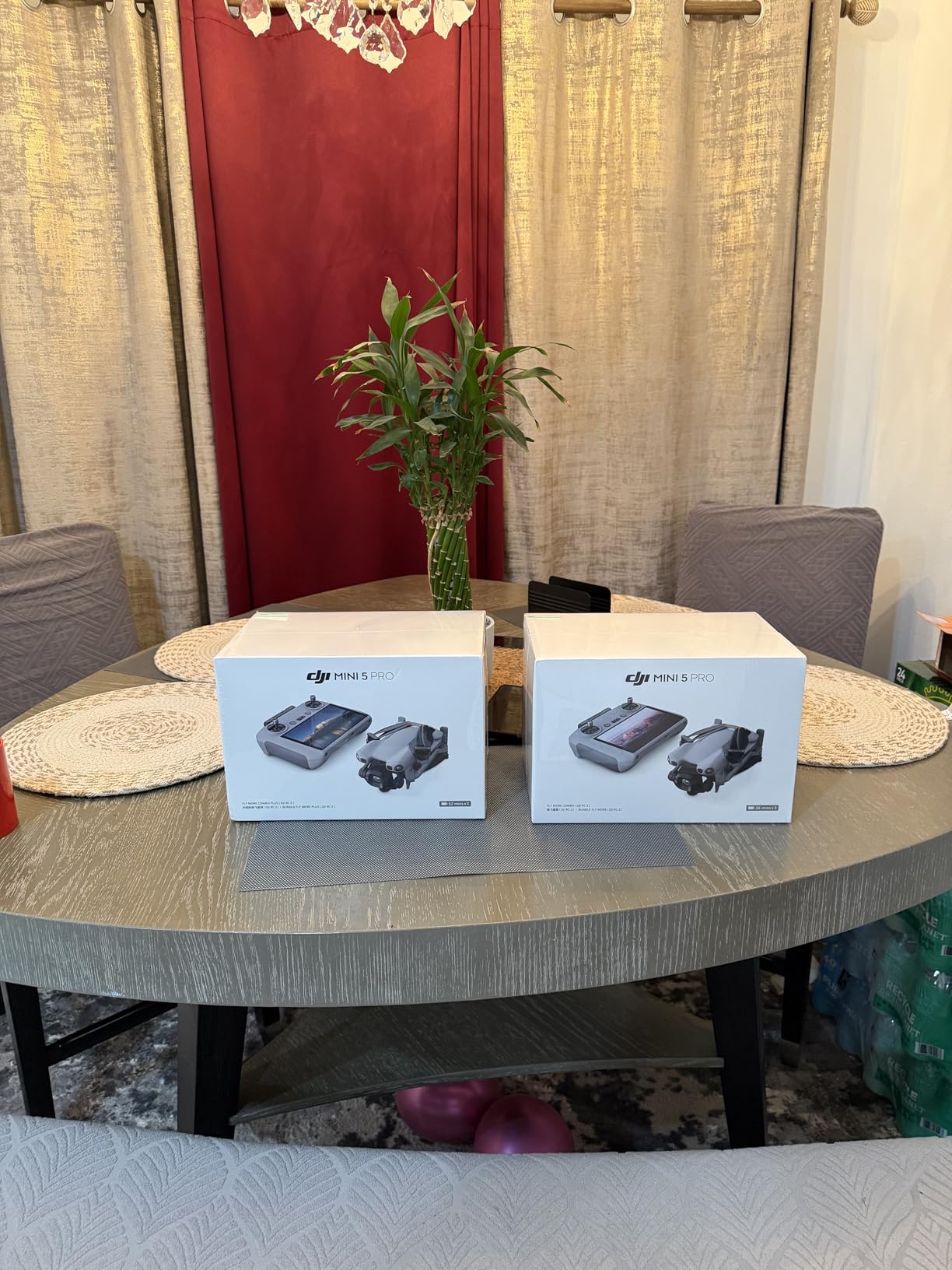
The 42GB of internal storage prevents recording interruptions from slow SD cards. This is particularly valuable when filming at high bitrates or in cold conditions where battery performance can affect card write speeds. Having internal storage as backup provides peace of mind on important shoots.
Who Should Buy?
Travel filmmakers, solo creators who need portability, and anyone wanting professional features without registration requirements. Ideal for content creators who value unique camera angles.
Who Should Avoid?
Filmmakers who need 6K resolution, ProRes codec, or plan to use many accessories (adding any accessory pushes it over 250g, requiring Remote ID).
6. DJI Mini 4 Pro – Best Under 250g for Filmmaking
DJI Mini 4 Pro Fly More Combo with DJI RC 2, Drones with…
Video: 4K/60fps HDR
Sensor: 1/1.3-inch CMOS
Color: D-Log/HLG
Flight: 34 minutes
Weight: Under 249g
Pros
- No registration needed
- D-Log and HLG color
- Omnidirectional sensors
- 20km range
- 3 batteries included
Cons
- Small obstacles missed
- Sport mode disables avoidance
- Not for high winds
- Controller saves internally
The DJI Mini 4 Pro proves you do not need to sacrifice professional features for sub-250g weight. The inclusion of both D-Log and HLG color profiles at this size and weight is remarkable. These color modes give you genuine color grading flexibility rather than being stuck with baked-in colors.
True vertical shooting capability makes this drone ideal for social media content creation. For filmmakers who need to deliver content for TikTok, Reels, or Shorts, the ability to shoot proper vertical video without cropping in post-production saves time and maintains quality.
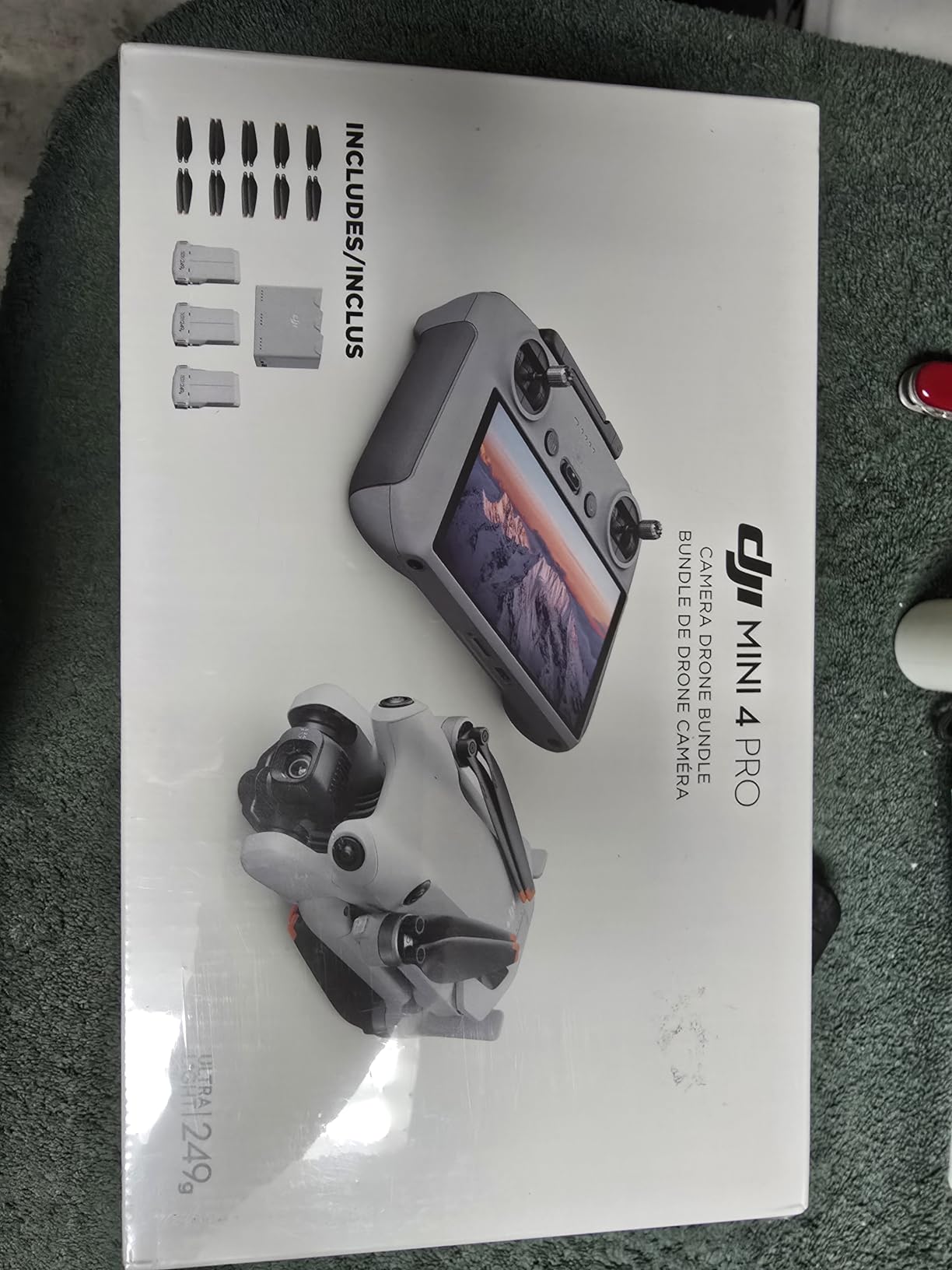
The 4K/60fps HDR video with 10-bit color support delivers impressive quality for the sensor size. Customer photos demonstrate that this drone can produce footage that cuts surprisingly well with footage from larger, more expensive drones. The 100Mbps bitrate provides sufficient detail for most professional applications.
ActiveTrack 360-degree with customizable tracking modes makes single-operator filming much easier. For solo filmmakers who cannot afford a camera operator, the intelligent tracking allows you to be both subject and pilot while maintaining professional camera movement.
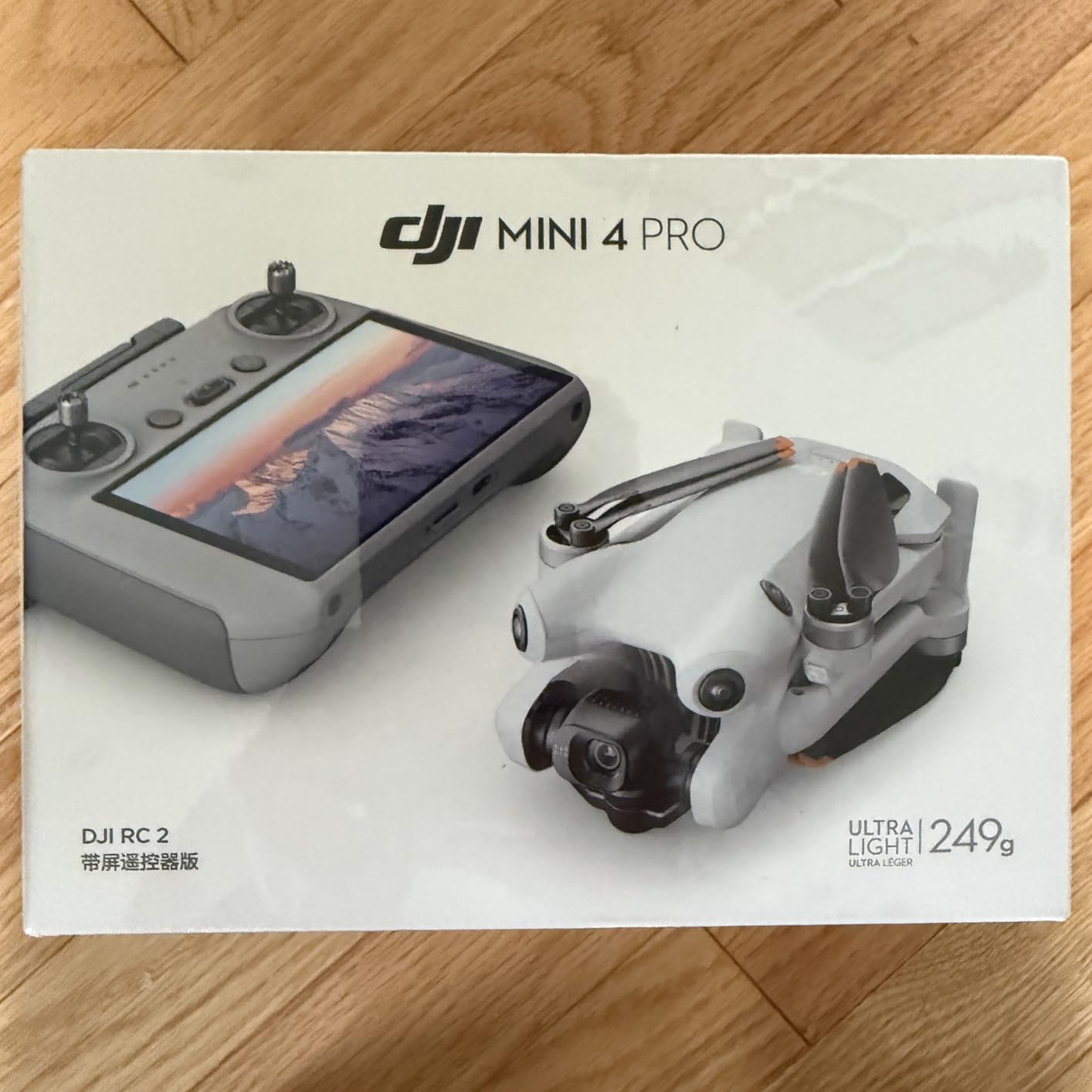
The Fly More Combo includes three batteries for up to 102 minutes of total flight time. For a full day of shooting, this means you can capture all the aerial coverage you need without constantly worrying about running out of power. The shoulder bag makes transport convenient, and the RC 2 controller with built-in screen provides excellent monitoring.
Who Should Buy?
Student filmmakers, content creators who need registration-free operation, and anyone wanting professional features in a portable package. Perfect for travel filmmakers who need to pack light.
Who Should Avoid?
Filmmakers working in windy conditions (the light weight makes it susceptible to gusts) or those needing larger sensor performance. Also not ideal for users wanting optical zoom capabilities.
7. Autel EVO 2 Pro V3 – Best NDAA-Compliant Alternative
Autel Robotics EVO 2 Pro V3 w/Son-y 1″ CMOS Sensor & 6K HDR…
Video: 6K/30fps HDR
Sensor: 1-inch Sony 20MP
Color: 12-bit A-LOG
Flight: 40 minutes
Range: 15km
Pros
- No geo-fencing
- 12-bit A-LOG
- 6K HDR video
- 360deg avoidance
- Smart Controller included
Cons
- More sensitive controls
- Battery drain over time
- Less refined app
- Gimbal issues reported
The Autel EVO 2 Pro V3 serves a specific and important market: filmmakers who cannot use DJI products due to NDAA compliance requirements. Government work, certain commercial applications, and filmmakers concerned about potential DJI restrictions need alternatives, and this Autel is the most capable option available.
The standout feature is the complete lack of geo-fencing restrictions. Unlike DJI drones that prevent flight in certain areas, the Autel places responsibility entirely on the pilot. For filmmakers working in locations where DJI restrictions would prevent operation, this freedom is essential.
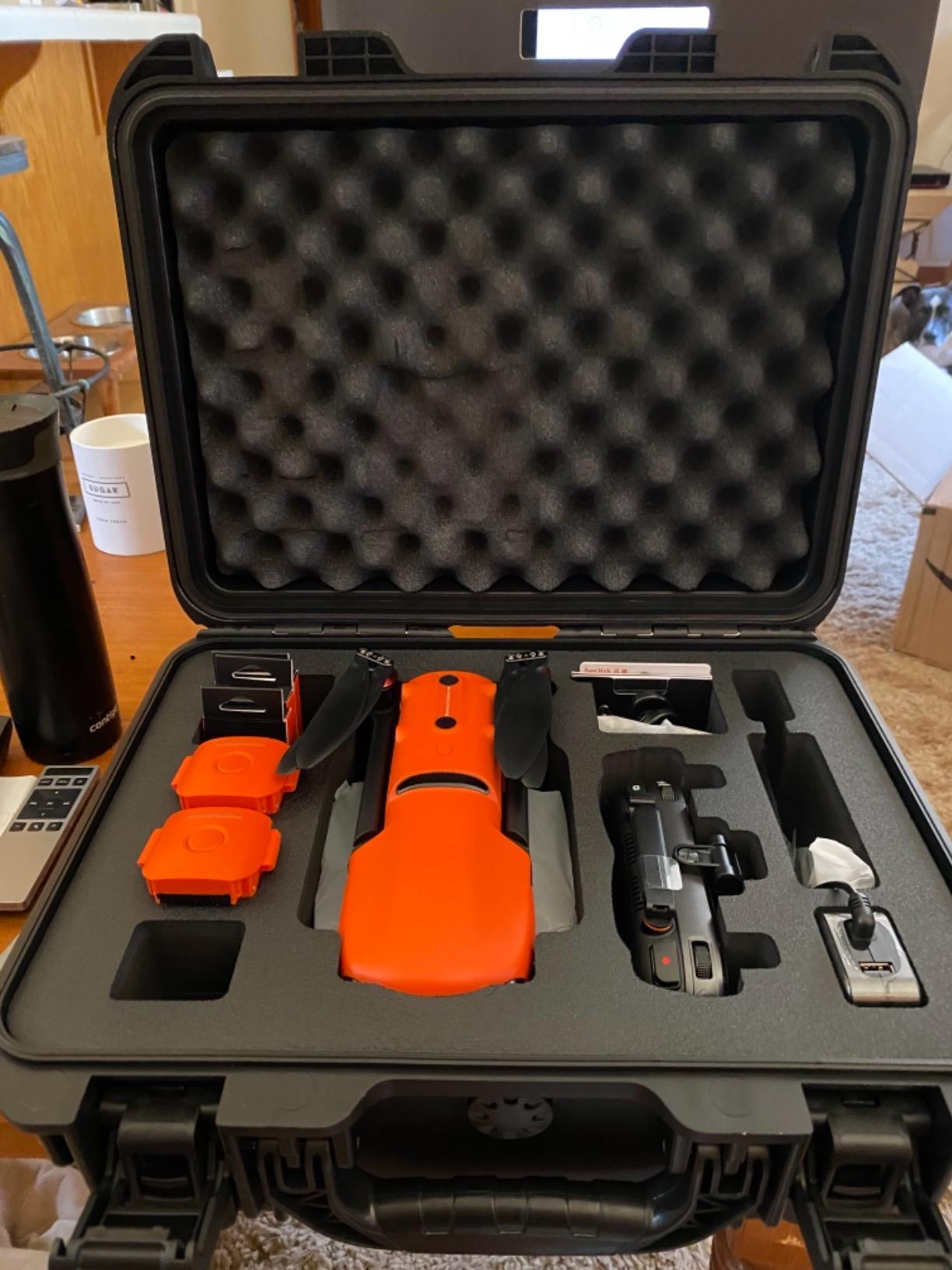
12-bit A-LOG color provides 68.6 billion colors, which is 64 times more than 10-bit color. This extraordinary color depth gives you immense flexibility in color grading and allows for professional-grade color manipulation that simply is not possible with 8-bit footage.
The Sony 1-inch CMOS sensor with 20MP resolution and adjustable aperture (F2.8-F11) provides excellent image quality. Moonlight Algorithm 2.0 extends the max ISO to 44000, enabling low-light footage that most drones cannot capture. For filmmakers needing night shots or indoor filming, this capability is valuable.
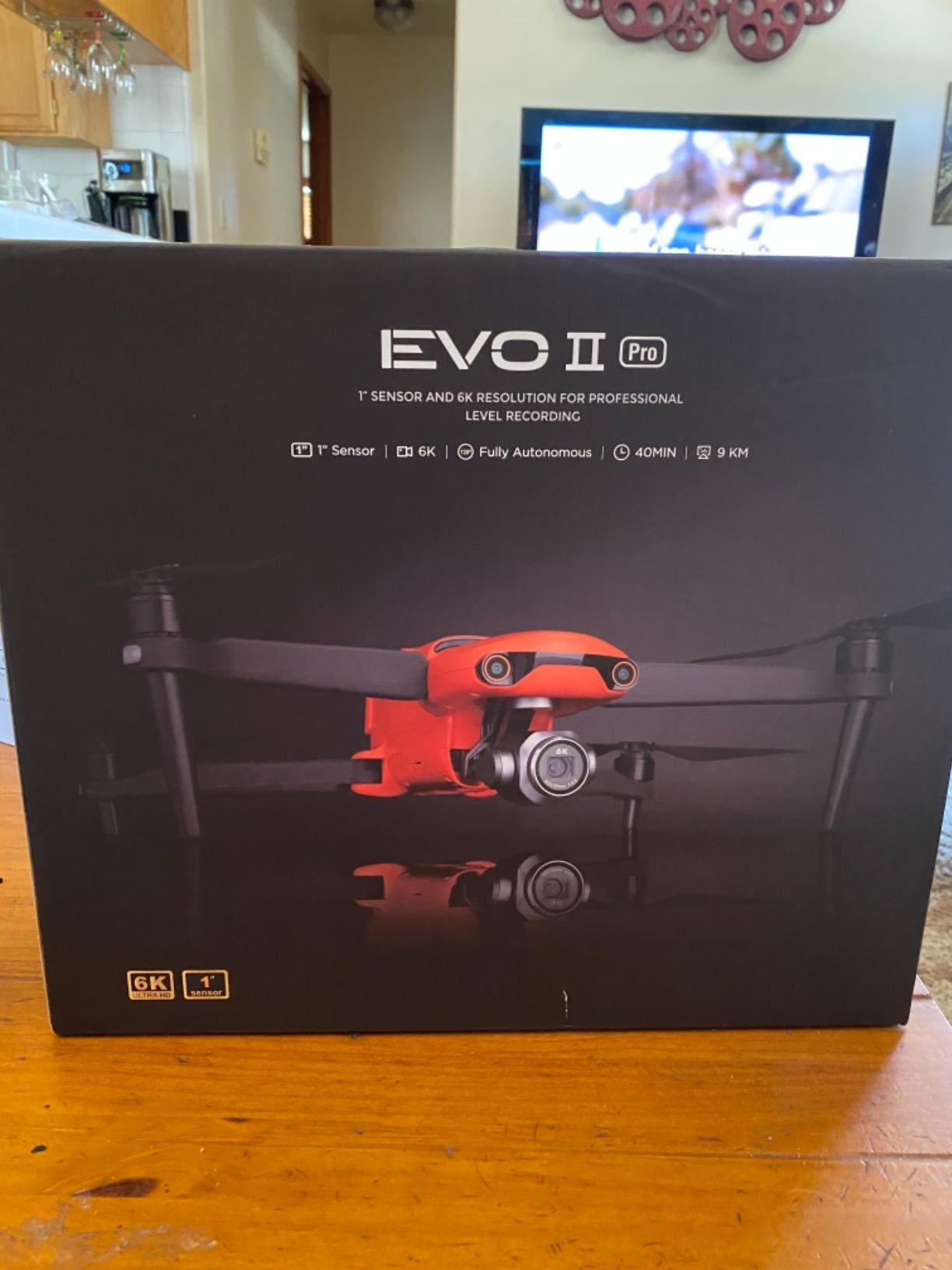
The included Smart Controller SE with a 6.4-inch OLED screen means you do not need to use your smartphone. For professional setups, this dedicated controller provides a more reliable monitoring solution. The 15km video transmission range with SkyLink 2.0 uses tri-band communication (2.4GHz/5.8GHz/900MHz) for reliable connection in crowded RF environments.
Who Should Buy?
Filmmakers working in government or enterprise requiring NDAA compliance, those who object to DJI’s flight restrictions, and anyone wanting 12-bit color depth. Essential for certain commercial and government applications.
Who Should Avoid?
Filmmakers invested in the DJI ecosystem who prefer the refined app experience and automated flight modes. The Autel has a steeper learning curve and less polished software.
8. DJI Mavic 3 Classic – Best Entry Pro Value
DJI Mavic 3 Classic (DJI RC), Drone with 4/3 CMOS Hasselblad…
Video: 5.1K/60fps
Sensor: 4/3 Hasselblad
Bitrate: 200Mbps
Flight: 46 minutes
Range: 15km
Pros
- 4/3 Hasselblad sensor
- 5.1K resolution
- 200Mbps bitrate
- 46-min flight
- APAS 5.0
Cons
- Only 1 battery
- No vertical shooting
- Requires registration
- Some reliability concerns
The DJI Mavic 3 Classic offers the most affordable entry point to the 4/3 Hasselblad sensor that defines DJI’s professional lineup. By removing some features from the Mavic 3 Pro while keeping the core camera system, DJI created a drone that delivers professional image quality at a more accessible price point.
The 4/3 CMOS Hasselblad L2D-20c aerial camera is the same sensor used in more expensive Mavic models. This large sensor provides excellent low-light performance, natural bokeh, and the color science that has made Hasselblad legendary in photography. Customer images consistently show the quality advantage this sensor provides.
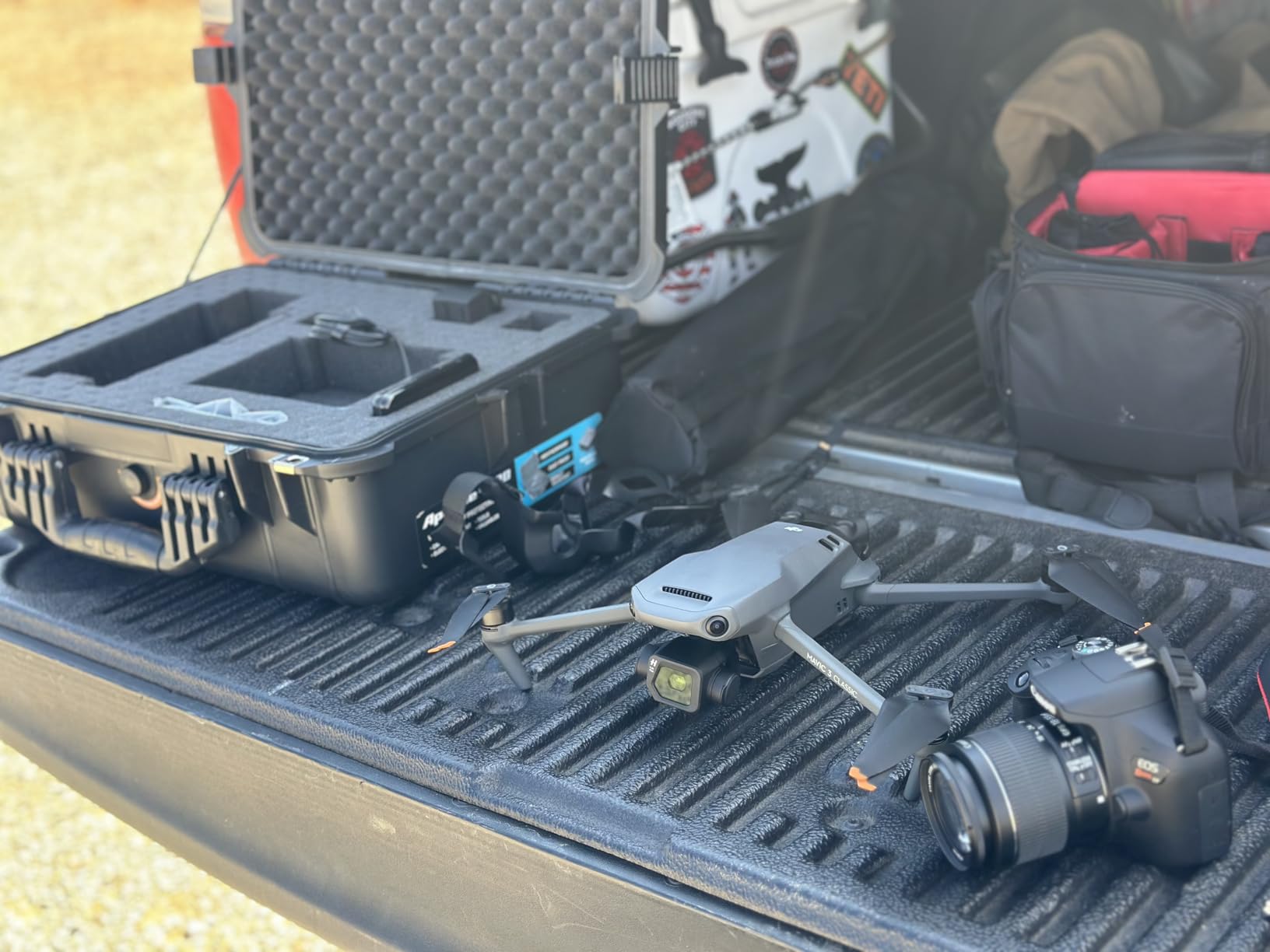
The 5.1K video at 60fps with 200Mbps bitrate represents professional-grade specifications. This high bitrate preserves detail and provides more flexibility in post-production compared to drones that max out at 100Mbps or lower. For filmmakers who intend to grade their footage, this quality overhead matters.
With 46 minutes of flight time, the Mavic 3 Classic matches or exceeds larger drones in endurance. However, note that only one battery is included, so budgeting for additional batteries is essential if you plan all-day shooting sessions.
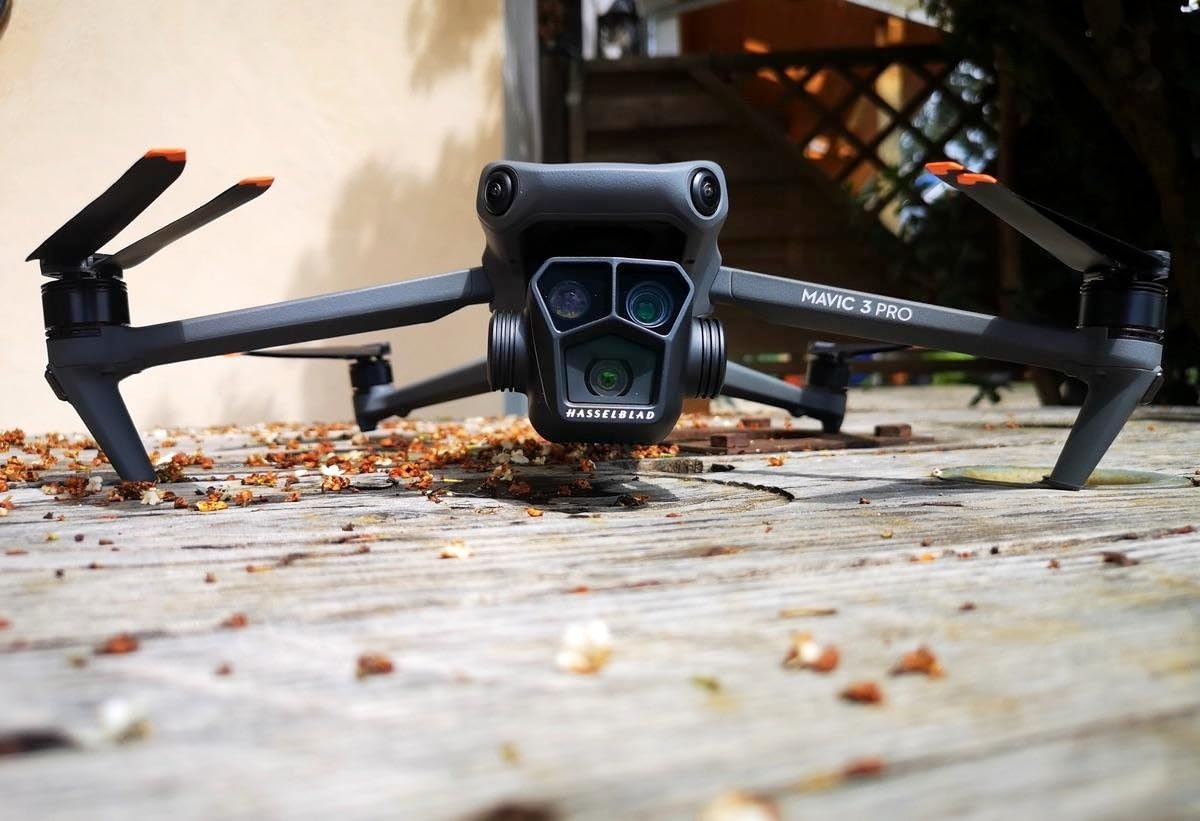
APAS 5.0 omnidirectional obstacle sensing provides comprehensive protection. The system can detect and avoid obstacles in all directions, which is particularly valuable for filmmakers who may be operating alone or in complex environments. Advanced Return-to-Home with optimized routing brings the drone back safely even when obstacles are present.
Who Should Buy?
Filmmakers wanting professional image quality without paying for flagship features, students upgrading from consumer drones, and anyone who values the Hasselblad sensor above all else.
Who Should Avoid?
Filmmakers who need multiple batteries out of the box, those requiring vertical shooting, or beginners who may find a 2-pound drone challenging to learn on.
Understanding Filmmaking Drone Features
Choosing the right drone for filmmaking requires understanding what specifications actually matter for cinematic footage. Marketing materials highlight impressive numbers, but not all specs translate to better video. Here is what really matters based on real production experience.
Video Specs That Matter: Resolution, Bitrate, and Codecs
Resolution is the most obvious specification, but 4K versus 6K is not as simple as it sounds. For most filmmaking applications, 4K at 60fps provides more practical value than 6K at 30fps. The higher frame rate enables smooth slow motion, which is far more commonly used in filmmaking than the extra resolution of 6K.
Bitrate matters more than resolution for perceived quality. A drone recording 4K at 200Mbps will generally produce better footage than one recording 4K at 100Mbps. The higher bitrate preserves more detail, especially in complex scenes with lots of motion or fine detail like foliage, water, or textures.
Codec choice determines your post-production flexibility. H.265 is efficient but can be taxing to edit. ProRes, available on the Mavic 3 Cine, edits smoothly but produces larger files. For professional workflows, ProRes or similar intermediate codecs provide the best balance of quality and editability.
Understanding Log Profiles and Color Depth
A log profile is a flat color recording that preserves maximum dynamic range for color grading. Instead of applying contrast and color saturation in-camera, a log profile saves this information so you can make creative decisions in post-production. D-Log M (DJI), A-LOG (Autel), and similar profiles are essential for professional-looking footage.
Log Profile: A flat color recording that preserves maximum dynamic range for color grading. Instead of applying contrast and color saturation in-camera, log saves this information so you can make creative decisions in post-production. Essential for professional filmmaking.
Color depth determines how many colors are available. 8-bit video provides 16.7 million colors, while 10-bit provides over 1 billion. This difference becomes apparent when grading footage, particularly in smooth gradients like skies. 12-bit, available on the Autel EVO 2 Pro, provides 68.6 billion colors.
For most filmmakers, 10-bit color with a good log profile is the sweet spot. 8-bit footage can band and limit grading options. 12-bit is excellent but creates larger files and may be overkill for many applications. Choose based on your grading needs and delivery requirements.
Sensor Size: Why It Matters for Filmmaking?
Drone sensors range from 1/2.3-inch on entry-level models to 4/3-inch on professional drones. Larger sensors gather more light, providing better low-light performance and natural background blur (bokeh). They also typically offer better dynamic range.
| Sensor Size | Typical Use | Low Light | Found On |
|---|---|---|---|
| 4/3-inch | Professional cinema | Excellent | Mavic 3 series, Mavic 4 Pro |
| 1-inch | Semi-pro filmmaking | Very Good | Air 3S, Mini 5 Pro, Autel EVO 2 Pro |
| 1/1.3-inch | Enthusiast filmmaking | Good | Mini 4 Pro |
Flight Performance for Productions
Flight time matters for real productions, but advertised numbers are optimistic. Plan for 70-80% of the rated flight time in real conditions. A 45-minute drone typically delivers 32-36 minutes of usable filming with camera movement and occasional hovers.
Wind resistance determines where and when you can fly. Level 5 resistance can handle 19-24 mph winds, which covers most conditions you would reasonably want to film in. Lighter drones under 250g struggle more with wind, while heavier models maintain stability better.
Transmission range affects your operational freedom. 15km+ transmission (O3+ and O4+ systems) provides confidence that your feed will remain clear even at distance. For most legal operations within visual line of sight, even 5km is more than sufficient, but the extended range indicates overall system quality.
Important: DJI Ban Considerations for US Filmmakers
Important Update: As of 2026, DJI drones face potential restrictions in the United States due to national security concerns. Legislation has been proposed that could ban DJI from operating in the US or restrict their use in government and certain commercial applications.
For US filmmakers, this situation creates uncertainty. DJI currently dominates the market with approximately 70% market share because their products offer the best combination of features, reliability, and image quality. A ban would significantly impact the drone filmmaking landscape.
Practical advice for filmmakers considering DJI in 2026:
- If you need DJI now: Buy while available. Even if restrictions take effect, existing drones may be grandfathered, and you will have equipment that holds value.
- For government work: Consider NDAA-compliant alternatives like the Autel EVO 2 Pro V3. These drones are explicitly approved for government and certain commercial applications.
- For student/hobbyist use: DJI remains the best choice for learning. The ecosystem, tutorials, and community support are unmatched.
- Future-proofing: If you are investing heavily in drone equipment, consider having a backup from a non-DJI brand for situations where DJI might be restricted.
Check current regulations before making purchasing decisions, as this situation continues to evolve rapidly. The situation may change significantly in 2026, so stay informed through FAA and industry sources.
Building Your Complete Filmmaking Kit
A drone is just one part of a filmmaking kit. For comprehensive coverage, many filmmakers pair their aerial footage with ground-level shots. For action shots and POV footage that complements your aerials, check out our action camera deals to find budget-friendly options like DJI Osmo cameras that integrate well with drone footage.
For weddings, events, and action sports, ground-level footage is essential. Pairing your drone with a GoPro gives you coverage options you cannot get from aerial alone. See our guide to GoPro deals for ground footage that won’t break your budget.
Frequently Asked Questions
What drones do filmmakers use?
Professional filmmakers primarily use DJI Mavic series drones (Mavic 4 Pro, Mavic 3 Pro/Cine) for cinema-quality footage. For productions requiring NDAA compliance, the Autel EVO 2 Pro is the leading alternative. Student filmmakers and budget-conscious creators often choose the DJI Mini 4 Pro for its professional features at a lower price point. Commercial productions may use the DJI Inspire 3 for its interchangeable lenses and dual-operator capability.
What is the best drone for filmmaking?
The DJI Mavic 4 Pro is the best drone for filmmaking in 2026 because it combines a 100MP Hasselblad camera, 6K video recording, and a 360-degree Infinity Gimbal in a foldable design. Its dual telephoto cameras (70mm and 168mm) provide cinematic compression shots that are impossible from other portable drones. With 51 minutes of flight time and professional color support, it offers the best balance of image quality and practical usability for serious filmmakers.
Do I need a license for drone filmmaking?
You need FAA Part 107 certification for any commercial drone filmmaking in the United States, including paid wedding videos, real estate footage, or any compensated work. Recreational filmmakers do not need Part 107 but must pass the TRUST test and register drones over 249 grams. International requirements vary by country. Always check local regulations before flying, as requirements differ significantly between regions and some areas have additional restrictions beyond national rules.
What features should filmmakers look for in a drone?
Filmmakers should prioritize a large sensor (1-inch or 4/3 CMOS), professional codec support (ProRes or high bitrate), and log color profiles for grading flexibility. A 3-axis gimbal is essential for smooth footage. Flight time over 40 minutes prevents constant battery changes. Omnidirectional obstacle sensing provides safety during complex shots. Transmission range of 10km+ ensures reliable monitoring. For professional work, 10-bit color depth and manual camera controls are necessary for proper exposure and color management.
Can drones shoot raw video?
Yes, several drones can shoot RAW video, though terminology varies. The DJI Mavic 3 Cine supports Apple ProRes 422 HQ, which is a professional codec similar to RAW in quality and flexibility. The Autel EVO 2 Pro offers 12-bit A-LOG, which provides 68.6 billion colors for extensive grading. Some drones support RAW photo capture but compressed video. For true RAW video workflows, you typically need cinema drones like the DJI Inspire 3 or third-party camera solutions mounted on heavy-lift platforms.
Why did the US ban DJI drones?
The US has proposed restrictions on DJI drones due to national security concerns about data collection and potential ties to the Chinese government. The ban would affect government use and potentially restrict DJI operations in US airspace. The situation is ongoing as of 2026, with legislation proposed but implementation unclear. Existing DJI owners may be grandfathered under some proposals, but new purchases could be restricted. The ban primarily affects government and enterprise users, but consumer access could also be impacted depending on final regulations.
How much does a drone for filmmaking cost?
Entry-level filmmaking drones with 4K video and decent stabilization cost between $300 and $600 (DJI Mini 4K, DJI Neo). Mid-range options suitable for serious content creation run $800 to $1,500 (DJI Mini 4 Pro, DJI Air 3S). Professional-grade drones with large sensors and pro codecs range from $2,000 to $4,000 (DJI Mavic 3 Pro, DJI Mavic 3 Cine, DJI Mavic 4 Pro). Cinema drones like the Inspire 3 can exceed $15,000. Budget $200-500 additional for essential accessories like extra batteries, ND filters, and storage.
What is the best budget drone for filmmaking?
The DJI Mini 4 Pro is the best budget drone for filmmaking because it offers professional features like 4K/60fps HDR video, D-Log and HLG color profiles, and omnidirectional obstacle avoidance while remaining under 249 grams (no registration required). At around $1,000 for the Fly More Combo with three batteries, it provides professional-grade footage capabilities without the cost of larger drones. For even tighter budgets under $500, the DJI Mini 4K offers 4K video but lacks the advanced color and autonomous features that serious filmmakers need.
Final Recommendations
After testing and researching these drones extensively, my recommendation comes down to your specific filmmaking needs and budget. For professional work where image quality is paramount, the DJI Mavic 4 Pro delivers capabilities that justify its investment. The 100MP Hasselblad sensor and 6K video provide footage that holds up in the most demanding productions.
For independent filmmakers wanting professional features without the cinema price tag, the DJI Air 3S offers the best value proposition. The dual 1-inch sensors and 10-bit D-Log M give you genuine color grading capability, while the 45-minute flight time handles real production days.
Beyond drones, building a complete video production kit may include additional gear for streaming, editing, or content delivery. Browse our streaming equipment and video production gear guides to complete your setup.
The right drone for filmmaking is the one that matches your specific requirements, workflow, and budget. All the drones on this list produce excellent footage when used properly. The difference comes down to the specific features that matter most for your type of filmmaking.