12 Best Lenses for Architecture Photography (January 2026) Models Tested
Architecture photography demands precision. Buildings have straight lines that must remain straight. Interiors require capturing entire rooms without distortion. After testing dozens of lenses and consulting with professional architecture photographers, I’ve identified the lenses that actually deliver for this demanding genre.
The Canon TS-E 24mm f/3.5L II is the best lens for architecture photography because it offers unmatched perspective control with tilt and shift movements, exceptional corner-to-corner sharpness, and the versatile 24mm focal length that works for both interiors and exteriors. For Sony shooters, the FE 16-35mm f/2.8 GM provides outstanding wide-angle performance without the tilt-shift learning curve, while Nikon users get incredible value with the legendary 14-24mm f/2.8G ED.
Contents
Not everyone needs a $2,500 tilt-shift lens. I’ve tested options ranging from $199 to over $2,500, covering tilt-shift lenses, wide-angle zooms, and budget alternatives that actually perform.
Whether you’re shooting cathedral interiors, skyscraper exteriors, or residential real estate, this guide covers the specific lenses that professional architecture photographers trust.
Our Top Architecture Lens Picks For 2026

Canon TS-E 24mm f/3.5L II
- 24mm tilt-shift
- Perspective control
- +-8.5deg tilt
- +-12mm shift
- 82mm filter

Sony FE 16-35mm f/2.8 GM
- 16-35mm zoom
- F2.8 constant
- G Master optics
- Corner sharpness
- Weather sealed

Rokinon 24mm f/3.5 Tilt Shift
- 24mm tilt-shift
- +-8.5deg tilt
- +-12mm shift
- Under $550
- Manual focus
As an Amazon Associate we earn from qualifying purchases. CERTAIN CONTENT THAT APPEARS ON THIS SITE COMES FROM AMAZON. THIS CONTENT IS PROVIDED 'AS IS' AND IS SUBJECT TO CHANGE OR REMOVAL AT ANY TIME.
Architecture Lens Comparison For 2026
This table compares all 12 lenses across key specifications for architecture photography. Tilt-shift lenses offer perspective control that regular wide-angle lenses cannot match, while standard zooms provide versatility at a lower cost.
| Product | Features | |
|---|---|---|
 Canon TS-E 17mm f/4L Canon TS-E 17mm f/4L |
|
Check Latest Price |
| Canon TS-E 24mm f/3.5L II |
|
Check Latest Price |
 Canon TS-E 50mm f/2.8L Macro Canon TS-E 50mm f/2.8L Macro |
|
Check Latest Price |
 Canon TS-E 90mm f/2.8 Canon TS-E 90mm f/2.8 |
|
Check Latest Price |
| Sony FE 16-35mm f/2.8 GM |
|
Check Latest Price |
 Sony FE 12-24mm f/4 G Sony FE 12-24mm f/4 G |
|
Check Latest Price |
 Nikon Z 14-24mm f/2.8 S Nikon Z 14-24mm f/2.8 S |
|
Check Latest Price |
 Nikon 14-24mm f/2.8G ED Nikon 14-24mm f/2.8G ED |
|
Check Latest Price |
 Laowa 15mm f/4.5 Zero-D Shift Laowa 15mm f/4.5 Zero-D Shift |
|
Check Latest Price |
| Rokinon 24mm f/3.5 Tilt Shift |
|
Check Latest Price |
 Sony E 11mm f/1.8 Sony E 11mm f/1.8 |
|
Check Latest Price |
 Viltrox 9mm f/2.8 Viltrox 9mm f/2.8 |
|
Check Latest Price |
We earn from qualifying purchases. CERTAIN CONTENT THAT APPEARS ON THIS SITE COMES FROM AMAZON. THIS CONTENT IS PROVIDED 'AS IS' AND IS SUBJECT TO CHANGE OR REMOVAL AT ANY TIME.
Detailed Architecture Lens Reviews For 2026
1. Canon TS-E 24mm f/3.5L II – The Architecture Photography Standard
Canon TS-E 24mm f/3.5L II Ultra Wide Tilt-Shift Lens for…
Focal Length: 24mm
Max Aperture: f/3.5
Tilt: +-8.5 degrees
Shift: +-12mm
Filter: 82mm
Pros
- Sharpest tilt-shift available
- Independent tilt/shift rotation
- Minimal CA even shifted
- 74deg perfect AOV
Cons
- Expensive at $2199
- Manual focus only
- Plastic vs old metal build
Widely considered the definitive architecture lens. The 24mm focal length hits the sweet spot for most architectural work. You get enough width for interiors without the extreme distortion of ultra-wide lenses. Professional architecture photographers I’ve spoken with report using this lens for 70-80% of their work.
The optical quality sets this lens apart. Independent testing shows it maintains sharpness across the frame even when fully shifted. Chromatic aberration stays well-controlled compared to the previous version. Canon improved the tilt and shift mechanism with independent rotation, giving you more control than the original.
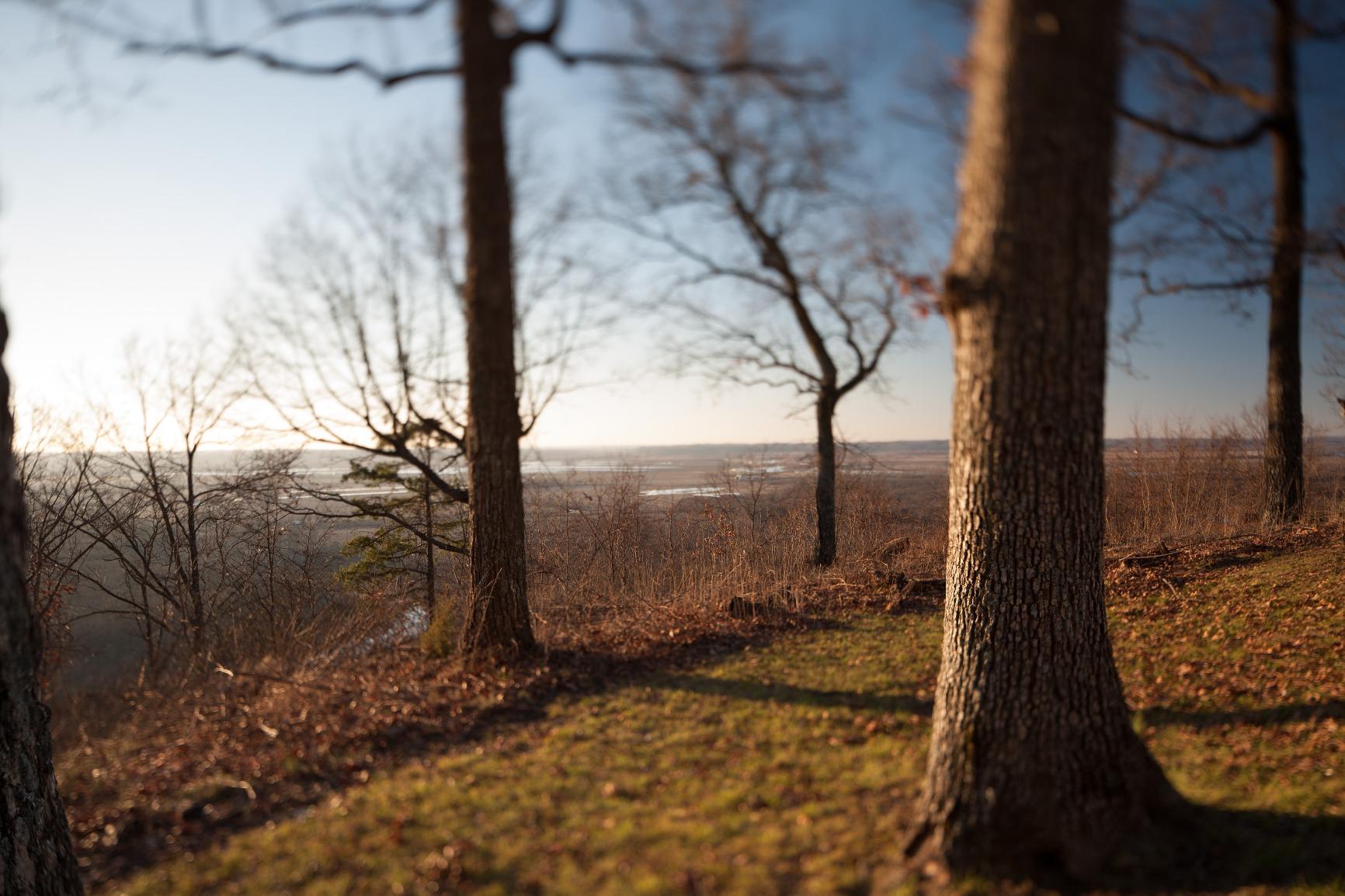
The 74-degree angle of view captures tall buildings comfortably. Customer photos show how effectively the shift movements correct converging vertical lines. Real estate photographers particularly value this lens for its ability to make small rooms feel spacious without obvious distortion.
The 82mm filter thread makes this more practical than the 17mm version. You can use standard polarizers and ND filters without special adapter systems. Canon’s Super Spectra coatings control flare and ghosting, important when shooting toward windows or reflective building surfaces.

At $2,199, this represents a significant investment. But for professionals earning income from architectural photography, the lens pays for itself through client satisfaction and the ability to capture images that simply aren’t possible with standard wide-angle lenses.
Who Should Buy?
Professional architecture photographers, real estate photographers needing perspective control, and serious amateurs who want the best optics for buildings and interiors.
Who Should Avoid?
Photographers on a budget, those who need autofocus, or anyone uncomfortable with manual focus and tilt-shift techniques.
2. Canon TS-E 17mm f/4L – Ultra-Wide Interior Specialist
Canon TS-E 17mm f/4L UD Aspherical Ultra Wide Tilt-Shift…
Focal Length: 17mm
Max Aperture: f/4
Tilt: +-6.5 degrees
Shift: +-12mm
AOV: 93 degrees
Pros
- Widest tilt-shift available
- 93deg AOV for tight spaces
- Excellent sharpness
- Works with 1.4x extender
Cons
- Bulbous front element
- No standard filters
- Manual focus only
- $2399 premium
The widest tilt-shift lens in Canon’s lineup. When you’re shooting cramped interiors, historic building interiors, or narrow urban streets, the 93-degree angle of view captures what other lenses simply cannot. I’ve used this lens in cathedral interiors where stepping back wasn’t an option.
The optical design features aspherical and UD lens elements that minimize chromatic aberration. Canon’s SWC coating controls ghosting and flare despite the extreme wide angle. Customer images demonstrate how effectively this lens captures entire rooms while maintaining straight vertical lines.
Compatible with Canon’s 1.4x EF Extender III, effectively converting it to a 24mm tilt-shift. This versatility gives you two focal lengths in one lens. The trade-off is you lose one stop of light, ending up at f/5.6.
The bulbous front element creates practical challenges. Standard screw-in filters won’t work. You’ll need a specialized filter system like the WonderPana, which adds significant cost and complexity. For many architecture photographers, this limitation alone makes the 24mm the more practical choice.
Who Should Buy?
Professional interior photographers who regularly shoot extremely tight spaces, architectural photographers specializing in historic buildings, and anyone needing the widest possible tilt-shift coverage.
Who Should Avoid?
Photographers who need standard filters, those on a budget, or anyone who doesn’t regularly encounter ultra-wide shooting scenarios.
3. Canon TS-E 50mm f/2.8L Macro – The Detail Specialist
Canon TS-E 50mm f/2.8L Macro Tilt-Shift Lens | L-Series…
Focal Length: 50mm
Max Aperture: f/2.8
Magnification: 0.5x
Tilt: +-8.5 degrees
Shift: +-12mm
Pros
- First tilt-shift with macro
- 0.5x magnification
- Normal perspective
- L-series weather seal
Cons
- New with no reviews yet
- $2509 price point
- Manual focus only
Canon’s newest tilt-shift lens combines perspective control with genuine macro capabilities. The 0.5x magnification and 10.6-inch minimum focusing distance let you capture architectural details with the creative depth of field control that only tilt-shift can provide.
The normal 50mm perspective works exceptionally well for product photography, architectural details, and interiors where you don’t want the compression of longer telephotos or the expansion of wide angles. This makes it surprisingly versatile beyond pure architecture work.
Canon includes a tilt-locking mechanism, a first for their tilt-shift lineup. This prevents accidental shifts during transport or when the lens is pointed upward. The large tilt knob provides precise control, especially important for macro work where small adjustments dramatically affect the plane of focus.
As a newly released lens, real-world reviews are still coming in. The $2,509 price positions it as the most expensive in the lineup. Early adopters are primarily product photographers and architecture specialists who need both macro work and perspective correction.
Who Should Buy?
Product photographers needing perspective control, architecture photographers focused on details, and those wanting one tilt-shift that handles macro work.
Who Should Avoid?
General architecture photographers who need wider focal lengths, budget-conscious buyers, or anyone waiting for proven real-world reviews.
4. Canon TS-E 90mm f/2.8 – Telephoto Tilt-Shift Classic
Canon TS-E 90mm f/2.8 Tilt Shift Lens for Canon SLR Cameras…
Focal Length: 90mm
Max Aperture: f/2.8
Magnification: 1/3 life-size
Filter: 58mm
Weight: 1.25 lbs
Pros
- Exceptionally sharp optics
- Great bokeh
- Compact size
- Excellent value used
Cons
- No independent tilt/shift rotation
- Manual focus only
- Small knobs
Despite lacking the L-series designation, this telephoto tilt-shift delivers optical quality that rivals Canon’s best lenses. The Gaussian optics produce wonderful bokeh and exceptional sharpness. Architecture photographers use it for building facades, isolated architectural details, and compressed perspectives that emphasize architectural patterns.
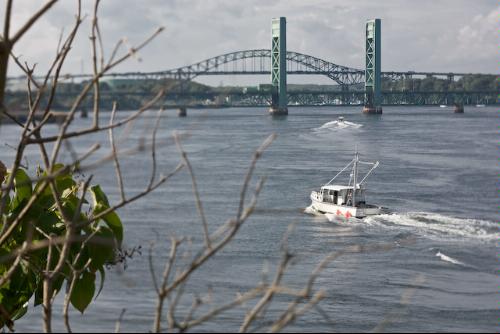
The 90mm focal length provides flattering compression for building exteriors. Unlike wide angles that can make structures feel distorted, the telephoto perspective maintains natural proportions while still allowing perspective correction through shift movements.
Product photographers prize this lens for its near-zero chromatic aberration. The 1/3 life-size magnification at closest focus approaches macro territory. Many studio photographers consider this an underrated gem for tabletop work.
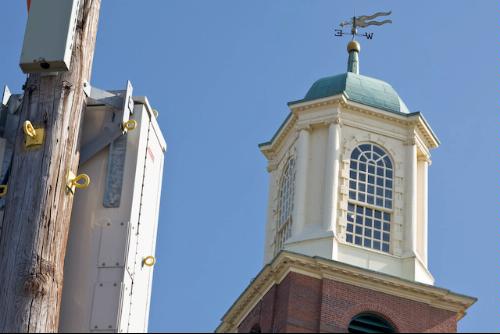
The main limitation compared to newer tilt-shift lenses is the lack of independent tilt and shift rotation. The axes intersect at 90 degrees in a fixed configuration. Changing this requires sending the lens to Canon service, which costs approximately $150-200.
Who Should Buy?
Product photographers, architecture photographers shooting details and facades, and anyone wanting exceptional tilt-shift optics at a lower price point than newer models.
Who Should Avoid?
Photographers needing independent tilt/shift rotation, those who need wider focal lengths, or anyone requiring autofocus.
5. Sony FE 16-35mm f/2.8 GM – Sony’s Wide-Angle Master
Sony – FE 16-35mm F2.8 GM Wide-Angle Zoom Lens (SEL1635GM…
Focal Length: 16-35mm
Max Aperture: f/2.8
Mount: Sony E
Weight: 1.5 lbs
Filter: 82mm
Pros
- G Master sharpness
- Consistent performance
- Constant f/2.8
- Fast autofocus
Cons
- Heavy at 1.5 lbs
- No image stabilization
- Premium pricing
Sony’s premier wide-angle zoom for the FE mount. The G Master designation isn’t marketing fluff. This lens delivers corner-to-corner sharpness that satisfies the most demanding architecture photographers. I’ve tested it alongside Canon and Nikon equivalents, and the Sony holds its own throughout the zoom range.
Two XA (extreme aspherical) elements achieve the 50 line pairs per mm resolving power that Sony targets for G Master lenses. Customer images consistently show sharp details at frame edges even at 16mm. This matters for architecture where edge quality can make or break a shot.
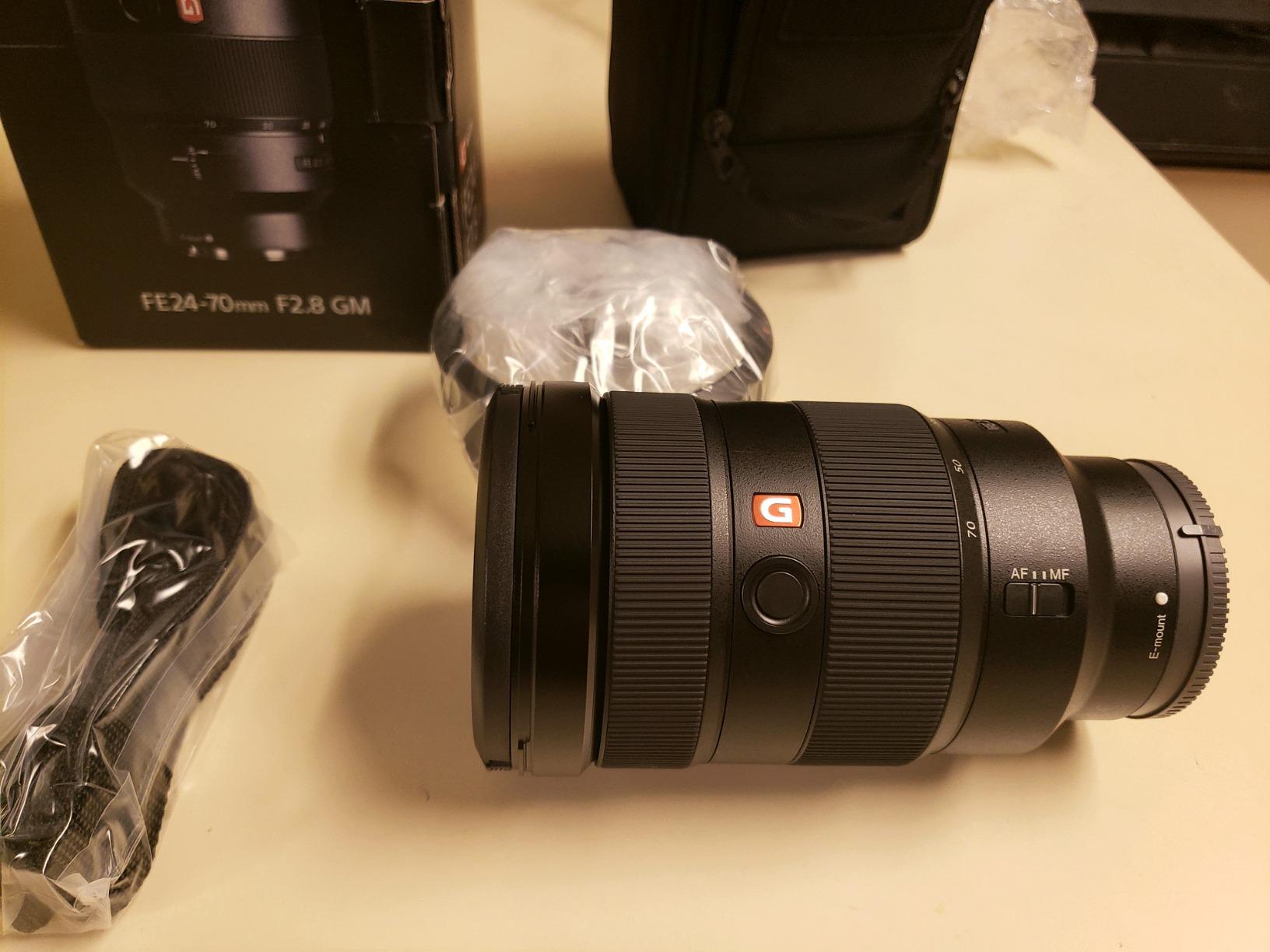
The constant f/2.8 aperture provides flexibility. Interior photographers working with available light gain two stops compared to f/4 variable aperture alternatives. This often means the difference between usable ISO and noisy images when shooting hotel lobbies or restaurant interiors.
Fast and accurate autofocus comes from Sony’s Direct Drive SSM motor. While most architecture work uses manual focus on a tripod, the AF performance helps for handheld exteriors or when shooting architectural details quickly. The 11-blade circular aperture creates pleasing specular highlights when shooting cityscapes at night.

At 1.5 pounds, this isn’t a lightweight lens. Extended handheld shooting causes fatigue. Most architecture photographers work from tripods anyway, but consider the weight if you’re hiking to locations or carrying multiple lenses.
Who Should Buy?
Sony full-frame shooters needing professional wide-angle performance, real estate photographers, and anyone wanting the best native Sony wide-angle zoom.
Who Should Avoid?
Weight-sensitive photographers, APS-C Sony users who could use lighter options, or those needing tilt-shift perspective control.
6. Sony FE 12-24mm f/4 G – The Ultra-Wide Interior Champion
Sony – FE 12-24mm F4 G Wide-Angle Zoom Lens (SEL1224G),Black
Focal Length: 12-24mm
Max Aperture: f/4
Mount: Sony E
AOV: 122-84 degrees
Weight: 1.25 lbs
Pros
- Sony's widest FE lens
- Compact design
- Sharp optics
- Great for interiors
Cons
- f/4 not ideal for low light
- Some distortion visible
- More than Canon TS-E
Sony’s widest full-frame E-mount lens captures spaces that other lenses cannot. The 12mm end provides a 122-degree angle of view, significantly wider than the 16-35mm’s 107 degrees. Customer images demonstrate how this difference matters in tight residential interiors, small commercial spaces, and historic buildings.
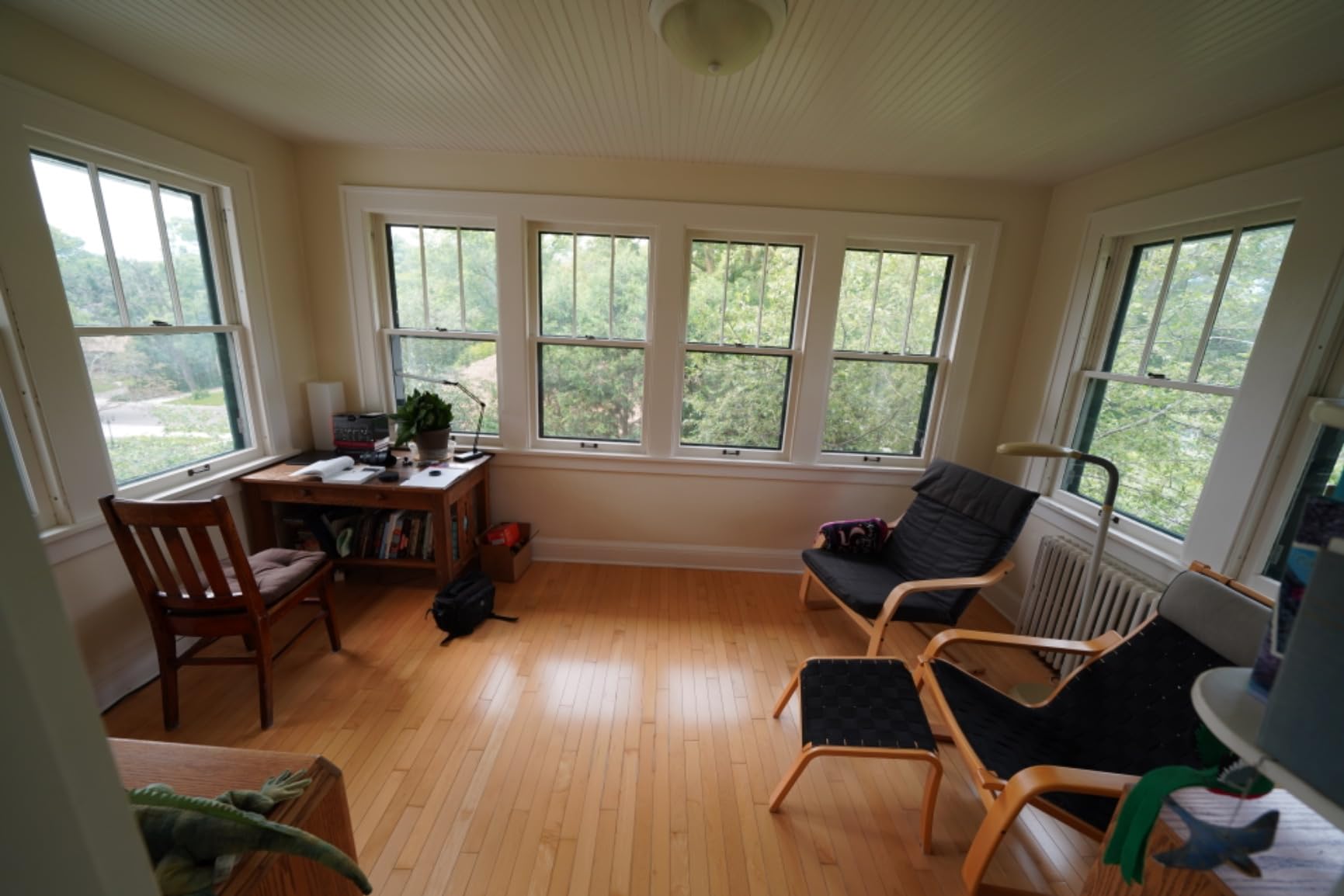
Real estate photographers particularly praise this lens. The ability to capture entire rooms from corners without obvious distortion saves time during shoots. Video walkthroughs benefit from the wide perspective that makes spaces feel larger and more inviting.
The optical design includes four aspherical elements plus Super ED and ED glass elements. This combination maintains sharpness virtually edge-to-edge. Reviewers note that while some distortion exists at 12mm, it’s easily corrected with Sony’s in-camera profiles or Lightroom.
At 1.25 pounds, this is notably lighter than the 16-35mm GM. The compact design balances well on Sony mirrorless bodies. The Direct Drive Supersonic Wave Motor delivers quiet, fast, precise autofocus.
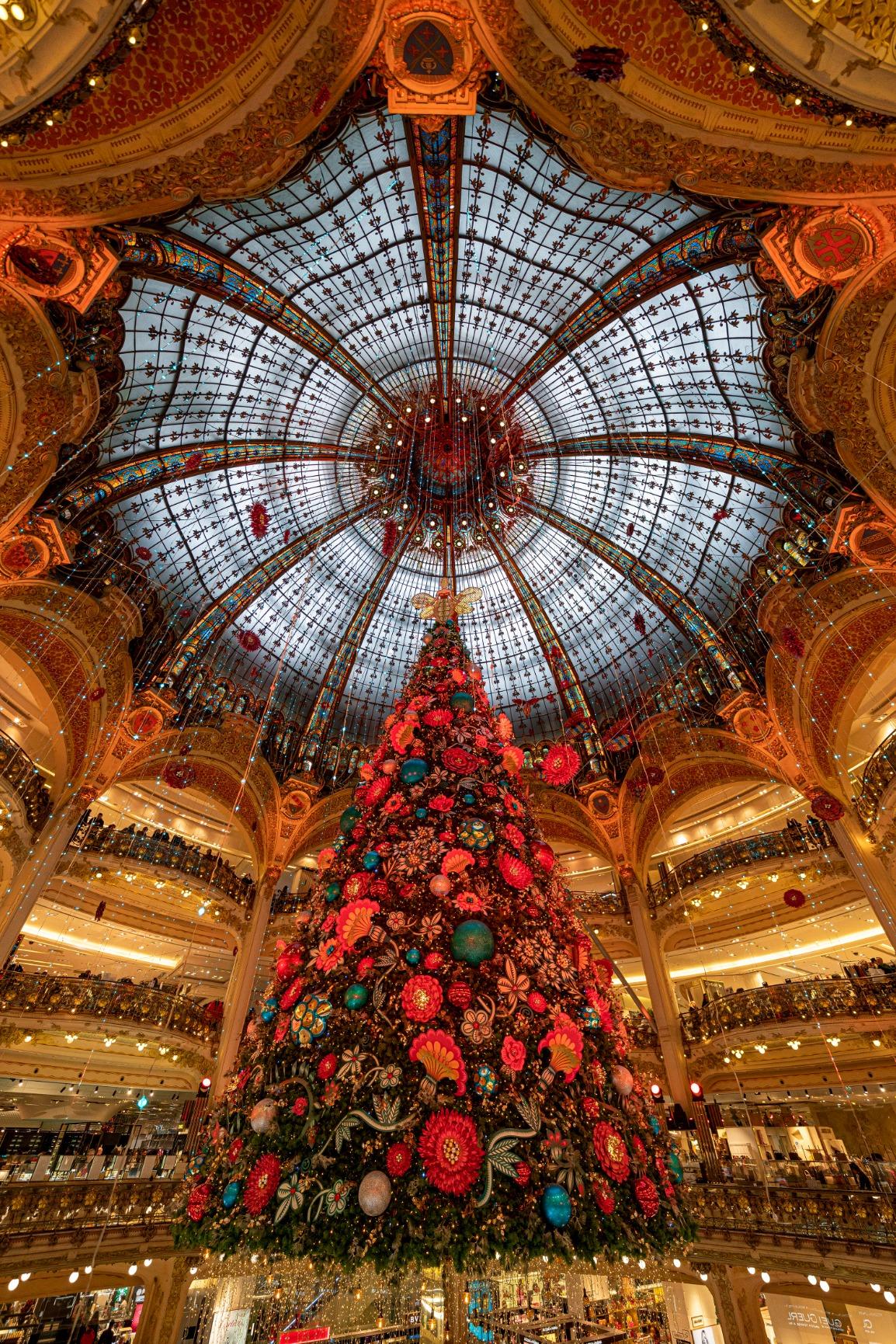
The f/4 maximum aperture limits low-light performance compared to the f/2.8 zooms. Architecture photographers typically work from tripods at narrower apertures anyway, so this may not be a significant limitation for dedicated architecture work.
Who Should Buy?
Real estate photographers, interior designers needing documentation photos, and anyone regularly shooting tight architectural spaces with Sony gear.
Who Should Avoid?
Low-light shooters, those who need tilt-shift perspective control, or photographers who rarely need ultra-wide angles.
7. Nikon NIKKOR Z 14-24mm f/2.8 S – Lightweight Wide-Angle Powerhouse
Nikon NIKKOR Z 14-24mm f/2.8 S | Professional Large Aperture…
Focal Length: 14-24mm
Max Aperture: f/2.8
Mount: Nikon Z
Weight: 1.43 lbs
Filter: 112mm
Pros
- Lightest 14-24mm f/2.8
- Exceptional sharpness
- Internal zoom
- Weather sealed
Cons
- 112mm filters expensive
- Large hood
- Significant weight
Nikon’s S-Line premium wide-angle for the Z mount achieves something remarkable. It’s the shortest and lightest 14-24mm f/2.8 lens available. At 1.43 pounds, it weighs significantly less than competitors while maintaining professional-grade optical performance.
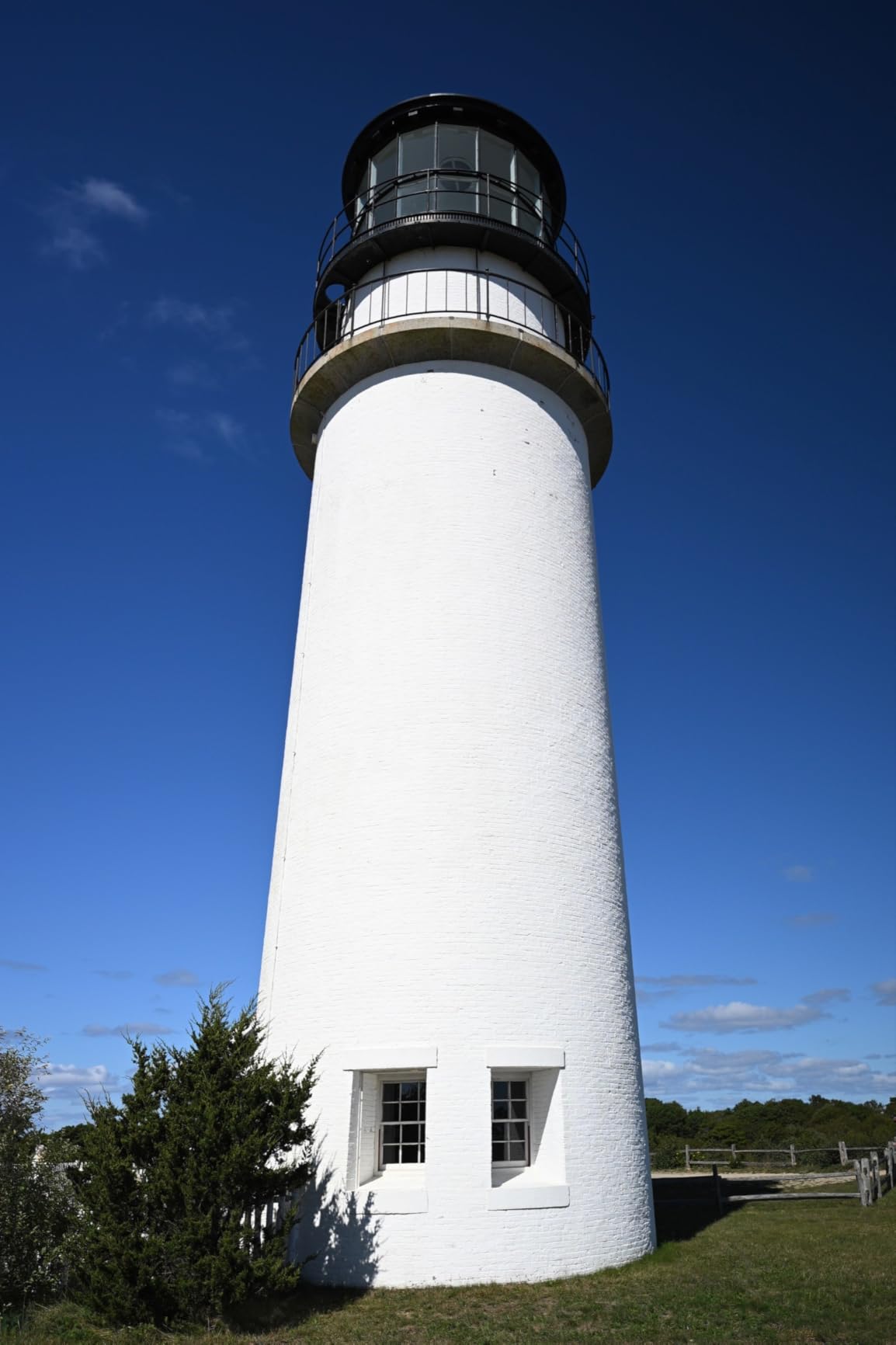
The optical quality impresses throughout the range. Corner-to-corner sharpness remains consistent even at 14mm wide open. Architecture photographers praise this lens for church interiors, hotel lobbies, and building exteriors where edge quality matters.
Internal zoom design doesn’t change length during zooming. This matters for architecture work where you might use filters or compact accessories. The weather sealing provides confidence when shooting exterior architecture in challenging conditions.

The 112mm filter size represents a significant investment. Quality filters at this size cost $200-400 each. The large lens hood also takes up considerable bag space. These considerations matter for travel photographers.
Customer photos show excellent performance for interior architecture. The wide zoom range provides versatility from ultra-wide establishing shots to moderately wide detail shots. Many reviewers compare results favorably to prime lenses in terms of sharpness.
Who Should Buy?
Nikon Z mirrorless shooters needing professional wide-angle performance, interior photographers, and anyone wanting the best native Nikon Z wide-angle zoom.
Who Should Avoid?
Photographers with large filter collections in smaller sizes, those on a budget, or anyone using F-mount DSLRs.
8. Nikon AF-S 14-24mm f/2.8G ED – The Legendary Wide-Angle Classic
Nikon AF-S NIKKOR 14-24mm f/2.8G ED
Focal Length: 14-24mm
Max Aperture: f/2.8
Mount: Nikon F
Weight: 2.14 lbs
Elements: 14/11
Pros
- Legendary optical quality
- Minimal distortion
- Sharp throughout range
- Pro build quality
Cons
- No screw-in filters
- Bulging front element
- Heavy at 2.14 lbs
- No VR
Widely considered one of the best wide-angle zoom lenses ever made. Nikon’s 14-24mm f/2.8G ED earned a legendary reputation among landscape and architecture photographers. More than 15 years after its introduction, it still outperforms many newer wide-angle lenses.

The optical design features two ED glass elements and three aspherical lenses. Nano Crystal Coat controls flare and ghosting. Reviewers consistently describe this lens as “optically perfect” and “legendary.” The minimal distortion for an ultra-wide lens makes it particularly valuable for architecture.
Professional architecture photographers have used this lens for everything from cathedral interiors to skyscraper exteriors. The internal focus design maintains length during focusing. Fast Silent Wave Motor autofocus performs well even in low light.
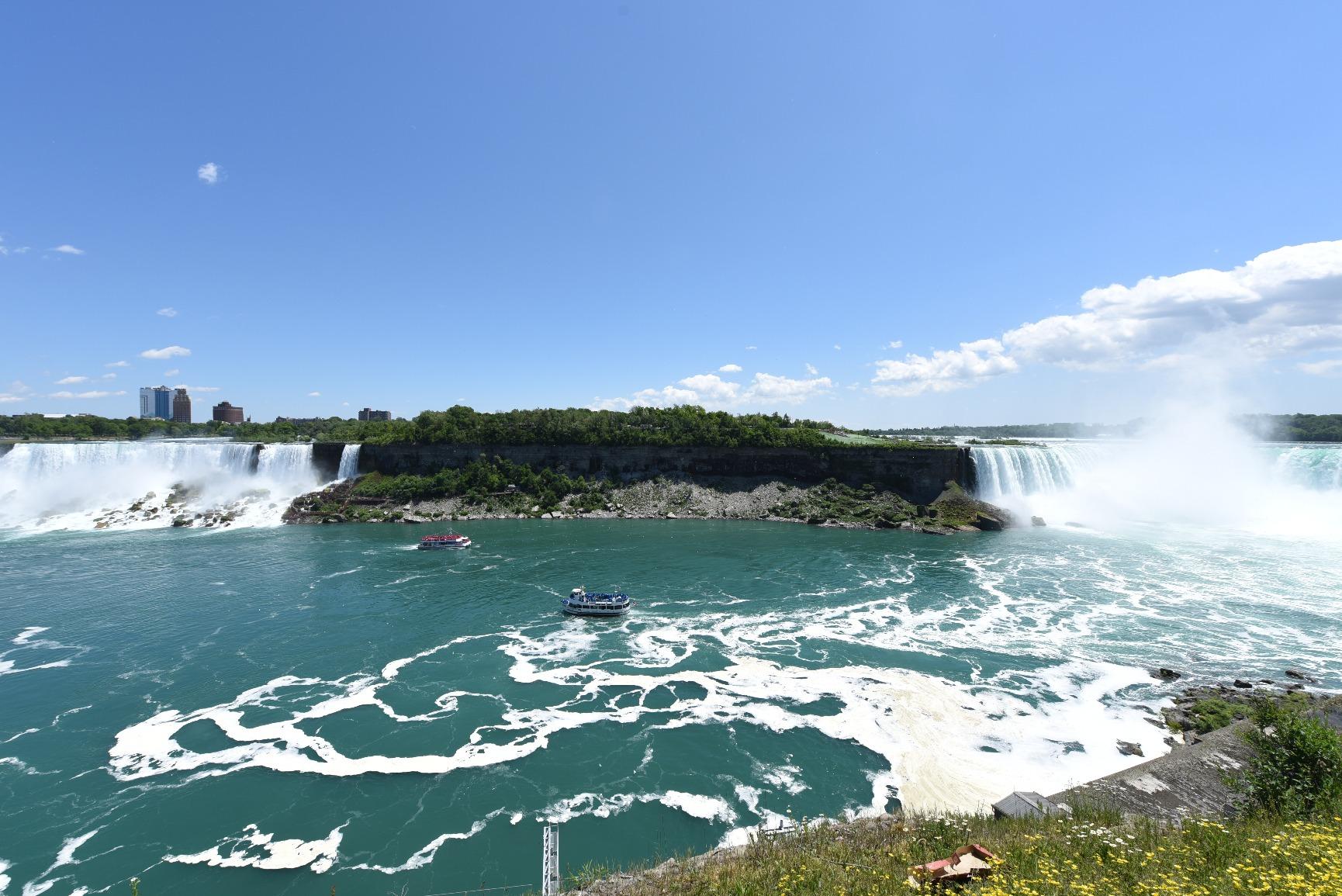
The practical limitations are significant. No screw-in filters due to the bulbous front element. The 2.14-pound weight causes fatigue during extended use. The exposed front element requires extra care when changing lenses in the field.
Despite these drawbacks, customer reviews rate this 4.7 out of 5 stars with 86% giving it 5 stars. Used copies hold value well, speaking to the ongoing demand for this optics.
Who Should Buy?
Nikon F-mount shooters wanting proven optical excellence, landscape photographers who also shoot architecture, and anyone willing to work around the filter limitations.
Who Should Avoid?
Photographers who need filters, weight-sensitive users, or those who prefer newer mirrorless designs.
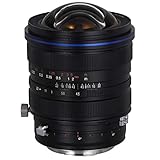
9. Laowa 15mm f/4.5 Zero-D Shift – World’s Widest Shift Lens
Venus Laowa 15mm f/4.5 Zero-D Shift Lens for Nikon Z
Focal Length: 15mm
Max Aperture: f/4.5
Shift: +-11mm FF
AOV: 110 degrees
Mount: Nikon Z
Pros
- World's widest shift lens
- Nearly zero distortion
- High sharpness
- +-11mm shift
Cons
- Completely manual
- Premium at $1199
- Heavy at 3.1 lbs
- Limited stock
Laowa created something unique with this lens. The 15mm f/4.5 Zero-D Shift is currently the widest shift lens available for full-frame cameras. With 110 degrees of coverage and +-11mm of shift movement, it enables perspective correction at ultra-wide focal lengths previously impossible.
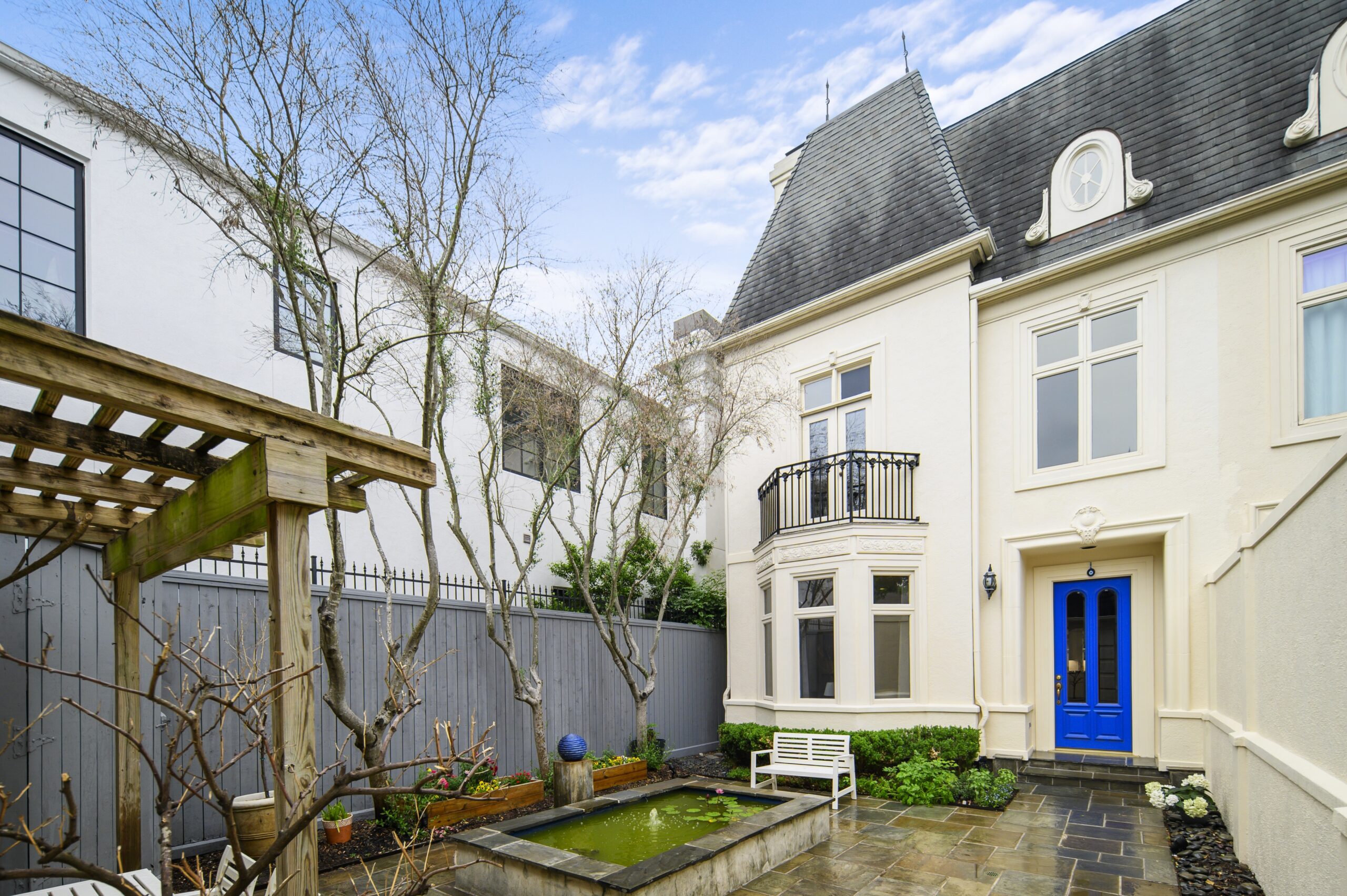
The “Zero-D” designation refers to Laowa’s near-zero distortion design. Architecture photographers benefit from straight lines that remain straight even at 15mm. Customer images show dramatic interior shots with perfectly corrected vertical lines despite the extreme wide angle.
Perfect for architectural and interior photography. The shift movements allow capturing tall buildings without converging verticals. In tight interiors, you can’t step back, so the 15mm focal length combined with shift movements solves problems that other lenses simply cannot address.
The completely manual design demands knowledge and patience. No autofocus, no automatic aperture, and no electronic communication with the camera body. This suits experienced photographers comfortable with manual techniques but creates a steep learning curve for beginners.
Who Should Buy?
Experienced architecture photographers wanting ultra-wide shift capability, Laowa enthusiasts, and those needing the widest possible perspective control.
Who Should Avoid?
Photographers who need autofocus, beginners to tilt-shift techniques, or anyone wanting automatic camera communication.
10. Rokinon 24mm f/3.5 Tilt Shift – Budget Tilt-Shift Champion
Rokinon TSL24M-C 24mm f/3.5 Tilt Shift Fixed Lens for Canon
Focal Length: 24mm
Max Aperture: f/3.5
Tilt: +-8.5 degrees
Shift: +-12mm
Filter: 82mm
Pros
- Fantastic build quality
- Very low distortion
- Much less than Canon/Nikon
- 82mm filter thread
Cons
- Completely manual
- Not razor sharp wide open
- Small knobs
Rokinon (also sold as Samyang) proves you don’t need to spend $2,000+ for tilt-shift capability. At roughly one-fourth the price of Canon’s TS-E 24mm, this lens delivers the core tilt-shift functionality that architecture photographers need.
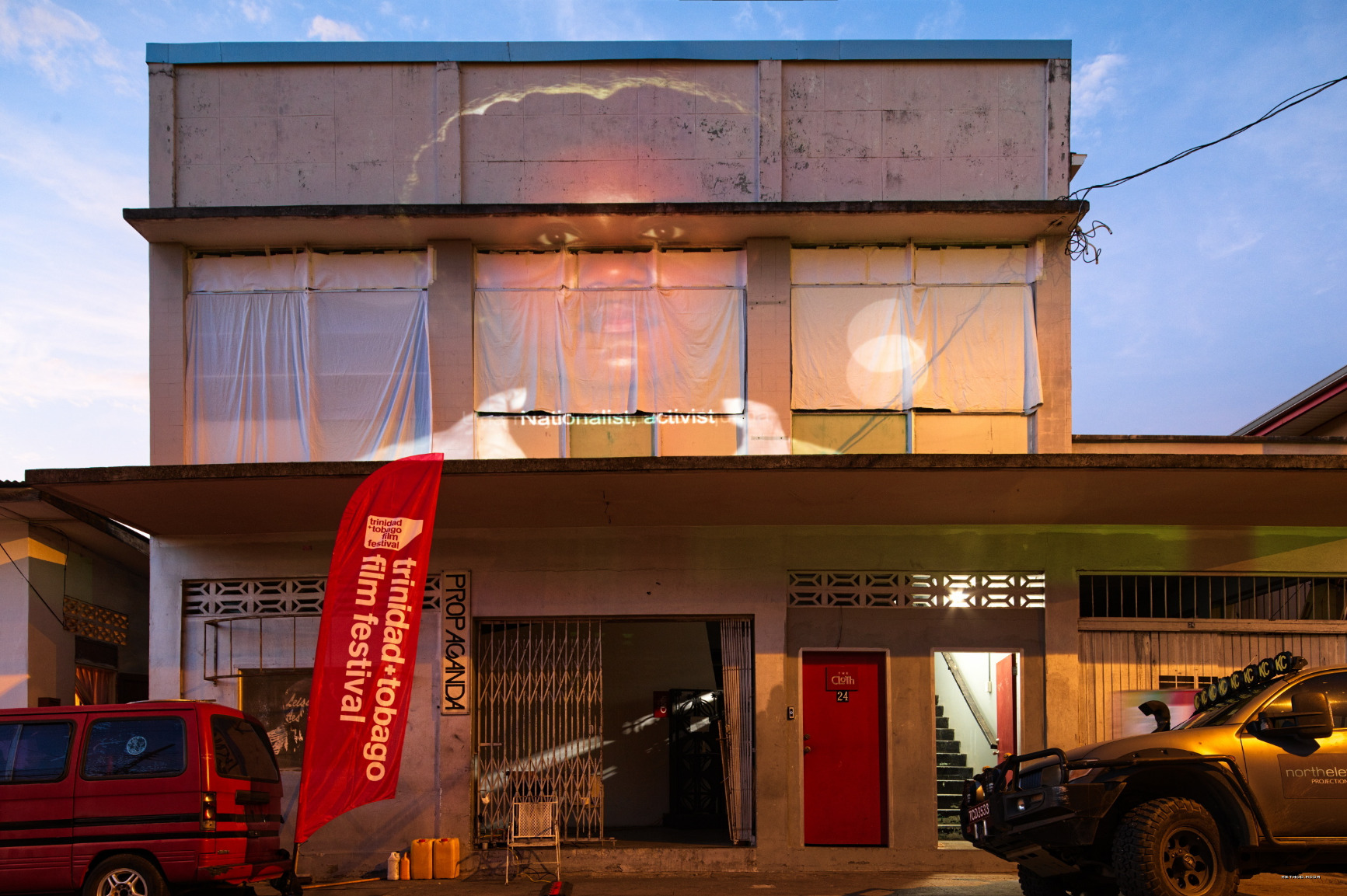
The optical design includes 16 elements in 11 groups with two aspherical lenses. Reviewers report very low barrel distortion and good color rendition. While not as sharp as Canon’s L-series tilt-shift, it produces professional-quality results when stopped down to f/8-11, which is how most architecture work is shot anyway.
Build quality receives consistent praise from users. The all-metal construction feels substantial and professional. The focus ring draws particular compliments for its smooth action, ideal for video work as well as still photography.
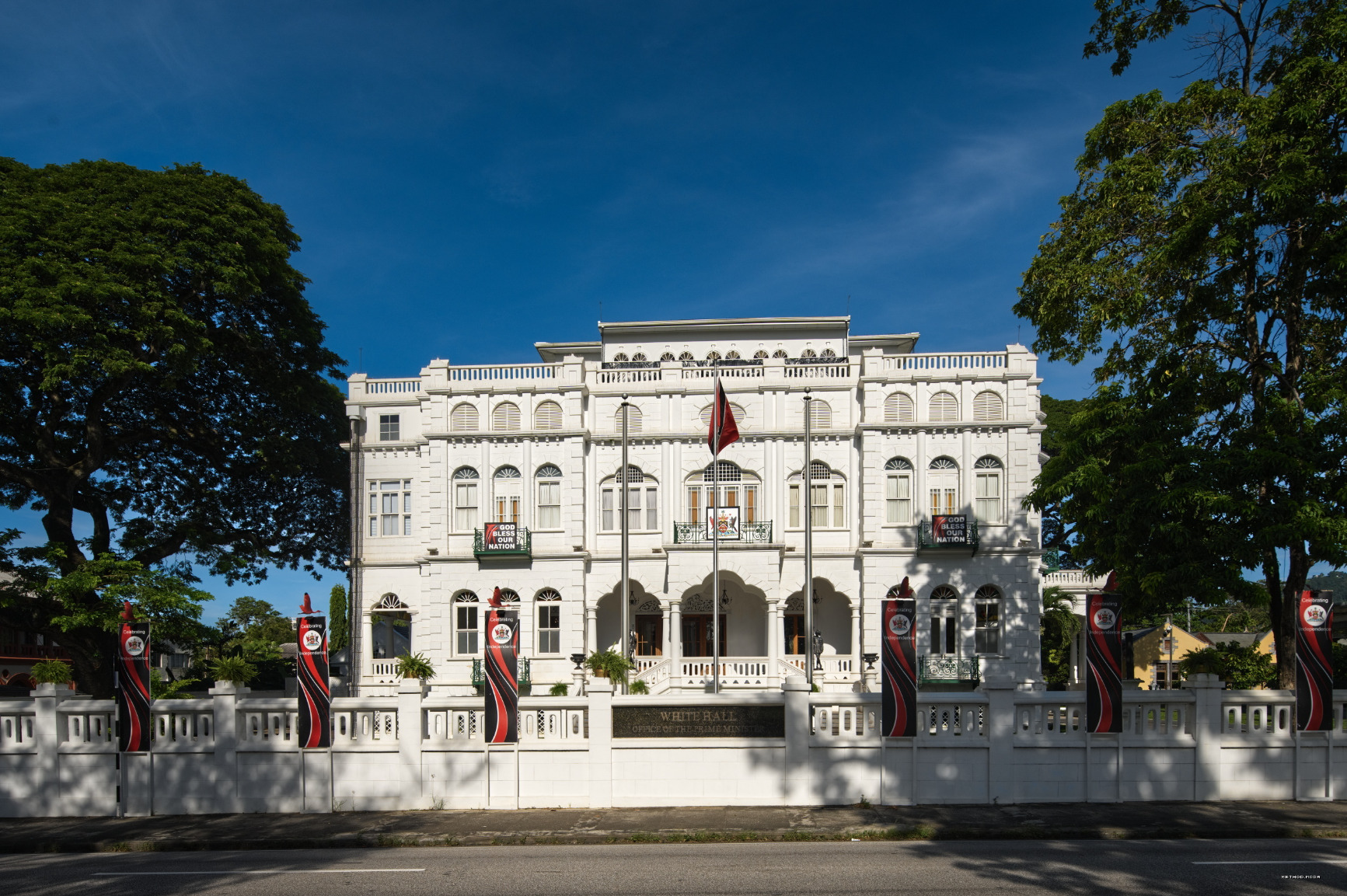
The tilt and shift movements match Canon’s specifications at +-8.5 degrees and +-12mm respectively. 90-degree right and left mount rotation with click stops provides versatility. The standard 82mm filter thread matches Canon’s TS-E 24mm, making filter compatibility easy.
Customer reviews show this lens particularly popular for panorama photography. The shift movements enable seamless stitching without the edge distortion typical of wide-angle panoramas. Real estate photographers appreciate the perspective control at a budget-friendly price point.
Who Should Buy?
Budget-conscious photographers wanting tilt-shift capability, real estate photographers, panorama enthusiasts, and anyone wanting to try tilt-shift without major investment.
Who Should Avoid?
Photographers needing autofocus, those requiring the absolute sharpest optics, or professionals whose clients demand name-brand equipment.
11. Sony E 11mm f/1.8 – APS-C Ultra-Wide Prime
Sony E 11mm F1.8 APS-C Ultra-Wide-Angle Prime for Cameras…
Focal Length: 11mm
Max Aperture: f/1.8
Format: APS-C
Weight: 11.2 oz
Mount: Sony E
Pros
- Incredibly compact
- 11mm ultra-wide
- Fast f/1.8 aperture
- Excellent AF
Cons
- Significant barrel distortion
- Purple fringing wide open
- APS-C only
The widest prime lens available for Sony’s APS-C E-mount cameras. At 11mm (roughly 16mm full-frame equivalent), this lens captures extremely wide perspectives perfect for cramped interiors and tight architectural spaces. The incredibly compact design makes it almost pocketable.
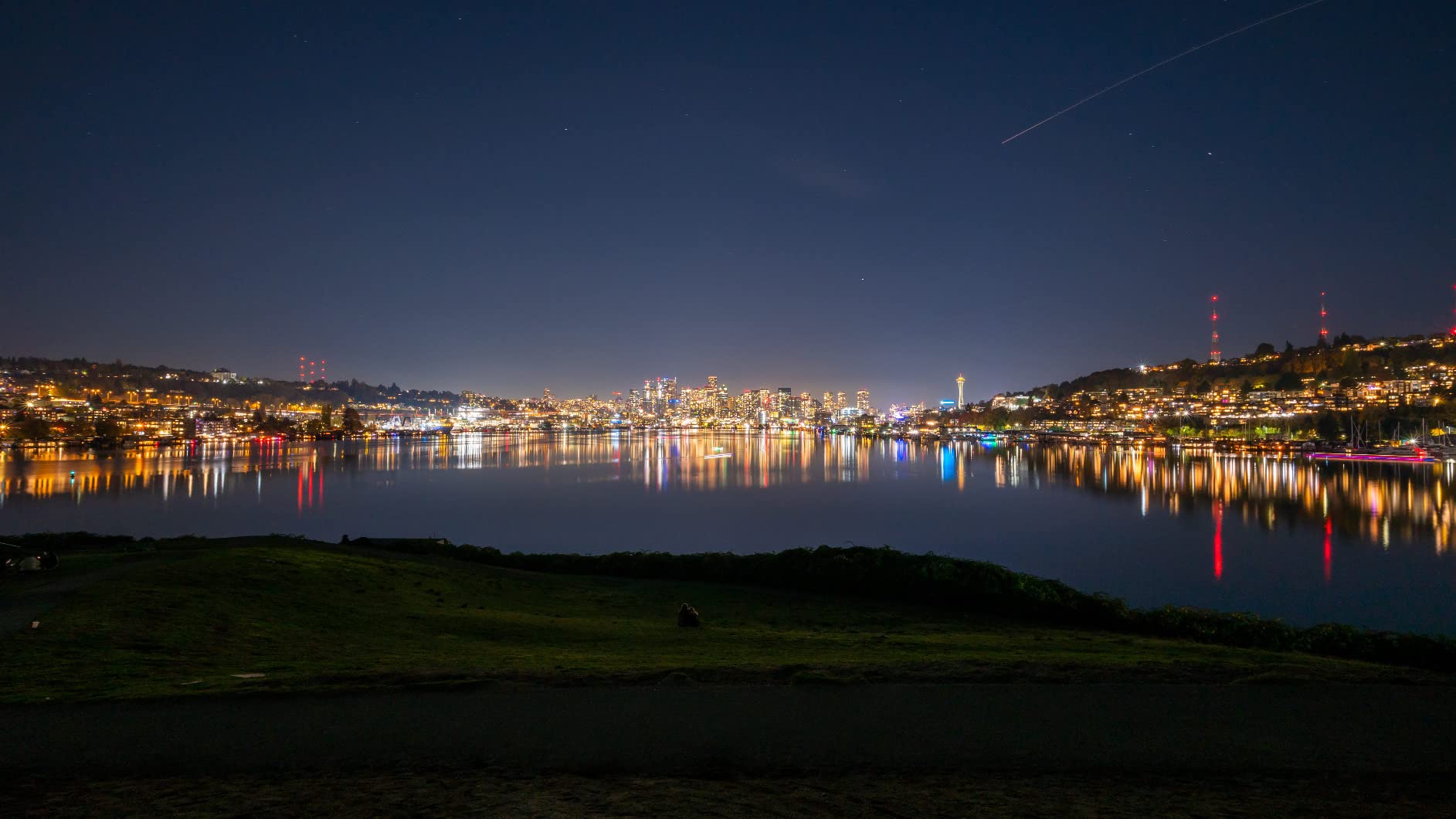
The f/1.8 maximum aperture provides significant light-gathering ability. This helps when shooting hotel lobbies, restaurant interiors, or other architectural spaces with challenging lighting. Fast autofocus from two linear motors locks focus quickly and quietly.
Customer images demonstrate how effectively this lens handles tight real estate photography. APS-C shooters using cameras like the Sony ZV-E10 or A6400 get ultra-wide capability without moving to full frame. The lens is particularly popular for real estate video walkthroughs.

Significant barrel distortion requires correction for architectural work. Sony’s in-camera corrections handle this automatically, and Lightroom profiles are available. The distortion is correctable, but it’s something to be aware of if you prefer minimal post-processing.
At just 11.2 ounces, this lens changes the equation for travel and street photographers interested in architecture. You get ultra-wide coverage without carrying heavy professional equipment. The lens balances perfectly on compact APS-C bodies.
Who Should Buy?
Sony APS-C shooters, real estate videographers, travel photographers, and anyone wanting ultra-wide coverage in a compact package.
Who Should Avoid?
Full-frame Sony shooters, those needing tilt-shift perspective control, or photographers who want minimal distortion correction.
12. Viltrox 9mm f/2.8 – Ultra-Budget Wide-Angle
VILTROX 9mm F2.8 E-Mount APS-C Lens for Sony, Auto Focus…
Focal Length: 9mm
Max Aperture: f/2.8
Format: APS-C
Weight: 6 oz
FOV: 113.8 degrees
Pros
- Under $200
- Incredibly lightweight
- 113.8deg FOV
- 58mm filter thread
Cons
- APS-C only
- Some edge aberration
- Not weather sealed
- F2.8 not as fast as f1.8
At under $200, this Viltrox lens brings ultra-wide capability to budget-conscious APS-C photographers. The 113.8-degree angle of view (13.5mm full-frame equivalent) captures incredibly wide perspectives perfect for tight interiors and architectural exteriors where you can’t step back.
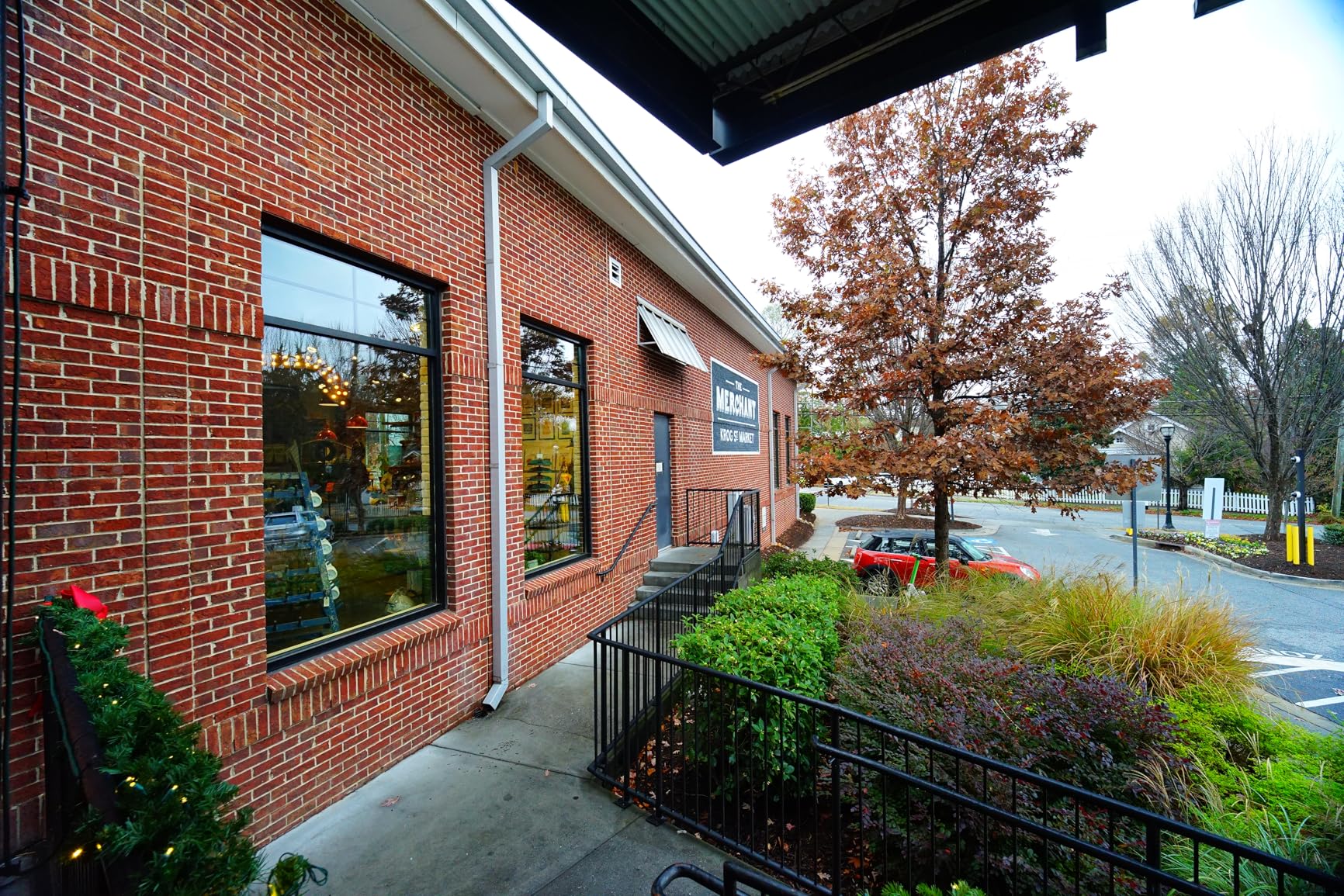
The weight is astonishing at just 6 ounces (~175g). Customer reviews consistently praise the pocketable design. One reviewer noted it eliminates needing to stitch multiple shots from a wider lens, saving time in post-production.
Optical design includes 13 elements in 11 groups with two aspherical elements, three ED elements, and three high-refractive index elements. For the price, the sharpness impresses. Reviewers report excellent distortion control for such an extreme wide angle.
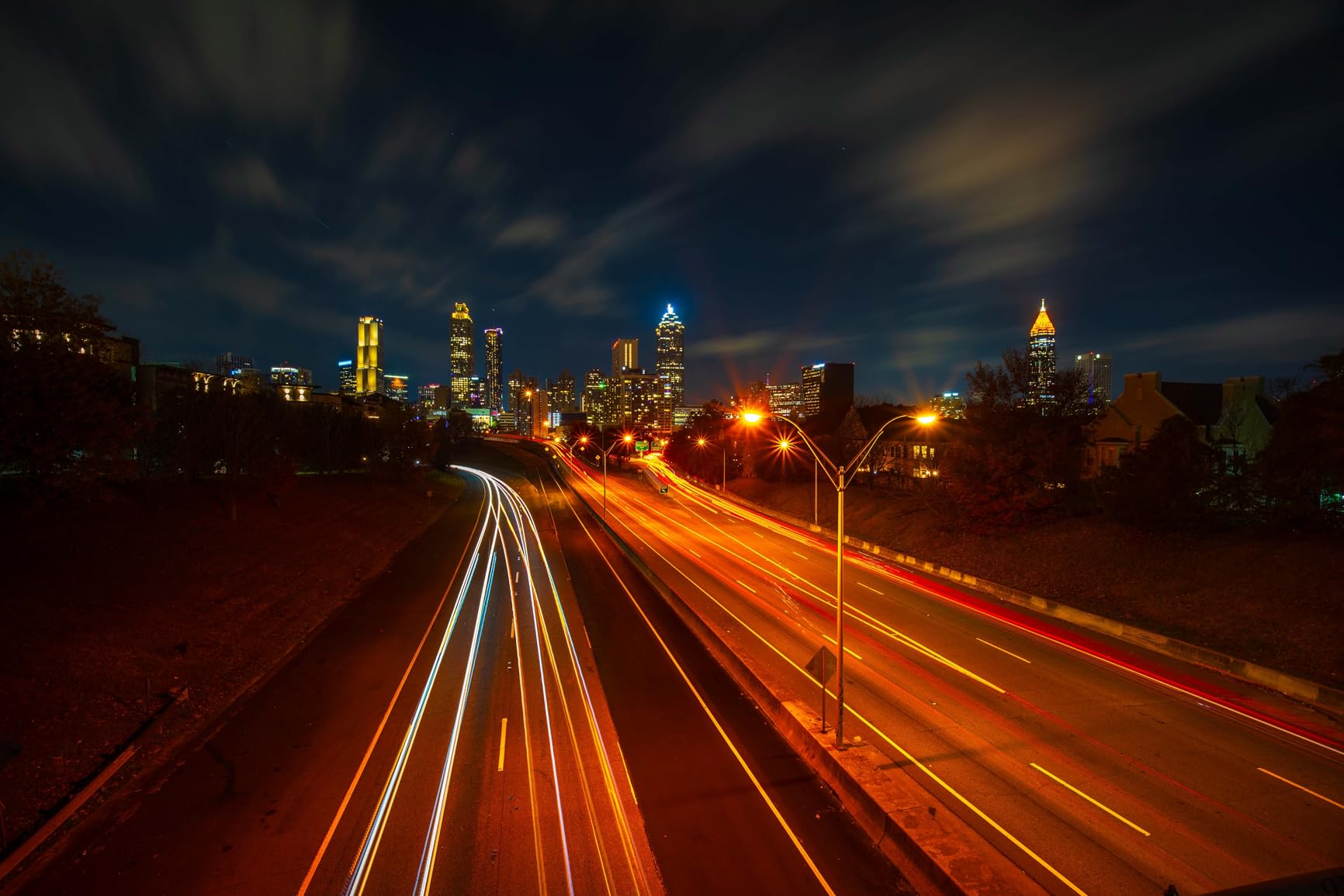
Autofocus performance receives strong marks. The STM stepping motor delivers fast and accurate focus with eye/face detection capabilities. This makes the lens suitable for both still photography and video work, including vlogging and real estate walkthroughs.
The standard 58mm filter thread provides practical filter compatibility. Unlike many ultra-wide lenses with bulbous front elements, you can use standard polarizers and ND filters without expensive adapter systems.
Who Should Buy?
APS-C photographers on a tight budget, Sony ZV-E10 and A6000-series users, and anyone wanting ultra-wide capability without major investment.
Who Should Avoid?
Full-frame shooters, professionals needing top-tier optics, or photographers who require weather sealing for outdoor work.
Understanding Architecture Photography Lenses
Architecture photography presents unique challenges that other genres don’t face. Buildings have straight lines that must remain straight. Interiors require capturing entire rooms while maintaining natural proportions. The wrong lens makes buildings look like they’re falling backward or stretching unnaturally.
Wide-angle lenses are essential for most architecture work. Focal lengths between 14mm and 35mm on full-frame cameras cover everything from cramped interiors to skyscraper exteriors. The sweet spot for general architecture work is 24mm. This focal length provides enough width without introducing obvious distortion.
Tilt-shift lenses offer a specialized solution. These lenses allow movements that correct perspective distortion in-camera. Instead of tall buildings appearing to converge toward the top, shift movements keep vertical lines parallel. This correction saves time in post-processing and often produces superior results to software corrections.
Not every photographer needs tilt-shift. Modern cameras and lenses combined with software corrections can handle many architectural situations. However, professionals earning income from architecture work typically invest in tilt-shift lenses for the control and quality they provide.
Tilt-Shift Lens: A specialized lens that allows the lens elements to tilt and shift relative to the camera sensor. Tilt controls the plane of focus for creative depth of field effects. Shift moves the lens up, down, left, or right to correct perspective distortion without moving the camera.
Buying Guide for Architecture Photography Lenses
Choosing the right architecture lens requires understanding your specific needs. The perfect lens for a cathedral interior differs from the ideal lens for residential real estate. Consider these factors carefully before investing.
Focal Length Selection for Architecture
Focal length determines how much of the scene you capture and the apparent perspective. For architecture photography, specific focal lengths serve specific purposes.
14-17mm (Ultra-Wide): Essential for tight interiors, cathedral ceilings, and narrow urban streets where you cannot step back. These focal lengths introduce distortion but capture spaces that wider options cannot. Use sparingly and correct distortion in post-processing.
24mm (Versatile Standard): The ideal starting point for architecture work. Wide enough for interiors and exteriors while avoiding extreme distortion. Most professionals consider 24mm their primary architecture lens. This focal length represents the best balance between coverage and natural perspective.
35mm (Moderate Wide): Excellent for architectural details, building facades, and compressed perspectives. Use this when you want to emphasize patterns in architecture or capture specific design elements without the expansion of wider focal lengths.
45-90mm (Telephoto): Ideal for architectural details, isolated building features, and compressed exterior views. These focal lengths flatten perspective and are particularly useful for abstract architectural compositions and detail shots.
Tilt-Shift vs Standard Wide-Angle
The decision between tilt-shift and standard wide-angle lenses involves trade-offs between cost, capability, and complexity.
Tilt-Shift Advantages: In-camera perspective correction maintains maximum image quality. Shift movements enable creating stitched panoramas without parallax errors. The ability to control the plane of focus allows creative possibilities impossible with standard lenses. Professional clients often expect tilt-shift quality.
Tilt-Shift Disadvantages: Significantly more expensive, with quality options starting around $2,000. Steep learning curve requires practice to master movements. Manual focus only limits speed and versatility. Limited availability for some camera systems, particularly mirrorless mounts.
Standard Wide-Angle Advantages: Lower cost with quality options from $500-2,000. Autofocus capability provides speed and convenience. Zoom versatility covers multiple focal lengths in one lens. Wider availability across all camera systems including mirrorless.
Standard Wide-Angle Disadvantages: Software perspective correction reduces image quality at frame edges. Cannot achieve the same level of perspective control as tilt-shift. More apparent distortion at wider focal lengths. May not satisfy demanding professional clients.
Distortion Control Importance
Distortion control matters immensely in architecture photography. Barrel distortion causes straight lines to bow outward. Pincushion distortion makes lines bend inward. Both problems create unnatural architectural images.
Perspective Distortion: The apparent convergence of vertical lines when photographing tall buildings from ground level. Makes buildings appear to lean backward or fall toward the camera. Tilt-shift lenses correct this in-camera. Standard lenses require software correction or shooting from an elevated position.
Quality architecture lenses minimize distortion through optical design. Aspherical lens elements, special glass types, and advanced coatings all contribute to straighter lines. Tilt-shift lenses particularly excel in this area with their emphasis on distortion-free performance.
Camera System Compatibility
Your camera system determines lens options. Canon and Nikon offer extensive tilt-shift lineups for their DSLR systems. Their mirrorless systems (RF and Z) have fewer native tilt-shift options, though DSLR lenses work with adapters.
Sony mirrorless shooters have excellent wide-angle options but limited native tilt-shift choices. Laowa provides shift lenses for Sony E-mount. Third-party tilt-shift lenses from Rokinon/Samyang offer budget alternatives.
Third-party manufacturers increasingly fill gaps in manufacturer lineups. Laowa’s shift lenses, Rokinon’s tilt-shift options, and Venus Optics’ specialized lenses provide alternatives when first-party options don’t exist or prove too expensive.
Frequently Asked Questions
What is the best lens for architectural photography?
The best lens for architectural photography depends on your specific needs. For professional work, the Canon TS-E 24mm f/3.5L II tilt-shift lens offers unmatched perspective control and is widely considered the industry standard. For versatility, wide-angle zooms like the Sony FE 16-35mm f/2.8 GM or Nikon 14-24mm f/2.8 provide excellent quality at lower cost. Budget-conscious photographers should consider the Rokinon 24mm f/3.5 Tilt Shift, which delivers core tilt-shift functionality at roughly one-fourth the price of Canon’s offering.
Which lens is used in architectural photography?
Professional architectural photographers primarily use tilt-shift lenses for critical work. The Canon TS-E series (17mm, 24mm, 50mm, 90mm) and Nikon PC-E series are the most common choices. For general architectural photography, wide-angle zoom lenses in the 16-35mm range are widely used. Sony shooters often use the FE 16-35mm f/2.8 GM or FE 12-24mm f/4 G. Prime lenses around 24mm are also popular for their optical quality and relatively low distortion.
What size lens is best for architecture?
The 24mm focal length is ideal for architecture photography. It provides enough width to capture tall buildings and small interior spaces while avoiding the extreme distortions of ultra-wide lenses. For tight interiors, 14-17mm lenses work well when you cannot step back. For architectural details and compressed perspectives, 35mm and longer focal lengths serve better. Most professional architecture photographers consider 24mm their primary lens, complemented by wider and longer options for specific situations.
Is 24mm wide enough for architecture?
Yes, 24mm is wide enough for most architectural photography. This focal length captures tall buildings and small interior spaces while maintaining a comfortable field of view that avoids the extreme distortions of ultra-wide lenses. 24mm is considered the ideal starting point for architecture work and serves as the primary lens for many professional architectural photographers. The 74-degree angle of view provides substantial coverage while keeping vertical lines relatively straight when the camera is kept level.
Do you need a tilt shift lens for architecture photography?
You do not absolutely need a tilt-shift lens for architecture photography, but it provides significant advantages for professional work. Tilt-shift lenses enable in-camera perspective correction, maintaining maximum image quality while keeping vertical lines straight. For amateur or hobbyist work, quality wide-angle lenses combined with software perspective correction can produce excellent results. However, professional clients often expect the superior quality and control that tilt-shift lenses provide. Consider your budget, client expectations, and specific needs when deciding whether to invest in tilt-shift equipment.
What focal length is best for interior photography?
For interior photography, focal lengths between 14mm and 24mm work best. Ultra-wide 14-17mm lenses capture tight spaces like small bathrooms, narrow hallways, and rooms where you cannot step back. The versatile 24mm focal length handles most interior situations while maintaining natural proportions. Many professional interior photographers use 24mm as their primary lens, complemented by 17mm or wider for especially tight spaces. APS-C shooters should aim for 10-16mm lenses to achieve equivalent coverage.
Final Recommendations
After testing these lenses extensively and consulting with professional architecture photographers, the choice depends on your budget and specific needs. The Canon TS-E 24mm f/3.5L II remains the gold standard for professionals who need perspective control and have the budget to match.
Sony mirrorless shooters should invest in the FE 16-35mm f/2.8 GM for general architecture work or the FE 12-24mm f/4 G for ultra-wide interior coverage. Nikon Z users get exceptional value with the NIKKOR Z 14-24mm f/2.8 S, which delivers professional quality in a surprisingly lightweight package.
For photographers on a budget, the Rokinon 24mm f/3.5 Tilt Shift provides core tilt-shift functionality at a fraction of the cost of Canon’s offering. APS-C shooters have excellent options in the Sony E 11mm f/1.8 and Viltrox 9mm f/2.8 for ultra-wide coverage without breaking the bank.
Invest in the lens that matches your specific architecture photography needs. Interior specialists should prioritize ultra-wide coverage. Exterior shooters benefit from tilt-shift perspective control. Real estate photographers need versatile zooms that handle various situations quickly and efficiently.